


Relais Roncolo 1888
Quattro Castella
Hotel in Quattro Castella, Italy
 Book with Pearl
The Read
Aristocratic Emilian Conversion
Why go
Relais Roncolo 1888 is a countryside-leaning Quattro Castella hotel for travelers who want the stay itself to matter, not just a bed near an itinerary. Its Small Luxury Hotels of the World membership, Virtuoso partner status, and MICHELIN Guide hotel selection make it a lower-risk splurge, especially for couples weighing a suite upgrade against a simpler base.
About Relais Roncolo 1888
If your trip has room for a stay in Quattro Castella, make Relais Roncolo 1888 a deliberate choice rather than a default add-on. The case for the hotel rests on its confirmed recognition: it is listed as a Small Luxury Hotels of the World Member for 2025, a MICHELIN Guide Hotels Selected property for 2025, and a Virtuoso Luxury Hotel Partner for 2026.
Relais Roncolo 1888 is best evaluated as a Quattro Castella hotel with recognized luxury affiliations. Beyond those confirmed points and its smart casual dress code, specific claims about rooms, dining, services, prices, and facilities should be checked directly with the property before booking.
Upgrade only if the room is the point of the stay
The room-category decision should be made cautiously.
For a broader Quattro Castella plan, pair the hotel decision with current local research on lodging and dining. If the stay itself is central to the trip, Relais Roncolo 1888 has the strongest support through its confirmed hotel recognitions.
Better for leisure value than city efficiency
The booking logic is simple: choose Relais Roncolo 1888 when a recognized hotel in Quattro Castella is what you want. Its confirmed affiliations help reduce uncertainty, but they do not replace checking room category, cancellation terms, current services, and any stay-specific needs before committing.
Because public details are limited, avoid building the trip around assumptions about dining, facilities, transport convenience, seasonal programming, or on-property experiences unless the hotel confirms them directly. The most reliable facts to use are the venue name, Quattro Castella location, smart casual dress code, and the confirmed hotel recognitions.
For wider cross-shopping, compare Relais Roncolo 1888 with other relevant hotel options such as Executive SPA Hotel, Hombre, Hotel Cervetta 5, Hotel Rua Frati 48 in San Francesco, and NH Parma.
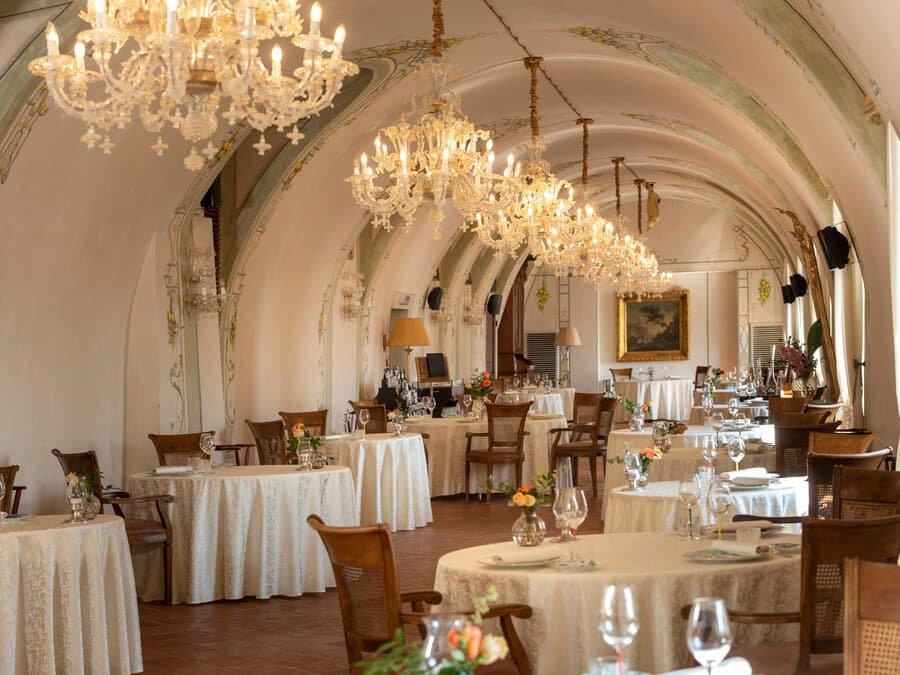
Inside Relais Roncolo 1888
Planning details
- Location
- Tenuta di Roncolo (Venturini Baldini, Via Filippo Turati, 42, 42020 Quattro Castella RE
- Website
- roncolo1888.it
- Phone
- +39 0522 888478
The take
The Take
The Vibe
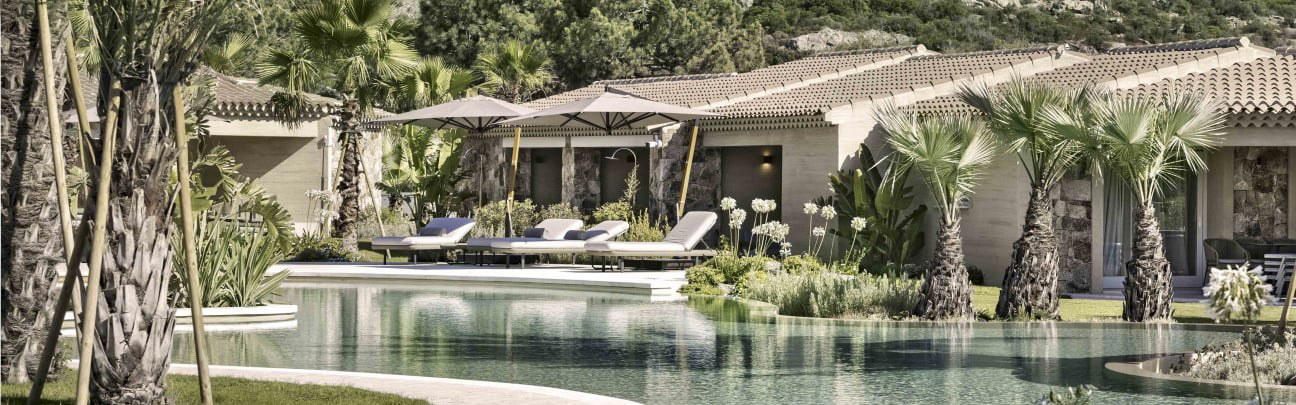
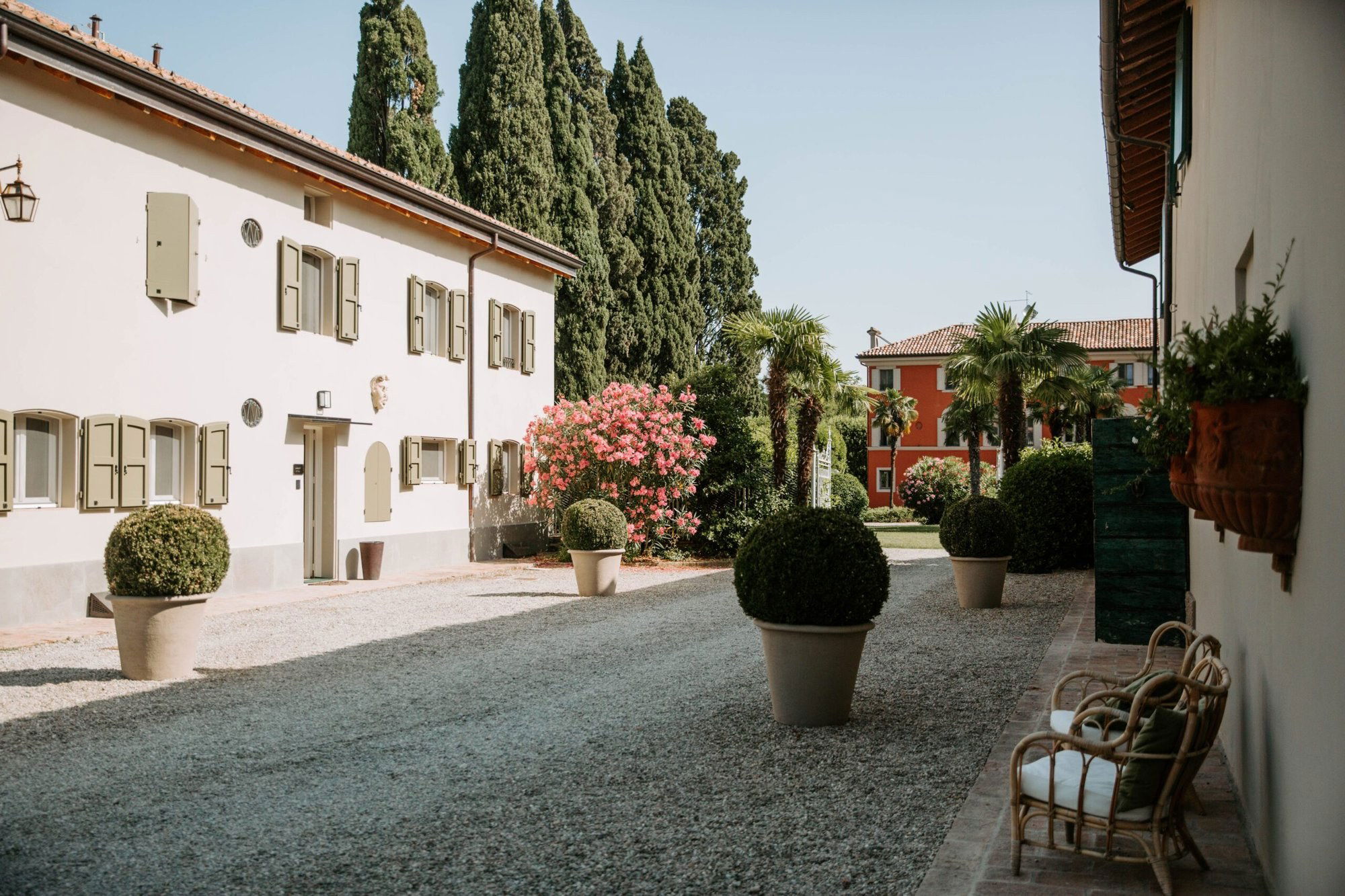
Relais Roncolo 1888 foregrounds its history: a borgo of authentic stone buildings arranged across a 320‑acre estate, where the architecture retains an aristocratic gravity. The renovation intentionally balances preservation with contemporary interventions — original materials and formal proportions sit alongside selective modern details and sustainable construction. With just twenty rooms and suites, the place reads as a small, deliberately composed estate rather than a branded resort. The approach through vineyards and the foothills of the Apennines reinforces a sense of occasion; Roncolo feels like a quietly refined country house that privileges provenance and restraint over flash.
Best For
This is a property for travelers seeking a quietly elevated countryside stay: couples on romantic getaways or honeymooners, and visitors after a restorative weekend escape. The estate’s scale and historic character also suit guests who value architecture, calm landscapes and a connection to regional food-and-wine culture. With generous rooms and wide views across the grounds, Roncolo is less about city-style nightlife or large-group programming and more about slow, place-based stays — arriving deliberately, wandering the estate and appreciating the balance between old fabric and considered contemporary design.
Stay Tips
When booking, prioritize a room or suite described as having views across the estate — the description stresses generous proportions and outlooks over the surrounding grounds. Expect accommodations that preserve historic character while offering contemporary finishes; if you value space and sightlines, choose a suite for the most generous proportions. Plan for an arrival that is part of the experience: the winding road through vineyards sets the tone, so allow time to arrive in daylight to appreciate the setting. Avoid assuming farm-stay programming: the property positions itself between agriturismo and boutique country estate.
Venue details
Ambiance
Relaxing and peaceful countryside atmosphere with classic elegance, modern design, natural materials, and panoramic vineyard views.
Tags
Vibe
Best For
Experience
Amenities
View
Accessibility
About the Stay
- Rooms
- 17
- Check-in
- 15:00
- Check-out
- 11:00
- Property Style
- Historic Wine Estate Transformed Into Luxury Country Retreat
- Design Style
- Classic Elegance Blended with Modern Design and Natural Materials
Know before you go
Know Before You Go
- Getting there
- Tenuta di Roncolo (Venturini Baldini, Via Filippo Turati, 42, 42020 Quattro Castella RE
Planning details
Location
Tenuta di Roncolo (Venturini Baldini, Via Filippo Turati, 42, 42020 Quattro Castella RE · Directions
Recognition and awards


Also consider
Also Consider
- NH Parma, Notable alternative
- Hombre, Notable alternative
- Executive SPA Hotel, Notable alternative
- Hotel Rua Frati 48 in San Francesco, Notable alternative
- Hotel Cervetta 5, Notable alternative
Hotel context
How it compares in the Quattro Castella hotel set
Relais Roncolo 1888 is the better fit if the goal is a countryside hotel with a more curated feel and stronger luxury signals. NH Parma is the safer practical choice for travelers who want city convenience and fewer moving parts, while Hombre reads more like a specialist stay for guests drawn to a rural format.
For a spa-led trip, Executive SPA Hotel is the clearer cross-shop because the wellness angle is built into the decision. Hotel Rua Frati 48 in San Francesco and Hotel Cervetta 5 make more sense for travelers prioritizing an urban base and easier access to town routines.
Book Relais Roncolo 1888 when ambiance and hotel recognition carry more weight than city efficiency. Choose NH Parma for a simpler business-style stay, Executive SPA Hotel for wellness value, and Hotel Rua Frati 48 in San Francesco or Hotel Cervetta 5 when the plan depends on being closer to a city center.
Explore Quattro Castella
Around this place
Discover more on Pearl
Unlock the full Relais Roncolo 1888 guide in Pearl, including awards, comparisons, FAQs, planning details, and nearby places.
Compare Relais Roncolo 1888
| Venue | Location | Awards |
|---|---|---|
| Relais Roncolo 1888 | Quattro Castella | 2026 Virtuoso Luxury Hotel Collection2025 Michelin Selected HotelsSmall Luxury Hotels Member 2025 |
| NH Parma | Parma | No published awards |
| Hombre | Modena | No published awards |
| Executive SPA Hotel | Fiorano Modenese | No published awards |
| Hotel Rua Frati 48 in San Francesco | Modena | No published awards |
| Hotel Cervetta 5 | Modena | No published awards |
How Relais Roncolo 1888 compares with similar nearby venues.
FAQ
Frequently Asked Questions
What is check-in like at Relais Roncolo 1888?
Specific check-in details are not here. Relais Roncolo 1888 is in Quattro Castella, and its confirmed recognitions include MICHELIN Guide Hotels Selected for 2025 and Small Luxury Hotels of the World Member for 2025. Check the hotel directly for arrival times, access details, and current procedures.
Do loyalty programs work at Relais Roncolo 1888?
Relais Roncolo 1888 is a confirmed Virtuoso Luxury Hotel Partner for 2026. Specific benefits, booking channels, and eligibility rules are not here, so confirm them before reserving. If you are comparing formats, NH Parma is another hotel option to consider.
Is Relais Roncolo 1888 family-friendly?
Family-specific services and policies are not here. Relais Roncolo 1888 may still be worth considering for a Quattro Castella stay, but confirm room setup, age policies, and any family needs directly with the hotel before booking. Hotel Cervetta 5 is another option to compare if your plans point you toward a different base.
Is Relais Roncolo 1888 good for business travel?
Business-specific facilities and services are not here. If your trip requires meeting space, transfers, work amenities, or scheduling support, confirm those details directly with Relais Roncolo 1888 before booking. Executive SPA Hotel is another hotel to compare for a different stay profile.
How does Relais Roncolo 1888 compare to other hotels?
Relais Roncolo 1888 stands out on the facts available here because it has confirmed recognition from Small Luxury Hotels of the World, the MICHELIN Guide hotel selection, and Virtuoso. NH Parma, Hotel Rua Frati 48 in San Francesco, and Hotel Cervetta 5 are useful comparisons if you want to evaluate a different location or hotel style.
How is the dining at Relais Roncolo 1888?
Specific dining details are not here. Do not assume a particular cuisine, menu format, meal period, or service style without checking the hotel's current information. If dining is central to the trip, confirm directly with Relais Roncolo 1888 and compare with other Quattro Castella dining options.