

The St. Regis Qingdao
Shinan District, Qingdao
Hotel in Qingdao, China
 Book with Pearl
Why go
Book The St. Regis Qingdao for a formal, view-led stay in Shinan District, especially for celebrations or business trips where room scale and service matter. The strongest reasons to pay up are the high-rise Fushan Bay outlook, large rooms starting at 516 square feet, Butler Service, and serious wellness facilities. Skip it if beach access or value pricing matters more than design and polish.
About The St. Regis Qingdao
The St. Regis Qingdao is a premium option in Qingdao with a verified $$$$ price level and a formal dress code. Its confirmed recognition includes Forbes 4-Star in 2026 and Star Wine List in 2026.
Use this page as a concise, fact-checked starting point rather than a detailed facilities brief. For broader planning, use Our full Qingdao hotels guide, then add meals from Our full Qingdao restaurants guide around the visit.
What is about The St. Regis Qingdao
The strongest confirmed signals are its premium pricing, formal dress code, and recognized high-end positioning. The St. Regis Qingdao is listed at $$$$, with Forbes 4-Star recognition in 2026.
Star Wine List recognition in 2026 is also verified. Beyond those confirmed points, specific claims about room sizes, views, facilities, menus, service details, addresses, or nearby landmarks should be checked directly with the venue before booking.
How to think about the experience
The St. Regis Qingdao is best approached as a formal, high-end Qingdao option rather than a casual, value-led booking. The $$$$ price level means it will make the most sense for travelers who specifically want a premium experience.
If dining is an important part of the trip, use The St. Regis Qingdao as one anchor and compare other Qingdao dining options separately. Our full Qingdao restaurants guide can help with that broader planning.
Because the data here is intentionally limited, do not rely on this page for unconfirmed details such as exact facilities, room categories, opening hours, service inclusions, accessibility features, or family amenities. Confirm those directly before committing to a booking.
Who should book, and who should skip it
Book The St. Regis Qingdao if you want a formal, premium Qingdao venue with verified Forbes 4-Star recognition and a $$$$ price level. It is also worth considering if Star Wine List recognition matters to your planning.
Skip it if you mainly need a simple, lower-priced option, are trying to control budget, or require specific amenities that are not confirmed here. In those cases, compare other Qingdao options before booking.
Planning details
- Location
- 48 Hong Kong West Road, Shinan District, Qingdao, Shandong
- Website
- marriott.com/en-us/hotels/taoxr-the-st-regis-qingdao/overview
- Phone
- 86-532-82659999
The take
The Take
The Vibe
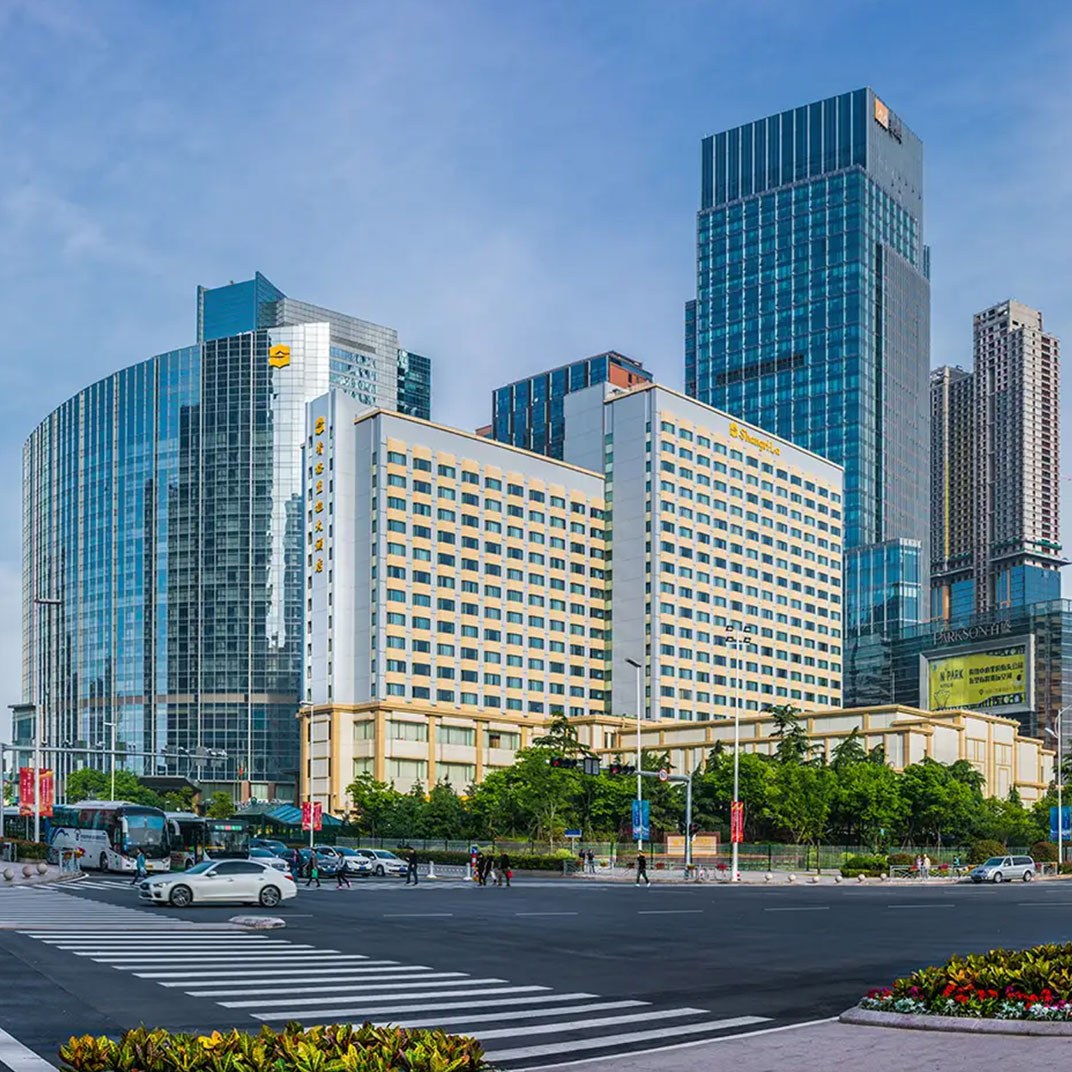
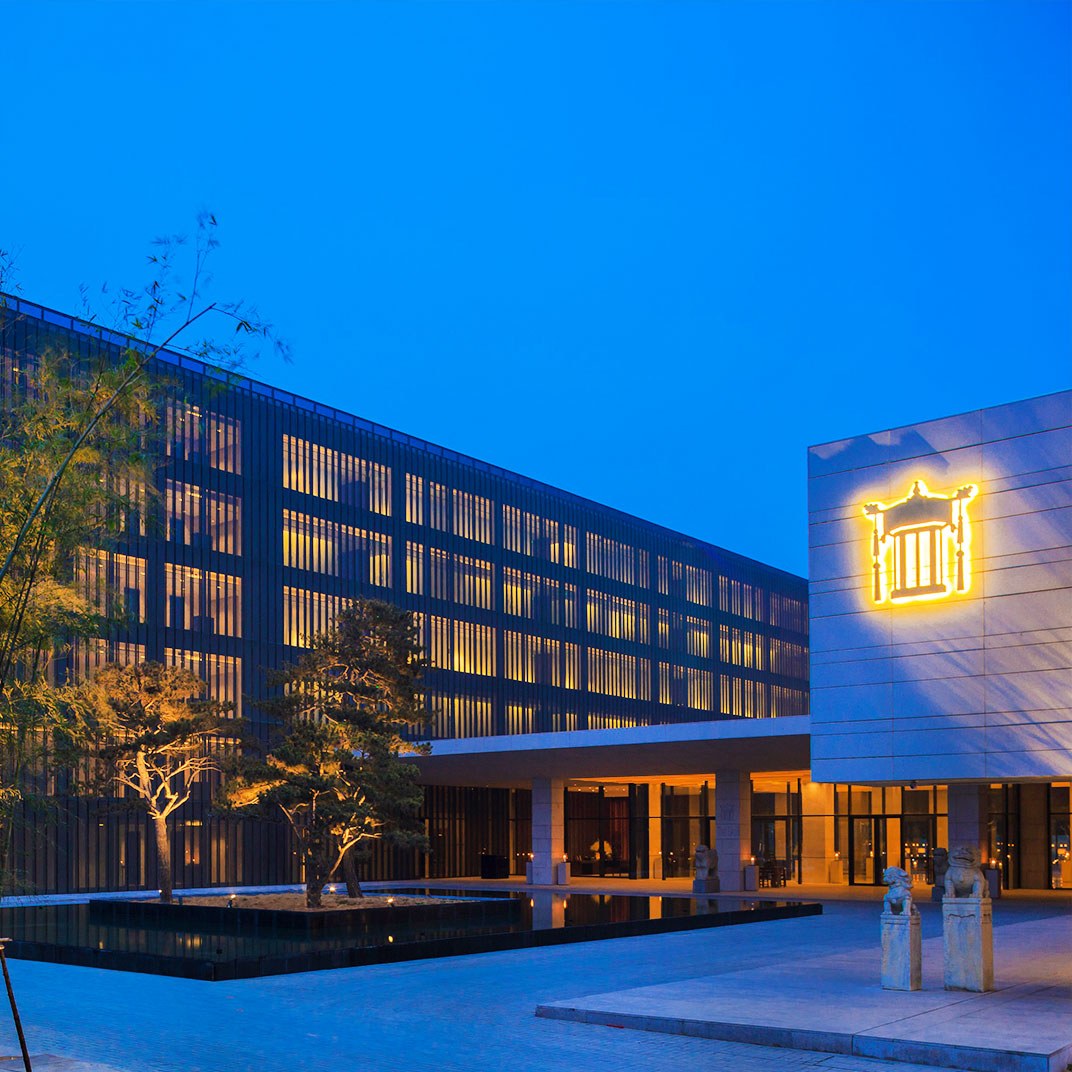
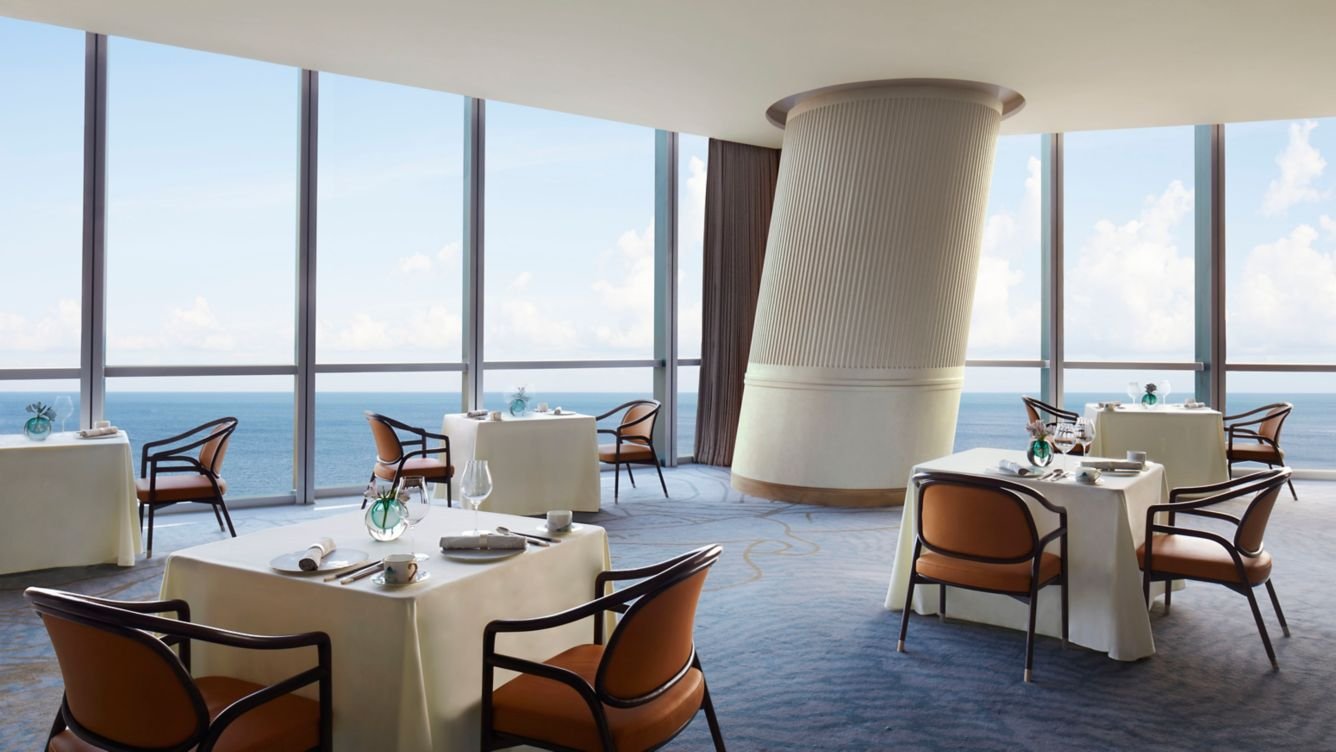
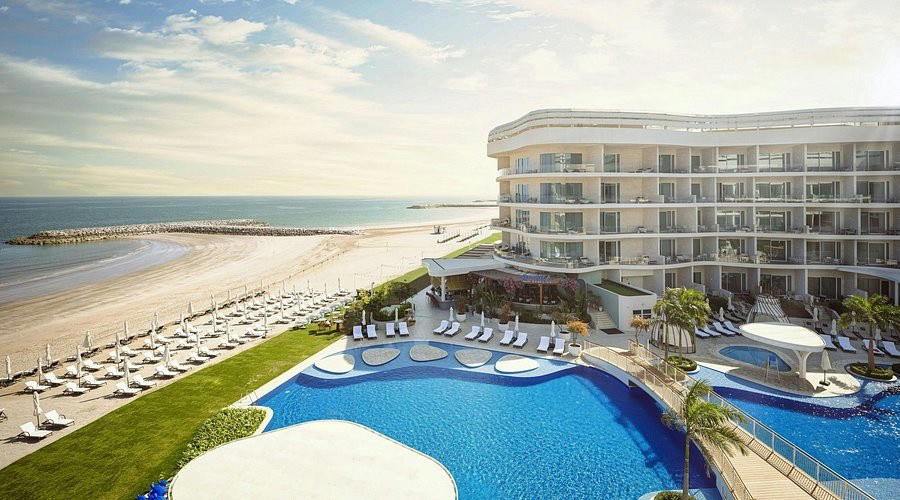
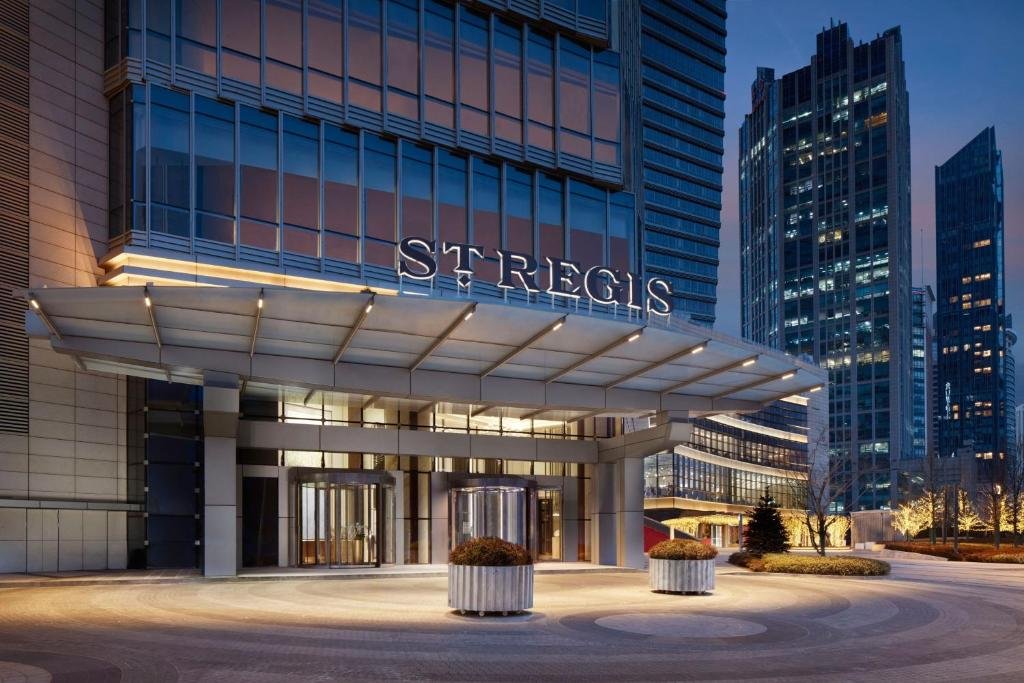
The St. Regis Qingdao presents a contemporary, vertical kind of luxury that reads less like a seaside resort and more like an architectural statement. Occupying the upper floors of a supertall tower, the hotel treats Fushan Bay as an aerial condition rather than a mere backdrop: rooms and public spaces orient around long, glass-lined sightlines that emphasize scale and city-to-sea relationships. The result is a modern, landmark property whose ambition is spatial and visual—clean, glass-heavy façades and high-rise perspective make the stay feel curated around panorama and presence rather than garden or hillside retreat.
Best For
This hotel is well suited to travelers who prize skyline and bay views—business visitors needing a central CBD address, couples on a romantic getaway, and guests celebrating anniversaries or other special occasions. Its location in Shinan District places guests at the intersection of Qingdao’s commercial core and coastal edge, making it convenient for meetings while still delivering a distinct sense of place through dramatic vistas. For anyone for whom view-driven luxury and an elevated urban vantage are priorities, the property is an obvious choice.
Stay Tips
To get the defining experience the description emphasizes, request a high-floor, bay-facing room when booking: the copy highlights that the hotel's upper floors 'reframe Fushan Bay' and that the bay is a structural element of each stay. Prioritize rooms described as offering direct sightlines to Fushan Bay or the skyline, and confirm orientation at reservation to ensure the stay centers on the panoramic views that distinguish this St. Regis.
Venue details
Ambiance
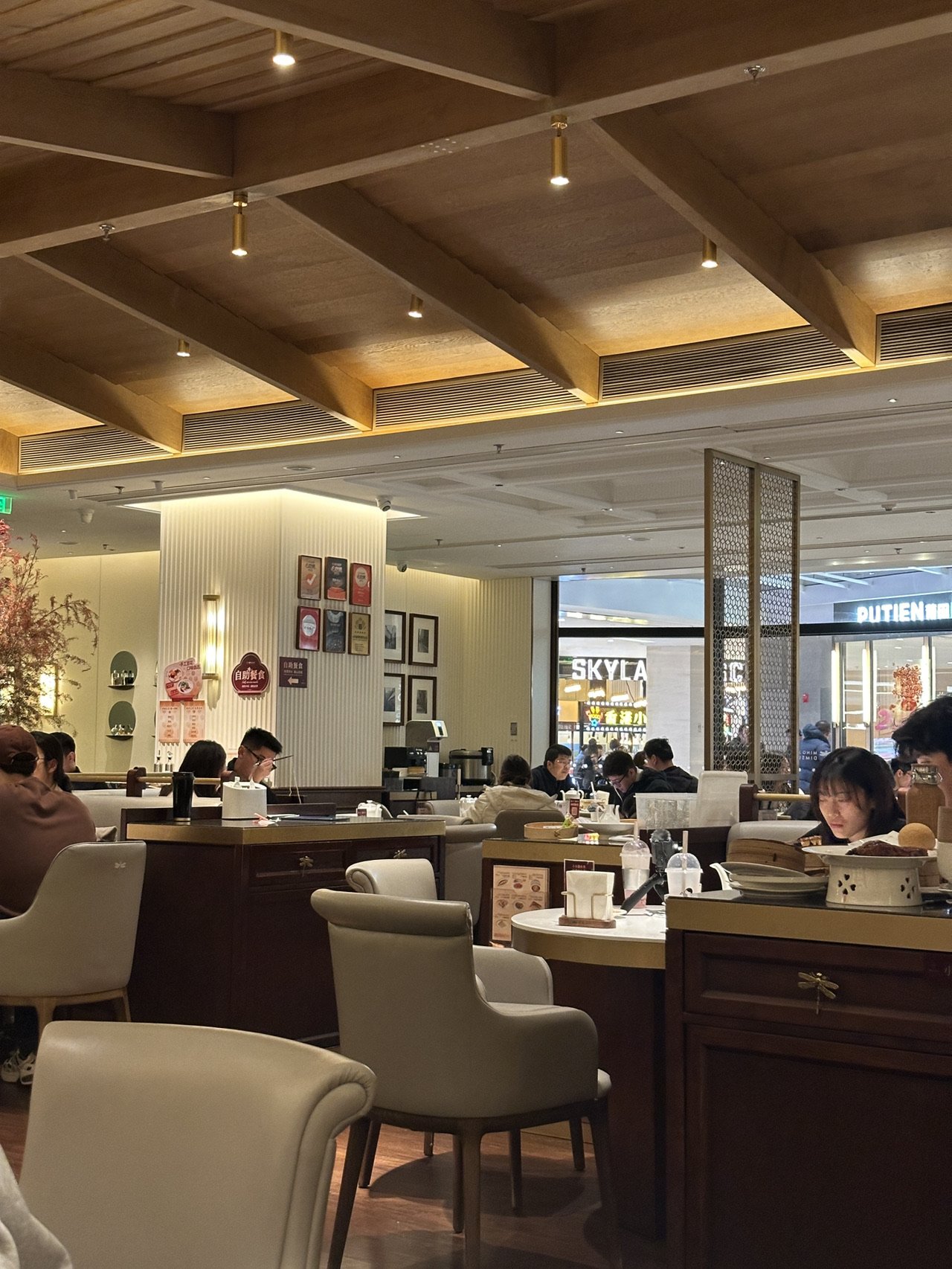
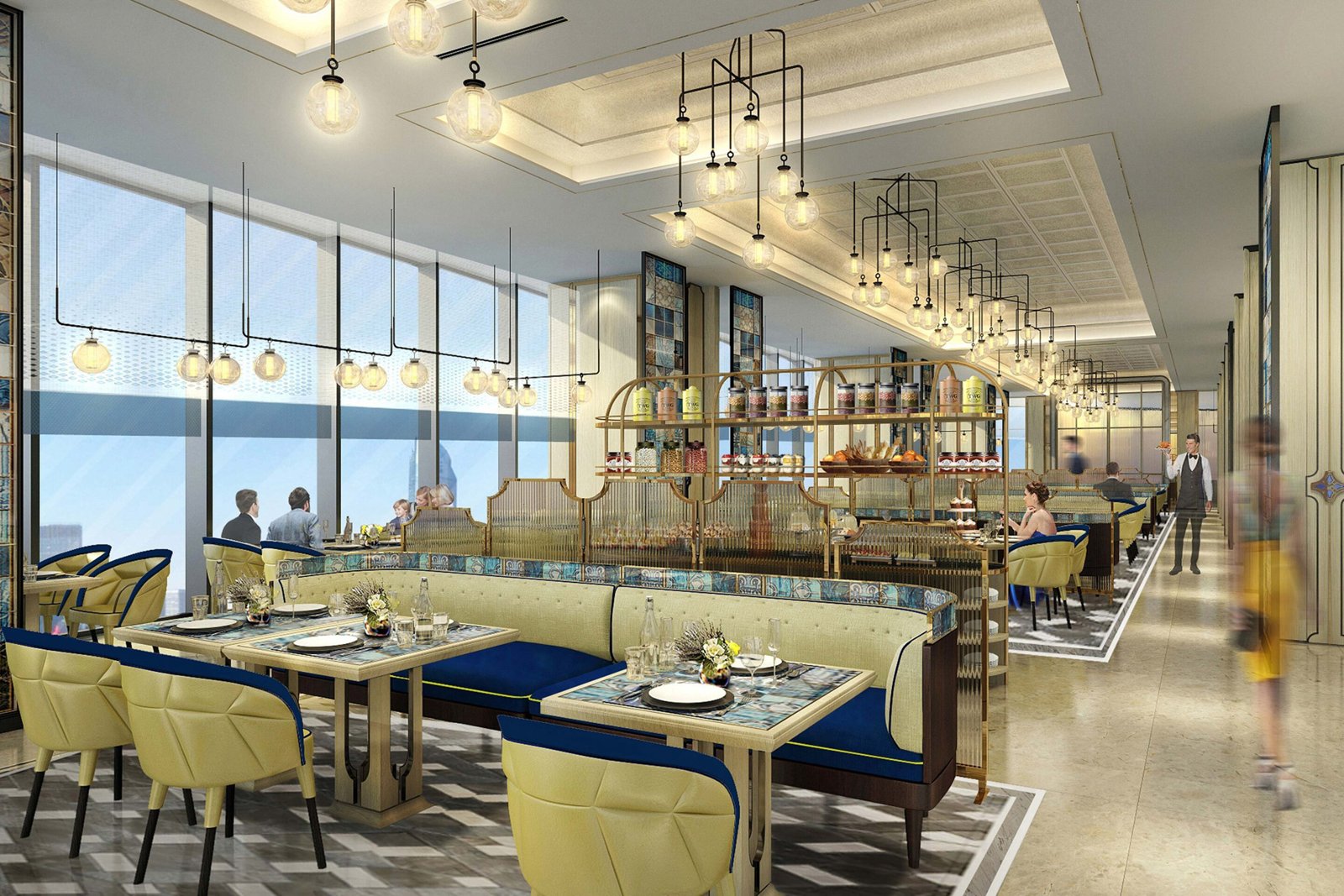
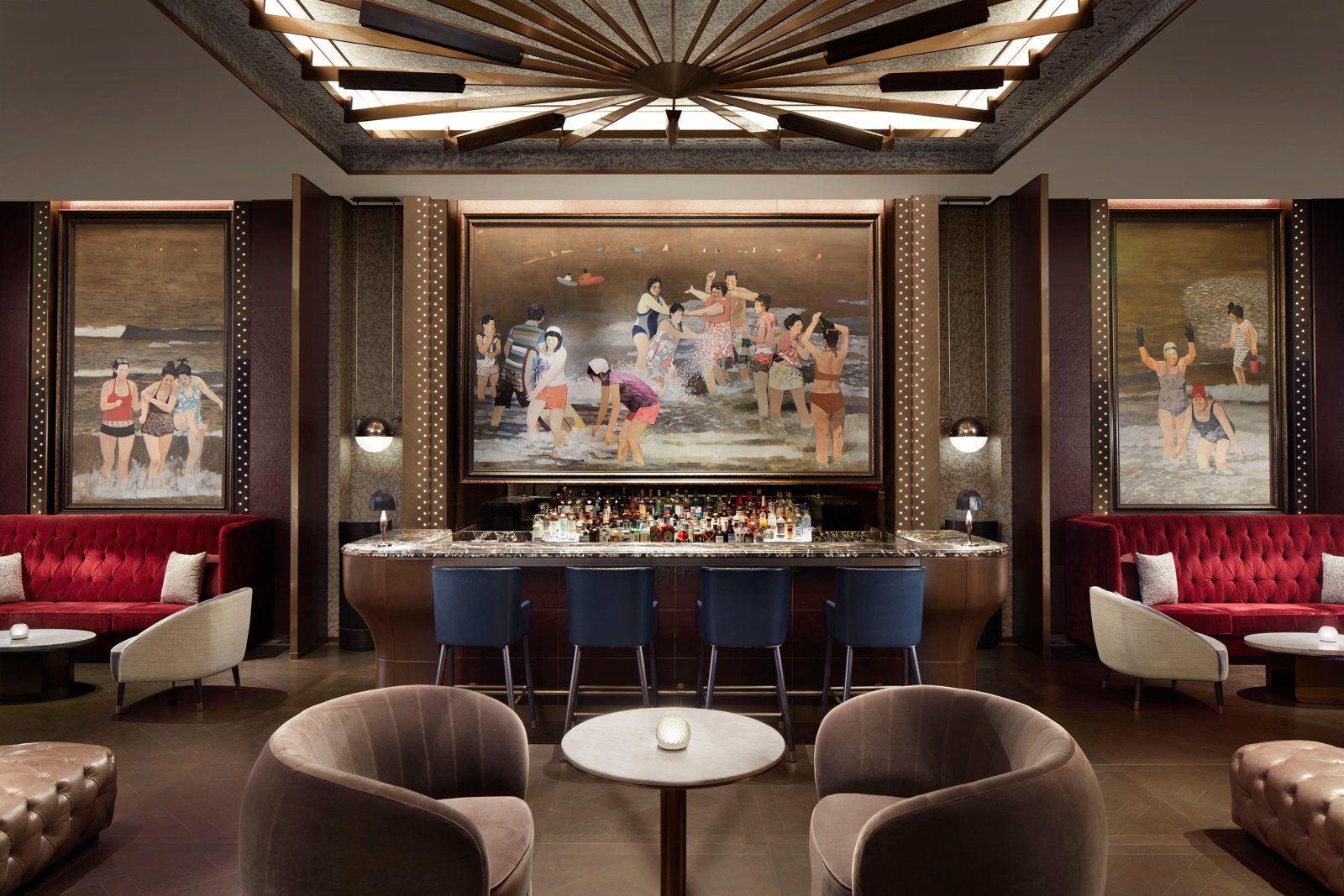
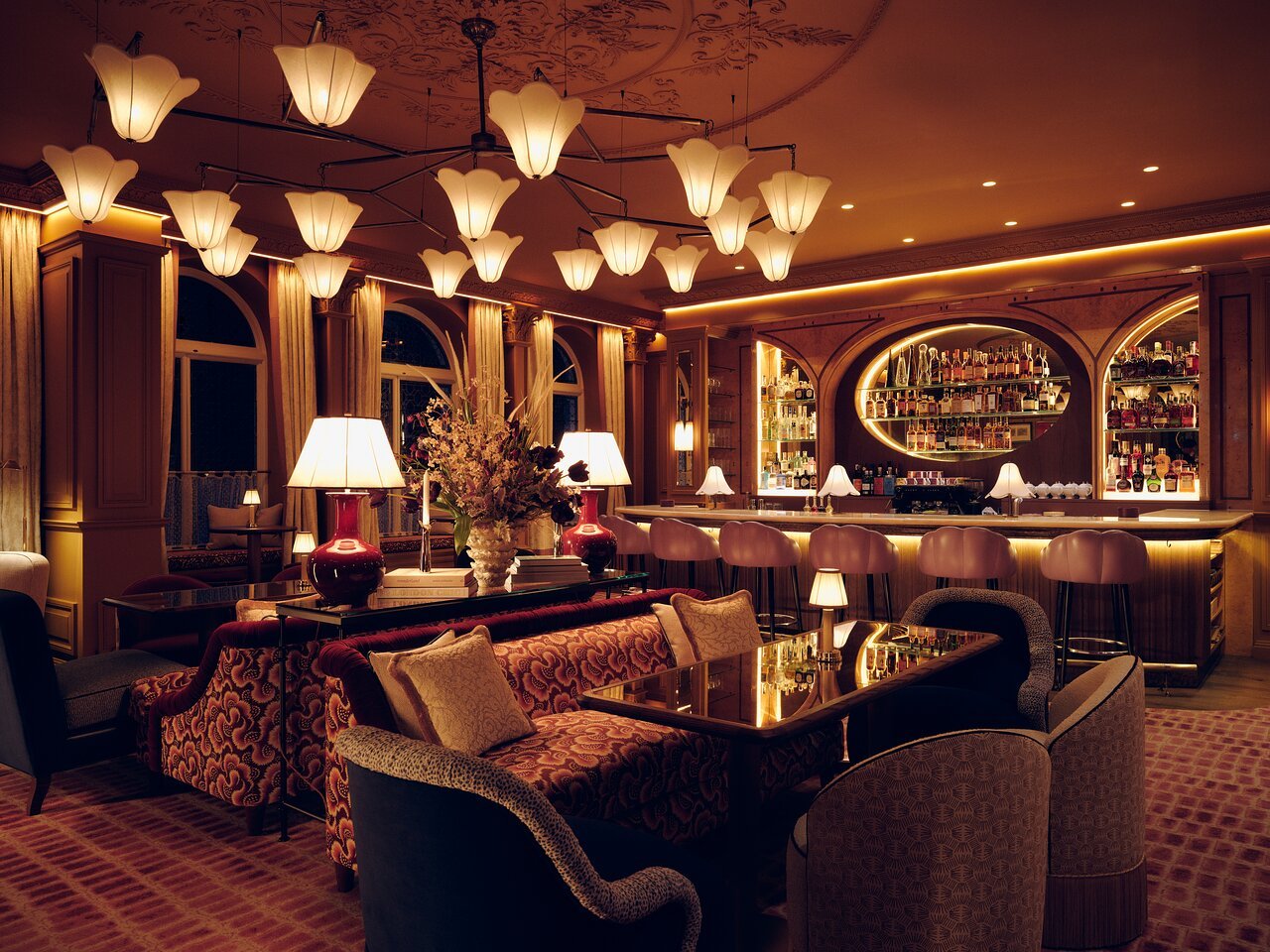
Sophisticated and serene with soft lighting, contemporary design, and expansive windows framing Fushan Bay; an upscale yet relaxed setting that balances modern elegance with coastal tranquility.
Tags
Vibe
Best For
Experience
Amenities
View
Accessibility
About the Stay
- Rooms
- 231
- Check-in
- 15:00
- Check-out
- 11:00
- Property Style
- Contemporary Luxury with Classical St. Regis Heritage; a Five Star Urban Resort Blending Modern Design with Refined Service Traditions.
- Design Style
- Contemporary Elegant with Bespoke Furnishings, Floor to Ceiling Windows, Laufen Soaking Tubs, and Soft Lighting; Minimalist Sophistication with Coastal Influences.
Know before you go
Know Before You Go
- Getting there
- 48 Hong Kong West Road, Shinan District, Qingdao, Shandong
Planning details
Location
48 Hong Kong West Road, Shinan District, Qingdao, Shandong · Directions
marriott.com/en-us/hotels/taoxr-the-st-regis-qingdao/overview
Recognition and awards


Explore Qingdao
Around this place
Discover more on Pearl
Unlock the full The St. Regis Qingdao guide in Pearl, including awards, comparisons, FAQs, planning details, and nearby places.
FAQ
Frequently Asked Questions
Is The St. Regis Qingdao good for business travel?
It may suit business travelers who want a formal, premium venue in Qingdao. The verified Forbes 4-Star recognition and $$$$ price level support that positioning, but specific business facilities should be confirmed directly with The St. Regis Qingdao.
Is The St. Regis Qingdao worth the room rate?
It can be worth the $$$$ price level if you value a formal premium experience in Qingdao and confirmed Forbes 4-Star recognition. If you only need a simple place to sleep, a lower-priced Qingdao option may make more sense.
What is check-in like at The St. Regis Qingdao?
Are wellness facilities confirmed at The St. Regis Qingdao?
Which room category is best at The St. Regis Qingdao?
Choose based on your budget, trip purpose, and any details confirmed directly by The St. Regis Qingdao before booking.
Is it worth upgrading rooms at The St. Regis Qingdao?
An upgrade may be worthwhile if the confirmed details match what you want from a $$$$ Qingdao booking. Do not upgrade based on assumptions about views, size, or amenities unless those details are confirmed directly.