

W Costa Navarino
Pylos
Hotel in Pylos, Greece
 Book with Pearl
Why go
W Costa Navarino is worth shortlisting for a Pylos resort stay if you want a lifestyle-hotel mood, coastal access, and an easier-feeling alternative to the area's more formal luxury options. The stronger value play is shoulder season; peak summer makes sense mainly for fixed holiday dates or group travel.
About W Costa Navarino
W Costa Navarino is a venue in Pylos with two recognition points: World Travel Awards 2025 Leading Lifestyle Resort and MICHELIN Guide Hotels Selected 2025. Its dress code is smart casual.
For booking decisions, compare W Costa Navarino against other regional options. If specific details about seasonality, amenities, or trip type matter, confirm them directly with the property before committing.
Choose it for recognition, then confirm the stay details
The strongest reason to shortlist W Costa Navarino is its external recognition: it is listed as World Travel Awards 2025 Leading Lifestyle Resort and appears in the MICHELIN Guide Hotels Selected 2025. Those signals support considering it for Pylos. For details on specific amenities, dining formats, business facilities, family services, or room features, guests should inquire directly.
First-timers should think of it as one Pylos option and confirm the practical details that shape the trip: arrival logistics, current inclusions, dress expectations, and any services needed. The dress code is smart casual.
For timing, compare dates before committing
To understand rate patterns, seasonal schedules, or package structures, compare dates directly and review the current booking terms. Do not assume a particular month, price band, or seasonal value pattern without checking the live offer.
For broader planning, compare W Costa Navarino with other relevant options for your itinerary. Cross-shop Mandarin Oriental Costa Navarino and The Romanos, a Luxury Collection Resort, Costa Navarino if you are comparing other options in the wider area, and use our full Pylos restaurants guide for dining research.
Quick reference: shortlist W Costa Navarino for Pylos with 2025 recognition, note the smart-casual dress code, and confirm current booking details directly before making plans.
Part of
W Hotels48 locations on PearlPlanning details
- Location
- Pylos-Nestor 240 01, Greece
- Website
- costanavarino.com/w-costa-navarino
- Phone
- +30 2723 098000
The take
The Take
The Vibe
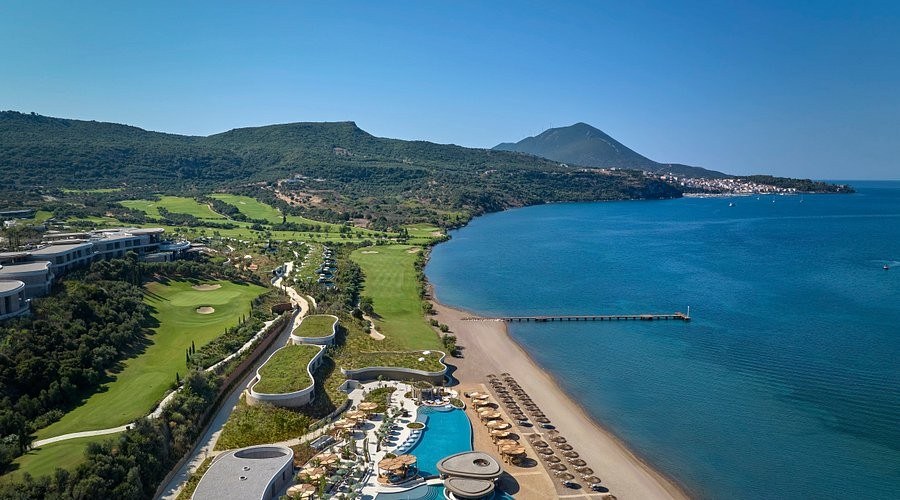
W Costa Navarino reads as a contemporary, lifestyle-driven resort that prioritises programming and design presence over quiet minimalism. The W brand's global language—contemporary materials, directional geometry and a visible brand voice—meets a low Ionian landscape, producing a resort that feels intentionally branded and energetic rather than vernacular or retreat-like. Recent industry recognition positions it among large-format lifestyle destinations, so guests should expect curated social programming, purposeful movement between different resort zones, and a polished, trend-forward atmosphere rather than the restrained silence of small-boutique properties.
Best For
The resort suits travelers who want a destination resort experience on the Ionian coast rather than a secluded boutique stay. It works well for weekend escapes and leisure trips that prioritize activity, curated programming and design-led environments. Couples seeking a stylish romantic getaway will find the property’s brand-forward energy appealing, and the resort’s placement on the Bay of Navarino makes it a natural choice for visitors who value a coastal setting without the Mykonos 'social contract.' This is a pick for guests who prefer a visible, lively hospitality program over discreet, low-key seclusion.
Stay Tips
Book with the expectation that W Costa Navarino operates as a large-format lifestyle resort: plan stays around resort programming and allow time to explore on-site offerings. Because the property emphasizes design and curated experiences, check the resort’s calendar and reserve any limited events or dining experiences in advance when possible. Travelers seeking a quieter, low-key escape should confirm room location and property activity levels before booking; those looking for an energetic, social resort experience will find the hotel’s programming and brand language well suited to that aim.
Venue details
Ambiance
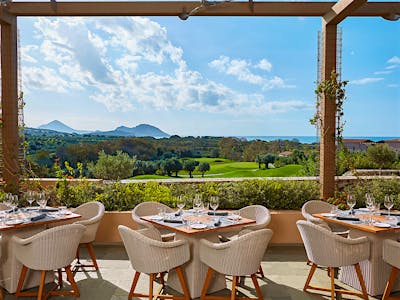
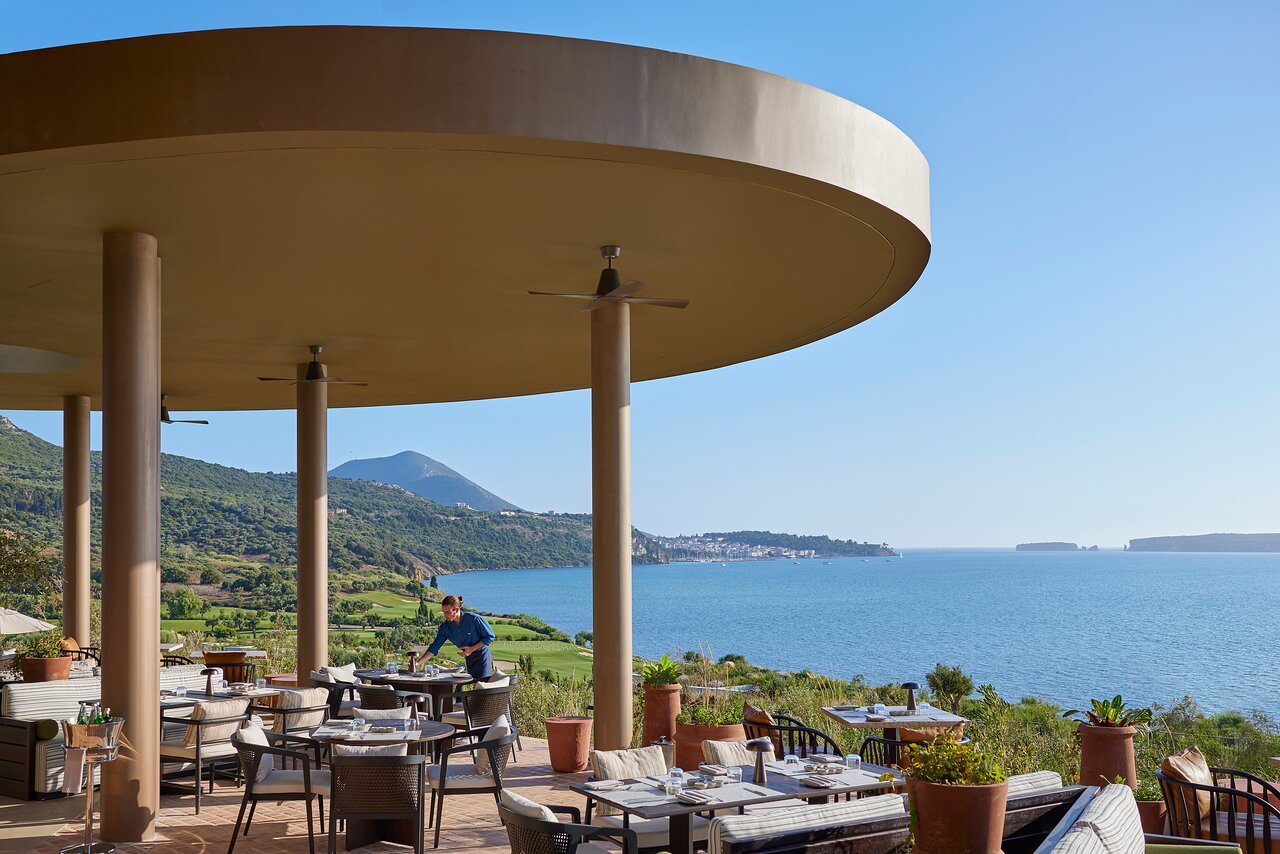
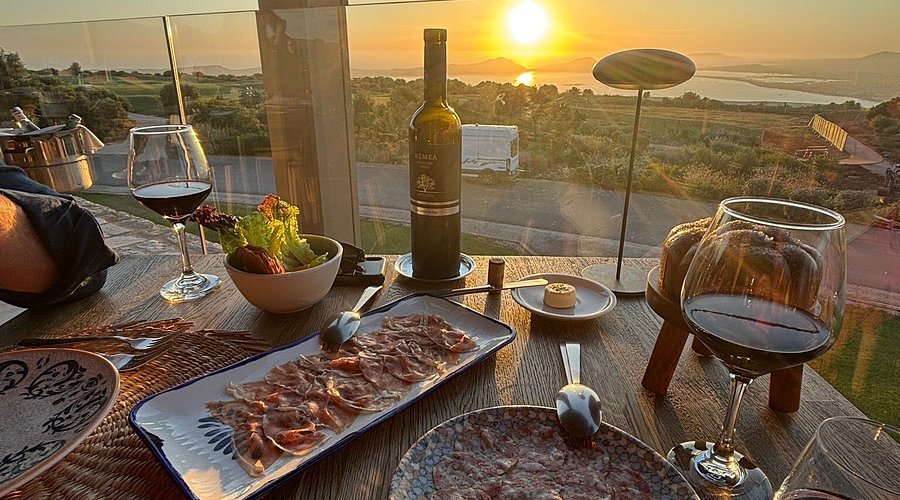
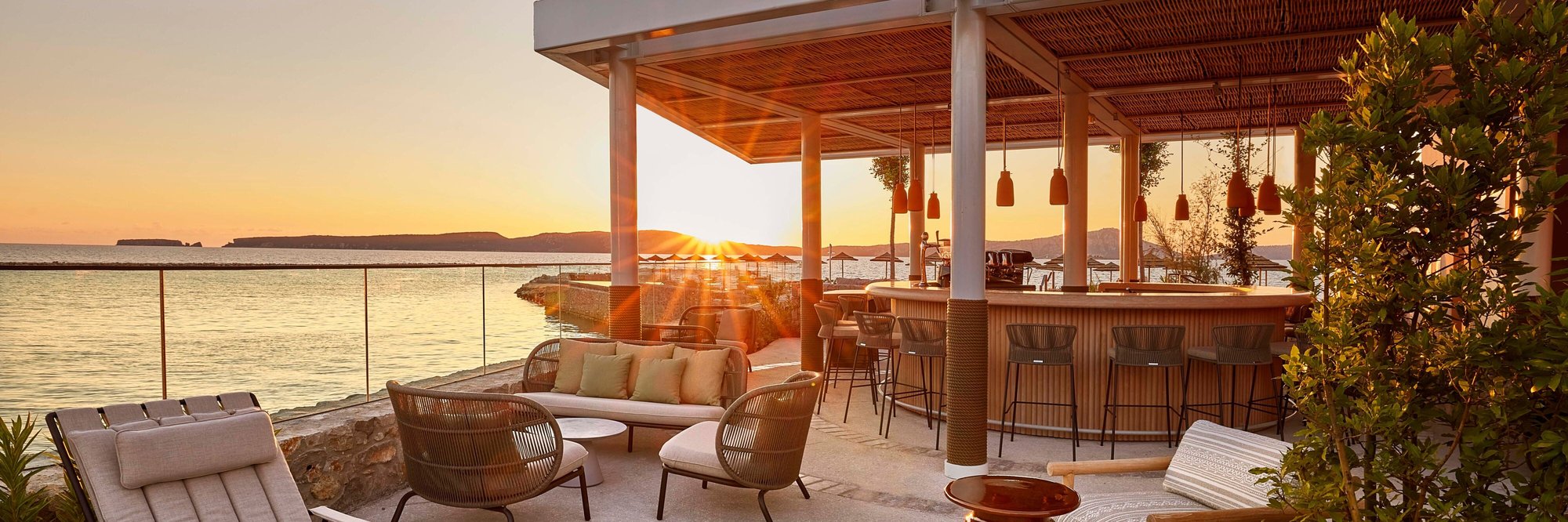
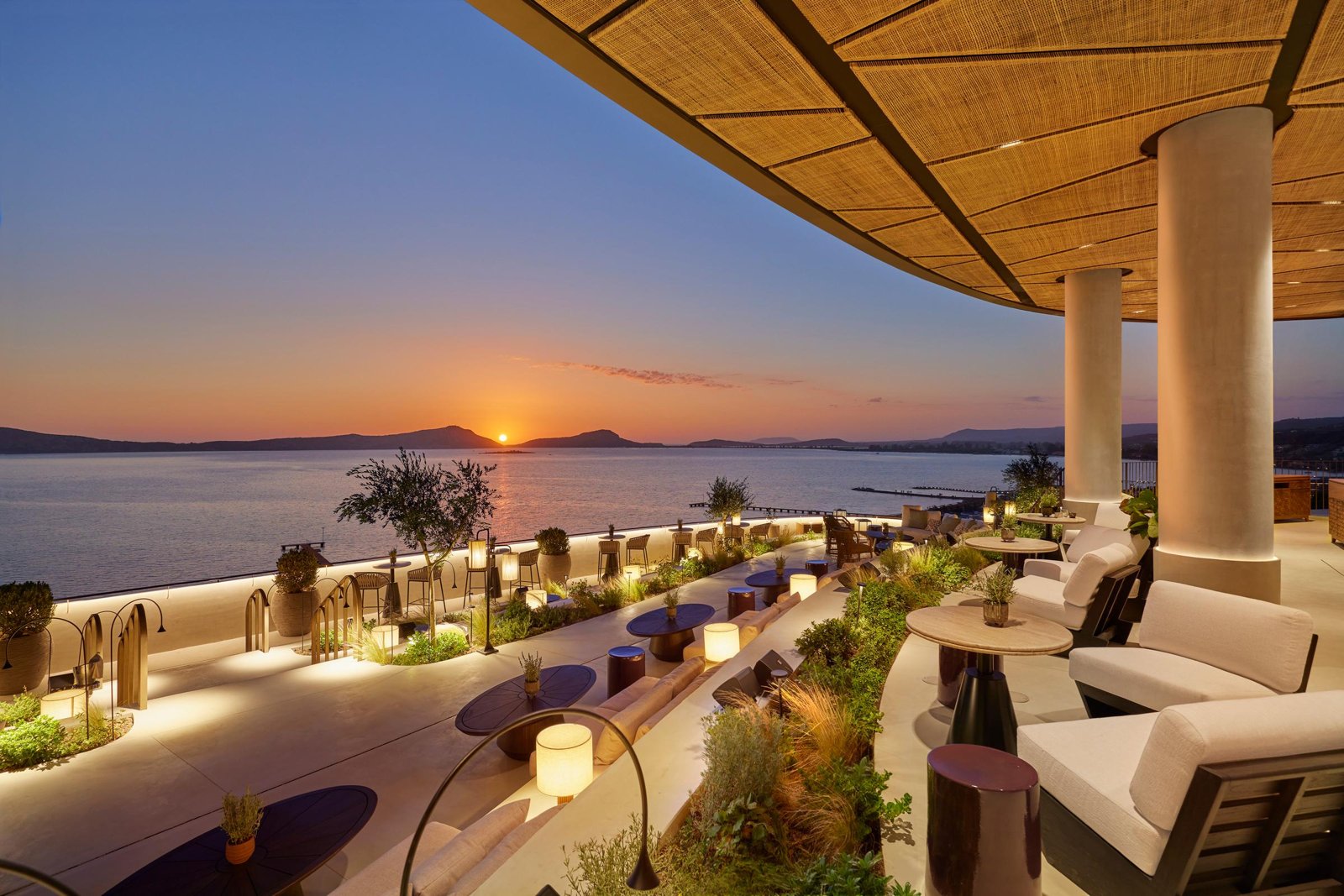
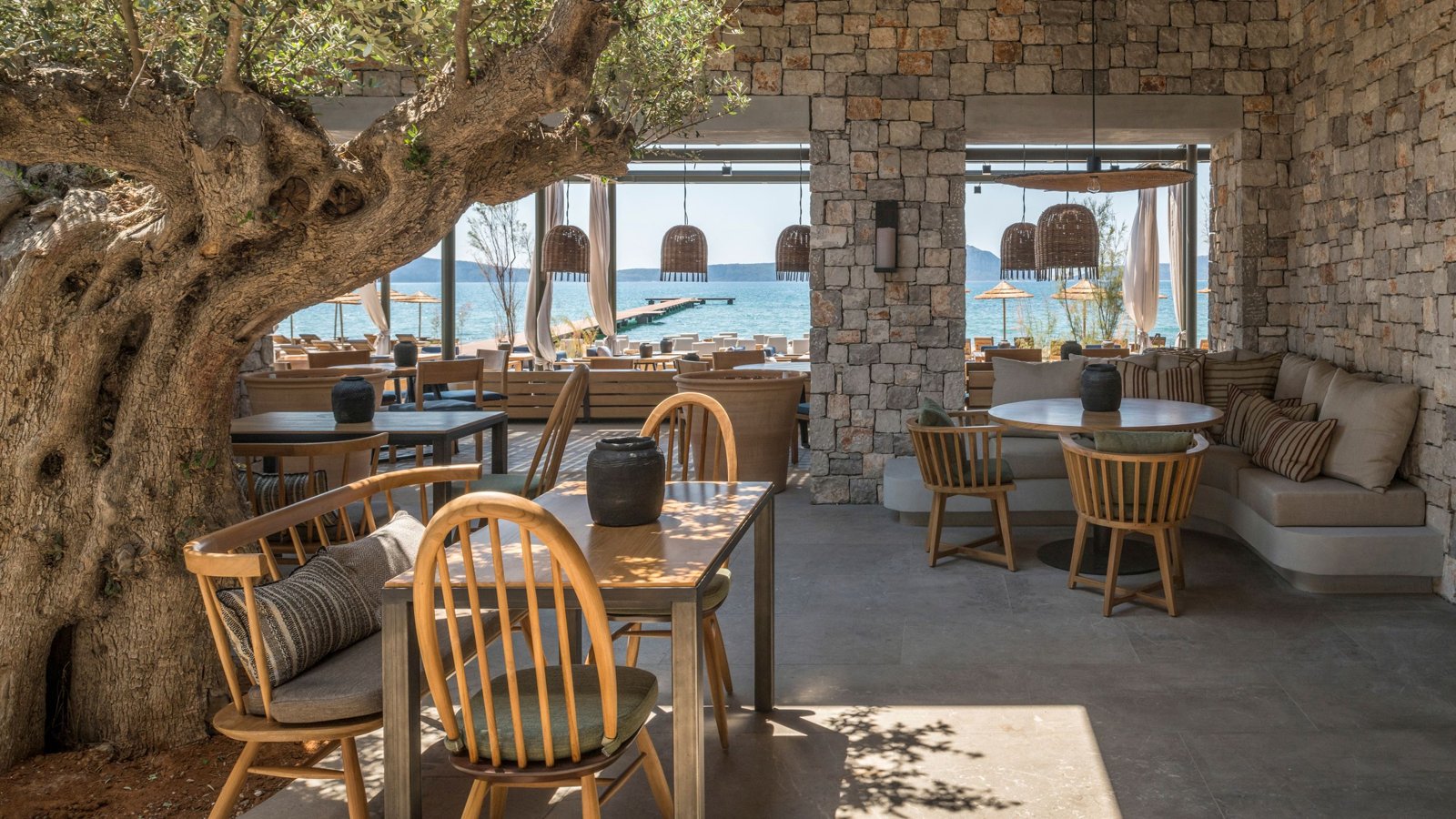
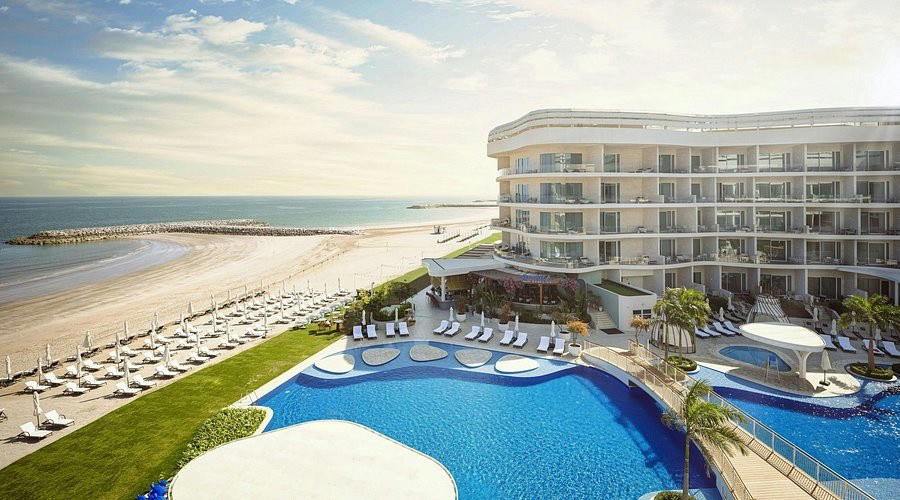
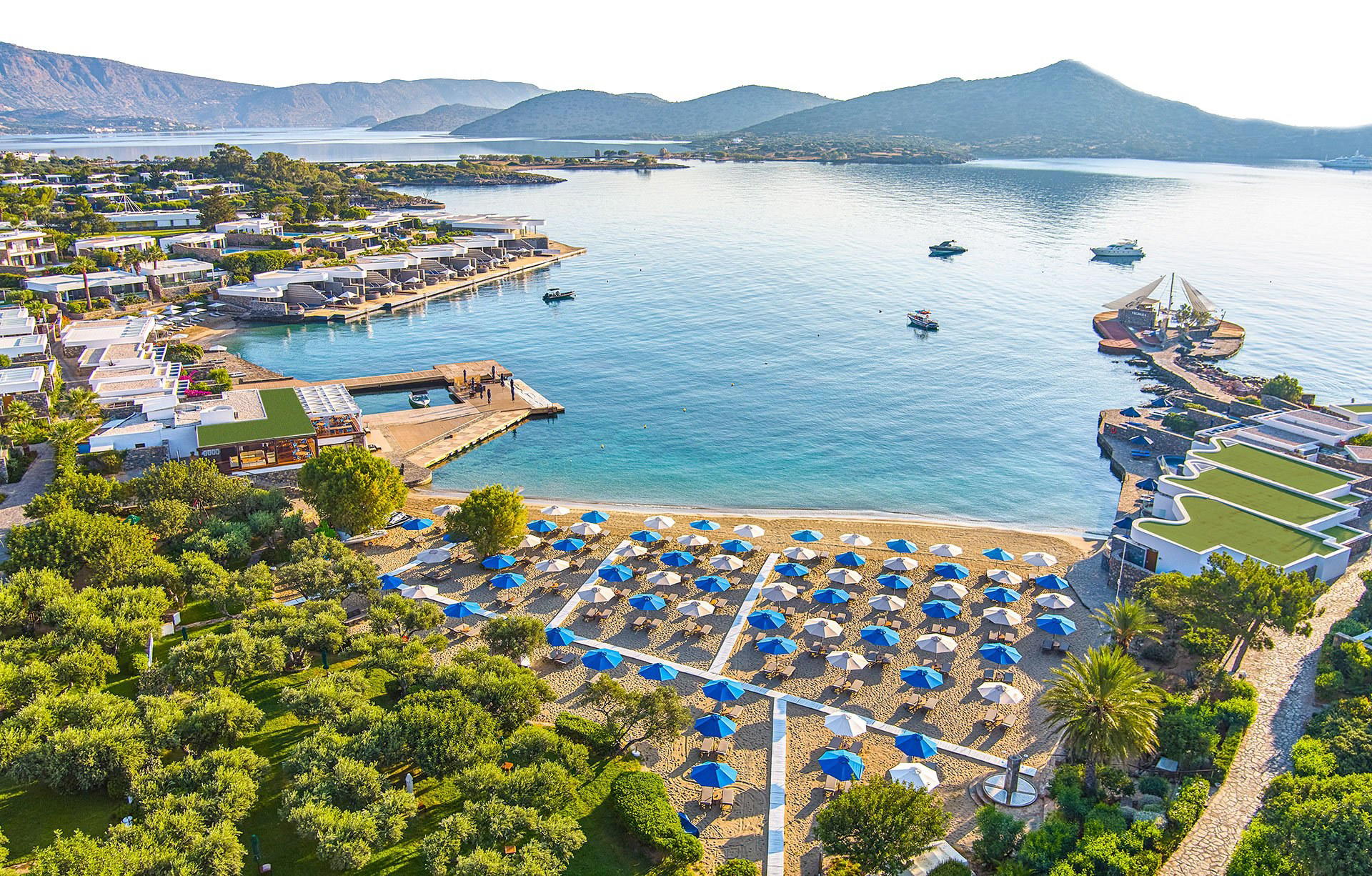
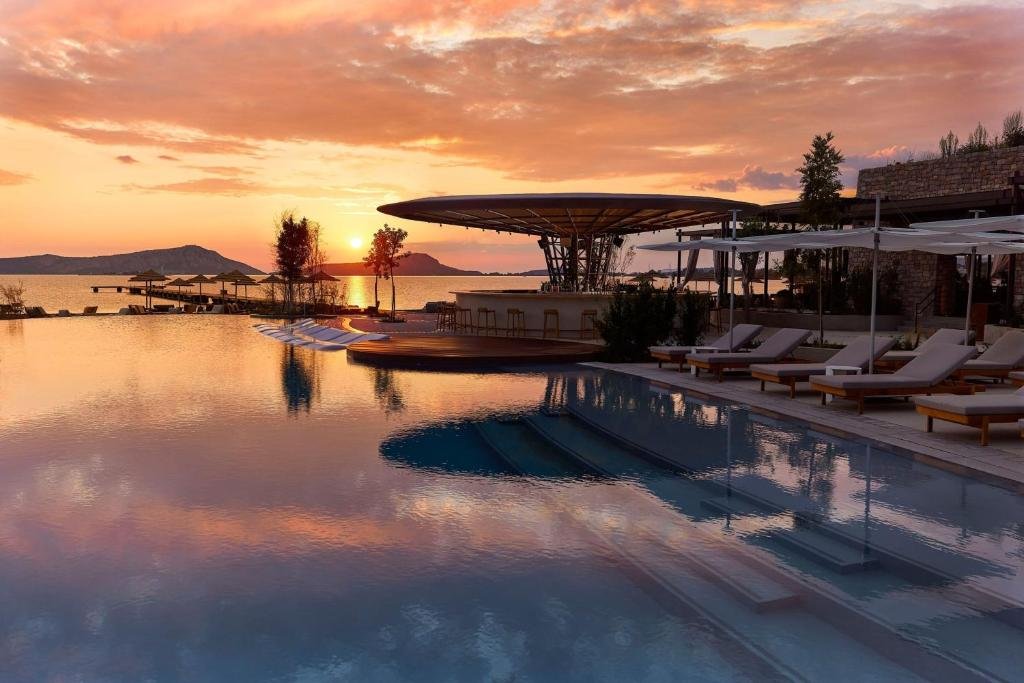
Chic and vibrant atmosphere with modern coastal design, lively pool areas, and relaxed luxury enhanced by sea views and stylish interiors.
Tags
Vibe
Best For
Experience
Amenities
View
Accessibility
About the Stay
- Rooms
- 226
- Check-in
- 15:00
- Check-out
- 11:00
- Property Style
- Contemporary Coastal Luxury Resort
- Design Style
- Modern Chic with Bohemian Coastal Influences
Know before you go
Know Before You Go
- Getting there
- Pylos-Nestor 240 01, Greece
Planning details
Location
Recognition and awards

Also consider
Also Consider
- Mandarin Oriental Costa Navarino, Notable alternative
- Mandarin Oriental, Costa Navarino, Notable alternative
- The Romanos, a Luxury Collection Resort, Costa Navarino, Notable alternative
- Filoxenia Kalamata, Notable alternative
- Euphoria Retreat, Notable alternative
Hotel context
How it compares in Pylos
Choose W Costa Navarino over Mandarin Oriental Costa Navarino if the trip calls for a livelier lifestyle-resort feel and an easier booking mindset. Mandarin Oriental Costa Navarino is the better cross-shop for travelers prioritizing a more formal luxury setting, while W Costa Navarino is the more natural fit for couples or friends who want the resort to feel social rather than ceremonial.
The Romanos, a Luxury Collection Resort, Costa Navarino is the smarter comparison for travelers who want a classic large-resort framework in the Costa Navarino area. W Costa Navarino feels more lifestyle-led, while The Romanos is easier to justify for travelers who prefer a traditional resort identity and are less focused on design-hotel energy.
Filoxenia Kalamata makes more sense if access to Kalamata matters more than the Costa Navarino resort experience. Euphoria Retreat is the wrong substitute for a beach-resort trip but a better pick if the purpose is wellness first. If W Costa Navarino is unavailable, the closest like-for-like alternatives are Mandarin Oriental, Costa Navarino and The Romanos; for a different trip shape, look to Kalamata or Euphoria Retreat.
Explore Pylos
Around this place
Discover more on Pearl
Unlock the full W Costa Navarino guide in Pearl, including awards, comparisons, FAQs, planning details, and nearby places.
Compare W Costa Navarino
| Venue | Location | Awards |
|---|---|---|
| W Costa Navarino | Pylos | World Travel Awards 20252025 Michelin Selected Hotels |
| Mandarin Oriental Costa Navarino | Pylos | 2026 Virtuoso Luxury Hotel CollectionStar Wine Lists 20262026 Forbes 5-Star2026 La Liste Top Hotels2025 Michelin Selected Hotels2025 Forbes 5-Star |
| Mandarin Oriental, Costa Navarino | Pylos | 2026 Virtuoso Luxury Hotel CollectionStar Wine Lists 20262026 Forbes 5-Star2026 La Liste Top Hotels2025 Michelin Selected Hotels2025 Forbes 5-Star |
| The Romanos, a Luxury Collection Resort, Costa Navarino | Navarino | No published awards |
| Filoxenia Kalamata | Peloponnese | No published awards |
| Euphoria Retreat | Mystras | 2026 Virtuoso Luxury Hotel CollectionMichelin 1 Key 20252025 Michelin 1 KeySmall Luxury Hotels Member 2025 |






How W Costa Navarino Pylos compares with similar nearby venues.
FAQ
Frequently Asked Questions
Is W Costa Navarino family-friendly?
How does W Costa Navarino compare to nearby hotels?
W Costa Navarino has recognition from World Travel Awards 2025 as Leading Lifestyle Resort and from the MICHELIN Guide Hotels Selected 2025. If you are comparing it with The Romanos, a Luxury Collection Resort, Costa Navarino or Mandarin Oriental Costa Navarino, confirm current inclusions, room details, and services directly with each property.
Is W Costa Navarino good for business travel?
W Costa Navarino may be worth checking for Pylos, but travelers with specific work needs should confirm business facilities or work-trip services directly; Filoxenia Kalamata is another regional option to compare depending on itinerary.
When is the best time to book W Costa Navarino?
To find the best seasonal pricing pattern or booking window, compare live dates and terms directly, noting that W Costa Navarino has World Travel Awards 2025 and MICHELIN Guide Hotels Selected 2025 recognition.