

COMO Le Montrachet
Puligny-Montrachet
Hotel in Puligny-Montrachet, France
 Book with Pearl
The Read
Grand Cru Village Hospitality
Why go
COMO Le Montrachet is the polished choice for a first Puligny-Montrachet stay if Burgundy wine country is the point of the trip. Its Michelin 1 Key, Gault & Millau recognition, and COMO backing make it feel more structured than a simple village hotel, but travelers wanting a larger spa focus or a restaurant-first stay should compare carefully.
About COMO Le Montrachet
For a stay in Puligny-Montrachet, COMO Le Montrachet is best framed as a hotel with a smart-casual dress code and a clear recognition profile. Choose it if you want to stay in Puligny-Montrachet itself and value a hotel with recent recognition; for amenities, dining format, or services, check details directly with the property before booking.
The recognition is the strongest specific hook: Michelin 1 Key in 2024, Gault & Millau Exceptional Hotel recognition in 2025 with 5pts, and the Mr & Mrs Smith Seal of Approval in 2026. Those accolades give COMO Le Montrachet a clear hotel-recognition profile; confirm practical details directly with the property before booking.
Choose it for a Puligny-Montrachet hotel base
COMO Le Montrachet is a recognized hotel in Puligny-Montrachet with a smart-casual dress code. That makes it a natural option for travellers who want their stay anchored in Puligny-Montrachet.
Set expectations carefully beyond the headline points. If you are comparing different styles of stays, Hôtel Le Cep & Spa Marie De Bourgogne, Château la Commaraine, Le Clos du Colombier, Maison Lameloise, and Olivier Leflaive Hôtel Restaurant are useful names to consider alongside COMO Le Montrachet, depending on the kind of stay you are trying to plan. For COMO Le Montrachet specifically, avoid assuming details such as spa depth, dining format, room count, or service inclusions unless you have confirmed them directly.
Worth considering if Puligny-Montrachet is the purpose of the trip
The case for choosing COMO Le Montrachet is strongest when Puligny-Montrachet itself is central to the trip. The awards give it credibility as a hotel choice, while the location keeps the stay focused on Puligny-Montrachet.
Before booking, confirm any practical needs directly with the hotel, especially if your decision depends on dining, wellness facilities, accessibility, family arrangements, or specific services. For the rest of the stay, use current sources and the Puligny-Montrachet restaurants guide to consider dining in Puligny-Montrachet.
Quick reference: choose this for a recognized Puligny-Montrachet hotel with a smart-casual dress code; confirm any detailed service, dining, or amenity needs directly before booking.
Inside COMO Le Montrachet
Planning details
- Location
- de la Fontaine, 10 Pl. Du Pasquier, 21190 Puligny-Montrachet
- Website
- comohotels.com/burgundy/como-le-montrachet
- Phone
- +33 3 80 21 30 06
The take
The Take
The Vibe
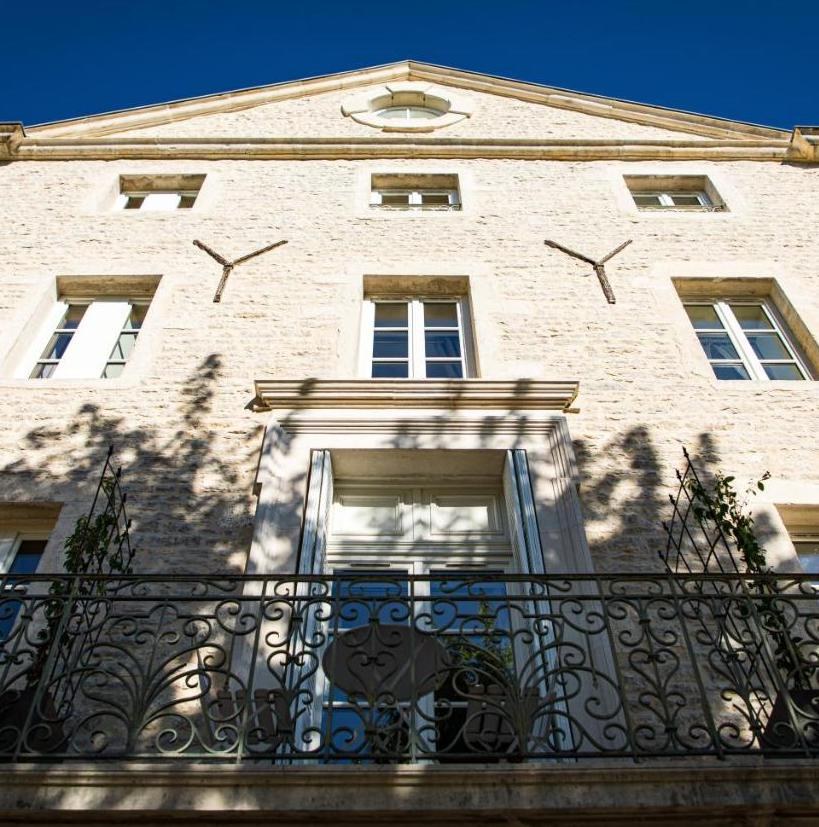
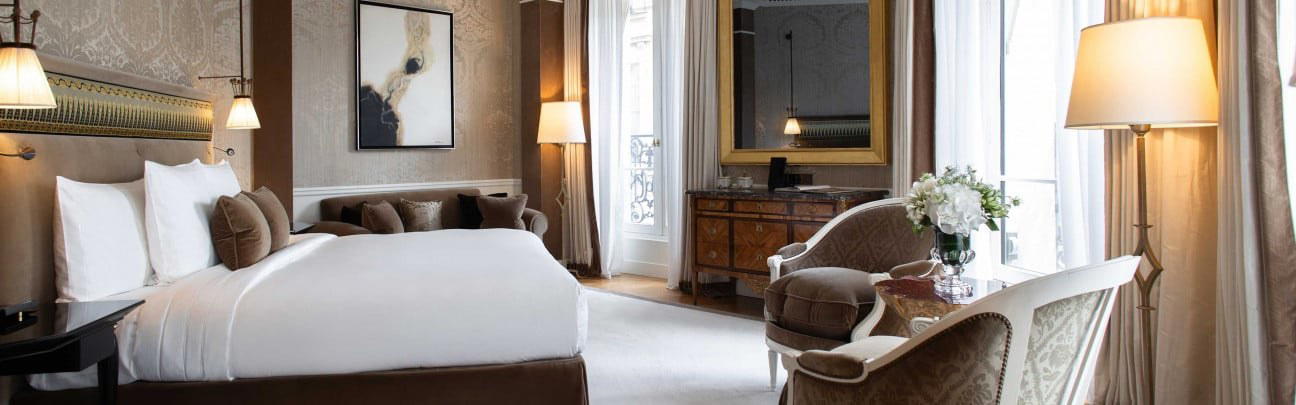
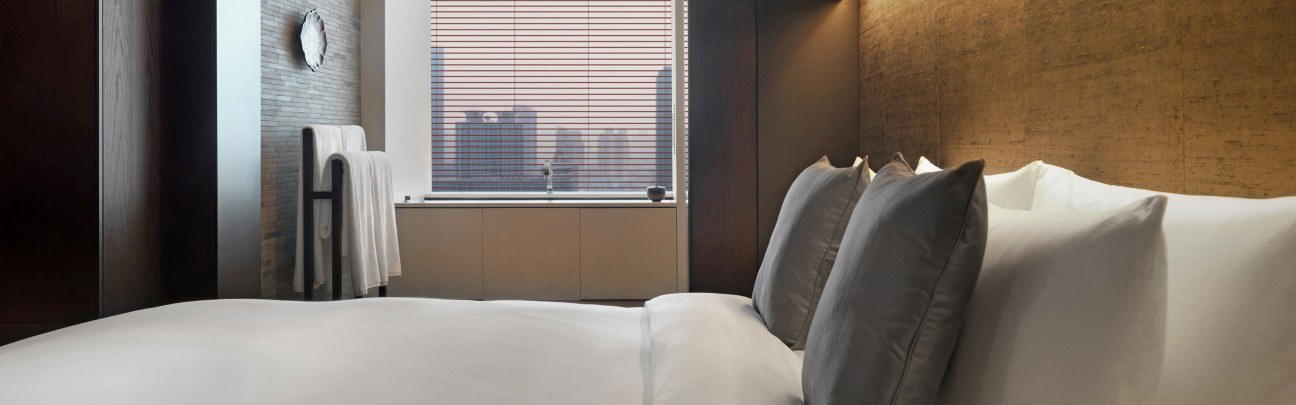
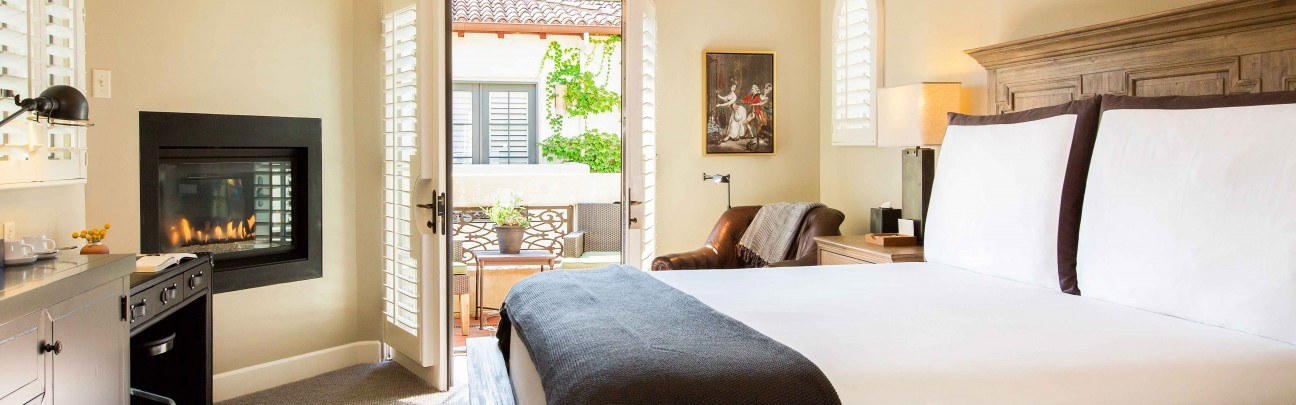
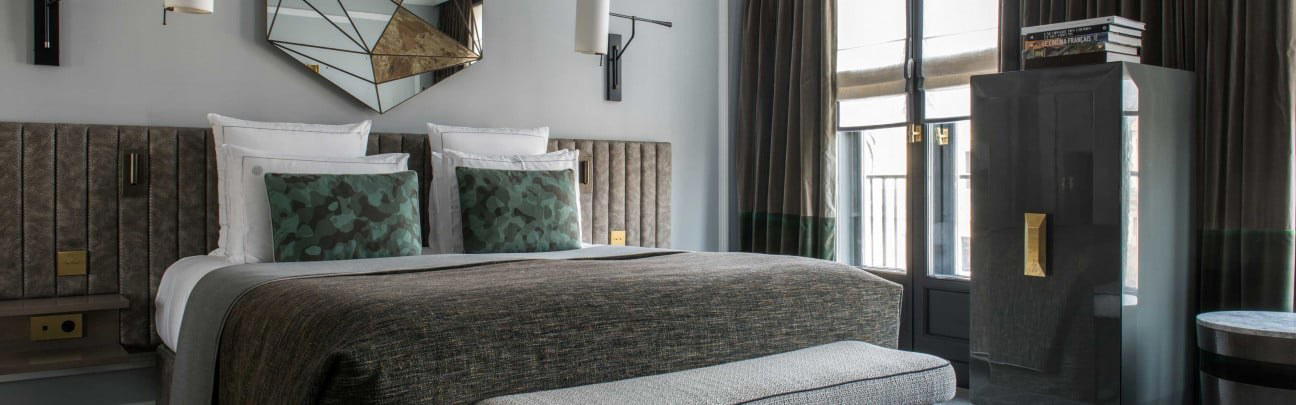
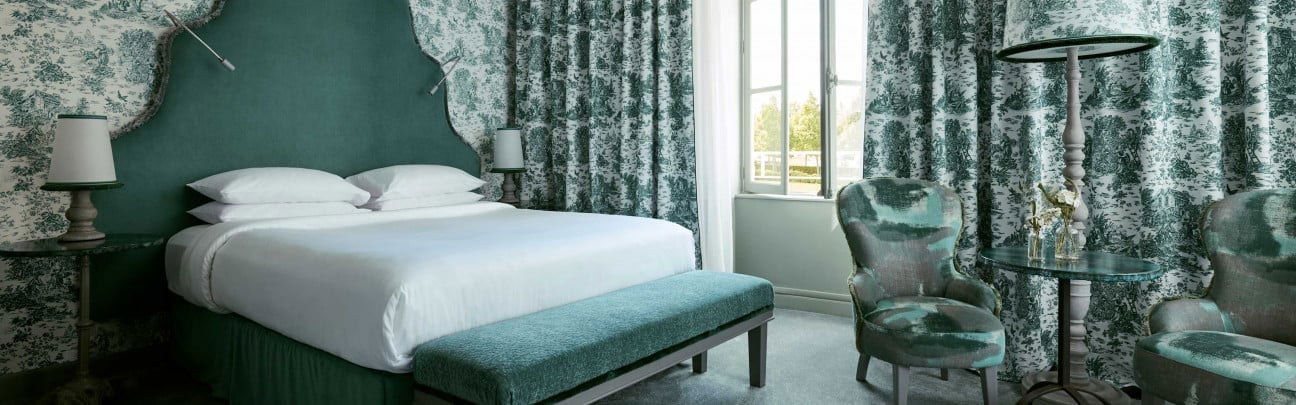
COMO Le Montrachet reads like a village house reimagined as a hotel. It occupies four separate 19th‑century stone buildings, and that stitched‑together arrangement shapes the guest experience: corridors turn unexpectedly and rooms vary in proportion, offering a domestic, lived‑in sequence of spaces rather than a purpose‑built hotel flow. The property leans into Burgundian restraint — quiet, purposeful stillness and architectural solidity — while Paola Navone’s interior brief resists easy pastiche. The result is a calm, historic retreat that feels both rooted in place and quietly considered, ideal for travelers who prize atmosphere and provenance above theatricality.
Best For
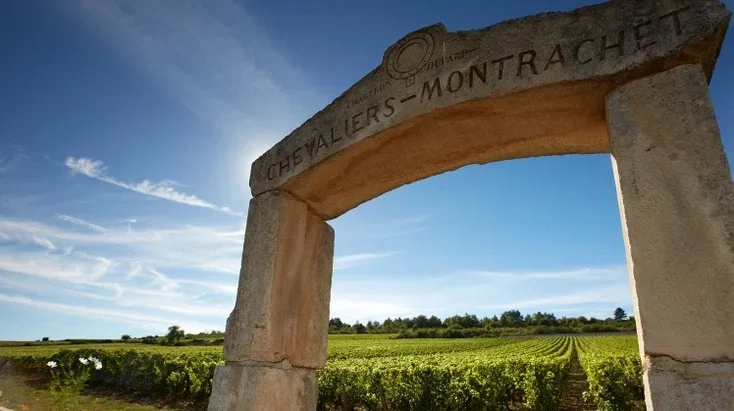
This is a stay for people who come to Burgundy for the wine and the calm. Located in Puligny‑Montrachet and surrounded by Chardonnay vines, the hotel suits romantic getaways, anniversaries and weekend escapes where quiet and contemplation are the point. It also appeals to visitors focused on wine — tasting, learning and exploring the Côte de Beaune — because the village exists almost entirely in service of the surrounding vineyards. Expect a measured pace: the hotel is better for lingering and slow discovery than for high‑energy socializing or nightlife.
Venue details
Ambiance
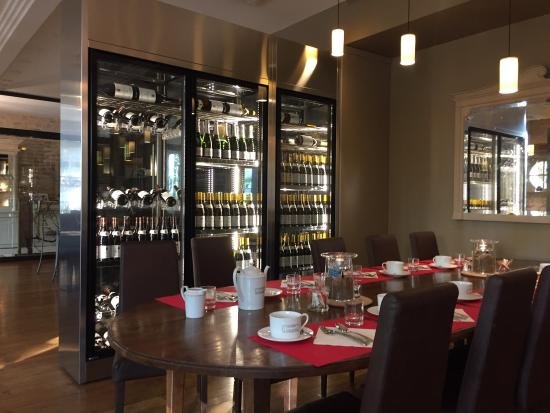
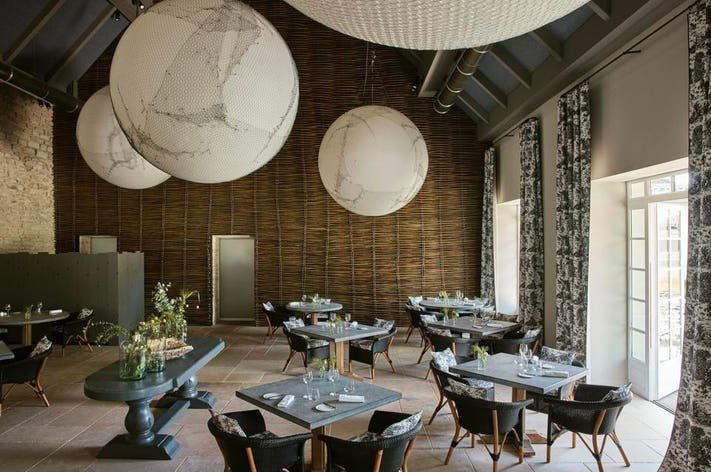
Light-filled spaces with modern-rustic elegance, well-spaced tables, and a serene, welcoming atmosphere praised for peaceful rest and exceptional hospitality.
Tags
Vibe
Best For
Experience
Amenities
View
Accessibility
About the Stay
- Rooms
- 30
- Check-in
- 15:00
- Check-out
- 12:00
- Property Style
- 19th Century Village Inn with Contemporary Luxury Design
- Design Style
- Modern with Blue, Green, Grey Palette and Toile De Jouy Motifs
Know before you go
Know Before You Go
- Getting there
- de la Fontaine, 10 Pl. Du Pasquier, 21190 Puligny-Montrachet
Planning details
Location
de la Fontaine, 10 Pl. Du Pasquier, 21190 Puligny-Montrachet · Directions
Recognition and awards

Also consider
If you cannot get in
Try Olivier Leflaive Hôtel Restaurant first if staying in Puligny-Montrachet is the main requirement. It keeps the trip anchored in the village and suits travelers who want the hotel and dining plan closely linked.
For a different style of Burgundy stay, compare Hôtel Le Cep & Spa Marie De Bourgogne if spa facilities matter, or Maison Lameloise if the stay is being planned around a dining-led itinerary.
Hotel context
How it compares in and around Puligny-Montrachet
COMO Le Montrachet is the design-led choice in this set, and it is the one to prioritize if the hotel itself needs to feel polished rather than just well placed. Olivier Leflaive Hôtel Restaurant is the closer comparison for travelers who want a restaurant-hotel rhythm in Puligny-Montrachet, while COMO is stronger for guests who want a more composed hotel atmosphere around the wine itinerary.
Maison Lameloise is the better cross-shop if the trip is led by dining rather than village ambience. Château la Commaraine and Le Clos du Colombier make more sense for travelers who want a château or quieter countryside feel, while COMO keeps the decision centered on Puligny-Montrachet itself.
For spa-oriented travelers, Hôtel Le Cep & Spa Marie De Bourgogne is the sharper comparison. For first-timers who want a serious Burgundy base with less friction, COMO Le Montrachet is the stronger fit, but booking pressure is higher, so have one of these alternatives ready.
Explore Puligny-Montrachet
Around this place
Discover more on Pearl
Unlock the full COMO Le Montrachet guide in Pearl, including awards, comparisons, FAQs, planning details, and nearby places.
Compare COMO Le Montrachet
| Venue | Location | Awards |
|---|---|---|
| COMO Le Montrachet | Puligny-Montrachet | 2026 Mr & Mrs Smith Luxury HotelsMichelin 1 Key 20252025 Michelin 1 Key2025 Gault & Millau Exceptional Hotel2024 Michelin 1 Key |
| Olivier Leflaive Hôtel Restaurant | Puligny-Montrachet | No published awards |
| Maison Lameloise | Chagny | 2026 Relais Chateaux Hotels2025 Michelin Selected Hotels2025 Relais Chateaux Award |
| Château la Commaraine | Pommard | Leading Hotels of the World 2026 |
| Le Clos du Colombier | Pommard | No published awards |
| Hôtel Le Cep & Spa Marie De Bourgogne | Beaune | Small Luxury Hotels Member 2025 |




How COMO Le Montrachet compares with similar nearby venues.
FAQ
Frequently Asked Questions
How is the location of COMO Le Montrachet?
COMO Le Montrachet is in Puligny-Montrachet. That makes it a practical choice if you want your stay anchored in Puligny-Montrachet.
Do loyalty programs work at COMO Le Montrachet?
For loyalty-program details, check directly with the hotel. Base the decision on the Puligny-Montrachet location, smart-casual dress code, and recognition, including Michelin 1 Key in 2024.
How is the pool and spa at COMO Le Montrachet?
How does COMO Le Montrachet compare to other hotels?
COMO Le Montrachet is a recognized Puligny-Montrachet option with Michelin 1 Key in 2024, Gault & Millau Exceptional Hotel recognition in 2025, and the Mr & Mrs Smith Seal of Approval in 2026. Depending on the style of stay you want, it can be compared with Hôtel Le Cep & Spa Marie De Bourgogne, Château la Commaraine, Le Clos du Colombier, Maison Lameloise, and Olivier Leflaive Hôtel Restaurant.
Is COMO Le Montrachet good for business travel?
COMO Le Montrachet may be considered as a Puligny-Montrachet base, but travellers should confirm any work-related requirements directly with the hotel.