
Aleenta Resort & Spa, Hua-Hin
Pranburi
Hotel in Pranburi, Thailand
 Book with Pearl
The Read
Residential Beach Seclusion
Why go
Book Aleenta Resort & Spa, Hua-Hin if the trip is about a quieter Pranburi coastal stay rather than a full Hua Hin resort circuit. Its Michelin 1 Key recognition gives it a credible quality signal, but value depends on wanting spa-led downtime and a destination-hotel feel more than city access or business convenience.
About Aleenta Resort & Spa, Hua-Hin
Aleenta Resort & Spa, Hua-Hin is a Pranburi venue with a Michelin 1 Key (2025) and a smart casual dress code. Keep trip-critical details in mind and confirm specifics directly before booking.
The safest planning approach is to treat Aleenta Resort & Spa, Hua-Hin as a recognised Pranburi venue and confirm the details that matter most to your trip before booking. If you are comparing it with other options, focus on the facts that matter for your dates rather than assuming a particular dining program, wellness setup, or resort format.
Book for a Pranburi venue with confirmed Michelin Key recognition
The clearest quality signal is the Michelin 1 Key (2025). That makes Aleenta Resort & Spa, Hua-Hin relevant for travellers who want a recognised venue in Pranburi, but it should not be stretched into assumptions about specific amenities, menus, spa programming, or service style.
Dress code is smart casual. For anything more specific, including policies, dining arrangements, facilities, and transport planning, use the venue's official channels before committing.
The venue works well when you verify the details that matter to your trip
Because only limited details are confirmed, different travellers should ask different questions before booking. Couples, families, solo travellers, and groups may all have different requirements, so check the facilities and leisure options that matter most to your stay.
Dining should also be handled carefully. Cuisine type, signature dishes, menu format, price point, lunch service, drinks program, and dietary policy should all be confirmed directly if meals are central to the trip.
Booking choice: choose facts over assumptions
The practical reason to consider Aleenta Resort & Spa, Hua-Hin is direct: it is in Pranburi, has a smart casual dress code, and holds a Michelin 1 Key (2025). Those facts are enough to make it worth shortlisting, but not enough to assume a particular trip style without checking current details.
Quick reference: strongest confirmed signals are the Pranburi location, smart casual dress code, and Michelin 1 Key (2025). Confirm all operational, dining, and facility details directly before booking.
Planning details
- Location
- 183 Tambon Pak Nam Pran, Amphoe Pran Buri, Chang Wat Prachuap Khiri Khan 77220
- Website
- aleenta.com/huahin
- Phone
- +66 32 618 333
The take
The Take
The Vibe
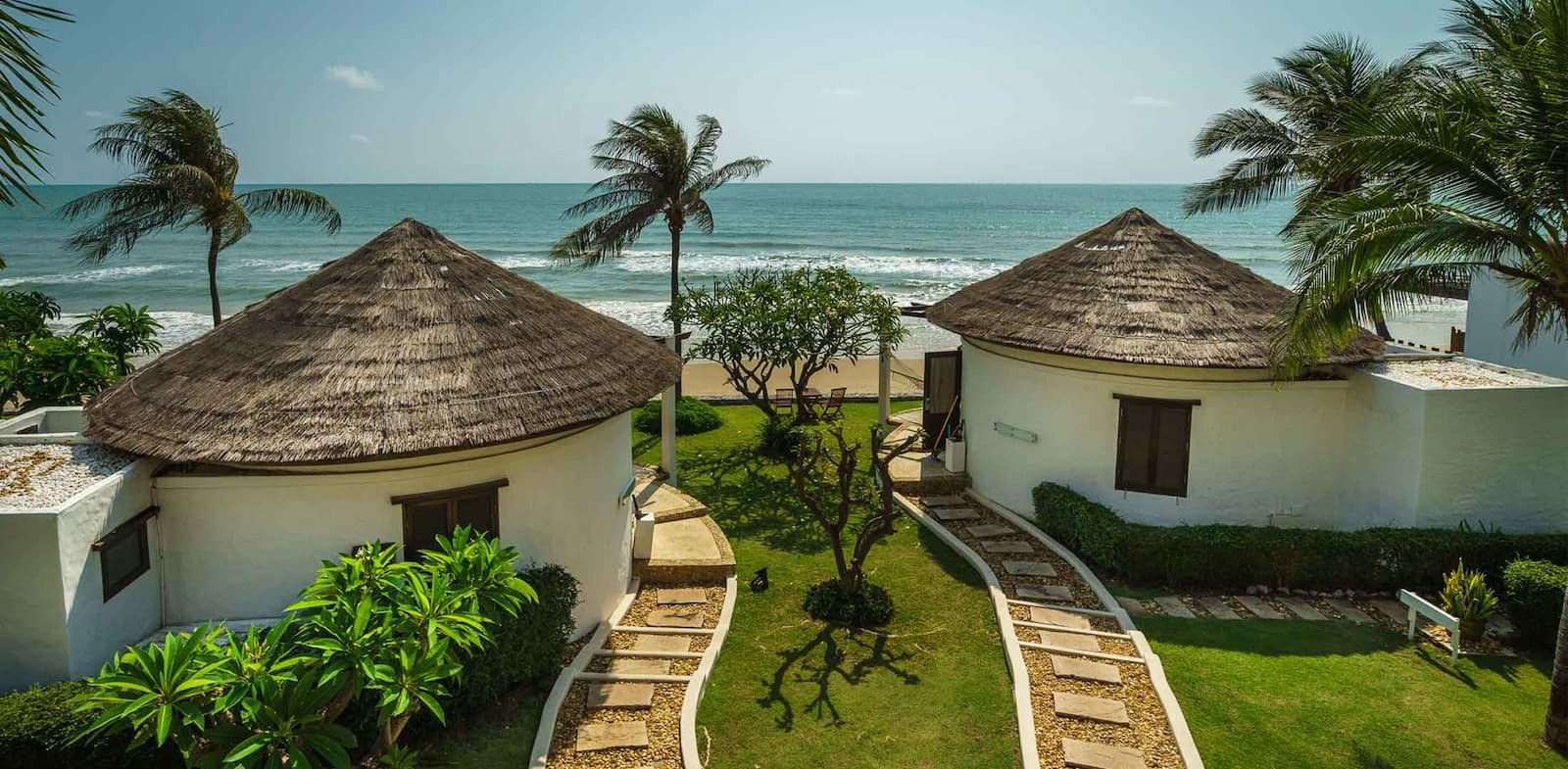
Aleenta reads more like a private coastal villa than a conventional resort. Housed in a converted family vacation home and limited to just 15 rooms, the property favors a residential, low-key design language over grand hotel theatrics. Its secluded beach setting and placement outside the busiest stretch of the gulf coast give it a quietly confident, tucked-away quality—part of its appeal is its relative anonymity. The overall mood is intimate and unhurried: guests encounter considered design, small-scale service and a sense of privacy that feels deliberately preserved rather than manufactured.
Best For
Aleenta is best for travelers who prize privacy and a slow pace: couples on honeymoon or anniversary trips, anyone planning a romantic getaway, and wellness-minded guests drawn to a compact resort-and-spa environment. Its small room count and villa-like layout suit celebrations that favor intimacy over spectacle and make it a natural choice for low-key milestone moments. It also fits weekend escapes for those seeking a quieter Gulf Coast alternative to busier destinations—guests come for seclusion, thoughtful design and a more residential, at-ease atmosphere.
Stay Tips
Book well in advance: with only 15 rooms and suites the property fills quickly, especially for holiday weekends and peak travel periods. Request a beachfront accommodation if a direct sea-facing position matters to you; the write-up highlights the resort's secluded beach location. Note the location is roughly 20 miles south of Hua Hin, so plan transfers or car arrangements ahead of arrival. Given the resort-and-spa identity, inquire about available spa packages or wellness offerings when reserving so you can coordinate treatments and room timing during your stay.
Venue details
Ambiance
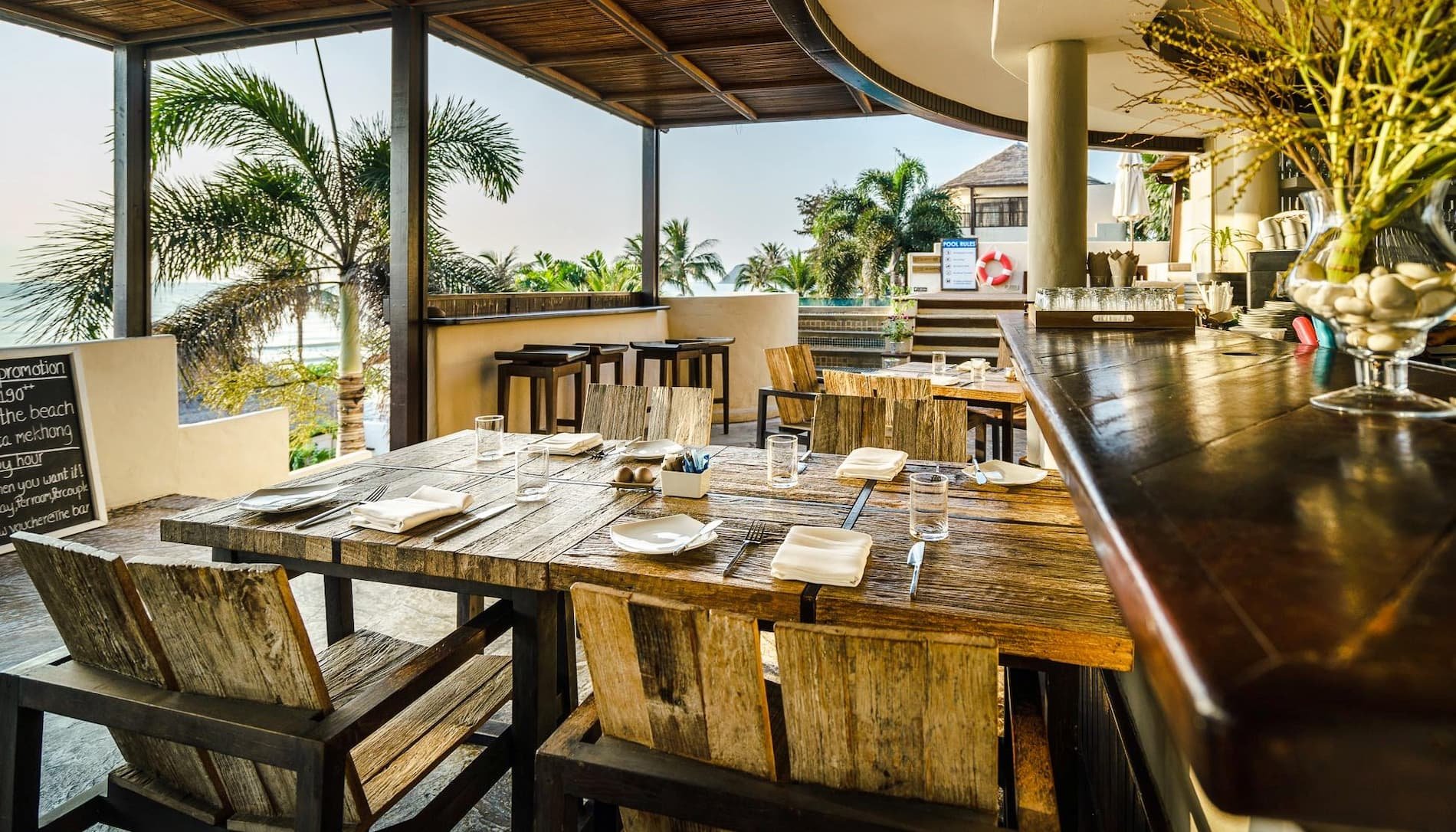
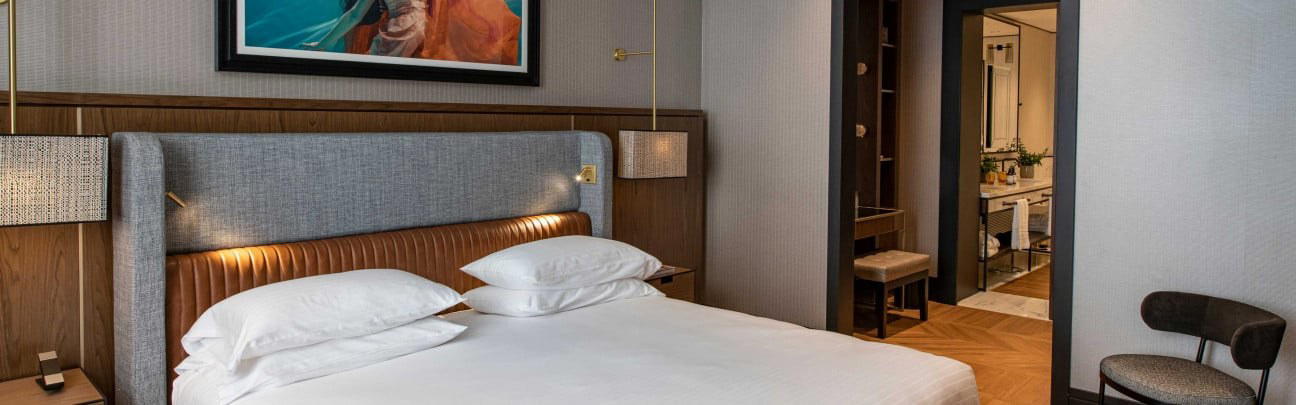
Serene and tranquil with minimalist yet elegant decor, whitewashed walls contrasting with deep wood accents, soft natural lighting, and an intimate barefoot luxury atmosphere that evokes a private beach house rather than a traditional hotel.
Tags
Vibe
Best For
Experience
Amenities
View
Accessibility
About the Stay
- Rooms
- 23
- Check-in
- 14:00
- Check-out
- 12:00
- Property Style
- Barefoot Luxury Boutique Resort Blending Contemporary Comfort with Thai Minimalism, Featuring Individually Designed Suites and Villas with Private Pools and Direct Beach Access.
- Design Style
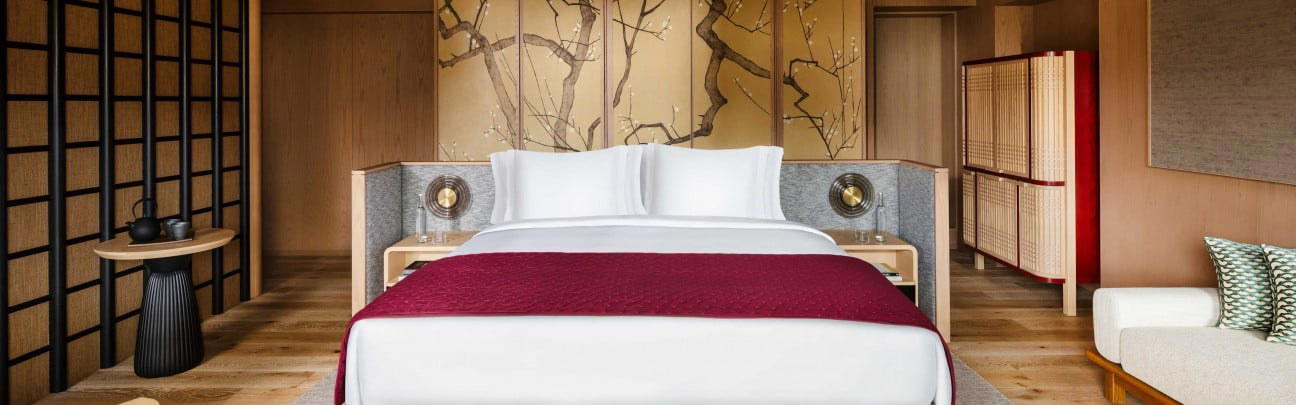
- Modern Thai with Natural Materials, Whitewashed Walls, Deep Wood Accents, Open Air Bathrooms, Private Terraces, and Breezy Urbane Furnishings That Evoke a Sophisticated Private Residence.
Know before you go
Know Before You Go
- Getting there
- 183 Tambon Pak Nam Pran, Amphoe Pran Buri, Chang Wat Prachuap Khiri Khan 77220
Planning details
Location
183 Tambon Pak Nam Pran, Amphoe Pran Buri, Chang Wat Prachuap Khiri Khan 77220 · Directions
Recognition and awards
Also consider
Also Consider
- CHARRAS Bhawan Hotel and Residence, Notable alternative
- Pineapple Valley Golf Club Hua Hin, Notable alternative
- THE BARAI, Notable alternative
- Chiva-Som, Notable alternative
- V Villas Hua Hin - MGallery Collection, Notable alternative
Hotel context
How it compares in the Hua Hin and Pranburi set
Aleenta Resort & Spa, Hua-Hin is the better choice for a quiet coastal reset in Pranburi, especially if the stay is built around rest rather than a packed schedule. CHARRAS Bhawan Hotel and Residence is the closer cross-shop for travellers who want a smaller hotel feel, while V Villas Hua Hin - MGallery Collection makes more sense for guests prioritising a villa-style Hua Hin stay.
For wellness-first travellers, compare carefully with THE BARAI and Chiva-Som. Those are more obvious choices when spa and wellness programming are the core purpose of the trip; Aleenta is the more relaxed coastal pick when the goal is a softer resort stay rather than a highly structured wellness schedule.
Pineapple Valley Golf Club Hua Hin is the practical alternative for golf-led itineraries. Choose Aleenta for ambiance and a slower Pranburi setting; choose Pineapple Valley when tee times matter more than the hotel-as-retreat experience. Booking here is harder than a casual fallback plan, so value-seekers should lock the preferred style of trip before comparing rates.
Explore Pranburi
Around this place
Discover more on Pearl
Unlock the full Aleenta Resort & Spa, Hua-Hin guide in Pearl, including awards, comparisons, FAQs, planning details, and nearby places.
Compare Aleenta Resort & Spa, Hua-Hin
| Venue | Location | Awards |
|---|---|---|
| Aleenta Resort & Spa, Hua-Hin | Pranburi | 2026 Michelin 1 KeyMichelin 1 Key 20252025 Michelin 1 Key |
| CHARRAS Bhawan Hotel and Residence | Hua Hin | No published awards |
| Pineapple Valley Golf Club Hua Hin | Hua Hin | No published awards |
| THE BARAI | Tambon Nong Kae | 2026 La Liste Top Hotels |
| Chiva-Som | Hua Hin | 2026 Virtuoso Luxury Hotel CollectionConde Nast Gold List 20262026 Michelin 1 KeyTatler Best Hotels Asia-Pacific 20252025 Michelin Selected Hotels |
| V Villas Hua Hin - MGallery Collection | Hua Hin | 2026 Michelin 1 KeyWorld Luxury Hotel Awards 20252025 Michelin 1 Key |







How Aleenta Resort & Spa, Hua-Hin compares with similar nearby venues.
FAQ
Frequently Asked Questions
Is Aleenta Resort & Spa, Hua-Hin good for business travel?
Business travellers should check meeting facilities, work amenities, and transport convenience directly. The confirmed location is Pranburi, so compare practical needs with options such as V Villas Hua Hin - MGallery Collection.
How is the dining at Aleenta Resort & Spa, Hua-Hin?
Confirm cuisine type, signature dish, menu format, price point, lunch service, drinks program, and dietary policy directly with Aleenta Resort & Spa, Hua-Hin before booking or compare with other dining in Pranburi.
How is the location of Aleenta Resort & Spa, Hua-Hin?
Aleenta Resort & Spa, Hua-Hin is in Pranburi. If location is central to the trip, compare the practical fit with CHARRAS Bhawan Hotel and Residence or other options relevant to your plans.
Do loyalty programs work at Aleenta Resort & Spa, Hua-Hin?
Do not make points or benefits the deciding factor unless you have confirmed current terms directly. The confirmed recognition is Michelin 1 Key (2025). If loyalty perks are a priority, compare total value against V Villas Hua Hin - MGallery Collection and check current terms with the property.
How is the pool and spa at Aleenta Resort & Spa, Hua-Hin?
The venue name includes Resort & Spa, and the confirmed recognition is Michelin 1 Key (2025), but travellers should confirm current facilities and services directly. For comparison planning, THE BARAI and Chiva-Som may also be worth reviewing.
How does Aleenta Resort & Spa, Hua-Hin compare to other venues and trip options?
The strongest comparison points for Aleenta Resort & Spa, Hua-Hin are that it is in Pranburi, has a smart casual dress code, and holds a Michelin 1 Key (2025). For a broader shortlist, compare current details with CHARRAS Bhawan Hotel and Residence, Chiva-Som, THE BARAI, V Villas Hua Hin - MGallery Collection, and Pineapple Valley Golf Club Hua Hin where relevant to your trip.
When is the best time to book Aleenta Resort & Spa, Hua-Hin?
If you want specific dates or services, check directly with Aleenta Resort & Spa, Hua-Hin before comparing with options such as V Villas Hua Hin - MGallery Collection or THE BARAI.