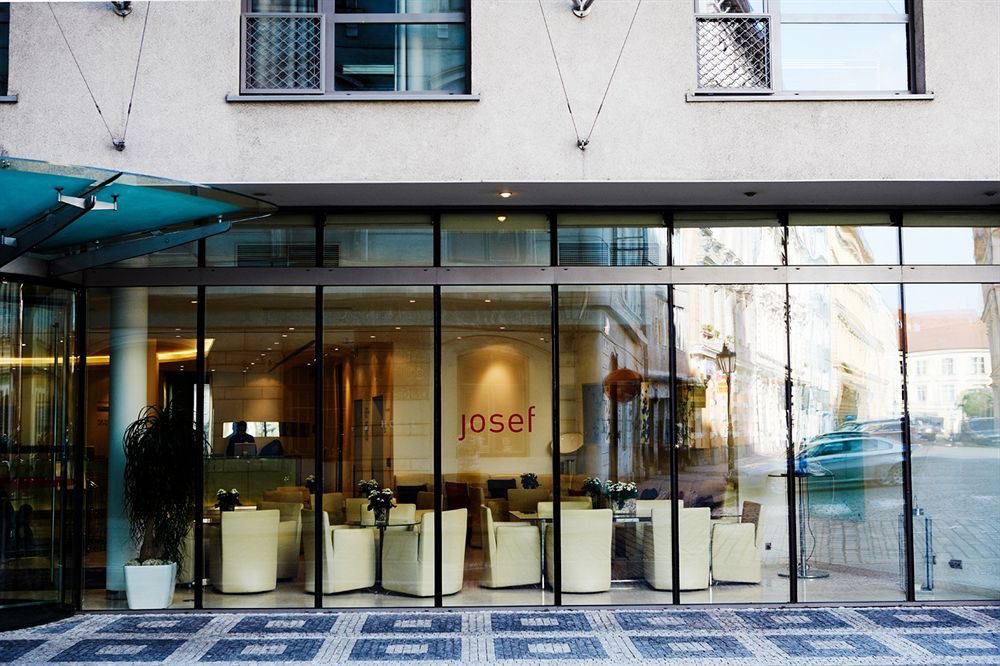


Hotel Josef
Josefov, Prague
Hotel in Prague, Czech Republic
 Book with Pearl
The Read
Price
$200–300per night
Why go
Hotel Josef is worth booking if the priority is a calm, design-led base in central Prague with credible recognition from Design Hotels and the MICHELIN Guide Hotels selection. It is better for couples and business travellers than for spa-led stays or travellers who want the hotel itself to be the main event.
About Hotel Josef
For a Prague stay, Hotel Josef is a sensible short-list pick for travellers who want a design-conscious hotel with established recognition. The draw is direct and easy to understand: Hotel Josef is in Prague, has a smart-casual dress code, is listed as a 2026 Design Hotels member, and was selected in the MICHELIN Guide Hotels in 2025. Those points give the property a clear editorial shape.
That makes the hotel easiest to assess as a credible Prague base. In practical terms, the case for considering it rests on recognised design positioning and guide selection, not on a long amenities inventory. If spa facilities, dining, room categories, or service extras are decisive for your trip, check directly with the hotel before booking, particularly where a specific room setup, facility, or service could affect whether the stay works for you.
Book it for a design-conscious Prague stay
The main practical argument is simple: Hotel Josef is a Prague hotel with design-hotel recognition. That matters most for travellers who want their accommodation choice to feel considered and vetted by sources associated with design-led hotels and curated hotel selections. For a wider scan before committing, compare it against Our full Prague hotels guide, especially if you need to check room specifics, wellness facilities, or on-property dining before choosing.
The safest way to frame the decision is around its recognition. Hotel Josef is a 2026 Design Hotels member and was selected by the MICHELIN Guide Hotels in 2025. Its dress code is smart casual. Travellers should check current hotel details directly if a specific amenity, room type, price point, or service matters, since those factors can change the value equation from one stay to the next.
Where it fits against Prague hotel choices
Among natural Prague cross-shops, Buddha-Bar Hotel Prague, Century Old Town Prague – MGallery Collection, BoHo Hotel Prague, COSMOPOLITAN Hotel Prague, and The Grand Mark are useful names to compare when weighing different hotel styles and priorities. The point of comparing them is not to assume that each offers the same experience, but to clarify what you value most in a Prague hotel. Hotel Josef stands out here for its Design Hotels membership and MICHELIN Guide Hotels selection.
For travellers building the trip around meals and drinks, use Our full Prague restaurants guide and Our full Prague bars guide to plan beyond the hotel. That approach keeps the hotel decision separate from the wider eating and drinking itinerary. If on-property restaurant, bar, cuisine, or drinks options matter to your stay, check the current offering directly with the hotel.
The decision is fairly simple: consider Hotel Josef for a Prague stay with Design Hotels membership, MICHELIN Guide Hotels selection, and a smart-casual dress code. It is best suited to travellers who are comfortable choosing on the strength of those signals and then checking any finer operational details themselves. Cross-shop BoHo Hotel Prague, Buddha-Bar Hotel Prague, COSMOPOLITAN Hotel Prague, Century Old Town Prague – MGallery Collection, and The Grand Mark if you want to compare other Prague hotel options before booking.
Planning details
- Location
- Rybná, 20, Prague 110 00, Czech Republic
- Website
- hoteljosef.com
- Phone
- +420 221 700 111
The take
The Take
The Vibe
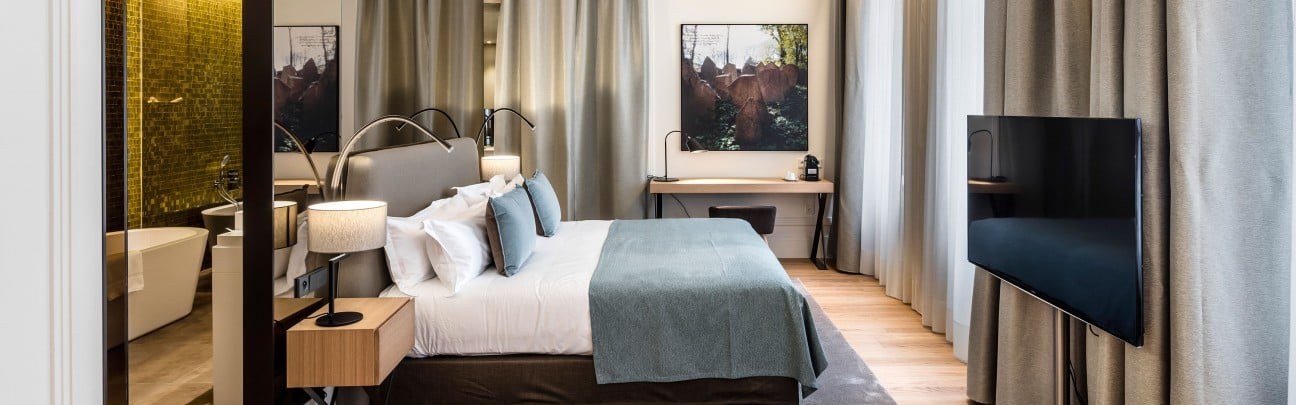
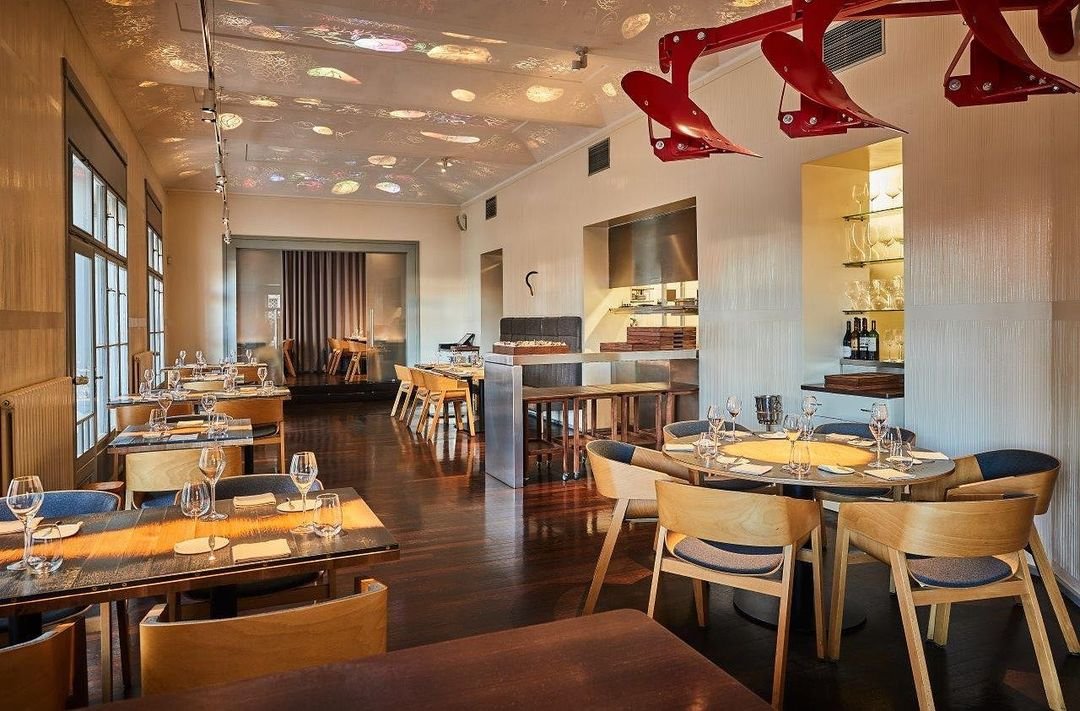
Hotel Josef presents a tightly edited design proposition that treats Czech modernism as an active thread rather than a museum piece. The property’s contemporary lines and spatial discipline are deliberately set against Old Town’s medieval streetscape, so the aesthetic reads as a studied counterpoint to ornate neighbors. Interiors emphasize coherence and functionalist clarity, and the hotel positions itself with other design-led Prague properties rather than as an exercise in historic pastiche. The overall effect is a confident, design-forward stay that foregrounds material restraint and purposeful geometry over decorative flourish.
Best For
Hotel Josef suits travelers who want immediate access to Old Town’s landmarks without signing up for a baroque pastiche. The Rybná location puts guests within easy walking distance of Old Town Square, the Jewish Quarter and the commercial corridor toward the river, so it works well for weekend escapes and business trips that benefit from a compact, walkable base. The hotel’s contemporary design language also appeals to design-minded couples and solo travelers looking for a modern, thoughtfully composed alternative to the more traditional properties clustered around Prague’s historic core.
Venue details
Ambiance
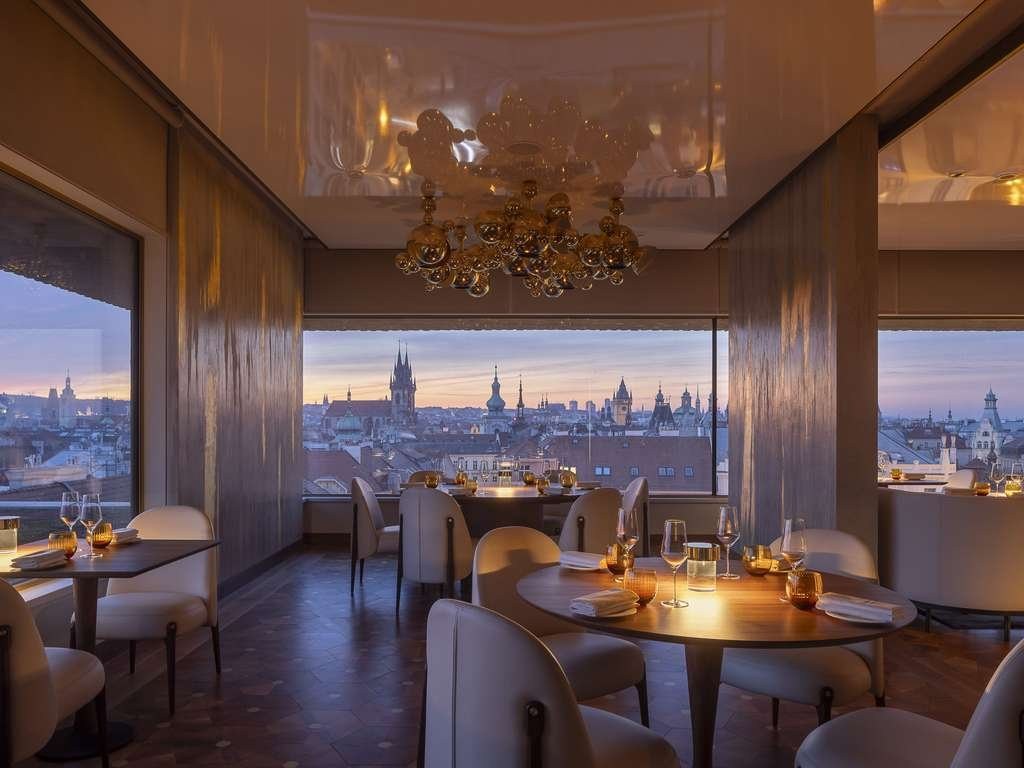
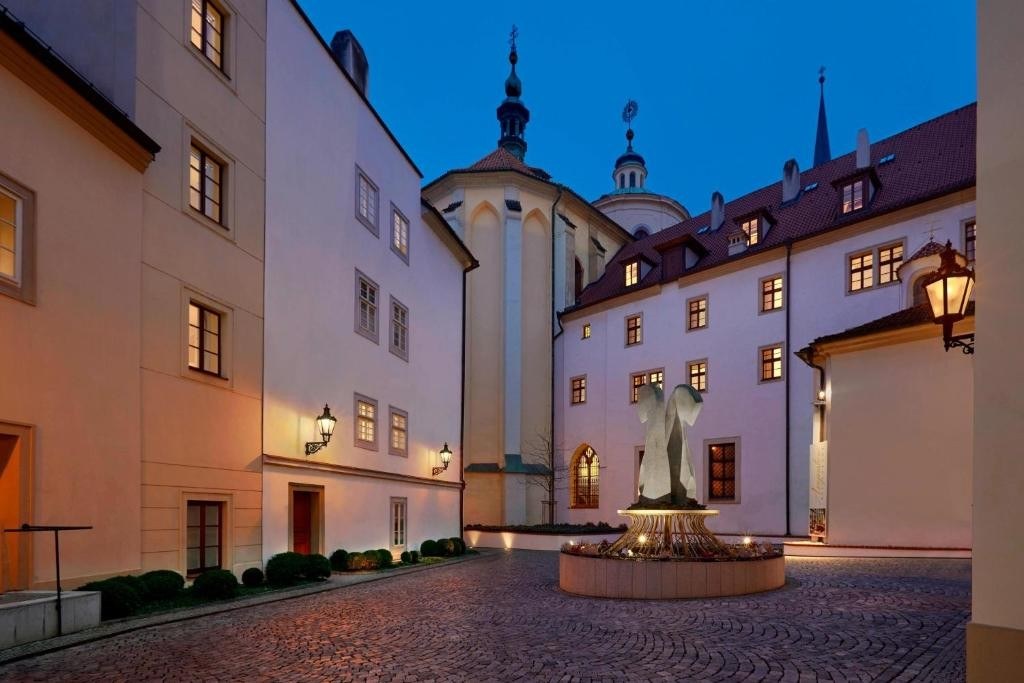
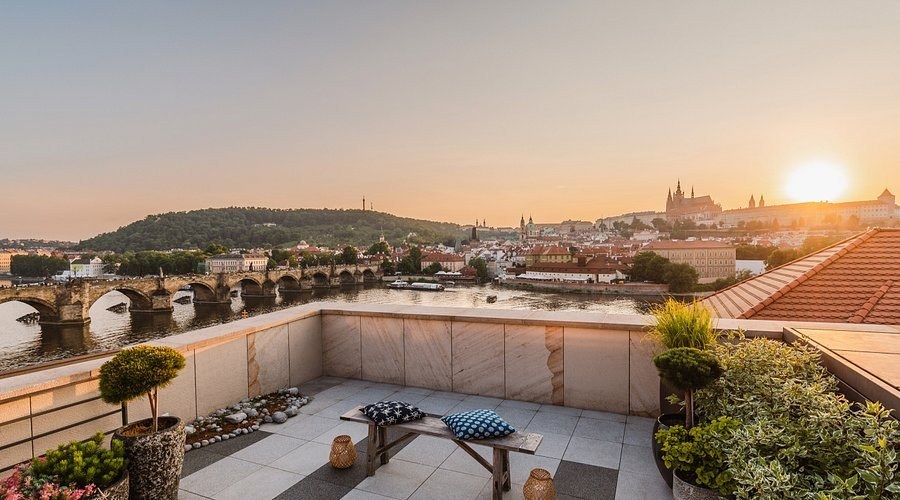
Modern minimalist atmosphere with clean lines, natural light, and a serene retreat-like feel enhanced by soundproofed rooms and quiet garden spaces.
Tags
Vibe
Best For
Experience
Amenities
View
Accessibility
About the Stay
- Rooms
- 109
- Check-in
- 15:00
- Check-out
- 12:00
- Property Type
- Design hotel
- Property Style
- Pure, Authentic, Inspiring Design Hotel
- Design Style
- Minimalist Contemporary with Glass, Steel, and Clean Aesthetic
- Airport Transfer
- Available
- Spa
- Yes
- Pets
- Allowed
- Families
- Welcome
- Cancellation
- Moderate
Know before you go
Know Before You Go
- Getting there
- Rybná, 20, Prague 110 00, Czech Republic
Planning details
Location
Recognition and awards
Also consider
Also Consider
- Buddha-Bar Hotel Prague, Notable alternative
- Century Old Town Prague – MGallery Collection, Notable alternative
- COSMOPOLITAN Hotel Prague, Notable alternative
- BoHo Hotel Prague, Notable alternative
- The Grand Mark, Notable alternative
Hotel context
How it compares
Hotel Josef is the cleaner, calmer design pick in this Prague set. Buddha-Bar Hotel Prague is better if the stay should feel darker, louder, and more nightlife-adjacent; Josef is the safer choice for a date weekend where conversation and sleep quality matter.
Century Old Town Prague – MGallery Collection and COSMOPOLITAN Hotel Prague are stronger cross-shops for business travellers who prefer a more conventional hotel setup. Josef has the stronger design signal, helped by Design Hotels membership and MICHELIN Guide Hotels selection, but the others may suit guests who want a more familiar upscale rhythm.
BoHo Hotel Prague is the closest alternative for a central, style-conscious stay, while The Grand Mark is the better comparison if the trip calls for a more traditional luxury tone. Choose Josef when location, design credibility, and easy booking matter more than a resort-style hotel experience.
Explore Prague
Around this place
Discover more on Pearl
Unlock the full Hotel Josef guide in Pearl, including awards, comparisons, FAQs, planning details, and nearby places.
Compare Hotel Josef
| Venue | Location | Awards |
|---|---|---|
| Hotel Josef | Prague | 2026 Design Hotels Collection2025 Michelin Selected Hotels |
| Buddha-Bar Hotel Prague | Prague | 2026 Forbes Recommended2025 Michelin Selected Hotels2025 Forbes Recommended |
| Century Old Town Prague – MGallery Collection | Prague | No published awards |
| COSMOPOLITAN Hotel Prague | Prague | 2026 La Liste Top Hotels |
| BoHo Hotel Prague | Prague | 2026 Forbes Recommended2026 Mr & Mrs Smith Luxury Hotels2026 Michelin 1 Key2025 Forbes Recommended2025 Michelin 1 KeySmall Luxury Hotels Member 2025 |
| The Grand Mark | Prague | Leading Hotels of the World 20262025 Michelin Selected Hotels |






How Hotel Josef Prague compares with similar nearby venues.
FAQ
Frequently Asked Questions
How is the pool and spa at Hotel Josef?
For pool or spa details at Hotel Josef, check directly with the hotel and compare Prague options such as BoHo Hotel Prague and COSMOPOLITAN Hotel Prague before booking.
How does Hotel Josef compare to other Prague hotels?
Hotel Josef is a Prague hotel with 2026 Design Hotels membership and MICHELIN Guide Hotels selection in 2025. Buddha-Bar Hotel Prague, The Grand Mark, BoHo Hotel Prague, COSMOPOLITAN Hotel Prague, and Century Old Town Prague – MGallery Collection are useful comparison points when choosing among Prague hotels.
Is Hotel Josef family-friendly?
Is Hotel Josef good for business travel?
Hotel Josef can be considered for a Prague business stay on the basis of its hotel recognition and smart-casual dress code. If meeting rooms, workspaces, or other services matter, check them directly with the hotel.
Which room category is best at Hotel Josef?
How is the dining at Hotel Josef?
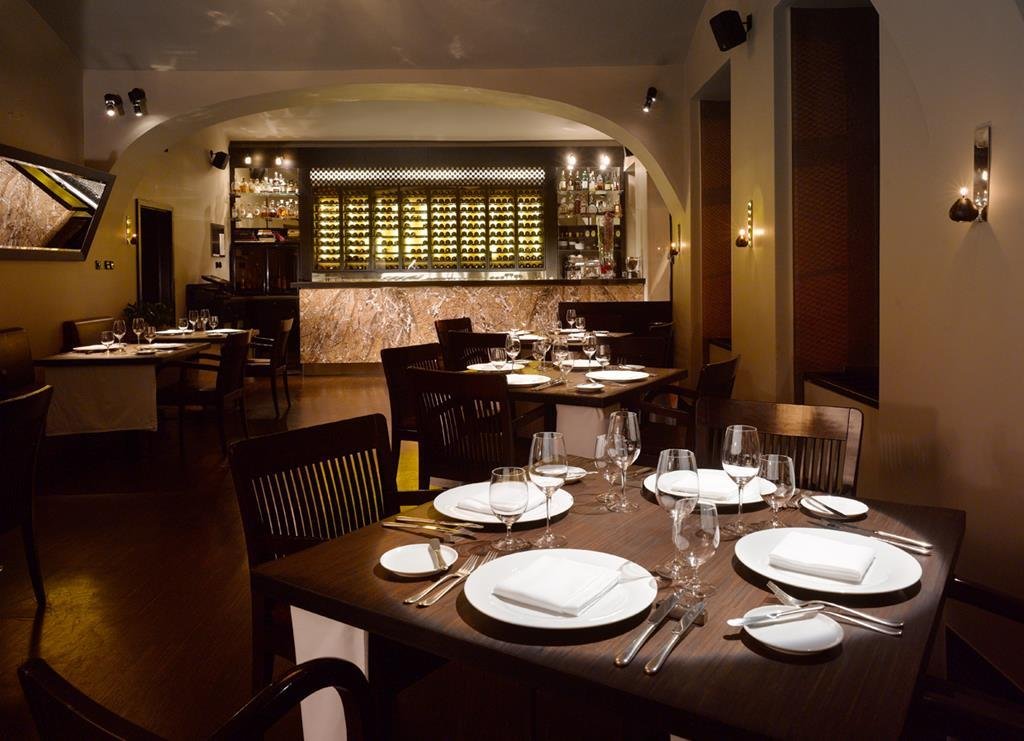
For dining details at Hotel Josef, check current options with the hotel and use Prague restaurant and bar guides for the wider trip.