



Villa Franca
Upper Positano, Positano
Hotel in Positano, Italy
 Book with Pearl
The Read
Hillside Altitude Retreat
Price
$500–750per night
Why go
Villa Franca is worth considering for a design-led Positano stay above the busiest waterfront flow. Book it when rates sit below the town's trophy hotels; compare closely with Le Sirenuse for luxury polish, Hotel Marincanto for views, and Palazzo Murat for a more central feel.
About Villa Franca
Villa Franca is a Positano hotel with confirmed luxury-travel recognition, including Small Luxury Hotels of the World Member status for 2025, Forbes Recommended recognition for 2026, Virtuoso Luxury Hotel Partner status for 2026, and selection in the MICHELIN Guide Hotels for 2025. For travelers building a Positano shortlist, those credentials are the clearest reasons to consider it.
Treat Villa Franca as a Positano hotel to compare carefully against other established names in town, including Covo Dei Saraceni, Hotel Marincanto, Hotel Poseidon, Le Sirenuse, and Hotel Palazzo Murat. The dress code is smart casual.
Recognition is the clearest value signal
The most grounded booking logic is simple: Villa Franca has multiple confirmed hotel-industry credentials. Small Luxury Hotels of the World, Forbes Recommended, Virtuoso Luxury Hotel Partner, and MICHELIN Guide Hotels Selected recognition all support its place on a serious Positano hotel shortlist.
What should not be inferred from those credentials is a specific rate level, room style, service format, dining concept, or location advantage. Compare Villa Franca with Hotel Poseidon and Hotel Palazzo Murat based on current availability, inclusions, and the practical needs of your trip.
Book after checking current availability and fit
If Villa Franca is not the right fit for your dates, compare it with other Positano options rather than forcing the booking. Hotel Marincanto is another Positano hotel to consider, while Hotel Palazzo Murat is also part of the town's established hotel set.
Bottom line: consider Villa Franca when you want a Positano hotel with confirmed luxury-travel recognition and a smart casual dress code. For a wider read on the town's hotel set, use Pearl's full Positano hotels guide; for meal planning around the stay, pair it with Pearl's Positano restaurants guide.
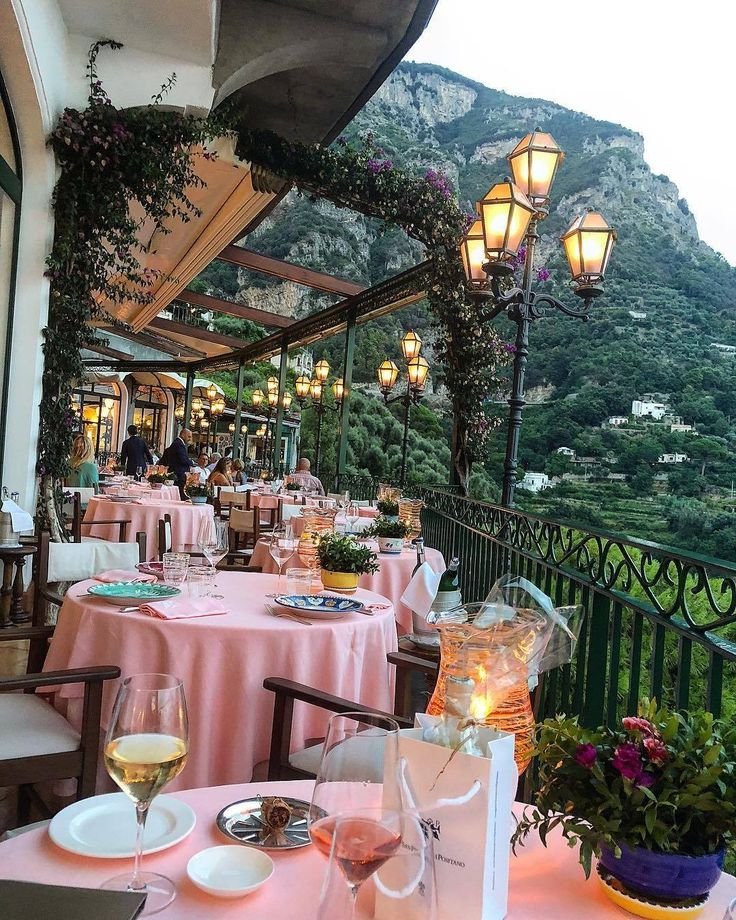
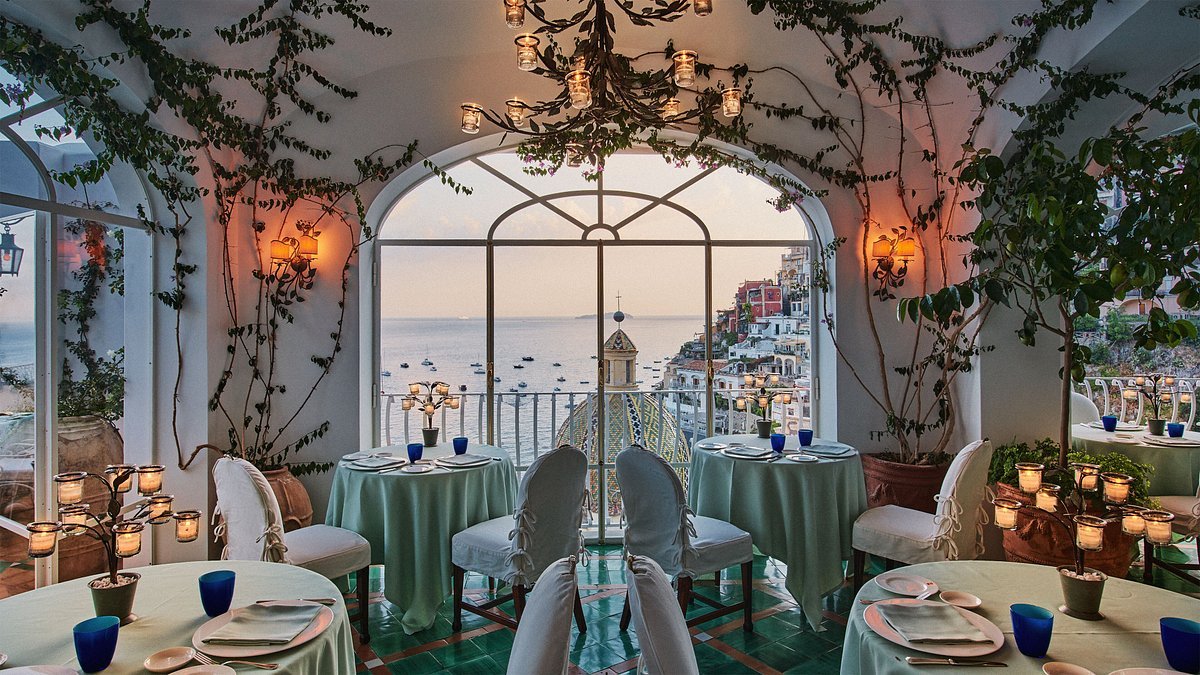
Inside Villa Franca
Planning details
- Location
- Viale Pasitea, 318, 84017 Positano SA
- Website
- villafrancahotel.it
- Phone
- +39 089 875655
The take
The Take
The Vibe
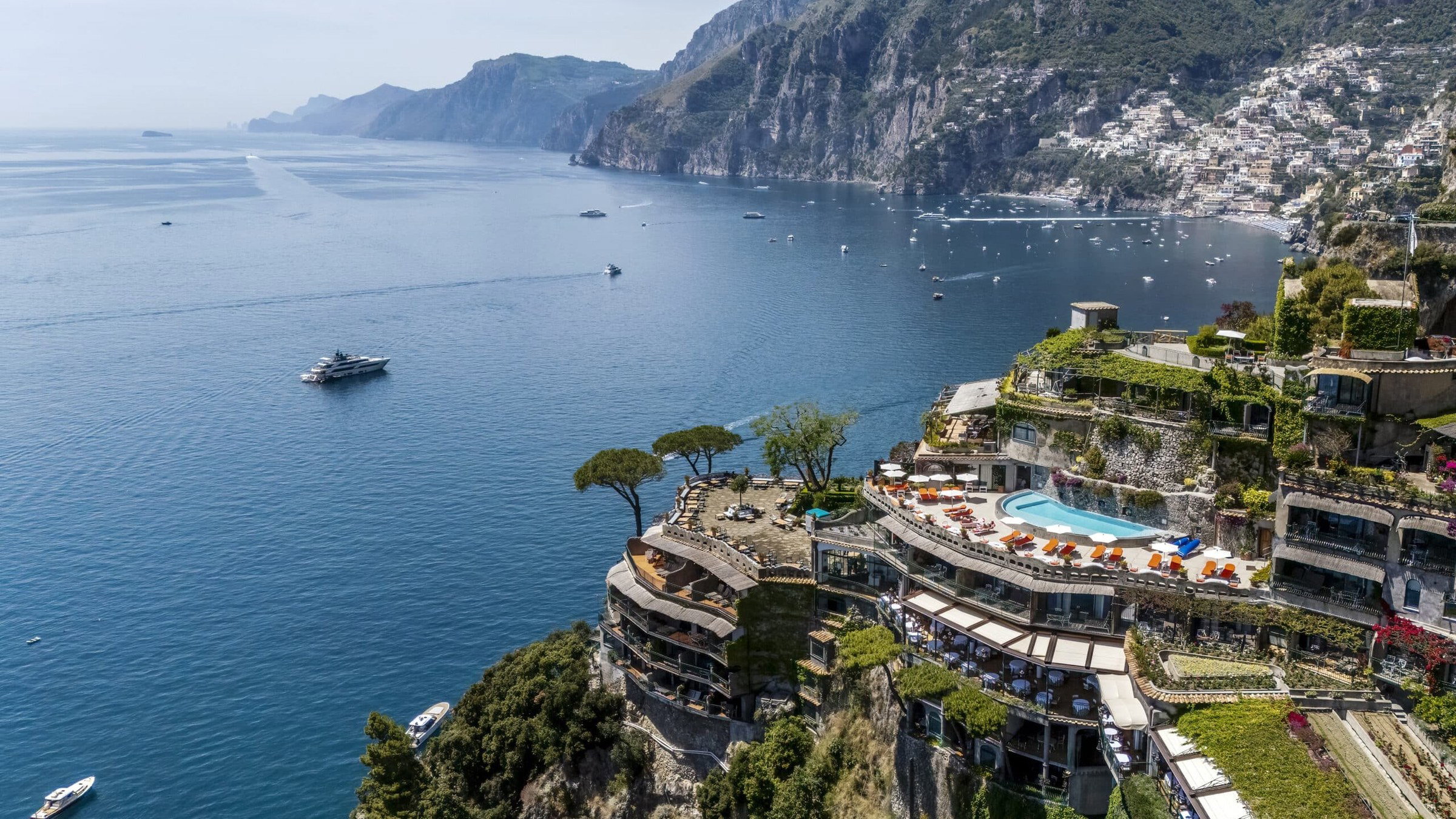
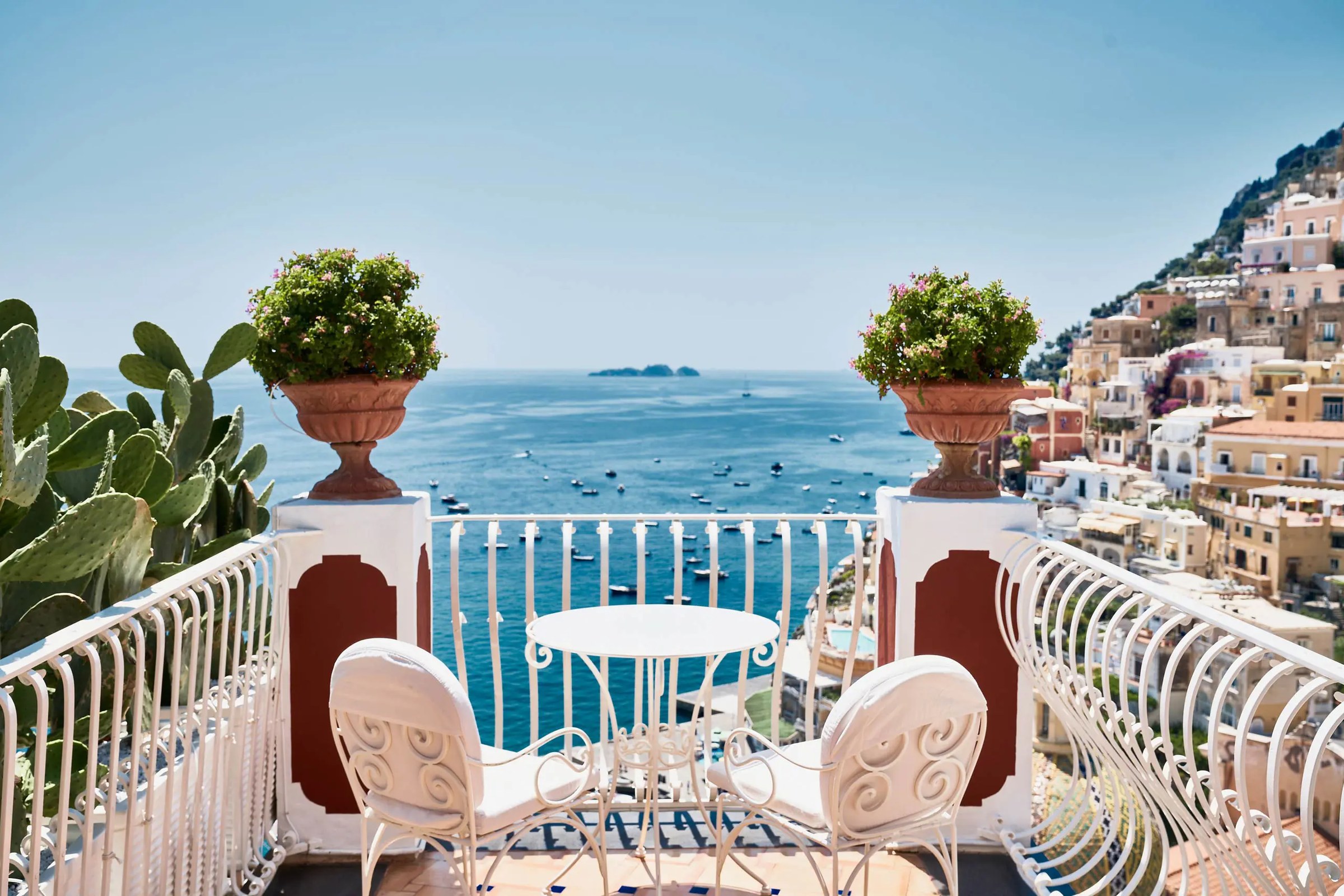
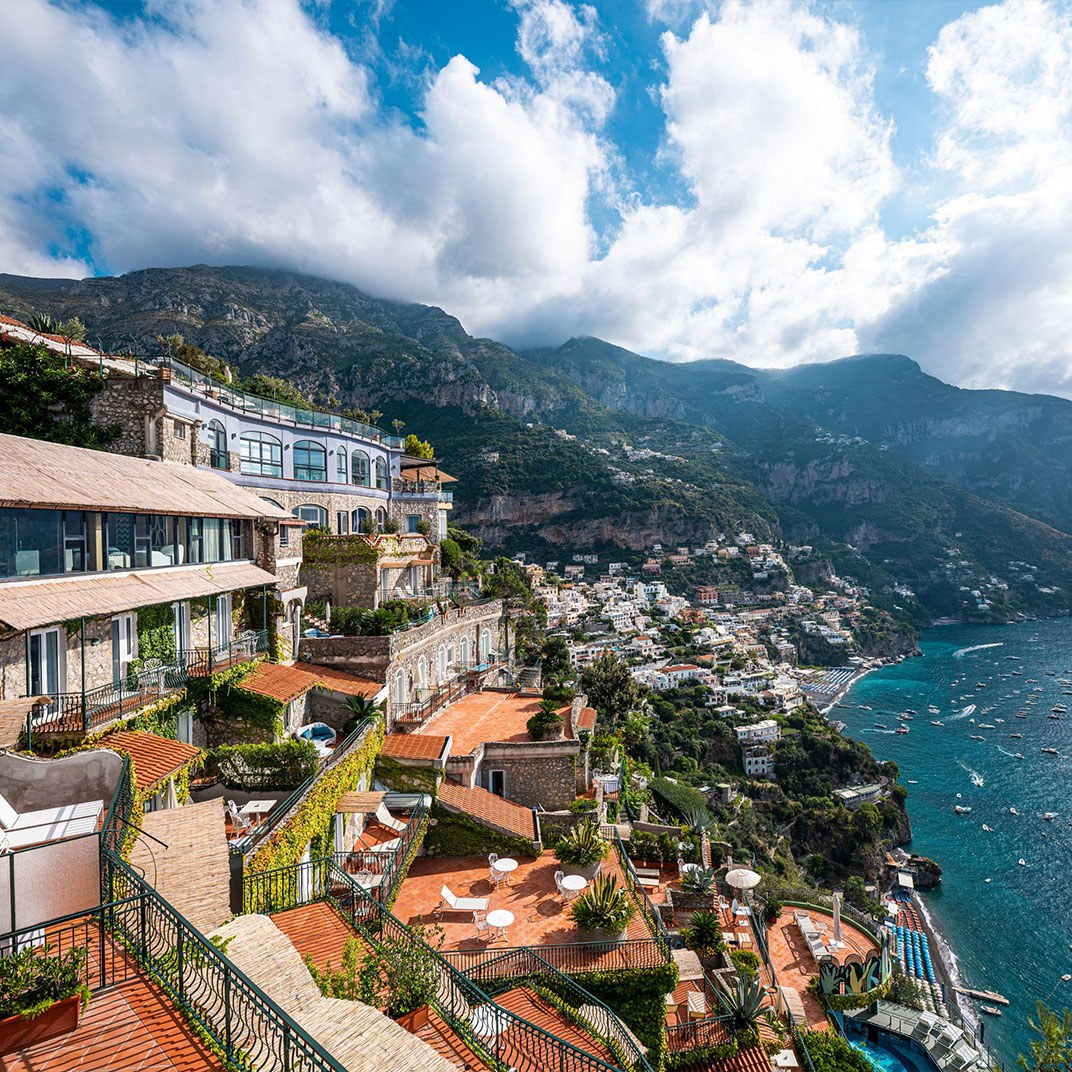
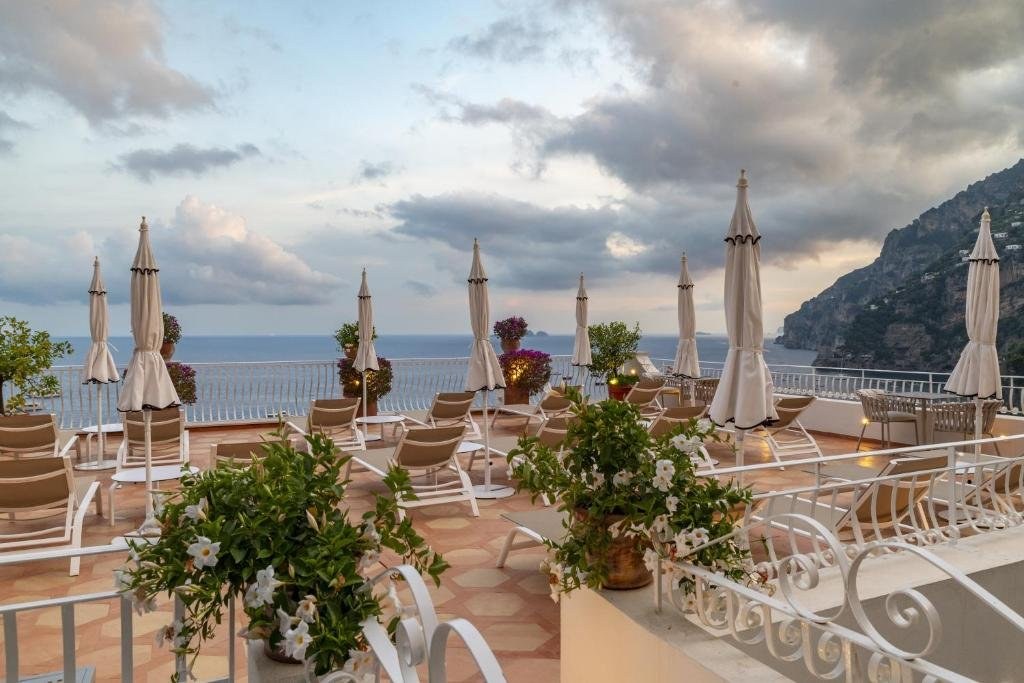
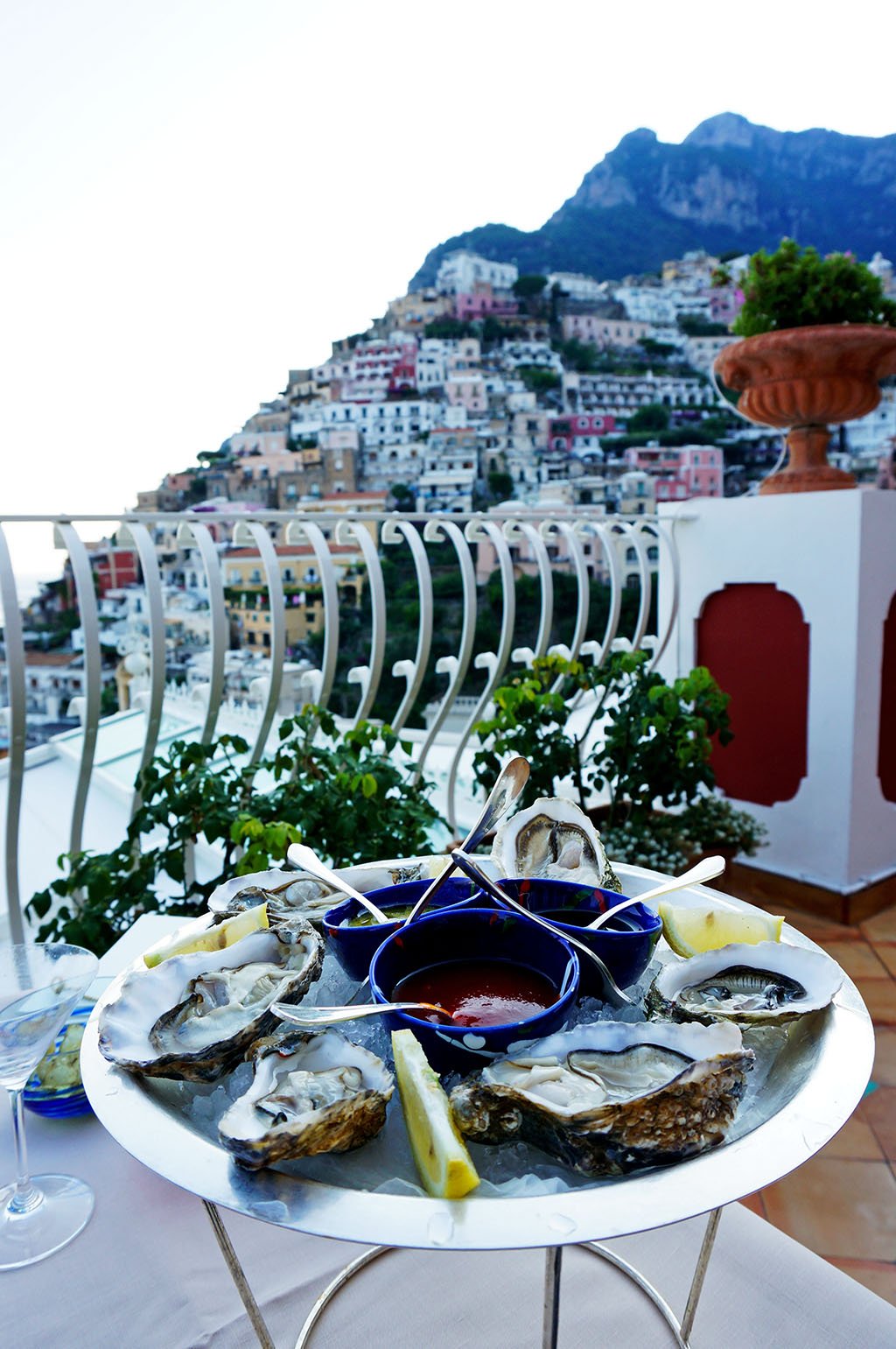
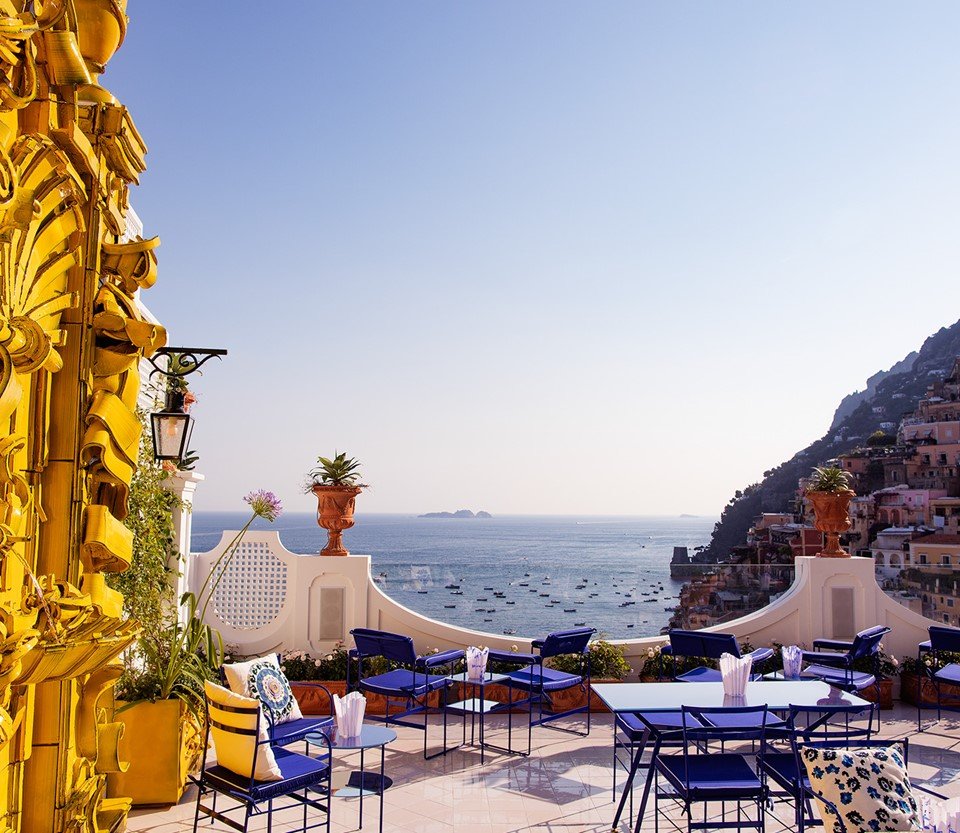
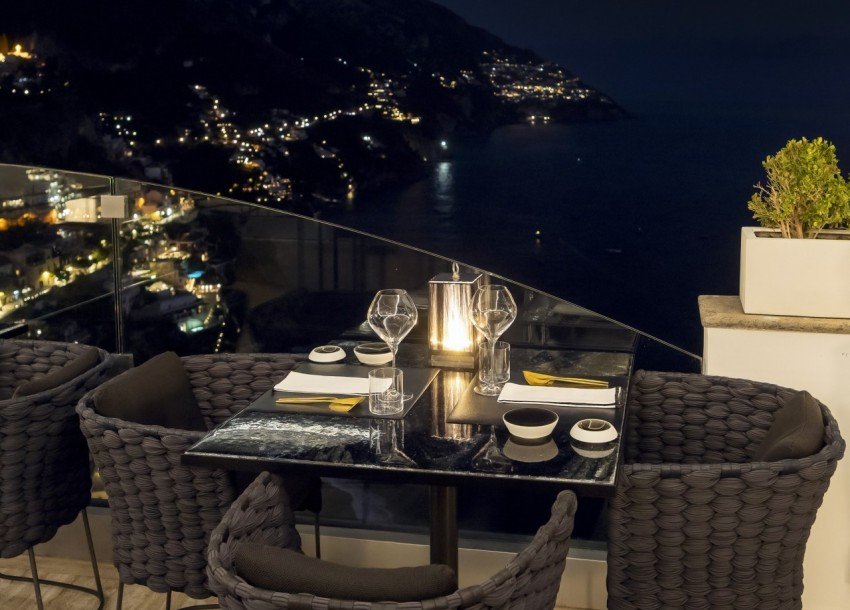
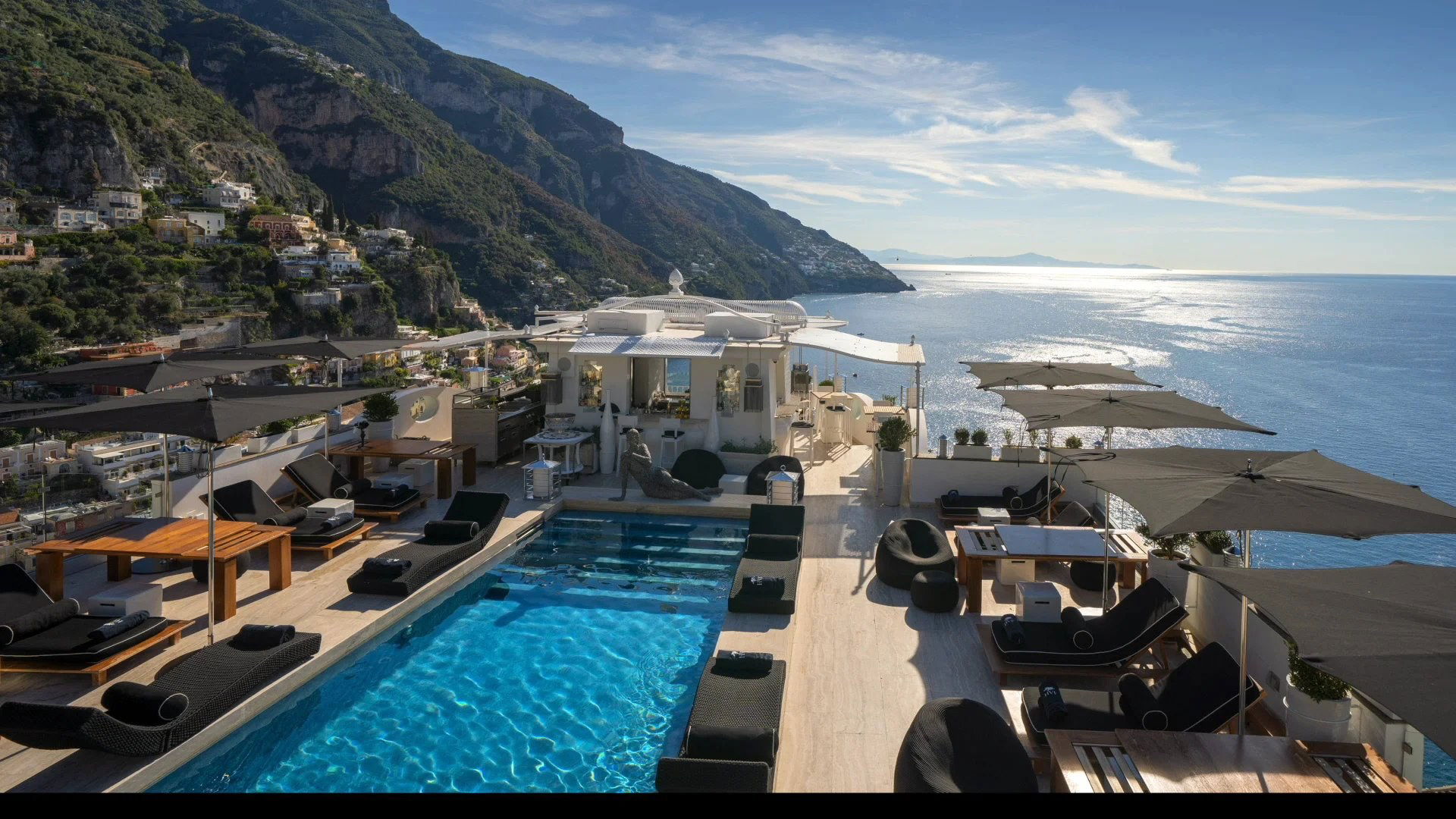
Villa Franca perches high on Positano’s volcanic slope, and the hotel’s identity is inseparable from that verticality. From its upper register the Mediterranean fills the windows like a painted backdrop and terracotta roofs cascade below, creating a painterly foreground to the sea. The altitude brings cooler air and distance from the bustle down in the town, so the property feels calm and serene even as it participates in Positano’s glamorous history. The editorial voice here is attentive to view and place: Villa Franca reads as a quietly iconic, charming refuge for travelers who prioritize panorama and composure over beachfront proximity.
Best For
Villa Franca is best for travelers seeking a view-led escape: couples on honeymoon or anniversary, and anyone planning a romantic getaway or a restorative weekend. Its hilltop position emphasizes panorama and tranquillity rather than immediate beach access; the copy contrasts Villa Franca with sea-level properties that trade altitude for proximity to the sand. Guests who prioritize sweeping Mediterranean vistas, cooler evenings and a quieter base for exploring Positano find this hotel especially well suited to their needs.
Stay Tips
Expect a genuinely vertical approach: Positano’s steep, stone steps and layered streets are part of the experience, so pack comfortable shoes and plan logistics accordingly. The hotel’s strength is its outlook — the text notes that the Mediterranean ‘fills the windows’ — so request a seaward-facing room if views are a priority. Because Villa Franca sits higher on the hill, anticipate cooler air and less town noise; it’s a choice for travelers who prefer panorama and calm over immediate beach-side convenience.
Venue details
Ambiance
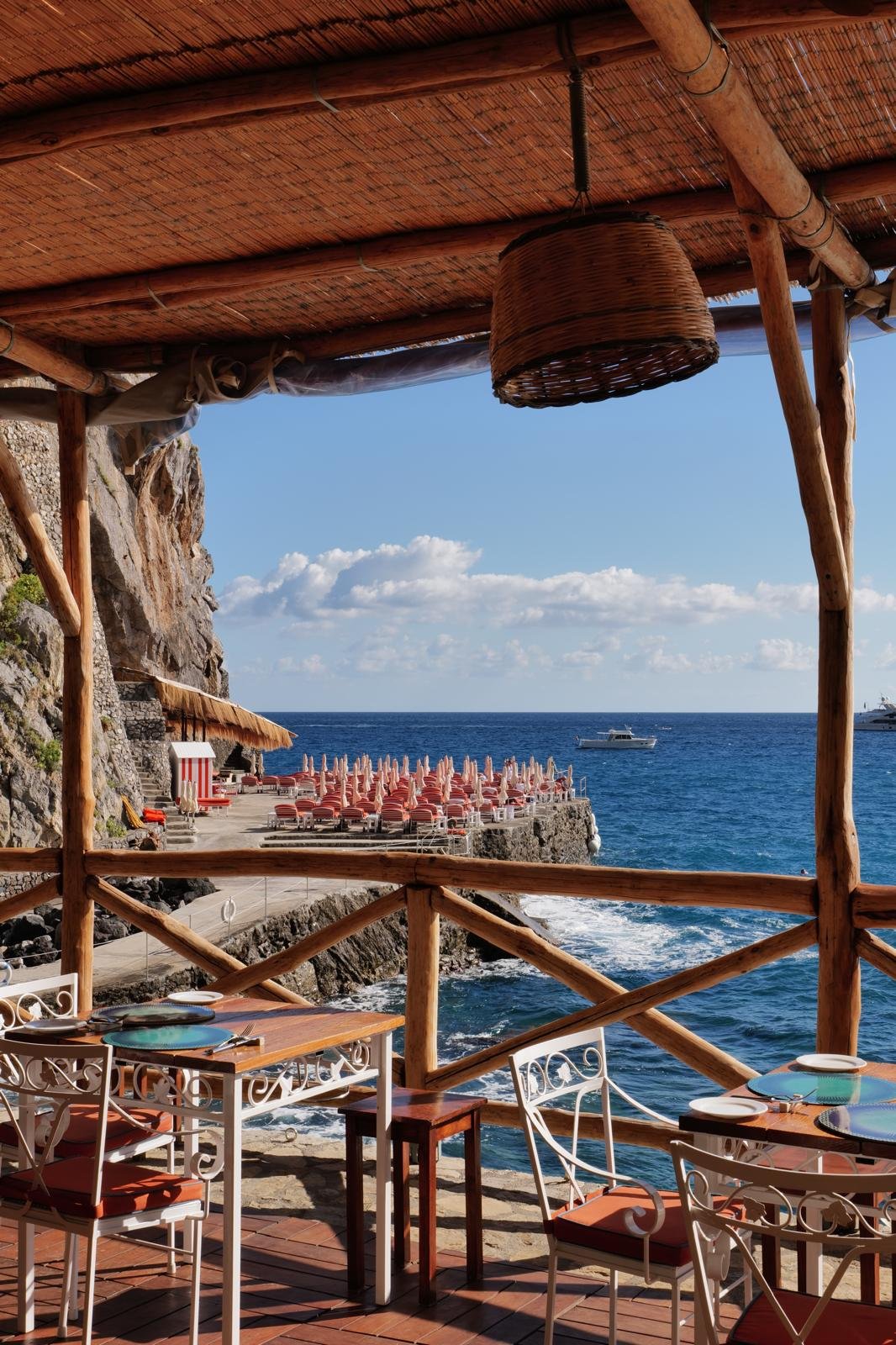
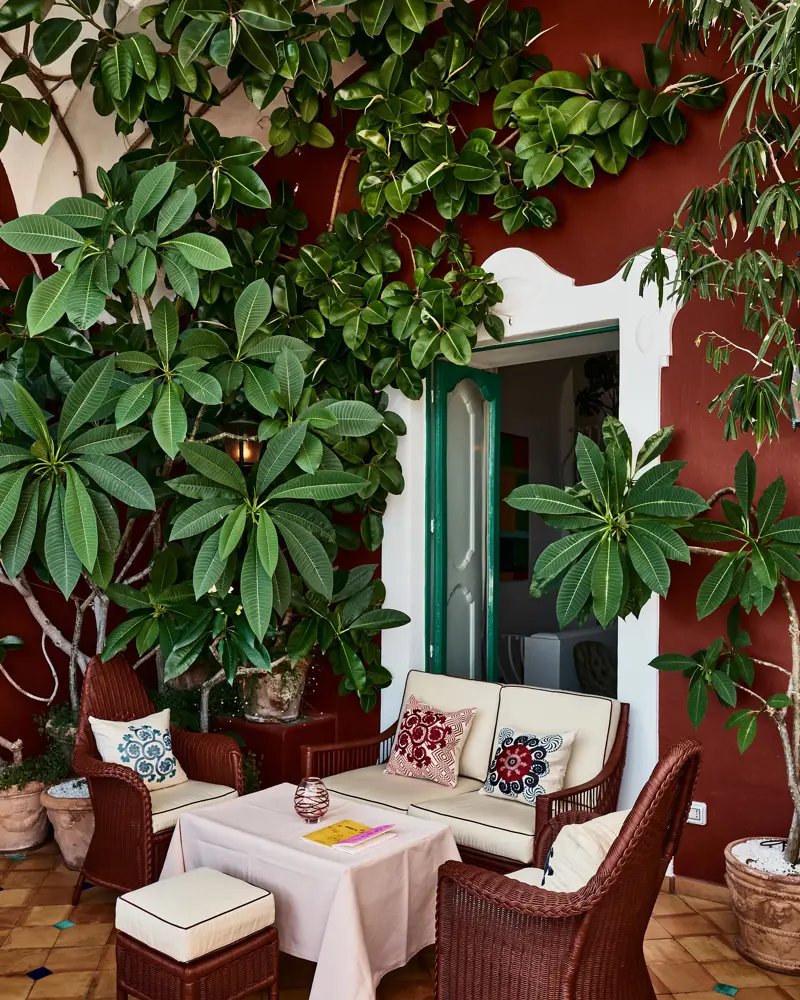
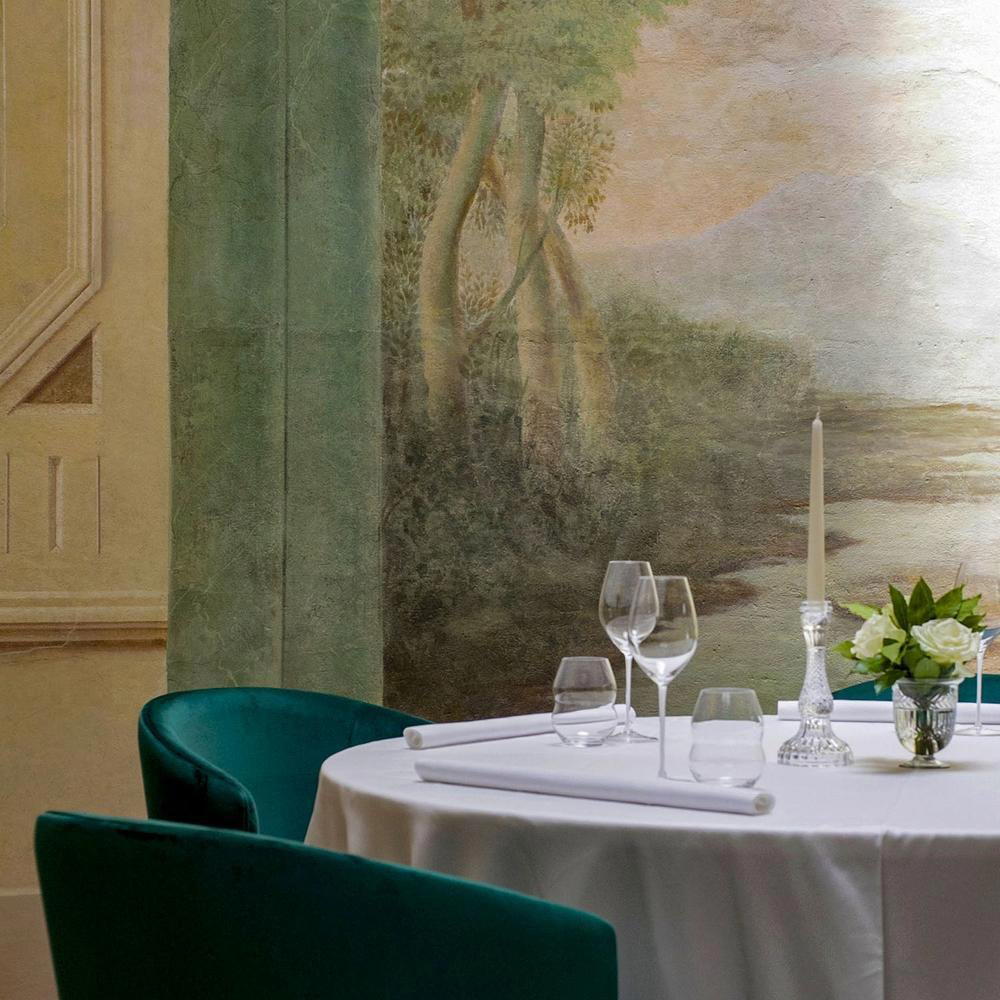
Refined minimalist luxury with art and design blending seamlessly, offering tranquility amid coastal beauty and scented gardens.
Tags
Vibe
Best For
Experience
Amenities
View
About the Stay
- Rooms
- 50
- Check-in
- 15:00
- Check-out
- 12:00
- Property Type
- Boutique hotel
- Property Style
- Hilltop Boutique Retreat Celebrating Amalfi Coast Charm with Modern Italian Elegance.
- Design Style
- Minimalist Luxury Art and Design Fusion.
- Breakfast
- Included
- Airport Transfer
- Available
- Pool
- Yes
- Spa
- Yes
Know before you go
Know Before You Go
- Getting there
- Viale Pasitea, 318, 84017 Positano SA
Planning details
Location



Also consider
Also Consider
- Hotel Poseidon, Notable alternative
- Covo Dei Saraceni, Notable alternative
- Hotel Palazzo Murat, Notable alternative
- Le Sirenuse, Notable alternative
- Hotel Marincanto, Notable alternative
Hotel context
How Villa Franca compares in Positano
Villa Franca is the better fit if the priority is a polished, design-conscious base above town rather than immediate beach access. Le Sirenuse is the stronger splurge if budget is secondary and the goal is Positano's classic luxury address; Villa Franca makes more sense when the rate gap is meaningful and the traveler wants a sleeker boutique mood.
For practical location, Covo Dei Saraceni is easier for guests who want to be closer to the waterfront, while Hotel Palazzo Murat is a better cross-shop for a more central, historic-feeling stay. Value-seekers should compare all three on exact dates rather than by category label, because Positano pricing can swing sharply by season.
Hotel Marincanto is the natural alternative for travelers prioritizing views and a more photo-forward Amalfi Coast feel, while Hotel Poseidon is worth checking when charm and location matter more than a tightly designed hotel atmosphere. Villa Franca is the recommendation when ambiance and a quieter hillside reset are worth the climb.
Explore Positano
Around this place
Discover more on Pearl
Unlock the full Villa Franca guide in Pearl, including awards, comparisons, FAQs, planning details, and nearby places.
Compare Villa Franca
| Venue | Location | Awards |
|---|---|---|
| Villa Franca | Positano | 2026 Virtuoso Luxury Hotel Collection2026 Forbes Recommended2025 Michelin Selected HotelsSmall Luxury Hotels Member 2025 |
| Hotel Poseidon | Positano | No published awards |
| Covo Dei Saraceni | Positano | Preferred Hotels L.V.X. Collection 2025 |
| Hotel Palazzo Murat | Positano | No published awards |
| Le Sirenuse | Positano | 2026 Forbes 5-Star2026 Virtuoso Luxury Hotel Collection2026 Mr & Mrs Smith Luxury HotelsLeading Hotels of the World 20262026 La Liste Top Hotels2026 Michelin 1 Key2025 World’s 50 Best Hotels · #942025 Forbes 5-Star2025 Michelin 1 Key |
| Hotel Marincanto | Positano | 2026 La Liste Top Hotels2025 Michelin Selected Hotels |







How Villa Franca Positano compares with similar nearby venues.
FAQ
Frequently Asked Questions
How does Villa Franca compare to nearby hotels?
Villa Franca is best evaluated as a Positano hotel with confirmed recognition from Small Luxury Hotels of the World, Forbes, Virtuoso, and the MICHELIN Guide Hotels selection. Compare it with Le Sirenuse, Covo Dei Saraceni, Hotel Marincanto, Hotel Poseidon, and Hotel Palazzo Murat based on current rates, availability, and inclusions.
How is the location of Villa Franca?
When is the best time to book Villa Franca?
A specific best season or booking window is not established. Check current availability and terms for your travel dates, then compare Villa Franca with other Positano hotels before committing.
Do loyalty programs work at Villa Franca?
Villa Franca is a confirmed Virtuoso Luxury Hotel Partner for 2026. Specific benefits, rate rules, and booking-channel conditions are not specified, so confirm them before reserving.
How is the dining at Villa Franca?
A specific cuisine, chef, restaurant format, or dining program at Villa Franca is not established. For meal planning, use hotel information and compare with other Positano dining options.
Is Villa Franca family-friendly?
A specific family policy, children's amenities, or room setup is not established. Confirm those points directly, and compare Villa Franca with Covo Dei Saraceni or Hotel Marincanto using current hotel information if family logistics are central to the trip.