





Le Sirenuse
Positano City Centre, Positano
Hotel in Positano, Italy
 Book with Pearl
The Read
Sersale Family Clifftop Continuum
Why go
Le Sirenuse is a hotel on Via Cristoforo Colombo in Positano, Italy.
About Le Sirenuse
Le Sirenuse is a highly recognized hotel in Positano. For travelers comparing premium hotels in Positano, it is best evaluated as a high-confidence choice with a smart casual dress code and a strong awards profile.
The practical question is whether those recognition signals matter for your trip. If you want a Positano hotel with multiple luxury-hotel credentials, Le Sirenuse belongs on the shortlist. If your decision depends on specific amenities, room categories, family policies, wellness facilities, or transport arrangements, check those details directly before booking.
Choose it when awards and reliability matter most
The trust signals are unusually strong: Michelin 1 Key in 2024, Forbes 5-Star in 2026, La Liste Top Hotels recognition in 2026 with 96.5 points, Leading Hotels of the World membership in 2025, Virtuoso Luxury Hotel Partner status in 2026, Mr & Mrs Smith Seal of Approval in 2026, and a World's 50 Best Hotels #20 placement in 2023. Those credentials do not define every part of the stay, but they do provide external validation for travelers seeking a premium hotel in Positano.
That said, this is not the right booking if you are choosing primarily on amenities or logistics without checking the specifics first. Hotel Palazzo Murat is a natural cross-shop for travelers comparing Positano hotels. Hotel Poseidon also makes sense to consider if you are weighing Le Sirenuse against other local stays.
The business-travel fit depends on what you need from Positano
For work-adjacent travel, Le Sirenuse's strongest case is its luxury-hotel recognition and Positano location. Travelers with operational requirements, such as business facilities, meeting spaces, check-in procedures, transport services, or room-work setup, should check those details directly with the hotel.
If your dates are important, compare options before committing. Hotel Marincanto, Covo Dei Saraceni, Villa Franca, Hotel Poseidon, and Hotel Palazzo Murat are all natural comparison points in Positano.
Reservations: confirm current availability and booking terms directly. Dress: smart casual. Budget: confirm current rates and booking terms directly. Good for: travelers who want a highly recognized Positano hotel and are comfortable checking trip-specific details before booking.
Inside Le Sirenuse
Planning details
- Location
- Via Cristoforo Colombo, 30, 84017 Positano SA
- Website
- sirenuse.it
- Phone
- +39 089 875066
The take
The Take
The Vibe
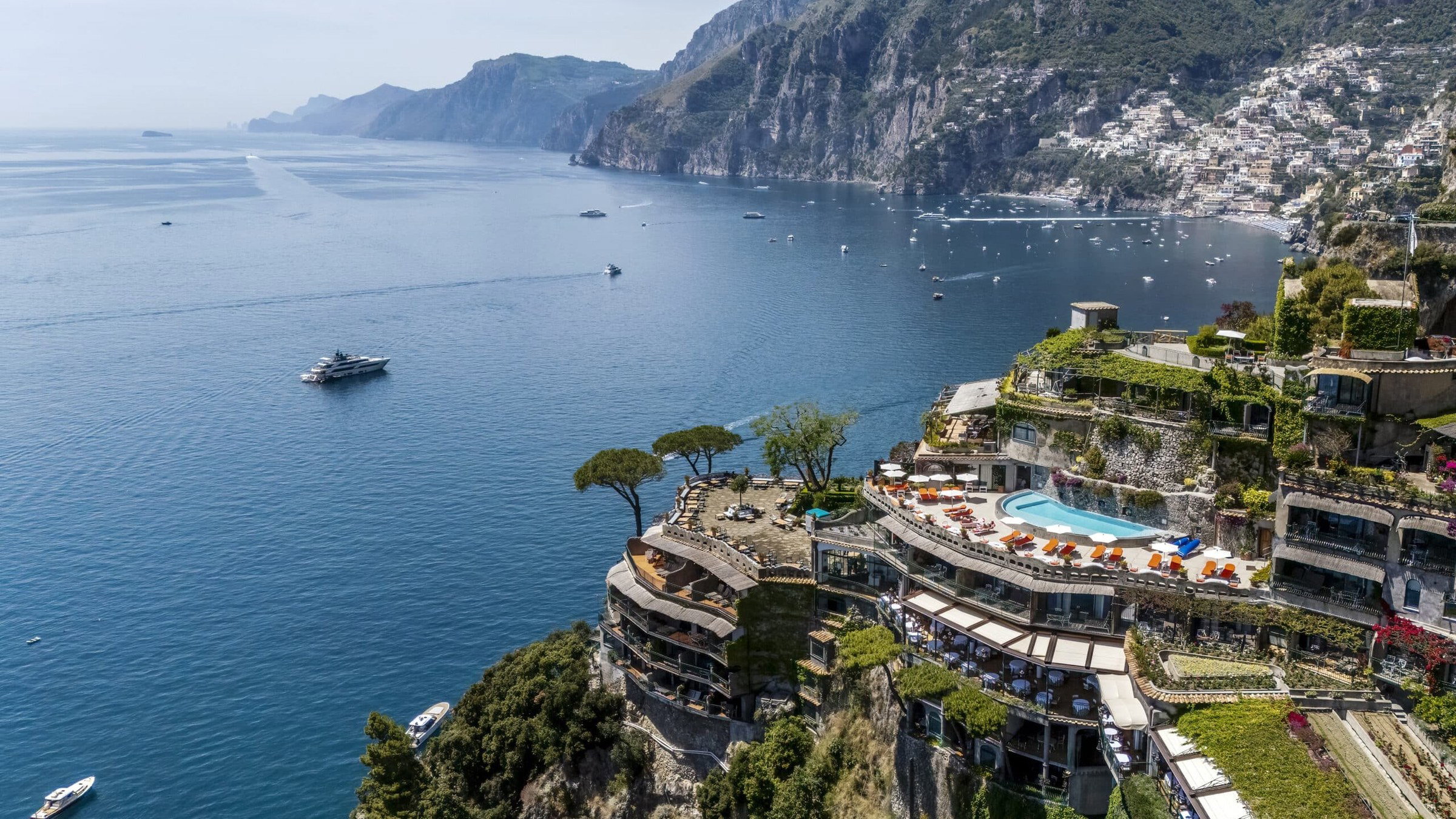
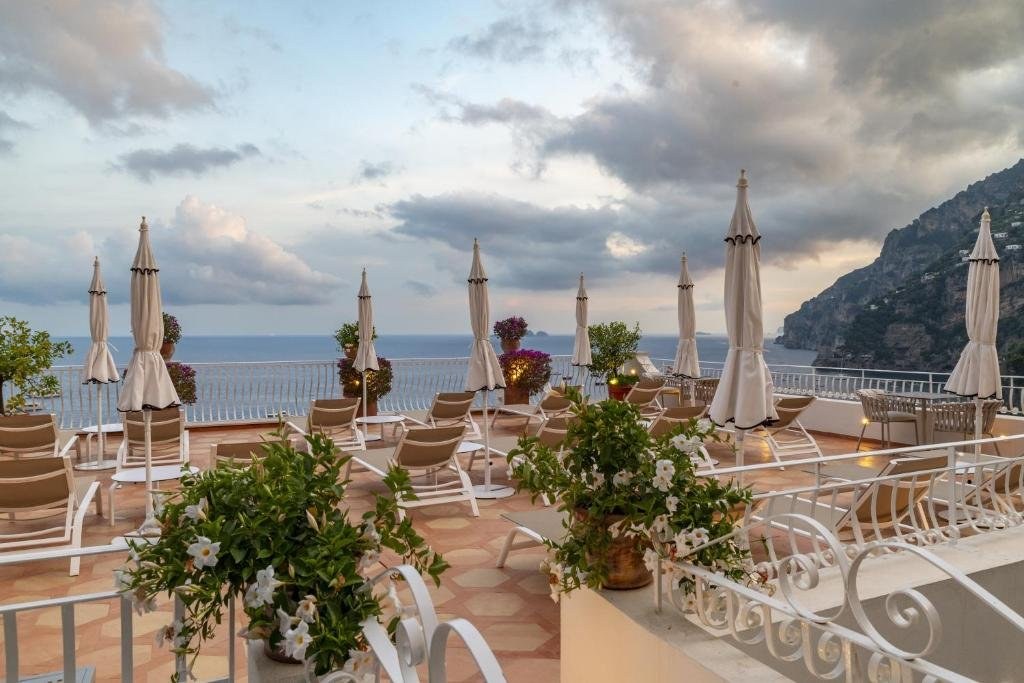
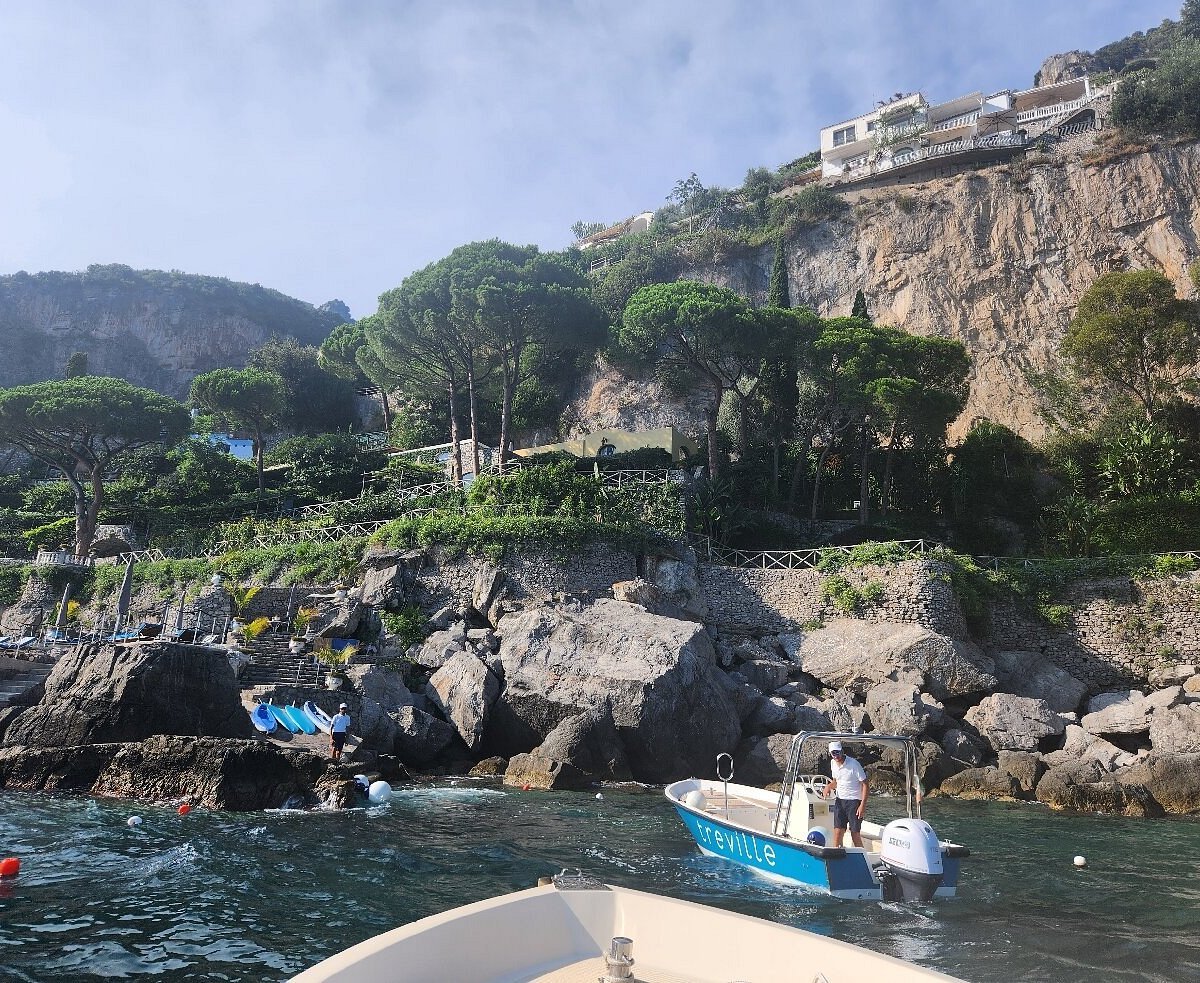
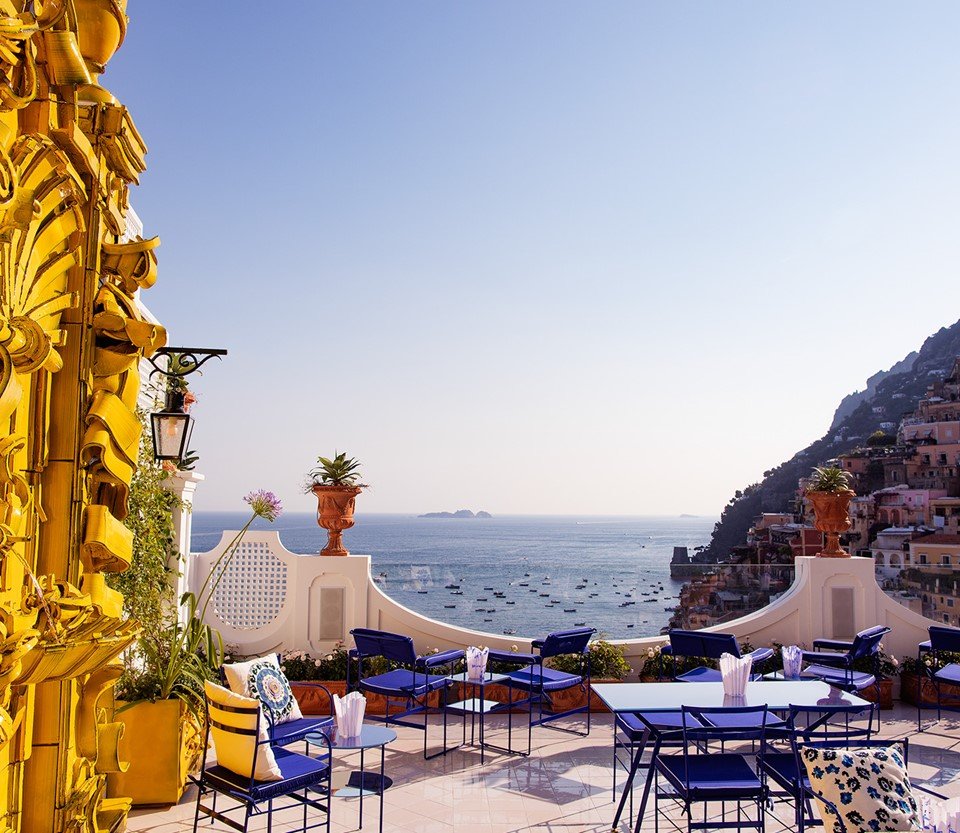
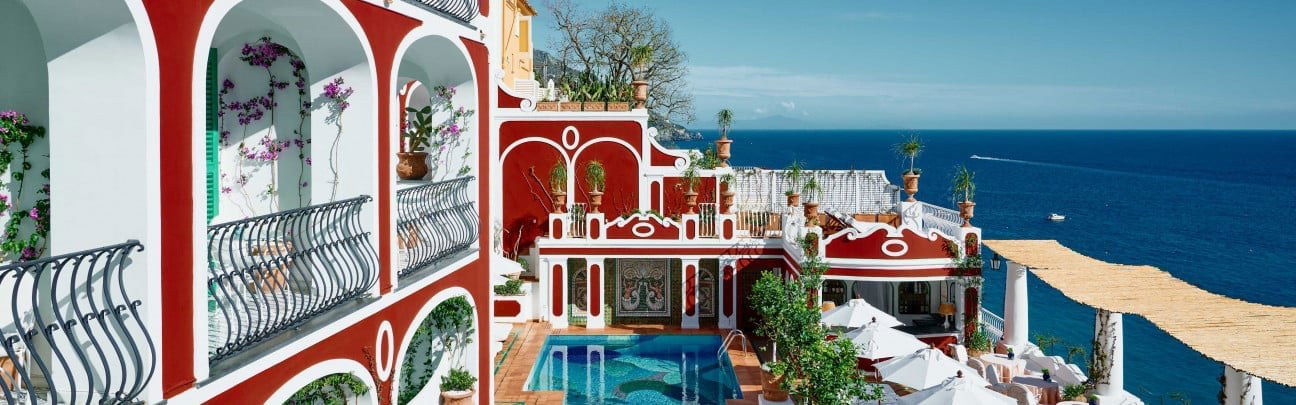
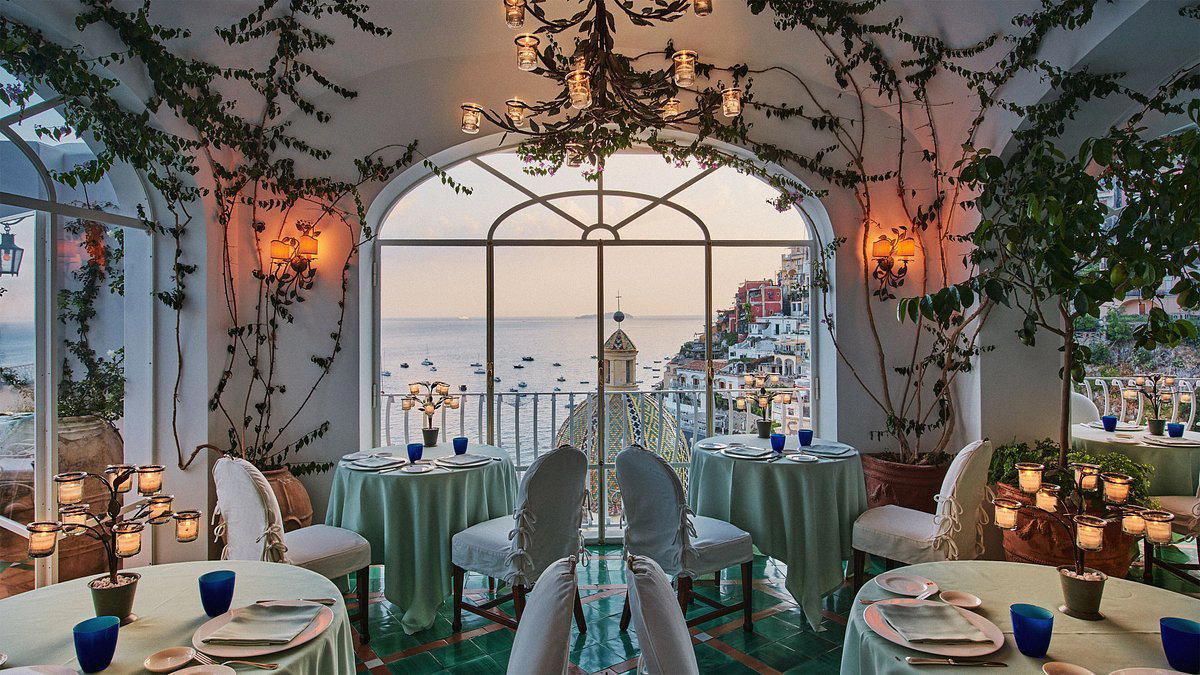
Le Sirenuse reads like a place with roots rather than a brand — a former noble summer residence that still carries the patina of generations. The hotel presents a classic, historic personality: antiques, family stewardship and a cherry-red façade that announces the property from the sea all combine to give it an iconic, charming presence on Positano’s cliffs. Design decisions feel inherited and permanent rather than trendy, so the stay leans toward a timeless, quietly polished luxury that privileges provenance and continuity over flash.
Best For
Perched high in Positano’s natural amphitheatre, Le Sirenuse excels for intimate, milestone stays. The property’s history, family management and dramatic sea-facing position make it particularly well suited to honeymoons, romantic getaways, anniversaries and weekend escapes where setting and service matter as much as the room itself. Guests who seek a refined coastal experience — where antiques, continuity of staff and cliffside sightlines shape the stay — will find this hotel rewarding for celebratory escapes and special-occasion travel.
Stay Tips
Plan ahead and prioritize a sea-facing room: the hotel’s siting and preserved sightlines are the central draw, so request rooms that look toward the water. Expect that arrival involves a climb up Positano’s tiers — the description notes that arrival is always a climb — so factor in timing and mobility when booking. Lean on the family-managed staff for local recommendations and to confirm room placement; continuity of on-property management is emphasized in the hotel’s profile, which often translates to attentive, personalized service.
Venue details
Ambiance
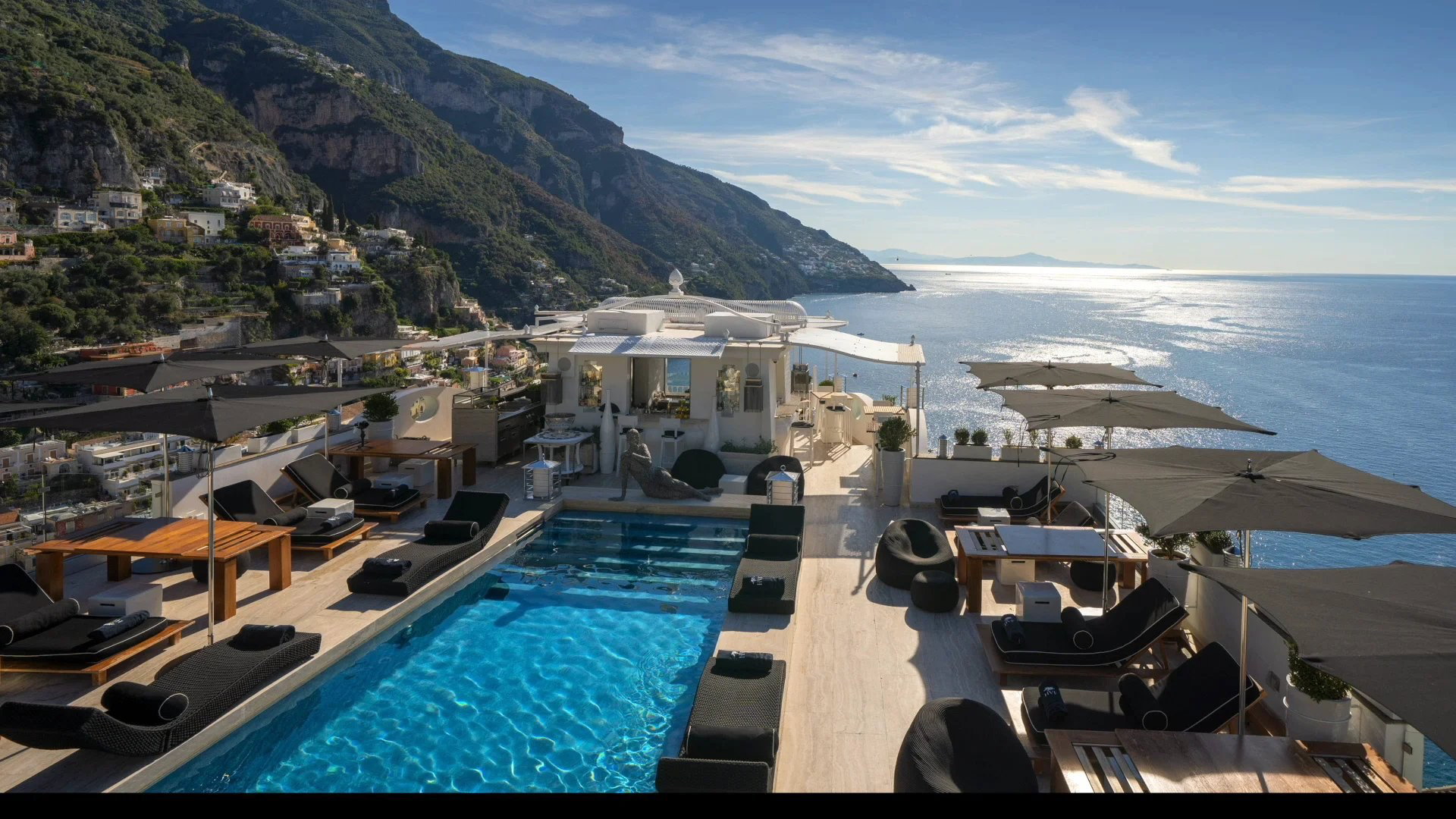
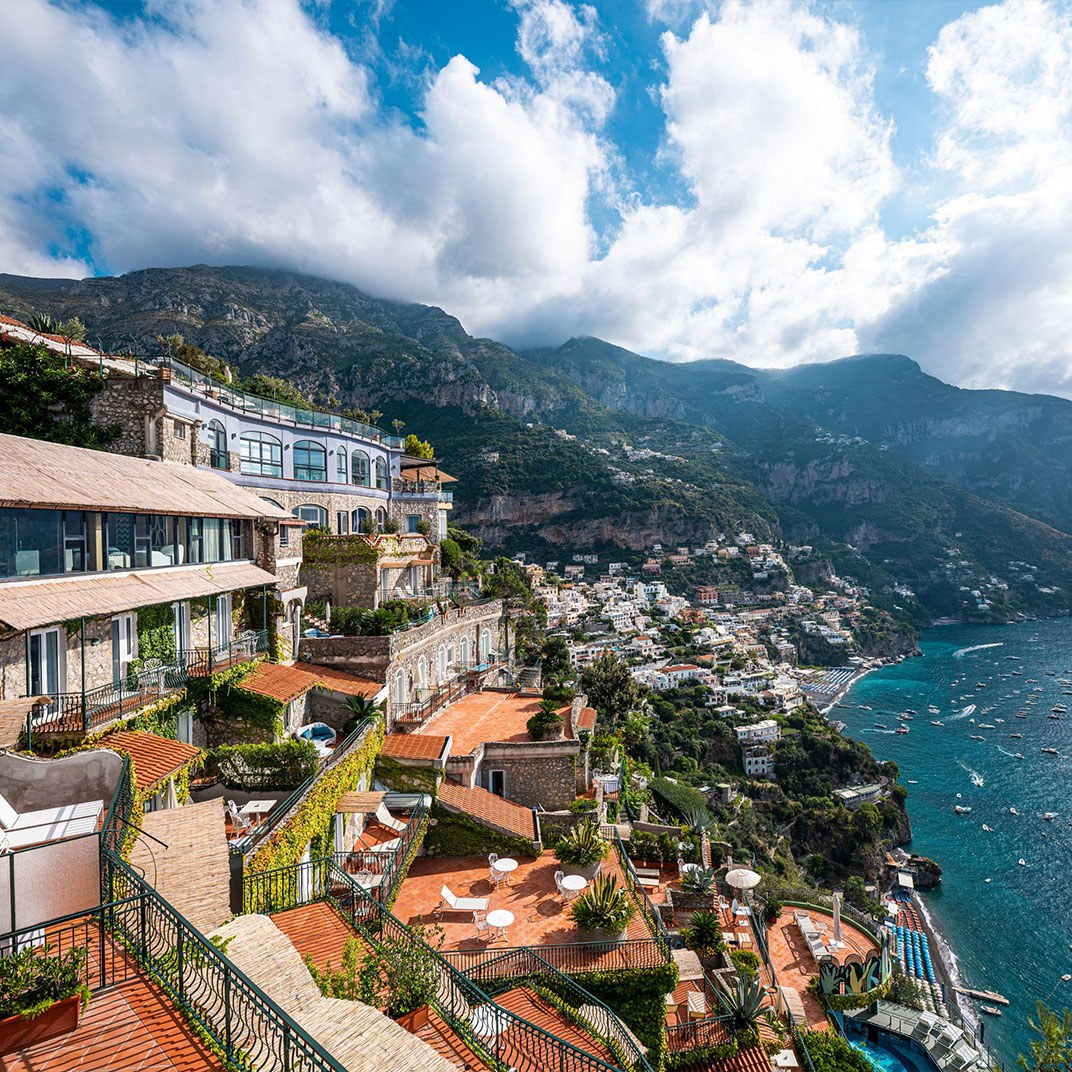
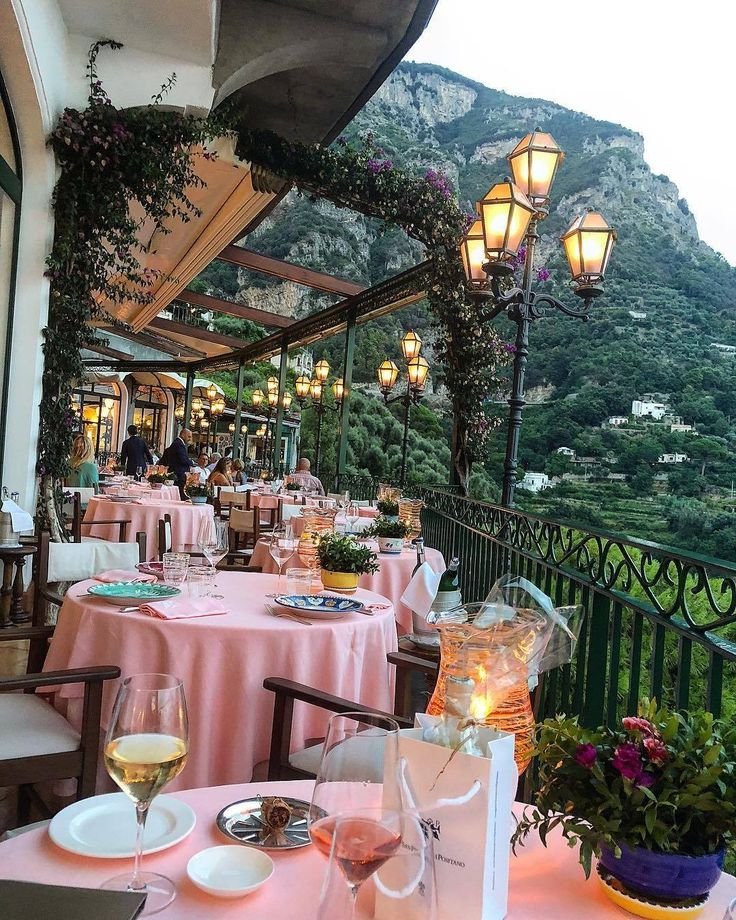
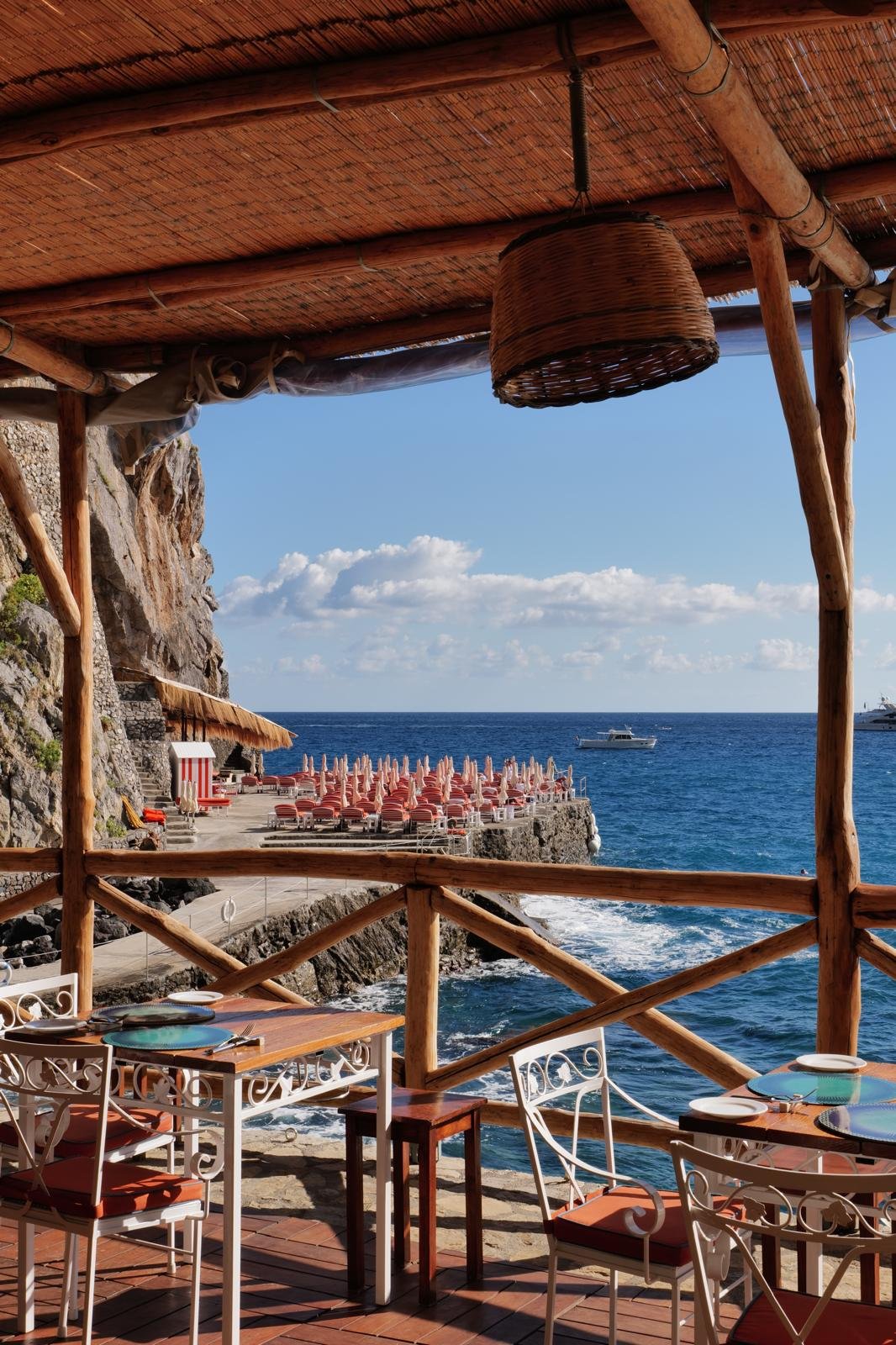
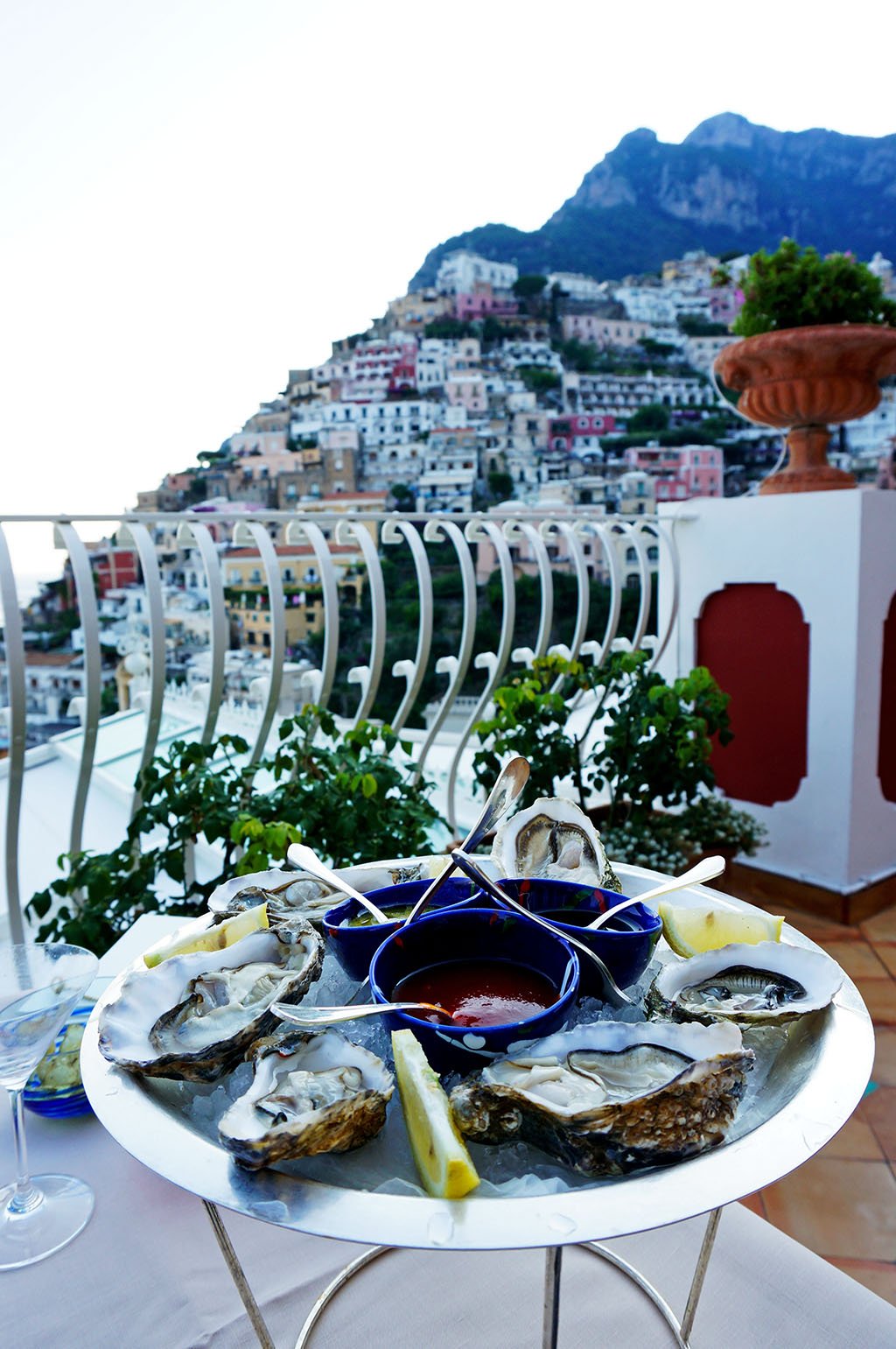
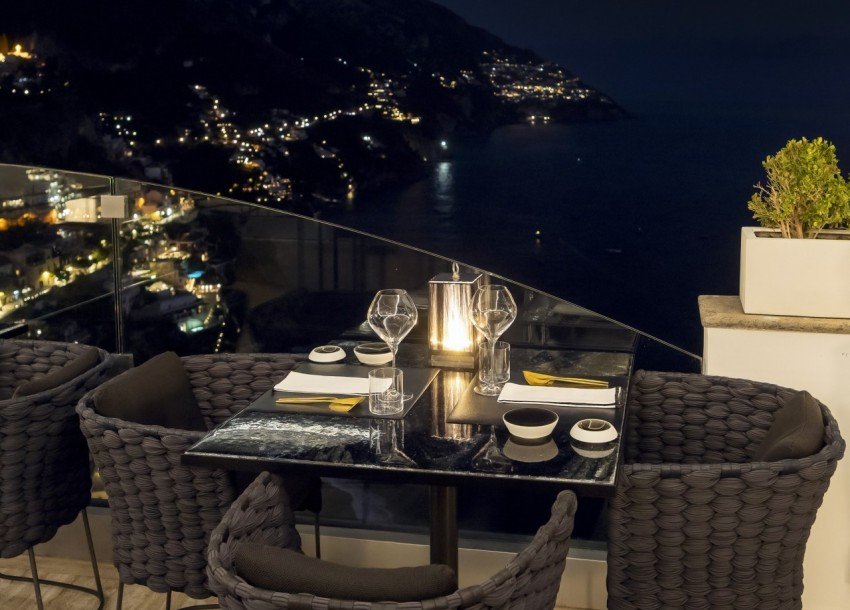
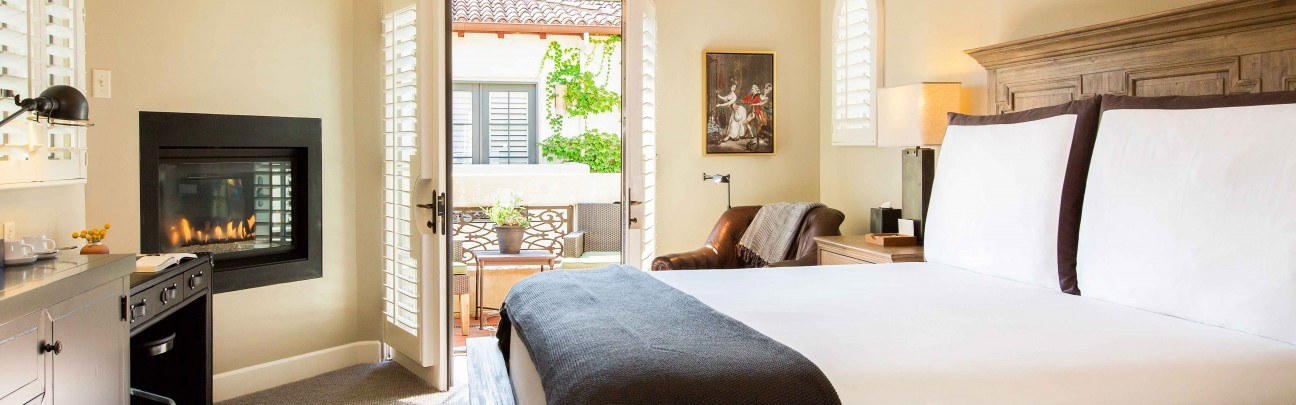
Romantic and elegant with white-washed rooms, antique furnishings, soft lighting, and breathtaking Mediterranean vistas creating an intimate, sophisticated atmosphere.
Tags
Vibe
Best For
Experience
Amenities
View
Accessibility
About the Stay
- Rooms
- 58
- Check-in
- 15:00
- Check-out
- 11:00
- Property Style
- Charming Former 18th Century Villa Transformed Into a Luxury Cliffside Retreat.
- Design Style
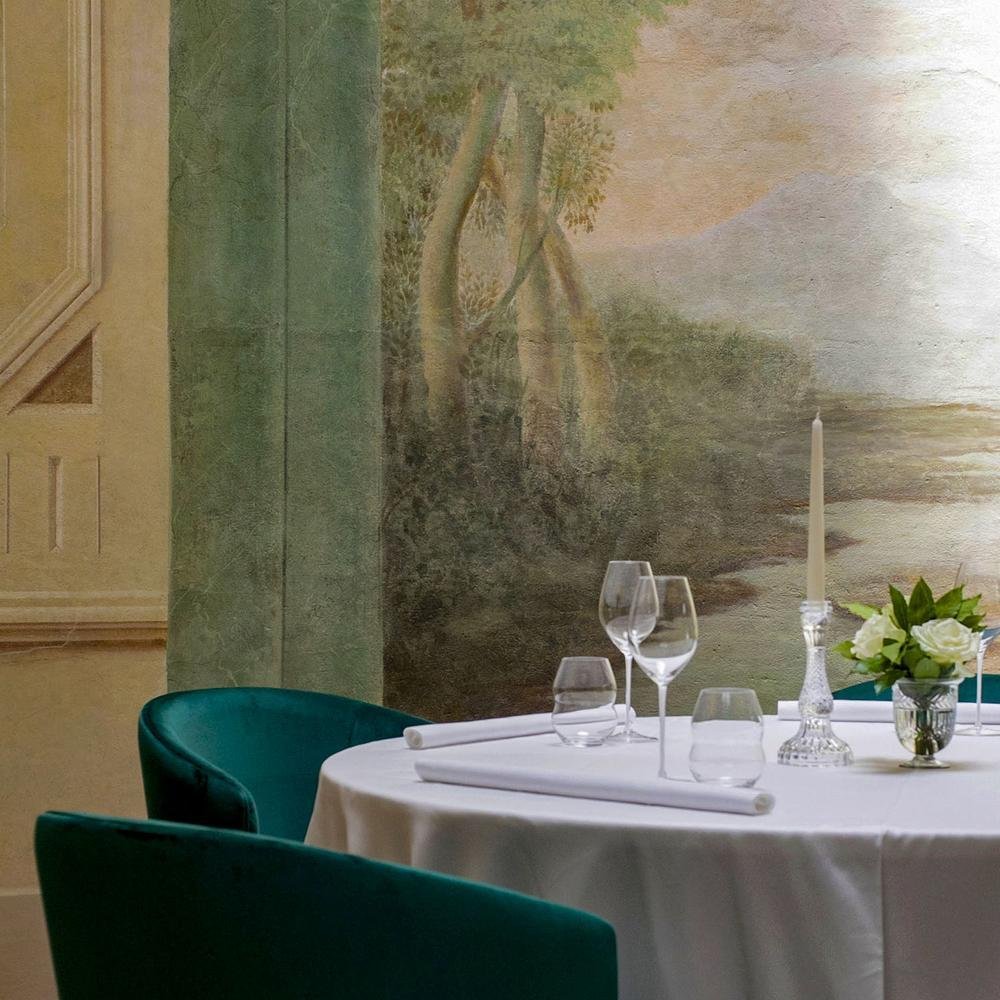
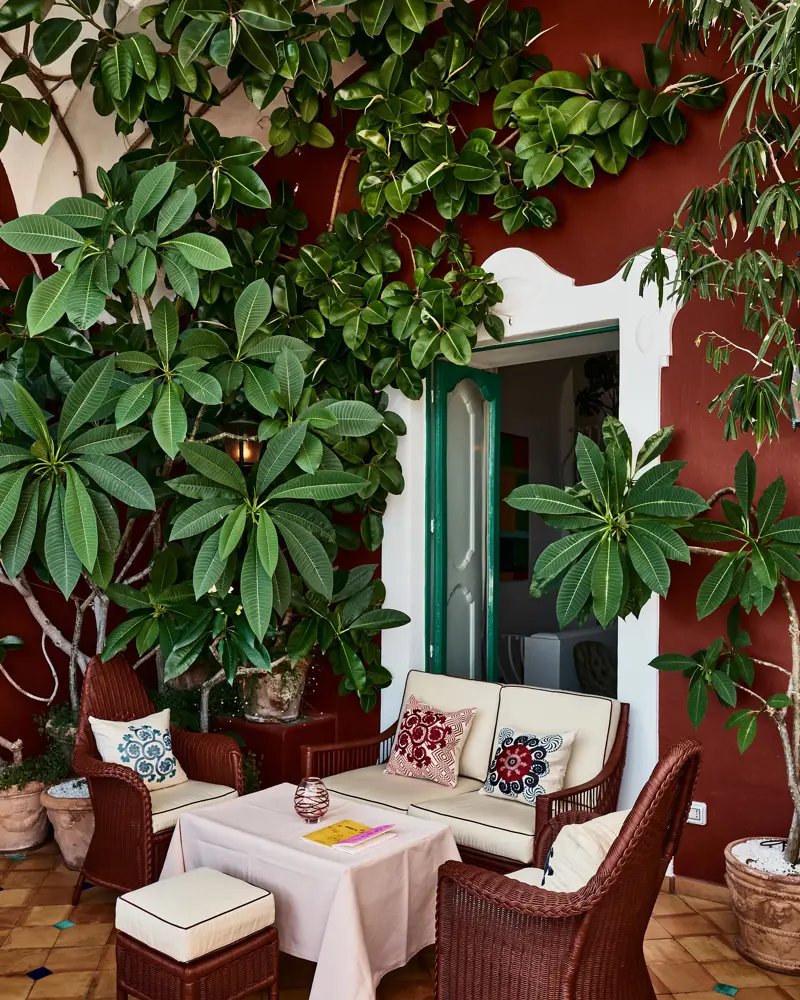
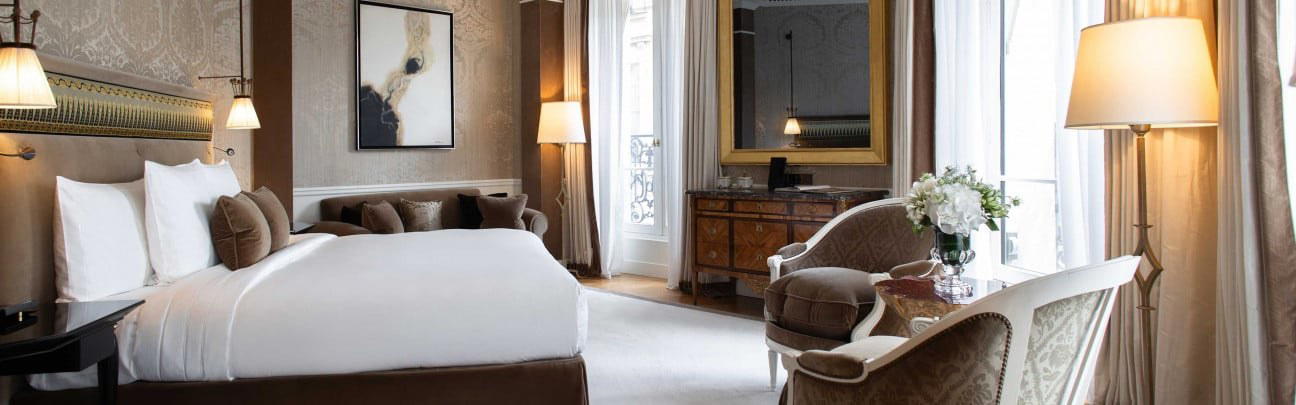
- White Washed Walls with Hand Painted Tiles, Antique Dark Wood Furniture, Gilt Mirrors, and Marble Bathrooms.
Know before you go
Know Before You Go
- Getting there
- Via Cristoforo Colombo, 30, 84017 Positano SA
Planning details
Location
Recognition and awards




Also consider
If you cannot get the room you want
Try Hotel Marincanto first if the priority is staying in the same polished Positano lane. Try Hotel Palazzo Murat if the brief shifts toward value, local character, and a less trophy-driven booking.
Hotel context
How it compares in Positano
Le Sirenuse is the highest-conviction splurge in this set if awards, centrality, and luxury-travel recognition are part of the decision. Compared with Hotel Palazzo Murat, it is the stronger pick for a polished, high-status stay; Palazzo Murat is the better value play for travelers who want Positano character without paying primarily for trophy-hotel credentials.
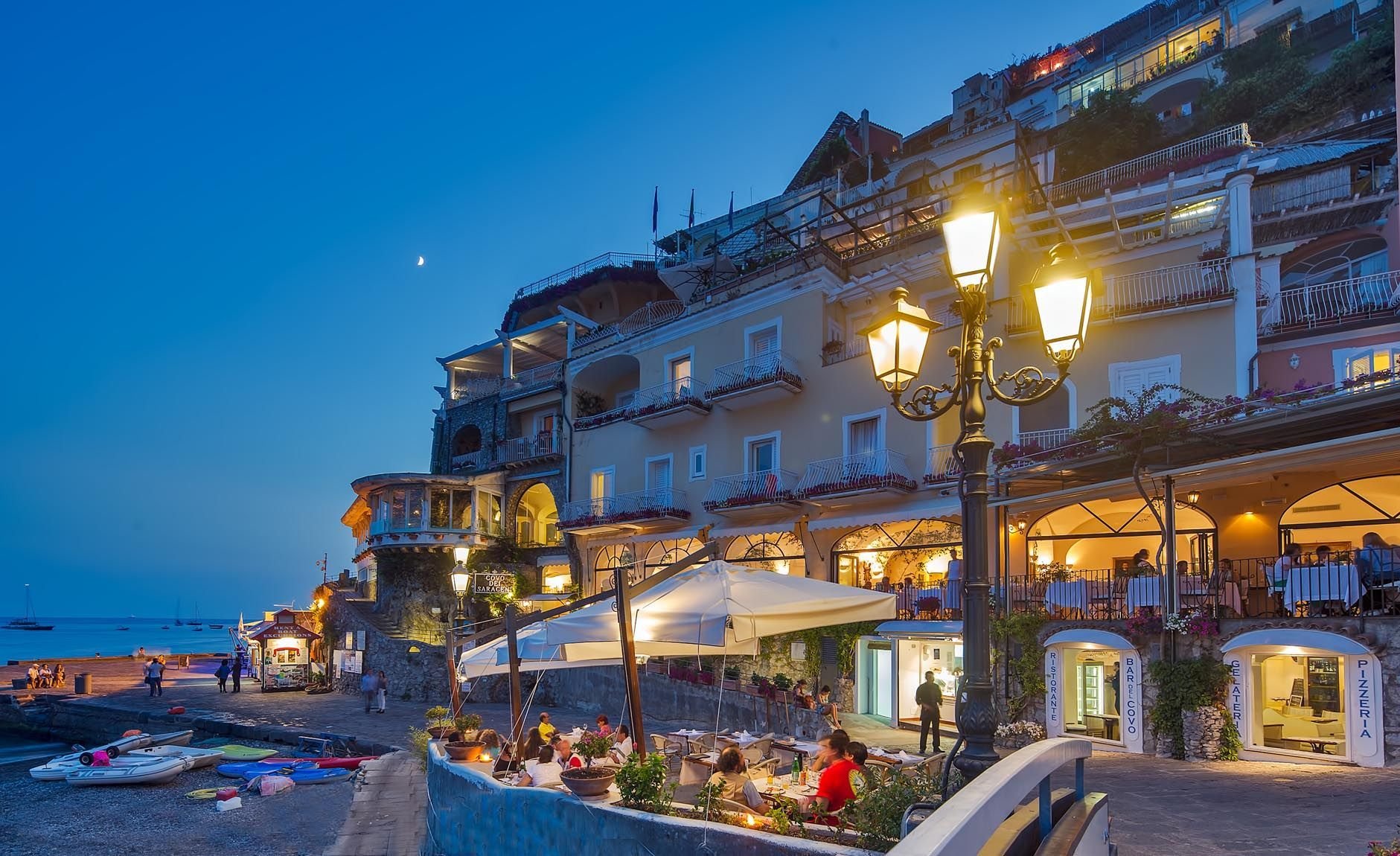
Covo Dei Saraceni is the more practical alternative if being close to the waterfront matters most. Hotel Poseidon is easier to justify for a relaxed hillside mood and a less formal stay. Hotel Marincanto sits closest as a polished cross-shop when Le Sirenuse is unavailable or priced beyond comfort.
Villa Franca is the one to consider if a more contemporary ambience matters more than classic Positano hotel prestige. For a value-seeker, the decision is simple: choose Le Sirenuse when the hotel needs to impress; choose one of the peers when location, atmosphere, or availability matters more than the external recognition stack.
Explore Positano
Around this place
Discover more on Pearl
Unlock the full Le Sirenuse guide in Pearl, including awards, comparisons, FAQs, planning details, and nearby places.
Compare Le Sirenuse
| Venue | Location | Awards |
|---|---|---|
| Le Sirenuse | Positano | 2026 Forbes 5-Star2026 Virtuoso Luxury Hotel Collection2026 Mr & Mrs Smith Luxury HotelsLeading Hotels of the World 20262026 La Liste Top Hotels2025 World’s 50 Best Hotels · #94Michelin 1 Key 20252025 Forbes 5-Star2025 Michelin 1 Key |
| Hotel Palazzo Murat | Positano | No published awards |
| Covo Dei Saraceni | Positano | Preferred Hotels L.V.X. Collection 2025 |
| Hotel Poseidon | Positano | No published awards |
| Hotel Marincanto | Positano | 2026 La Liste Top Hotels2025 Michelin Selected Hotels |
| Villa Franca | Positano | 2026 Virtuoso Luxury Hotel Collection2026 Forbes Recommended2025 Michelin Selected HotelsSmall Luxury Hotels Member 2025 |




How Le Sirenuse Positano compares with similar nearby venues.
FAQ
Frequently Asked Questions
How does Le Sirenuse compare to nearby hotels?
Choose Le Sirenuse if you want one of Positano's strongest stacks of hotel recognition: Michelin 1 Key in 2024, Forbes 5-Star in 2026, La Liste Top Hotels recognition in 2026 with 96.5 points, and World's 50 Best Hotels #20 in 2023. Hotel Palazzo Murat, Hotel Poseidon, Hotel Marincanto, Covo Dei Saraceni, and Villa Franca are natural alternatives to compare in Positano.
Is Le Sirenuse family-friendly?
Treat Le Sirenuse as a refined hotel in Positano and check any family-specific needs directly before booking. Hotel Marincanto and other Positano hotels can be worth comparing if family logistics are a priority.
Is Le Sirenuse good for business travel?
For business trips, the strongest case is its Positano location and luxury-hotel recognition, including Forbes 5-Star status and Leading Hotels of the World membership. If you need business facilities, meeting spaces, or a room-work setup, check those details directly before booking. Villa Franca is another nearby option to compare if you are weighing different Positano hotel styles.
How is the pool and spa at Le Sirenuse?
If wellness facilities are central to the trip, compare current pool and spa details directly with Le Sirenuse and other Positano hotels such as Hotel Marincanto. The broader case for booking is the overall hotel credential stack, including Michelin 1 Key, La Liste Top Hotels recognition, Forbes 5-Star status, and World's 50 Best Hotels #20 in 2023.
Do loyalty programs work at Le Sirenuse?
Le Sirenuse is a Leading Hotels of the World member and a Virtuoso Luxury Hotel Partner. That makes it a relevant choice for guests booking through luxury-travel channels. If loyalty or advisor benefits are important, confirm the current booking path and benefits before reserving.
Which room category is best at Le Sirenuse?
Choose based on your trip purpose and the current room descriptions provided at booking. Hotel Palazzo Murat is a reasonable Positano comparison to include in your search.
What is check-in like at Le Sirenuse?
Confirm arrival timing and any transport needs directly with the hotel. Covo Dei Saraceni is another Positano hotel to compare if arrival logistics are a major factor.