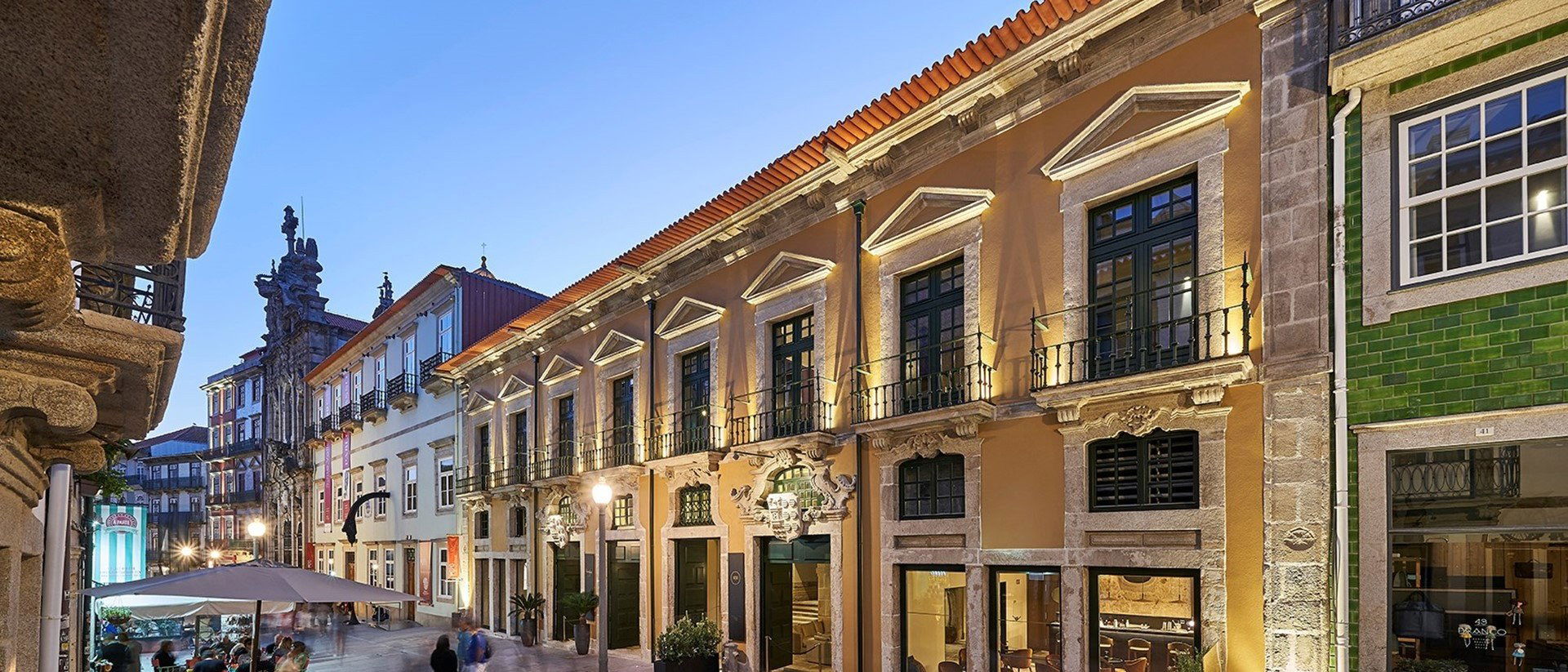

PortoBay Flores
Vitória, Porto
Hotel in Porto, Portugal
 Book with Pearl
The Read
Palace-to-Contemporary Conversion
Why go
PortoBay Flores is worth short-listing if the priority is a central Porto stay with a serious 2025 Michelin Key signal. Book early because availability is marked hard, and compare it with Casa da Companhia, Pousada do Porto - Rua das Flores, and The Largo if dates or rates do not line up.
About PortoBay Flores
For travelers comparing Porto hotels, PortoBay Flores is worth considering when a recognized quality signal matters. Make the decision around what matters most to your stay, especially if amenities, room types, dining, or location details are deciding factors.
The meaningful recognition is that PortoBay Flores carries a Michelin 1 Key for 2025. That does not automatically make it the right booking for every traveler, but it does give the hotel a clear quality marker for guests who want a polished Porto stay.
Book for a Porto stay, not an assumed resort-style escape
The practical read is simple: choose PortoBay Flores if you are looking at Porto hotels and the Michelin 1 Key recognition is relevant to your decision. Do not assume a spa program, pool scene, resort-style format, or specific amenity checklist without checking directly.
If the deciding factor is a particular wellness setup, pool experience, dining program, or room configuration, verify those details before committing. You can also use the full Porto hotels guide to compare Porto stays by trip style.
The quality marker is the reason to shortlist it
The strongest case for PortoBay Flores is direct: it is a Porto hotel with a Michelin 1 Key for 2025. That suits travelers who want a recognized hotel and are comfortable checking the remaining practical details directly before booking.
For comparison, other Porto options worth checking include Casa da Companhia, Pousada do Porto - Rua das Flores, M Maison Particulière Porto, The Largo, and Exmo Hotel by Olivia. PortoBay Flores also has a smart casual dress code, so guests should plan attire accordingly.
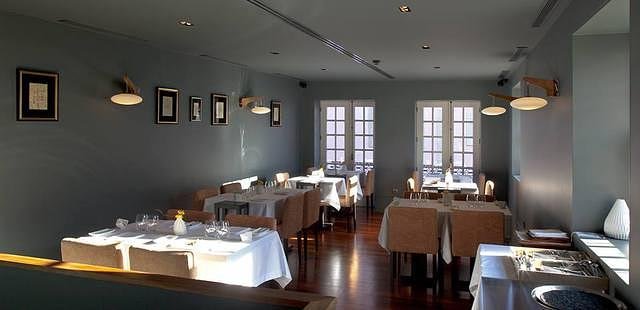
For a broader Porto trip, pair the hotel search with the Porto restaurants guide. PortoBay Flores makes the most sense when selected for its hotel recognition and fit with your own itinerary, not for assumptions about services or facilities.
Planning details
- Location
- R. das Flores 27, 4050-416 Porto
- Website
- portobay.com/en/hotels/porto-hotels/portobay-flores
- Phone
- +351 22 004 7000
The take
The Take
The Vibe
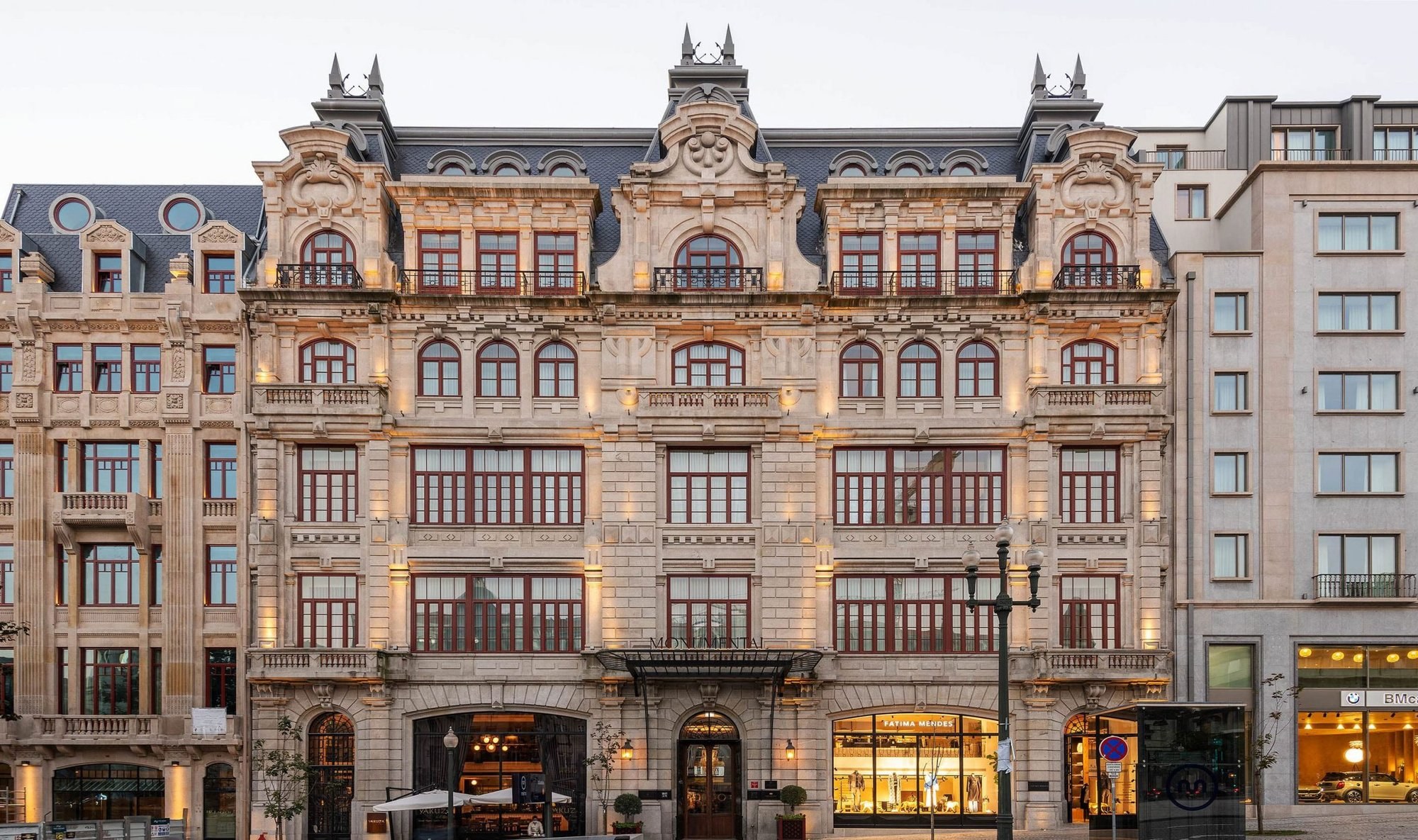
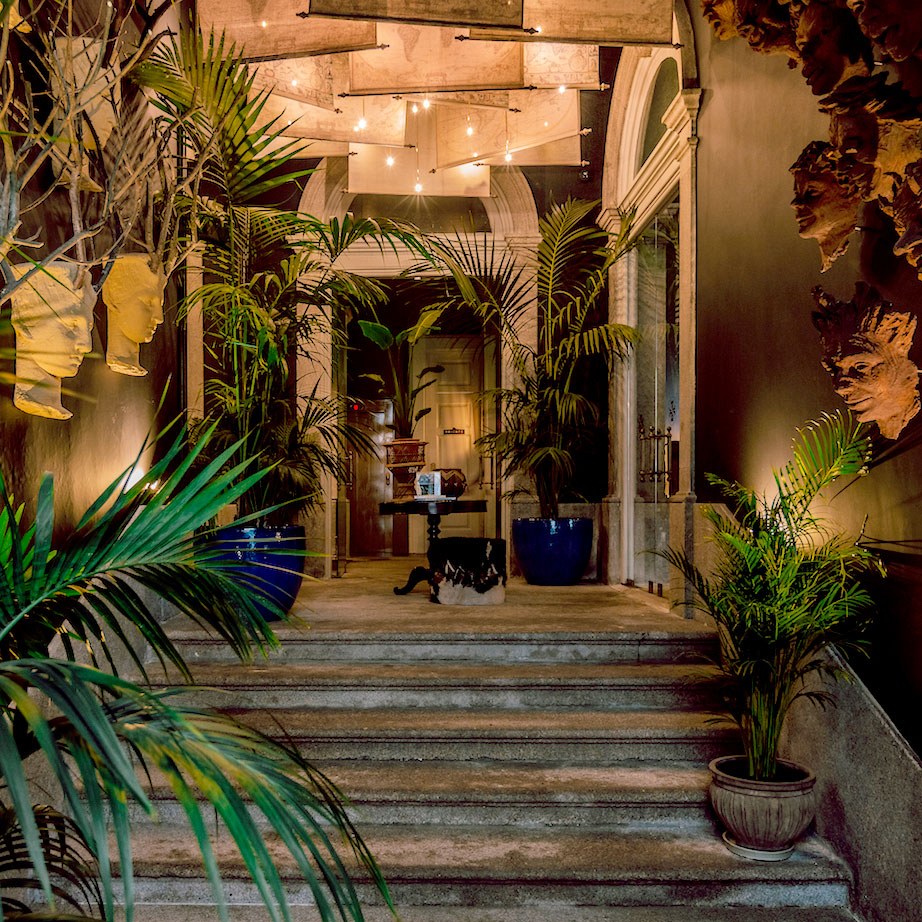
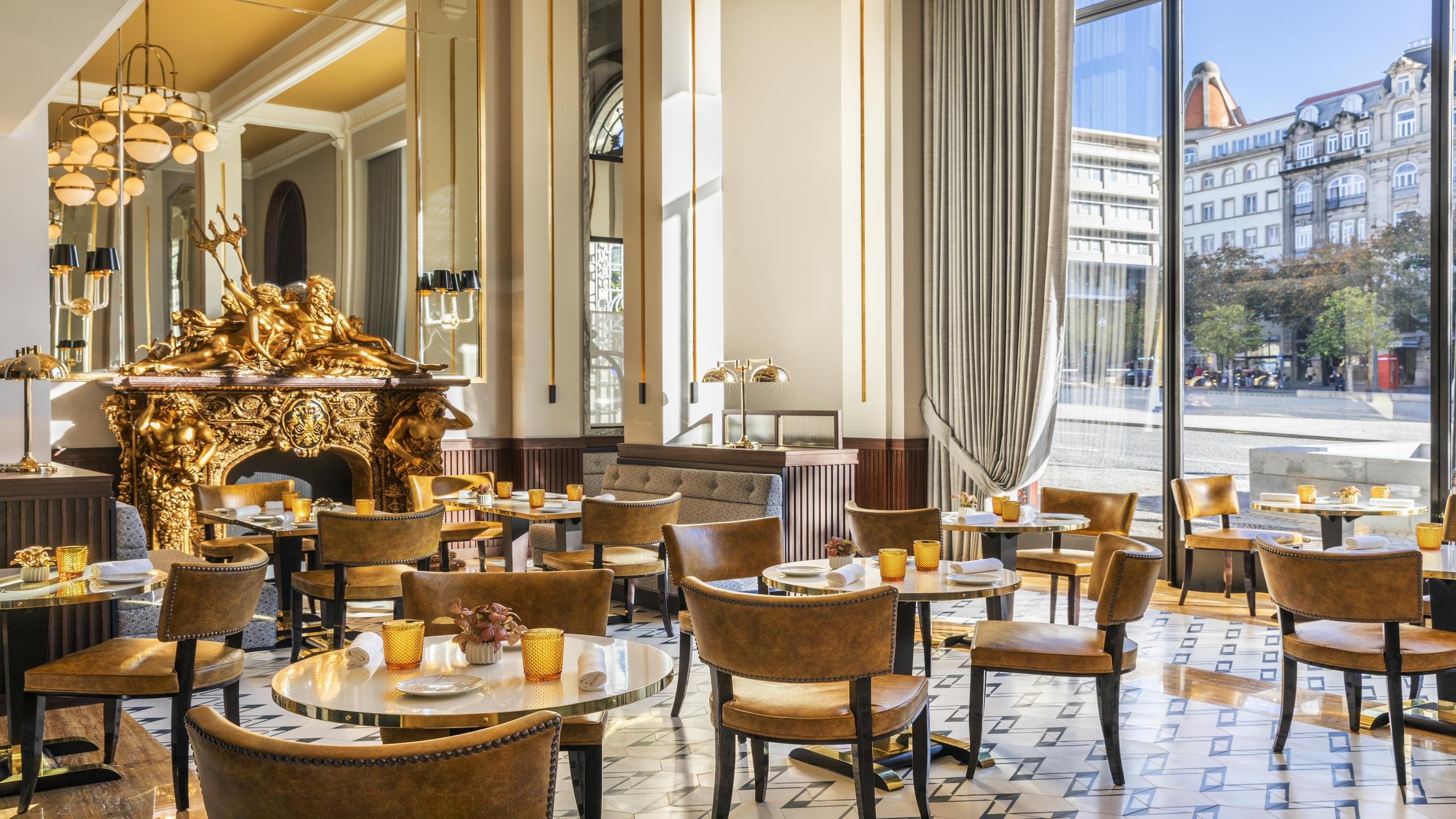
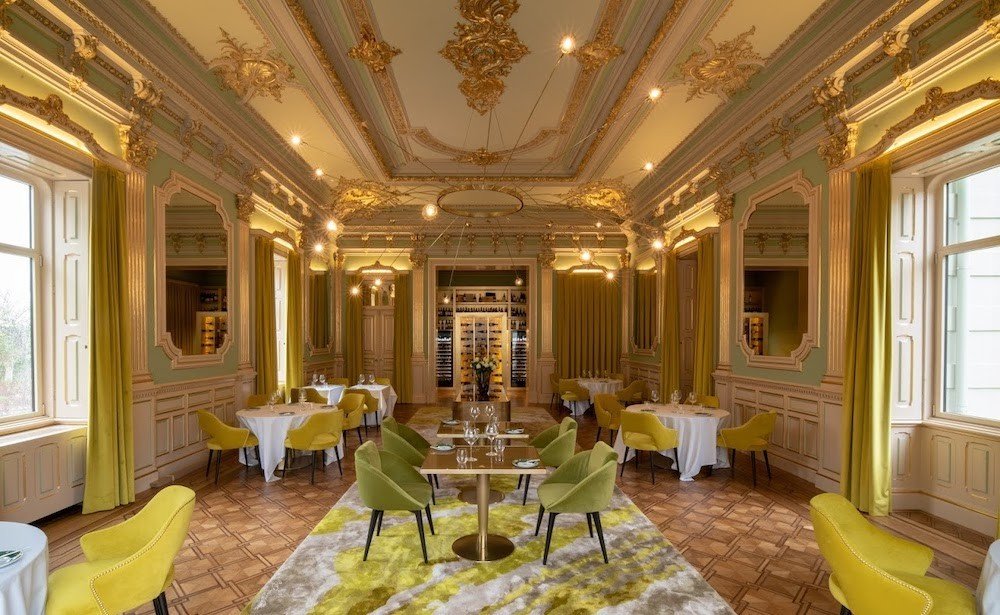
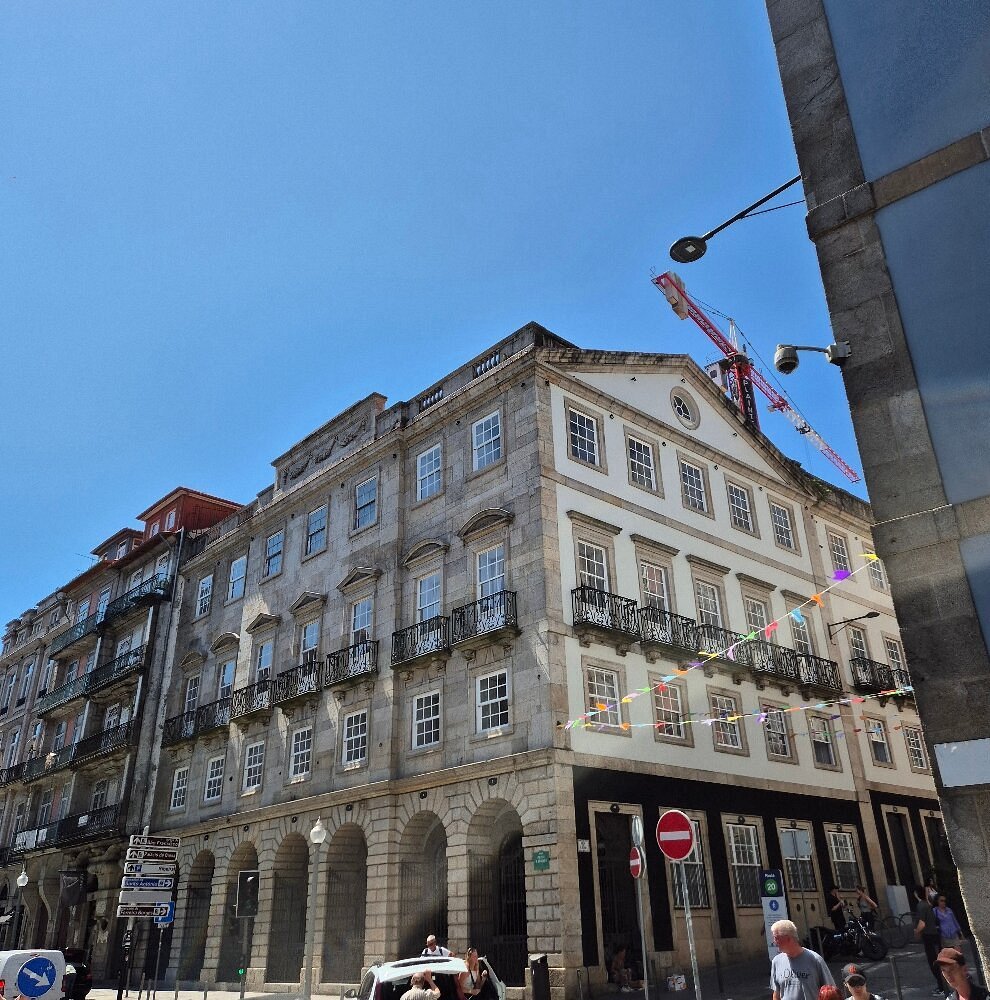
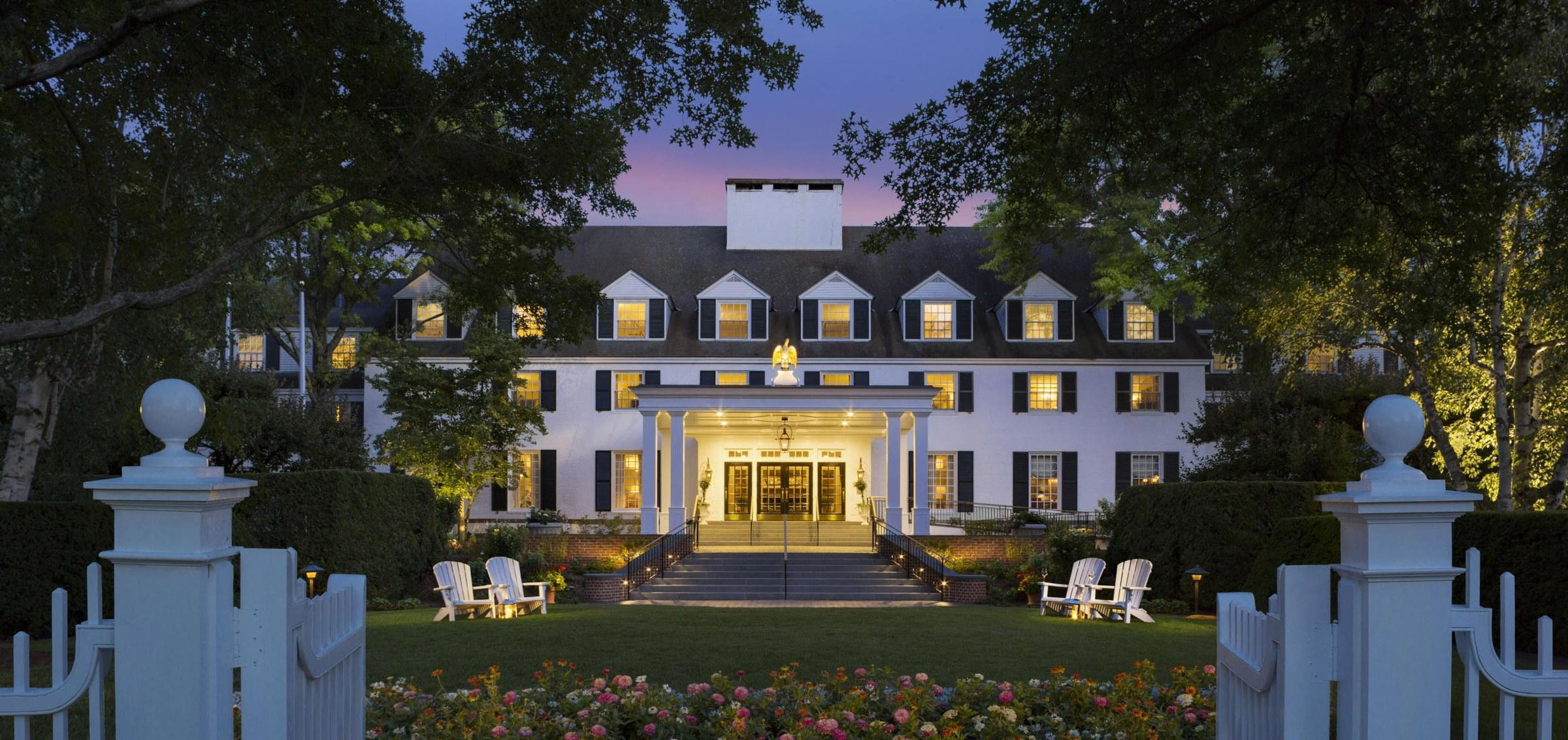
PortoBay Flores juxtaposes Renaissance-era gravitas with contemporary restraint, anchoring guests in Porto’s layered urban fabric. The original palazzo wing retains stone arches, timber details and proportions shaped by 16th-century builders, while a purpose-built modern block introduces clean lines and thoughtful materials. Perched on the pedestrianised Rua das Flores, the hotel sits among tile-fronted buildings, coffee counters and wine bars, so the experience feels both rooted in history and quietly engaged with the city’s present-day hospitality scene. The result is an elegant, composed property where old and new exist in purposeful conversation.
Best For
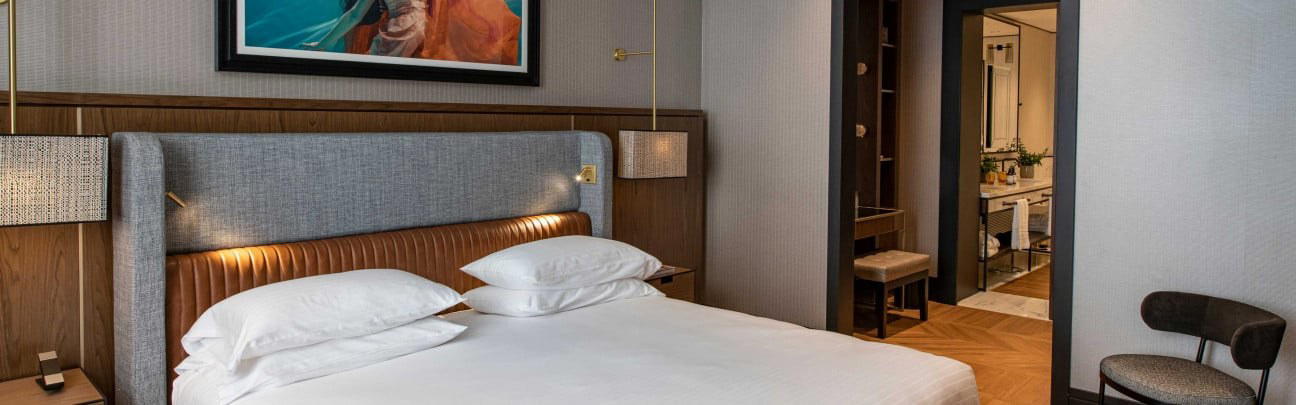
This hotel is well suited to travelers who want a central, cultured base in Porto—couples on romantic getaways, guests celebrating anniversaries, and business travelers seeking proximity to the city’s historic core. With just 66 rooms split between an intimate palace wing and a contemporary block, PortoBay Flores offers boutique scale without sacrificing modern comforts, making it a good pick for weekend escapes and short urban stays. Its placement on Rua das Flores puts cafés, wine bars and museums within easy walking distance, ideal for guests who plan to explore the city on foot.
Venue details
Ambiance
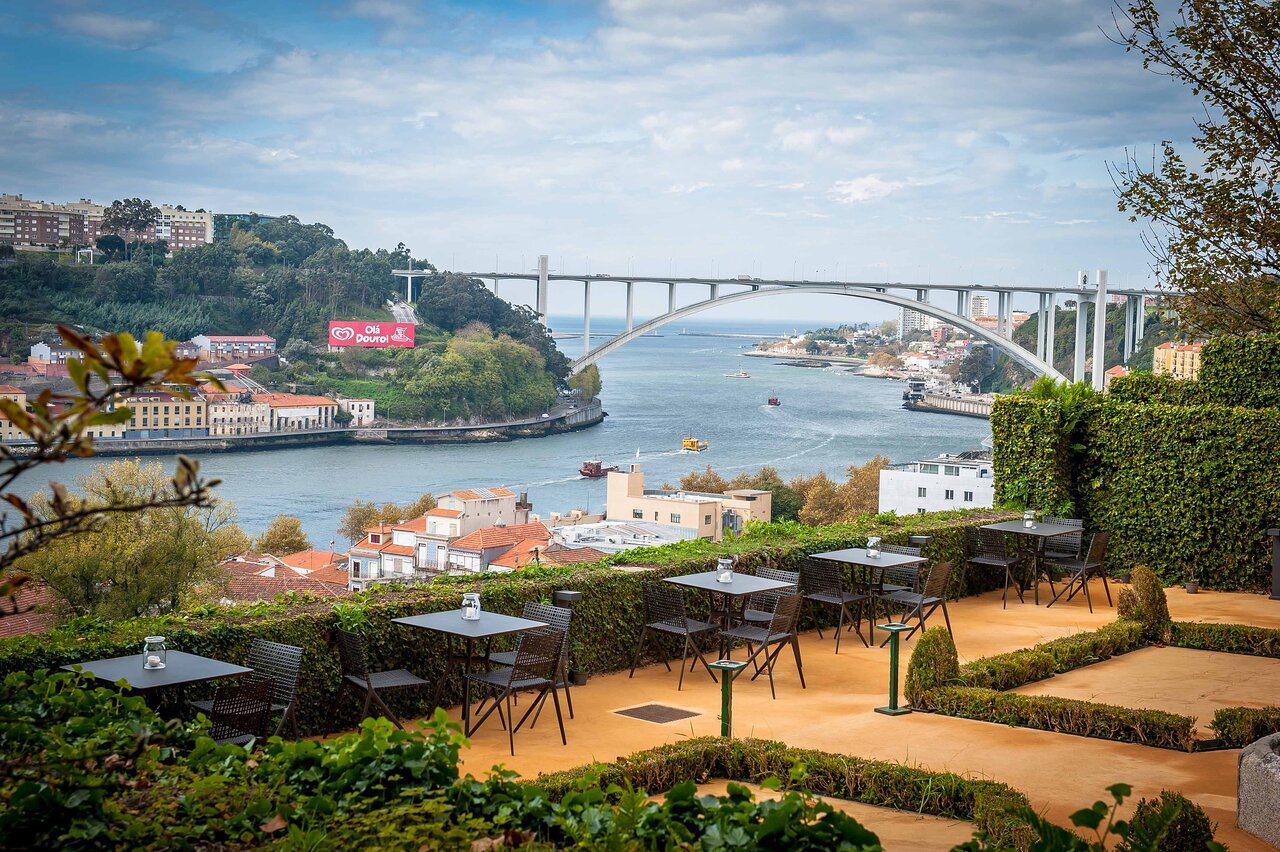
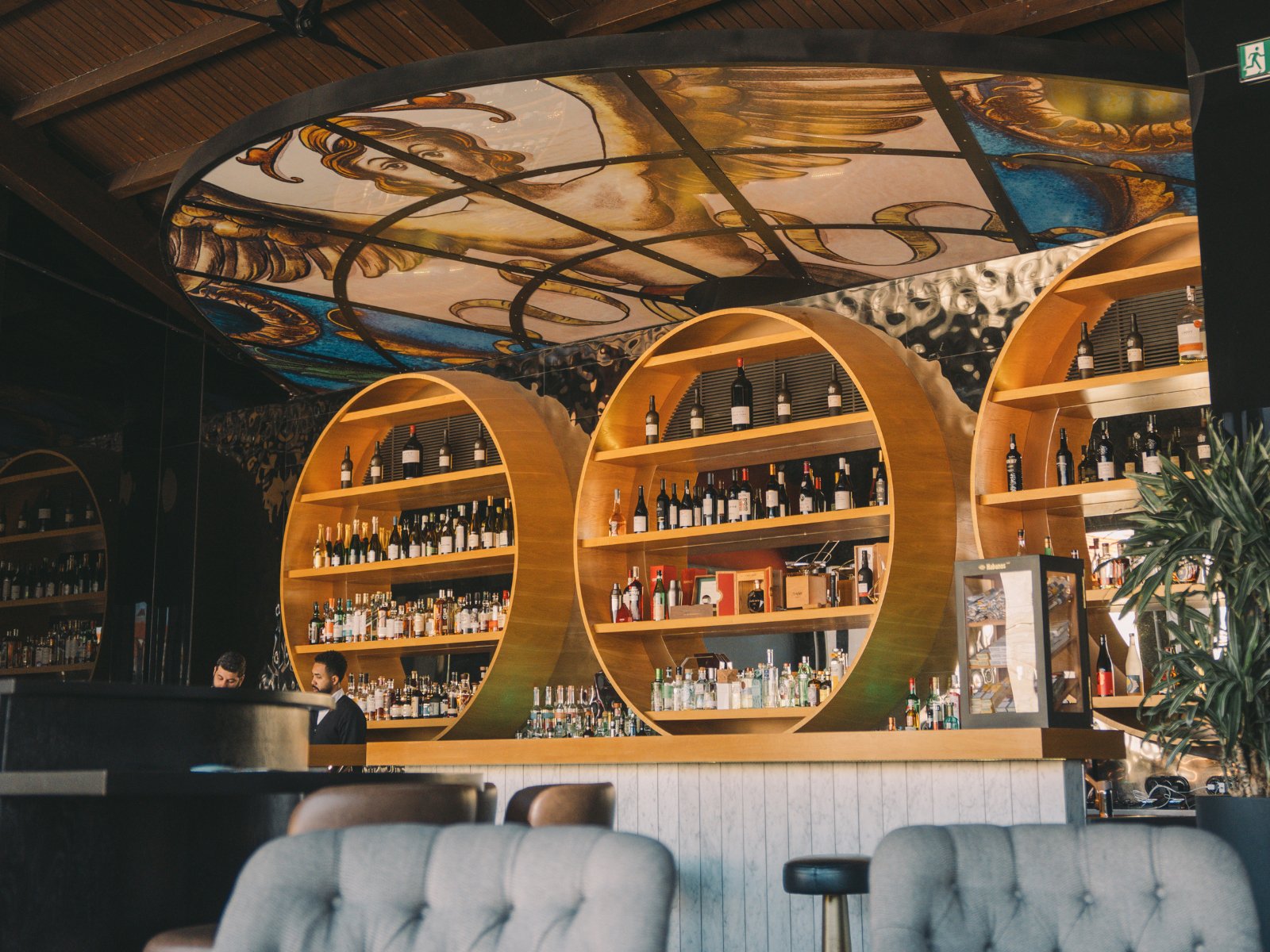
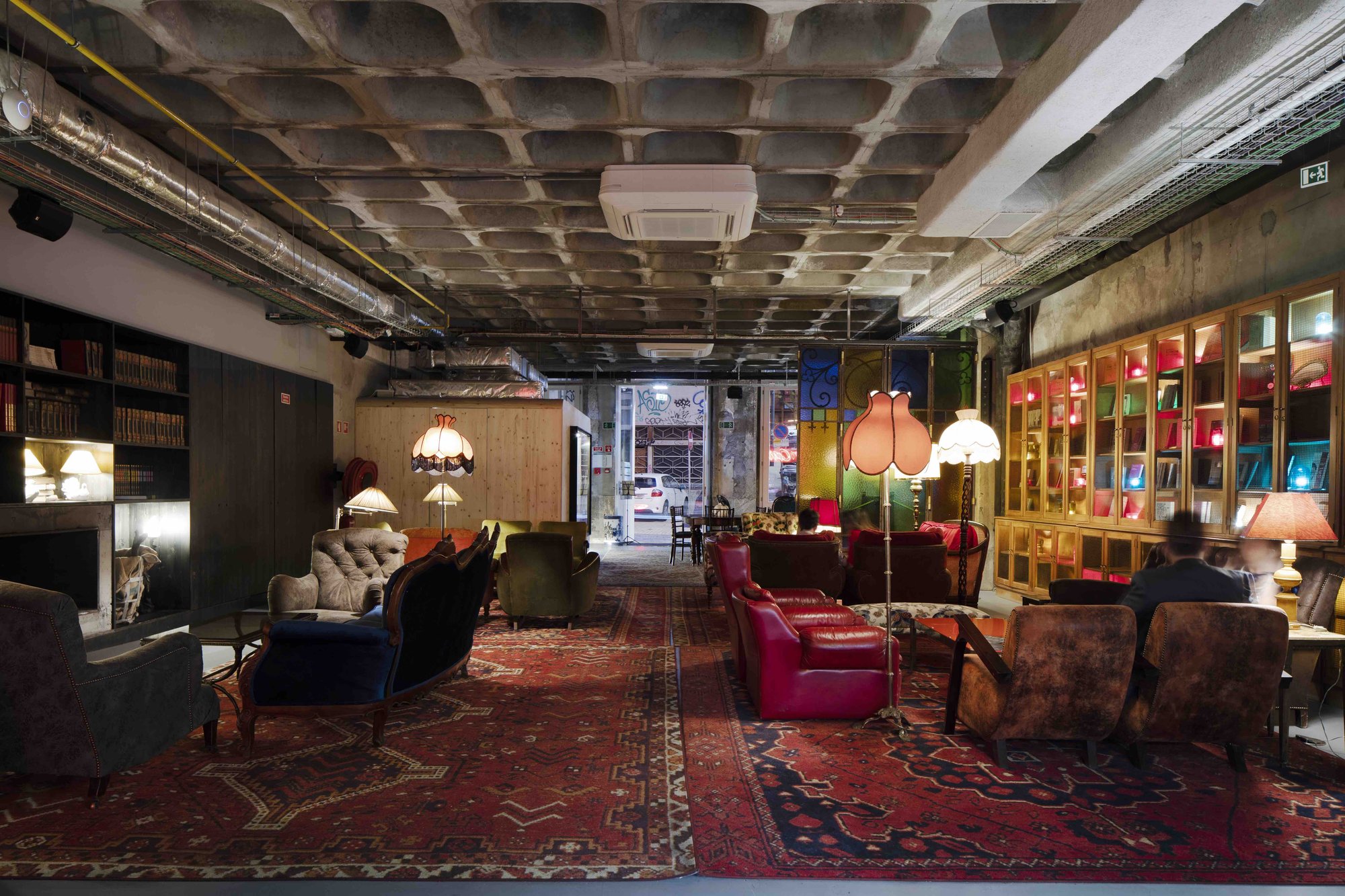
Serene and refined with warm lighting, intimate lounges featuring fireplaces and garden views, creating a peaceful retreat from the bustling pedestrian street outside.
Tags
Vibe
Best For
Experience
Amenities
View
Accessibility
About the Stay
- Rooms
- 66
- Check-in
- 14:00
- Check-out
- 12:00
- Property Style
- Historic Palace with Contemporary Wing, Blending 16th Century Architecture with Modern Luxury Amenities and Design.
- Design Style
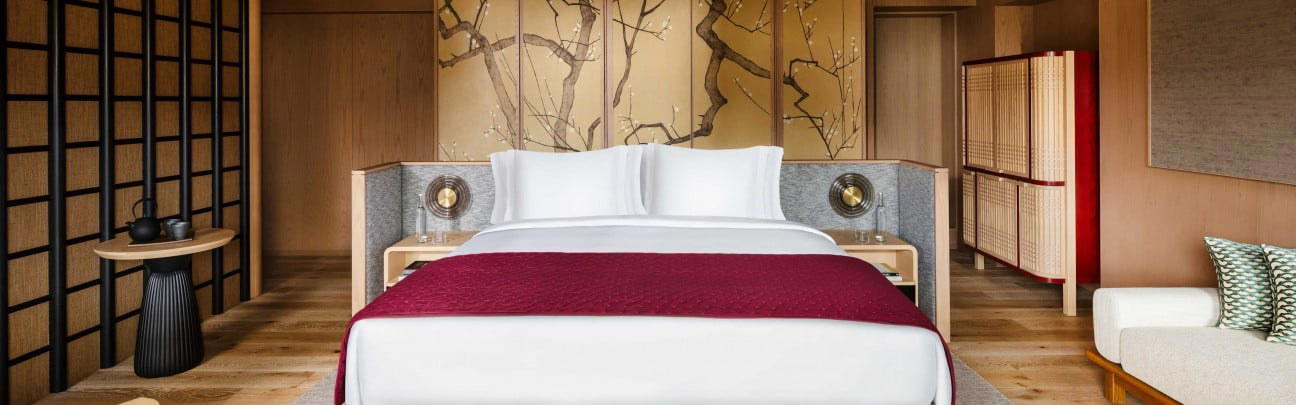
- Classic Elegance with Contemporary Touches, Featuring Period Details, High Quality Furnishings, and Sophisticated Color Palettes Throughout.
Know before you go
Know Before You Go
- Getting there
- R. das Flores 27, 4050-416 Porto
Planning details
Location
R. das Flores 27, 4050-416 Porto · Directions
Recognition and awards
Also consider
Also Consider
- Casa da Companhia, Notable alternative
- Pousada do Porto - Rua das Flores, Notable alternative
- M Maison Particulière Porto, Notable alternative
- The Largo, Notable alternative
- Exmo Hotel by Olivia, Notable alternative
Hotel context
How It Compares
Against Casa da Companhia and Pousada do Porto - Rua das Flores, PortoBay Flores is the safer short-list choice when the deciding factors are central Porto access and the 2025 Michelin 1 Key signal. Choose Casa da Companhia or Pousada do Porto - Rua das Flores as backup options if availability is tight or if the rate gap is meaningful for your dates.
M Maison Particulière Porto and The Largo are better cross-shops for travelers who want a more intimate-feeling stay and are less focused on a recognized hotel-award marker. PortoBay Flores is the more direct recommendation for guests who want a polished, central base and do not want the hotel search to become complicated.
Exmo Hotel by Olivia is the practical fallback if PortoBay Flores is full or pricing moves out of range. For a first Porto trip with fixed dates, check all five early, then book the option with the strongest cancellation terms and location fit rather than waiting for a last-minute opening.
Around this place
Discover more on Pearl
Unlock the full PortoBay Flores guide in Pearl, including awards, comparisons, FAQs, planning details, and nearby places.
Compare PortoBay Flores
| Venue | Location | Awards |
|---|---|---|
| PortoBay Flores | Porto | 2026 Michelin 1 KeyMichelin 1 Key 20252025 Michelin 1 Key |
| Casa da Companhia | Porto | No published awards |
| Pousada do Porto - Rua das Flores | Porto | No published awards |
| M Maison Particulière Porto | Porto | No published awards |
| The Largo | Porto | No published awards |
| Exmo Hotel by Olivia | Porto | No published awards |

How PortoBay Flores compares with similar nearby venues.
FAQ
Frequently Asked Questions
When is the best time to book PortoBay Flores?
If PortoBay Flores is your preferred hotel, book once your dates are firm and confirm current availability directly. The key draw is its Michelin 1 Key recognition for 2025, so make timing decisions around your itinerary and current availability.
Is PortoBay Flores family-friendly?
Is PortoBay Flores good for business travel?
PortoBay Flores may work for a Porto business trip, but travelers should confirm practical needs such as workspace, meeting support, and transport logistics directly.
Do loyalty programs work at PortoBay Flores?
Check loyalty benefits directly before relying on them as a reason to choose the hotel. The key draw is that PortoBay Flores in Porto holds a Michelin 1 Key for 2025.