

CPH Pevero Hotel
Golfo Pevero, Porto Cervo
Hotel in Porto Cervo, Italy
 Book with Pearl
The Read
Governed Coastal Retreat
Why go
CPH Pevero Hotel is worth shortlisting if Porto Cervo access, calmer luxury, and business-trip practicality matter more than resort spectacle. Its Small Luxury Hotels of the World membership and MICHELIN Guide hotel selection give it credible backing, while the Golfo del Pevero location makes sense for travelers balancing meetings, dinners, and downtime.
About CPH Pevero Hotel
CPH Pevero Hotel is a Porto Cervo hotel to consider when the brief calls for an upscale stay with luxury recognition. The hotel is listed as a Small Luxury Hotels of the World member for 2025 and as a MICHELIN Guide hotel selection for 2025, and the dress code is smart casual.
That makes it a credible Porto Cervo shortlist option for travelers comparing established luxury hotels in the area. If the trip depends on room categories, restaurant concepts, service formats, prices, hours, or specific facilities, check the latest details directly before booking.
A Porto Cervo hotel for an upscale shortlist
The grounded argument is simple: CPH Pevero Hotel is an upscale Porto Cervo hotel with third-party recognition from Small Luxury Hotels of the World and the MICHELIN Guide hotel selection. Those signals can be helpful when choosing a polished stay from a crowded Sardinian luxury set.
Choose it when the priority is a polished Porto Cervo hotel with established recognition. If the trip depends on specific meeting infrastructure, restaurant style, room layout, or seasonal services, confirm those details directly before booking.
Who should choose it among other Costa Smeralda names
Choose CPH Pevero Hotel if its Porto Cervo setting, smart-casual profile, and 2025 recognition fit the trip. Travelers comparing the wider luxury set may also look at Hotel Cala di Volpe, a Luxury Collection Hotel, Costa Smeralda, Hotel Pitrizza, Romazzino, a Belmond Hotel, Costa Smeralda, or 7Pines Resort Sardinia depending on the type of stay they want. For a broader area scan, use our full Porto Cervo hotels guide.
The main caution is not to overread dining, room hierarchy, pricing, or a named service format. Treat CPH Pevero Hotel as an upscale lodging shortlist candidate, then make the final call based on the current room type, trip purpose, and hotel details checked directly before booking.
Planning details
- Location
- Loc. Golfo del Pevero, 07021 Porto Cervo Provincia della Gallura Nord-Est Sardegna
- Website
- cphpeverohotel.com
- Phone
- +39 0789 907009
The take
The Take
The Vibe
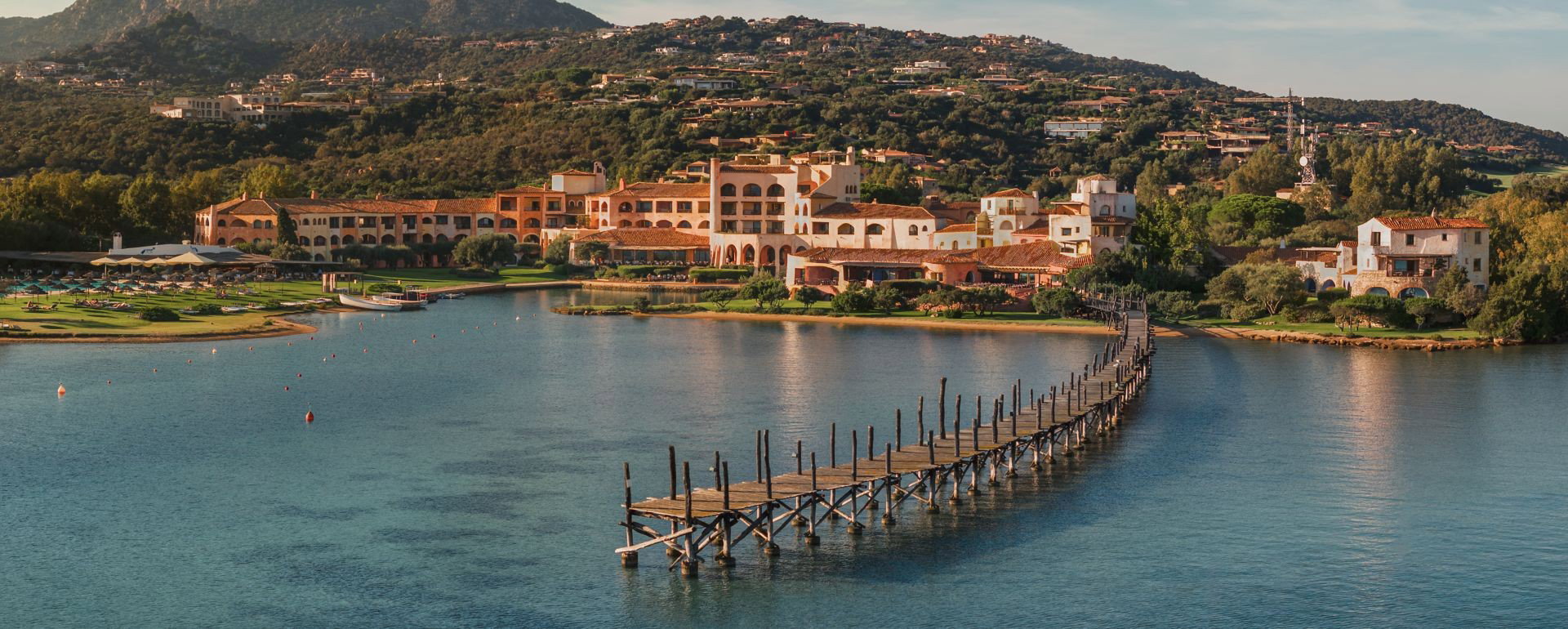
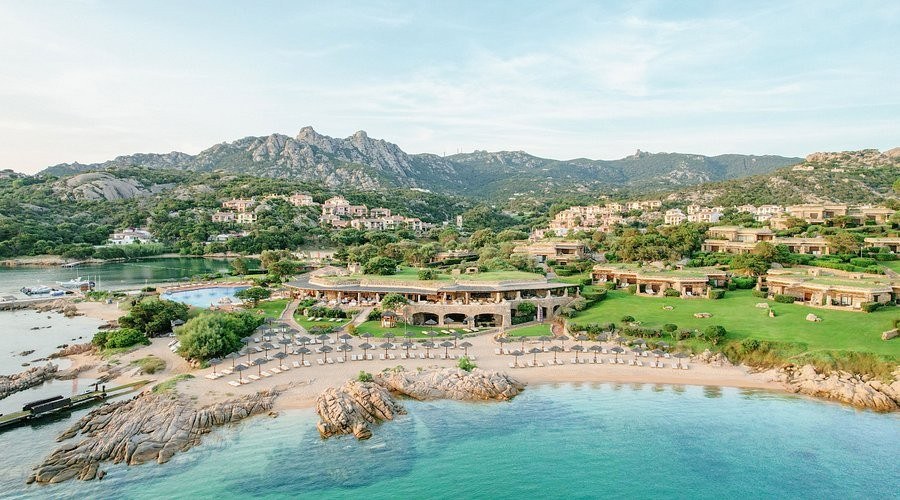
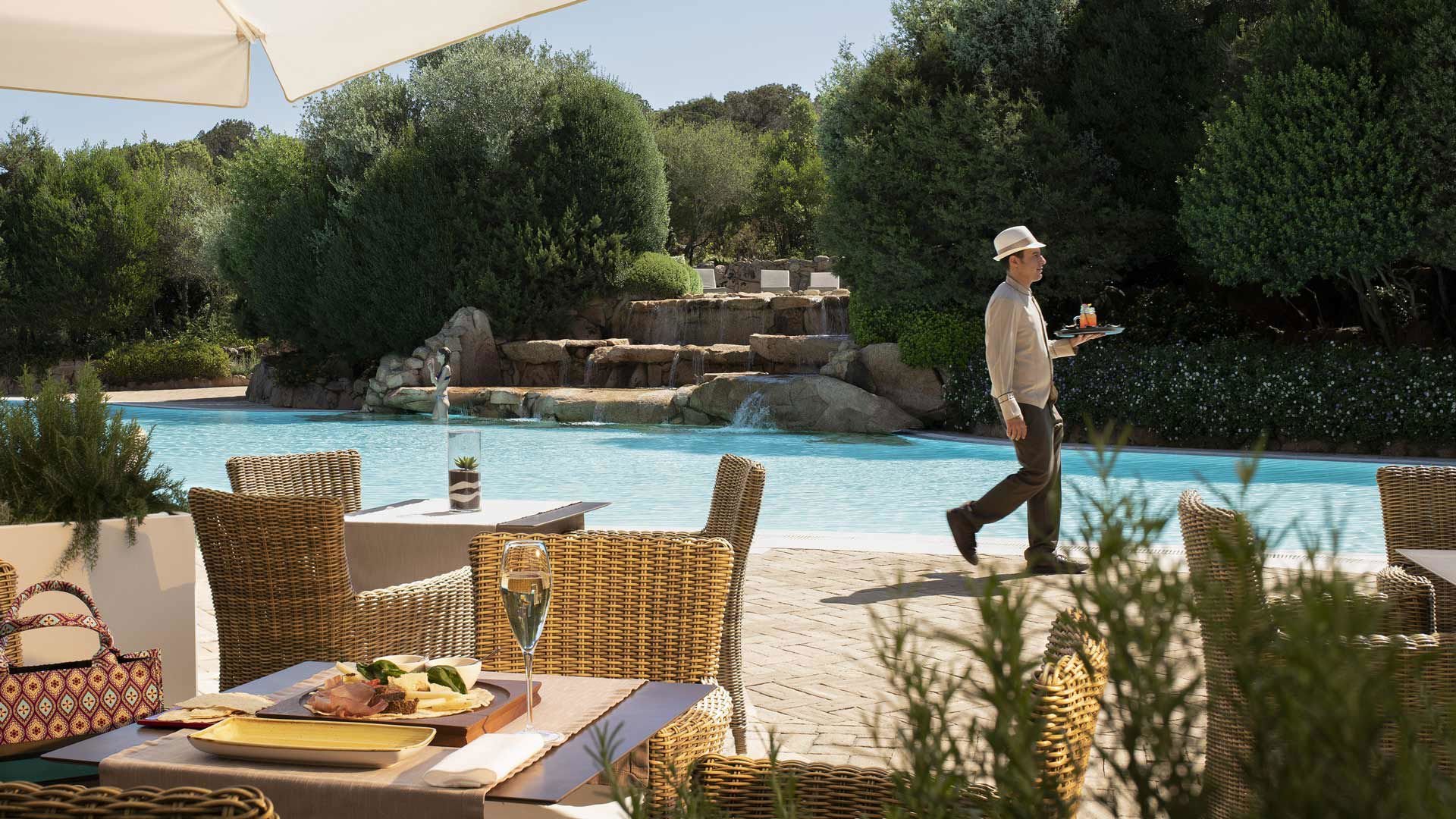
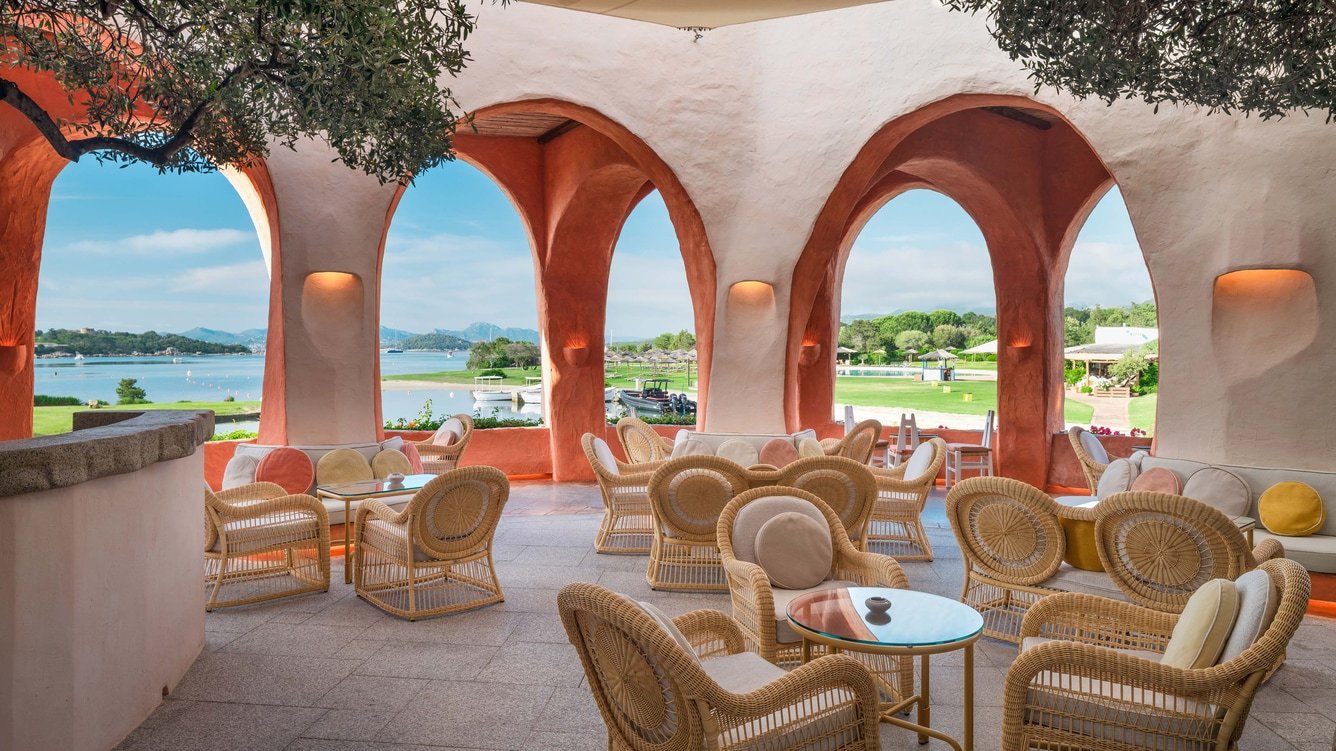
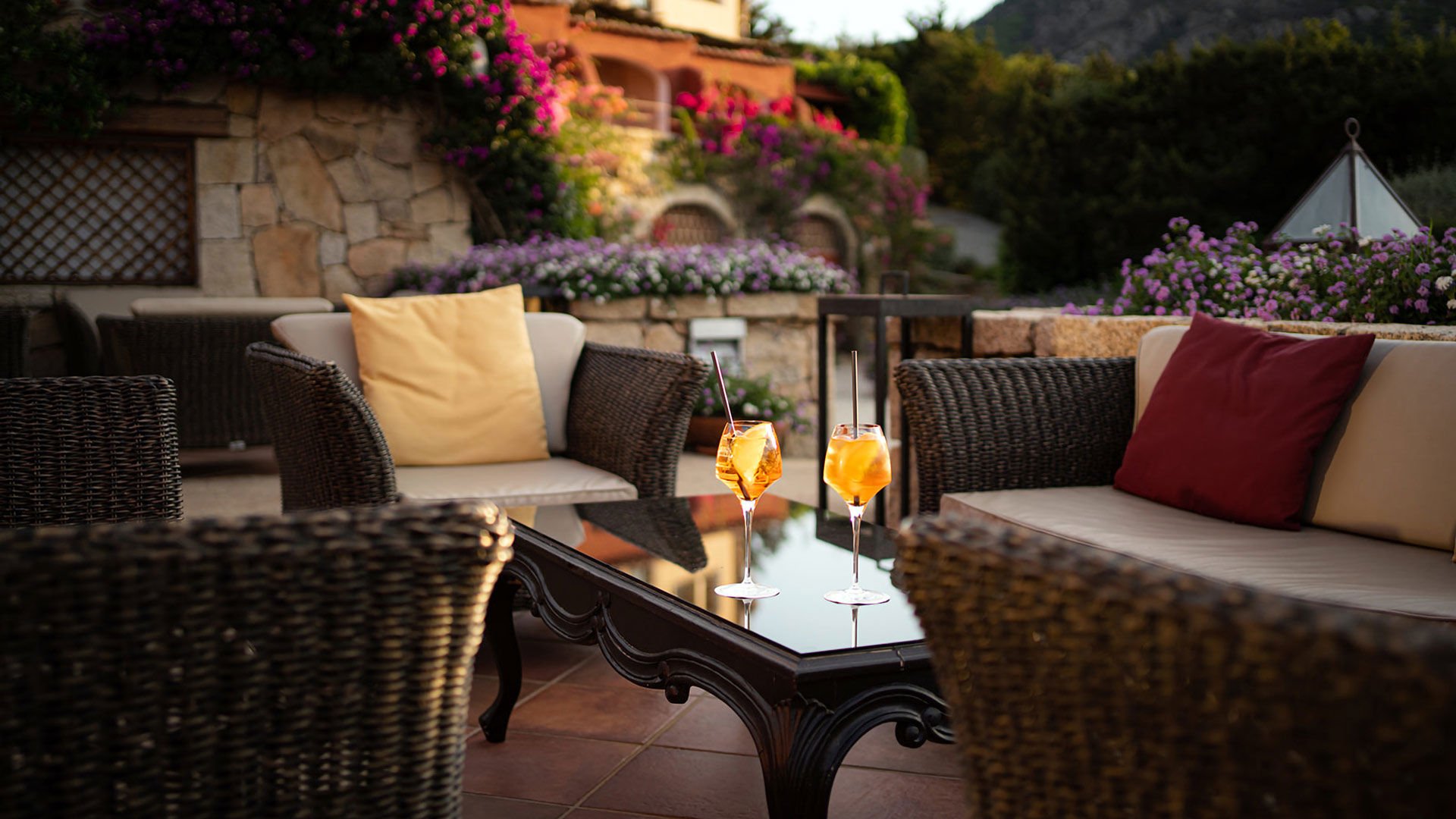
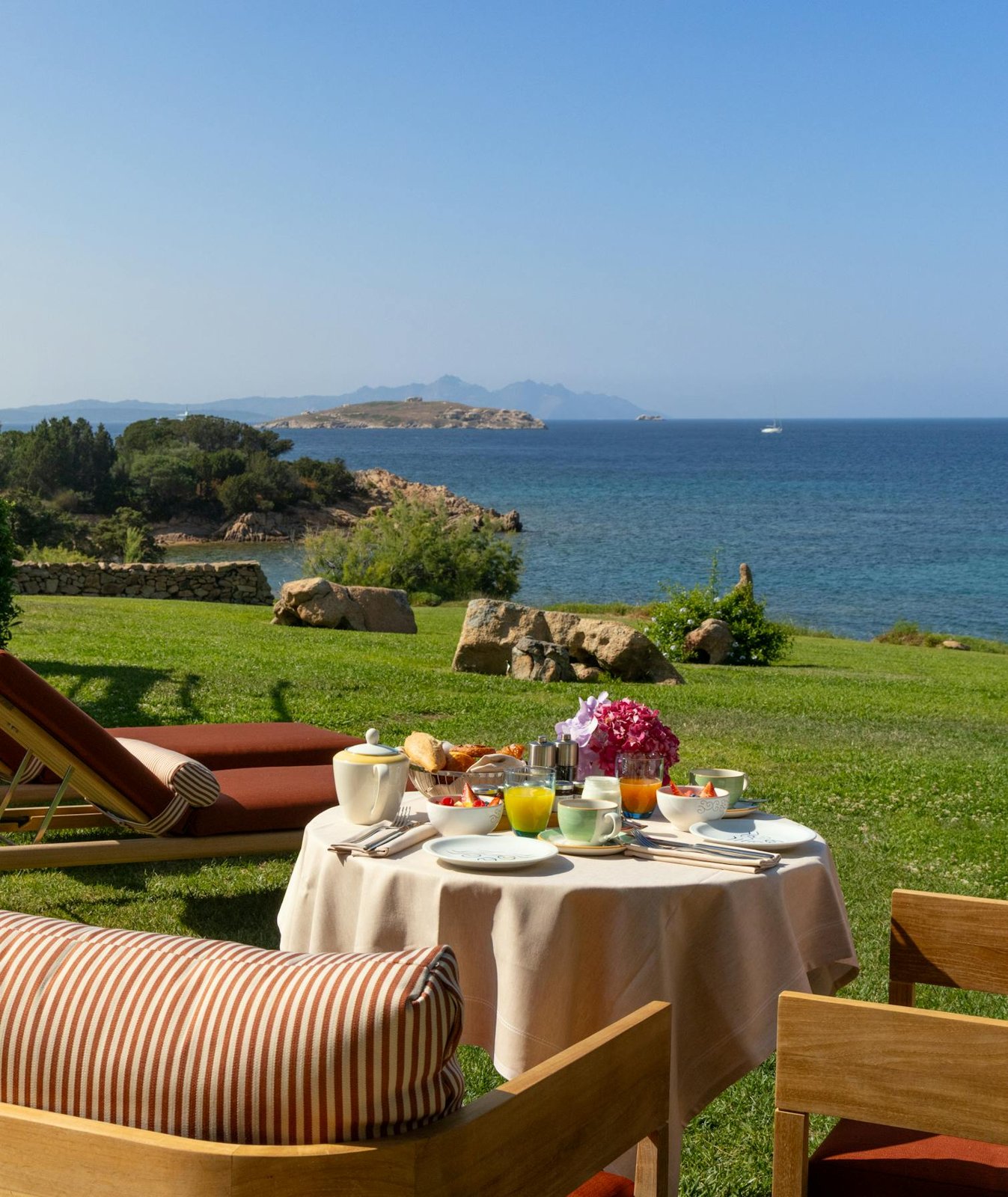
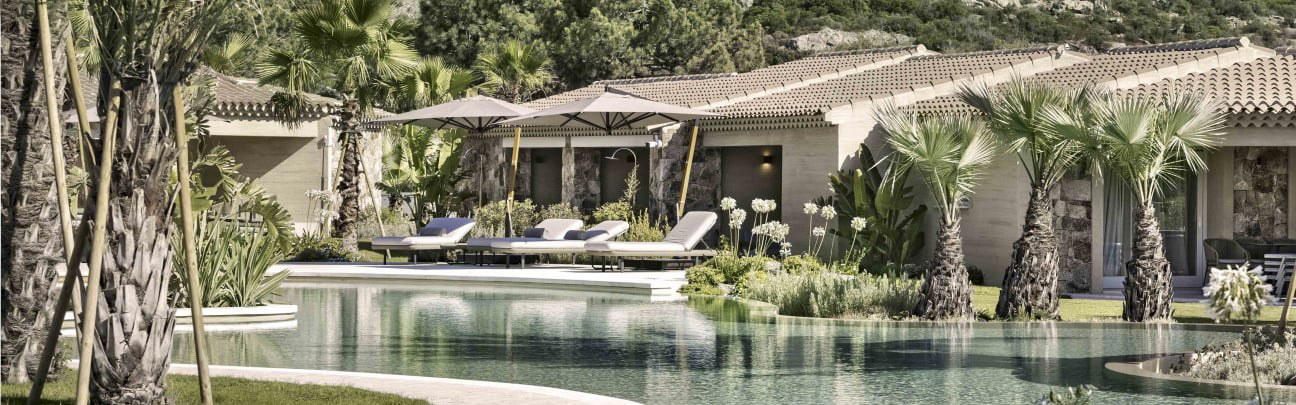
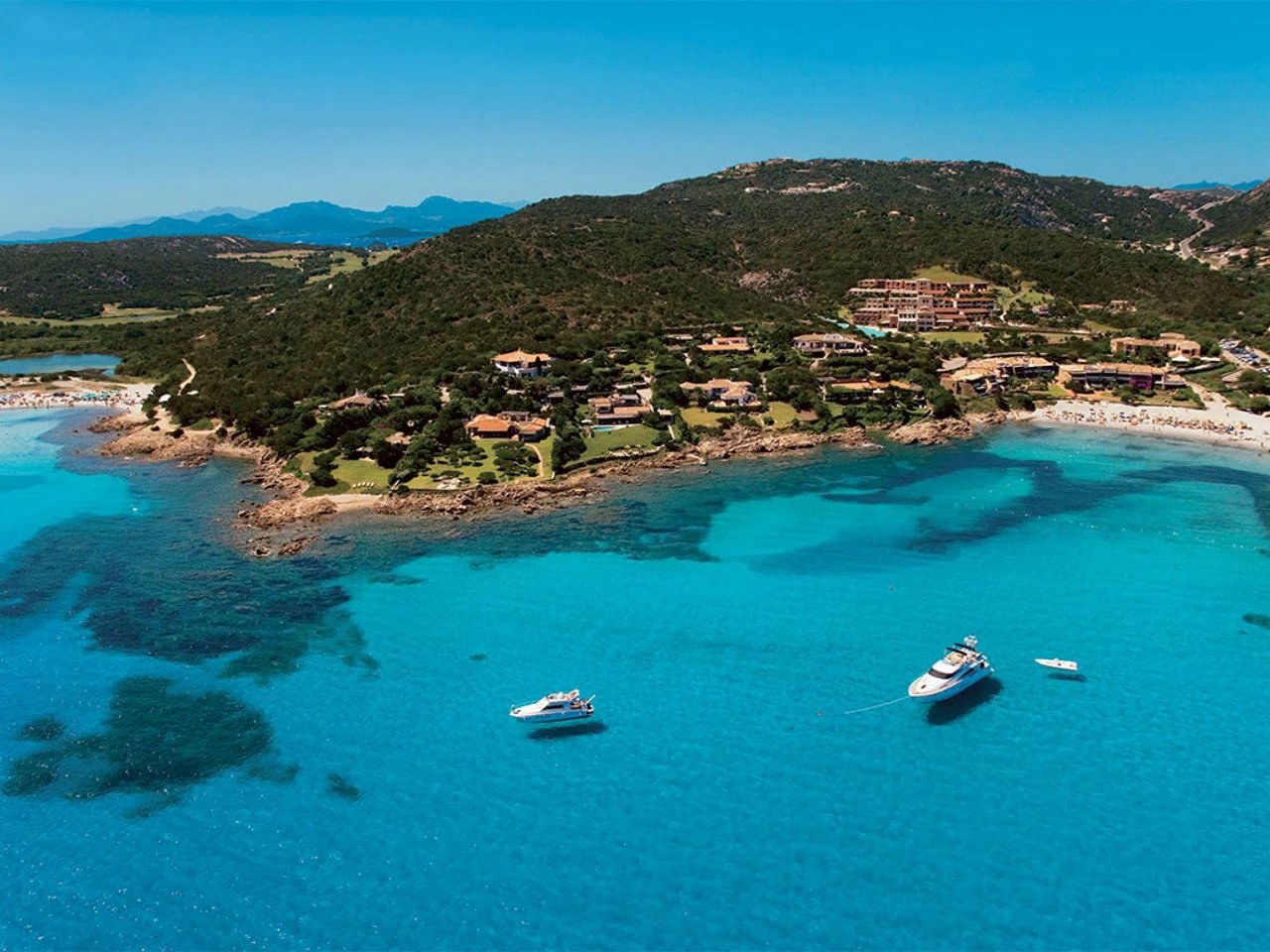
CPH Pevero Hotel reads as architecture first and resort second: buildings are low-slung, earth-toned and carefully composed to appear as if they have always been part of the coastline. The property leans on Luigi Vietti's mid‑century design language—terracotta rooftops, stone archways and bougainvillea—that keeps the built fabric visually continuous with the surrounding maquis. Here the sea, sand and pine canopy are integral elements of the composition rather than mere scenery. The overall effect is calm and composed, a place where considered Mediterranean restraint and subtle textural details create a quietly classic, serene coastal retreat.
Best For
This is a destination for travelers who prioritize setting and design: couples seeking a scenic, architecture‑rich escape, honeymooners and anniversaries who value a poised seaside atmosphere, and visitors drawn to the Costa Smeralda’s particular light and shoreline. The hotel’s position on the Pevero Gulf and its deliberate dialogue with the natural environment make it especially suited to late‑afternoon strolls and contemplative moments by the water. It also works well for families wanting a graceful, low‑rise resort that feels integrated with the landscape rather than an urban hotel tower.
Venue details
Ambiance
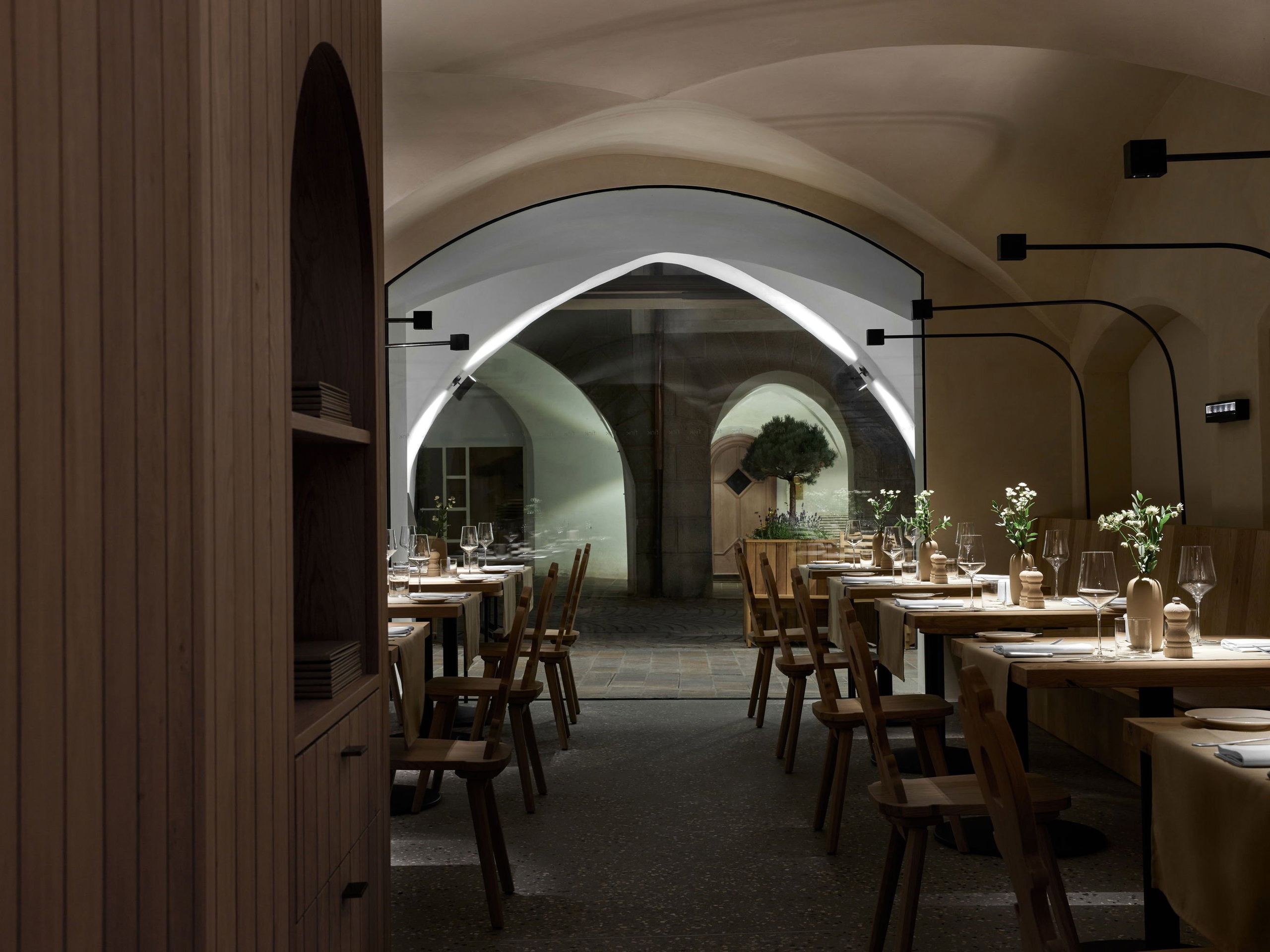
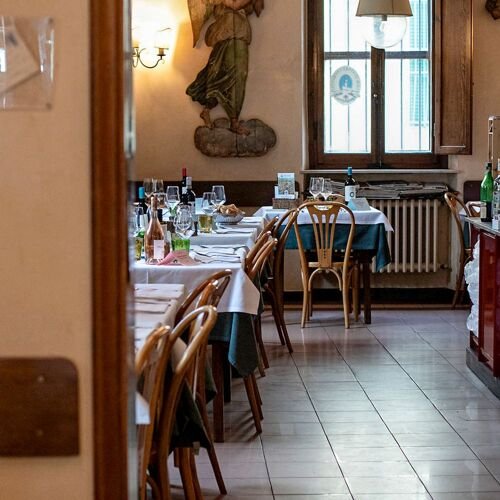
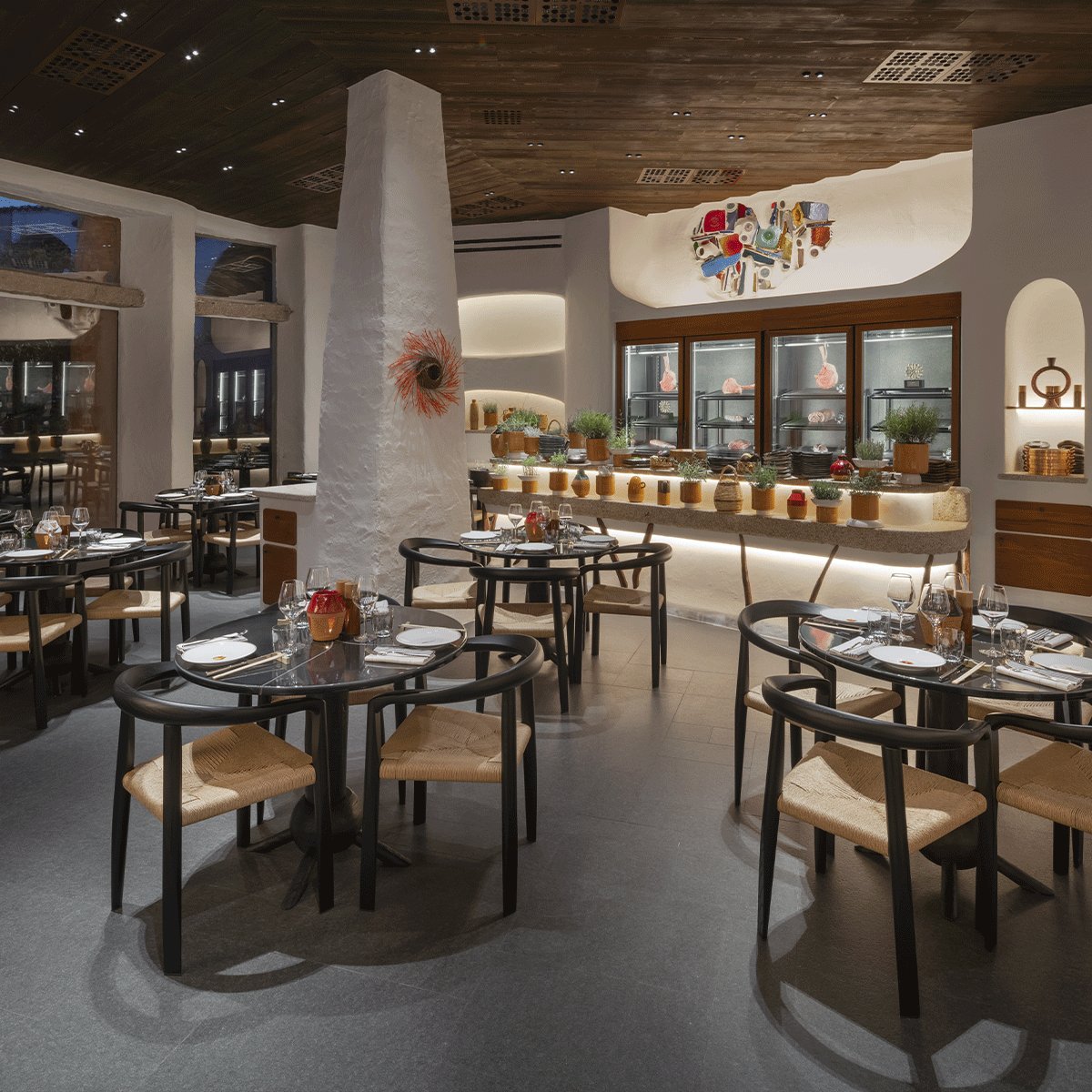
Refined and tranquil with soft lighting, beamed ceilings, and traditional tile floors creating a sophisticated yet welcoming atmosphere throughout the property.
Tags
Vibe
Best For
Experience
Amenities
View
Accessibility
About the Stay
- Rooms
- 107
- Check-in
- 15:00
- Check-out
- 11:00
- Property Style
- Mediterranean Luxury Resort Blending Contemporary Comfort with Traditional Sardinian Design Elements in a Secluded Coastal Setting.
- Design Style
- Mediterranean Elegance with Soft Color Palettes, Beamed Ceilings, Traditional Tile Floors, and Furnished Terraces Overlooking the Pevero Bay.
Know before you go
Know Before You Go
- Getting there
- Loc. Golfo del Pevero, 07021 Porto Cervo Provincia della Gallura Nord-Est Sardegna
Planning details
Location
Loc. Golfo del Pevero, 07021 Porto Cervo Provincia della Gallura Nord-Est Sardegna · Directions
Recognition and awards

Also consider
Where to look if this is not the right fit
Try Hotel Pitrizza if privacy is the main brief, or 7Pines Resort Sardinia if a broader resort setup matters more than being in Porto Cervo. For a classic Costa Smeralda statement stay, compare against Hotel Cala di Volpe, a Luxury Collection Hotel, Costa Smeralda.
Hotel context
How It Compares
CPH Pevero Hotel is the more restrained choice in Porto Cervo: easier to justify for a work-led stay than Hotel Cala di Volpe, a Luxury Collection Hotel, Costa Smeralda if the goal is comfort and access rather than a high-drama resort statement. Hotel Cala Di Volpe is the more obvious pick for travelers who want the classic Costa Smeralda scene to be the point of the trip.
Romazzino, a Belmond Hotel, Costa Smeralda and Hotel Pitrizza sit better for leisure-first stays where ambiance and privacy carry more weight than business practicality. Pitrizza is the stronger cross-shop for guests prioritizing seclusion; Romazzino makes more sense for a full resort holiday.
7Pines Resort Sardinia is the alternative when the trip can sit outside Porto Cervo and the priority is a larger resort feel. For a Porto Cervo work base with less friction, CPH Pevero Hotel is the cleaner recommendation.
Explore Porto Cervo
Around this place
Discover more on Pearl
Unlock the full CPH Pevero Hotel guide in Pearl, including awards, comparisons, FAQs, planning details, and nearby places.
Compare CPH Pevero Hotel
| Venue | Location | Awards |
|---|---|---|
| CPH Pevero Hotel | Porto Cervo | 2025 Michelin Selected HotelsSmall Luxury Hotels Member 2025 |
| Hotel Cala di Volpe, a Luxury Collection Hotel, Costa Smeralda | Porto Cervo | 2026 Forbes Recommended2026 Virtuoso Luxury Hotel Collection2026 La Liste Top Hotels2025 Michelin Selected Hotels2025 Forbes Recommended |
| Hotel Cala Di Volpe | Costa Smeralda | No published awards |
| Romazzino, a Belmond Hotel, Costa Smeralda | Arzachena | No published awards |
| Hotel Pitrizza | Porto Cervo | 2026 Forbes 4-Star2026 Virtuoso Luxury Hotel Collection2025 Michelin Selected Hotels2025 Forbes 4-Star |
| 7Pines Resort Sardinia | Baja Sardinia | 2026 Forbes 4-Star2026 Virtuoso Luxury Hotel Collection2026 Mr & Mrs Smith Luxury Hotels2025 Michelin Selected Hotels2025 Forbes Recommended |



How CPH Pevero Hotel Porto Cervo compares with similar nearby venues.
FAQ
Frequently Asked Questions
Which room category is best at CPH Pevero Hotel?
Choose based on the current room descriptions from the hotel and the purpose of the stay. CPH Pevero Hotel is in Porto Cervo, is a Small Luxury Hotels of the World member in 2025, and is a MICHELIN Guide hotel selection in 2025.
When is the best time to book CPH Pevero Hotel?
Booking windows, seasonal guidance, prices, and availability patterns can change, so confirm current rates and policies directly before booking. Its Small Luxury Hotels of the World membership and MICHELIN Guide hotel selection make it a serious upscale Porto Cervo option to compare carefully.
Is CPH Pevero Hotel good for business travel?
It can be considered for business travel if the priority is an upscale hotel in Porto Cervo with luxury recognition. Check directly for conference facilities, meeting rooms, office services, or specific business amenities. Travelers may also compare Hotel Cala di Volpe, a Luxury Collection Hotel, Costa Smeralda, 7Pines Resort Sardinia, Romazzino, a Belmond Hotel, Costa Smeralda, and Hotel Pitrizza for different luxury-stay profiles.
How is the dining at CPH Pevero Hotel?
How is the location of CPH Pevero Hotel?
CPH Pevero Hotel is in Porto Cervo. For a more specific street address or district description, check directly with the hotel before booking. Its Porto Cervo location and 2025 recognition make it a relevant option to compare with Hotel Cala Di Volpe, Romazzino, a Belmond Hotel, Costa Smeralda, Hotel Pitrizza, and other nearby luxury hotels.