
Albergo Pietrasanta
Historical Centre, Pietrasanta
Hotel in Pietrasanta, Italy
 Book with Pearl
The Read
Sculptors' Town Palazzo
Why go
Albergo Pietrasanta is worth booking if the trip is centered on Pietrasanta rather than a full resort stay on the coast. Its Small Luxury Hotels of the World membership gives it a credible quality signal, and the value case is strongest when rates undercut Forte dei Marmi peers. Skip it if pool, spa, or beach-hotel amenities are the priority.
About Albergo Pietrasanta
Albergo Pietrasanta is a Pietrasanta hotel with Small Luxury Hotels of the World Member recognition for 2025 and a smart casual dress code.
A town-base hotel for travelers who care more about access than amenities
The strongest case for Albergo Pietrasanta starts with its setting in Pietrasanta and its Small Luxury Hotels of the World Member status for 2025. It is best considered as a town-base hotel for travelers who prioritize location and ease of access.
Use the membership as a trust signal, and check the details that matter to your trip before booking. If you need confirmation on facilities, dining, accessibility, room categories, or services, verify those points with the hotel before committing.
Where the value case is strongest
The value case depends on what Albergo Pietrasanta offers for your dates and needs. Pricing, room inventory, dining, spa facilities, pool access, family services, and business facilities should be checked directly.
If you are comparing the stay with regional alternatives such as Hotel Byron, Hotel Principe Forte dei Marmi, Locanda al Colle, Pensione America, or Villa Roma Imperiale, focus on the factors that matter to you rather than assuming a specific service profile.
How to decide before you commit
Book only after confirming the practical details that will shape your stay. Albergo Pietrasanta is a Pietrasanta hotel with 2025 Small Luxury Hotels of the World Member recognition and a smart casual dress code, but it is best to confirm the dining format, amenities package, room type, price level, and service scope directly.
Quick reference: choose Albergo Pietrasanta if its confirmed details, current availability, and direct information from the hotel match your Pietrasanta plans.
Planning details
- Location
- Via G. Garibaldi, 35, 55045 Pietrasanta LU
- Website
- albergopietrasanta.com
- Phone
- +39 0584 793726
The take
The Take
The Vibe
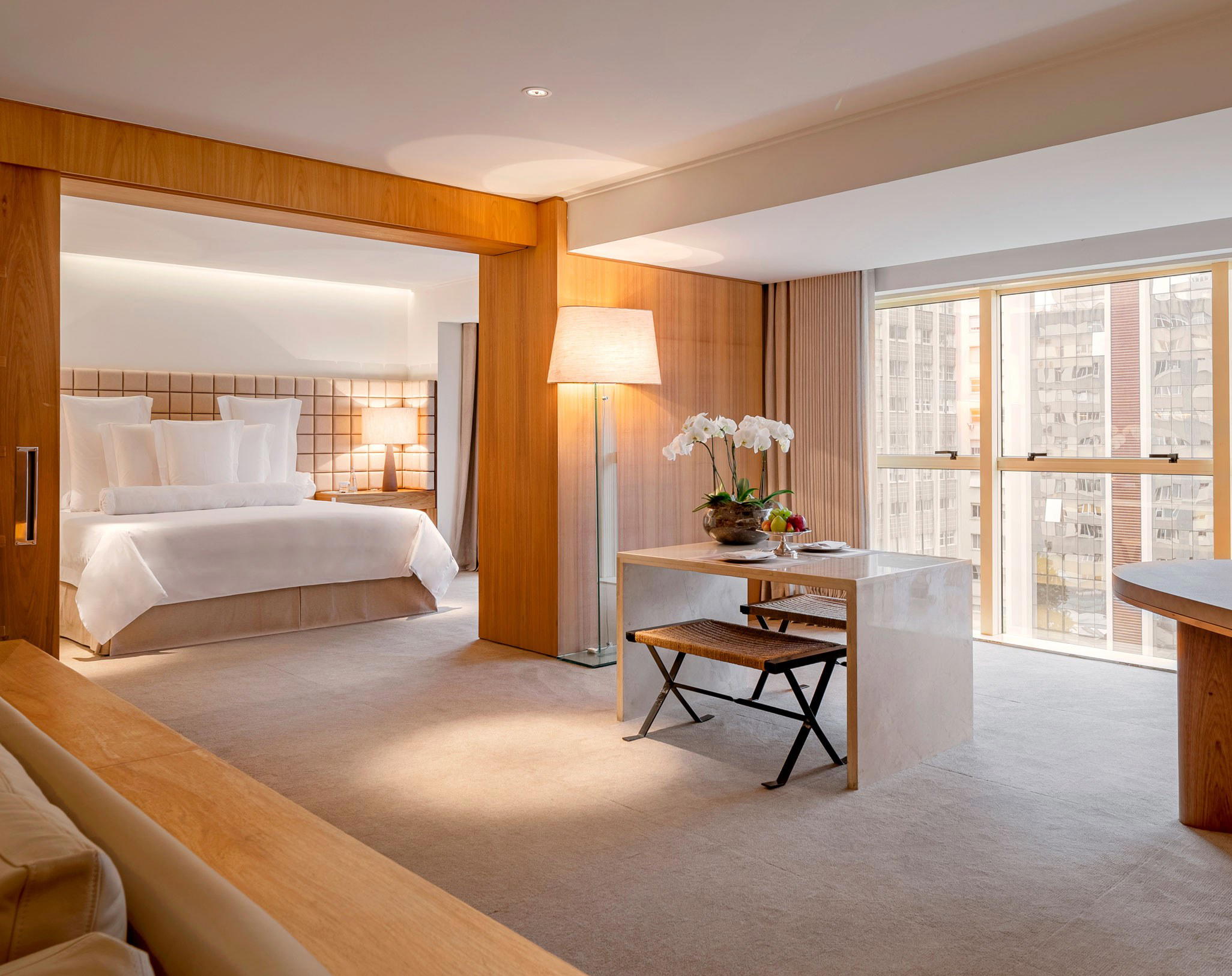
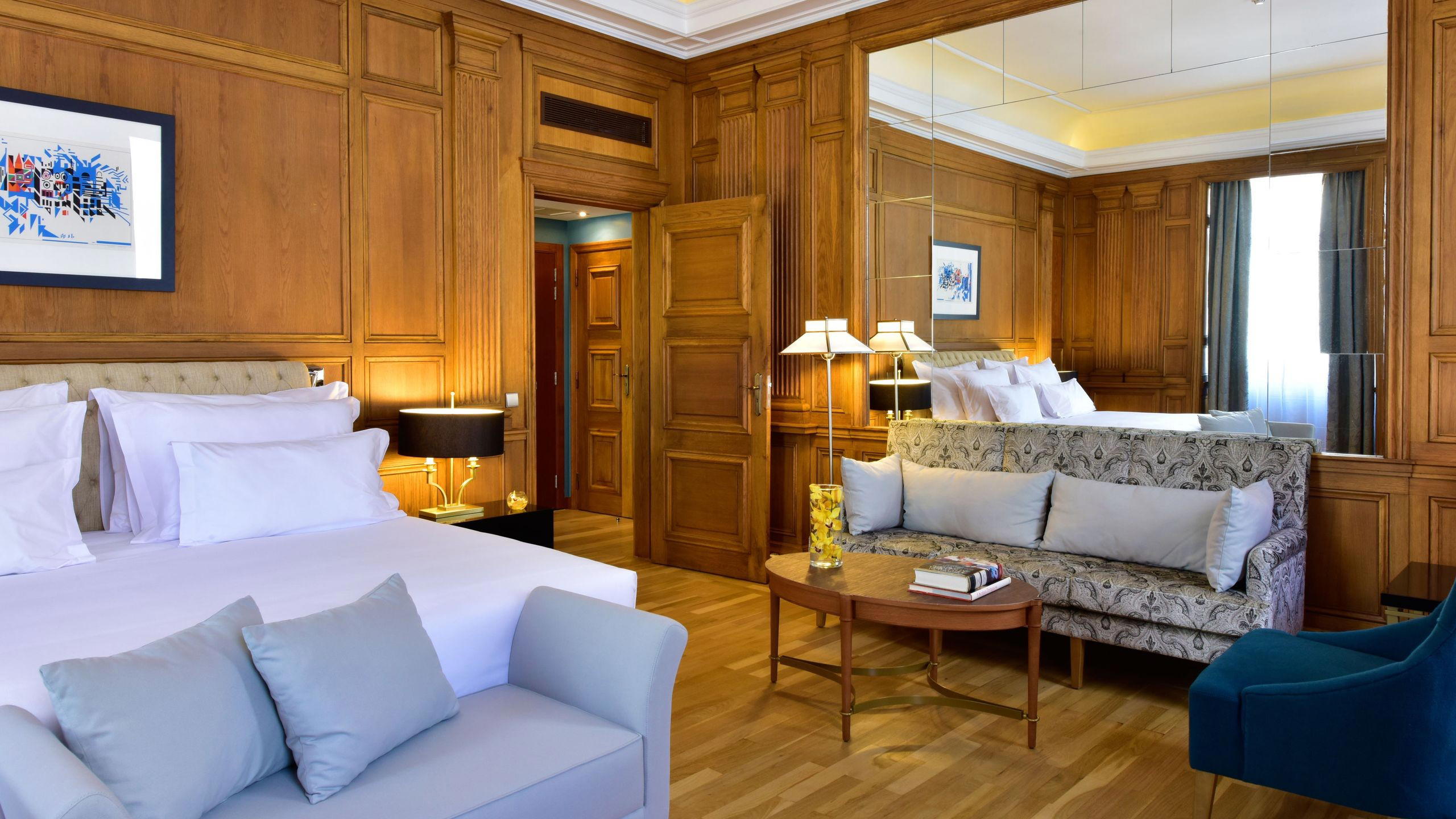
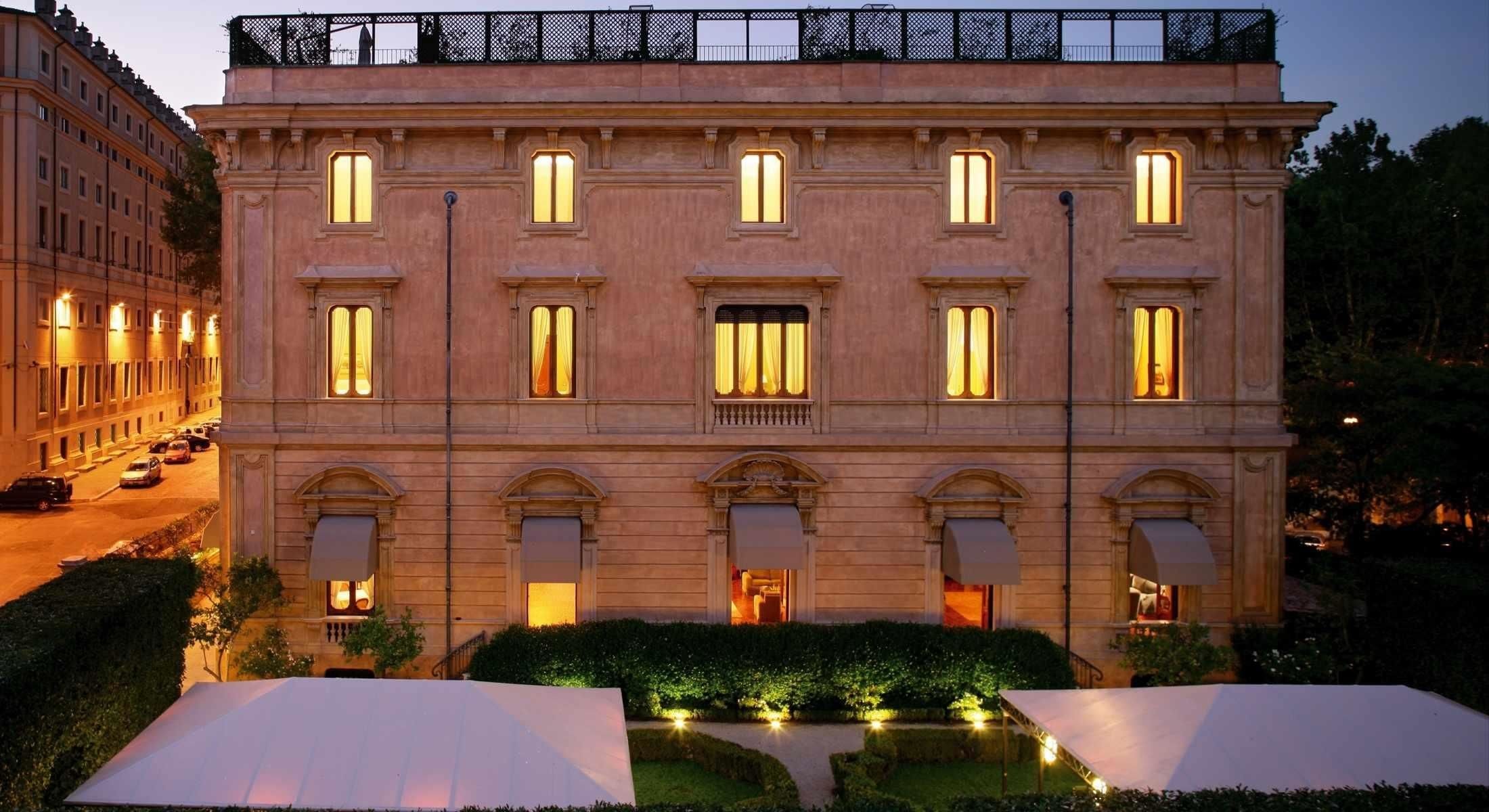
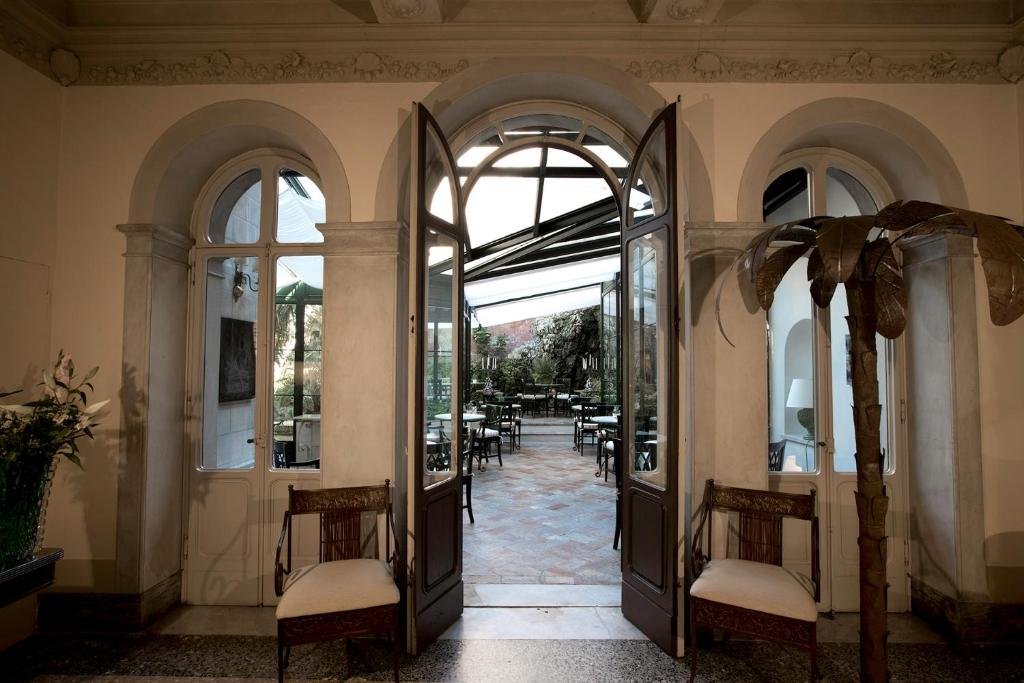
Albergo Pietrasanta foregrounds history and craft. Housed in a 17th-century palazzo with intact 18th-century fresco cycles, the property treats its architecture as the central draw: frescoed walls, a modest courtyard, and a small art collection give the interiors a museum-meets-home sensibility. The hotel sits in the medieval centre where stone, studios and foundries shape a tactile urban fabric; arriving along Via G. Garibaldi cues you into that creative context. This is a refined, quietly assertive place where authenticity of structure and decorative program dominate the guest experience rather than modern amenity theatrics.
Best For
This hotel is best for travelers who prioritize architecture, art and quiet cultural immersion. It suits couples seeking a romantic getaway or honeymoon, pairs marking an anniversary, and visitors planning a short weekend escape centered on galleries and local craft. Albergo Pietrasanta is not a resort for recreational amenities; instead it rewards guests who want to explore the town’s studios and marble workshops, appreciate period frescoes in situ, and base themselves in a historic palazzo that functions as both accommodation and cultural object.
Venue details
Ambiance
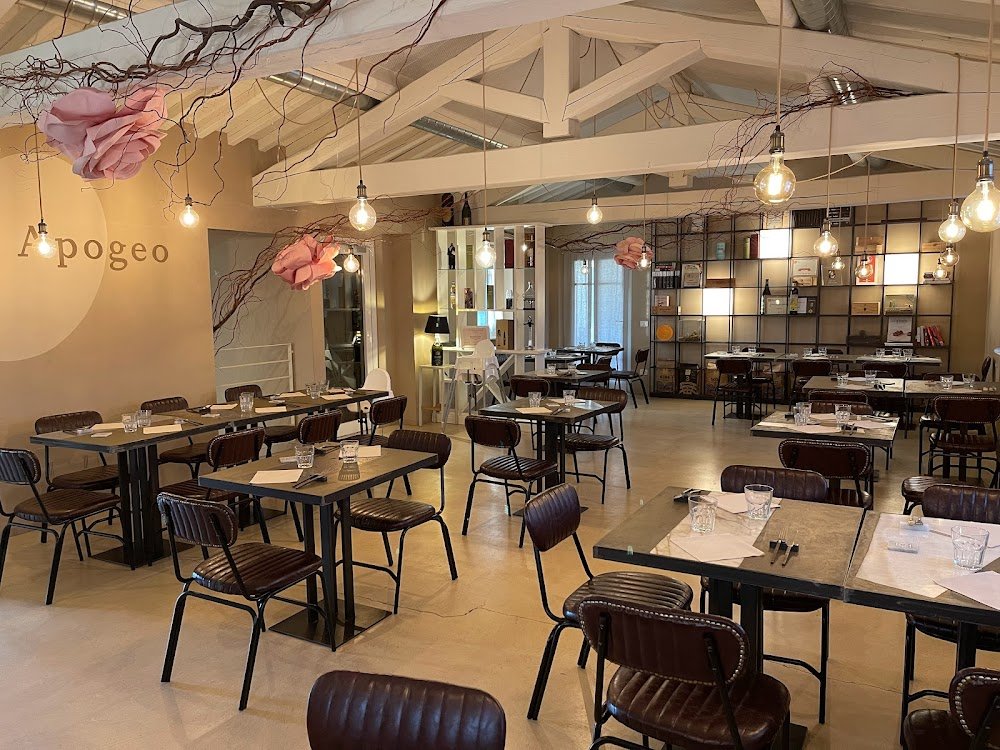
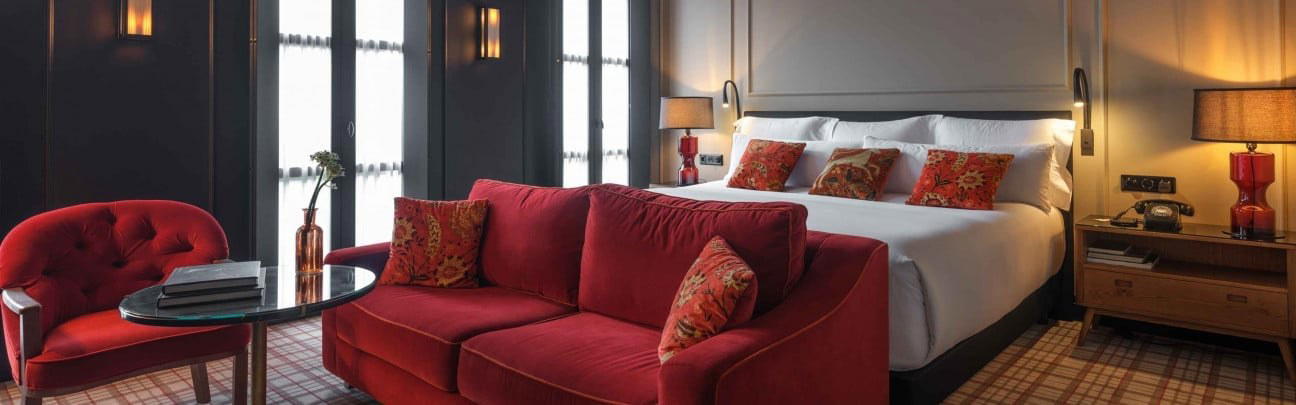
Serene and refined with period-correct furnishings, hand-painted frescoes, and a sunlit courtyard with century-old palm trees creating a peaceful, intimate atmosphere reminiscent of a fine private home.
Tags
Vibe
Best For
Experience
Amenities
View
Accessibility
About the Stay
- Rooms
- 20
- Check-in
- 15:00
- Check-out
- 11:00
- Property Style
- Historic Palazzo Hotel Blending 17th Century Architecture with Contemporary Art Curation and Classical Furnishings.
- Design Style
- Neoclassical with Hand Painted Frescoes, Period Antiques, and Curated Modern Art Collection Creating an Art Filled, Sophisticated Aesthetic.
Know before you go
Know Before You Go
- Getting there
- Via G. Garibaldi, 35, 55045 Pietrasanta LU
Planning details
Location
Recognition and awards

Also consider
Where to Look If This Is Full
If Albergo Pietrasanta is unavailable, start with Locanda al Colle for a quieter stay with more countryside energy. If the trip is shifting toward the coast, compare Villa Roma Imperiale before moving to the larger Forte dei Marmi names.
Hotel context
How It Compares
Albergo Pietrasanta is the town-base choice in this group: easier to justify when you want Pietrasanta access, gallery time, and a smaller hotel rhythm. Locanda al Colle is the better cross-shop if you want a quieter countryside feel, while Pensione America makes more sense for travelers prioritizing a simpler coastal stay over town-center positioning.
For a resort-led trip, compare against Villa Roma Imperiale, Hotel Byron, and Hotel Principe Forte dei Marmi. Those are stronger fits when the hotel itself needs to carry more of the stay through beach proximity, larger-service expectations, or a more polished resort atmosphere. Albergo Pietrasanta is the value play when you would rather pay for location and boutique scale than resort infrastructure.
Booking difficulty also favors Albergo Pietrasanta for flexible planners. If the coastal hotels are pricing high or availability is tight, this is the practical fallback that does not feel like a downgrade for guests who actually want Pietrasanta. If the price gap is small and facilities matter, move the search toward Forte dei Marmi.
Explore Pietrasanta
Around this place
Discover more on Pearl
Unlock the full Albergo Pietrasanta guide in Pearl, including awards, comparisons, FAQs, planning details, and nearby places.
Compare Albergo Pietrasanta
| Venue | Location | Awards |
|---|---|---|
| Albergo Pietrasanta | Pietrasanta | Small Luxury Hotels Member 2025 |
| Locanda al Colle | Camaiore | 2026 Mr & Mrs Smith Luxury Hotels2026 Michelin 1 Key2025 Michelin 1 Key2024 Michelin 1 Key |
| Pensione America | Forte dei Marmi | 100 Most Incredible Hotels in the World · 20262026 Travel + Leisure It List Hotels2026 Conde Nast Traveler Hot List HotelsLeading Hotels of the World 20262026 Michelin 1 Key2025 Michelin 1 Key |
| Villa Roma Imperiale | Forte dei Marmi | No published awards |
| Hotel Byron | Forte dei Marmi | No published awards |
| Hotel Principe Forte dei Marmi | Forte dei Marmi | 2026 Virtuoso Luxury Hotel Collection2026 Forbes 4-StarLeading Hotels of the World 20262026 Michelin 1 Key2025 Michelin 1 Key2025 Forbes 4-Star2024 Michelin 1 Key |








How Albergo Pietrasanta Pietrasanta compares with similar nearby venues.
FAQ
Frequently Asked Questions
How is the location of Albergo Pietrasanta?
Which room category is best at Albergo Pietrasanta?
Choose only after reviewing the hotel's current room information and confirming the details that matter for your stay.
How is the pool and spa at Albergo Pietrasanta?
If those facilities matter, confirm directly with Albergo Pietrasanta and compare current information with other regional options such as Villa Roma Imperiale or Hotel Byron.
Is Albergo Pietrasanta good for business travel?
If you are considering Albergo Pietrasanta for work travel, confirm the current services directly and compare them with alternatives such as Hotel Principe Forte dei Marmi.