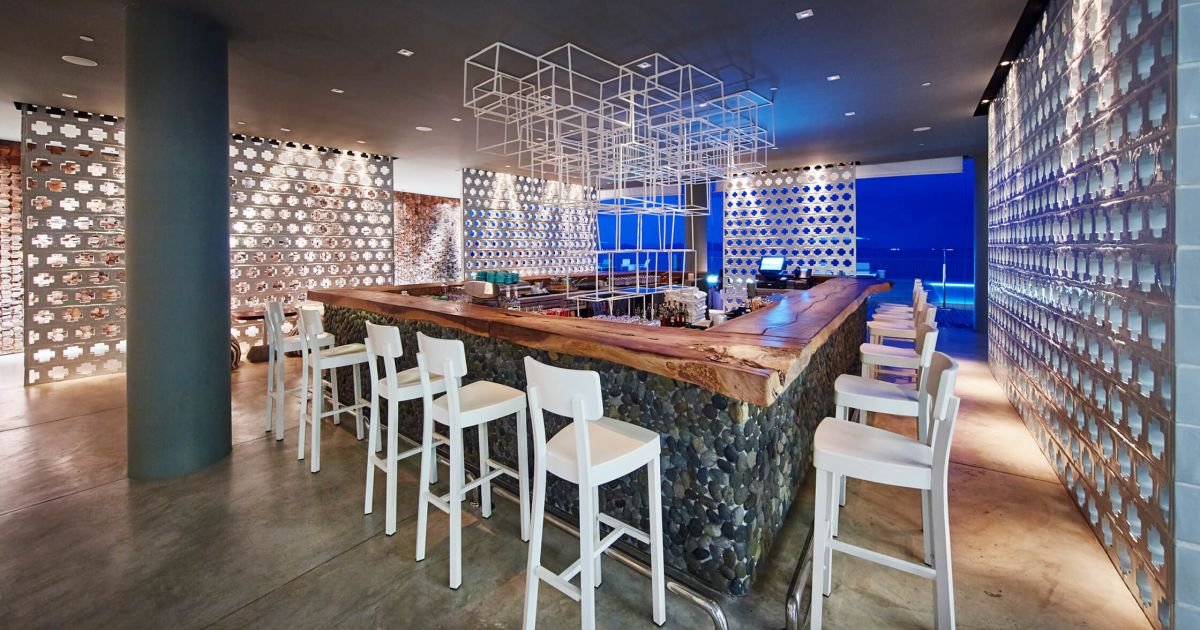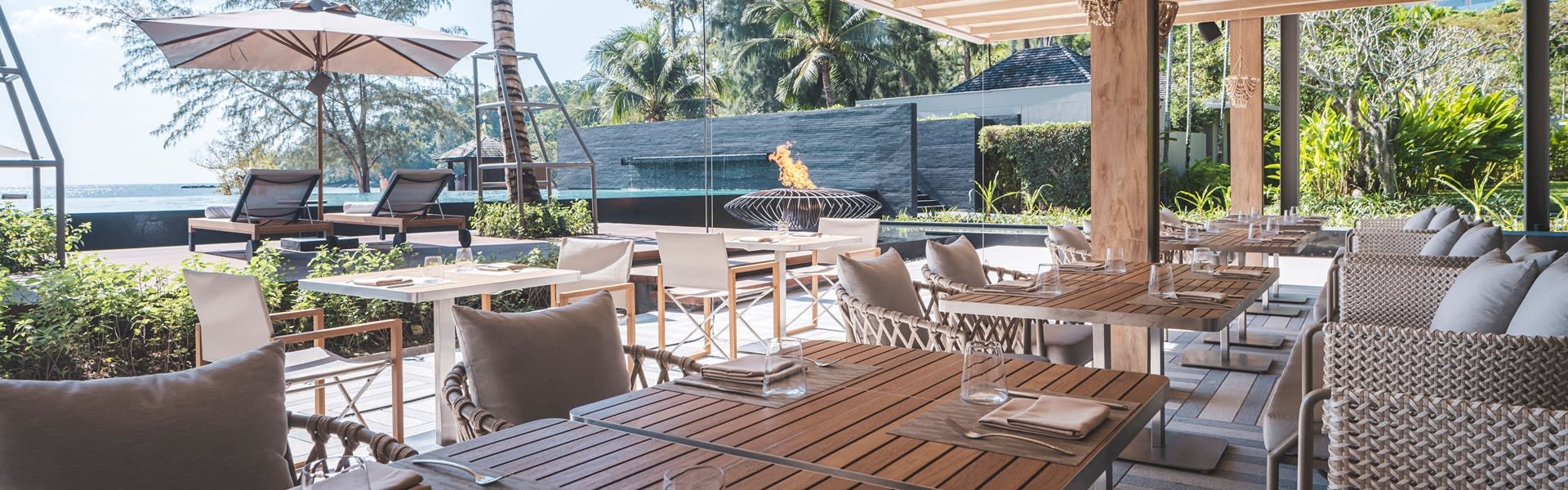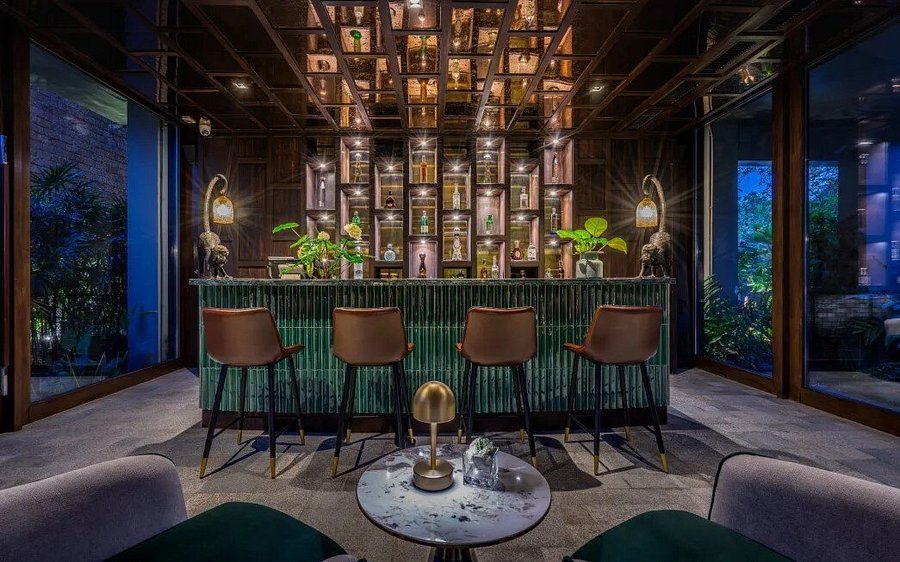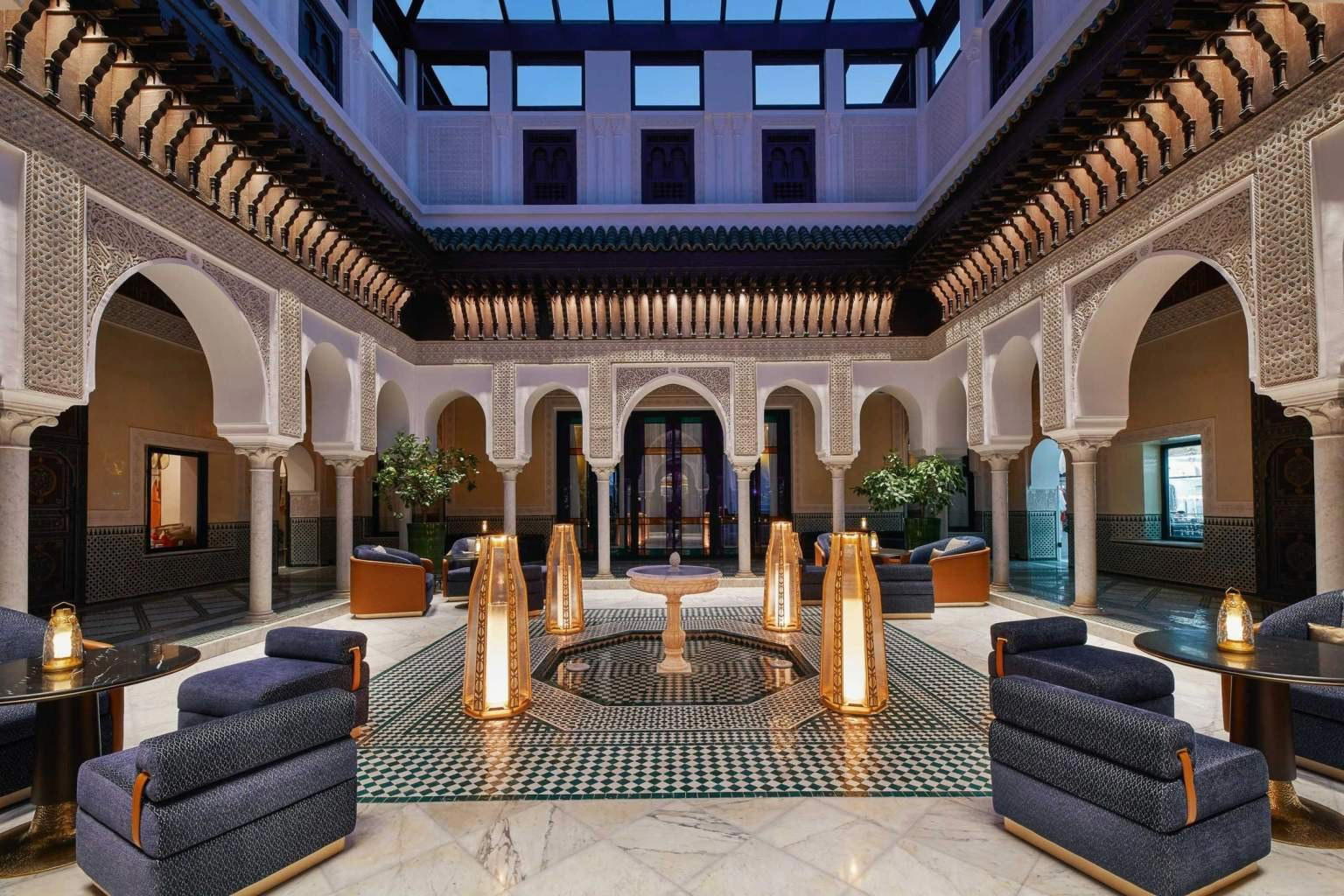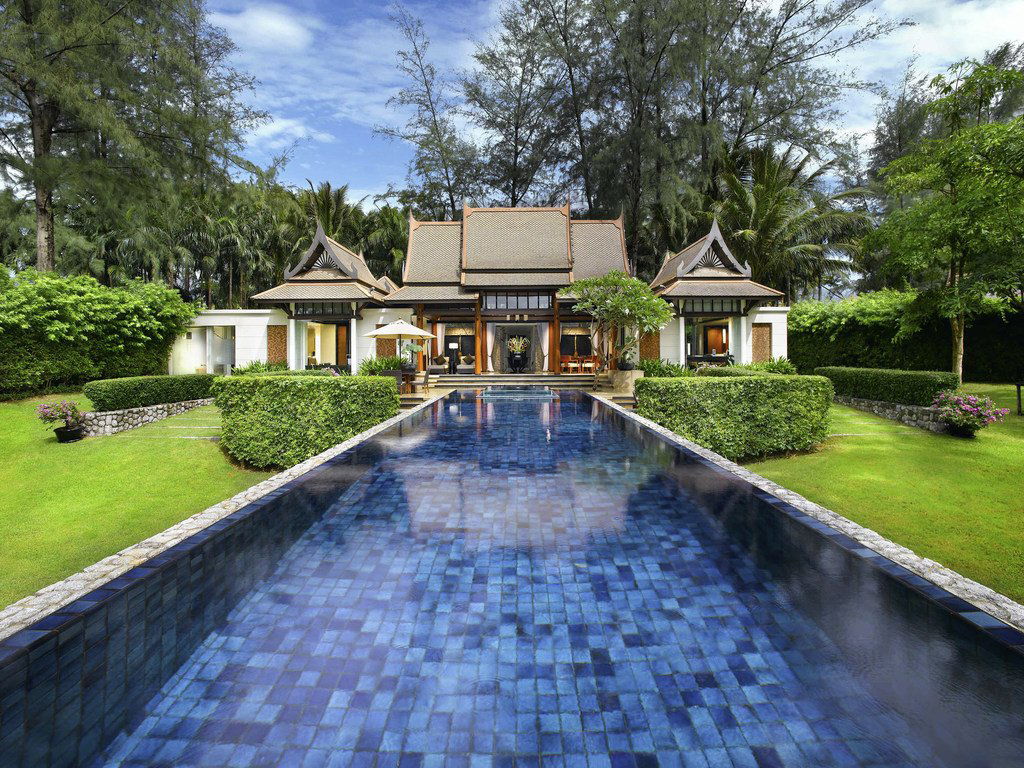


Banyan Tree Phuket
Thalang, Phuket
Hotel in Phuket, Thailand
 Book with Pearl
Why go
Banyan Tree Phuket is worth choosing if the brief is a calm, service-led Phuket resort stay in Choeng Thale rather than a nightlife base or design-first hideaway. Its Great Hotels of the World and Virtuoso partner recognition make it a safer luxury pick for travelers who value staff support, spa time, and resort ease.
About Banyan Tree Phuket
Banyan Tree Phuket is a hotel in Phuket and a Great Hotels of the World GHOTW Collection Member and Virtuoso Luxury Hotel Partner. Beyond those credentials and its smart-casual dress code, check specific details such as facilities, room types, dining formats, pricing, and exact location within Phuket directly with the property before booking.
Choose this for confirmed hotel credentials
The strongest reasons to consider Banyan Tree Phuket are its place in the Great Hotels of the World GHOTW Collection and its status as a Virtuoso Luxury Hotel Partner. Those affiliations make it a relevant option for travelers comparing established stays in Phuket, especially when the booking decision depends on recognized hotel-partner credentials.
For travelers comparing other Phuket options, also look at our full Phuket restaurants guide when planning the wider trip.
Who should choose it over nearby Phuket hotels
Banyan Tree Phuket makes sense for travelers who want a recognized hotel option in Phuket and value confirmed partner status as part of the decision. It may be compared with nearby stays such as Anantara Layan Phuket Resort, Layan Residences by Anantara, Movenpick Resort Bangtao Beach, The Pavilions Phuket, and Twinpalms Tented Camp Phuket, depending on the traveler's preferred style and the details confirmed at the time of booking.
For a final decision, compare the practical facts that matter to your trip directly with each property: available room categories, dining access, family or couple suitability, transport needs, and any current services.
Timing matters more than chasing a deal
Use the confirmed facts as the starting point: Banyan Tree Phuket is in Phuket, has a smart-casual dress code, and is recognized as a Great Hotels of the World GHOTW Collection Member and Virtuoso Luxury Hotel Partner. For the rest of the trip, browse broader Phuket dining and travel resources, including our full Phuket restaurants guide.
Part of
Banyan Tree27 locations on PearlPlanning details
- Location
- 33 Srisunthorn 33/27 Cherngthalay Tambon Choeng Thale, Thalang District, Phuket 83110, Thailand
- Website
- banyantree.com/thailand/phuket
- Phone
- +66 76 372 400
The take
The Take
The Vibe
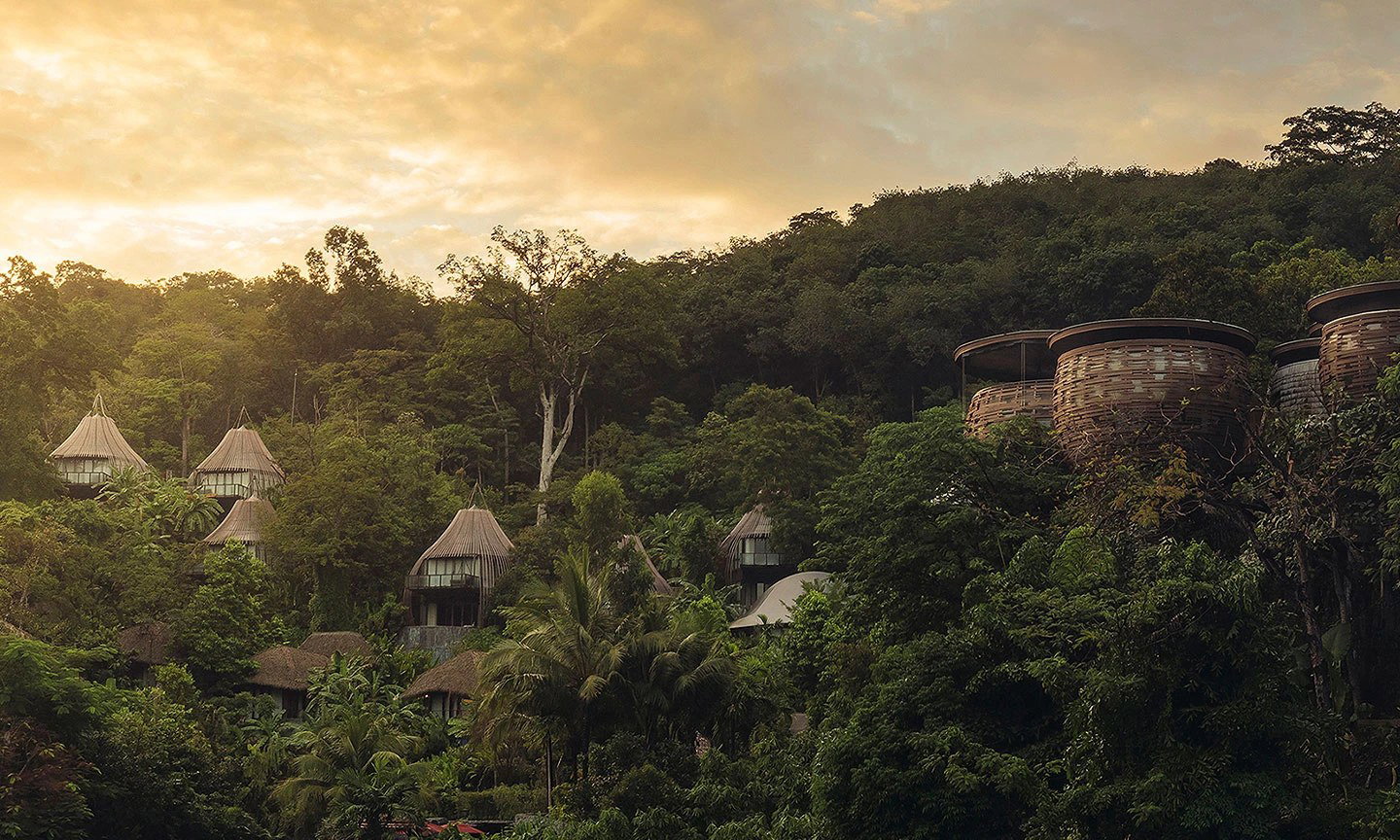
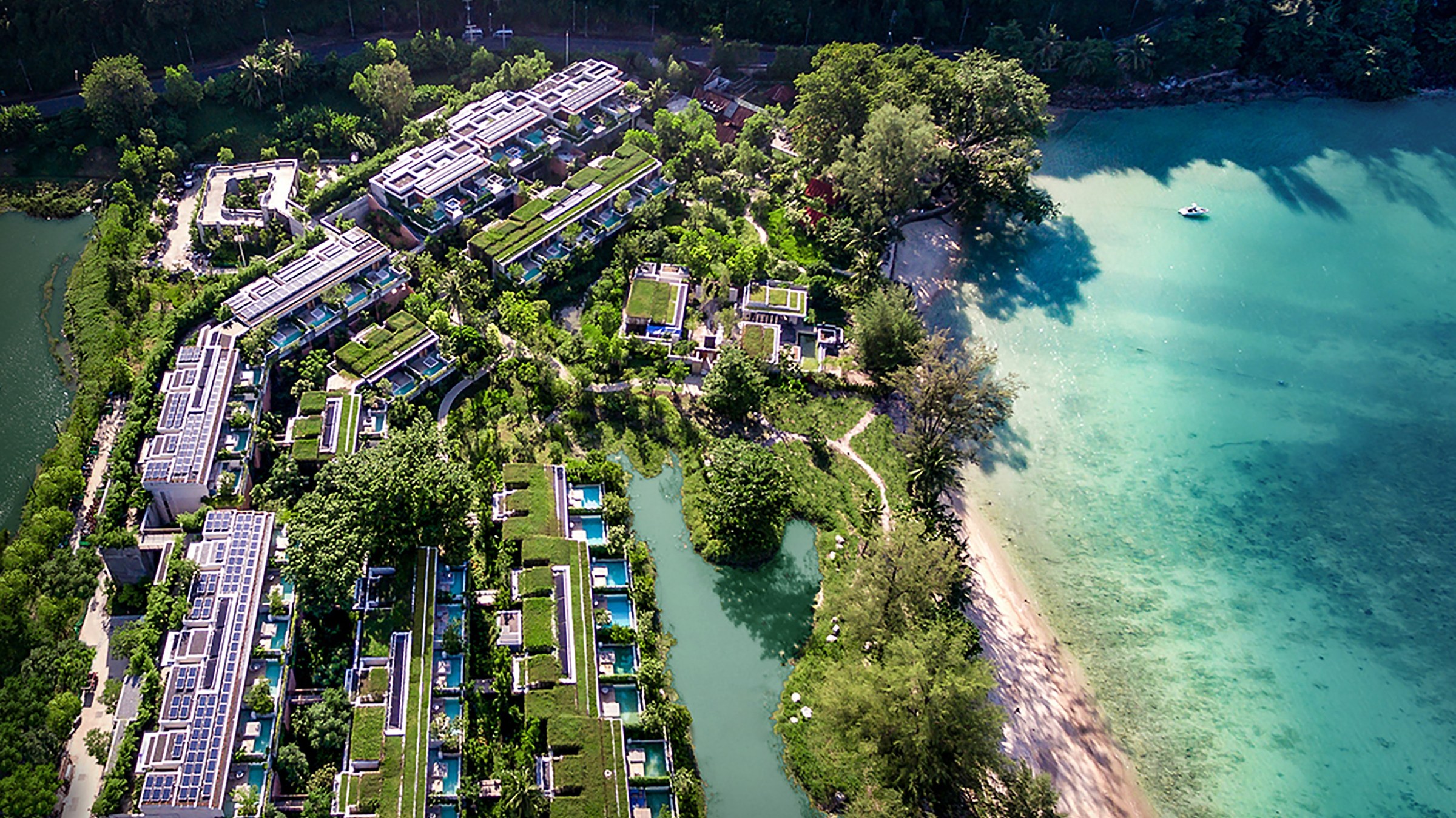
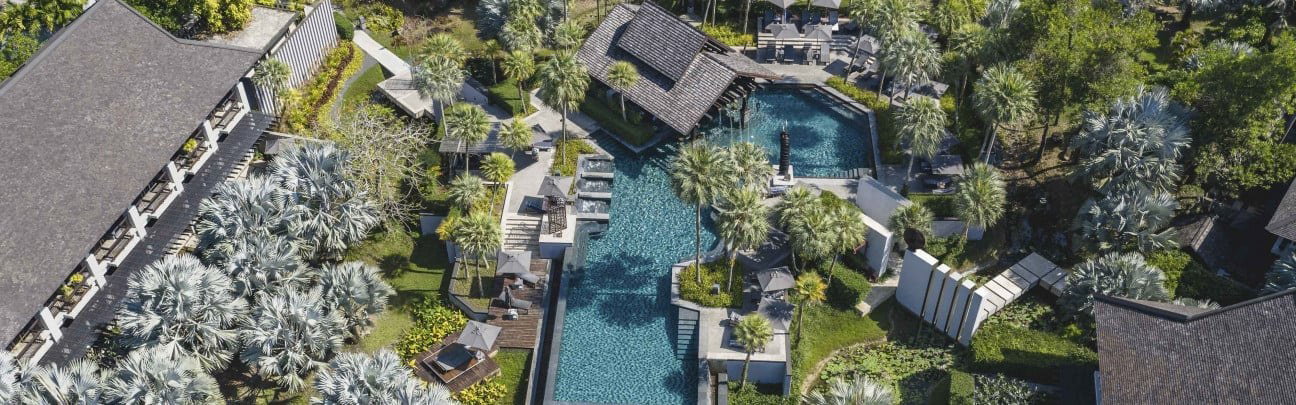
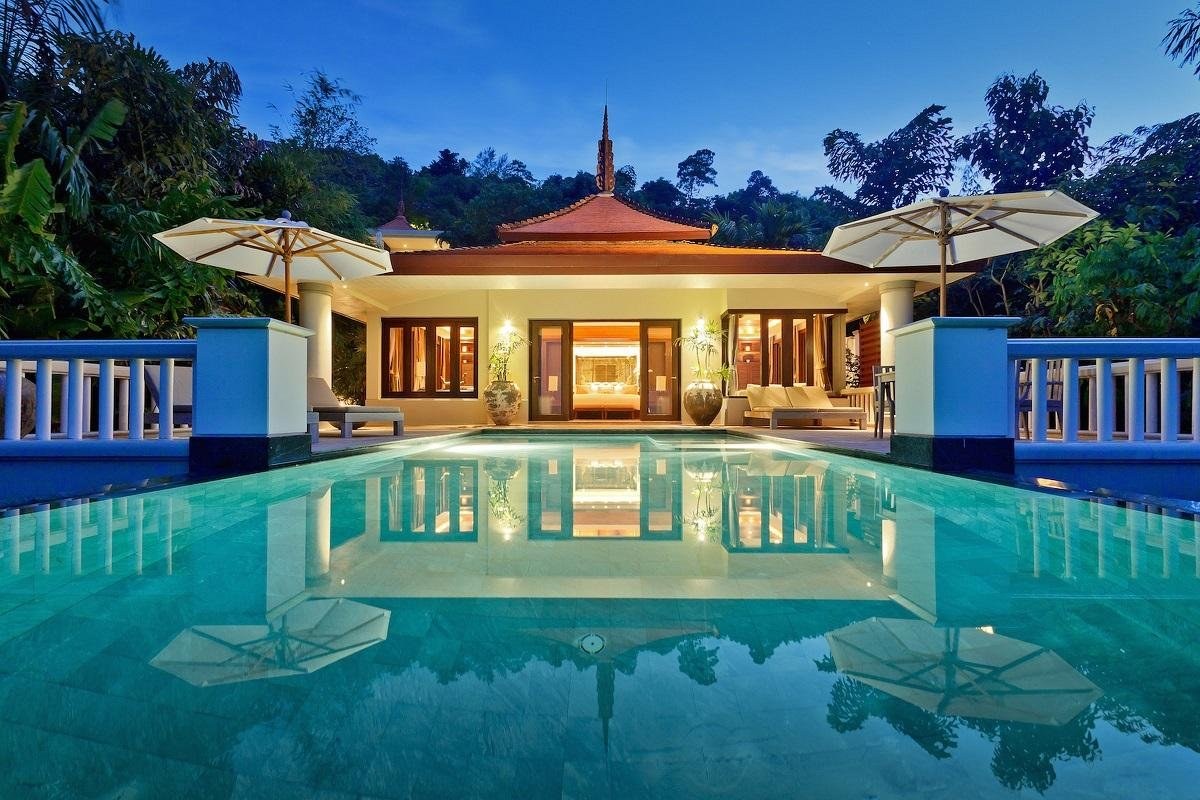
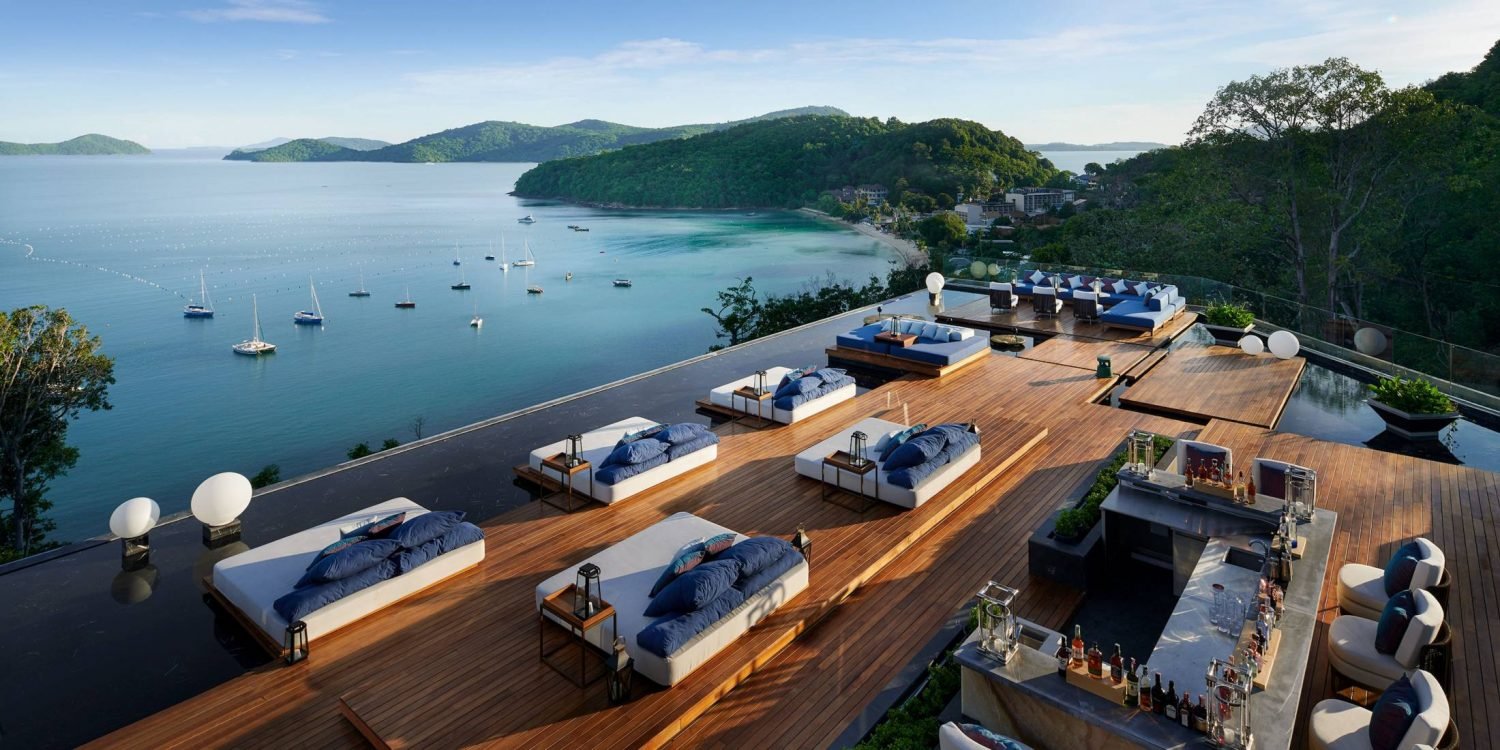
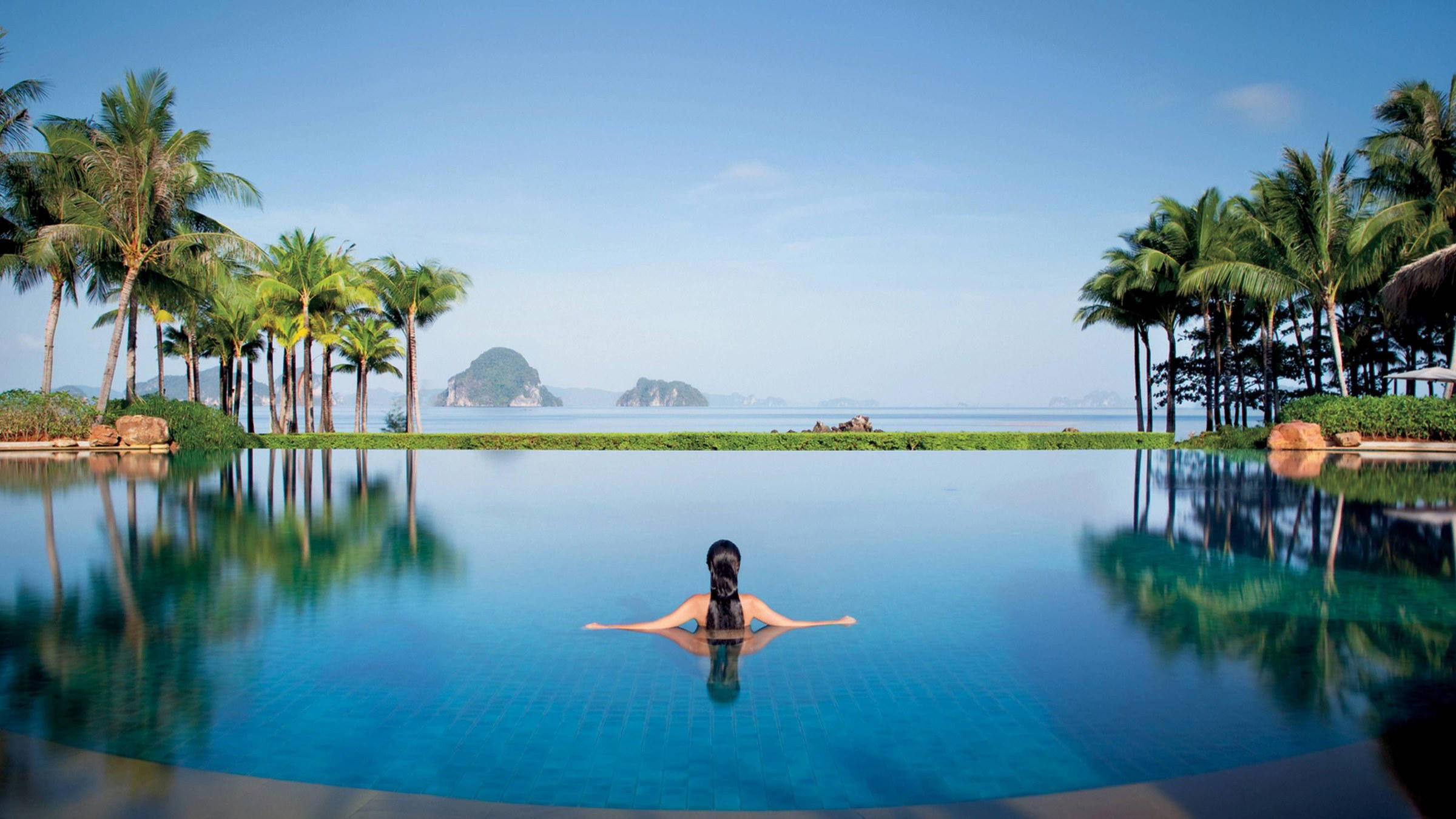
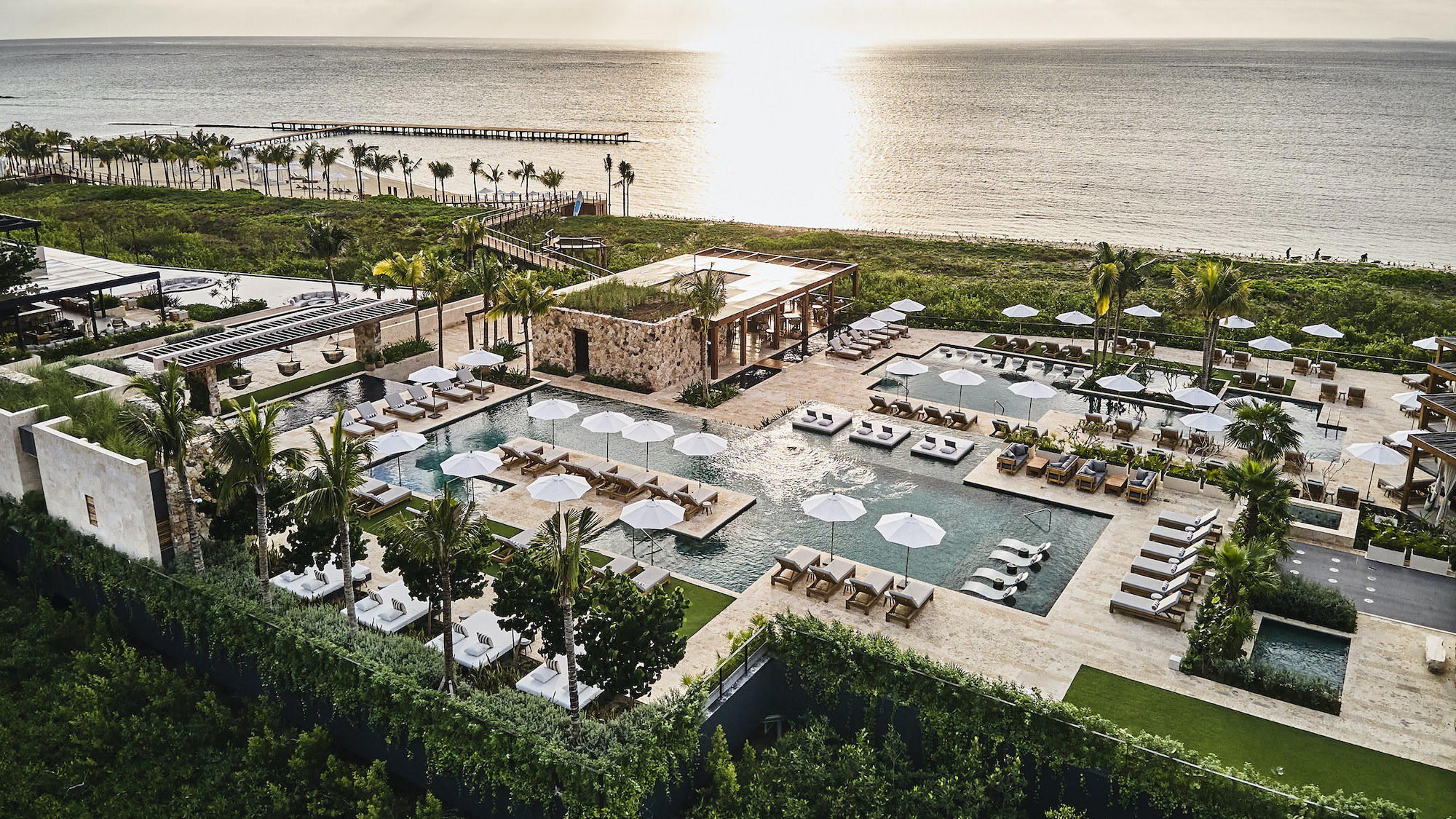
Banyan Tree Phuket reads like a large, deliberately composed villa resort rather than a scattering of rooms. Villas with private pools are organised around a saltwater lagoon, producing a calm, water‑centric layout that favors slow movement and framed views. The property sits within the Laguna complex — three kilometres of beach and extensive parkland — so the pace feels spacious and unhurried: golf, spa facilities and multiple dining outlets sit alongside beach access, making the overall atmosphere serene and relaxed rather than frenetic.
Best For
This is a property for travelers who want to stay in one well‑appointed place: couples on honeymoon or celebrating an anniversary, wellness seekers drawn to spa infrastructure, and guests who appreciate resort‑scale privacy in private villas. Its location on Bang Tao Bay and short, 20‑minute drive from Phuket International Airport also makes it a practical choice for short breaks or weekend escapes. The resort’s breadth of on‑site amenities supports multi‑day stays without feeling the need to leave the complex.
Venue details
Ambiance
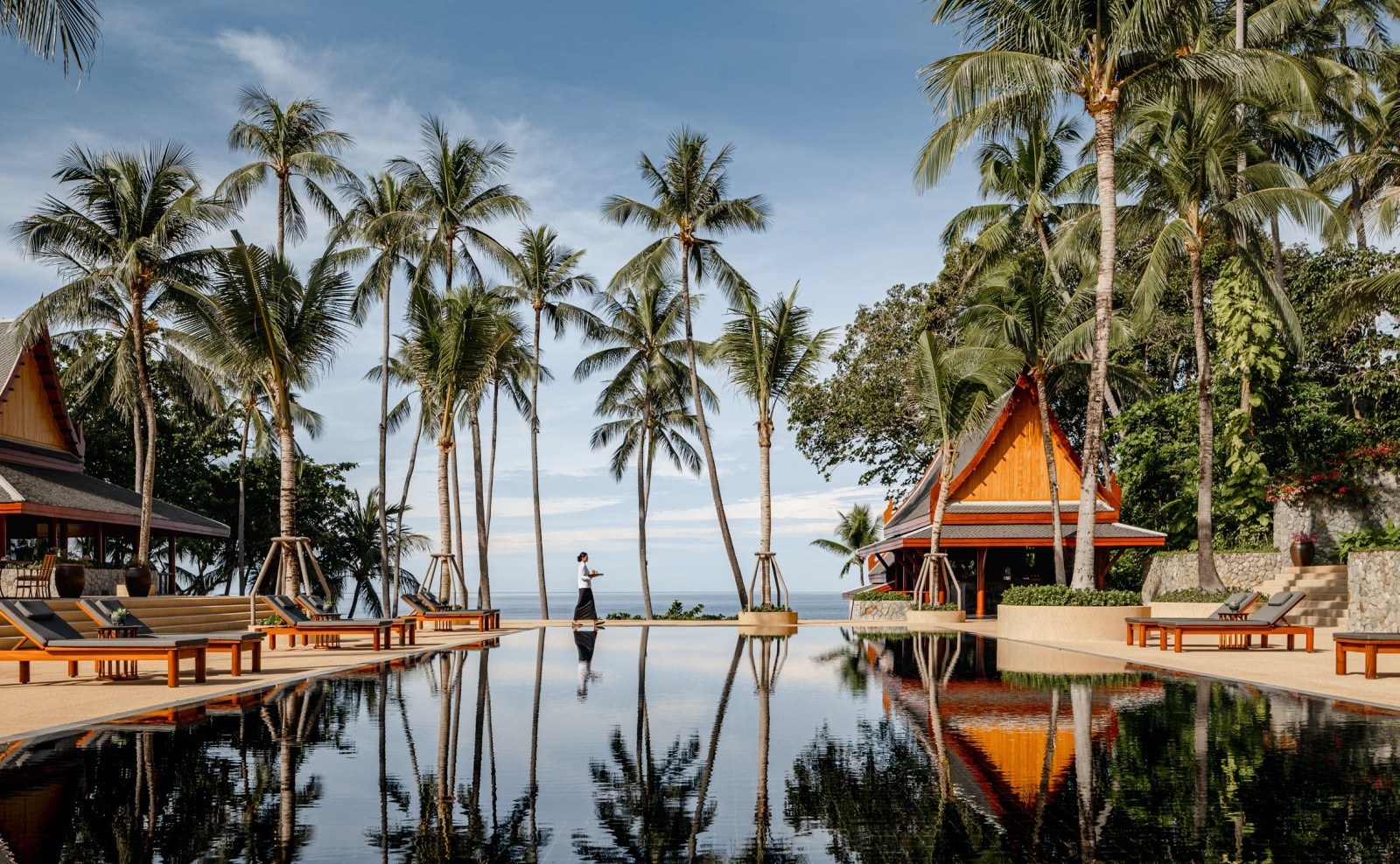
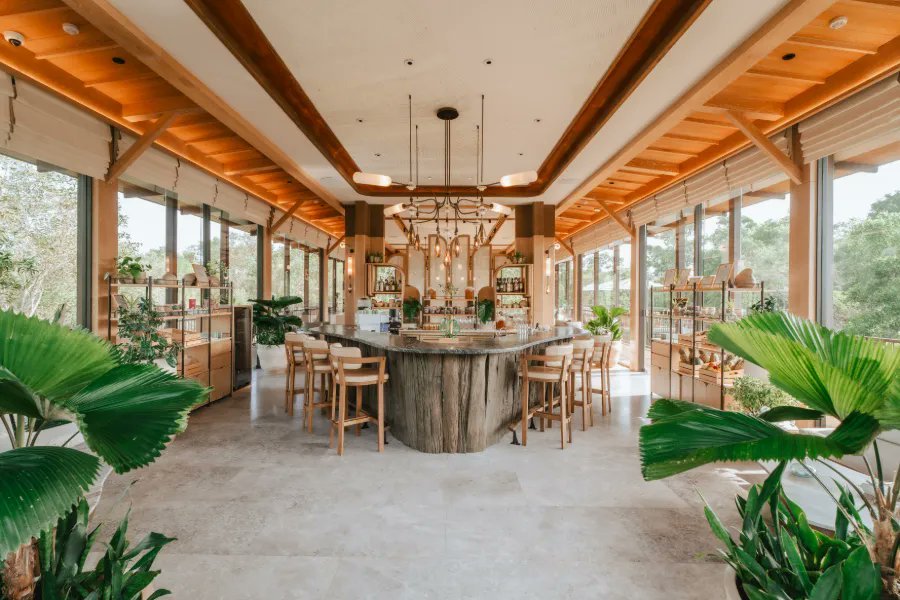
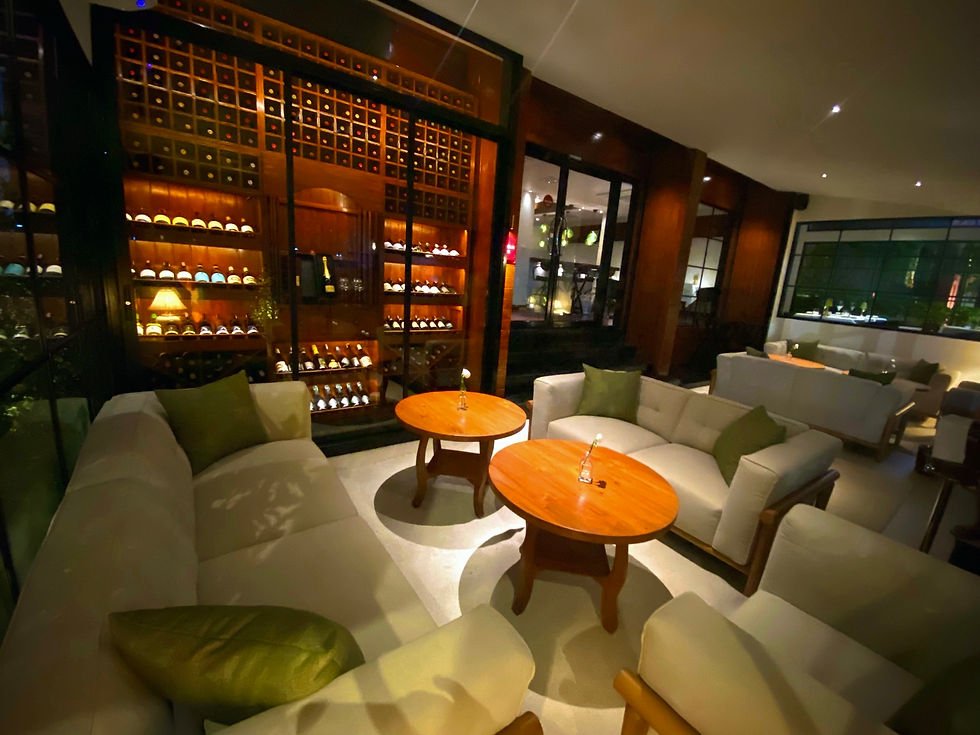
Serene tropical oasis with lush greenery, tranquil lighting, and holistic wellness atmosphere promoting relaxation and rejuvenation.
Tags
Vibe
Best For
Experience
Amenities
View
Accessibility
About the Stay
- Rooms
- 218
- Property Style
- Luxury All Pool Villa Resort with Thai Inspired Private Villas Amid Tropical Gardens and Lagoons.
- Design Style
- Thai Architecture Featuring Teak Wood, Silk Drapes, Marble Bathrooms, and Lush Garden Settings.
- Pool
- Yes
- Spa
- Yes
- Families
- Welcome
Know before you go
Know Before You Go
- Getting there
- 33 Srisunthorn 33/27 Cherngthalay Tambon Choeng Thale, Thalang District, Phuket 83110, Thailand
Planning details
Location
33 Srisunthorn 33/27 Cherngthalay Tambon Choeng Thale, Thalang District, Phuket 83110, Thailand · Directions
Recognition and awards

Also consider
Where to look if this is not the right fit
If Banyan Tree Phuket feels too resort-heavy, try The Pavilions Phuket for a quieter couples' angle. If the trip needs more residential space, compare Layan Residences by Anantara before deciding.
Hotel context
How it compares in Phuket
Banyan Tree Phuket is the safer service-led choice among these Phuket peers: choose it when staff handling, resort calm, and a more established luxury setup matter. Movenpick Resort Bangtao Beach is the more practical family-and-beach comparison if value and a simpler resort format are the priority.
The Pavilions Phuket is a better fit for couples who want a quieter hideaway feel, while Banyan Tree Phuket makes more sense for travelers who want a fuller resort infrastructure. Twinpalms Tented Camp Phuket is the more distinctive choice on ambiance, but it is less of a conventional resort answer.
For Anantara loyalists, compare closely with Layan Residences by Anantara and Anantara Layan Phuket Resort. The Anantara options are stronger if residential space or brand familiarity drives the decision; Banyan Tree Phuket is the pick when the stay should feel like a managed luxury resort rather than a residence-led setup.
Explore Phuket
Around this place
Discover more on Pearl
Unlock the full Banyan Tree Phuket guide in Pearl, including awards, comparisons, FAQs, planning details, and nearby places.
Compare Banyan Tree Phuket
| Venue | Location | Awards |
|---|---|---|
| Banyan Tree Phuket | Phuket | 2026 Great Hotels of the World Collection2026 Virtuoso Luxury Hotel Collection |
| Movenpick Resort Bangtao Beach | Phuket | No published awards |
| The Pavilions Phuket | Phuket | 2026 Michelin 1 Key2025 Michelin 1 Key |
| Twinpalms Tented Camp Phuket | Phuket | 2025 Michelin Selected HotelsSmall Luxury Hotels Member 2025 |
| Layan Residences by Anantara | Phuket | No published awards |
| Anantara Layan Phuket Resort | Tambon Choeng Thale | 2026 Travel + Leisure 100 Favorite Hotels in the World · #81Star Wine Lists 20262026 Virtuoso Luxury Hotel Collection2026 La Liste Top Hotels2025 Michelin Selected Hotels |







How Banyan Tree Phuket compares with similar nearby venues.
FAQ
Frequently Asked Questions
Is Banyan Tree Phuket family-friendly?
Banyan Tree Phuket is in Phuket, but travelers should confirm current room options, policies, and any family-focused services directly with the property before booking.
When is the best time to book Banyan Tree Phuket?
If you are considering Banyan Tree Phuket, confirm current availability, rates, and cancellation terms directly. Its confirmed credentials include Great Hotels of the World GHOTW Collection Member and Virtuoso Luxury Hotel Partner status.
Is Banyan Tree Phuket good for business travel?
Banyan Tree Phuket is in Phuket, and travelers should confirm meeting needs, workspace requirements, transport logistics, and current services directly with the property.
How is the pool and spa at Banyan Tree Phuket?
If those facilities are central to your stay, confirm the current offering directly with Banyan Tree Phuket before booking. For comparison, travelers may also review nearby options such as Layan Residences by Anantara.