


Anna and Bel
Fishtown, Philadelphia
Hotel in Philadelphia, United States
 Book with Pearl
The Read
Adaptive Reuse Hospitality
Price
$300–500per night
Why go
Anna and Bel is the Philadelphia pick for travelers who want a Fishtown boutique stay with serious recent recognition, including Michelin 1 Key in 2025. Book it for neighborhood character and hotel atmosphere; cross-shop Center City or Old City if loyalty benefits, corporate convenience, or a restaurant-led stay matter more.
About Anna and Bel
For a trip to Philadelphia, Anna and Bel is best assessed for its recent hotel recognition and smart-casual dress code. That gives the hotel a clear reason to be on a shortlist, but it does not settle every practical question that can determine whether a stay works smoothly. Travelers should confirm current booking details directly before deciding whether the hotel is the right fit for a specific itinerary.
The safest read is practical rather than over-specific. Use the recognition as a signal of interest, not as a substitute for checking the details that matter to your own trip. If sightseeing, meetings, or a particular Philadelphia itinerary drives the schedule, compare the fit against Lokal Hotel Old City, Thomas Bond House, or options in our full Philadelphia hotels guide.
Book for the recognized hotel stay, not an assumed checklist
The recognition changes the decision: Anna and Bel has a Michelin 1 Key in 2025, was named to Esquire Best New Hotels in 2025, and was a runner-up in the National Geographic Hotel Awards in 2025. That makes it a notable hotel option in Philadelphia for travelers who care about recent recognition and who are actively looking for a stay with outside validation. Because practical details can shape the stay, guests should confirm anything essential before booking, especially if the stay needs to satisfy a specific routine, comfort requirement, or schedule.
For comparison shopping, Lokal Hotel Fishtown and Lokal Hotel Old City are natural cross-shops for independent Philadelphia lodging, while Wm. Mulherin's Sons is another Philadelphia option to consider. Those comparisons are useful because they keep the decision grounded in actual trip needs rather than the halo of recognition alone. Anna and Bel makes the most sense when its recognition is part of the draw and the traveler is comfortable checking the remaining stay details directly. For dining-specific planning, use our full Philadelphia restaurants guide rather than assuming any hotel dining should anchor the trip.
Who should choose it over a conventional Philadelphia hotel
Choose Anna and Bel if a Philadelphia hotel with 2025 recognition is more important than having every amenity or service detail settled in advance. It is best approached by travelers who are comfortable doing a final layer of due diligence before committing. Travelers with strict requirements should be more selective: it can work if the hotel's recognition and basics match the trip, but details such as room setup, services, and booking conditions should be checked through official channels.
The practical verdict: book it when the recognition and Philadelphia setting are enough of a reason to investigate further. Cross-shop harder if the stay depends on loyalty benefits, a specific room category, or a restaurant-led itinerary. That kind of trip needs fewer unknowns, so any unresolved details matter more. Dress code: smart casual.
Inside Anna and Bel
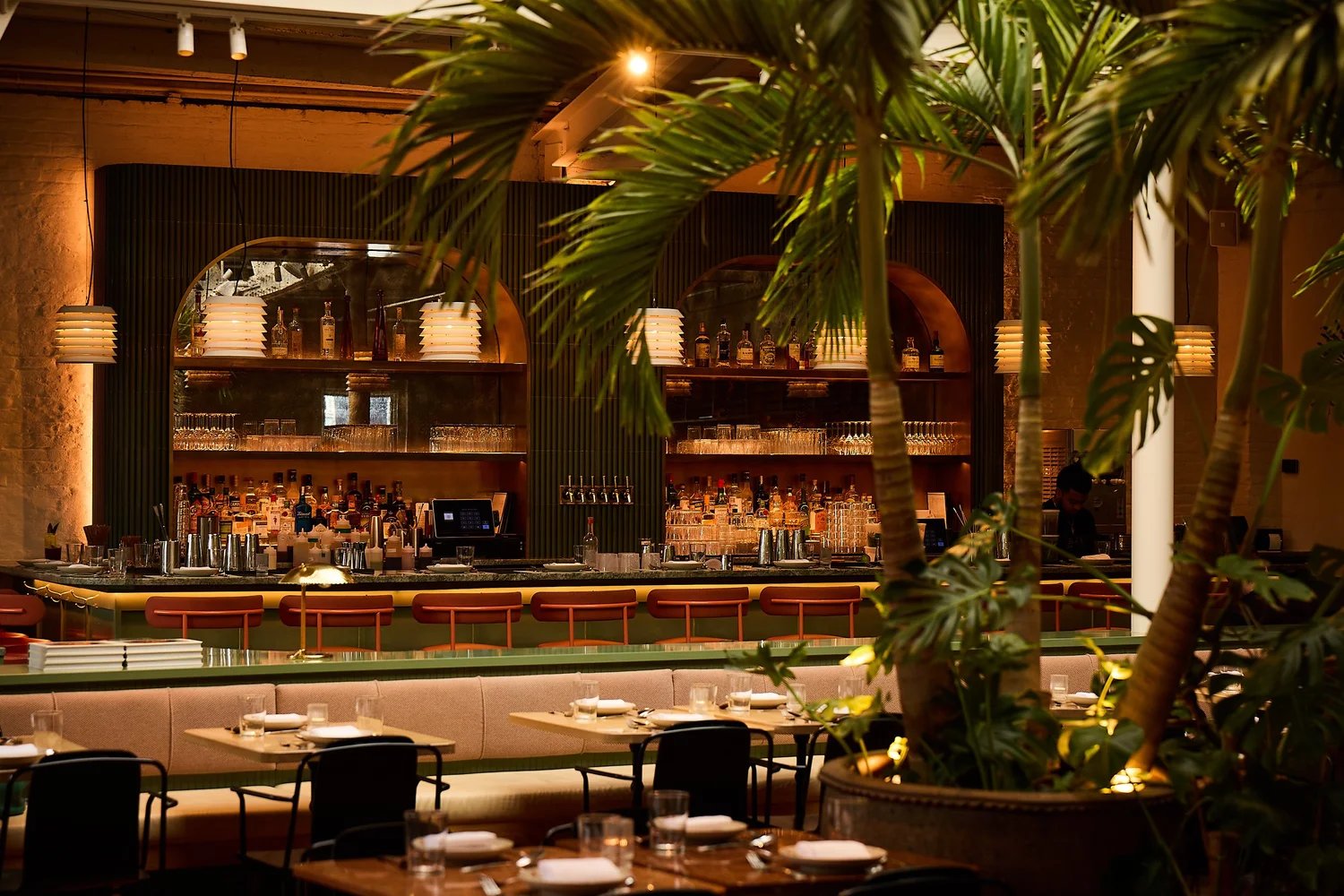
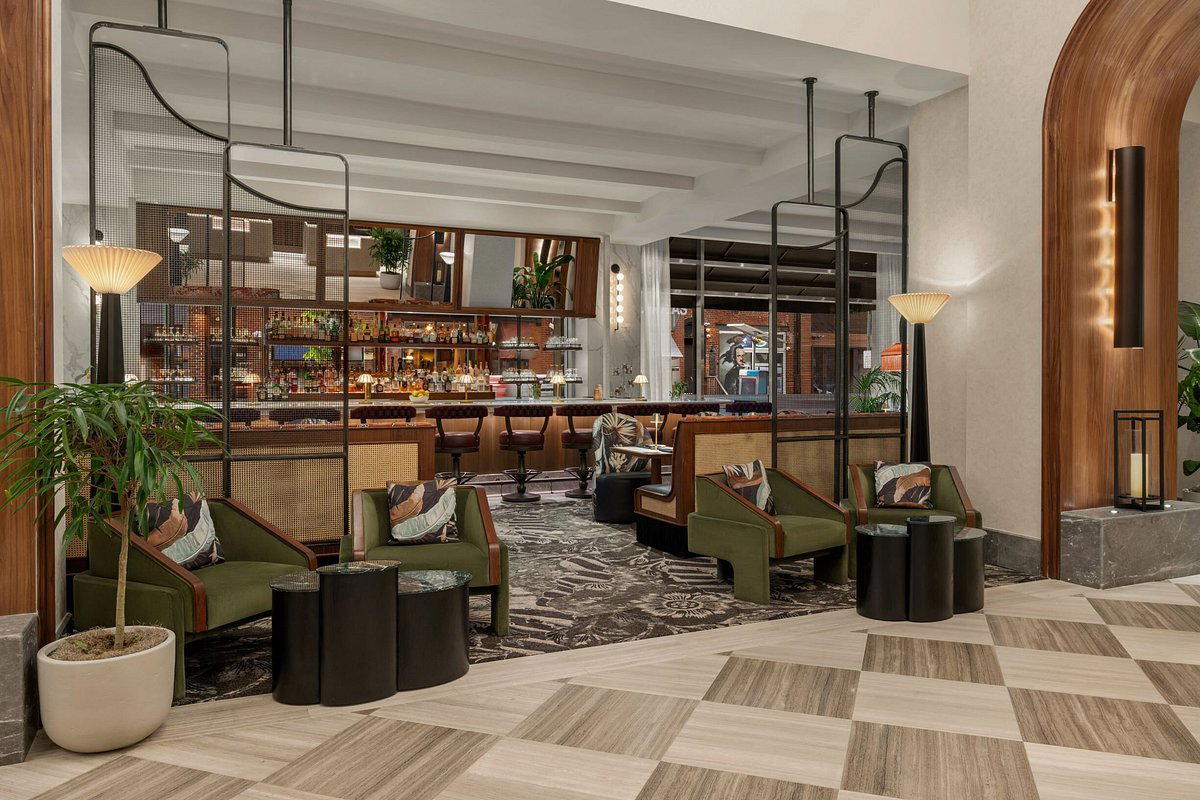 restaurantBastiaA Corsican and Sardinian kitchen in Philadelphia's Fishtown neighbourhood, Bastia landed at number 28 on Esquire's Best New Restaurants list in 2024. Chef Tyler Akin draws from the agrarian and pastoral traditions of two Mediterranean island cuisines, producing food shaped by cured meats, aged cheeses, and legume-driven preparations rather than the generic Mediterranean register most American diners expect.
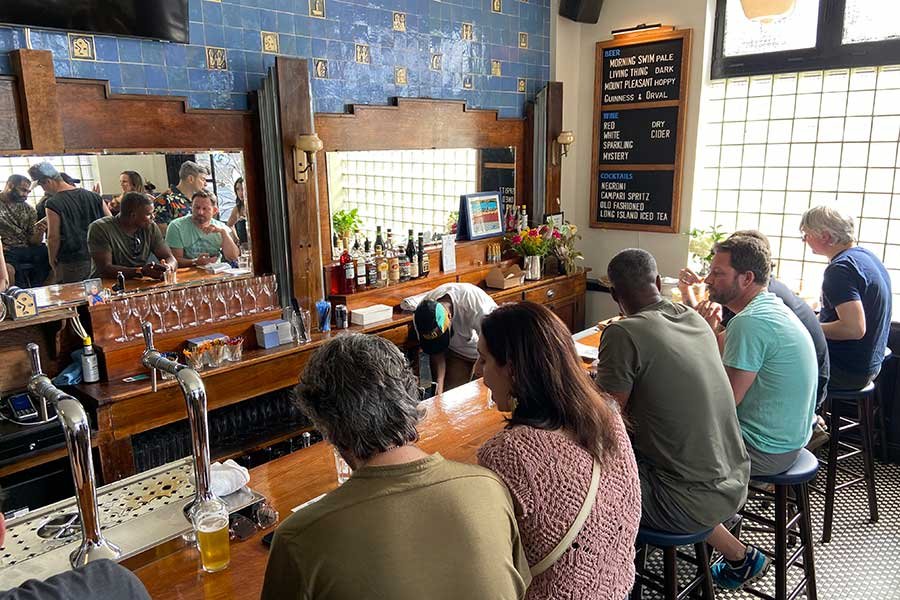
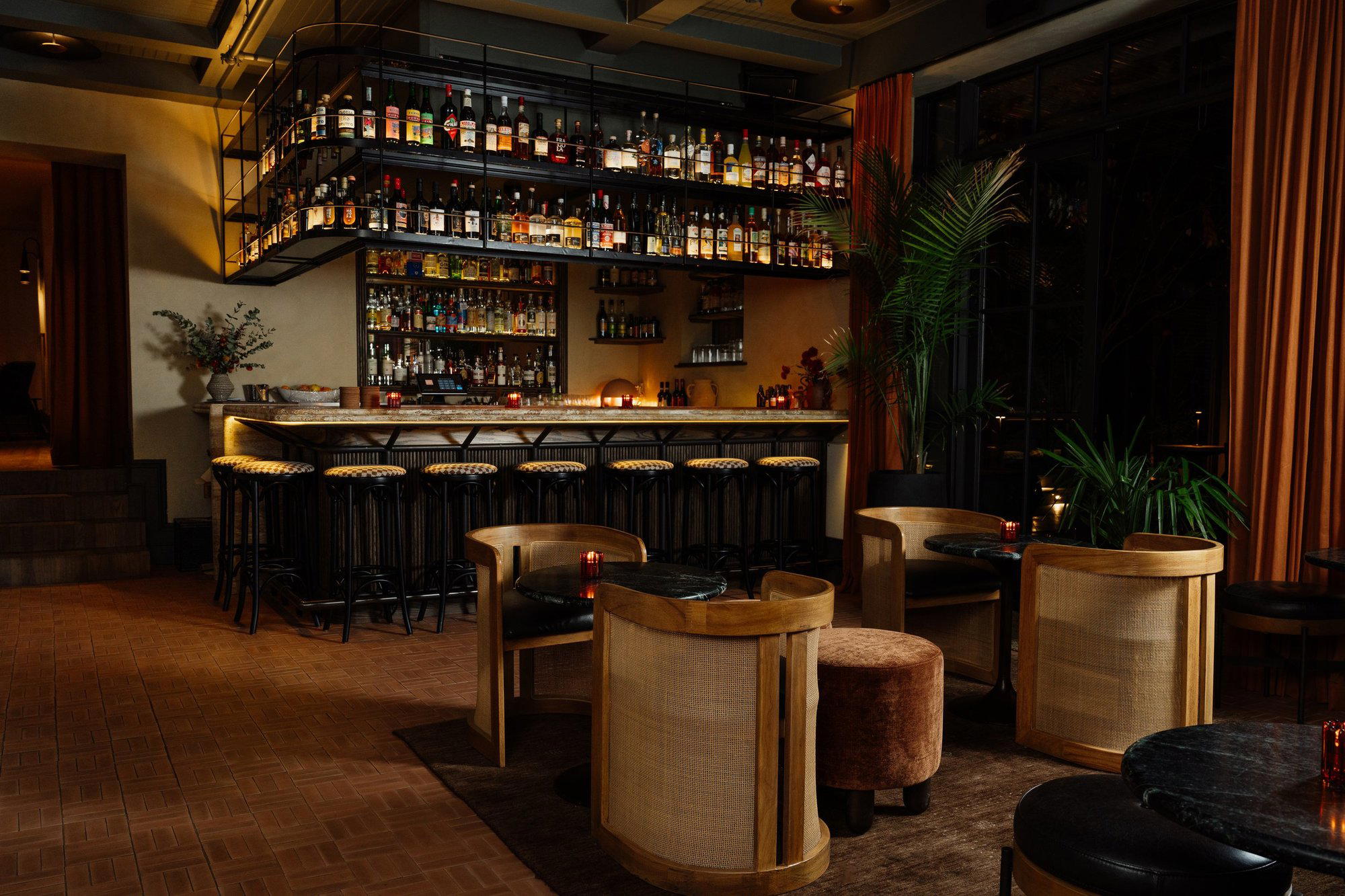 barCalettaCaletta, the Italian cocktail bar and small-plates restaurant at Hotel Anna & Bel, fits dinner or late-night plans that can run leisurely.
Planning details
- Location
- 1401 E Susquehanna Ave, Philadelphia, PA 19125
- Website
- annaandbel.com
- Phone
- +1 267-682-8253
The take
The Take
The Vibe
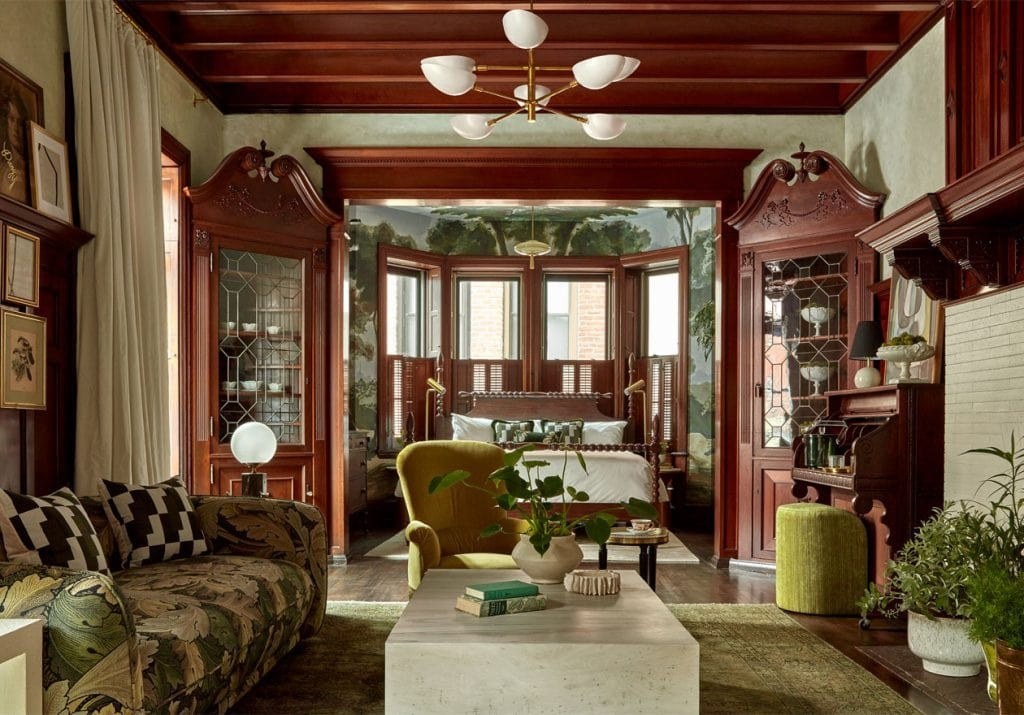
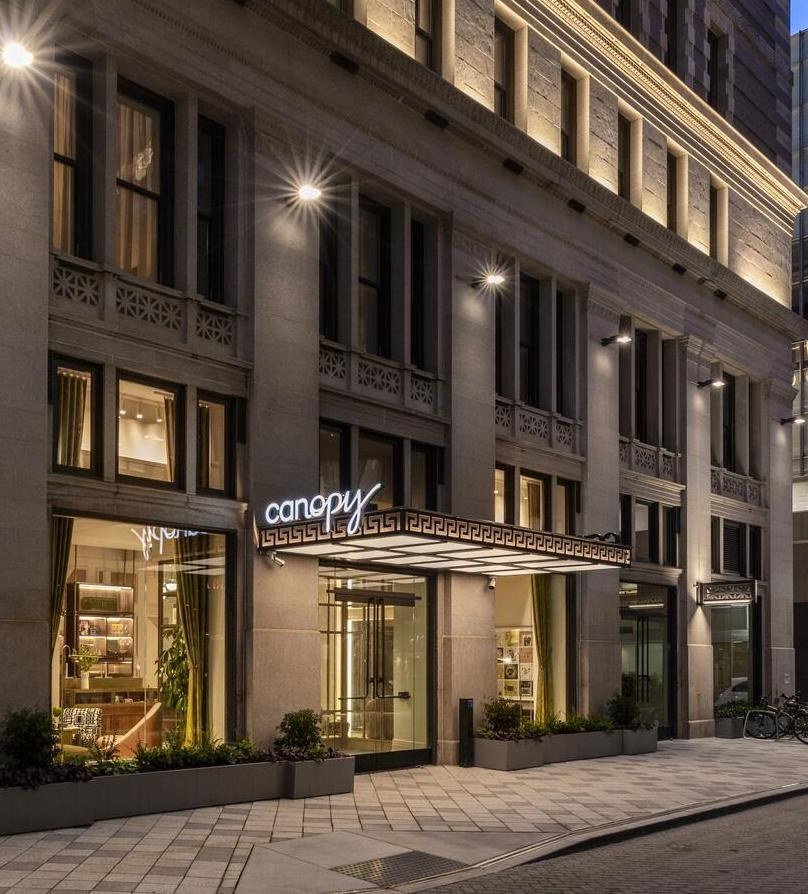
Anna and Bel lives in the intersection between institutional history and pared-back contemporary design. Housed in a restored red brick asylum-turned-retirement community, the 50-room boutique hotel foregrounds its building fabric—the masonry, scale and civic bones—while outfitting interiors in a warm, minimalist register that mixes modern and antique pieces. The result reads as deliberate and restrained rather than decorative: guests feel the weight of the site’s past alongside carefully considered, hospitality-focused interventions. The property positions itself as a modestly design-forward anchor for Fishtown rather than an overwrought spectacle, favoring texture, material honesty and an intimate boutique scale.
Best For
This is a strong pick for travelers who want a neighborhood hotel that feels like a thoughtful, small-scale alternative to downtown big-box options. It suits visitors who prioritize adaptive-reuse credentials and material sustainability, couples seeking a quietly curated romantic escape, and weekend visitors who want direct access to Fishtown’s restaurants and retail without staying in the city center. The hotel’s 50-room scale and restored red-brick presence also make it appealing to design-minded guests who prefer boutique character and building-driven authenticity over generic new construction.
Venue details
Ambiance
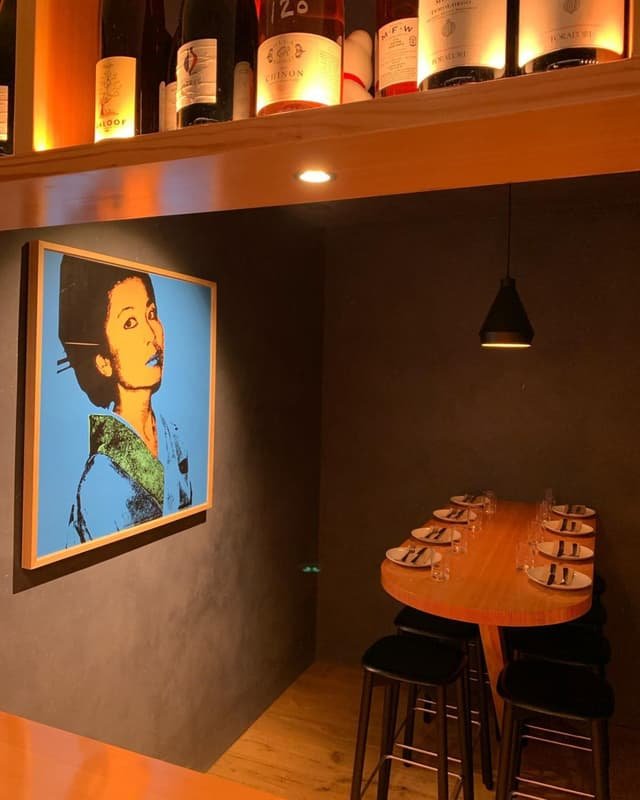
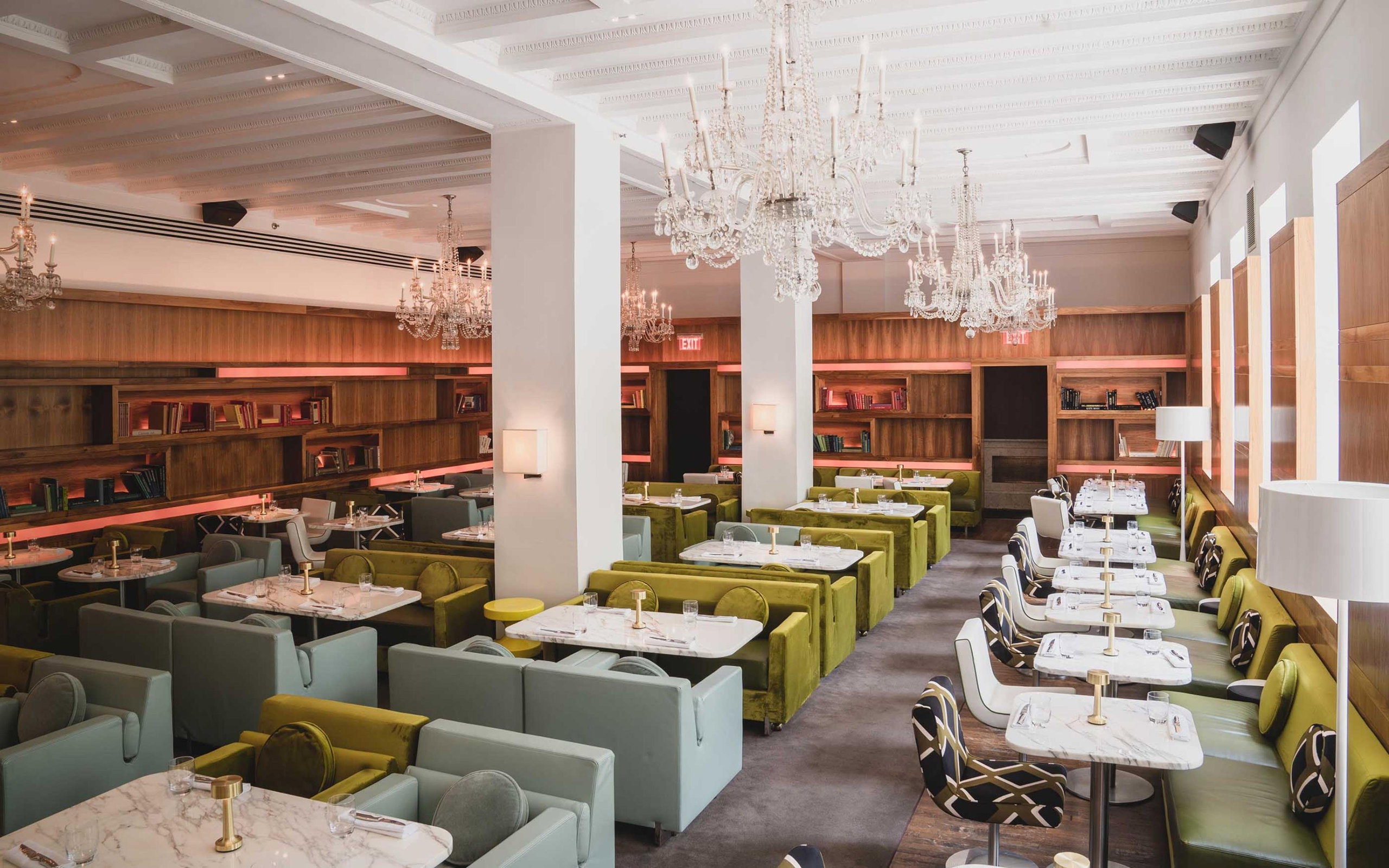
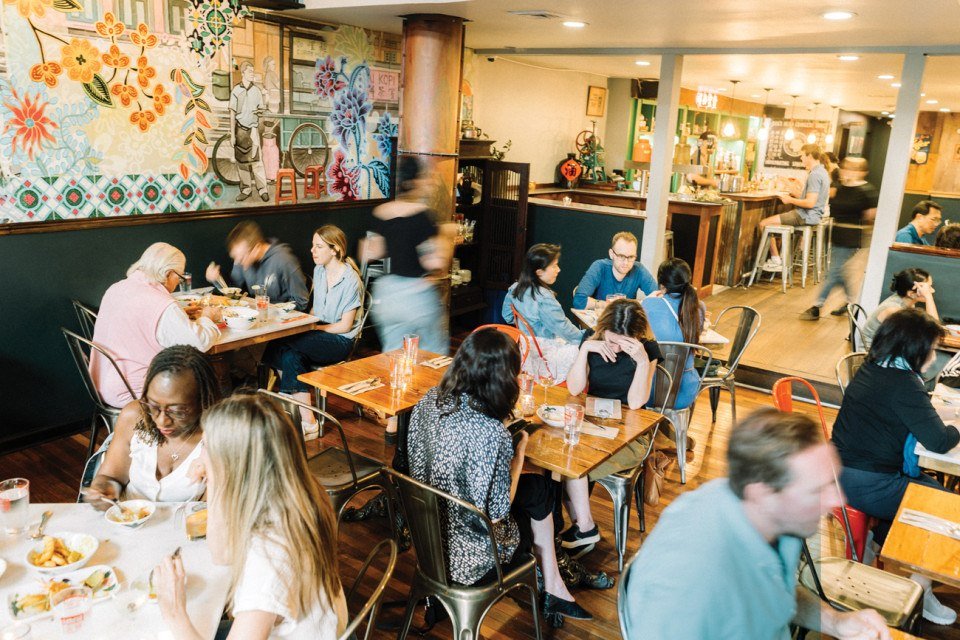
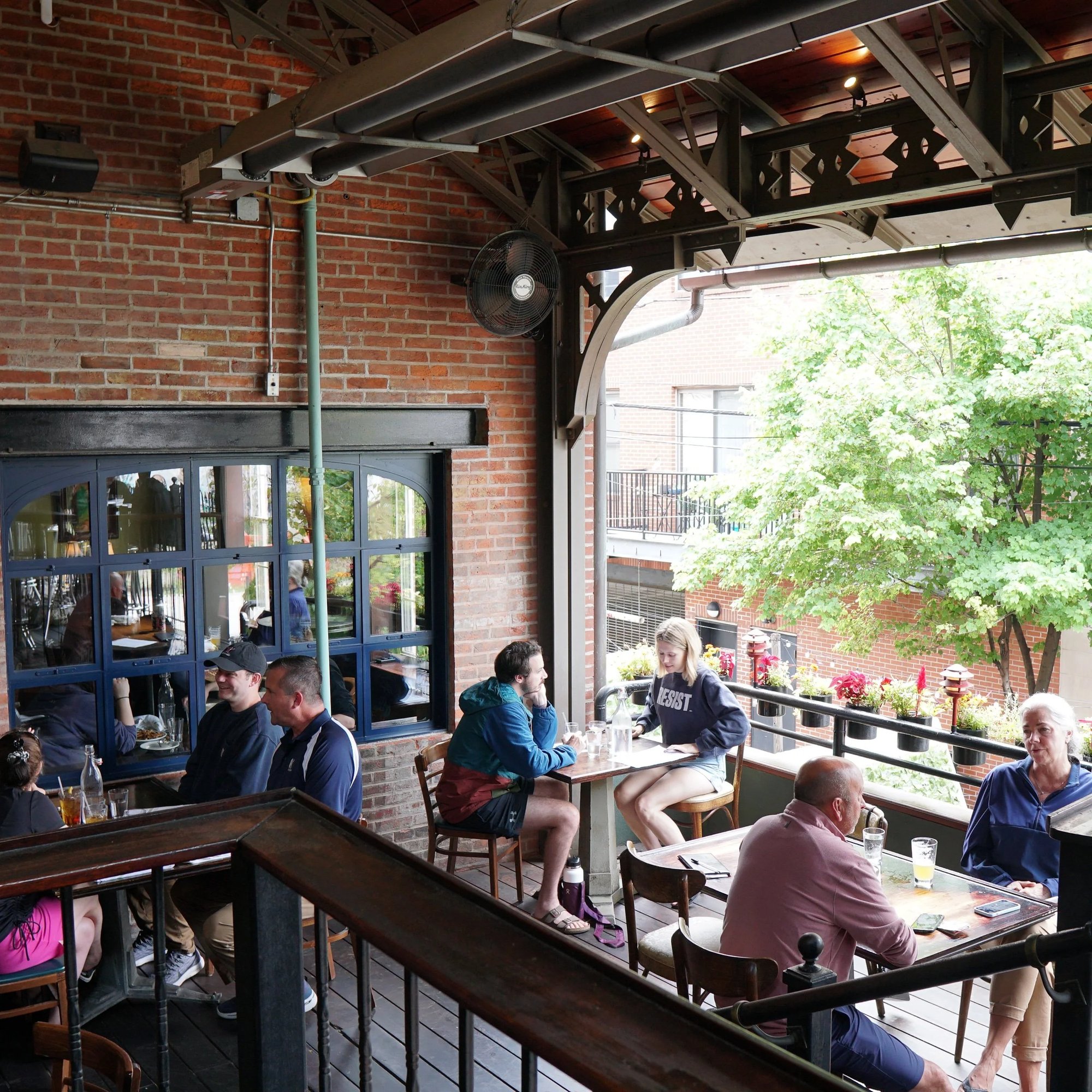
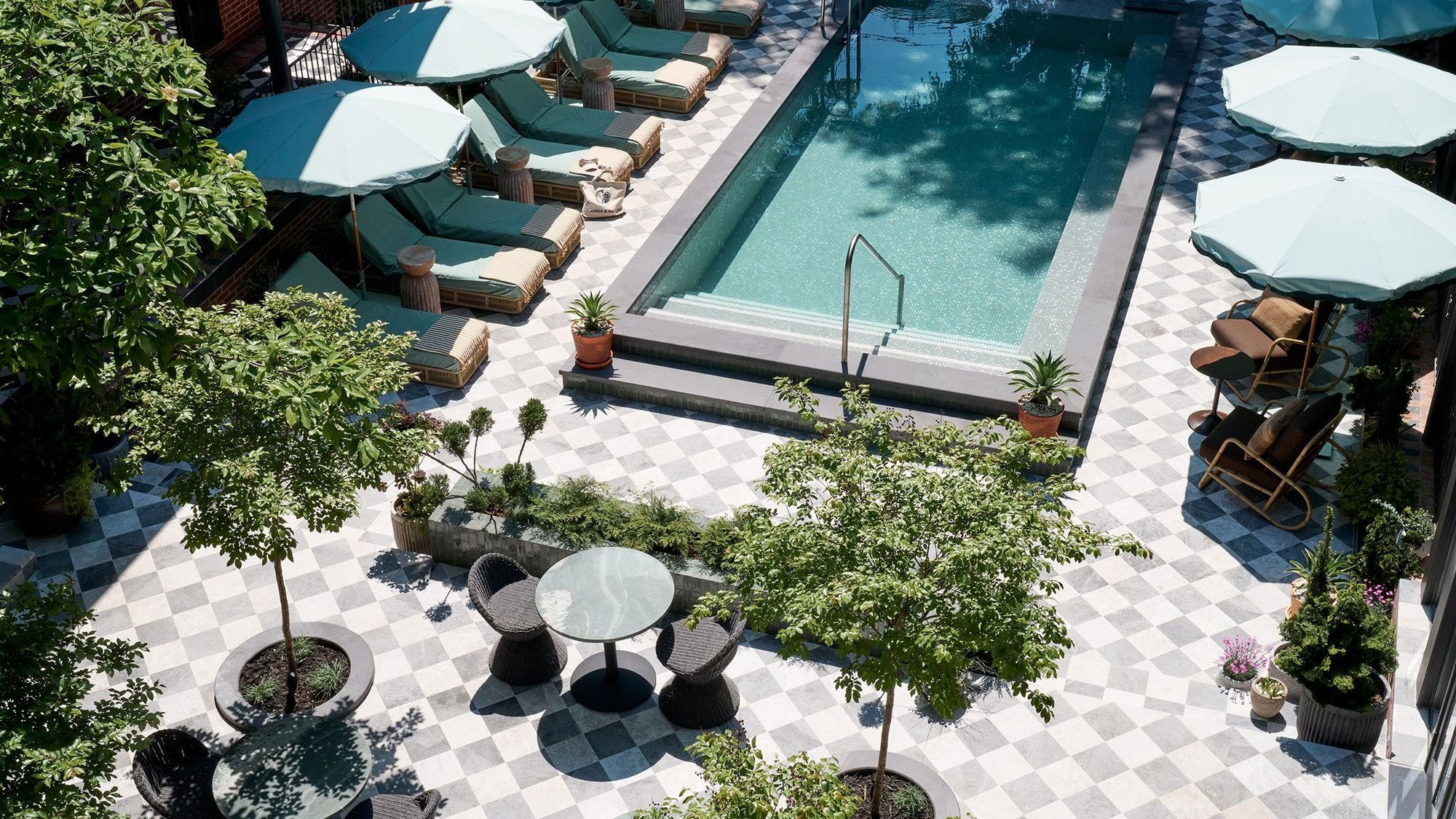
Warm minimalist design blending modern and antique elements, with exposed brick, wood beams, and a peaceful courtyard oasis.
Tags
Vibe
Best For
Experience
Amenities
Accessibility
About the Stay
- Rooms
- 50
- Check-in
- 16:00
- Check-out
- 11:00
- Property Type
- Boutique hotel
- Property Style
- Boutique Hotel in Restored Historic Building
- Design Style
- Warm Minimalist Mixing Modern and Antique
- Pool
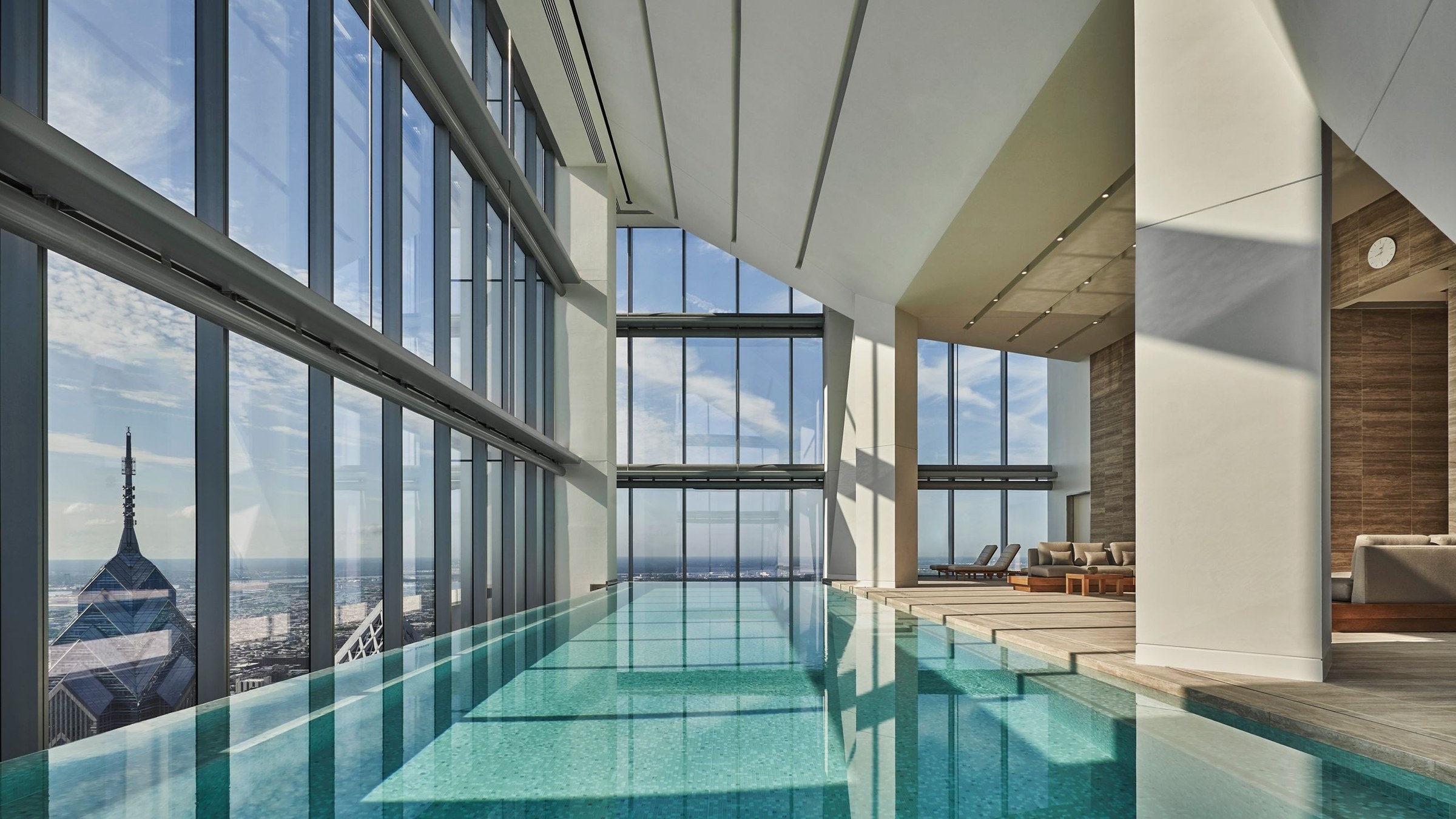
- Yes
- Spa
- Yes
- Pets
- Allowed
Know before you go
Know Before You Go
- Getting there
- 1401 E Susquehanna Ave, Philadelphia, PA 19125
Planning details
Location
Recognition and awards

Also consider
Where to look if dates do not work
If Fishtown is the priority, try Lokal Hotel Fishtown first for a similar neighborhood base, then Wm. Mulherin's Sons if the stay should revolve around dinner.
If the trip needs easier access to historic Philadelphia, cross-shop Lokal Hotel Old City or Thomas Bond House instead.
Hotel context
How it compares in Philadelphia
Against Lokal Hotel Fishtown, Anna and Bel is the more recognition-backed choice, with 2025 hotel awards giving it a stronger case for travelers who want confidence before booking. Lokal Hotel Fishtown is the cleaner fit for independent, apartment-style neighborhood stays; choose Anna and Bel when the hotel itself needs to feel like part of the weekend.
Wm. Mulherin's Sons is the sharper cross-shop if on-site dining is central to the decision, because the hotel-restaurant pairing is its main appeal. Anna and Bel is better for guests who want a broader boutique-hotel experience in Fishtown rather than choosing primarily around dinner. Booking difficulty is harder here, so flexible dates help.
For location, Lokal Hotel Old City and Thomas Bond House make more sense for historic Philadelphia access, while Mint House at The Divine Lorraine Hotel – Philadelphia is the better fit for apartment-style space. Anna and Bel is the stronger choice when Fishtown ambience and award recognition matter more than sightseeing convenience.
Explore Philadelphia
Around this place
Discover more on Pearl
Unlock the full Anna and Bel guide in Pearl, including awards, comparisons, FAQs, planning details, and nearby places.
Compare Anna and Bel
| Venue | Location | Awards |
|---|---|---|
| Anna and Bel | Philadelphia | 2026 Michelin 1 Key2025 Esquire Best New HotelsMichelin 1 Key 2025National Geographic Hotel Awards 20252025 Michelin 1 Key |
| Lokal Hotel Fishtown | Philadelphia | No published awards |
| Wm. Mulherin’s Sons | Philadelphia | No published awards |
| Lokal Hotel Old City | Philadelphia | No published awards |
| Mint House at The Divine Lorraine Hotel – Philadelphia | Philadelphia | No published awards |
| Thomas Bond House | Philadelphia | No published awards |

How Anna and Bel Philadelphia Hotel Review compares with similar nearby venues.
FAQ
Frequently Asked Questions
Do loyalty programs work at Anna and Bel?
Do not assume chain-style loyalty earning at Anna and Bel unless the hotel confirms it directly. The appeal includes its 2025 recognition, including a Michelin 1 Key.
How does Anna and Bel compare to nearby hotels?
Choose Anna and Bel if you want a Philadelphia hotel with recent recognition. Lokal Hotel Fishtown and Lokal Hotel Old City are useful independent-hotel comparisons, while Mint House at The Divine Lorraine Hotel – Philadelphia is another Philadelphia option to weigh depending on the kind of stay you want.
Is Anna and Bel good for business travel?
When is the best time to book Anna and Bel?
Book when your Philadelphia dates are firm and after confirming the current booking terms. Its 2025 recognition includes a Michelin 1 Key, and availability and pricing should be checked for your dates.
Is Anna and Bel family-friendly?
Anna and Bel may work for some travelers seeking a Philadelphia base. Travelers who need more space, particular room setups, or a more traditional service model should confirm details directly and compare with options such as Mint House at The Divine Lorraine Hotel – Philadelphia.
Which room category is best at Anna and Bel?
Review the hotel's current booking information before choosing. If you are comparing Anna and Bel with Lokal Hotel Old City or Thomas Bond House, focus on the room details that matter most for your trip and confirm them through official channels.