

The Sarojin Thailand
Khao Lak, Phang Nga
Hotel in Phang Nga, Thailand
 Book with Pearl
The Read
Andaman Coast Seclusion
Why go
The Sarojin Thailand is the Phang Nga pick for travelers who want a quieter, service-led boutique stay rather than a large resort complex. Book it for a couple-focused Andaman coast trip with strong external recognition; cross-shop larger or more program-heavy hotels if loyalty benefits, family infrastructure, or easier availability matter more.
About The Sarojin Thailand
The Sarojin Thailand is a Phang Nga hotel with several recognition signals: Michelin 2 Keys (2024), World Travel Awards 2025 Leading Boutique Hotel, and the Mr & Mrs Smith Seal of Approval (2026). Those are the strongest reasons to put it on a shortlist, especially for travelers comparing premium hotel options.
The dress code is smart casual. Beyond that, details for rates, room count, restaurant format, cuisine, chef, facilities, service style, or specific programming are not available, so the best way to evaluate the property is through its awards and direct information from the hotel.
A Phang Nga stay with recognition
The clearest booking case is external recognition. Michelin 2 Keys (2024) is a strong hotel signal, while World Travel Awards 2025 identifies The Sarojin Thailand as a Leading Boutique Hotel. The Mr & Mrs Smith Seal of Approval (2026) adds another marker for travelers who prefer independently assessed hotel options.
Because details are limited, avoid making the decision based on assumptions about dining, wellness, activities, family amenities, or beach setup. If any of those details matter to the trip, confirm them directly with the hotel before booking.
What to do differently on a return visit
For a repeat trip to Phang Nga, use the hotel as one part of a broader itinerary and confirm the details that matter most before committing. If dining is a deciding factor, use a full Phang Nga restaurants guide alongside the hotel decision; details for a specific cuisine, chef, restaurant format, or meal service are not available.
If you are comparing premium stays, consider The Sarojin Thailand alongside Devasom Khao Lak Beach Resort & Villas, Casa de La Flora, Cape Pakarang Wow Wild Wellness Escapes, and JW Marriott Khao Lak Resort & Spa. Keep the comparison focused on your needs, then check each property's current official information for availability, facilities, and booking terms.
Planning details
- Location
- 60, Tambon Khuekkhak, Amphoe Takua Pa, Chang Wat Phang-nga 82220
- Website
- sarojin.com
- Phone
- +66 76 427 900
The take
The Take
The Vibe
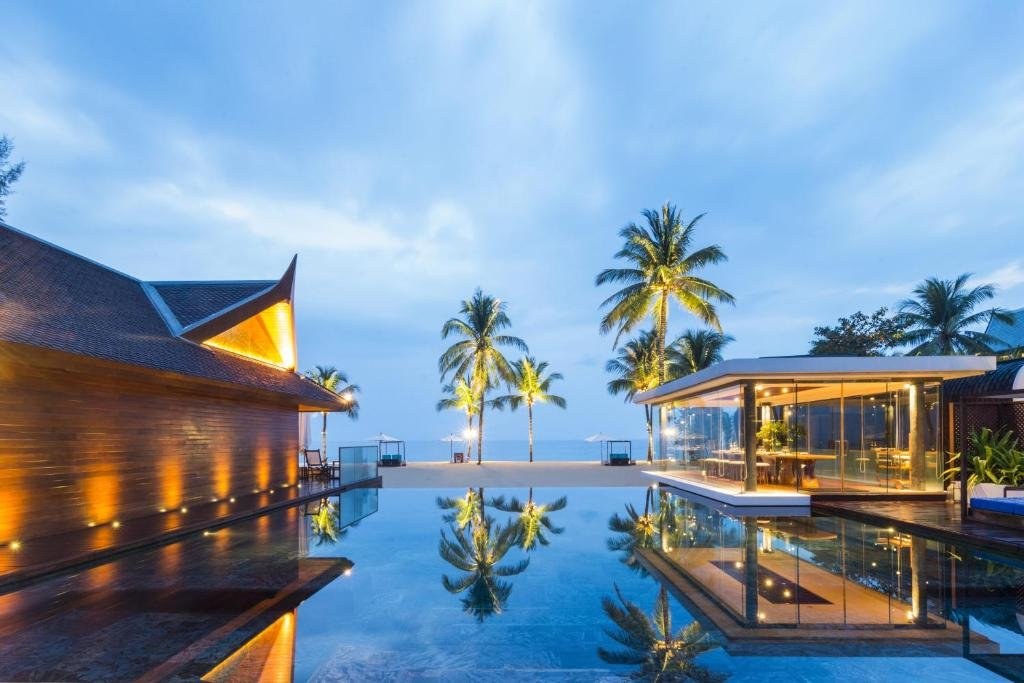
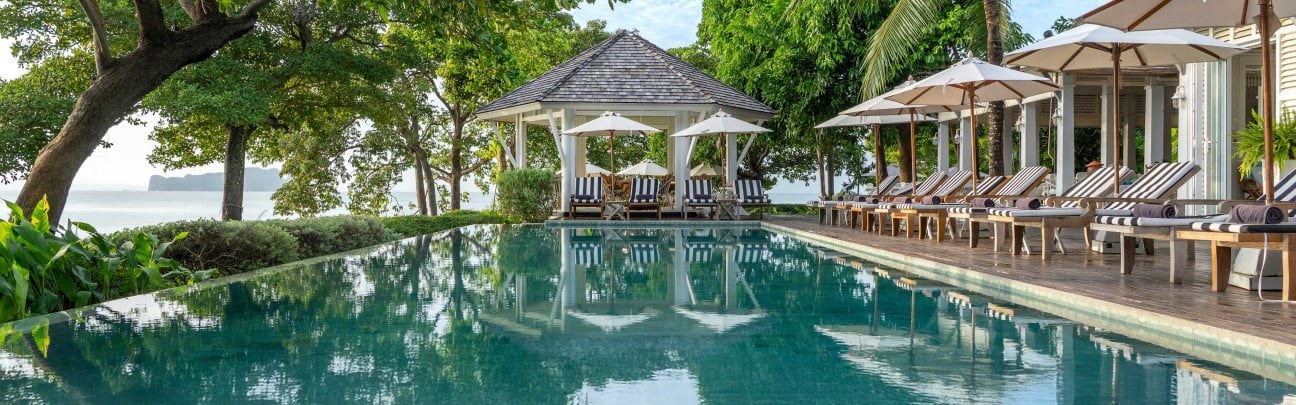
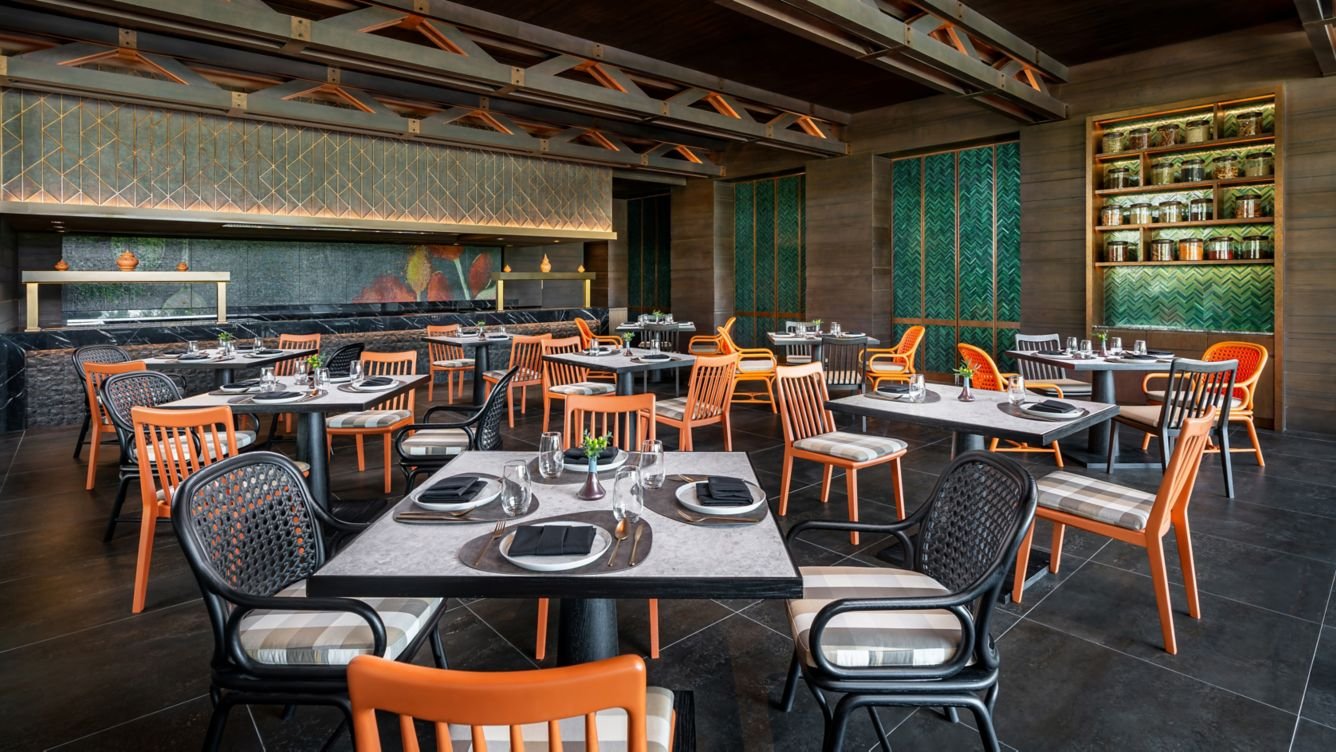
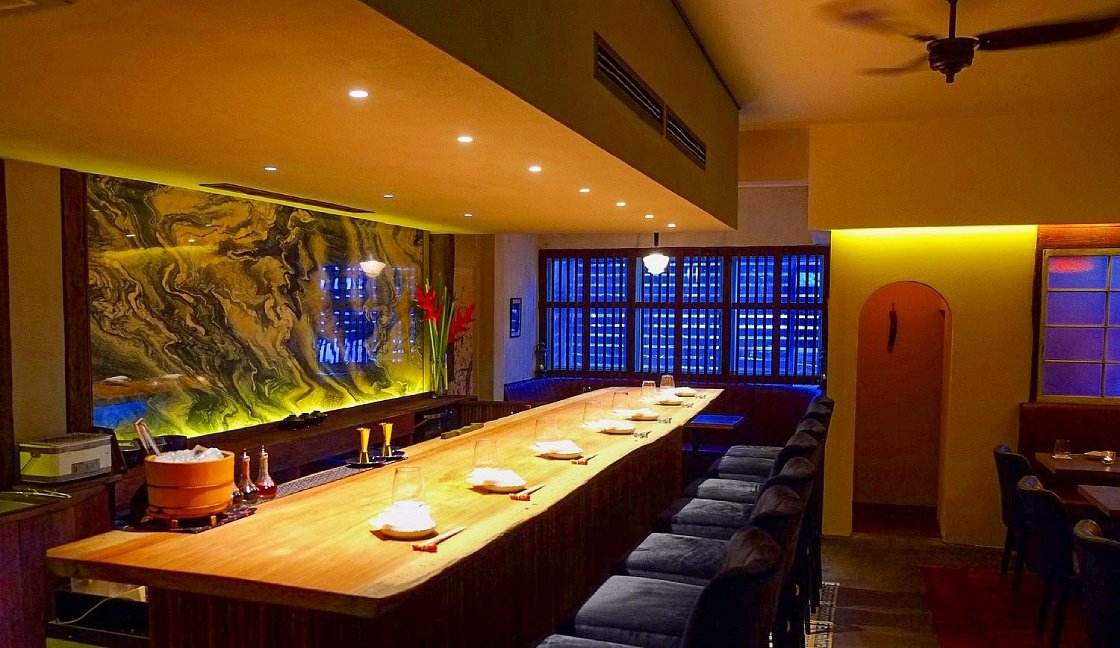
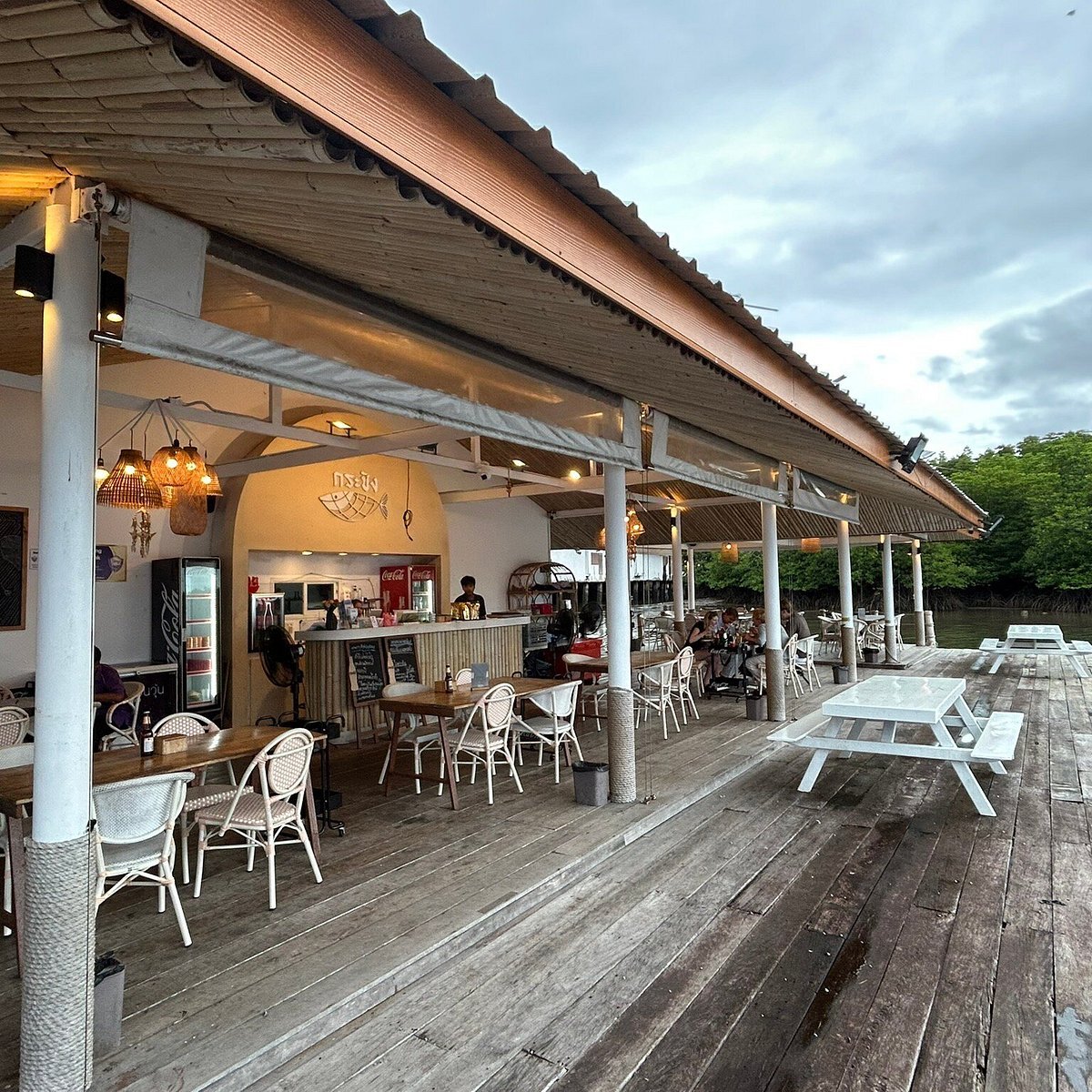
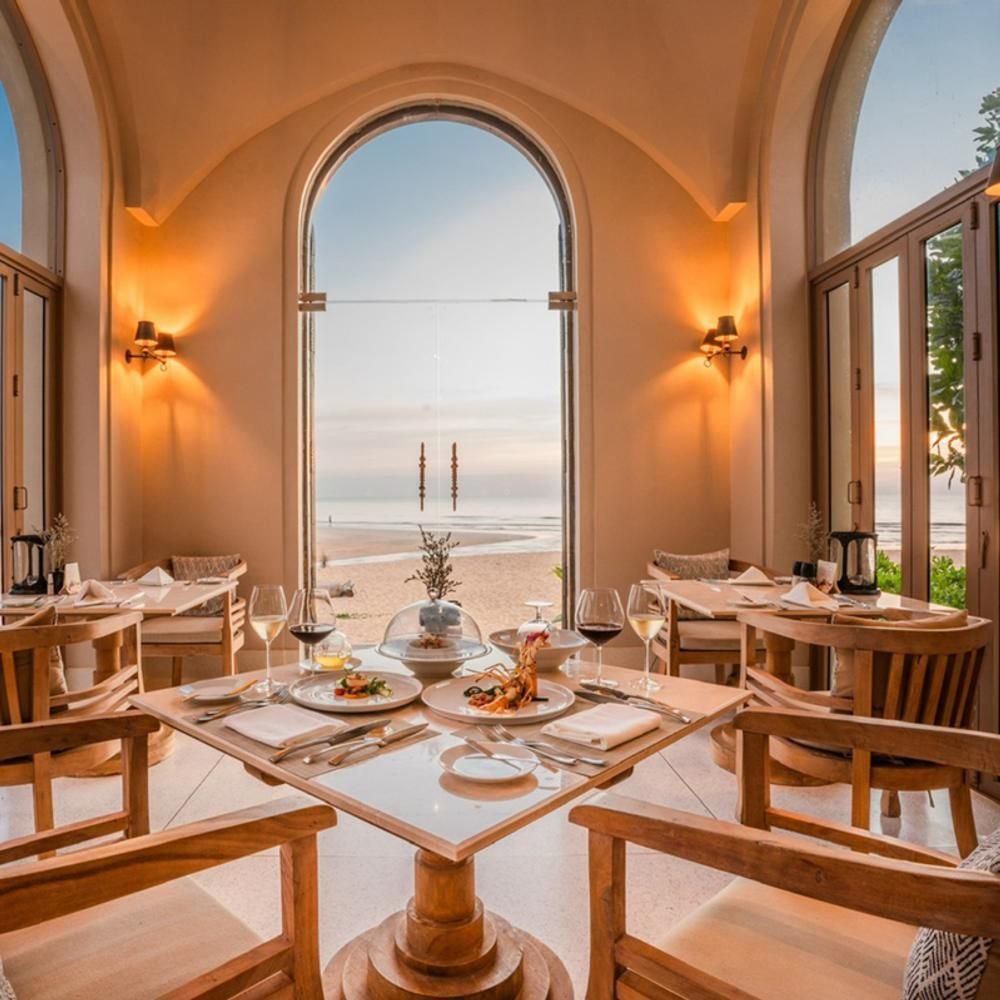
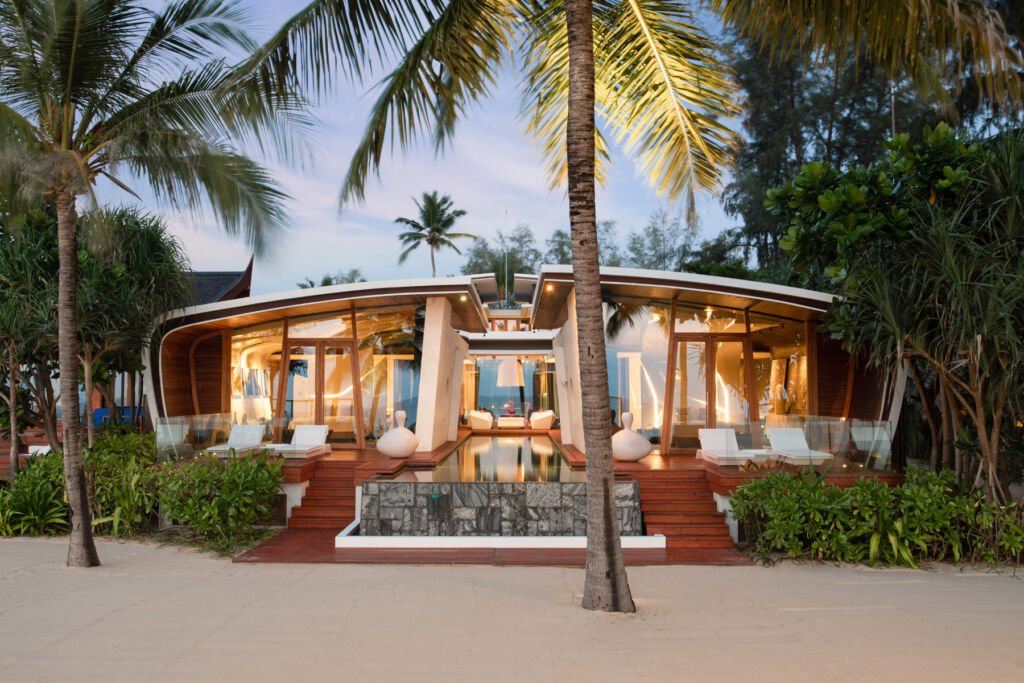
The Sarojin positions itself as a quietly refined coastal retreat. It trades spectacle for restraint, orienting its architecture around an ancient ficus tree rather than exclusively toward ocean sightlines. Materials are predominantly local, and the property’s 56-room boutique scale reinforces a sense of rootedness and intimacy. Long, empty stretches of white sand and a lagooned setting make the resort feel removed from the busier resort strips to the south. Overall the tone is serene and sophisticated — a deliberately modest, design-led luxury that foregrounds place and calm over scale and showmanship.
Best For
This hotel is best for travelers seeking a secluded, intimate escape on the Andaman Coast. The long, quiet beach and small, design-focused scale make it an excellent choice for honeymooners, couples celebrating anniversaries or anyone looking for a romantic getaway. The restrained, restful atmosphere and grounding natural setting also suit weekend escapes and wellness-minded stays where peace and privacy matter. Because the resort emphasizes rootedness and low-key luxury, it appeals most to guests who prioritize solitude, thoughtful design and a strong sense of place.
Stay Tips
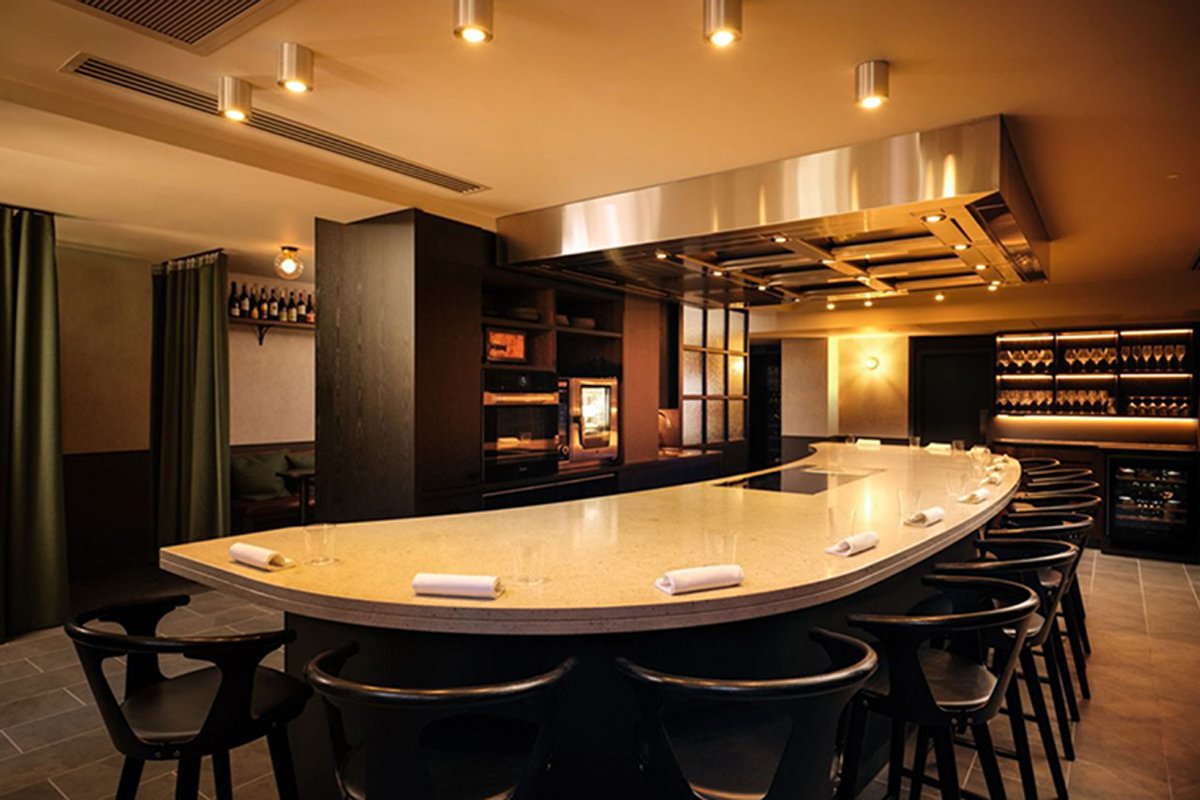
Dine at The Ficus to experience the property’s singular design choice: the ancient ficus tree whose canopy forms the restaurant’s roof. The description highlights that restaurant as a central element of the grounds, so plan at least one meal there to soak in the setting. Take advantage of the long, uncrowded stretch of beach for contemplative walks before or after meals — the coastline’s quietness is one of the resort’s defining draws. Reservations or specific meal times are not detailed in the text; this tip sticks to the venue features explicitly described.
Venue details
Ambiance
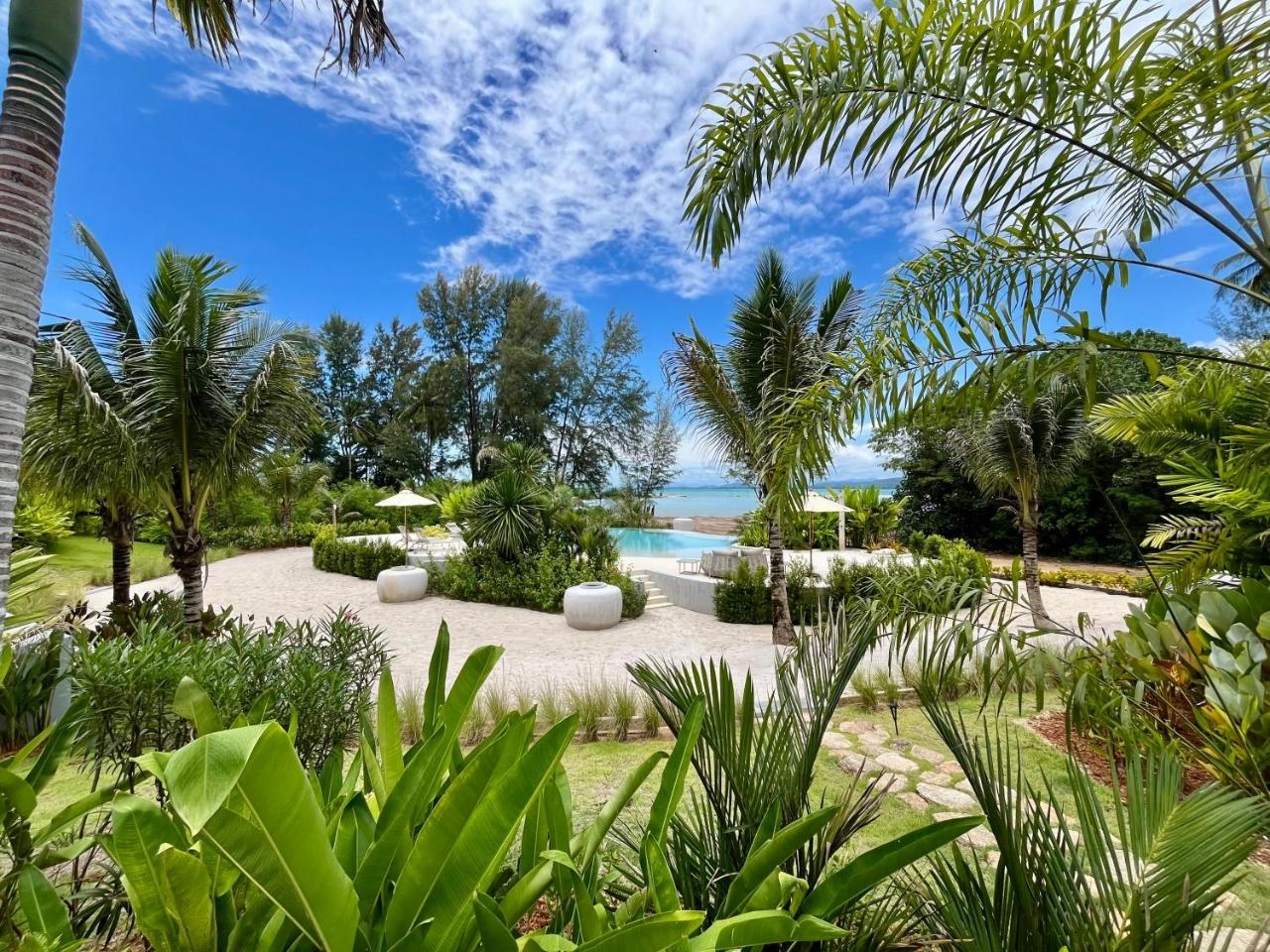
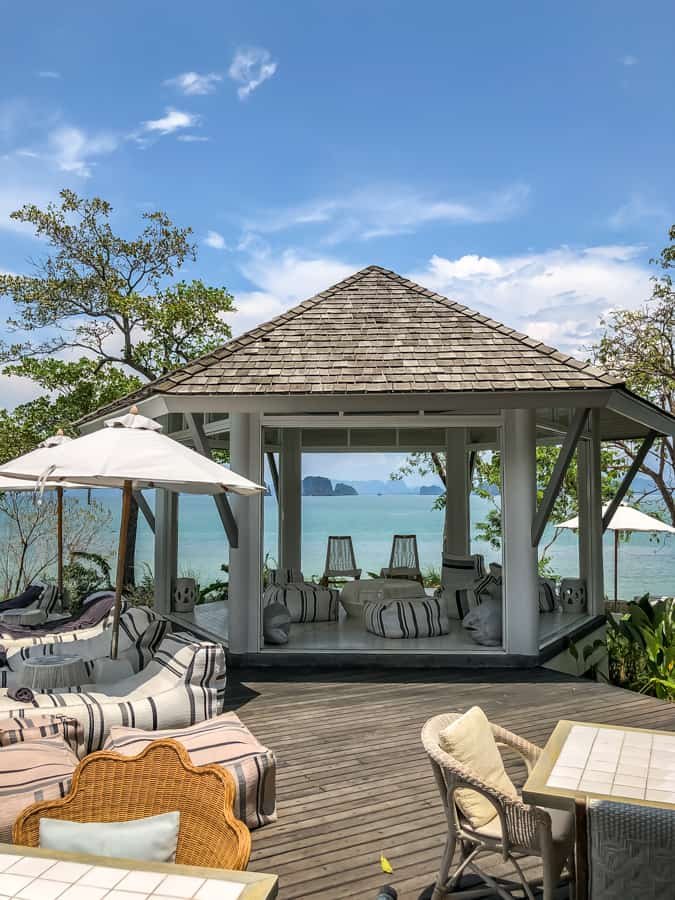
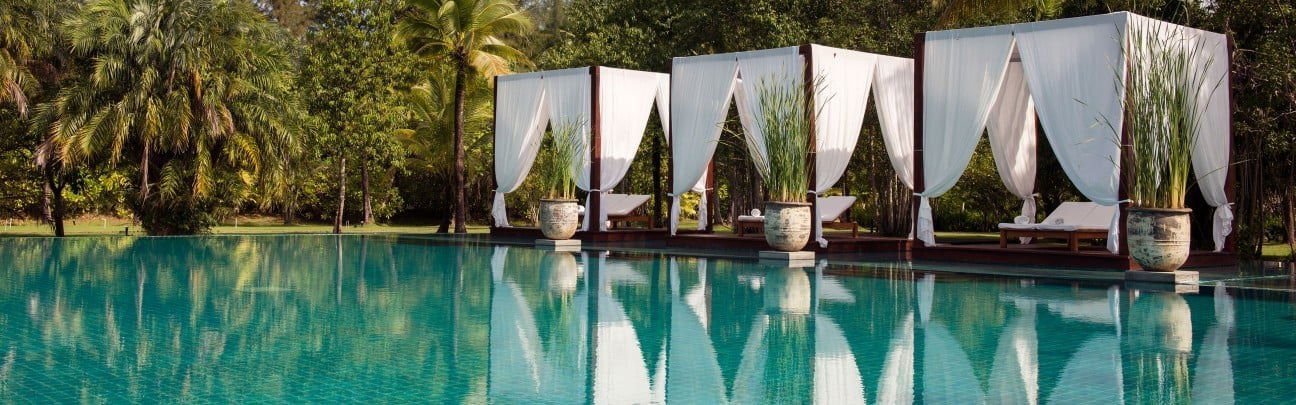
Tranquil and serene with lush tropical gardens opening to a seven-mile sandy beach, peaceful spa soundtrack of birdsong and waves, and candlelit romantic dining settings.
Tags
Vibe
Best For
Experience
Amenities
View
Accessibility
About the Stay
- Rooms
- 56
- Check-in
- 15:00
- Check-out
- 11:00
- Property Style
- Luxury Boutique Beach Resort
- Design Style
- Contemporary Asian Blending with Natural Landscape
Know before you go
Know Before You Go
- Getting there
- 60, Tambon Khuekkhak, Amphoe Takua Pa, Chang Wat Phang-nga 82220
Planning details
Location
60, Tambon Khuekkhak, Amphoe Takua Pa, Chang Wat Phang-nga 82220 · Directions
Recognition and awards

Also consider
Also Consider
- Cape Pakarang Wow Wild Wellness Escapes, Notable alternative
- JW Marriott Khao Lak Resort & Spa, Notable alternative
- Devasom Khao Lak Beach Resort & Villas, Notable alternative
- Devasom Khao Lak Beach Resort & Villas, Notable alternative
- Casa de La Flora, Notable alternative
Hotel context
How it compares in Phang Nga
The Sarojin Thailand is the stronger choice when the brief is boutique calm and service-led hospitality. JW Marriott Khao Lak Resort & Spa is the safer cross-shop for travelers who prefer a larger resort environment and brand familiarity, while Devasom Khao Lak Beach Resort & Villas sits closer to the polished beach-resort lane for guests who want a refined stay without betting everything on a small-property feel.
For ambiance, Casa de La Flora is the better alternative if design is the priority, while The Sarojin Thailand is the better fit when the stay needs to feel softer and more service-driven. Cape Pakarang Wow Wild Wellness Escapes makes more sense for a wellness-led trip where the program is the reason to travel, not just a supplement to the beach.
Availability is the key decision point. If The Sarojin Thailand is hard to secure for the dates that matter, Devasom Khao Lak Beach Resort & Villas and Casa de La Flora are the first sensible substitutes. If the group is larger or wants predictable resort infrastructure, JW Marriott Khao Lak Resort & Spa is the easier fit.
Explore Phang Nga
Around this place
Discover more on Pearl
Unlock the full The Sarojin Thailand guide in Pearl, including awards, comparisons, FAQs, planning details, and nearby places.
Compare The Sarojin Thailand
| Venue | Location | Awards |
|---|---|---|
| The Sarojin Thailand | Phang Nga | 2026 Mr & Mrs Smith Luxury HotelsWorld Travel Awards 2025Michelin 2 Keys 20252025 Michelin 2 Keys2024 Michelin 2 Keys |
| Cape Pakarang Wow Wild Wellness Escapes | Phang Nga | No published awards |
| JW Marriott Khao Lak Resort & Spa | Khao Lak | 2026 Michelin Guide New Hotels2025 Conde Nast Best Resorts · #72025 Michelin Selected Hotels |
| Devasom Khao Lak Beach Resort & Villas | Phang Nga | Tablet Hotels Top 40 New Hotels 2025 · #62025 Michelin Selected Hotels |
| Devasom Khao Lak Beach Resort & Villas | Khao Lak | Tablet Hotels Top 40 New Hotels 2025 · #62025 Michelin Selected Hotels |
| Casa de La Flora | Phang Nga | No published awards |



How The Sarojin Thailand compares with similar nearby venues.
FAQ
Frequently Asked Questions
How does The Sarojin Thailand compare to other premium hotels?
The Sarojin Thailand stands out for Michelin 2 Keys (2024), World Travel Awards 2025 Leading Boutique Hotel, and the Mr & Mrs Smith Seal of Approval (2026). For comparison, you can also review JW Marriott Khao Lak Beach Resort & Spa, Devasom Khao Lak Beach Resort & Villas, Casa de La Flora, and Cape Pakarang Wow Wild Wellness Escapes based on your own requirements and each property's current official information.
Do loyalty programs work at The Sarojin Thailand?
Loyalty-program participation is not available for The Sarojin Thailand. Evaluate it as a hotel based on its recognition, including Michelin 2 Keys (2024), rather than on points or elite-benefit assumptions. If loyalty benefits are important, compare current program details directly with other options such as JW Marriott Khao Lak Resort & Spa.
Is The Sarojin Thailand good for business travel?
Details on meeting facilities, business services, workspace, or transfer convenience are not available. The location is Phang Nga. If business-travel practicality is important, confirm the current facilities and logistics directly with the hotel and compare them with alternatives such as JW Marriott Khao Lak Resort & Spa.
How is the location of The Sarojin Thailand?
The Sarojin Thailand is in Phang Nga. No more specific address or neighborhood detail is available, so location-sensitive travelers should confirm current logistics directly with the hotel. Casa de La Flora is another option to compare if its current location and hotel details better match your trip plan.