
Laqua by the Lake
Pettenasco
Hotel in Pettenasco, Italy
 Book with Pearl
The Read
Modernist Lakeside Suites
Why go
Laqua by the Lake is worth shortlisting for a special-occasion Lake Orta stay when the room and lakeside setting matter more than resort breadth. The quality signal is strong, but compare room categories carefully before paying up, since the value depends heavily on what the specific rate includes.
About Laqua by the Lake
Laqua by the Lake in Pettenasco is a stay with two notable recognition signals: Michelin 1 Key in 2024 and the Mr & Mrs Smith Seal of Approval in 2026. For trip planning, avoid assuming specific facilities, room features, dining formats, or service inclusions unless the booking channel lists them for your dates.
Book for a Pettenasco stay, not for assumed extras
The grounded reasons to shortlist Laqua by the Lake are its Pettenasco location and its hotel recognition. Compare the exact room description, cancellation terms, and any package details before booking. If a particular feature is essential to the trip, confirm it directly rather than relying on assumptions.
Pettenasco also shapes the decision. This is a better fit for travelers who specifically want to base a trip in Pettenasco than for guests choosing by a long amenities checklist. For wider planning, check Pettenasco restaurants around the stay.
The right guest is comparing carefully
For a special occasion, Laqua by the Lake has quality signals, including its Michelin 1 Key recognition. The tradeoff is that pre-booking scrutiny is important. Do not book on name recognition alone. Compare the exact room description, cancellation terms, and any included amenities before committing, especially if the rate is stretching the budget.
The clearest yes is for travelers who want a Pettenasco stay with hotel recognition. The clearest no is for travelers who need every practical detail settled before payment or who are choosing mainly for specific facilities. In that case, cross-shop regional options such as Casa Fantini, Castello Dal Pozzo Resort Lago Maggiore, La Darbia - Lago D'Orta, Villa & Palazzo Aminta, or Villa Crespi before committing.
Planning details
- Location
- Via Legro, 33, 28028 Pettenasco NO
- Website
- laquabythelake.it
- Phone
- +39 0323 212121
The take
The Take
The Vibe
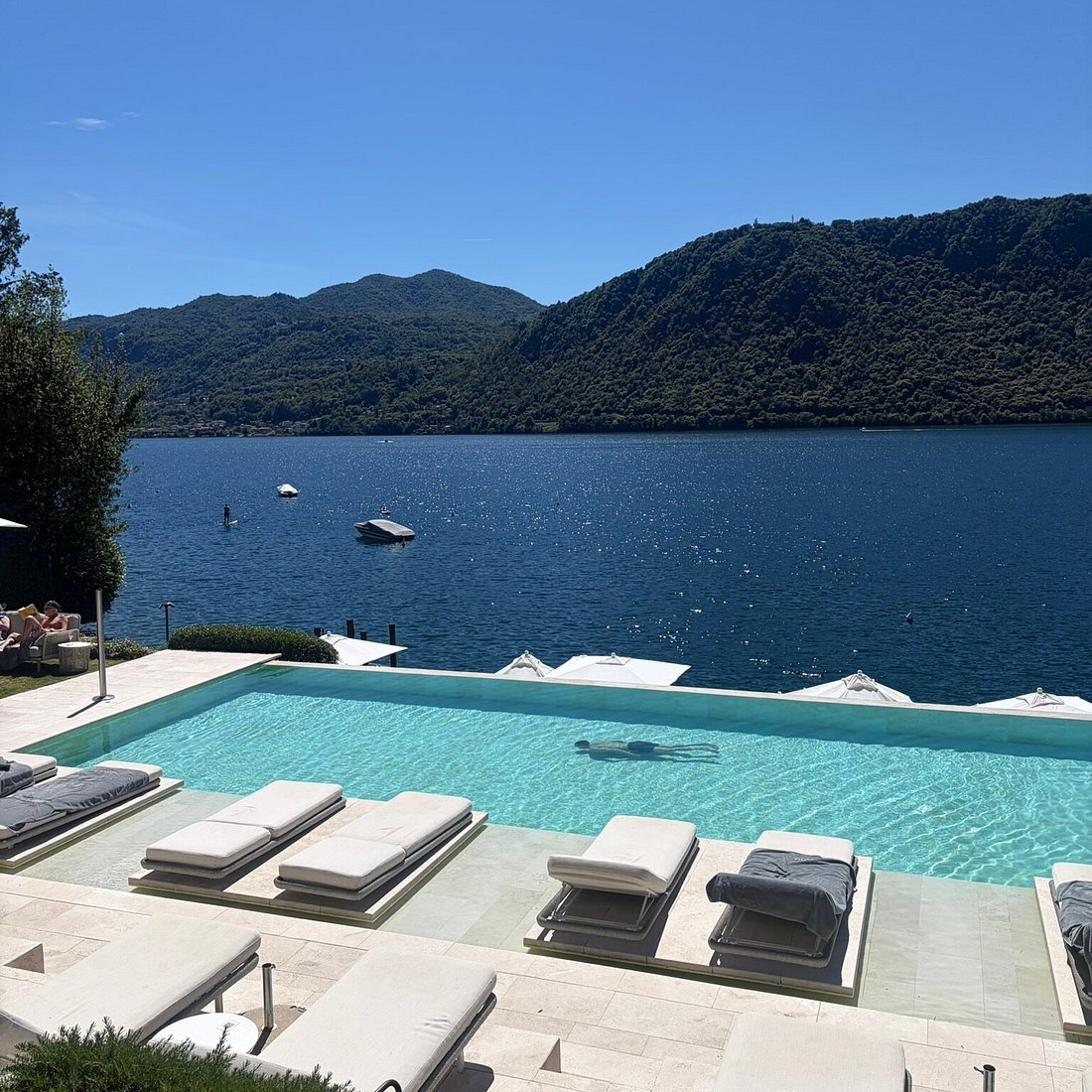
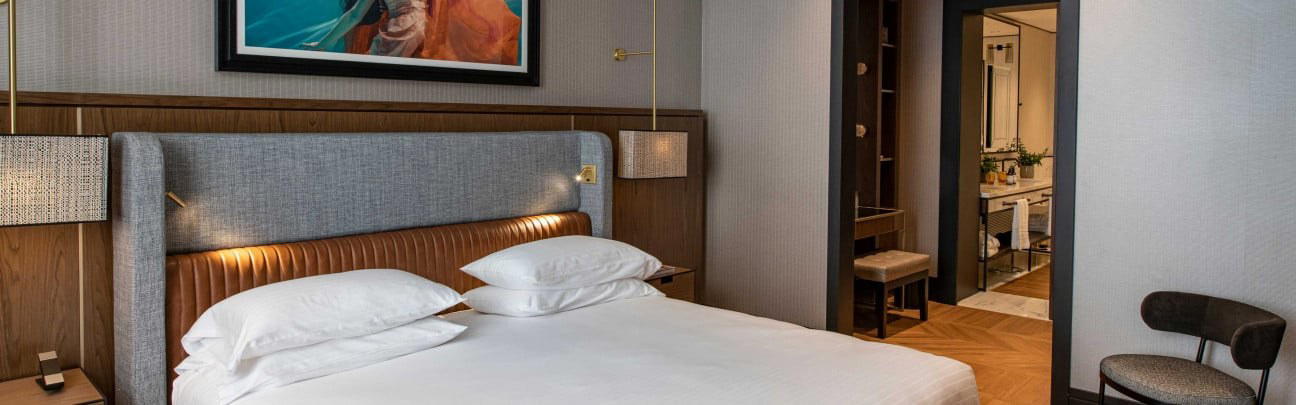
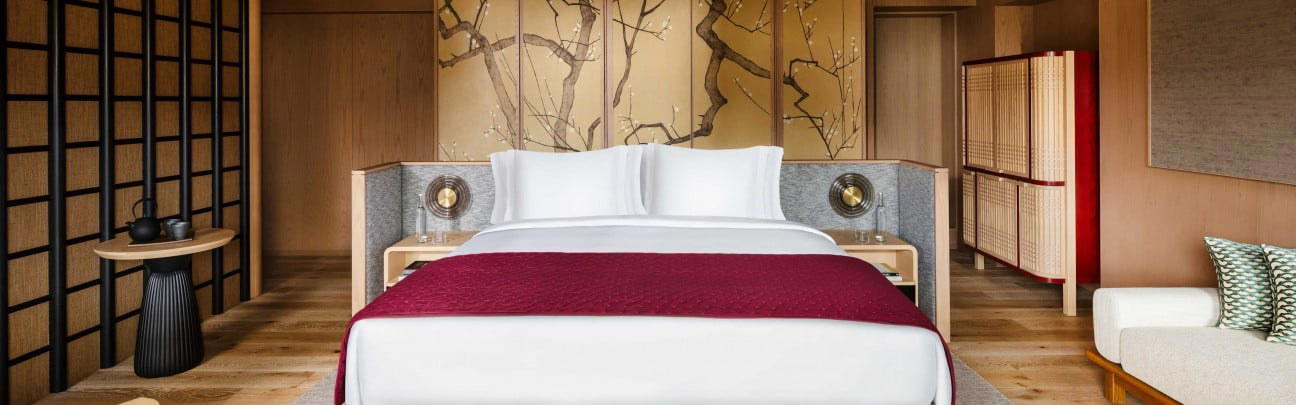
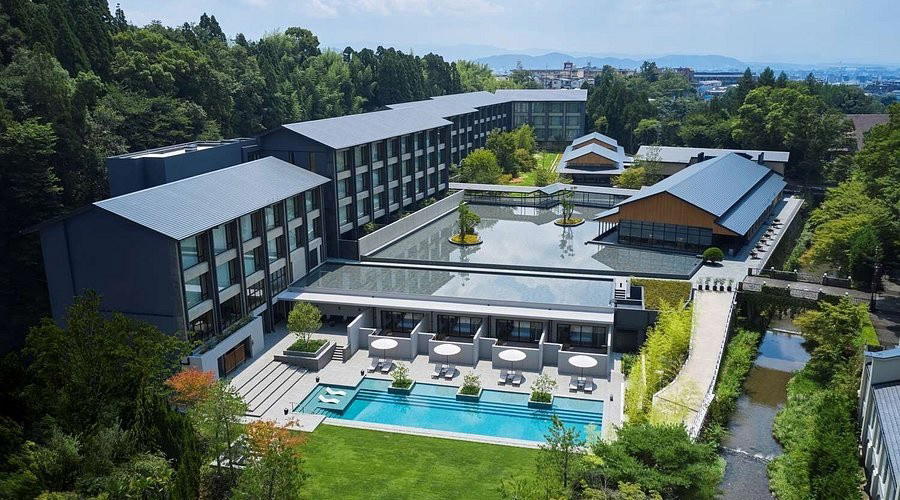
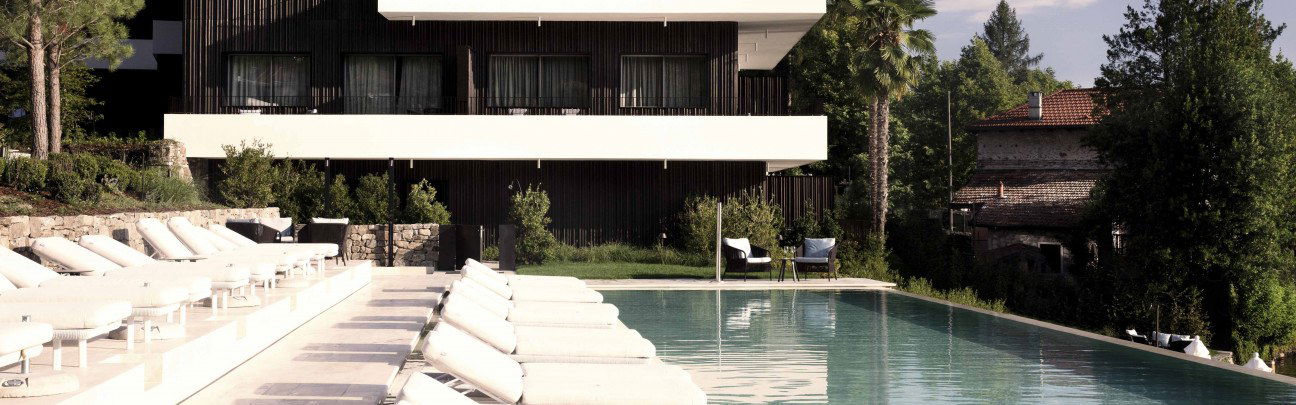
Laqua by the Lake reads as a study in modernist restraint set against the intimate scale of Lake Orta. Its architecture favors subtraction over ornament, so interiors and volumes feel deliberately pared back rather than lavish. The hotel occupies a quieter residential strip of Pettenasco, which softens the usual lakeside pageantry and lends a calm, contemplative air. Panoramic sightlines across the water to Sacro Monte and San Giulio provide the scenic counterpoint to the minimalist architecture, making the property feel both thoughtfully designed and quietly luxurious without relying on historic pomp.
Best For
This hotel suits travelers who prize contemporary design and a peaceful lakeside setting over traditional grand-hotel theatrics. It works well for couples and small groups seeking a deliberate escape—guests who come to Lake Orta intentionally rather than as a quick stop on a coach route. Proximity to Milan by car (roughly 90 minutes) makes it a good option for weekend escapes or longer stays where calm, considered architecture and uninterrupted lake views are the primary draw.
Stay Tips
Plan to arrive by car: the approach from the A26 autostrada takes about 90 minutes from Milan and the property sits on Via Legro in a residential part of Pettenasco. Because the hotel deliberately positions itself away from the busy centro and is not aimed at day-trippers, treat it as an overnight destination rather than a stop on a same-day tour. Book accommodations in advance, especially for weekend stays, to secure rooms that maximize the lake-facing views mentioned in the description.
Venue details
Ambiance
Modern and welcoming with subtle lighting, stunning lake views, and a tranquil lakeside atmosphere.
Tags
Vibe
Best For
Experience
Amenities
View
Accessibility
About the Stay
- Rooms
- 18
- Check-in
- 15:00
- Check-out
- 11:00
- Property Style
- Modern Boutique Lakeside Aparthotel with Suites Featuring Private Terraces.
- Design Style
- Sleek, Modern Minimalist with Stylish Furnishings and Panoramic Views.
Know before you go
Know Before You Go
- Getting there
- Via Legro, 33, 28028 Pettenasco NO
Planning details
Location
Recognition and awards
Also consider
Also Consider
- Casa Fantini, Notable alternative
- Villa Crespi, Notable alternative
- La Darbia - Lago D'Orta, Notable alternative
- Villa & Palazzo Aminta, Notable alternative
- Castello Dal Pozzo Resort Lago Maggiore, Notable alternative
Hotel context
How It Compares
Choose Laqua by the Lake if the brief is a quieter Lake Orta celebration stay with a contemporary lakeside feel. Casa Fantini is the closest cross-shop for a design-led lake stay, while Villa Crespi is the stronger choice when the trip is built around a more formal destination-hotel experience and recognizable prestige. For value, compare the exact room inclusions rather than assuming the smaller property is cheaper.
La Darbia - Lago D'Orta is the better alternative for travelers who want more independence and a softer countryside rhythm. Laqua by the Lake is better for couples who want the hotel itself to carry the occasion. If availability is tight, La Darbia is the more flexible-feeling fallback, while Villa Crespi is the splurge comparison when ceremony matters more than simplicity.
For readers widening the search beyond Lake Orta, Villa & Palazzo Aminta and Castello Dal Pozzo Resort Lago Maggiore shift the decision toward Lake Maggiore scale and resort ambience. Pick those if facilities and a grander setting outweigh the quieter Pettenasco mood. Stay with Laqua by the Lake if the trip needs to feel intimate and water-focused rather than estate-like.
Explore Pettenasco
Around this place
Discover more on Pearl
Unlock the full Laqua by the Lake guide in Pearl, including awards, comparisons, FAQs, planning details, and nearby places.
Compare Laqua by the Lake
| Venue | Location | Awards |
|---|---|---|
| Laqua by the Lake | Pettenasco | 2026 Mr & Mrs Smith Luxury Hotels2026 Michelin 1 KeyMichelin 1 Key 20252025 Michelin 1 Key2024 Michelin 1 Key |
| Casa Fantini | Lake Orta | No published awards |
| Villa Crespi | Lake Orta Novara | Star Wine Lists 20262026 Relais Chateaux Hotels2026 Michelin 1 Key2025 Michelin 1 Key2025 Relais Chateaux Award2024 Michelin 1 Key |
| La Darbia - Lago D'Orta | Lake Orta | No published awards |
| Villa & Palazzo Aminta | Stresa | 2026 Virtuoso Luxury Hotel CollectionLeading Hotels of the World 20262025 Michelin Selected Hotels |
| Castello Dal Pozzo Resort Lago Maggiore | Oleggio Castello | Preferred Hotels Member 2025 |







How Laqua by the Lake Pettenasco compares with similar nearby venues.
FAQ
Frequently Asked Questions
When is the best time to book Laqua by the Lake?
Book once your Pettenasco dates and room requirements are clear. Laqua by the Lake has Michelin 1 Key recognition, so it is worth checking availability and cancellation terms carefully rather than treating it as an interchangeable last-minute option.
How does Laqua by the Lake compare to regional hotels?
Choose Laqua by the Lake if you specifically want a Pettenasco stay with hotel recognition. When comparing it with Casa Fantini, La Darbia - Lago D'Orta, Villa & Palazzo Aminta, Castello Dal Pozzo Resort Lago Maggiore, or Villa Crespi, focus on the room details, policies, and inclusions listed for your dates.
How is the pool and spa at Laqua by the Lake?
If pool and spa facilities are important to your trip, confirm the current offering directly before booking Laqua by the Lake or compare the amenities listed for regional options such as Villa & Palazzo Aminta or Castello Dal Pozzo Resort Lago Maggiore.
What is check-in like at Laqua by the Lake?
Confirm the current arrival instructions directly with Laqua by the Lake for your Pettenasco stay, especially if you have a late arrival, luggage needs, or timing constraints.
How is the dining at Laqua by the Lake?
The dress code is smart casual, but menu format, cuisine, hours, and restaurant service details should be confirmed directly before you build a trip around dining at Laqua by the Lake.