

Eremito
Parrano
Hotel in Parrano, Italy
 Book with Pearl
Why go
Eremito is a strong pick for travelers seeking a quiet, design-led countryside stay near Parrano rather than a conventional resort or city hotel. Its appeal is strongest for couples or solo travelers prioritizing retreat value, visual restraint, and a slower Umbrian base, with Design Hotels membership and MICHELIN hotel selection adding credibility.
About Eremito
Eremito is a venue in Parrano. Its recognition includes 2026 Design Hotels Member status and a MICHELIN Guide Hotels Selected listing for 2025.
Before booking, check room types, amenities, dining format, prices, hours, service details, and the street address directly. Plan around the recognition and location, then confirm facilities before committing.
Book with the hotel recognition in mind
The strongest reasons to consider Eremito are its Parrano location and its hotel recognition: 2026 Design Hotels Member status and MICHELIN Guide Hotels Selected recognition for 2025. For a broader local overview, use Our full Parrano hotels guide; for planning beyond the stay, cross-check Our full Parrano restaurants guide and Our full Parrano bars guide.
If you are comparing places to stay in the area, keep the decision grounded in the recognition and location rather than assumptions about amenities or style. You can also compare broader trip planning through Our full Parrano wineries guide and Our full Parrano experiences guide before locking dates.
Planning details
- Location
- Parrano, Italy
- Website
- eremito.com
- Phone
- 390763891010
The take
The Take
The Vibe
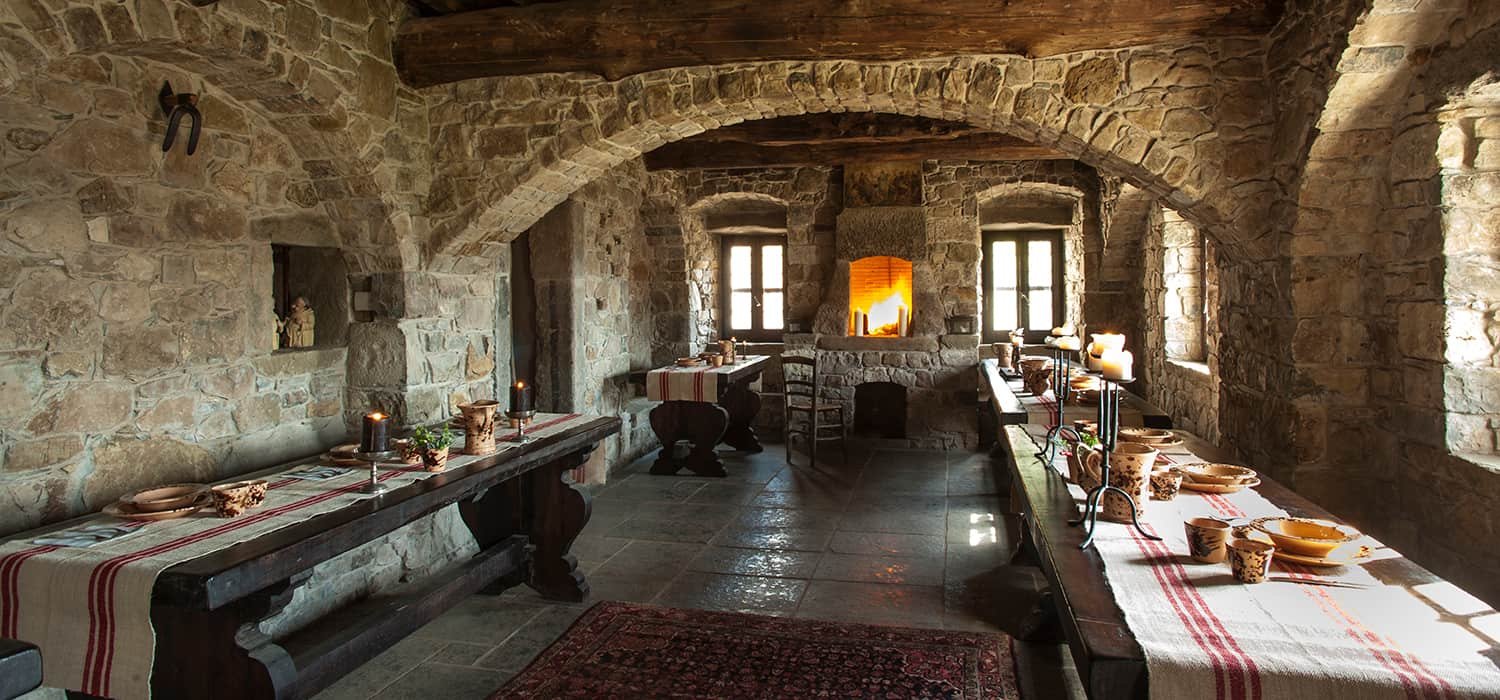
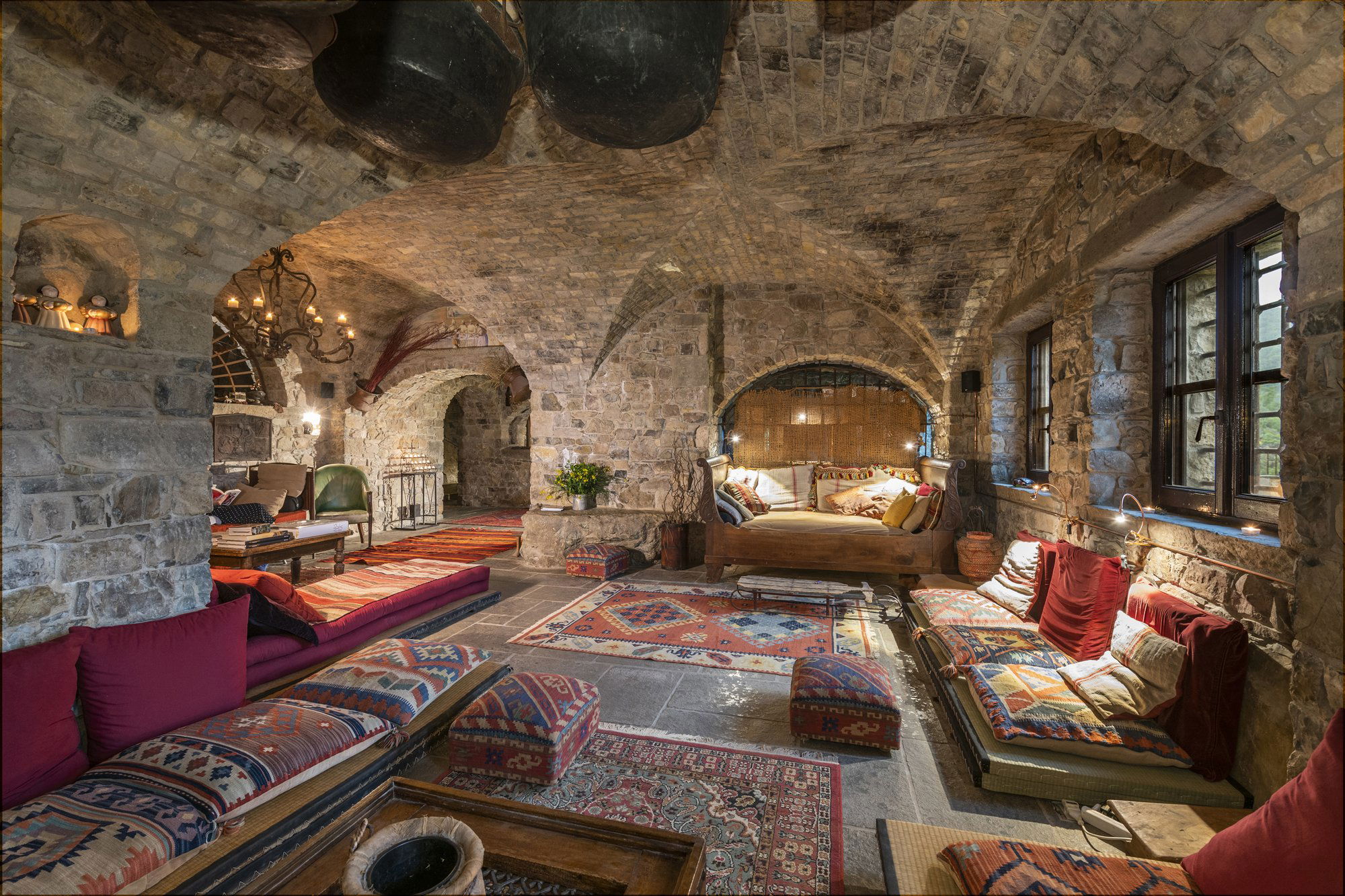
Eremito presents itself as a deliberately austere retreat housed in a restored medieval hermitage. The architecture and materials—rough-hewn stone, narrow corridors and low ceilings—drive the experiential agenda: silence, solitude and a monastic austerity rather than conventional comfort theatre. The design resists decorative warmth and social conviviality, so rooms feel cell-like and contemplative. This is a place for withdrawal and quiet reflection; its historic fabric and purposeful restraint create a serene, meditative atmosphere that appeals to travellers seeking architectural rigor and an uncompromisingly minimal, introspective stay.
Best For
Eremito is best for travellers who want an intentional break from the usual hotel trappings: solo voyagers seeking solitude, couples after a quiet romantic getaway and guests pursuing a wellness-oriented pause all find the property well suited to their aims. It is not designed for group socialising or conventional luxury leisure—its rooms and communal flow prioritise contemplation over entertainment. Visitors who value historic architecture, silence and a stripped-back aesthetic will get the most from a stay here; those wanting lively public spaces or extensive amenities should look elsewhere.
Stay Tips
Book with the expectation of minimalism rather than conventional luxury: the property deliberately eschews typical distraction infrastructure and frames rooms for solitude. Reserve early, as the hermitage’s scale and singular character imply limited availability. Pack for slow, reflective days—good walking shoes and reading material are practical—and be prepared to embrace quiet and simple, material-led design. Ask the hotel in advance about any essential services you rely on, since the accommodation’s refusal of comfort theatre can mean fewer standard amenities than in mainstream luxury properties.
Venue details
Ambiance
Candlelit minimalist spaces with monastic simplicity, fireplace gatherings, and serene nature surroundings promoting peace and reflection.
Tags
Vibe
Best For
Experience
Amenities
View
About the Stay
- Rooms
- 17
- Check-in
- 15:00
- Check-out
- 11:00
- Property Style
- Contemporary Monastery Eco Resort
- Design Style
- Franciscan Minimalism with Natural Materials and Candlelight
Know before you go
Know Before You Go
- Getting there
- Parrano, Italy
Planning details
Location
Recognition and awards
Also consider
Also Consider
- Palazzo Petrvs, Notable alternative
- Locanda Palazzone, Notable alternative
- Altarocca Wine Resort, Notable alternative
- I Borghi dell'Eremo, Notable alternative
- Borgo La Chiaracia Resort & SPA, Notable alternative
Hotel context
How Eremito compares in the Parrano countryside set
Choose Eremito over Palazzo Petrvs if the priority is a quieter retreat mood rather than a more town-house style stay. It is the better fit for travelers who want the hotel itself to create distance from everyday pace, while Palazzo Petrvs reads as the sharper cross-shop for guests who want a more urban-feeling base.
Locanda Palazzone and Altarocca Wine Resort are the more obvious alternatives for wine-country planning. Pick them first if vineyard access and a wine-resort rhythm matter more than design-led seclusion. Eremito makes more sense when the stay is built around quiet, architecture, and a stripped-back countryside atmosphere.
For a fuller resort feel, compare I Borghi dell'Eremo and Borgo La Chiaracia Resort & SPA. Those are safer choices for travelers who want a broader leisure setup. Eremito is the more focused booking: easier to justify for a reset, less convincing for guests expecting a resort checklist.
Explore Parrano
Around this place
Discover more on Pearl
Unlock the full Eremito guide in Pearl, including awards, comparisons, FAQs, planning details, and nearby places.
Compare Eremito
| Venue | Location | Awards |
|---|---|---|
| Eremito | Parrano | 2026 Design Hotels Collection2025 Michelin Selected Hotels |
| Palazzo Petrvs | Orvieto | 2026 Mr & Mrs Smith Luxury Hotels2025 Michelin 1 Key |
| Locanda Palazzone | Orvieto | No published awards |
| Altarocca Wine Resort | Orvieto | No published awards |
| I Borghi dell'Eremo | Piegaro | 2025 Michelin 2 KeysSmall Luxury Hotels Member 20252024 Michelin 2 Keys |
| Borgo La Chiaracia Resort & SPA | Castel Giorgio | No published awards |



How Eremito Parrano compares with similar nearby venues.
FAQ
Frequently Asked Questions
Is Eremito good for business travel?
Eremito is a venue in Parrano with 2026 Design Hotels Member status and MICHELIN Guide Hotels Selected recognition for 2025. Business travelers should check practical needs such as business facilities, meeting space, and work-focused amenities directly before booking.
Is Eremito family-friendly?
If traveling with family, confirm family policies, room configurations, and child-focused amenities with Eremito before booking a stay in Parrano.
How is the dining at Eremito?
Check cuisine type, chef, menu format, meal hours, and dining service details directly before booking. The MICHELIN Guide Hotels Selected 2025 recognition refers to the hotel listing, not a restaurant award.
Which room category is best at Eremito?
Choose based on current information from Eremito or the booking channel, and confirm any room-specific features before reserving.
Do loyalty programs work at Eremito?
Eremito is a 2026 Design Hotels Member. Check loyalty-program earning, redemption, and elite-benefit details with the booking channel before relying on points or perks.