
Banwa Private Island
Northeast Palawan, Palawan
Hotel in Palawan, Philippines
 Book with Pearl
Why go
Banwa Private Island is the Palawan pick for privacy-first luxury rather than conventional resort value. It makes sense for a high-budget group, executive retreat, or discreet family stay; business travelers needing easy movement and a broad local scene should compare El Nido and other Palawan resorts first.
About Banwa Private Island
Banwa Private Island is a Palawan venue, and the planning notes are direct: the dress code is smart casual, and the property is listed as a Virtuoso Luxury Hotel Partner for 2026. Travelers should confirm dining formats, room categories, transfer details, prices, hours, and on-site services directly before booking.
Banwa Private Island may be relevant for travelers considering a Palawan stay, but the decision should be based on current information from the property or a qualified advisor, especially for logistics, inclusions, and any special requests.
Use it only after confirming trip-critical details
The safest verdict is to treat Banwa Private Island as a Palawan option that requires direct confirmation before it is used for a time-sensitive itinerary. If a trip depends on meetings, transfers, dining arrangements, or detailed service expectations, confirm those points in advance rather than relying on assumptions.
One confirmed note is that Banwa Private Island is a Virtuoso Luxury Hotel Partner for 2026. That should not be read as a guarantee of any specific amenity, service format, or value outcome.
Palawan planning links for the same trip
For a wider scan before choosing, compare Banwa Private Island with other Palawan options such as Daluyon Beach and Mountain Resort, El Nido Resorts Lagen Island, Lihim Resorts, El Nido, Pangulasian, El Nido, and The Funny Lion El Nido. Other dining and stay options in Palawan can also be considered generically, but specific services, prices, and formats should be directly.
Planning details
- Location
- Banwa Private Island, Roxas
The take
The Take
The Vibe
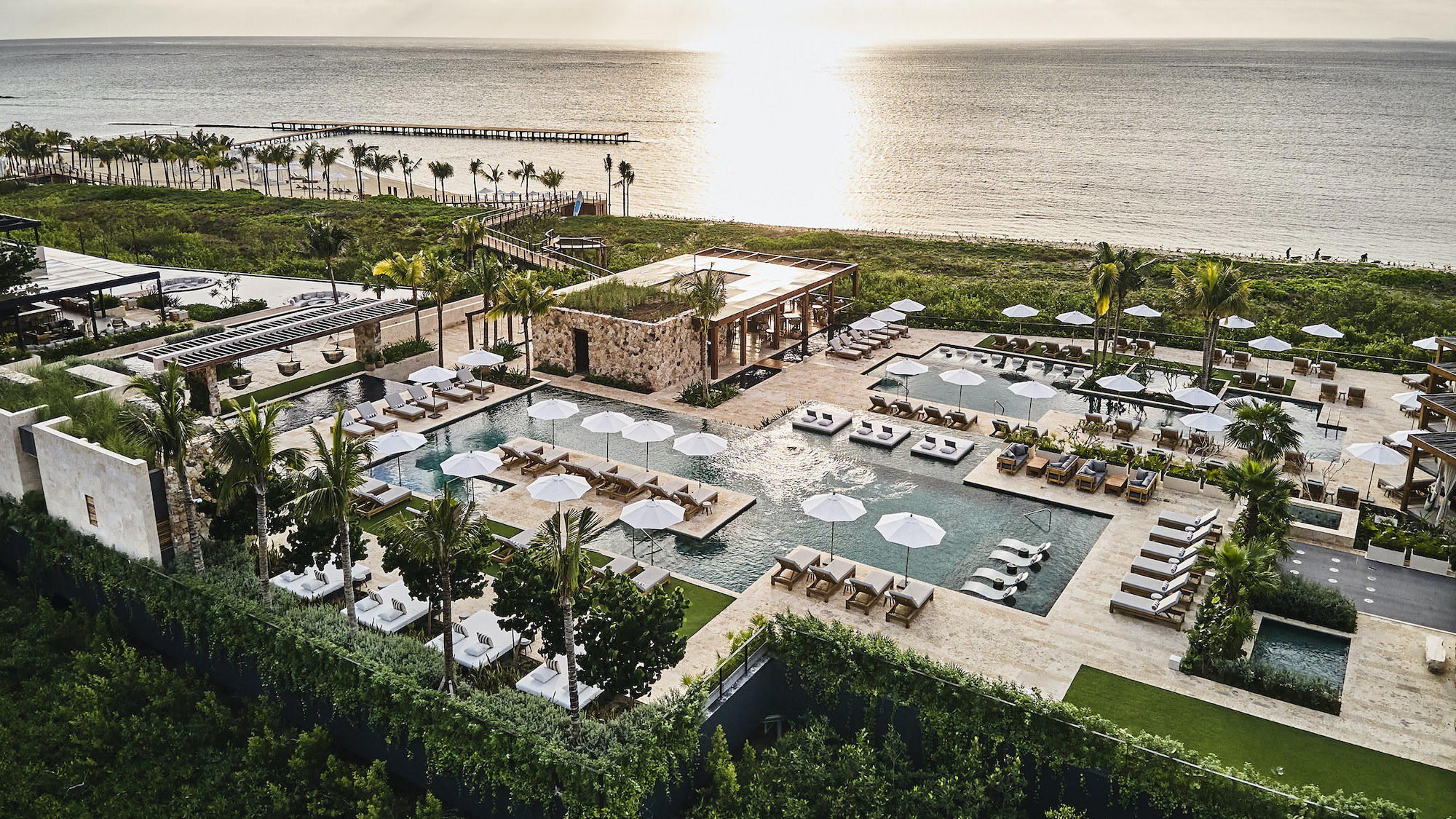
Banwa Private Island presents a spare, considered luxury that privileges absence as much as presence. The approach by sea and the property’s siting inside a formal marine protected area set a tone of measured restraint: architecture and service recede so the horizon, white sand and managed vegetation become the principal elements. The effect is quietly powerful — sophisticated, minimalist design meets a serene, private landscape. Rather than resort spectacle, Banwa offers a curated, single-party experience where each material choice and sightline reads as deliberate. The result is a refined, contemplative escape for travelers who prize privacy and environmental stewardship.
Best For
Banwa is ideally suited to travelers seeking absolute privacy and immersive natural beauty: couples on honeymoon, parties booking a whole-island retreat, families wanting exclusive use, and groups planning a focused getaway. The property’s whole-island operational model means it works especially well for private events or group retreats where exclusivity matters. Conservation-minded guests and those who value a remote, service-rich environment also find it rewarding, since the island sits inside a regulated marine protected area and emphasizes managed ecosystems over built spectacle. It attracts visitors who want to be removed from urban life and centered on sea, sand and quiet.
Stay Tips
Plan logistics around the island’s sea approach and exclusive operational model: bookings typically require arranging transfers by boat or seaplane and confirming whole-island availability well in advance. Expect minimal visible infrastructure and a focus on conservation rules that shape what can be brought ashore and how activities operate; check in with the property about permitted water sports and any regulatory guidance. Given the single-party posture, coordinate dates, arrival times and any special requests directly with the team to secure the full experience and to ensure the island is prepared for your group’s needs.
Venue details
Ambiance
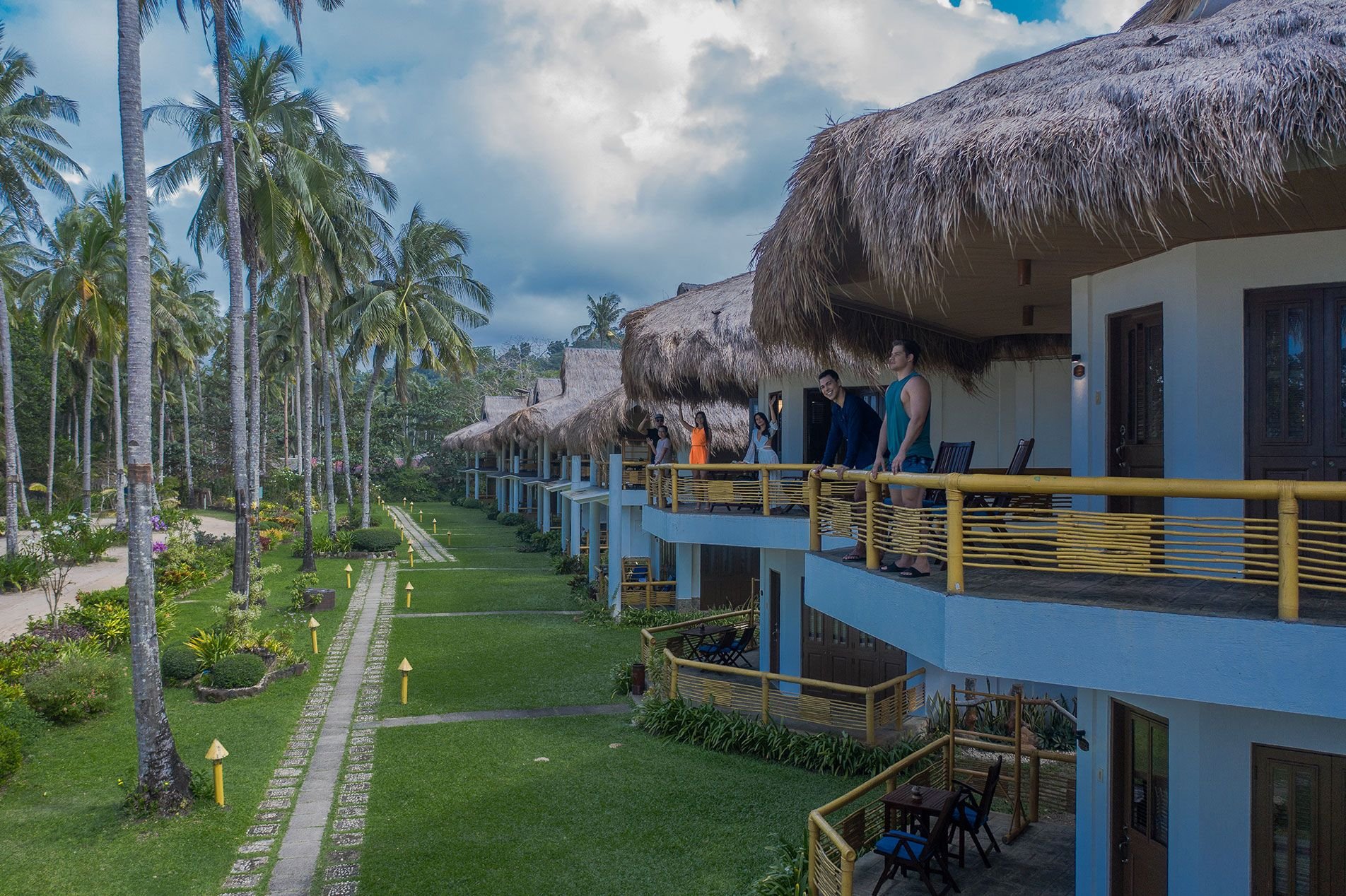
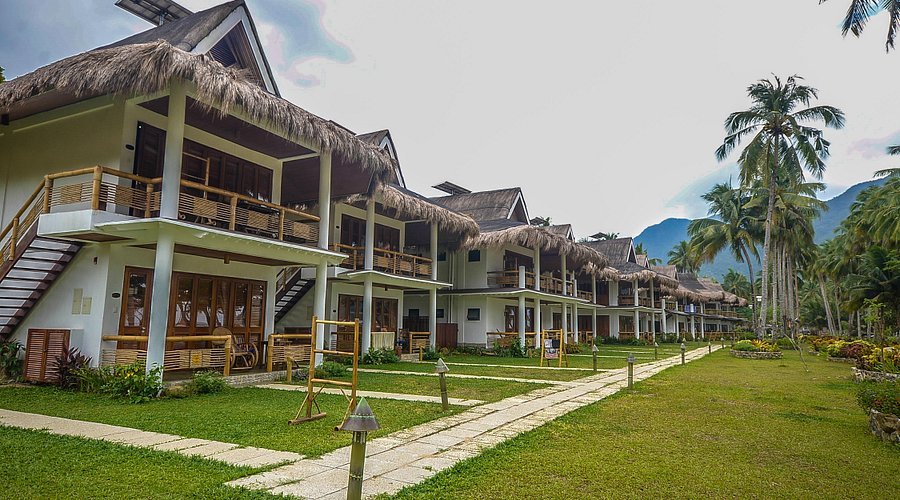
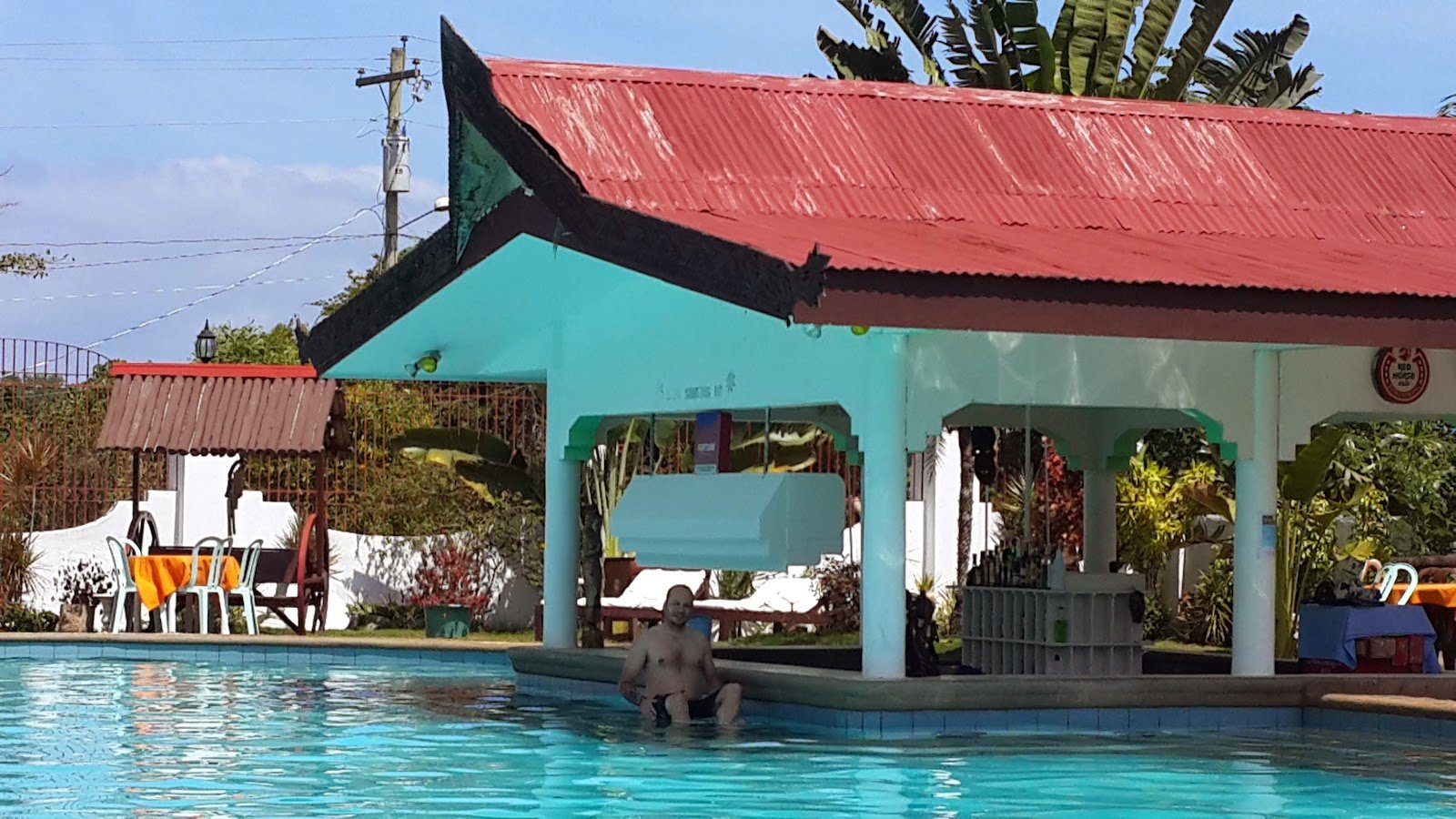
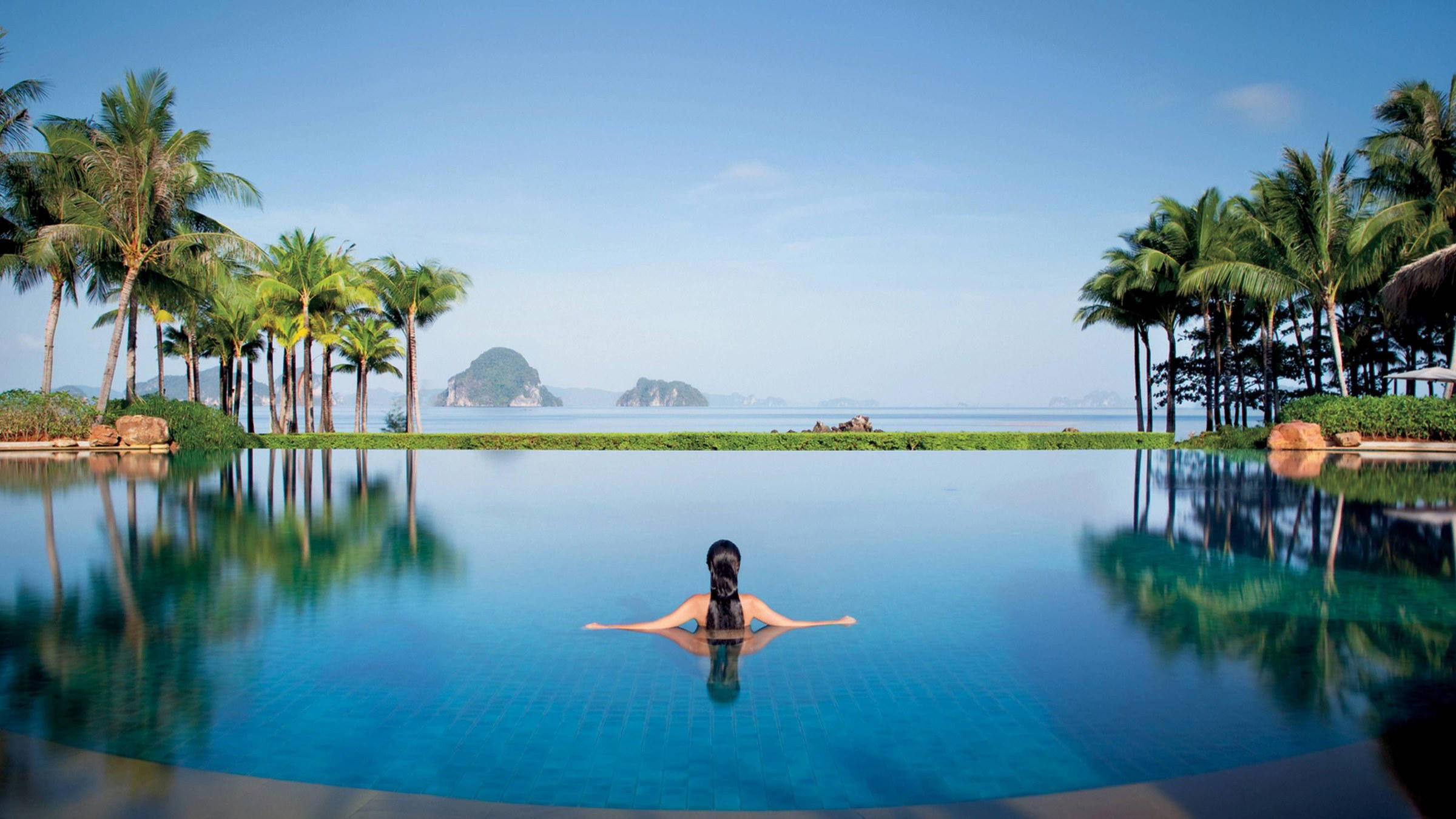
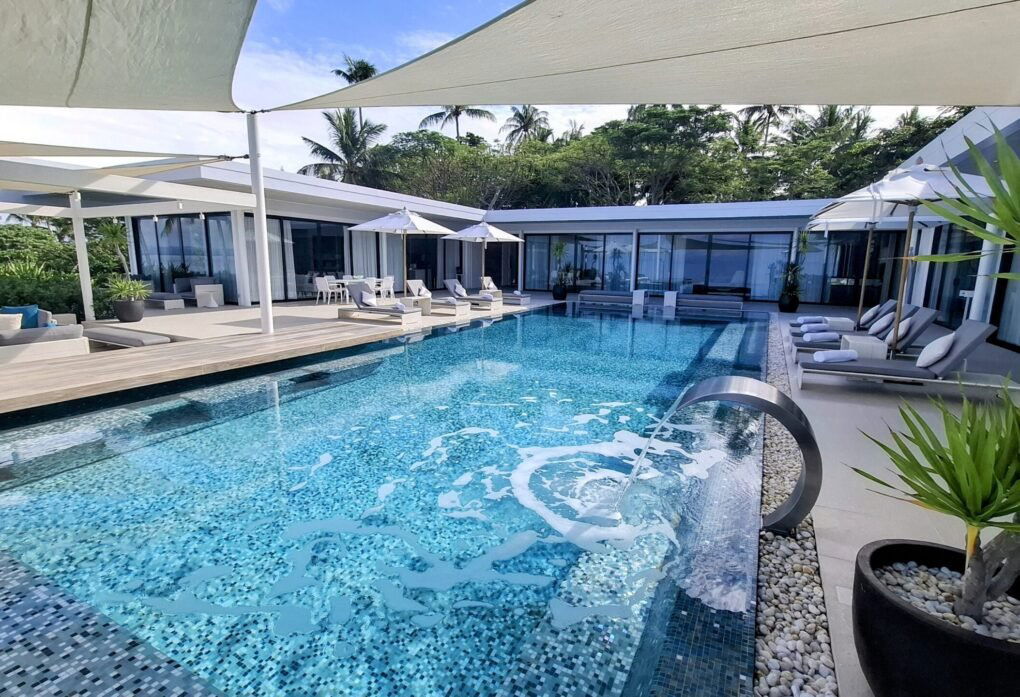
Tranquil and serene with natural lighting from floor-to-ceiling windows blending lush verdant landscapes, pristine beaches, and turquoise waters into contemporary-designed villas featuring infinity pools that merge with panoramic ocean views.
Tags
Vibe
Best For
Experience
Amenities
View
About the Stay
- Rooms
- 23
- Property Type
- Boutique hotel
- Property Style
- Exclusive Private Island Retreat Harmoniously Integrated with Nature, Featuring the Largest Beachfront Pool Villas in the World.
- Design Style
- Contemporary Minimalist with Floor to Ceiling Windows, Lush Landscaping, and Seamless Indoor Outdoor Flow.
- Breakfast
- Included
- Airport Transfer
- Available
- Pool
- Yes
- Spa
- Yes
- Pets
- Allowed
- Families
- Welcome
Know before you go
Know Before You Go
- Getting there
- Banwa Private Island, Roxas
Planning details
Location
Banwa Private Island, Roxas · Directions
Recognition and awards

Also consider
Also Consider
- Daluyon Beach and Mountain Resort, Notable alternative
- El Nido Resorts Lagen Island, Notable alternative
- Pangulasian, El Nido, Notable alternative
- The Funny Lion El Nido, Notable alternative
- Lihim Resorts, El Nido, Notable alternative
Hotel context
Choose Banwa Private Island if the priority is privacy and a low-noise island setting. Compared with Daluyon Beach and Mountain Resort, it is the more removed, high-control choice; Daluyon is easier to justify for travelers who want a Palawan base without committing the whole trip to seclusion.
El Nido Resorts Lagen Island and Pangulasian, El Nido are stronger cross-shops for travelers who want an island-resort feel with a more familiar El Nido decision frame. Banwa is the splurge-oriented choice for privacy; Lagen and Pangulasian are better if the group wants Palawan scenery with a clearer resort comparison set.
If booking ease and value matter more than seclusion, start with The Funny Lion El Nido. If the brief is design-led resort time in El Nido, compare Lihim Resorts, El Nido before committing. Banwa is for travelers buying distance from the crowd; the others make more sense when access, price discipline, and a livelier local base matter.
Explore Palawan
Around this place
Discover more on Pearl
Unlock the full Banwa Private Island guide in Pearl, including awards, comparisons, FAQs, planning details, and nearby places.
Compare Banwa Private Island
| Venue | Location | Awards |
|---|---|---|
| Banwa Private Island | Palawan | 2026 Virtuoso Luxury Hotel Collection |
| Daluyon Beach and Mountain Resort | Palawan | No published awards |
| El Nido Resorts Lagen Island | El Nido | 2026 Great Hotels of the World Collection2026 Michelin Guide New Hotels2026 Michelin 2 Keys2025 Robb Report The 50 Greatest Luxury Hotels on Earth · #312025 Michelin Selected Hotels |
| Pangulasian, El Nido | El Nido | No published awards |
| The Funny Lion El Nido | El Nido | Tablet Hotels Top 40 New Hotels 2025 · #122025 Michelin Selected Hotels |
| Lihim Resorts, El Nido | El Nido | No published awards |





How Banwa Private Island Palawan compares with similar nearby venues.
FAQ
Frequently Asked Questions
What is check-in like at Banwa Private Island?
Which room category is best at Banwa Private Island?
Choose only after confirming the current accommodation options, inclusions, and suitability with the property or your advisor.
Is Banwa Private Island good for business travel?
How is the location of Banwa Private Island?
Banwa Private Island is in Palawan. More specific location or transfer details should be confirmed directly with the property.
Do loyalty programs work at Banwa Private Island?
The confirmed recognition is that Banwa Private Island is a Virtuoso Luxury Hotel Partner for 2026.