
Baglioni Masseria Muzza
Otranto
Hotel in Otranto, Italy
 Book with Pearl
The Read
Salentine Masseria Conversion
Why go
Book Baglioni Masseria Muzza if you want a quiet, polished base near Otranto and plan to spend meaningful time at the hotel. The Michelin 1 Key signal supports the splurge, but the value case is strongest outside peak Salento demand. If walking access to town is the priority, compare central Otranto options first.
About Baglioni Masseria Muzza
Baglioni Masseria Muzza is a hotel in Otranto with a Michelin 1 Key distinction for 2024. Guests should confirm specific facilities, service formats, pricing, dining style, or seasonal strategy directly at booking.
The primary draw is the 2024 Michelin 1 Key in Otranto, and the venue has a smart casual dress code. For anything more detailed, such as room category, dining arrangements, amenities, or arrival logistics, verify with the property before committing.
Book for a Michelin-recognized stay in Otranto
The clearest reason to shortlist Baglioni Masseria Muzza is its Michelin 1 Key recognition in 2024. That places it among hotels Michelin has singled out, but this recognition does not imply specific amenities, a particular style of service, or a guaranteed value proposition.
If the trip depends on exact location convenience, on-property facilities, or a particular dining plan, confirm those details before booking. If the priority is choosing an Otranto hotel with a confirmed Michelin Key, Baglioni Masseria Muzza belongs on the shortlist.
Compare carefully against other regional stays
For value-focused travelers, the practical decision is to compare details rather than assume what the stay includes. Baglioni Masseria Muzza can be weighed against Critabianca, Furnirussi Tenuta, Masseria Longa Boutique Hotel, Naturalis Bio Resort & Spa, and Palazzo Ducale Venturi, depending on the kind of hotel experience you are considering.
For planning around the stay, use local guides rather than overloading the hotel decision: Otranto restaurants, Otranto bars, Otranto wineries, and Otranto experiences. Book Baglioni Masseria Muzza if a confirmed Michelin 1 Key hotel in Otranto fits the trip; verify all other specifics directly before treating them as part of the stay.
Planning details
- Location
- Contrada Fontanelle, 80, 73028 Otranto LE
- Website
- puglia.baglionihotels.com
- Phone
- +39 0836 237686
The take
The Take
The Vibe
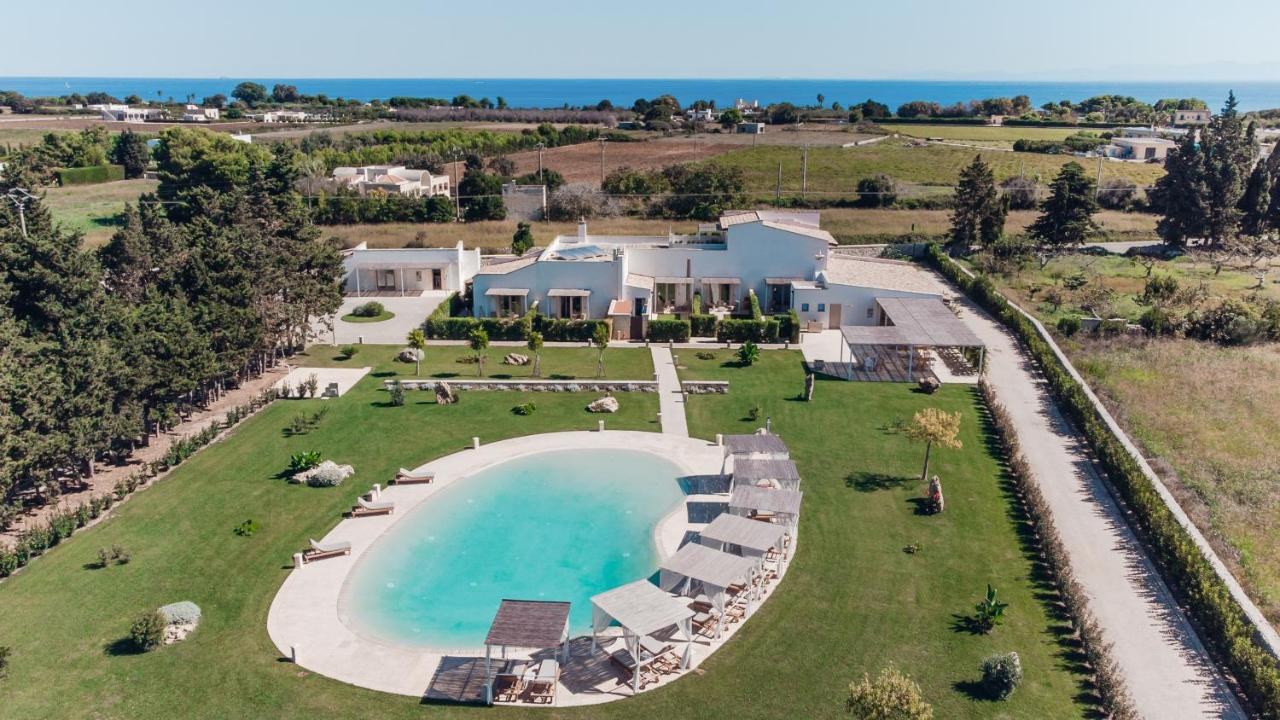
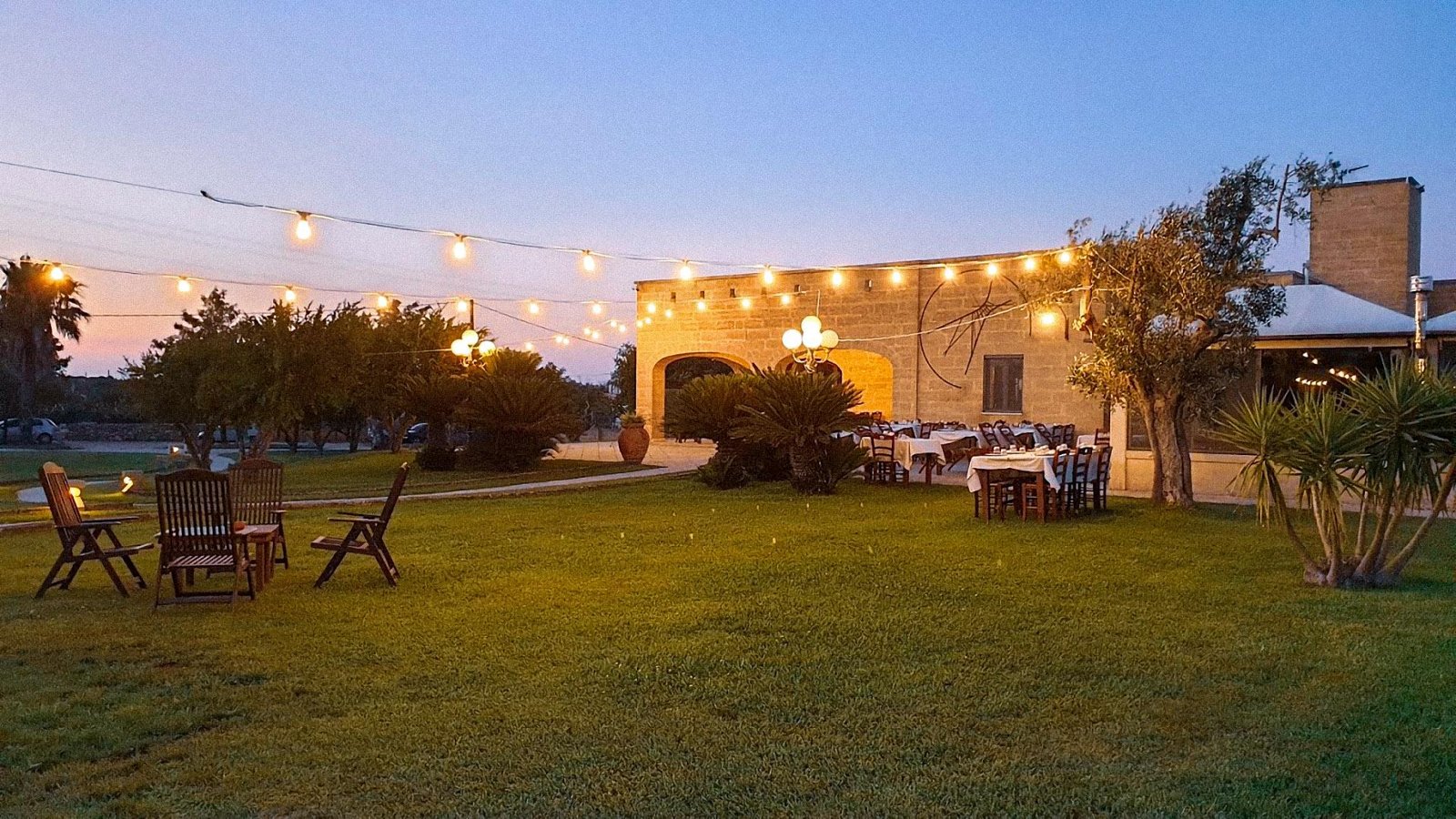
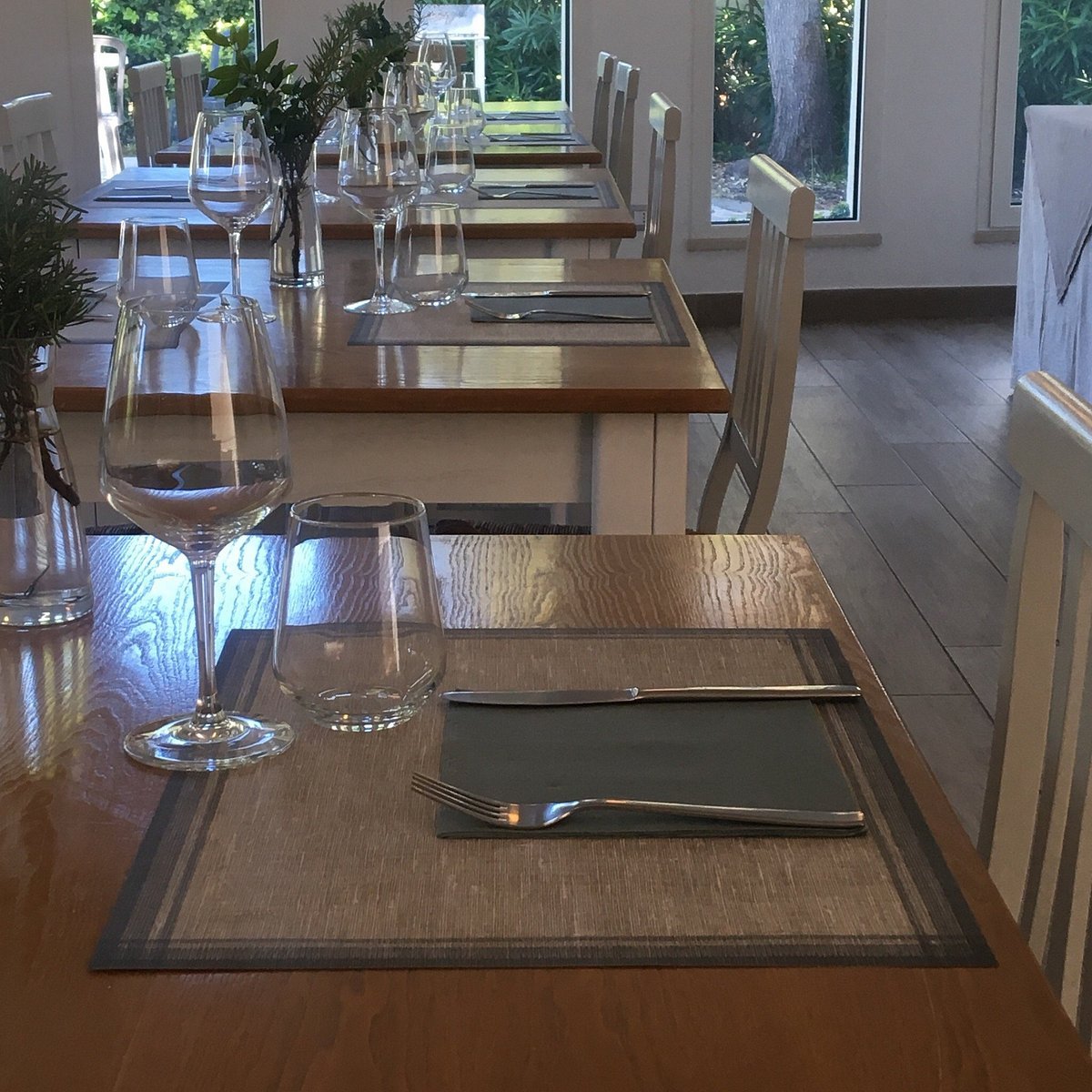
Baglioni Masseria Muzza reads like a refined study in Salentine architecture, where whitewashed limestone walls, barrel‑vaulted ceilings and arched passages define the experience. The property’s restrained palette of whites, creams and grays and thick stone walls produce a sustained calm and a pronounced stillness; passive thermal massing functions as much for comfort as for atmosphere. With just 36 rooms and a Michelin Guide Key that frames it among the region’s upper tier, the masseria feels quietly sophisticated and deliberately minimal—an architectural retreat that foregrounds materiality and proportion over decorative flourish.
Best For
This Masseria suits travelers who prioritize architecture, calm and a considered rural experience. Its small scale and restrained interiors make it an excellent choice for honeymooners and couples seeking a romantic, intimate stay; the property’s quiet, meditative qualities also align with wellness retreats. Families who appreciate space and a pastoral setting benefit from the estate’s courtyards and grounds. The Michelin recognition signals an elevated hospitality standard, so guests looking for a polished, design‑forward countryside base in the Otranto area will find it especially fitting.
Venue details
Ambiance
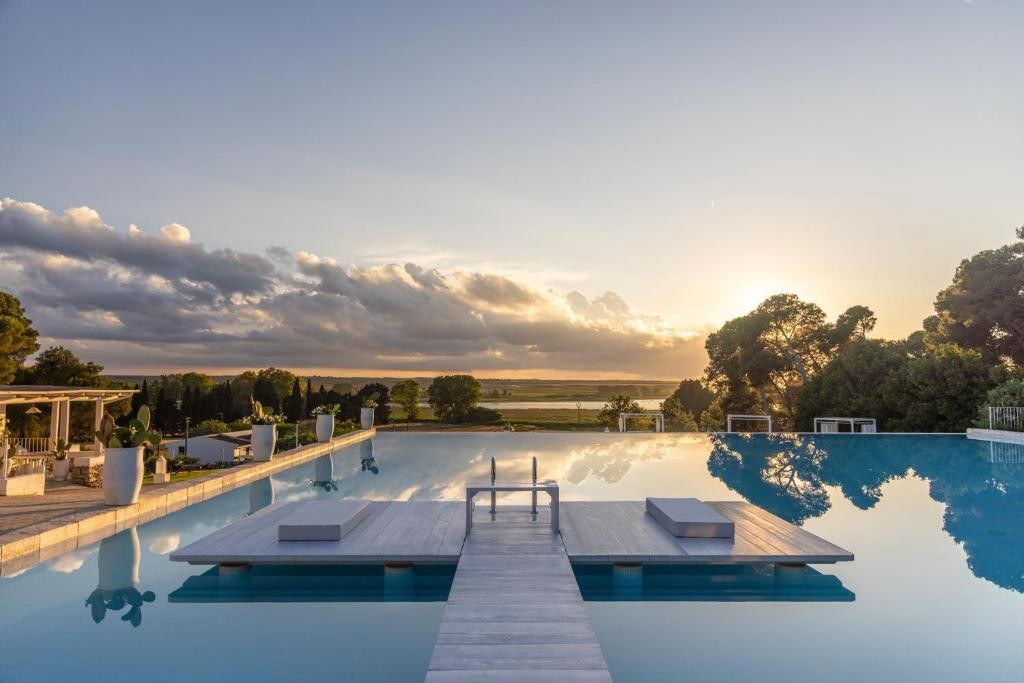
Tranquil and elegant atmosphere with peaceful pools, soundproofed rooms, and evocative spa lighting creating refined serenity amid nature.
Tags
Vibe
Best For
Experience
Amenities
View
Accessibility
About the Stay
- Rooms
- 41
- Check-in
- 15:00
- Check-out
- 12:00
- Property Type
- Boutique hotel
- Property Style
- Historic Masseria Blending Authentic Puglian Heritage with Modern Luxury
- Design Style
- Rustic Elegant with Refined Details and Natural Surroundings
- Breakfast
- Included
- Airport Transfer
- Available
- Pool
- Yes
- Spa
- Yes
- Pets
- Allowed
- Families
- Welcome
- Cancellation
- Moderate
Know before you go
Know Before You Go
- Getting there
- Contrada Fontanelle, 80, 73028 Otranto LE
Planning details
Location
Recognition and awards
Also consider
Where to Look If Dates Do Not Work
Try Masseria Longa Boutique Hotel first if the priority is staying in the Otranto orbit with a smaller, simpler hotel feel. If location flexibility is open, compare Naturalis Bio Resort & Spa for another rural wellness-leaning stay or Furnirussi Tenuta for a broader countryside alternative.
Hotel context
How It Compares
Baglioni Masseria Muzza is the more polished resort-style choice for travelers who value calm, spa time, and a countryside setting near Otranto. Masseria Longa Boutique Hotel is the cleaner comparison for guests who want something smaller and likely more efficient for a short stay, especially if the hotel is mainly a base between meals, beaches, and town time.
Palazzo Ducale Venturi, Furnirussi Tenuta, Naturalis Bio Resort & Spa, and Critabianca are better cross-shops if the trip can stretch beyond Otranto and the main goal is a rural Puglia stay rather than proximity to the city. Choose Baglioni Masseria Muzza when Otranto access and resort calm both matter; choose one of the out-of-metro peers when the stay itself is the destination and location flexibility is higher.
On booking difficulty, treat Baglioni Masseria Muzza as the harder plan, not the backup. Its Michelin 1 Key recognition gives it a stronger quality signal than the listed here, but that also means peak dates need earlier commitment. For value, compare seasonal rates across the group before locking in.
Explore Otranto
Around this place
Discover more on Pearl
Unlock the full Baglioni Masseria Muzza guide in Pearl, including awards, comparisons, FAQs, planning details, and nearby places.
Compare Baglioni Masseria Muzza
| Venue | Location | Awards |
|---|---|---|
| Baglioni Masseria Muzza | Otranto | 2026 Michelin 1 KeyMichelin 1 Key 20252025 Michelin 1 Key2024 Michelin 1 Key |
| Masseria Longa Boutique Hotel | Otranto | No published awards |
| Palazzo Ducale Venturi | Minervino di Lecce | No published awards |
| Furnirussi Tenuta | Serrano | No published awards |
| Naturalis Bio Resort & Spa | Martano | 2026 Mr & Mrs Smith Luxury Hotels2025 Michelin Selected HotelsSmall Luxury Hotels Member 2025 |
| Critabianca | Cutrofiano | 2026 Michelin 1 Key2025 Michelin 1 Key2024 Michelin 1 Key |



How Baglioni Masseria Muzza Otranto compares with similar nearby venues.
FAQ
Frequently Asked Questions
How does Baglioni Masseria Muzza compare to other regional hotels?
Baglioni Masseria Muzza has Michelin 1 Key recognition for 2024. For a broader comparison, also look at Masseria Longa Boutique Hotel, Palazzo Ducale Venturi, Furnirussi Tenuta, Naturalis Bio Resort & Spa, and Critabianca, then verify the details that matter for your trip before booking.
What is check-in like at Baglioni Masseria Muzza?
Baglioni Masseria Muzza is in Otranto. Specific check-in details should be confirmed directly with the property, including arrival time, reception arrangements, and any required booking information.
How is the pool and spa at Baglioni Masseria Muzza?
How is the dining at Baglioni Masseria Muzza?
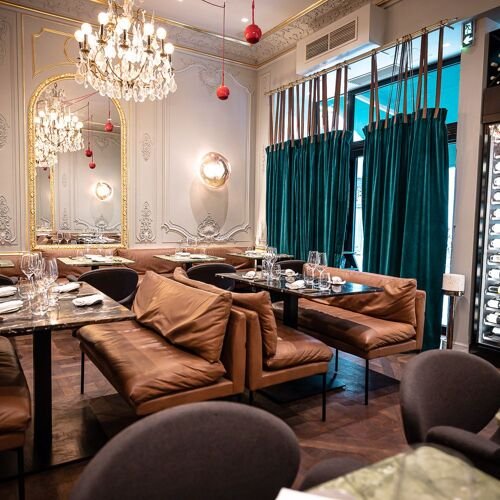
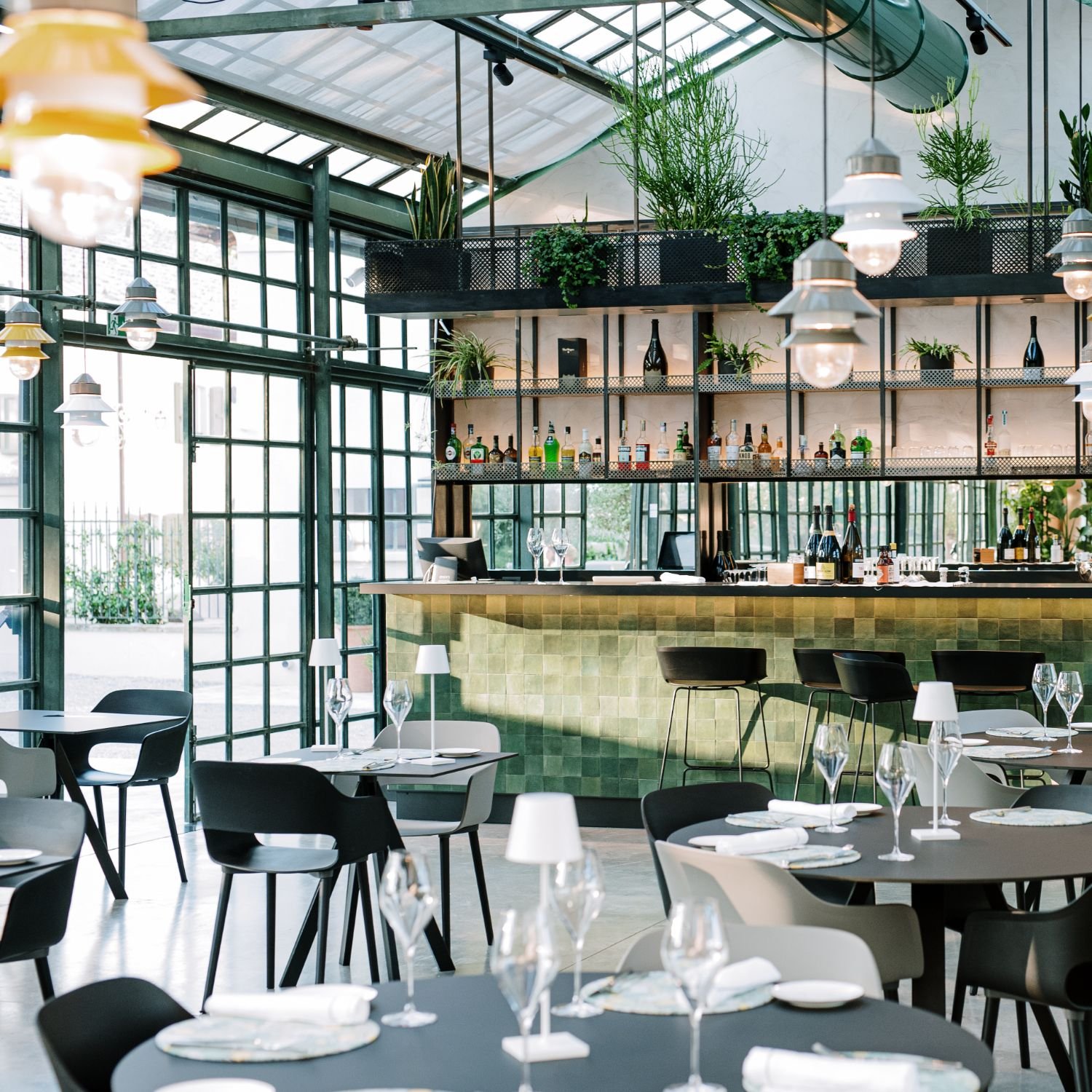
Specific details about cuisine, chef, menu format, or dining programs are not available for Baglioni Masseria Muzza. The dress code is smart casual, and any meal arrangements should be checked directly with the property.
When is the best time to book Baglioni Masseria Muzza?
Seasonal pricing or availability guidance is not available for Baglioni Masseria Muzza. If timing affects the trip, compare rates for your exact dates and confirm any stay details directly with the hotel in Otranto.