
Simose Art Garden Villa
Harumi, Otake
Hotel in Otake, Japan
 Book with Pearl
The Read
Architecture-Museum Retreat
Price
$1,000–1,500per night
Why go
Simose Art Garden Villa is worth considering when the hotel setting is part of the trip, not just a place to sleep. The 2025 Michelin 1 Key gives it a credible quality signal, but value depends on wanting an art-led Otake stay over easier city access in Hiroshima or a more conventional Miyajima base.
About Simose Art Garden Villa
For planning, keep the recommendation narrow and grounded: Simose Art Garden Villa is a stay in Otake with Michelin 1 Key recognition in 2025 and a smart-casual dress code. Check room categories, dining format, facilities, rates, and service inclusions directly before booking.
Evaluate it as a hotel choice where the accolade matters, while avoiding assumptions about the practical details. If you need a broader scan, compare it with other hotels and stays that fit your itinerary.
An Otake stay with a confirmed Michelin Key
The clearest quality signal is the Michelin 1 Key recognition in 2025. That makes Simose Art Garden Villa relevant for travelers who care about a recognized hotel experience in Otake, but it should not be used to infer specifics about room type, dining style, amenities, or pricing.
Dining decisions should be framed cautiously. Confirm current arrangements directly if dining is central to the trip. If dinner is the main priority, check current Otake dining options before committing the night around the table alone.
Who should book, and who should choose a simpler base
Simose Art Garden Villa is most direct to consider if you specifically want a recognized hotel stay in Otake and are comfortable checking the practical details before arrival. Travelers whose plans depend on precise facilities, room configurations, dining arrangements, or transport convenience should confirm those points directly rather than relying on assumptions.
For alternatives, Hilton Hiroshima and KIRO Hiroshima by THE SHARE HOTELS may be worth comparing if your itinerary points you toward Hiroshima. Itsukushima Iroha and Sekitei are also useful reference points for travelers considering a different style of regional stay, while Etajimasou Hotel & SPA Hiroshima is another option to review depending on itinerary.
Quick reference: choose Simose Art Garden Villa for a Michelin 1 Key-recognized stay in Otake; verify practical details directly before treating it as the anchor of a trip.
Planning details
- Location
- 2-chōme-10-50 Harumi, Otake, Hiroshima 739-0622
- Website
- artsimose.jp/villa
- Phone
- +81 827-93-0101
The take
The Take
The Vibe
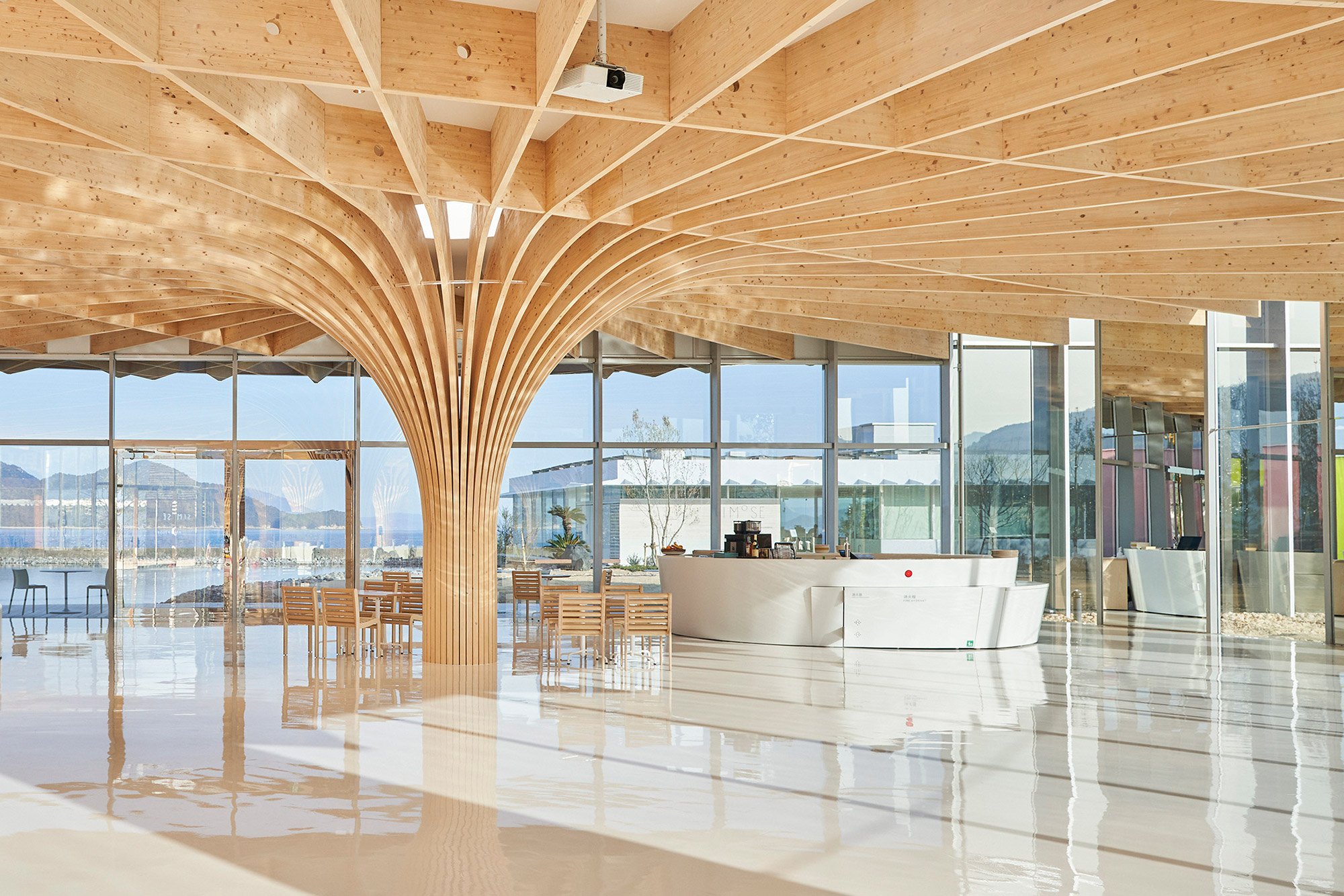
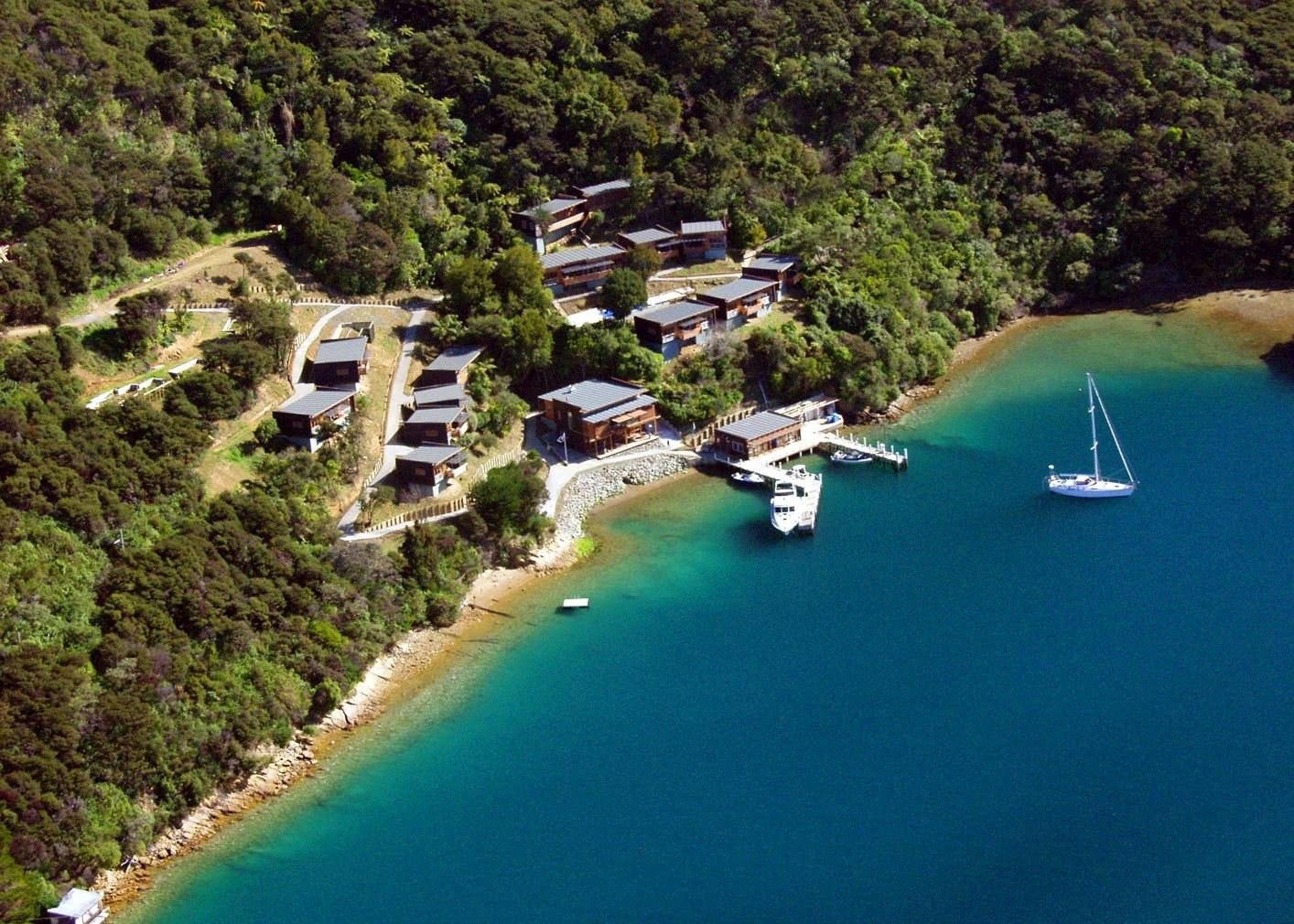
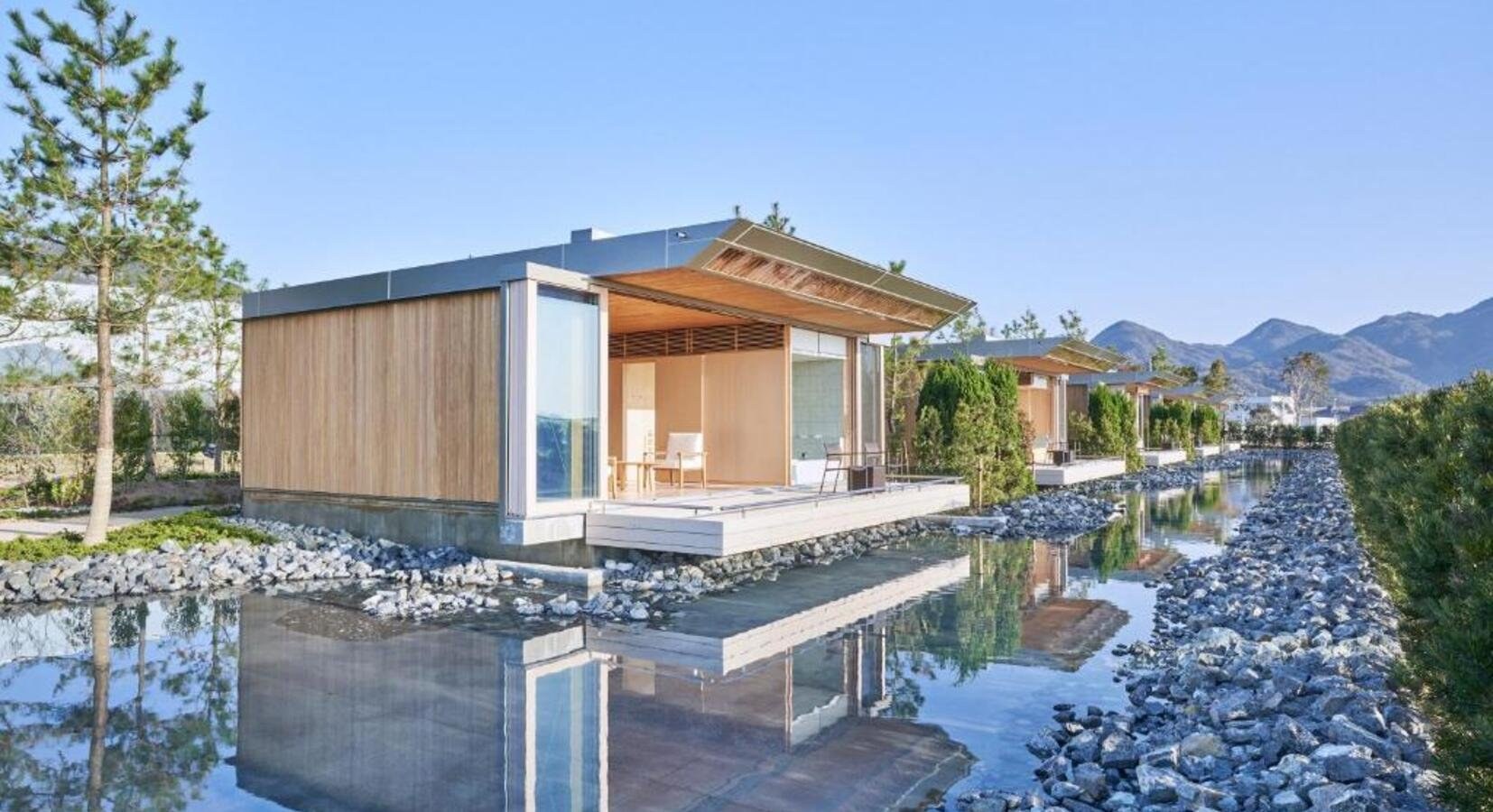
Simose Art Garden Villa foregrounds architecture as the principal draw: each building is a deliberate composition by Shigeru Ban, a Pritzker Prize laureate, and the villas sit within a curated landscape that links forested hillside and a sheltered water basin. The property reads less like a conventional resort and more like a design-minded estate, where material restraint, light, and site-specific sits define the experience. The atmosphere leans serene and sophisticated, favoring contemplative, art-focused stays over high-energy resort programming.
Best For
This is a destination for travelers who prioritize architecture, art, and quiet coastal scenery. It suits design-minded couples and cultural travelers seeking a private, contemplative escape — and it is well aligned with romantic getaways, honeymoons, and weekend escapes centered on solitude and visual experience. With individually configured villas and an on-site museum, the property is best for guests looking to immerse themselves in site-responsive architecture and the coastal landscape rather than busy resort amenities.
Venue details
Ambiance
Light-filled lounge with serene views of colorful museum exhibitions reflecting on water, surrounded by lush greenery and natural surroundings.
Tags
Vibe
Best For
Experience
Amenities
View
About the Stay
- Rooms
- 10
- Check-in
- 15:00
- Check-out
- 11:00
- Property Type
- Boutique hotel
- Property Style
- Contemporary Architectural Villas Blending Art, Nature, and Luxury
- Design Style
- Modern Minimalist with Innovative Paper Tube Structures
- Airport Transfer
- Available
Know before you go
Know Before You Go
- Getting there
- 2-chōme-10-50 Harumi, Otake, Hiroshima 739-0622
Planning details
Location
Recognition and awards
Also consider
Where to look if this is full
If Simose Art Garden Villa is not available, choose Itsukushima Iroha for a Miyajima-focused stay or Hilton Hiroshima for easier city logistics. For a quieter alternative with more wellness emphasis, compare Etajimasou Hotel & SPA Hiroshima.
Hotel context
How it compares with nearby hotel choices
Simose Art Garden Villa is the pick for travelers who want the stay itself to carry the trip. Against Hilton Hiroshima and KIRO Hiroshima by THE SHARE HOTELS, it is less about city convenience and more about a quieter, design-led experience. If the itinerary is meetings, shopping, and easy urban movement, the Hiroshima options are safer. If the point is a slower art-focused stay, Simose is the more distinctive choice.
Compared with Itsukushima Iroha and Sekitei, the decision is about mood. Itsukushima Iroha is easier to justify for a Miyajima-first trip, while Sekitei is the stronger cross-shop for travelers who want a more traditional ryokan-style stay. Simose makes more sense for guests who prefer an art-garden villa format and are willing to plan around a harder booking.
Etajimasou Hotel & SPA Hiroshima is the alternative to consider if spa time and a coastal hotel rhythm matter more than art-led atmosphere. For value, the safer play is to choose by trip purpose: Hilton Hiroshima for utility, Itsukushima Iroha for Miyajima access, Sekitei for ryokan mood, Etajimasou for spa emphasis, and Simose for the more curated hotel stay.
Explore Otake
Around this place
Discover more on Pearl
Unlock the full Simose Art Garden Villa guide in Pearl, including awards, comparisons, FAQs, planning details, and nearby places.
Compare Simose Art Garden Villa
| Venue | Location | Awards |
|---|---|---|
| Simose Art Garden Villa | Otake | 2026 Michelin 1 KeyMichelin 1 Key 20252025 Michelin 1 Key |
| Sekitei | Hatsukaichi-shi | 2026 Michelin 2 Keys2025 Michelin 2 Keys2024 Michelin 2 Keys |
| Itsukushima Iroha | Hatsukaichi | No published awards |
| Etajimasou Hotel & SPA Hiroshima | Hiroshima | No published awards |
| Hilton Hiroshima | Hiroshima | No published awards |
| KIRO Hiroshima by THE SHARE HOTELS | Hiroshima | No published awards |


How Simose Art Garden Villa Otake compares with similar nearby venues.
FAQ
Frequently Asked Questions
How does Simose Art Garden Villa compare to other hotels?
Simose Art Garden Villa stands out in this guide because it is a Michelin 1 Key hotel in Otake. Hilton Hiroshima and KIRO Hiroshima by THE SHARE HOTELS are useful comparisons for some itineraries, while Sekitei, Itsukushima Iroha, and Etajimasou Hotel & SPA Hiroshima may suit travelers considering a different regional stay.
Do loyalty programs work at Simose Art Garden Villa?
Which room category is best at Simose Art Garden Villa?
Choose only after checking the hotel's current room descriptions, rates, and booking terms directly. Key facts to plan around are that Simose Art Garden Villa is in Otake, has a smart-casual dress code, and received Michelin 1 Key recognition in 2025.
Is Simose Art Garden Villa good for business travel?
It may work for a business traveler who specifically wants to stay in Otake. If business facilities or transport convenience are important, compare practical options such as Hilton Hiroshima before deciding.
Is Simose Art Garden Villa family-friendly?
Families should confirm room setup, meal arrangements, and any relevant policies directly before booking. If you are comparing other regional hotels, Hilton Hiroshima or KIRO Hiroshima by THE SHARE HOTELS may be useful reference points.
How is the location of Simose Art Garden Villa?
Simose Art Garden Villa is in Otake. For any more specific location, transfer, or access details, confirm directly before booking. If you are comparing broader regional options, Hilton Hiroshima is one reference point to review.
How is the pool and spa at Simose Art Garden Villa?
Do not book for pool or spa access without checking directly with the hotel. The main quality signal is the Michelin 1 Key recognition in 2025.