

Hotel in Oria, Italy
Masseria Palombara Relais & Spa
475Pearl PointsQuiet Spa Base


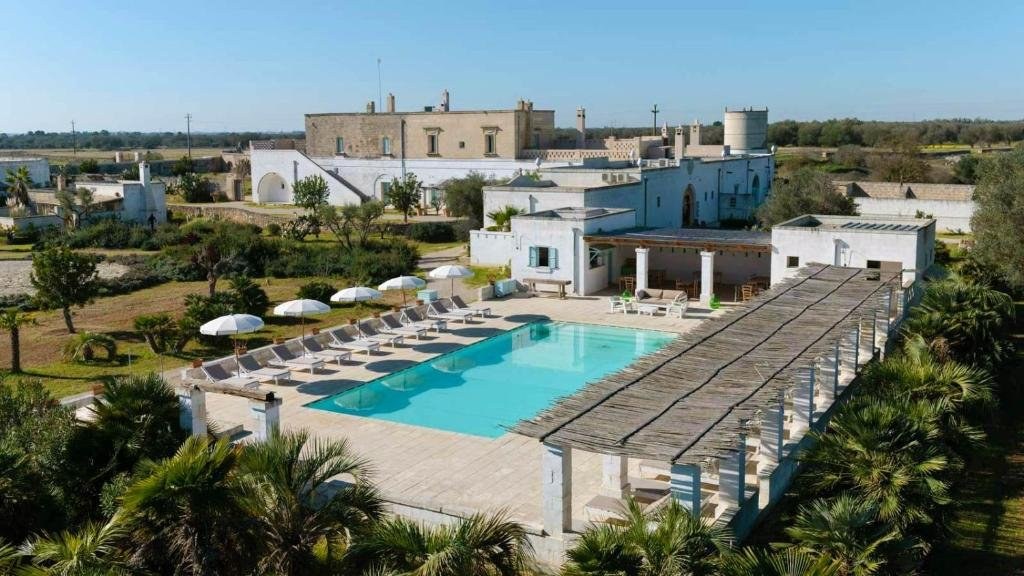
About Masseria Palombara Relais & Spa
A good fit if the trip calls for a quiet Puglian countryside base rather than a walkable town hotel. Masseria Palombara Relais & Spa has useful 2025 quality signals from Small Luxury Hotels of the World and the MICHELIN Guide hotel selection, but dining-specific details are thin, so plan serious meals separately.
For a stay in Oria, Masseria Palombara Relais & Spa is best approached with a careful, verified read rather than assumptions about facilities, dining, or resort-style services. The confirmed signals are direct: it is recognized as a Small Luxury Hotels of the World member in 2025 and is listed in the MICHELIN Guide hotel selection for 2025.
Because the verified public detail available here is limited, the safest way to judge the property is as a premium Oria hotel option with confirmed recognition, not as a dining-led destination or a stay where every operational detail can be inferred in advance. Travelers should confirm current services directly with the hotel before booking.
A recognized Oria stay with limited verified detail
Book this if the main draw is staying at Masseria Palombara Relais & Spa in Oria with the reassurance of confirmed 2025 recognition from Small Luxury Hotels of the World and the MICHELIN Guide hotel selection. Those are useful quality signals, but they do not verify specific claims about cuisine, room count, service format, prices, activities, or other amenities.
Do not book it based on assumptions that are not confirmed in the available data. If a specific facility, meal plan, accessibility need, family setup, or arrival detail matters, check the venue's official channels before committing. The verified dress code is smart casual.
How to plan the stay without overbuying the promise
The smart approach is to treat Masseria Palombara Relais & Spa as a carefully selected Oria hotel option, then verify the practical details that matter for your trip directly with the property. The confirmed recognition helps establish credibility, but it should not be stretched into claims about dining, spa access, transport, or on-site programming.
Dining should be planned with the same caution. Since no cuisine style, chef, menu format, or price signal is verified here, restaurant-focused travelers should research meals separately and use the hotel information only as a starting point. Start with Our full Oria restaurants guide and compare other dining in Oria generically rather than relying on unverified hotel-dining assumptions.
Frequently Asked Questions
How is the dining at Masseria Palombara Relais & Spa?
Dining details are not verified here, including cuisine style, chef, menu format, or price. If food is the priority, research meals separately, including other dining in Oria, rather than relying on unverified hotel-dining assumptions. The stronger confirmed case for Masseria Palombara Relais & Spa is its Oria location and its 2025 recognition from Small Luxury Hotels of the World and the MICHELIN Guide hotel selection. Check the venue's official channels for the latest details.
Is Masseria Palombara Relais & Spa family-friendly?
Family-specific details are not verified here. If children are in the plan, confirm room setup, policies, any relevant services directly with the hotel before booking. The only confirmed dress guidance available here is smart casual.
What is check-in like at Masseria Palombara Relais & Spa?
Specific check-in details are not verified here. The confirmed location is Oria, the property has 2025 recognition from Small Luxury Hotels of the World and the MICHELIN Guide hotel selection. Check the venue's official channels for arrival timing, access, current procedures.
Do loyalty programs work at Masseria Palombara Relais & Spa?
Masseria Palombara Relais & Spa is confirmed as a Small Luxury Hotels of the World member for 2025. Specific loyalty earning, redemption, or benefits information is not verified here, so travelers should check directly with the hotel or booking channel before relying on points or perks.
Is Masseria Palombara Relais & Spa good for business travel?
Business-travel facilities are not verified here, including meeting space, desk setup, or work-focused services. If the trip requires specific business amenities, confirm them directly with the hotel. For comparison, Paragon 700 Boutique Hotel & SPA is another premium hotel option to research separately.
How does Masseria Palombara Relais & Spa compare to other premium stays?
Masseria Palombara Relais & Spa has confirmed 2025 recognition from Small Luxury Hotels of the World and the MICHELIN Guide hotel selection. Travelers comparing premium stays can also research Antica Masseria le Monache, Masseria Cervarolo, Masseria Donna Menga, ostuni art resort, Paragon 700 Boutique Hotel & SPA, while checking each property's current details directly before booking.
Location
SP57, Provinciale per Manduria, Km 2,5, 72024 Oria BR
Oria, Italy
Also Consider
- Antica Masseria le Monache, Notable alternative
- ostuni art resort, Notable alternative
- Masseria Cervarolo, Notable alternative
- Masseria Donna Menga, Notable alternative
- Paragon 700 Boutique Hotel & SPA, Notable alternative
How It Compares
Choose Masseria Palombara Relais & Spa if the priority is a quiet Oria-area masseria with spa positioning and recognized hotel credentials. Against Antica Masseria le Monache, it reads as the more polished pick for travelers who want a rural stay with stronger third-party quality signals. Antica Masseria le Monache is the easier cross-shop if the brief is simply a masseria-style base and the final decision comes down to availability or rate.
If ambiance matters more than proximity to Oria, compare it with ostuni art resort, Masseria Cervarolo, Masseria Donna Menga. Those are better for travelers already leaning toward the Ostuni side of Puglia, while this hotel makes more sense for an Oria-centered itinerary. Booking difficulty is marked easy here, so it is a practical fallback when better-known countryside properties tighten up.
Paragon 700 Boutique Hotel & SPA is the sharper alternative for guests who want a more town-based boutique-hotel feel with spa access. Pick Paragon 700 if walkability and a stronger urban rhythm matter; pick this property if the point of the trip is quiet, space, a rural Puglian setting.
Recognized By


Explore Oria
Save or rate Masseria Palombara Relais & Spa on Pearl
Keep this venue in your Pearl passport, rate it after you visit, and track it alongside every other place you collect.