
Op Oost
Oosterend
Hotel in Oosterend, Netherlands
 Book with Pearl
The Read
Wadden Vernacular Conversion
Price
$200–300per night
Why go
Op Oost is worth considering for a quieter Texel stay, especially if the trip is built around Oosterend's village pace rather than resort facilities. The 2025 Small Luxury Hotels of the World membership gives it boutique-hotel credibility, but families should choose it for calm and island access, not for built-in entertainment.
About Op Oost
Is Op Oost worth booking in Oosterend right now? The safest verdict is to treat it as an Oosterend stay with two clear details: Smart casual dress code and Small Luxury Hotels of the World membership in 2025. Beyond that, check the room, facilities, restaurant details, and booking terms directly before committing.
That makes the decision less about a long checklist of amenities and more about whether Oosterend is the right base for the trip. Op Oost may appeal to travelers who want an Oosterend setting, while travelers who need certainty on services, facilities, dining format, family amenities, or room categories should check those details before booking.
A quieter Oosterend choice
The main reasons to consider Op Oost are its Oosterend location, Smart casual dress code, and Small Luxury Hotels of the World membership in 2025. That recognition is a useful trust signal, while the exact facilities, room setup, dining format, and service style should be checked for your stay dates.
Use that credential as a starting point rather than a complete picture. For a broader scan before committing, use Our full Oosterend hotels guide, and if the stay is being planned around meals as much as rooms, cross-check Our full Oosterend restaurants guide.
Who should choose it, and who should cross-shop
Choose Op Oost if the priority is staying in Oosterend with a property that has Small Luxury Hotels of the World membership and a Smart casual dress code. Cross-shop if the group needs specific information about larger-hotel facilities, transport convenience, family amenities, or a dining-led itinerary before booking. Bij Jef is another option to compare, while The July – Boat & Co may be relevant for travelers considering a different base.
For families or groups, the smarter approach is to decide by trip type and then check the practical details directly with the property. If the trip depends on specific facilities, bedding, accessibility, dining times, or services, do not assume them from a short summary. For wider browsing across categories, use Our full Oosterend bars guide, Our full Oosterend wineries guide, and Our full Oosterend experiences guide.
Quick reference: choose Op Oost for an Oosterend stay with Small Luxury Hotels of the World membership and a Smart casual dress code; cross-shop other options if you need details on facilities, services, or location style before booking.
Planning details
- Location
- Oost 76, 1794 GR Oosterend
- Website
- opoost.nl
- Phone
- +31 222 729 088
The take
The Take
The Vibe
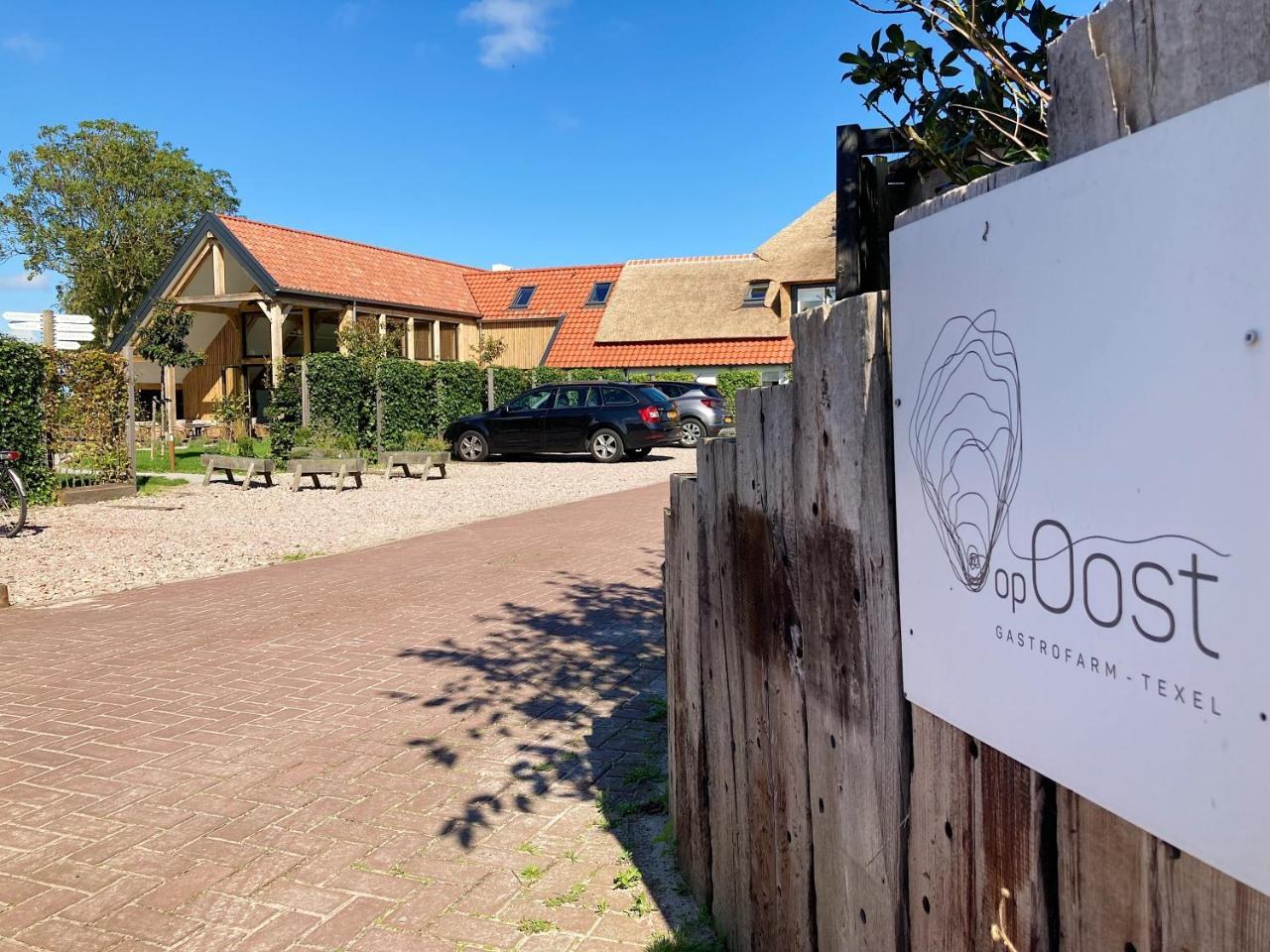
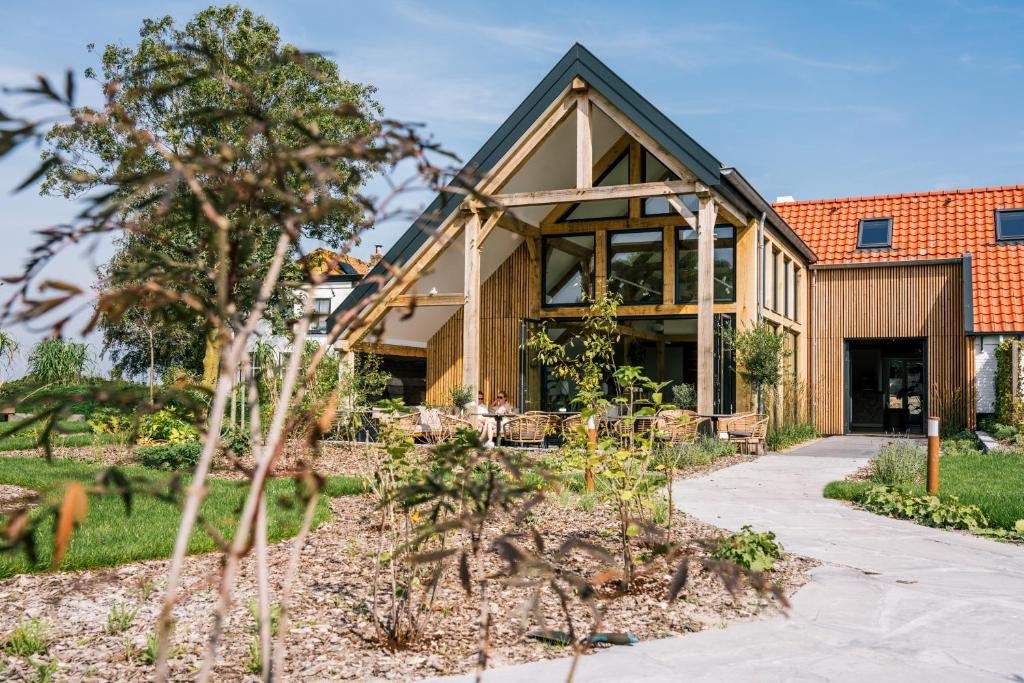
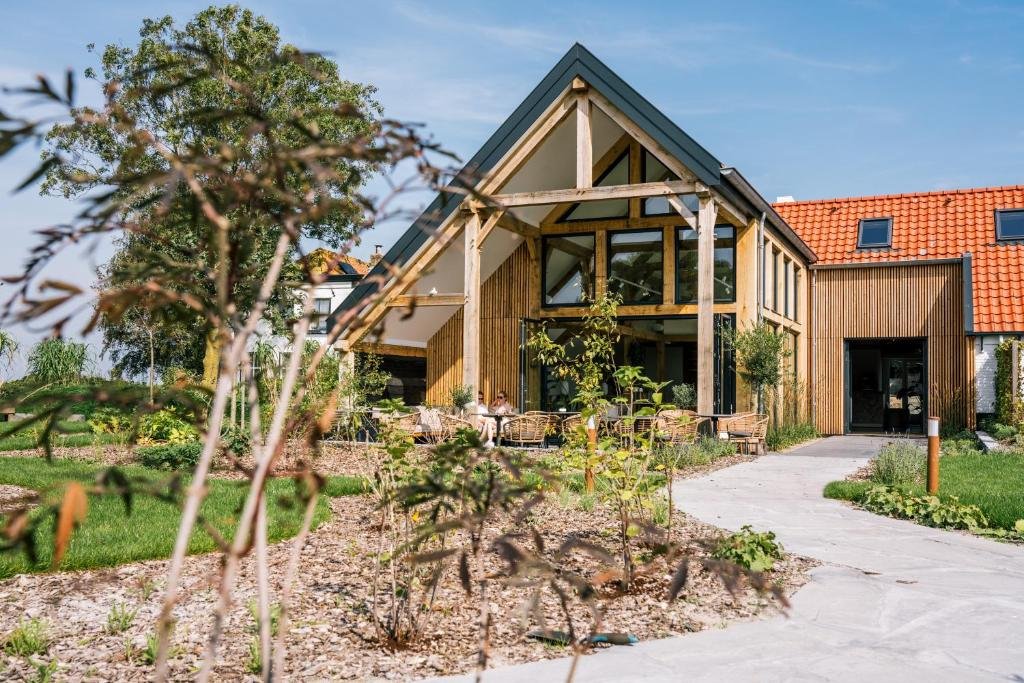
Op Oost leans into the architecture and materials of Texel rather than disguising them. The stay centers on an authentic farmhouse and a rare seaweed barn, a vernacular construction that lends tactile warmth and a quietly rustic sensibility. The writing emphasizes the island’s particular light and tidal landscape, and the conversion preserves the ‘bones’ of agricultural life instead of replacing them with generic contemporary finishes. Guests encounter a restrained, material-forward environment where history and place are visible in textures and proportions, making the property feel both rooted and quietly refined.
Best For
This is a place for low-key escapes that prioritize landscape and calm over nightlife. Op Oost suits couples seeking a romantic getaway, visitors marking an anniversary, and travelers after a restorative weekend or wellness retreat. Its location in Oosterend’s eastern quarter — away from the busier western beaches — keeps the atmosphere peaceful and workaday, ideal for walking the tidal flats, watching changing light, and unplugging from the mainland rhythm. The conservation of vernacular elements also appeals to guests interested in architecture and heritage.
Venue details
Ambiance
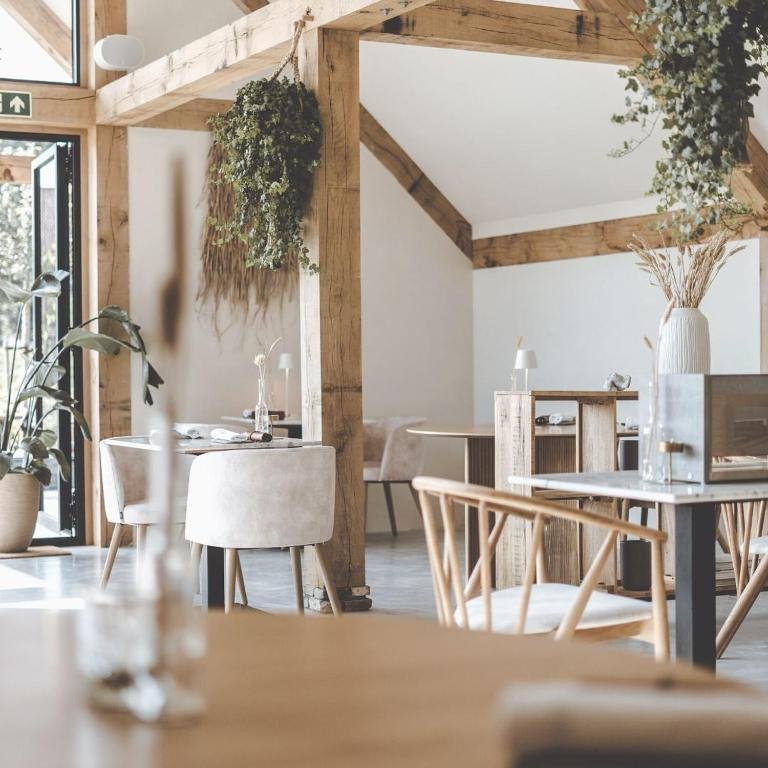
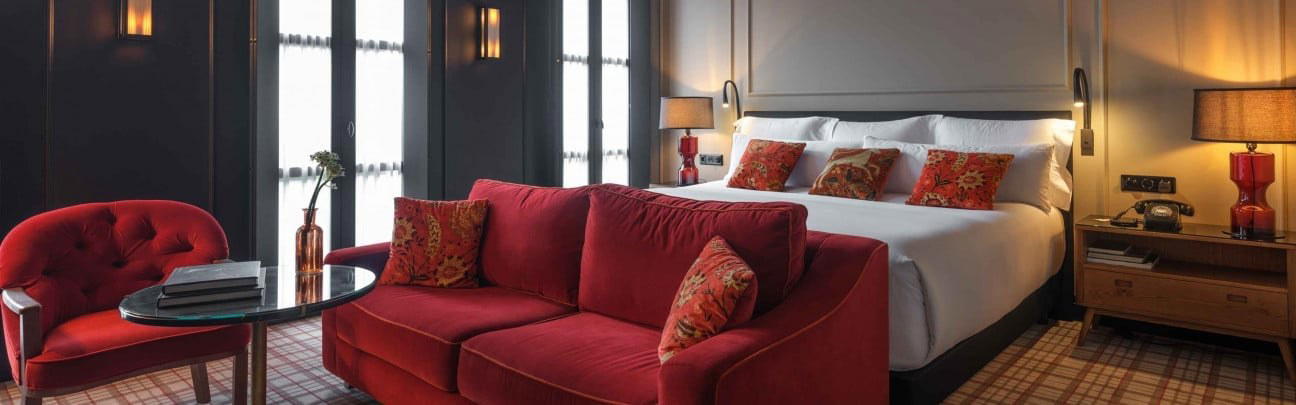
Serene and sophisticated with natural materials, soft lighting, and peaceful garden views; intimate dining spaces with carefully curated wine pairings and attentive service.
Tags
Vibe
Best For
Experience
Amenities
View
Accessibility
About the Stay
- Rooms
- 12
- Check-in
- 15:00
- Check-out
- 11:00
- Property Type
- Boutique hotel
- Property Style
- Eco Conscious Farmhouse Retreat with Nordic Minimalism and Botanical Design Philosophy; Green Key Gold Certified.
- Design Style
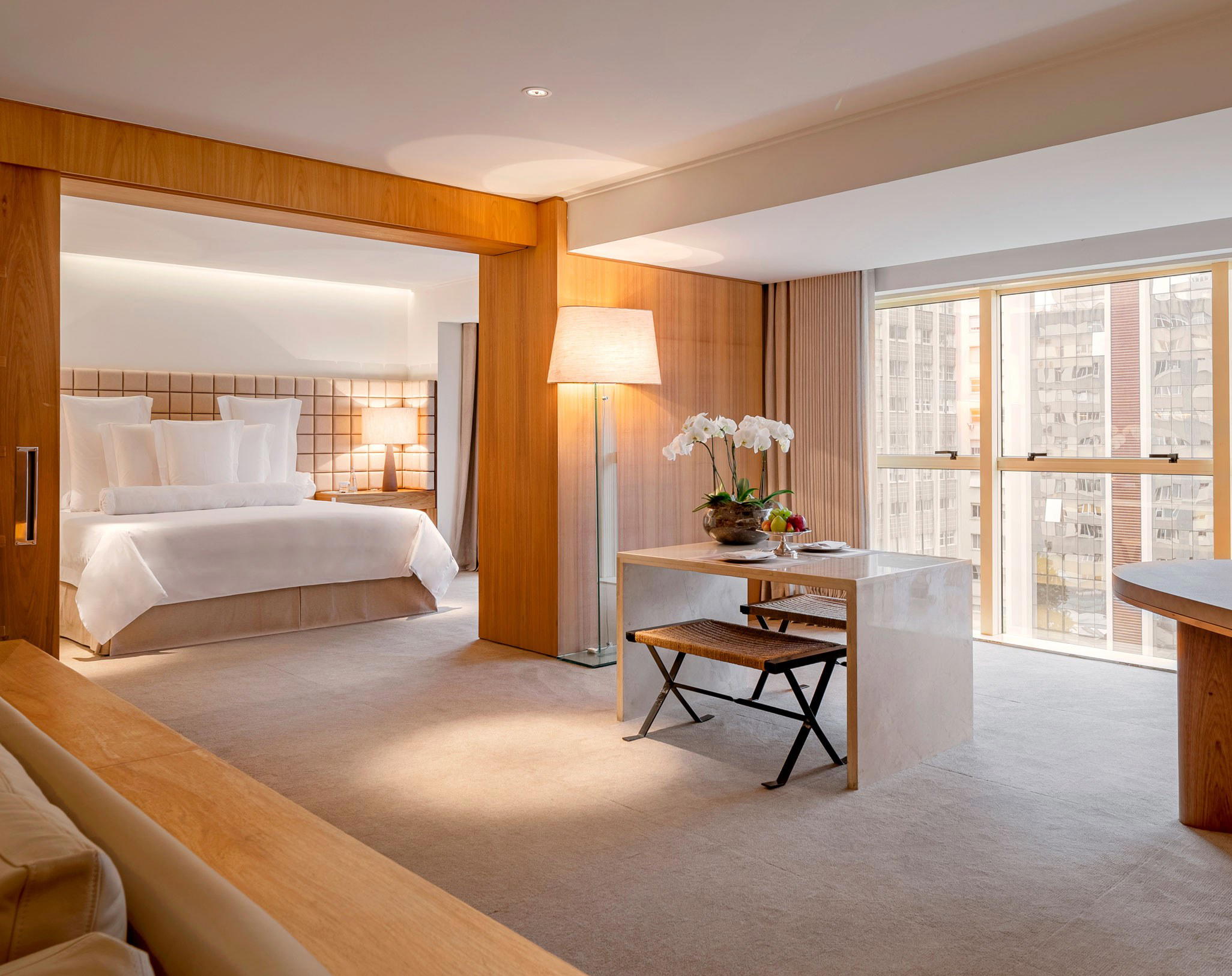
- Natural Materials, Soft Earth Tones, Split Level Suites with Garden Views, Hardwood Floors, and Curated Local Artisan Furnishings.
- Breakfast
- Included
- Spa
- Yes
- Cancellation
- Moderate
Know before you go
Know Before You Go
- Getting there
- Oost 76, 1794 GR Oosterend
Planning details
Location
Recognition and awards

Also consider
Where to look if Op Oost is not the right fit
For another Texel-leaning, food-focused comparison, look at Bij Jef. It is the more relevant fallback when the dining component matters as much as the stay.
For families who need apartment-style practicality and Amsterdam access, The July – Boat & Co is the safer cross-shop. It gives up the quiet Oosterend setting but makes logistics easier for mixed-age groups.
Hotel context
How it compares with nearby and similar hotels
Op Oost is the quieter Texel choice: better for travelers who want a small-scale island base than for guests who need a broad hotel facility list. Bij Jef is the closest cross-shop for a food-led Texel trip, and it is the more obvious alternative if the stay is centered on dining first and hotel atmosphere second.
Posthoorn and Landgoed Duin en Kruidberg make more sense for travelers who want a more traditional country-house or heritage-hotel feel. Choose Op Oost when the island setting is the point; choose those peers when the property itself needs to carry more of the trip.
For families, Inntel Hotels Amsterdam Zaandam and The July – Boat & Co are easier city-adjacent choices, especially when transport and flexible plans matter. Op Oost is the stronger call for calm and Texel context; the Amsterdam-area peers are more practical for mixed-age groups that need convenience.
Explore Oosterend
Around this place
Discover more on Pearl
Unlock the full Op Oost guide in Pearl, including awards, comparisons, FAQs, planning details, and nearby places.
Compare Op Oost
| Venue | Location | Awards |
|---|---|---|
| Op Oost | Oosterend | Small Luxury Hotels Member 2025 |
| Bij Jef | Den Hoorn | 2026 Relais Chateaux Hotels2025 Relais Chateaux Award |
| Posthoorn | Monnickendam | No published awards |
| Inntel Hotels Amsterdam Zaandam | Zaandam | No published awards |
| Landgoed Duin en Kruidberg | Santpoort Noord | No published awards |
| The July – Boat & Co | Amsterdam | No published awards |

How Op Oost Oosterend: What to Know compares with similar nearby venues.
FAQ
Frequently Asked Questions
How does Op Oost compare to nearby hotels?
Choose Op Oost if you want to stay in Oosterend and value its Small Luxury Hotels of the World membership and Smart casual dress code. Bij Jef is another option to compare, while Inntel Hotels Amsterdam Zaandam is a different type of reference point for travelers considering alternatives beyond Op Oost.
How is the pool and spa at Op Oost?
Pool and spa details should be checked directly with the property before booking; Landgoed Duin en Kruidberg is another hotel to compare if spa information is central to the decision.
When is the best time to book Op Oost?
Booking windows and demand patterns can vary. If you need specific dates, contact the property or booking channel directly and check availability, cancellation terms, and any relevant stay requirements.
Which room category is best at Op Oost?
Choose only after checking the current room descriptions, size, bedding, accessibility, and policies directly with the property or booking platform.
How is the dining at Op Oost?
If dining is important to the trip, check current cuisine, menu format, service style, and dining hours directly before booking. The dress code is Smart casual. Bij Jef is another option to compare for a food-focused itinerary.
How is the location of Op Oost?
Op Oost is in Oosterend. Travelers should check maps and transport plans directly if exact logistics matter. Inntel Hotels Amsterdam Zaandam is a different type of comparison for anyone considering another base instead.