
La Dimora
Oletta
Hotel in Oletta, France
 Book with Pearl
The Read
Farmhouse Architecture, Northern Corsica Silence
Why go
La Dimora is worth shortlisting if you want an Oletta base with a Michelin 1 Key quality signal and a quieter inland feel near Saint-Florent. Book it when the rate undercuts coastal options; cross-shop if you need resort scale, business-hotel convenience, or confirmed dining and spa detail before committing.
About La Dimora
La Dimora is a venue in Oletta with a smart casual dress code and a Michelin 1 Key recognition for 2024. Public-facing planning should stay careful: specific claims about services, facilities, dining formats, prices, hours, or other details are not available here.
Use the venue as an Oletta shortlist option when the confirmed appeal is enough on its own: the name, the location in Oletta, the smart casual positioning, and the Michelin 1 Key signal. For anything operational, confirm directly before booking.
Book for the Oletta base, not for a big-venue checklist
The clearest quality signal is the Michelin 1 Key attached to La Dimora. That recognition supports taking the venue seriously, but it should not be read as confirmation of any specific amenity, dining setup, service format, or facility unless the venue confirms it for your dates.
If your decision depends on details beyond the confirmed facts, ask the venue directly before committing. This is especially important for questions about meals, arrival timing, accessibility, on-site services, or any other visit-specific requirement.
Who should choose it, and who should cross-shop
La Dimora belongs on the list for people specifically considering Oletta and looking for a venue with a confirmed Michelin 1 Key recognition. If you are comparing different styles of venue, you can also look at Basgi Basgi, Case Latine, Castel Brando, Domaine Misincu, or Hotel La Roya as separate options, without assuming they offer the same setting or services.
Keep expectations grounded in what is known: La Dimora is in Oletta, has a smart casual dress code, and holds a Michelin 1 Key for 2024. For dining, wellness, transport, loyalty, or other practical details, confirm directly with the venue rather than relying on assumptions.
Planning details
- Location
- Route de Saint-Florent, 20232 Oletta
- Website
- ladimora.fr
- Phone
- +33 4 95 35 22 51
The take
The Take
The Vibe
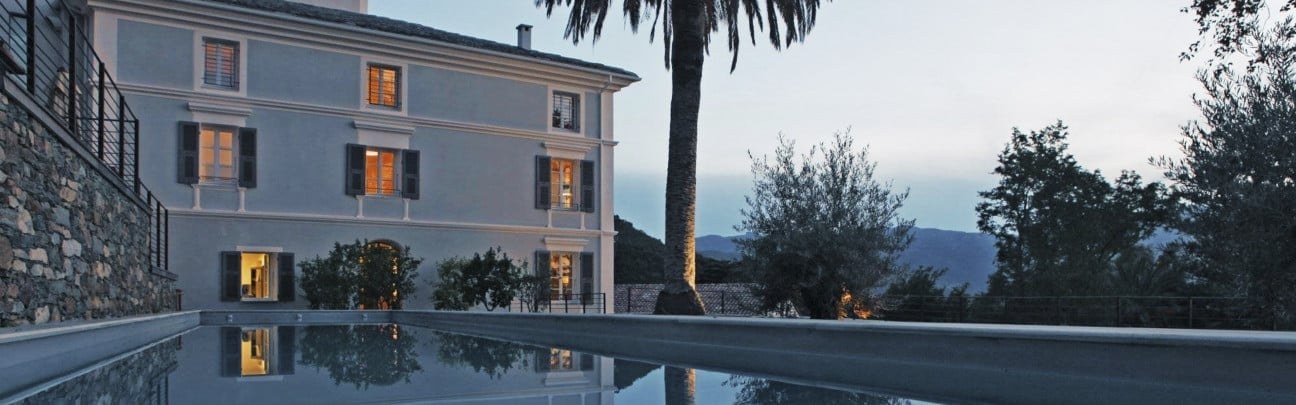
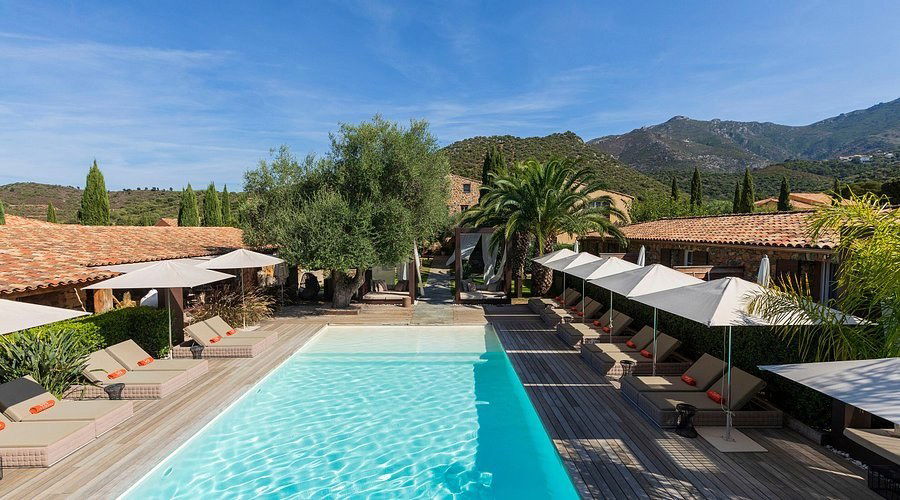
La Dimora reads like a carefully preserved country house: an 18th‑century farmhouse with thick walls, exposed stonework and original proportions that resist contemporary airy minimalism. The setting is quietly scenic — maquis scrub, olive groves and decades‑old dry stone walls unfurl from the drive inland — and the property’s modest scale reinforces a low‑key, intimate atmosphere. Rather than a resort’s theatrical staging, you find the restrained charm of a rural estate where architecture and landscape carry the mood, and the experience is defined by historic fabric and a measured, country‑house pace.
Best For
This is a place for travelers who prize historic character and a small‑scale, rural escape. With just 17 rooms, suites and villas, La Dimora suits couples and small groups seeking a country‑house feel — think romantic getaways, wellness retreats and quiet weekend escapes — rather than high‑energy resort stays. It also appeals to guests who want to be rooted in Corsica’s interior landscape: the property’s atmosphere is driven by its farmhouse architecture and the olive‑grove countryside rather than modern design or spectacle.
Stay Tips
Rooms are limited — the hotel totals 17 accommodations — so book well in advance, especially for peak season. The property sits a few miles inland from Saint‑Florent, so plan transportation for the rural drive that defines the approach. Note that the building preserves original proportions and exposed stonework rather than offering contemporary, airy interiors; if you prefer more space, consider reserving a suite or villa where available.
Venue details
Ambiance
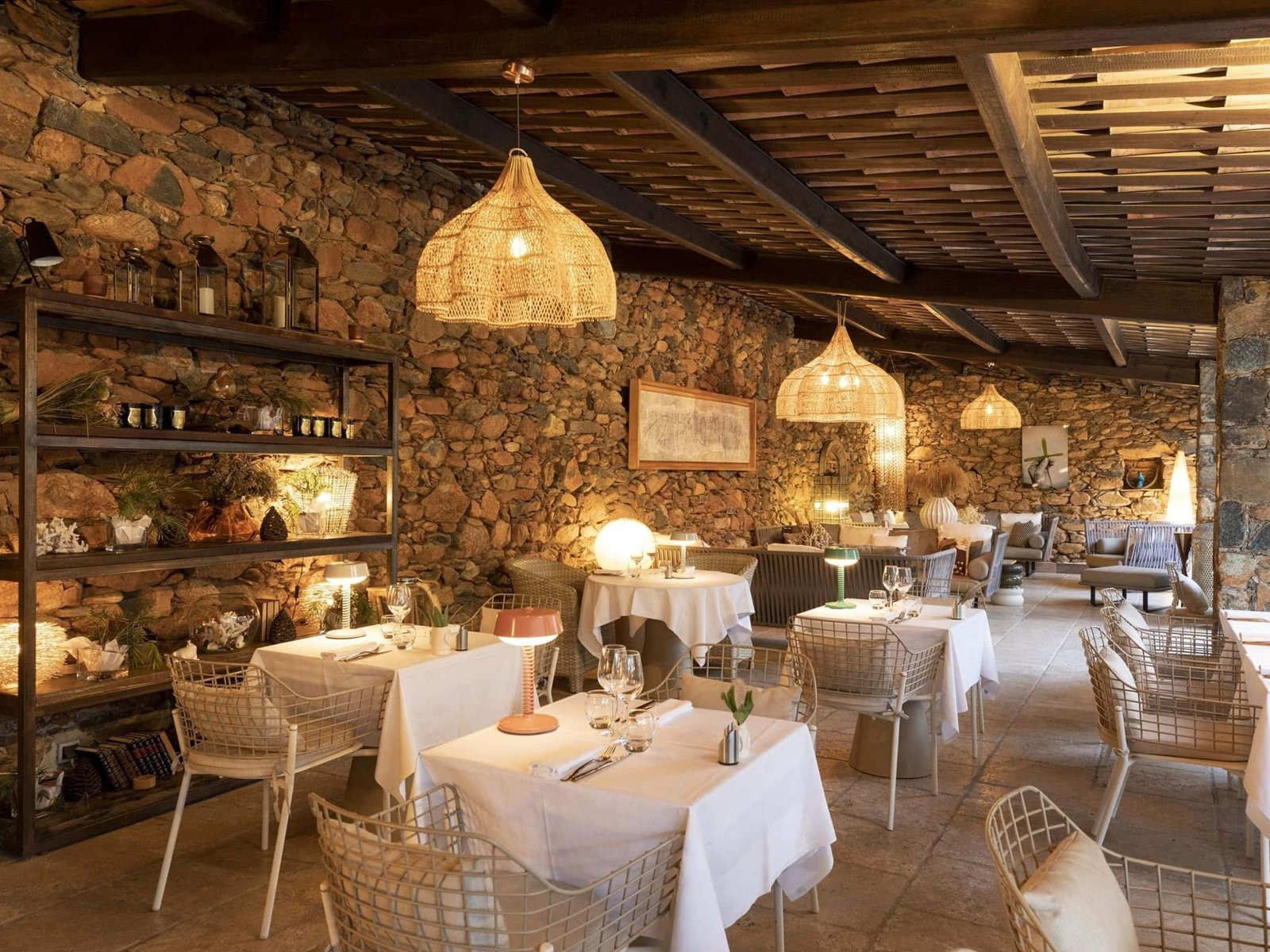
Tranquil and serene with warm lighting, exposed stone walls, and a peaceful countryside atmosphere praised for its relaxing poolside and lounge areas.
Tags
Vibe
Best For
Experience
Amenities
View
Accessibility
About the Stay
- Rooms
- 17
- Check-in
- 15:00
- Check-out
- 11:00
- Property Style
- Restored 18th Century Farmhouse Blending Rustic Authenticity with Contemporary Elegance
- Design Style
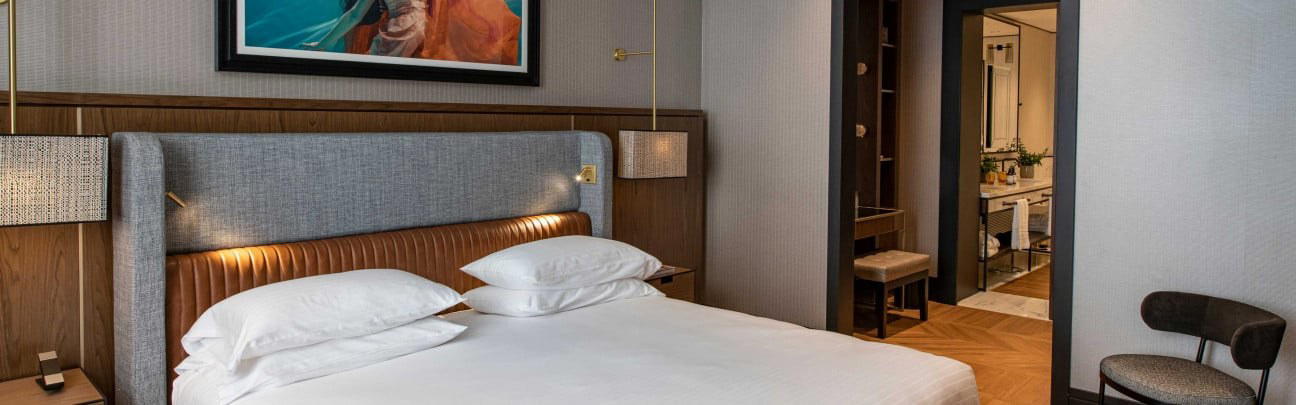
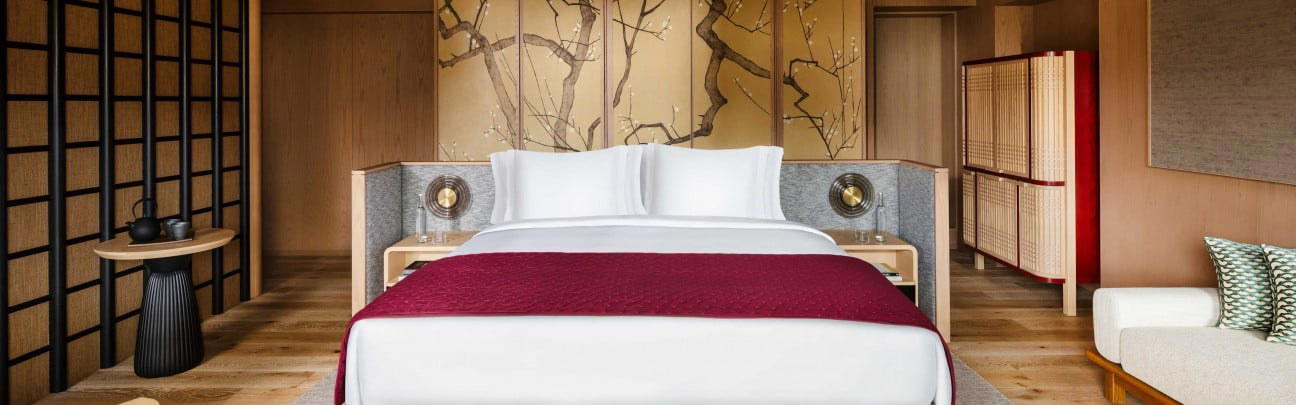
- Rustic Chic with Individually Designed Rooms Featuring Warm Colors, Antiques, and Modern Comforts
Know before you go
Know Before You Go
- Getting there
- Route de Saint-Florent, 20232 Oletta
Planning details
Location
Recognition and awards
Also consider
Also Consider
- Hotel La Roya, Notable alternative
- Basgi Basgi, Notable alternative
- Case Latine, Notable alternative
- Castel Brando, Notable alternative
- Domaine Misincu, Notable alternative
Hotel context
How La Dimora compares in the Oletta set
Choose La Dimora if the priority is a quieter inland stay with a stronger quality signal than a generic village hotel. Hotel La Roya is the more obvious cross-shop for travelers who want to be closer to the water, while La Dimora makes more sense when the trip is built around driving, slower mornings, and using Oletta as a base rather than staying directly on the coast.
Basgi Basgi and Case Latine are the practical alternatives to check when price matters more than formal recognition. If La Dimora is carrying a peak-season premium, those two are worth comparing before paying up. If the rates are close, La Dimora has the cleaner case for a polished, lower-risk stay.
For a broader northern Corsica trip, Castel Brando and Domaine Misincu should be on the same shortlist. Castel Brando is the better cross-shop for travelers who want a more established hotel feel, while Domaine Misincu is the one to compare if a resort-style experience matters. La Dimora is the pick when Oletta itself, calm, and rate discipline matter more than scale.
Explore Oletta
Around this place
Discover more on Pearl
Unlock the full La Dimora guide in Pearl, including awards, comparisons, FAQs, planning details, and nearby places.
Compare La Dimora
| Venue | Location | Awards |
|---|---|---|
| La Dimora | Oletta | 2026 Michelin 1 Key2025 Michelin 1 KeyMichelin 1 Key 20252024 Michelin 1 Key |
| Hotel La Roya | Saint-Florent | 2026 Michelin Guide New Hotels2025 Michelin Selected HotelsSmall Luxury Hotels Member 2025 |
| Basgi Basgi | Saint-Florent | No published awards |
| Case Latine | Lama | No published awards |
| Castel Brando | Brando | No published awards |
| Domaine Misincu | Cagnano | No published awards |



How La Dimora Oletta compares with similar nearby venues.
FAQ
Frequently Asked Questions
Is La Dimora good for business travel?
La Dimora is in Oletta and has a Michelin 1 Key, but visitors with work requirements should confirm practical needs directly before booking.
How is the pool and spa at La Dimora?
How is the dining at La Dimora?
Dining details are not provided here. The confirmed facts are that La Dimora is in Oletta, has a smart casual dress code, and holds a Michelin 1 Key for 2024, so confirm any meal-related expectations directly with the venue.
Do loyalty programs work at La Dimora?
Do not assume points, perks, or chain-style benefits apply unless La Dimora confirms them directly.
When is the best time to book La Dimora?
Specific booking windows and seasonal guidance are not provided here. Once your Oletta plans are firm, check availability and terms directly with La Dimora, and compare with Basgi Basgi or Case Latine if you are considering other options.