
Duba Concession
Duba Concession, Okavango Delta
Hotel in Okavango Delta, Botswana
 Book with Pearl
The Read
Private Floodplain Access
Why go
Duba Concession is a strong fit for a return Okavango Delta trip where privacy and a calmer safari rhythm matter more than chasing the flashiest camp name. Its Relais Chateaux Award recognition in 2025 gives it a credible luxury signal, but suite-level spend only makes sense if the itinerary leaves enough downtime to use the extra space.
About Duba Concession
In the Okavango Delta, decisions about rooms, activities, dining, or pricing for Duba Concession should be made with the property or travel advisor, as detailed information is limited. The dress code is smart casual. Duba Concession also holds a Relais Chateaux Award (2025), a recognition note without assuming specific services or amenities.
For trip planning, compare Duba Concession with other Okavango Delta options by the facts that matter to your itinerary: routing, availability, transfer logistics, the kind of stay your advisor can confirm directly. If you are weighing other named options, Duba Plains Camp, Little Mombo Camp, Sanctuary Chief's Camp, Sitatunga Private Island, Xigera Safari Lodge are natural comparison points, but any final choice should be based on details for the exact dates and stay style.
Plan around confirmed details, not assumed room categories
Specific room categories, suite types, or upgrade strategies for Duba Concession cannot be recommended. If on-property time is important, ask for the current accommodation categories, included amenities, how much time the planned itinerary leaves at the venue. Without those details, it is safer to evaluate the stay around routing and the overall Okavango Delta plan rather than assuming that a larger room or suite is the right value.
The same caution applies to seasonality, activities, dining, service format. Those details should be confirmed directly before booking, especially if the trip depends on a particular schedule, dietary need, or arrival sequence. Duba Concession is in the Okavango Delta, the dress code is smart casual, it holds a Relais Chateaux Award (2025).
Use Duba Concession as a starting point for Delta planning
Duba Concession can be considered as part of an Okavango Delta itinerary, but detailed claims about privacy, room count, guiding style, dining format, or specific amenities are not available. Cross-shop Sitatunga Private Island, Sanctuary Chief's Camp, Duba Plains Camp, Little Mombo Camp, Xigera Safari Lodge if you want to compare different Delta stays. For a broader planning pass, compare Duba Concession with other Okavango Delta options before locking the route.
Planning details
- Location
- Kakoro
- Website
- xigera.com
- Phone
- +27 87 743 2388
The take
The Take
The Vibe
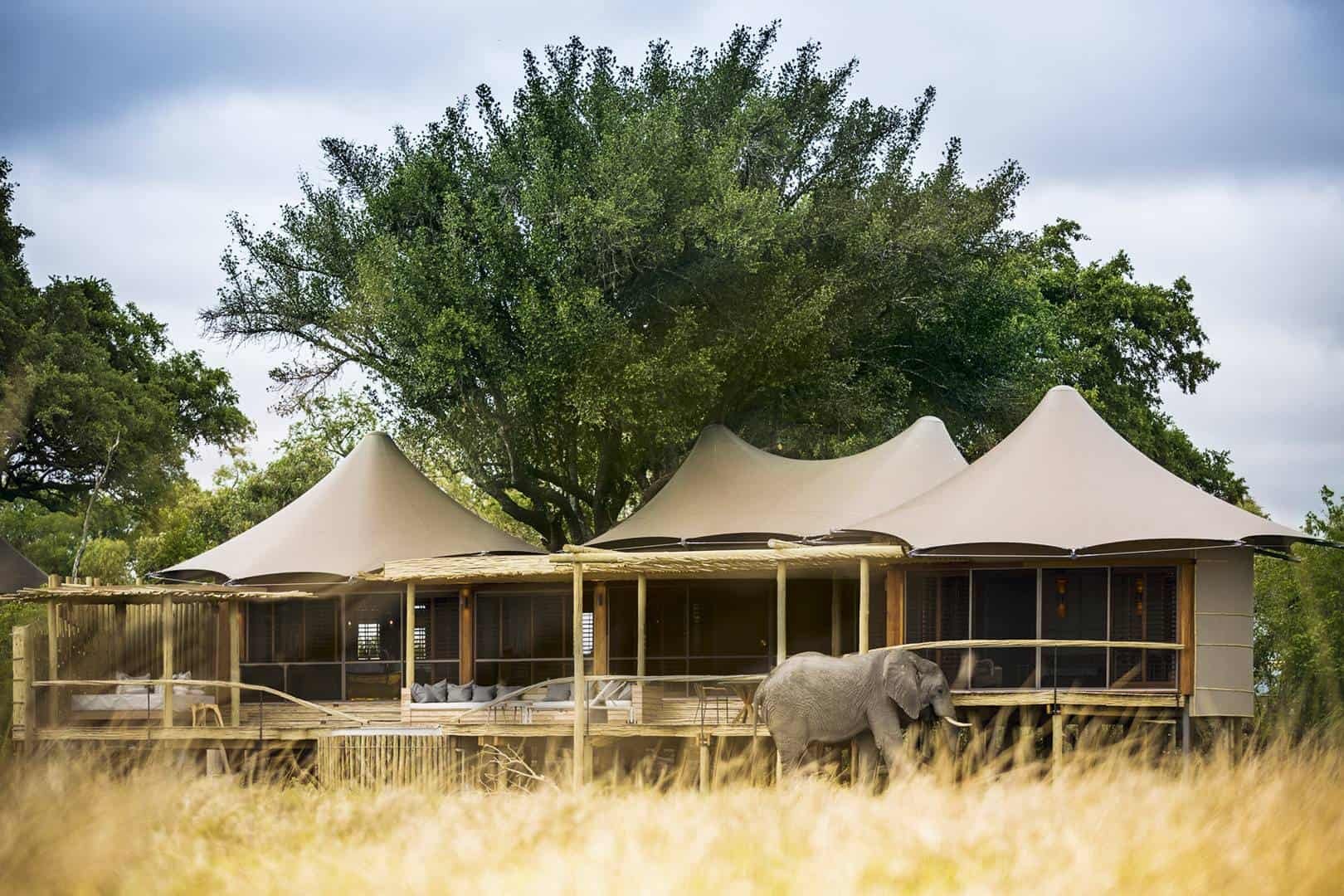
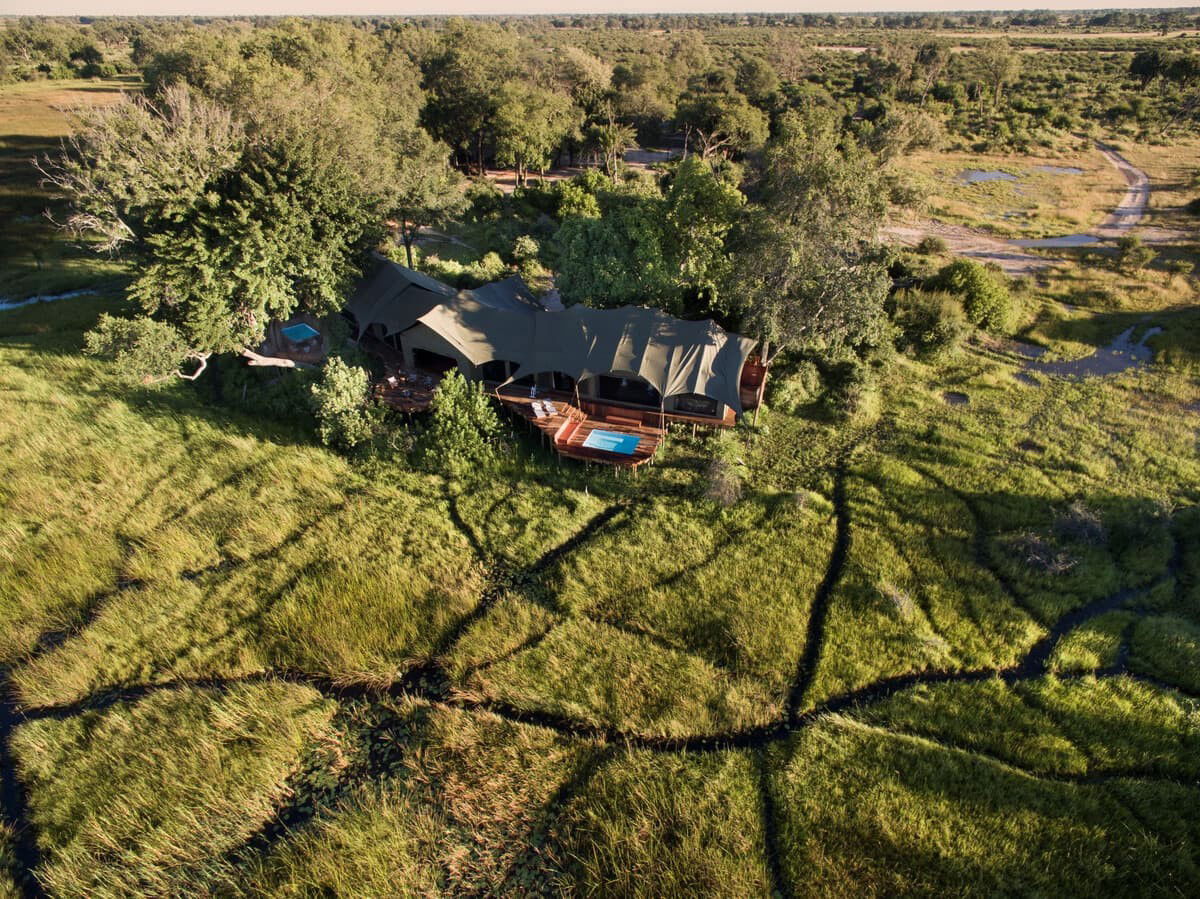
Duba Concession arrives with an intentional stillness. The journey—touching down on a bush airstrip as papyrus flattens beneath the light aircraft—sets a tone of recalibrated pace that persists on the ground. The camp sits at the intimate end of the Okavango spectrum: large canvas suites that favour space and material quality rather than architectural spectacle, a small staff-to-guest ratio and a private-concession model that keeps competing convoys at bay. That combination creates a quietly refined safari experience—meditative at dawn, focused around wildlife and rhythms rather than headline-driven tourism.
Best For
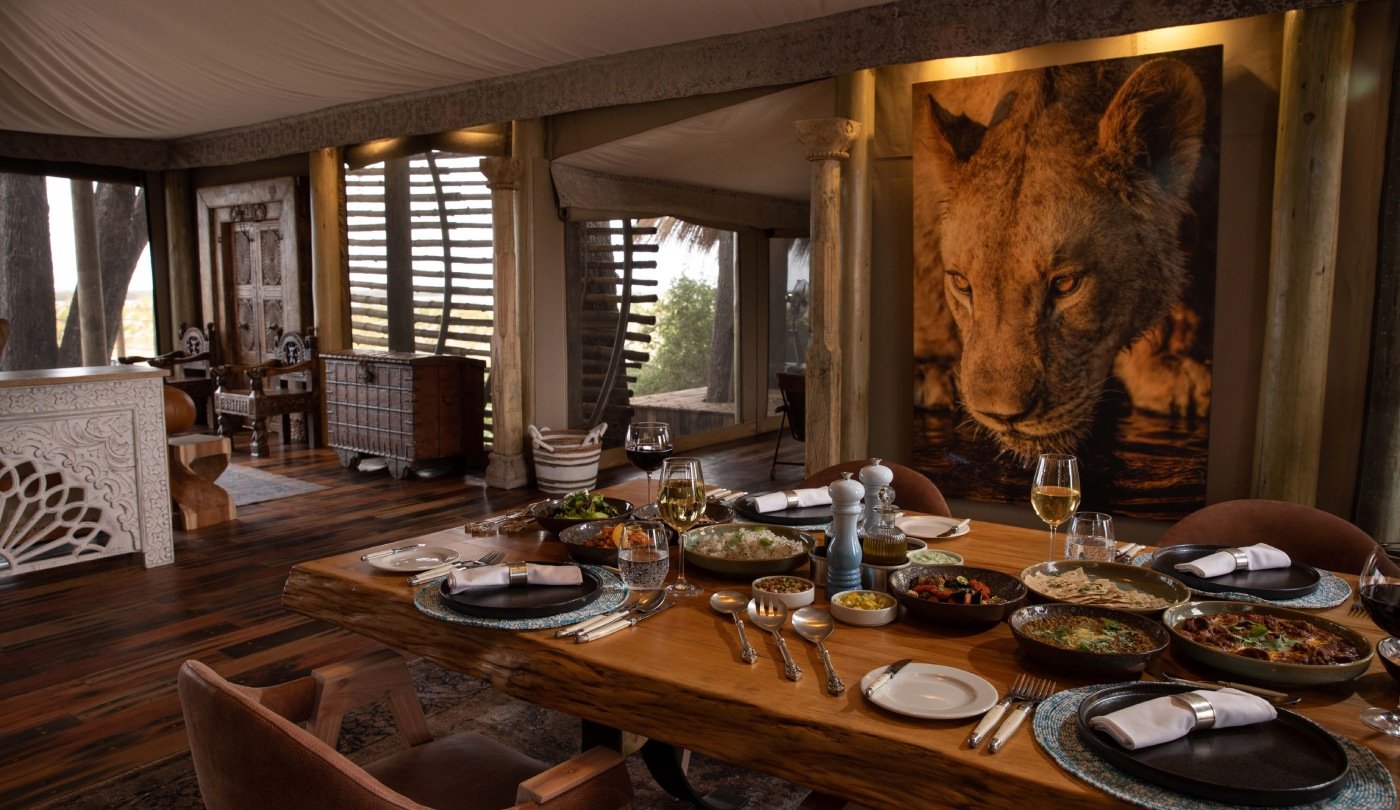
This is a property for travellers who want presence over hustle—couples celebrating a honeymoon or anniversary, and anyone after a quietly luxurious romantic getaway. The private-concession access concentrates wildlife encounters without the spectacle of competing vehicles, while dedicated guides and pre-arrival service touchpoints mean experiences are personalised rather than churned. Days are organized around morning and afternoon drives with communal meals in between, so guests who value slow pacing, consistent service and concentrated wildlife viewing will find Duba especially well suited to those intentions.
Venue details
Ambiance
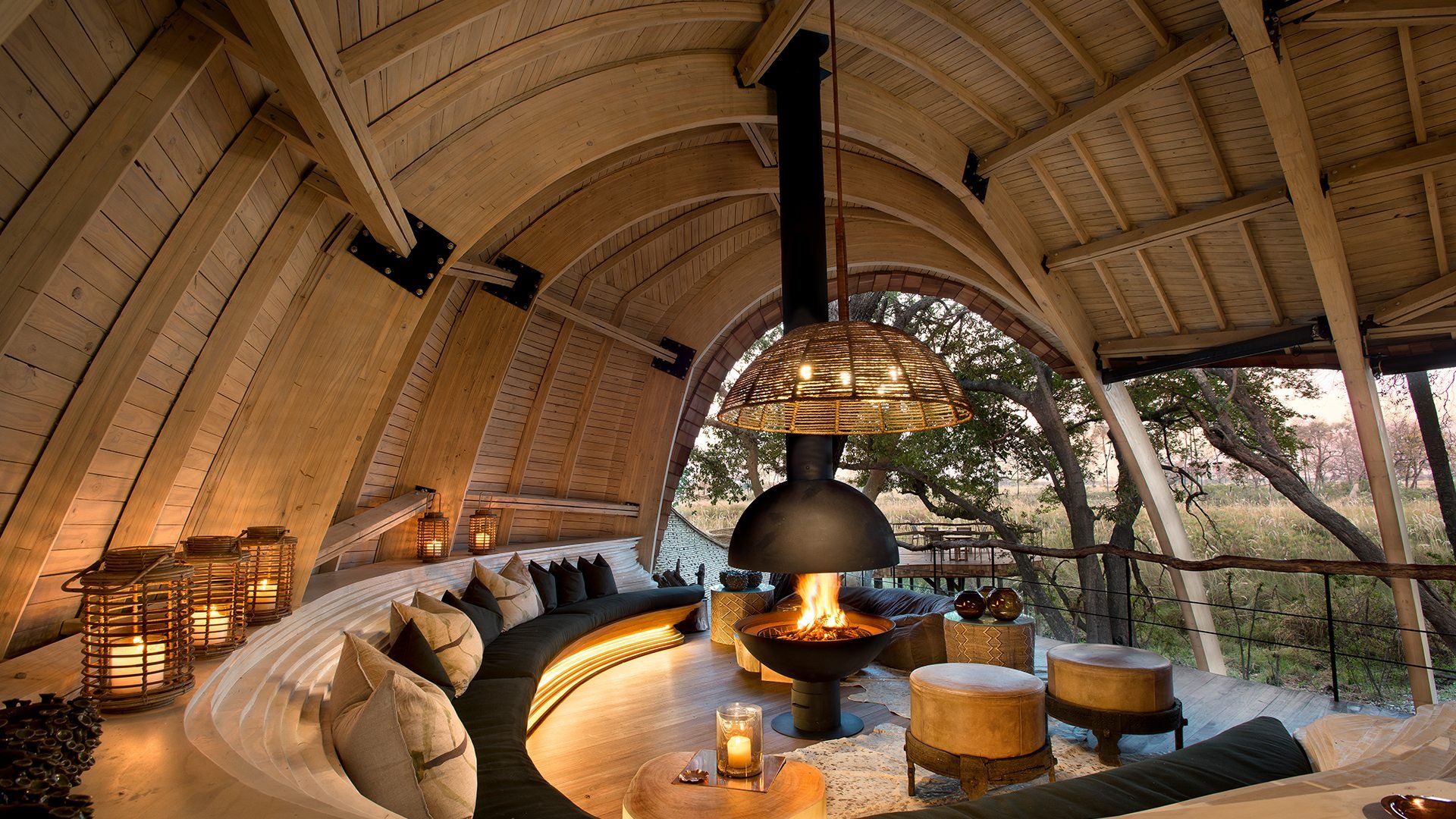
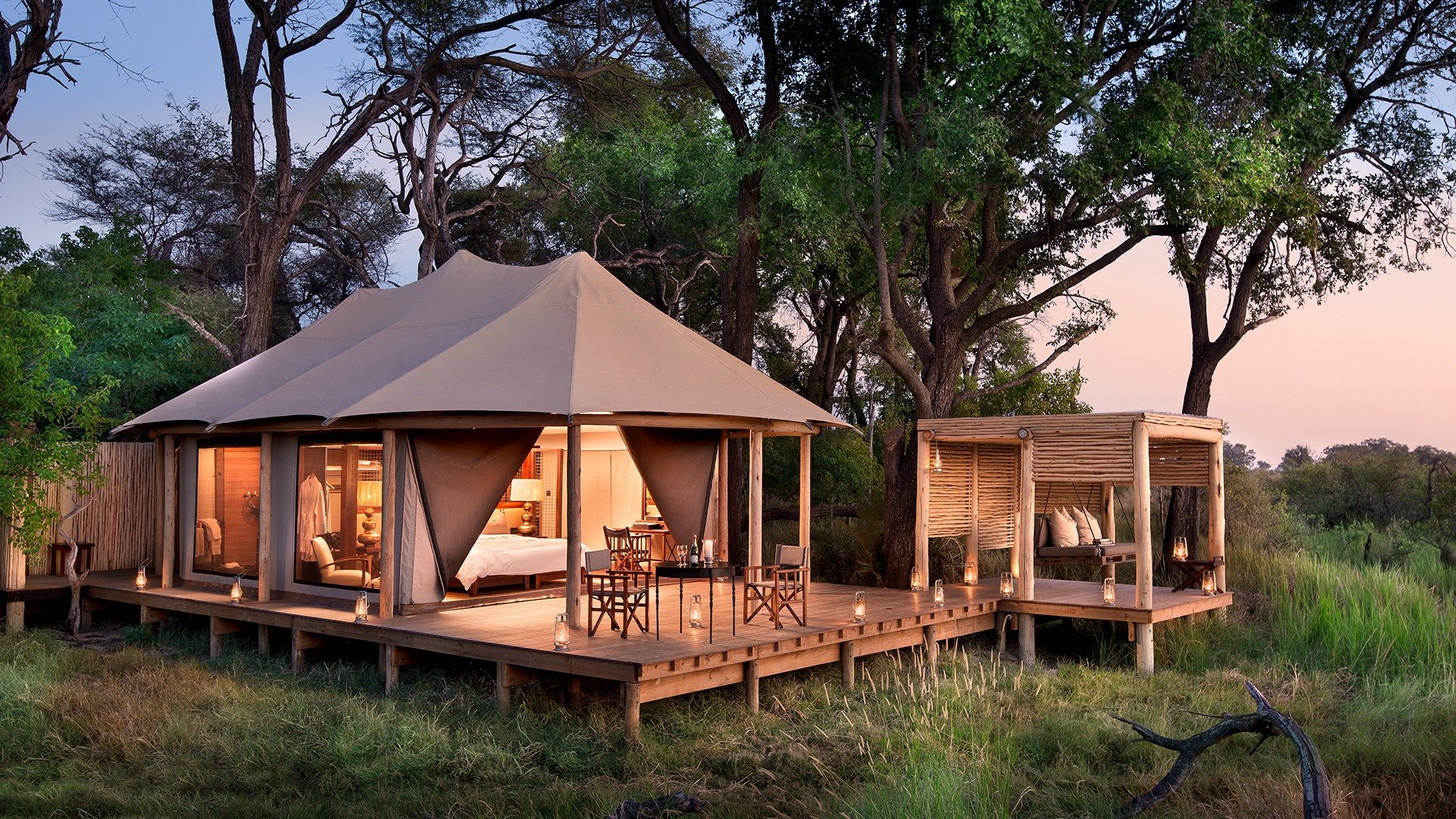
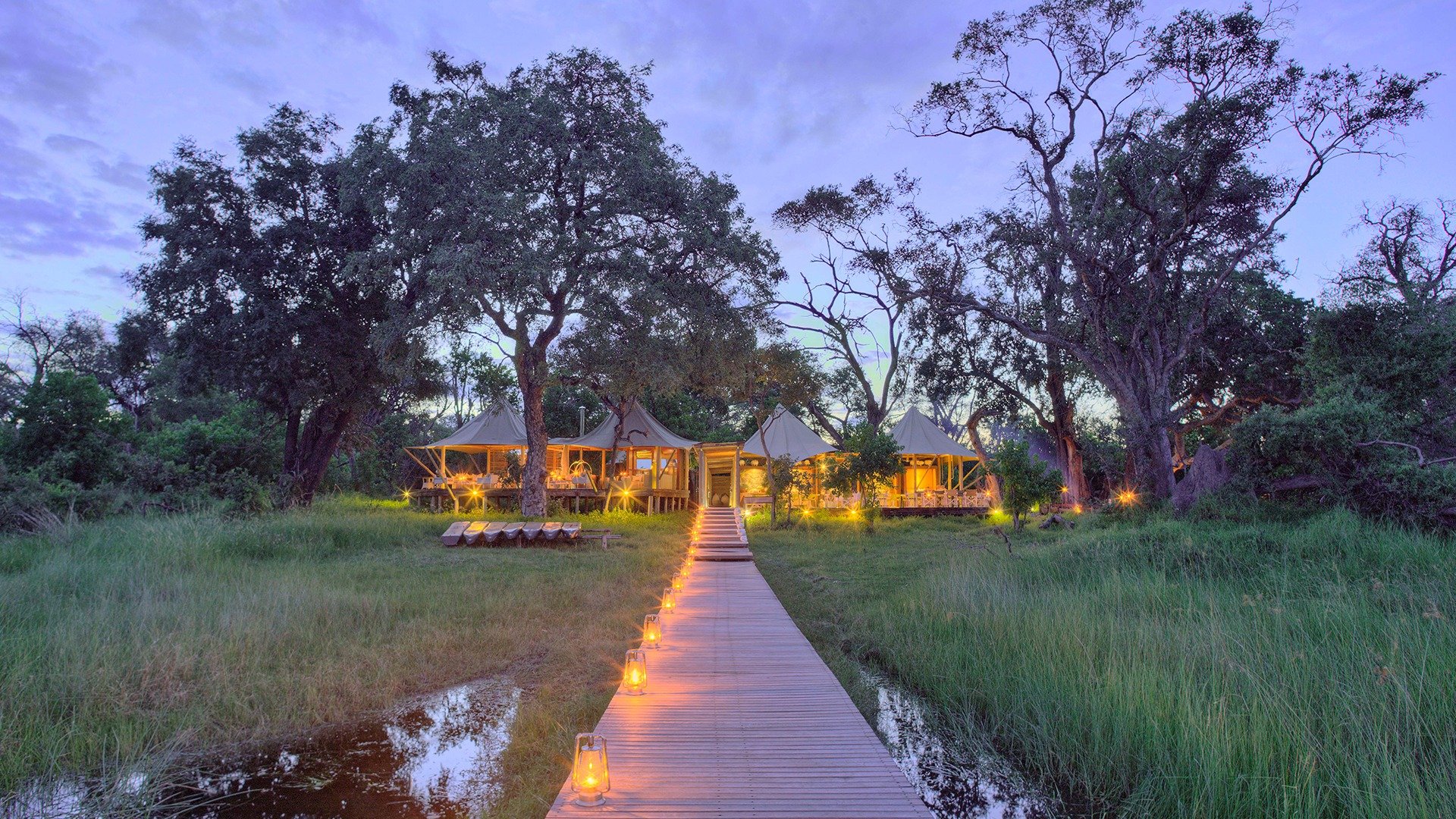
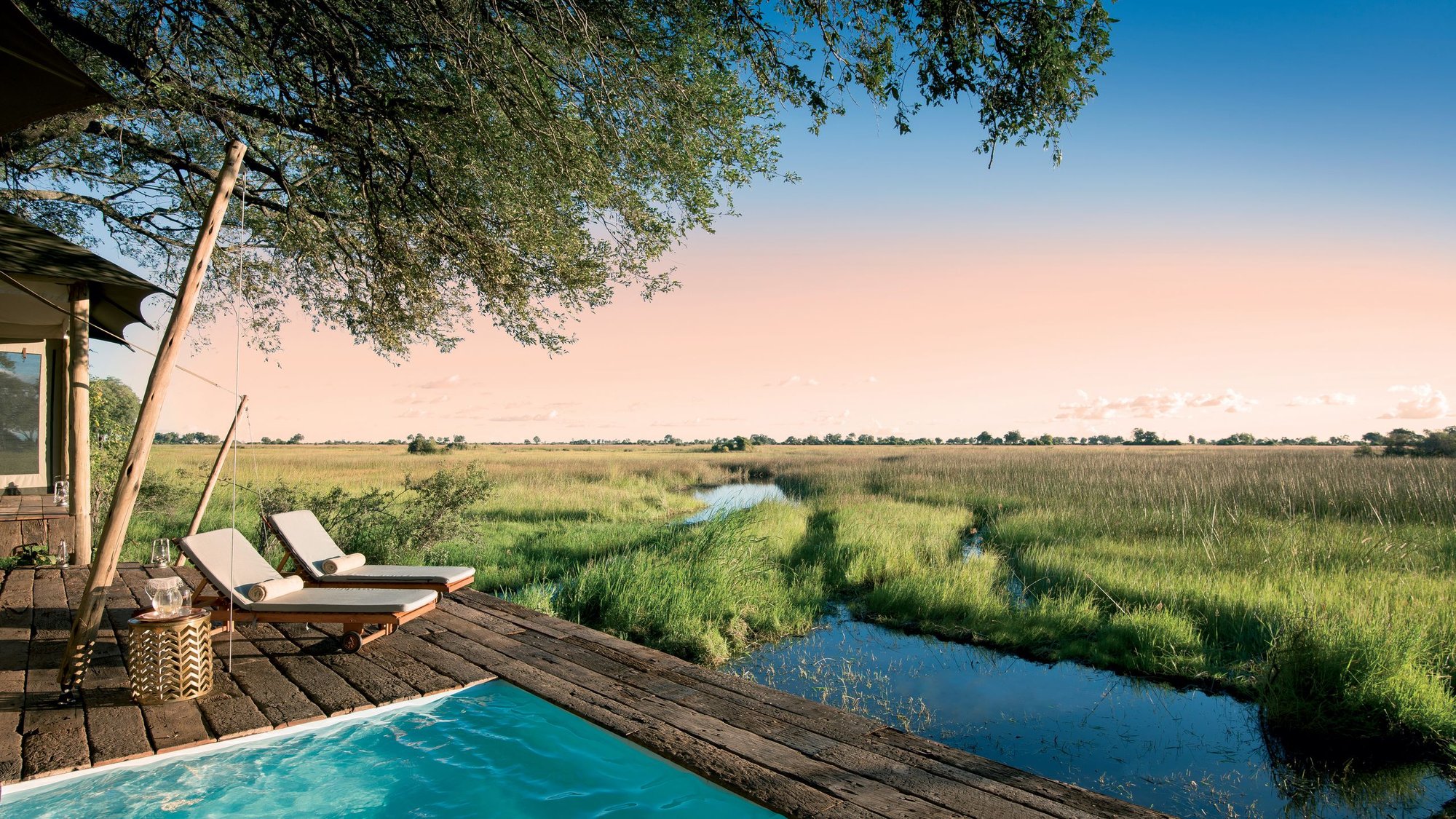
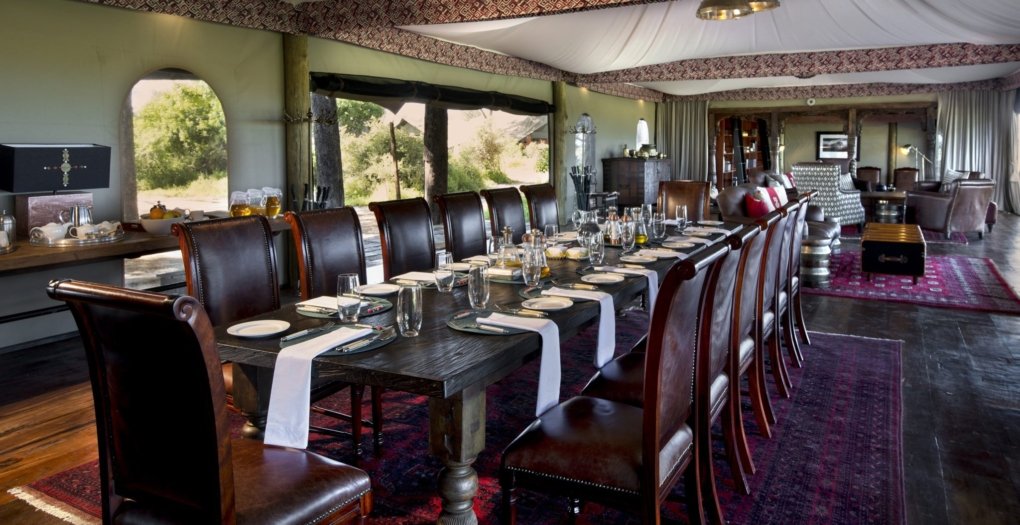
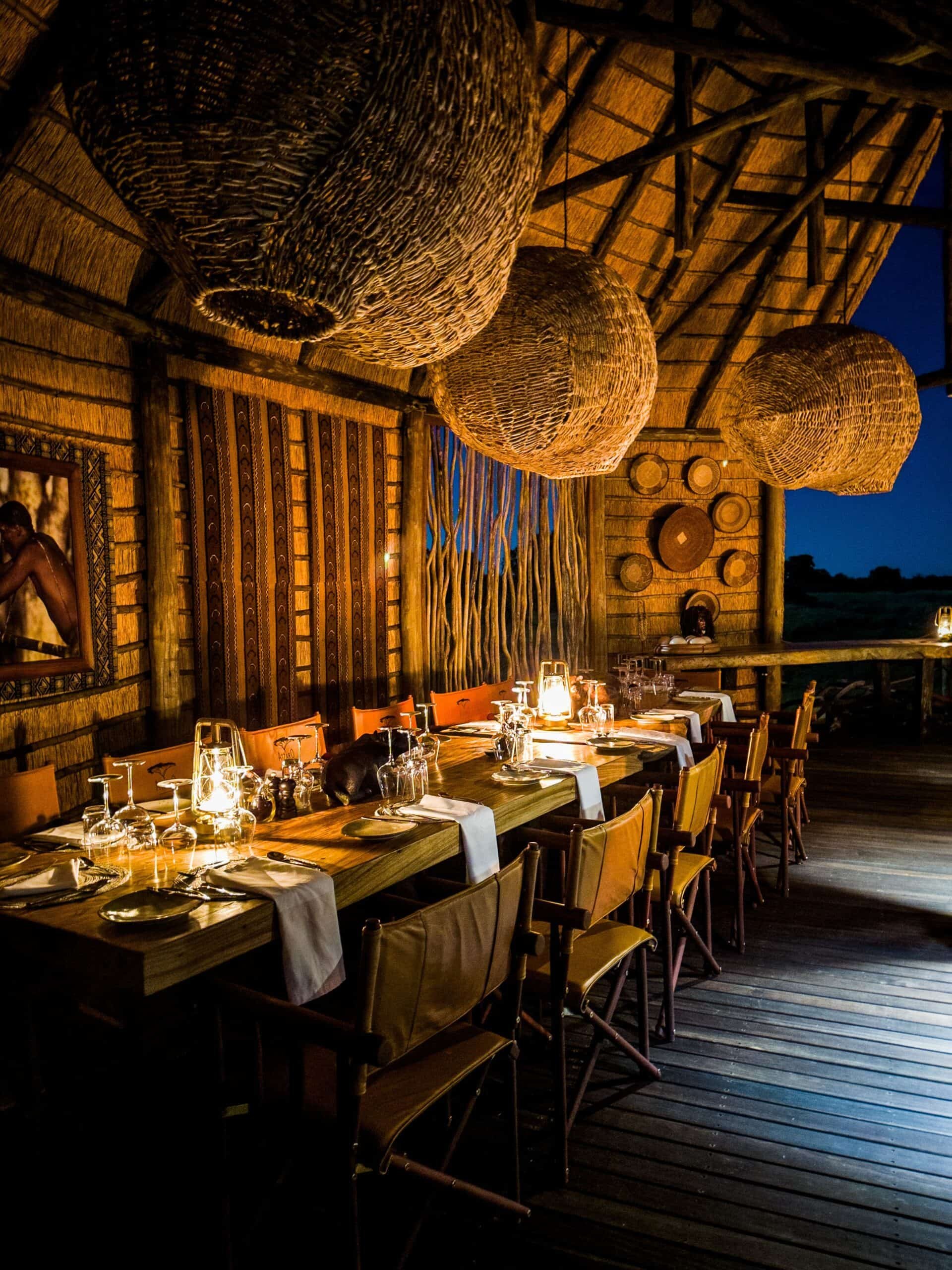
Intimate and elegant 1920s-style safari ambiance with shaded tents blending into lush ebony and fig trees, evoking classic African luxury amid pristine floodplains and wildlife sounds.
Tags
Vibe
Best For
Experience
Amenities
View
About the Stay
- Rooms
- 6
- Property Style
- Classic 1920s Expedition Style Luxury Tented Camp on Raised Decks
- Design Style
- Elegant Canvas Tents with Wooden Floors, Tranquil Interiors, and Outdoor Showers Blending Into the Forest
Planning details
Location
Recognition and awards

Also consider
Also Consider
- Duba Plains Camp, Notable alternative
- Sitatunga Private Island, Notable alternative
- Little Mombo Camp, Notable alternative
- Sanctuary Chief's Camp, Notable alternative
- Xigera Safari Lodge, Notable alternative
Hotel context
How Duba Concession compares in the Okavango Delta
Choose Duba Concession if the aim is a quieter Delta stay with easier booking dynamics than the hardest-name camps. Duba Plains Camp is the more obvious cross-shop for travelers who want the Duba name with a stronger luxury-camp identity, while Duba Concession is the cleaner pick when privacy and a less showy rhythm matter more than recognition.
Sitatunga Private Island is the better comparison for guests prioritizing a private-island mood and water-led seclusion. Little Mombo Camp suits travelers chasing a heavier safari pedigree and a more competitive booking target. If the trip needs the easier trophy choice, Little Mombo has the edge; if the trip needs less pressure and more space to reset, Duba Concession is the more practical call.
Sanctuary Chief's Camp is a safer fit for travelers who want a Moremi-area anchor with broader name recognition, while Xigera Safari Lodge is the splurge comparison for design-led guests. Duba Concession sits between those poles: less about spectacle, more about a controlled Delta base that can make sense when the route, season, room category line up.
Explore Okavango Delta
Around this place
Discover more on Pearl
Unlock the full Duba Concession guide in Pearl, including awards, comparisons, FAQs, planning details, and nearby places.
Compare Duba Concession
| Venue | Location | Awards |
|---|---|---|
| Duba Concession | Okavango Delta | 2025 Relais Chateaux Award |
| Duba Plains Camp | Okavango Delta | No published awards |
| Sitatunga Private Island | Okavango Delta | 2026 Relais Chateaux Hotels2025 Relais Chateaux Award |
| Little Mombo Camp | Okavango Delta | 2026 La Liste Top Hotels |
| Sanctuary Chief's Camp | Moremi Game Reserve | 2026 La Liste Top HotelsWorld Travel Awards 2025 |
| Xigera Safari Lodge | Moremi Game Reserve | No published awards |


How Duba Concession Okavango Delta compares with similar nearby venues.
FAQ
Frequently Asked Questions
What is check-in like at Duba Concession?
Duba Concession is in the Okavango Delta. Specific check-in procedures are not available, so confirm arrival details, transfers, timing directly before travel. The dress code is smart casual, the property holds a Relais Chateaux Award (2025).
How is the pool and spa at Duba Concession?
Pool and spa details for Duba Concession are not available. If those amenities matter to the trip, confirm them directly before booking. Xigera Safari Lodge is another Okavango Delta option to compare, but do not assume the same amenities or service format across properties.
How does Duba Concession compare to nearby hotels?
Duba Concession should be compared with other Okavango Delta stays using confirmed information for your dates, transfers, priorities. Duba Plains Camp, Sanctuary Chief's Camp, Little Mombo Camp, Sitatunga Private Island, Xigera Safari Lodge are useful comparison points, while Duba Concession's key details are its Okavango Delta location, smart casual dress code, Relais Chateaux Award (2025).
Which room category is best at Duba Concession?
Specific room categories at Duba Concession are not available. Ask the property or advisor for current room types, inclusions, upgrade differences before choosing. Without those details, the safest planning approach is to match the stay to the overall Okavango Delta itinerary rather than relying on assumed suite-level benefits.
Is Duba Concession good for business travel?
Duba Concession is in the Okavango Delta, but business-travel facilities and meeting amenities are not available. If the trip requires work logistics, confirm connectivity, workspace, transfers, schedule flexibility directly. Little Mombo Camp and Sanctuary Chief's Camp can be considered as comparison points for the broader itinerary.