
Hotel in Noto, Italy
Seven Rooms Villadorata
750Pearl PointsCentral Noto Stay

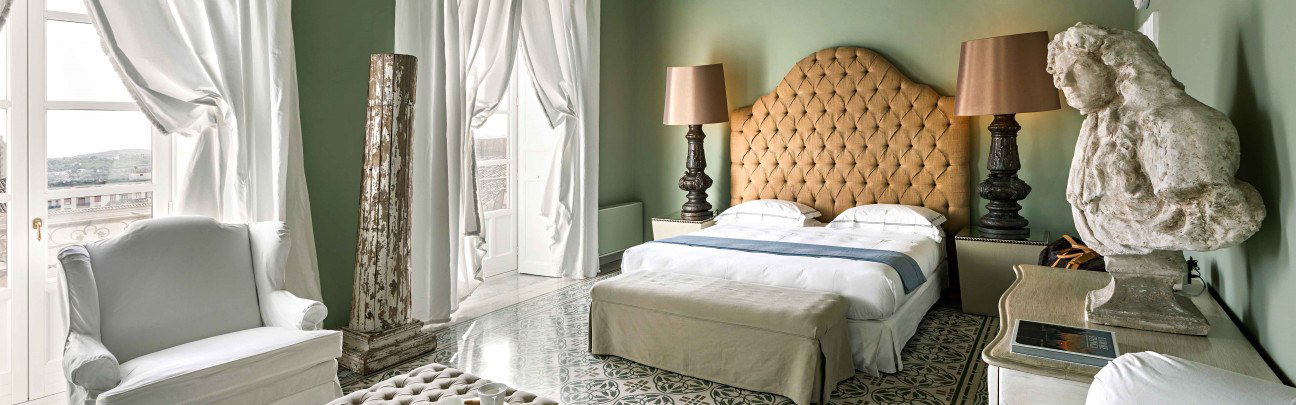
About Seven Rooms Villadorata
Seven Rooms Villadorata is the Noto pick for a polished, special-occasion stay in the historic centre, backed by a Michelin 1 Key and Mr & Mrs Smith recognition. It suits couples and families with older children better than young-kid trips that need resort-style space, facilities, or a more relaxed countryside setup.
Seven Rooms Villadorata in Noto has two verified quality signals: a Michelin 1 Key in 2024 and a Mr & Mrs Smith Seal of Approval in 2026. Its verified dress code is smart casual. Beyond those points, specific public-facing details such as exact location within Noto, room categories, amenities, dining format, family facilities, prices, and check-in arrangements are not confirmed here.
That makes this a thin-data recommendation: the safest way to evaluate Seven Rooms Villadorata is to treat the confirmed recognition as the main reason it belongs on a Noto shortlist, then verify practical details directly before booking.
Worth considering for a Noto stay with confirmed recognition
The strongest grounded case for Seven Rooms Villadorata is its recognition. A Michelin 1 Key in 2024 and a Mr & Mrs Smith Seal of Approval in 2026 place it among visibly vetted stay options associated with Noto. Those accolades do not confirm the exact style of service, room setup, amenities, or guest profile, so they should be read as quality signals rather than a full description of the experience.
Travellers comparing options should be cautious about assuming family facilities, resort features, dining specifics, or room layouts unless those details are confirmed directly with the venue. If you are comparing other stays, Country House Villadorata, Braccialieri, Braccialieri Luxury Resort, Dimora Santagatha, and Q92 Noto Hotel are natural names to check alongside Seven Rooms Villadorata.
How to decide against other stay options
Choose Seven Rooms Villadorata when the confirmed Michelin 1 Key and Mr & Mrs Smith recognition are important to the decision and you want a stay in Noto. Choose Q92 Noto Hotel if you are comparing another option. Consider Country House Villadorata, Braccialieri, Braccialieri Luxury Resort, or Dimora Santagatha if their individual confirmed details better match the trip you are planning.
The practical verdict is simple: Seven Rooms Villadorata is best approached as a recognized Noto stay with limited verified operational detail in this guide. Confirm the room, arrival, dining, accessibility, family, and amenity specifics directly before committing, especially if the trip depends on any one of those features.
Frequently Asked Questions
When is the best time to book Seven Rooms Villadorata?
No verified booking window is listed here. If Seven Rooms Villadorata is important to your Noto trip, check availability directly and compare it with Country House Villadorata or Braccialieri if your dates are flexible. Its confirmed Michelin 1 Key in 2024 is a meaningful quality signal, but it does not confirm availability patterns.
Is Seven Rooms Villadorata family-friendly?
No verified family-specific facilities or children's program are listed here. Treat Seven Rooms Villadorata as a Noto stay with confirmed recognition, then ask the venue directly about room setup, child policies, and practical needs before booking. If space or other stay details matter, compare the confirmed information for Braccialieri Luxury Resort as well.
What is check-in like at Seven Rooms Villadorata?
Specific check-in details are not verified here. The only location detail stated in this guide is Noto, so confirm arrival timing, access, parking, and luggage arrangements directly with Seven Rooms Villadorata before travel. Dimora Santagatha may be another option to research.
Do loyalty programs work at Seven Rooms Villadorata?
No verified loyalty-program details are listed here. The confirmed value signals are the Michelin 1 Key in 2024, the Mr & Mrs Smith Seal of Approval in 2026, and the smart-casual dress code. Check the venue's official channels for the latest booking and benefit details.
How is the dining at Seven Rooms Villadorata?
Specific dining details are not verified here. Do not assume a restaurant concept, cuisine, menu format, or service schedule from this guide. If dining is central to the trip, confirm directly with Seven Rooms Villadorata or compare other dining in Noto generically before booking.
Which room category is best at Seven Rooms Villadorata?
Verified room categories are not listed here. Choose only after confirming the available room types, sizes, access, and bedding directly with the venue. Compare those specifics with Q92 Noto Hotel, Country House Villadorata, or Braccialieri Luxury Resort if room setup is a deciding factor.
Location
Via Camillo Benso Conte di Cavour, 53, 96017 Noto SR
Noto, Italy
Compare Seven Rooms Villadorata
How It Compares
Seven Rooms Villadorata is the right comparison point for travellers who want a central, special-occasion Noto stay rather than a countryside hotel. Q92 Noto Hotel is the nearest like-for-like city cross-shop, while Country House Villadorata shifts the decision toward space and a slower pace.
For families, Dimora Santagatha, Braccialieri, and Braccialieri Luxury Resort are worth checking first if outdoor room and resort-style ease matter more than being in the historic centre.
Where to Look If This Is Full
Try Q92 Noto Hotel for another polished Noto base, especially if the priority is staying central. For families or longer stays, Country House Villadorata is the smarter backup when more space matters.
How It Compares
Against Q92 Noto Hotel, Seven Rooms Villadorata is the harder-edged special-occasion choice: better if the trip is about a more rarefied central stay, less obvious if the decision is pure ease. Q92 is the cleaner cross-shop for travellers who want a boutique Noto base but do not need the same scarcity signal.
Dimora Santagatha and Country House Villadorata are stronger alternatives for families or longer stays where space and a calmer rhythm matter. Seven Rooms Villadorata is better for a couple or older-family city stay; Country House Villadorata is the more sensible choice if the holiday needs room to decompress outside Noto's centre.
Braccialieri and Braccialieri Luxury Resort make more sense when the mood is resort-led rather than city-led. If the goal is an intimate Noto address with stronger recognition, choose Seven Rooms Villadorata. If the goal is the easiest family setup, start with the Braccialieri options instead.
Recognized By

Explore Noto
Save or rate Seven Rooms Villadorata on Pearl
Keep this venue in your Pearl passport, rate it after you visit, and track it alongside every other place you collect.