

Hardenberg BurgHotel
Nörten-Hardenberg
Hotel in Nörten-Hardenberg, Germany
 Book with Pearl
The Read
Castle-Estate Country House
Why go
Hardenberg BurgHotel is worth booking for a quiet, occasion-led stay in Nörten-Hardenberg, especially if the room and setting are part of the reason for the trip. Suite-level makes sense for celebrations or longer downtime, but standard rooms are the smarter value for a simple overnight. City-focused travelers should compare Göttingen alternatives first.
About Hardenberg BurgHotel
Hardenberg BurgHotel is a premium hotel option in Nörten-Hardenberg with Michelin 1 Key (2025) and a Relais Chateaux Award (2026). Before booking, check room types, facilities, dining format, pricing, and services directly with the hotel.
The clearest planning note is the dress code: smart casual. That makes it sensible to pack for a polished stay, and to ask the hotel about particular restaurants, spa facilities, room categories, or on-property programming for your dates.
Choose it for recognition in Nörten-Hardenberg
The strongest reason to shortlist Hardenberg BurgHotel is its recognition: Michelin 1 Key (2025) and a Relais Chateaux Award (2026). If you are comparing hotels in and around the region, use those accolades as part of the decision, then check the practical details that matter to your trip. For a broader local planning view, use Our full Nörten-Hardenberg hotels guide, then cross-check dining plans in Our full Nörten-Hardenberg restaurants guide.
If you are weighing it against other named options, compare it directly with FREIgeist Göttingen Innenstadt, FREIgeist Göttingen Nordstadt, RoLigio® & Wellness Resort Romantischer Winkel, Schlosshotel Münchhausen, and Zum Löwen Design Hotel Resort & Spa based on the details each property offers for your dates.
Booking choice: confirm room details before committing
Do not assume a particular room layout, suite feature, view, or service inclusion. If a specific room arrangement is important to the trip, ask the hotel what is included before committing. The accolades support taking the property seriously, but room-category specifics should be checked before booking.
For comparison shopping, keep the criteria concrete: room details, cancellation terms, dress expectations, dining plans, and any facilities you intend to use. Hardenberg BurgHotel can be compared with Zum Löwen Design Hotel Resort & Spa, RoLigio® & Wellness Resort Romantischer Winkel, and Schlosshotel Münchhausen, but the final choice should rest on current information rather than assumptions.
Plan the rest of the stay before committing
Before booking, check the practical details: check-in arrangements, meal plans, facilities, transport needs, and any special requests. For a wider itinerary, scan Our full Nörten-Hardenberg bars guide, Our full Nörten-Hardenberg experiences guide, and Our full Nörten-Hardenberg wineries guide. The grounded takeaway is simple: Hardenberg BurgHotel is in Nörten-Hardenberg, has a smart-casual dress code, and carries Michelin 1 Key (2025) plus a Relais Chateaux Award (2026).
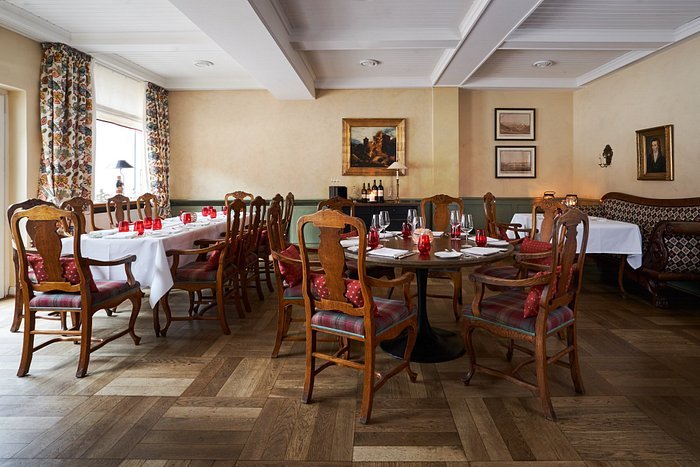
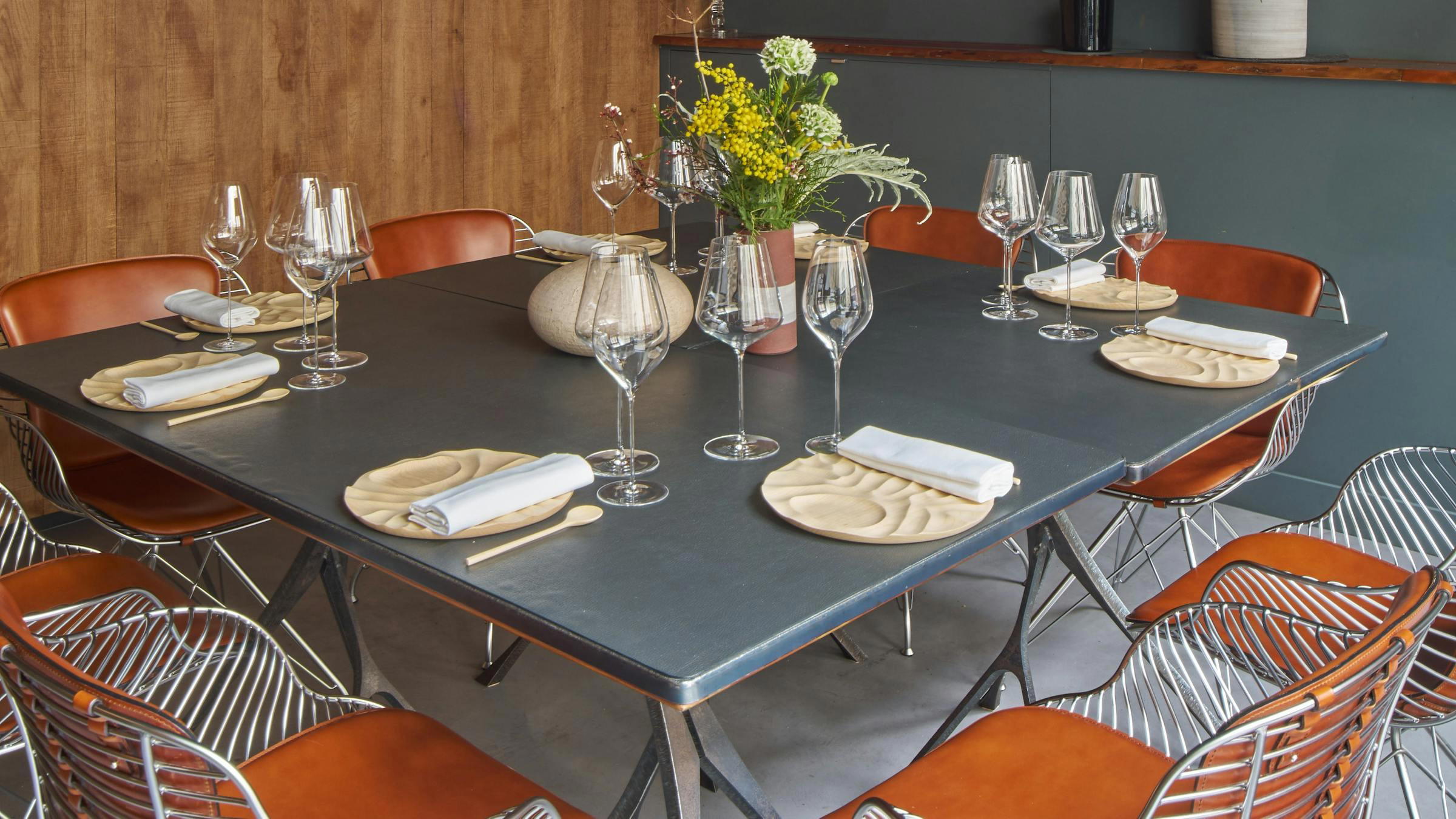
Inside Hardenberg BurgHotel
Planning details
- Location
- Hinterhaus 11A, 37176 Nörten-Hardenberg
- Website
- hardenberg-burghotel.de
- Phone
- +49 5503 9810
The take
The Take
The Vibe
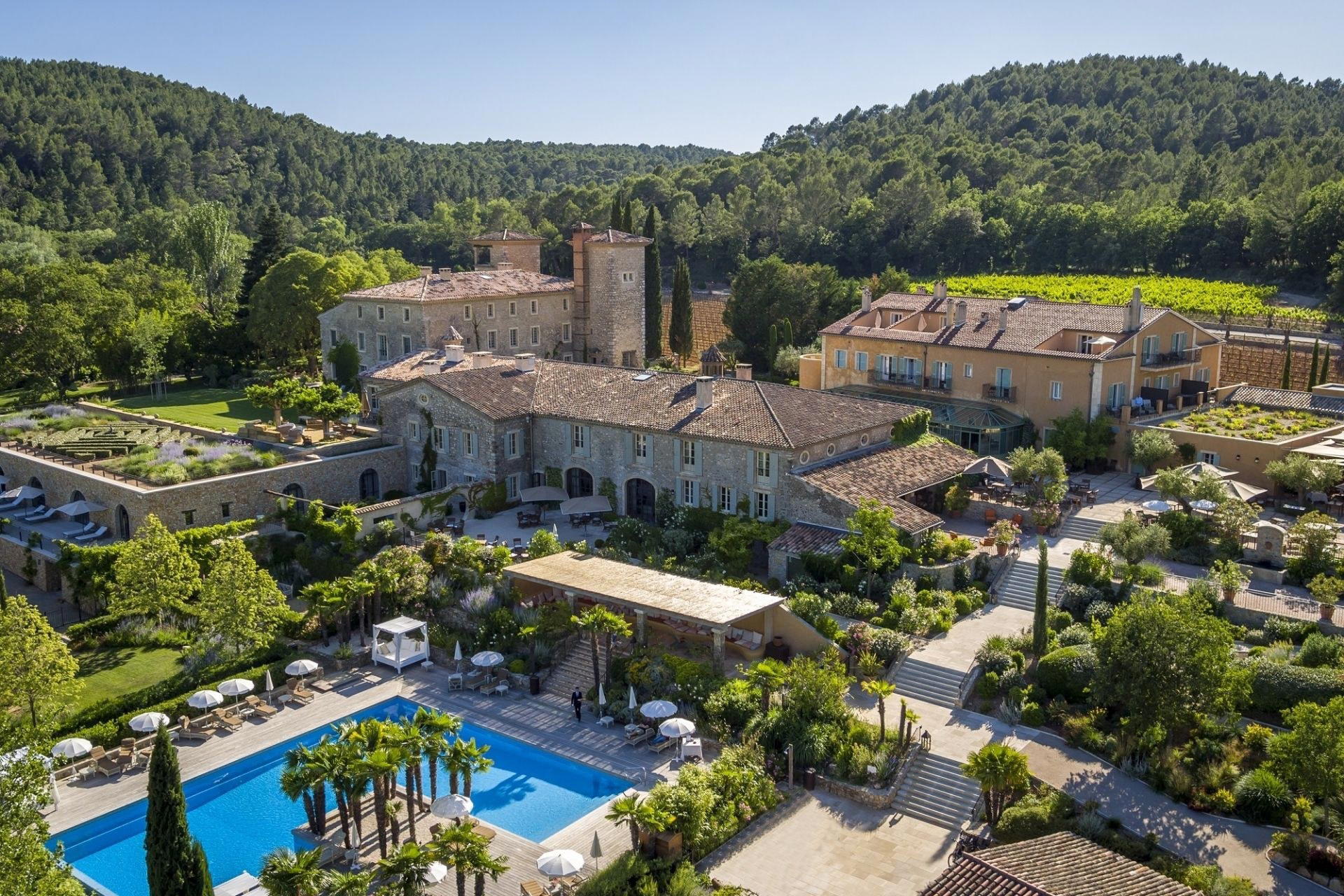
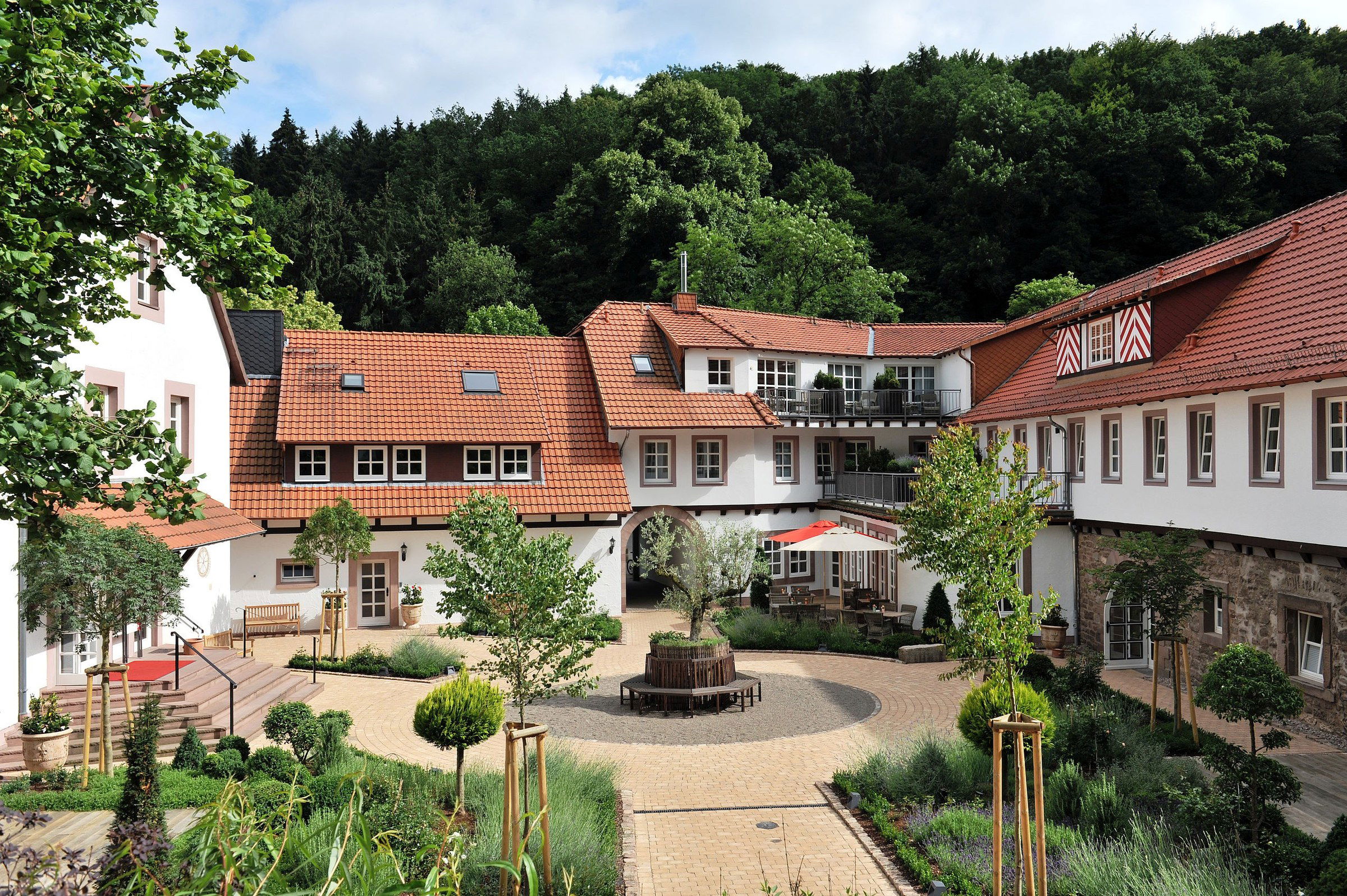
Hardenberg BurgHotel presents as a quietly refined country house that foregrounds genuine history over theatrical restoration. The property sits modestly beneath a thousand-year-old clifftop ruin, and the 18th-century hotel reads as a well-proportioned estate outbuilding rather than a palatial conversion. Northern German vernacular — red-shingled roofs, half-timbered gables and restrained symmetry — informs both exterior and interior choices, and the Relais & Châteaux affiliation signals measured luxury and attention to authenticity. Overall the tone is intimate and composed: architecture and place drive the experience rather than conspicuous amenities.
Best For
This is a destination for travelers who prize architectural character, historical context and quiet refinement. Couples and small-party travelers seeking a secluded country-house stay find the setting especially rewarding: the composition between the hotel and the medieval ruin creates a compelling sense of place. Guests who prefer regional authenticity and restrained, museum-like restoration — rather than a resort’s spectacle — will appreciate the scale and sensibility here. It also suits weekend escape itineraries for those wanting scenic lower-Saxony landscapes and a slow, contemplative pace.
Venue details
Ambiance
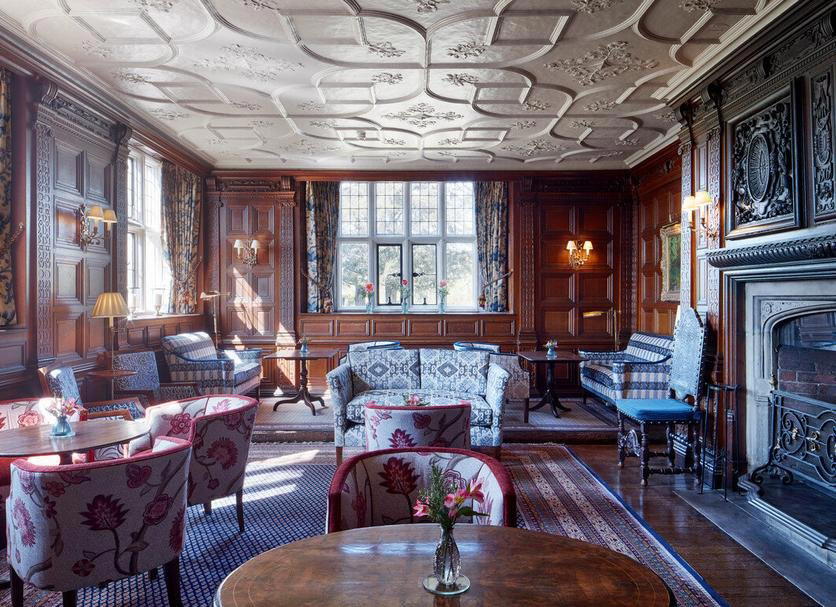
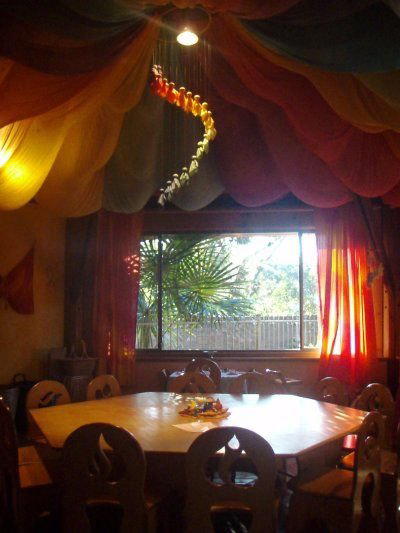
Cozy and elegant with warm lighting, fireplaces, and serene castle views praised for relaxing retreat atmosphere.
Tags
Vibe
Best For
Experience
Amenities
View
Accessibility
About the Stay
- Rooms
- 16
- Check-in
- 15:00
- Check-out
- 12:00
- Property Style
- Castle Side Luxury Retreat with Premium Amenities
- Design Style
- Elegant Classic with Natural Materials and Curated Art
Know before you go
Know Before You Go
- Getting there
- Hinterhaus 11A, 37176 Nörten-Hardenberg
Planning details
Location
Recognition and awards

Also consider
Also Consider
- FREIgeist Göttingen Nordstadt, Notable alternative
- FREIgeist Göttingen Innenstadt, Notable alternative
- Zum Löwen Design Hotel Resort & Spa, Notable alternative
- RoLigio® & Wellness Resort Romantischer Winkel, Notable alternative
- Schlosshotel Münchhausen, Notable alternative
Hotel context
How it compares
Hardenberg BurgHotel is the occasion-led pick in this set: choose it for a quieter historic-property mood and a more private stay. FREIgeist Göttingen Innenstadt is the better choice for city access and a simpler business schedule, while FREIgeist Göttingen Nordstadt is more practical if the trip is tied to Göttingen's northern side.
For wellness-first stays, Zum Löwen Design Hotel Resort & Spa and RoLigio® & Wellness Resort Romantischer Winkel are stronger cross-shops because the spa angle is clearer from the name and positioning. Hardenberg BurgHotel is a better fit when atmosphere, privacy, and a celebration frame matter more than a resort-style wellness schedule.
Schlosshotel Münchhausen is the closest peer for travelers comparing castle-hotel ambience. Pick Schlosshotel Münchhausen if the goal is a broader resort feel; pick Hardenberg BurgHotel if the brief is smaller-scale, quieter, and easier to shape around a date weekend or discreet business stay.
Explore Nörten-Hardenberg
Around this place
Discover more on Pearl
Unlock the full Hardenberg BurgHotel guide in Pearl, including awards, comparisons, FAQs, planning details, and nearby places.
Compare Hardenberg BurgHotel
| Venue | Location | Awards |
|---|---|---|
| Hardenberg BurgHotel | Nörten-Hardenberg | 2026 Relais Chateaux HotelsMichelin 1 Key 20252025 Michelin 1 Key2025 Relais Chateaux Award |
| FREIgeist Göttingen Nordstadt | Göttingen | No published awards |
| FREIgeist Göttingen Innenstadt | Göttingen | No published awards |
| Zum Löwen Design Hotel Resort & Spa | Duderstadt | No published awards |
| RoLigio® & Wellness Resort Romantischer Winkel | Bad Sachsa | No published awards |
| Schlosshotel Münchhausen | Aerzen | 2025 Michelin 1 Key |
How Hardenberg BurgHotel compares with similar nearby venues.
FAQ
Frequently Asked Questions
When is the best time to book Hardenberg BurgHotel?
Book once your dates are firm, especially if the stay depends on a specific room category or arrangement. Hardenberg BurgHotel has Michelin 1 Key (2025) and a Relais Chateaux Award (2026), but availability, room details, and inclusions should be checked directly with the hotel.
What should I know about pool or spa details at Hardenberg BurgHotel?
If wellness facilities are important, ask Hardenberg BurgHotel directly before booking and compare the details with options such as RoLigio® & Wellness Resort Romantischer Winkel, Zum Löwen Design Hotel Resort & Spa, or Schlosshotel Münchhausen.
Is Hardenberg BurgHotel good for business travel?
It may be worth considering for business travel if Nörten-Hardenberg suits your schedule. Ask about business facilities and services, then compare the practical details with FREIgeist Göttingen Nordstadt or FREIgeist Göttingen Innenstadt before choosing.
How is the dining at Hardenberg BurgHotel?
The dress code is smart casual, and the hotel has Michelin 1 Key (2025) plus a Relais Chateaux Award (2026). Check menus, meal periods, dietary accommodations, and service format directly with the property.
Do loyalty programs work at Hardenberg BurgHotel?
Ask Hardenberg BurgHotel directly before booking if points, benefits, or preferred-partner rates matter to your stay, and compare that answer with alternatives such as FREIgeist Göttingen Nordstadt or FREIgeist Göttingen Innenstadt.