

Hotel Union Øye
Norangsfjorden
Hotel in Norangsfjorden, Norway
 Book with Pearl
The Read
Victorian Alpine Seclusion
Why go
Book Hotel Union Øye if the goal is a remote, heritage-led fjord stay rather than a convenience-first hotel. Its Michelin 1 Key recognition in 2025 and Relais & Châteaux Award in 2026 make it a serious choice for a planned Norway itinerary, especially for couples and return travelers who want atmosphere over city access.
About Hotel Union Øye
Hotel Union Øye is a hotel in Norangsfjorden with two recognition signals: a Michelin 1 Key in 2025 and a Relais Chateaux Award in 2026. With limited public detail beyond those accolades and a smart-casual dress code, the safest way to frame the hotel is as a plan-ahead Norangsfjorden stay rather than as a property defined by claims about dining, room categories, services, or facilities.
The decision to book should rest on the essentials: the venue, its Norangsfjorden setting, its smart-casual standard, and its recognized hotel credentials. For travelers comparing Norwegian stays, Hotel Brosundet, Storfjord Hotel, Juvet Landscape Hotel, Elva Hotel, and Walaker Hotel are useful reference points, but Hotel Union Øye should be judged on its own profile rather than on assumptions about amenities or formats.
A recognized Norangsfjorden hotel to plan around carefully
Hotel Union Øye is best approached as a stay where the recognition matters. The Michelin 1 Key in 2025 identifies it as a notable hotel, and the Relais Chateaux Award in 2026 gives another signal for travelers deciding whether to make Norangsfjorden part of a broader Norway itinerary.
Comparisons can help clarify the choice. Juvet Landscape Hotel, Elva Hotel, Hotel Brosundet, Storfjord Hotel, and Walaker Hotel may suit different travel plans, locations, and preferences. Hotel Union Øye is the Norangsfjorden option in that set, with the distinction of its 2025 Michelin 1 Key and 2026 Relais Chateaux Award.
Who should choose it, and who should book elsewhere
Book Hotel Union Øye if the trip specifically calls for a Norangsfjorden hotel with recognition and a smart-casual standard. It is a stronger fit for travelers who are intentionally choosing Norangsfjorden than for anyone trying to select a hotel based on details such as a particular dining format, room type, service style, or price point.
If the itinerary depends on a different destination or a different kind of hotel experience, compare it with Hotel Brosundet, Storfjord Hotel, Juvet Landscape Hotel, Elva Hotel, or Walaker Hotel. If the priority is Hotel Union Øye itself, confirm current operational details directly with the venue before booking.
Inside Hotel Union Øye
Planning details
- Location
- Norangdal 41, 6196 Norangsfjorden
- Website
- unionoye.no
- Phone
- +47 70 06 21 00
The take
The Take
The Vibe
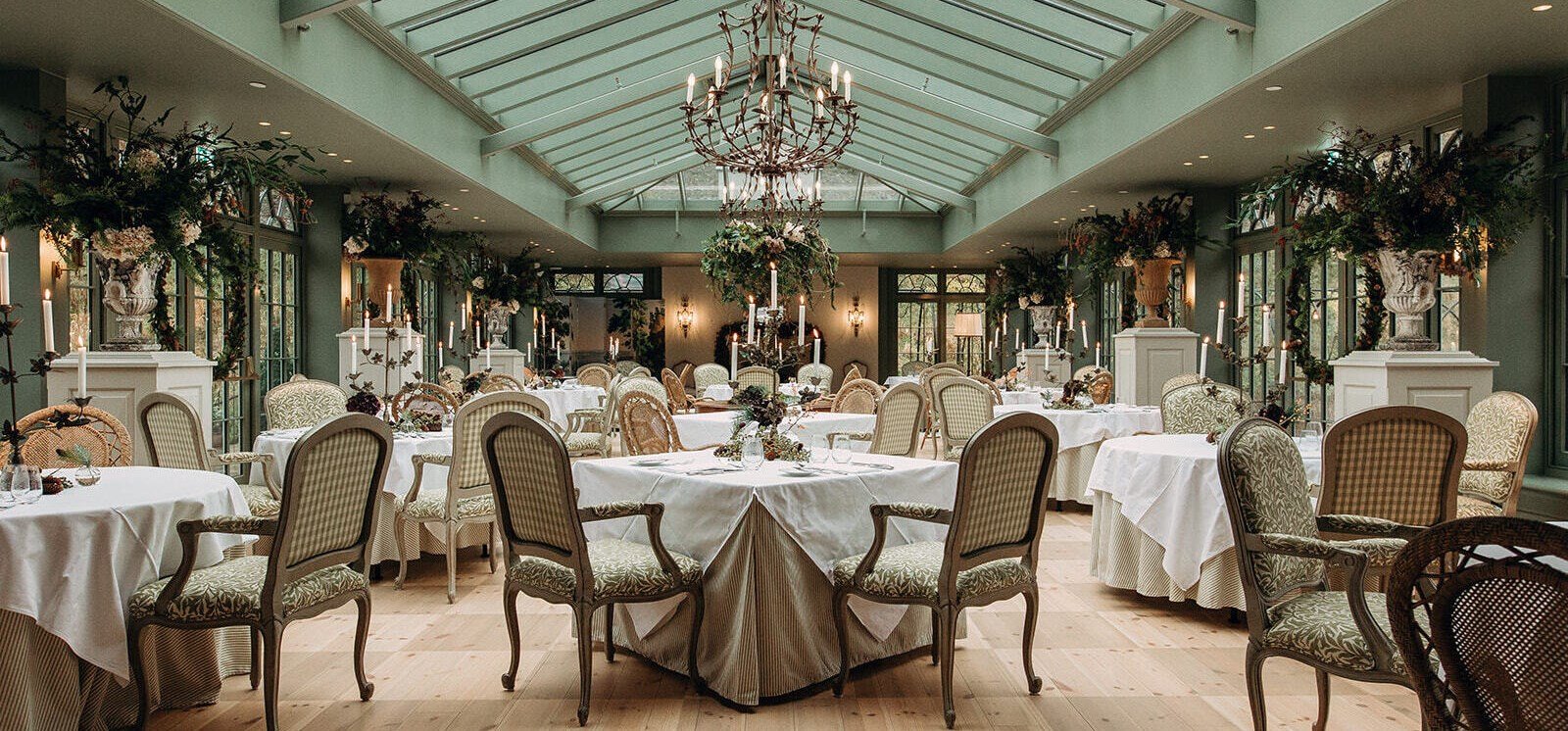
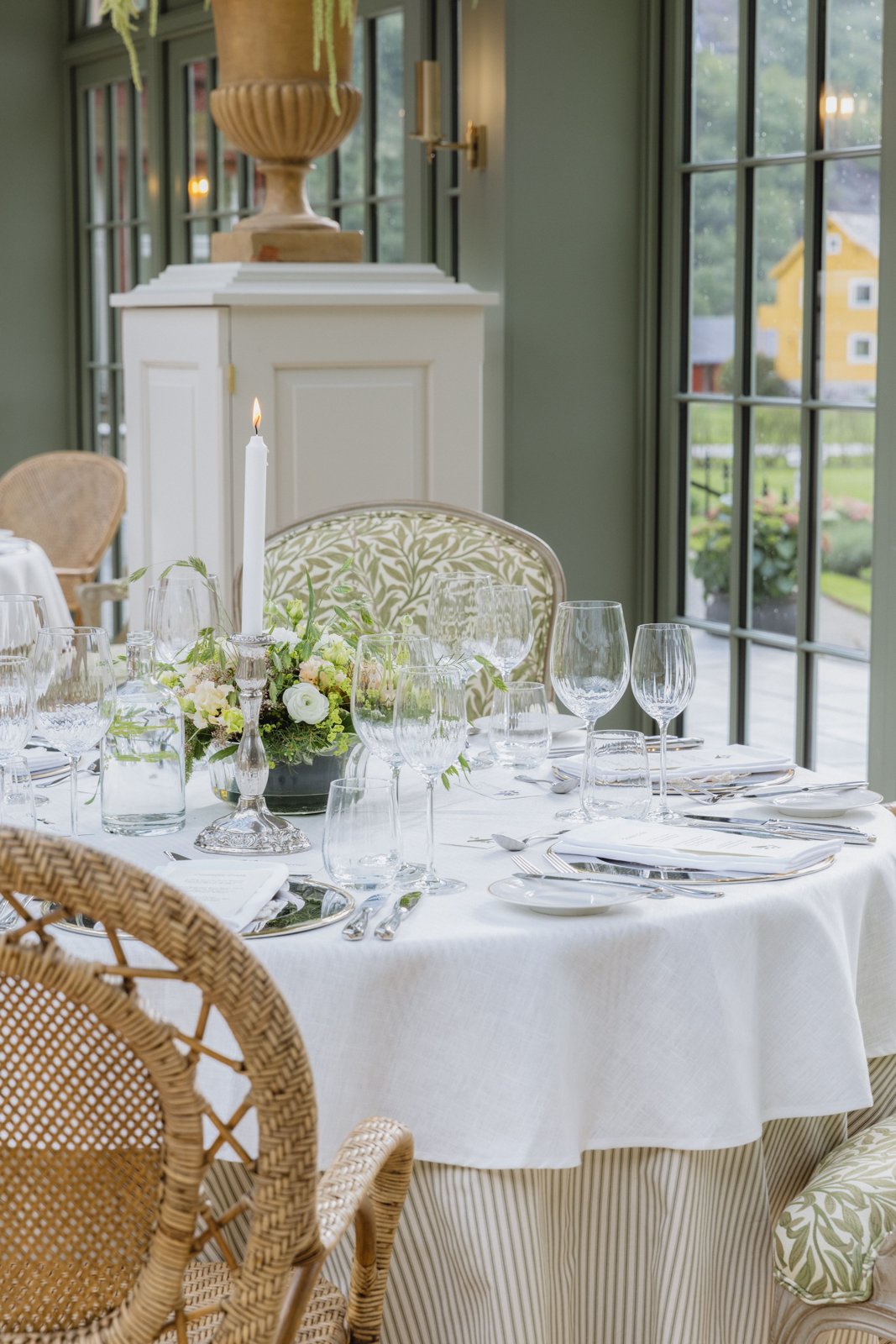
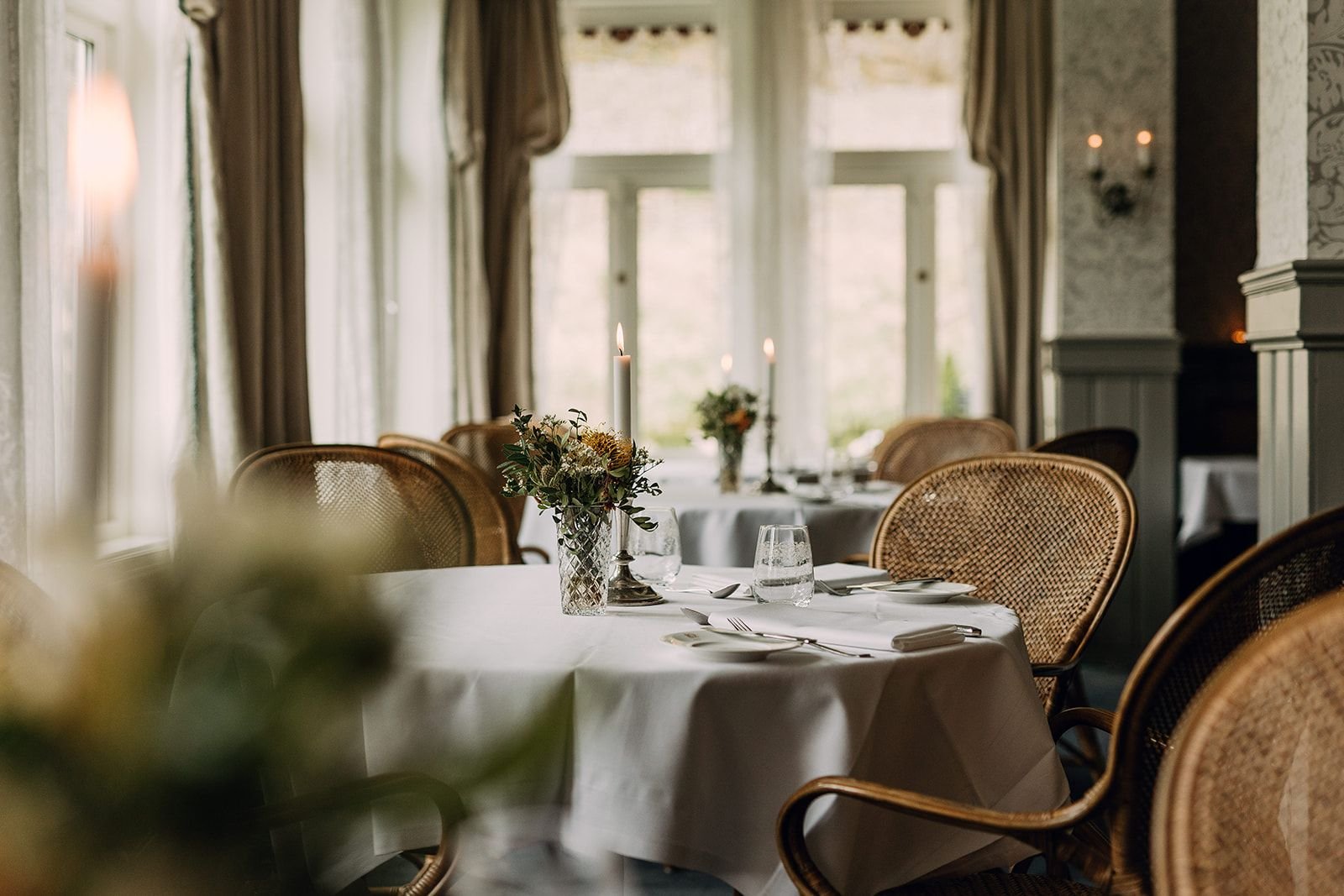
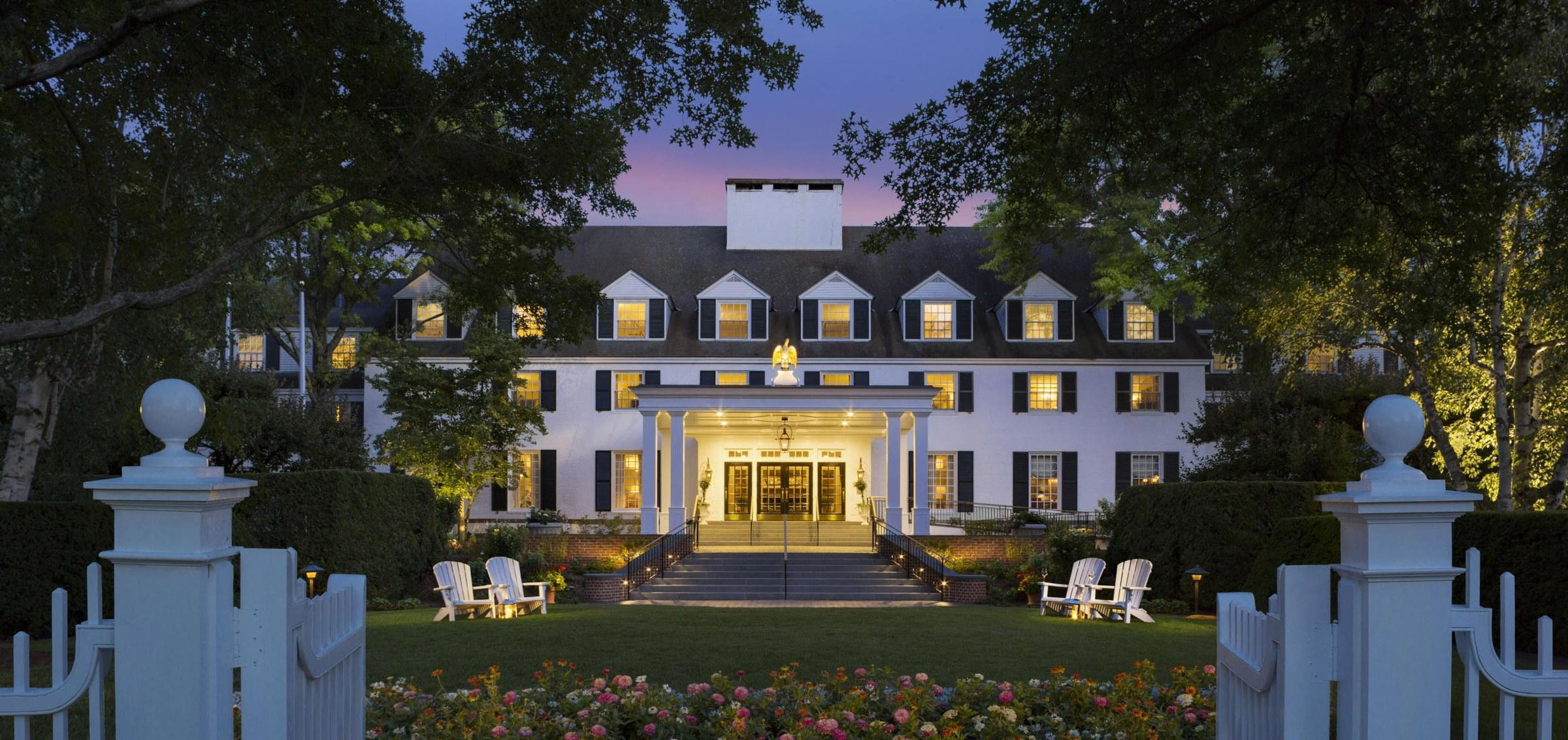
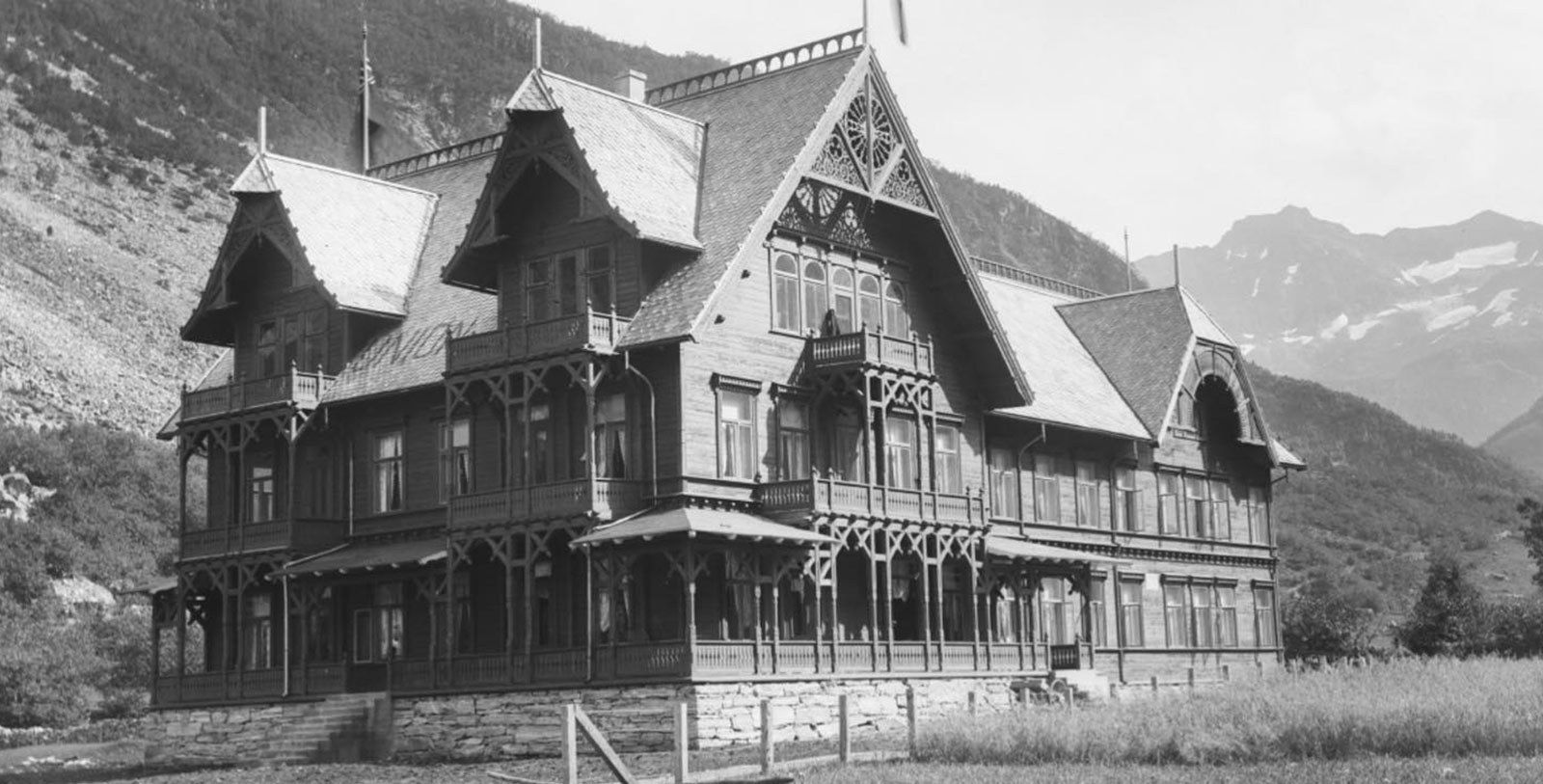
Hotel Union Øye presents a theatrical, old‑world atmosphere where fjord and mountain meet. The restored 1891 main building reads as Edwardian grandeur, with high ceilings, heavy wood and public rooms that retain original proportions and detailing. The setting supplies much of the drama: the property sits at the terminus of the fjord with steep rockfaces and the Sunnmøre Alps rising immediately behind it. That combination of preserved historic fabric and raw Norwegian landscape produces a serene, classic charm that favors quiet contemplation and appreciation of place over deliberately curated contemporary design.
Best For
This hotel suits travelers who prize landscape and history. It is especially well matched to couples and anyone seeking a quietly scenic escape—honeymooners, anniversary makers and those after a slow weekend away—because the location and period rooms foreground intimacy and heritage. Guests who enjoy photography, historical architecture and extended time outdoors benefit from the immediate access to dramatic fjord‑and‑mountain scenery. The property rewards visitors who plan to linger rather than rush, treating the stay itself as the principal part of the journey.
Stay Tips
Reaching Hotel Union Øye requires planning: the nearest airport is Ørsta Flyplass Hovden, 39 kilometres away, and the road narrows into the Norangdal valley, hemmed by rockface and water. Allow extra time for the drive, especially in changeable mountain or winter conditions, and factor the remote approach into arrival and departure logistics. The hotel emphasizes preserved historic fabric rather than contemporary design flourishes, so come prepared to appreciate period public rooms and the setting. Leave time to step outside the property to take in the fjord terminus and the Sunnmøre Alps framing the hotel.
Venue details
Ambiance
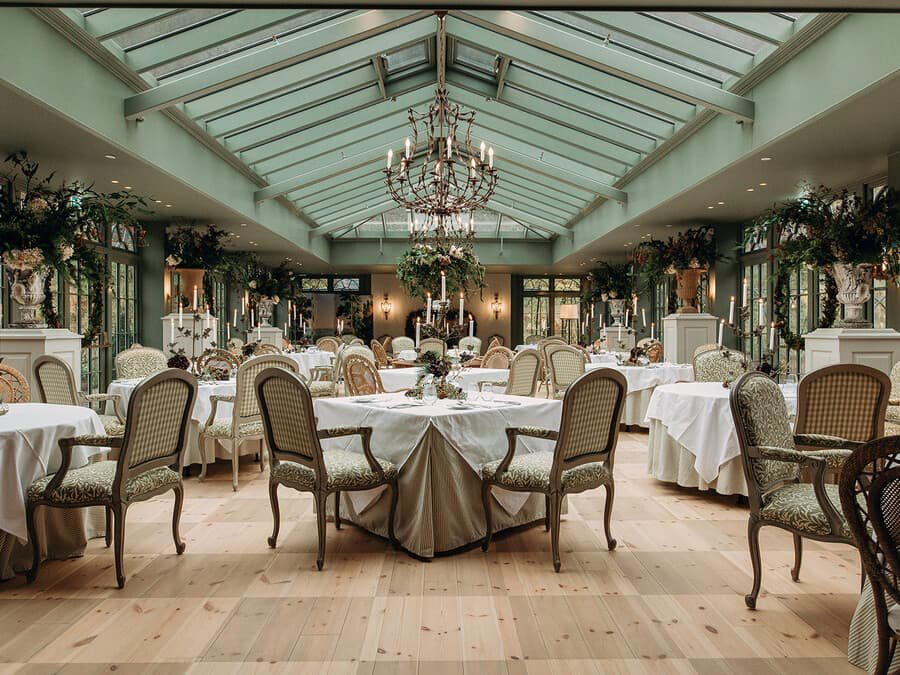
Firelit lounges with piano music, cozy historic interiors evoking Edwardian grandeur, and serene fjord views.
Tags
Vibe
Best For
Experience
Amenities
View
About the Stay
- Rooms
- 27
- Check-in
- 15:00
- Check-out
- 11:00
- Property Type
- Heritage hotel
- Property Style
- Historic Wooden Manor with Gingerbread Accents and Turf Roofed Farmhouses
- Design Style
- Edwardian Grandeur with Eclectic Antiques, Floral Wallpapers, and Nordic Minimalist Suites
- Breakfast
- Included
- Airport Transfer
- Available
- Pets
- Allowed
- Cancellation
- Moderate
Know before you go
Know Before You Go
- Getting there
- Norangdal 41, 6196 Norangsfjorden
Planning details
Location
Recognition and awards

Also consider
Where to look if it is full
For a similar destination-stay decision, try Juvet Landscape Hotel first; it is the cleaner alternative for travelers prioritizing design and landscape. For an easier base with more city access, choose Hotel Brosundet instead.
Hotel context
How it compares
Choose Storfjord Hotel if the priority is a polished fjord-lodge feel with easier positioning for a wider Sunnmøre itinerary. Hotel Union Øye is the more heritage-focused pick: better for travelers who want the building and historic mood to define the stay, less useful for anyone trying to keep logistics simple.
Hotel Brosundet is the safer choice if access to Ålesund, restaurants, and a more flexible city-harbor base matters. Juvet Landscape Hotel is the sharper cross-shop for design and landscape architecture. Pick Juvet for a contemporary, design-led escape; pick Hotel Union Øye for old-hotel atmosphere and fjord-country quiet.
Walaker Hotel is another heritage comparison, while Elva Hotel reads as a lighter, easier alternative for travelers who want nature without committing to the same level of destination-hotel planning. If availability is tight at Hotel Union Øye, Juvet is the strongest alternative for a special-purpose trip, while Hotel Brosundet is the practical fallback.
Explore Norangsfjorden
Around this place
Discover more on Pearl
Unlock the full Hotel Union Øye guide in Pearl, including awards, comparisons, FAQs, planning details, and nearby places.
Compare Hotel Union Øye
| Venue | Location | Awards |
|---|---|---|
| Hotel Union Øye | Norangsfjorden | 2026 Relais Chateaux Hotels2026 Michelin 1 KeyMichelin 1 Key 20252025 Relais Chateaux Award2025 Michelin 1 Key |
| Storfjord Hotel | Glomset | 2026 Mr & Mrs Smith Luxury Hotels2026 Relais Chateaux Hotels2026 Michelin 2 Keys2025 Michelin 2 Keys2025 Relais Chateaux Award |
| Hotel Brosundet | Ålesund | 2026 Mr & Mrs Smith Luxury Hotels2026 Michelin 1 Key2025 Michelin 1 Key |
| Juvet Landscape Hotel | Valldal | 2026 Michelin 1 Key2025 Michelin 1 Key |
| Walaker Hotel | Solvorn | 2026 Michelin 2 Keys2025 Michelin 2 Keys |
| Elva Hotel | Skulestadmo | 2026 Michelin 1 Key2025 Michelin 1 Key |


How Hotel Union Øye compares with similar nearby venues.
FAQ
Frequently Asked Questions
How is the location of Hotel Union Øye?
Hotel Union Øye is in Norangsfjorden. Use the venue's official channels for exact arrival details before travel.
How does Hotel Union Øye compare to other hotels?
Hotel Union Øye is the Norangsfjorden option to consider if you want a hotel with a Michelin 1 Key in 2025 and a Relais Chateaux Award in 2026. Other comparison points include Hotel Brosundet, Storfjord Hotel, Juvet Landscape Hotel, Elva Hotel, and Walaker Hotel, depending on the route and style of trip.