
Hotel Restaurant Spa Torkel
Nonnenhorn
Hotel in Nonnenhorn, Germany
 Book with Pearl
The Read
Four-Generation Lakeside Hospitality
Why go
A good choice for travelers who want a calm Nonnenhorn base with restaurant and spa facilities rather than a brand-chain stay. The Michelin 1 Key signal supports the quality case, but the main reason to choose it is convenience: a quieter Lake Constance stay where the hotel can carry more of the trip.
About Hotel Restaurant Spa Torkel
Hotel Restaurant Spa Torkel is in Nonnenhorn. The venue has Michelin 1 Key recognition for 2025, and the dress code is smart casual. Beyond these points, specific claims about room types, restaurant format, spa facilities, prices, hours, cuisine, service style, or on-site amenities should be checked directly with the venue before planning around them.
Hotel Restaurant Spa Torkel may be worth shortlisting if you are specifically looking at Nonnenhorn and want a venue with Michelin hotel distinction, but detailed information about the stay is limited.
Choose it for a Nonnenhorn stay with Michelin 1 Key recognition
Michelin 1 Key recognition in 2025 is a clear quality signal. That is enough to distinguish Hotel Restaurant Spa Torkel from a generic listing, but it should not be stretched into assumptions about particular room categories, dining formats, wellness features, or service inclusions.
The dress code is smart casual. For anything more specific, including arrival details, restaurant availability, spa access, room selection, or current booking conditions, confirm directly with Hotel Restaurant Spa Torkel before committing.
Who should pass, and who should shortlist it
Shortlist Hotel Restaurant Spa Torkel if you are focused on Nonnenhorn and value a venue with Michelin 1 Key recognition. Pass if you need detailed information about facilities, prices, dining style, or service setup before choosing a stay.
For comparison, you can also look at other named options such as Boutique-Hotel Friesinger, SeeVital Hotel Schiff, Seegut Zeppelin, VILLINO, and YachtHotel Helvetia Spa- und Wellnessdomizil, while treating each venue's location and services separately rather than assuming they match Hotel Restaurant Spa Torkel.
Planning details
- Location
- Seehalde 14, 88149 Nonnenhorn
- Website
- hotel-torkel.de
- Phone
- +49 8382 98620
The take
The Take
The Vibe
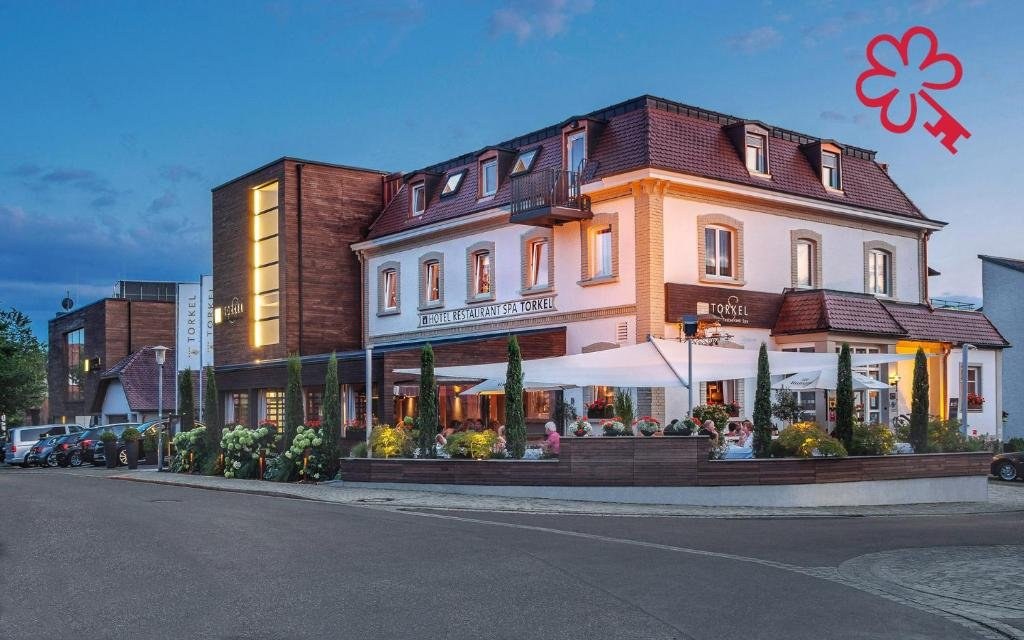
Hotel Restaurant Spa Torkel presents as a restrained, classic lakeside boutique that wears its history lightly. Four generations of family stewardship produce layered materials and quiet coherence rather than a single showy redesign; the result feels lived in and intentionally curated. Its village setting on Nonnenhorn’s protected harbour grants a genuine waterfront position — guests arrive at a property that opens directly to the lake instead of peering over parking or promenades. The tone is charming and quietly historic: a tasteful, small-scale retreat that prioritizes authenticity and an intimate connection to place.
Best For
This hotel suits travelers seeking a calm, authentic lakeside escape: couples after a romantic getaway, guests pursuing wellness breaks at an on-site spa, and travelers looking for a short weekend escape from city bustle. The family-run scale and village location mean the property is quieter and more intimate than larger resort developments, and the direct water access makes it appealing to anyone prioritizing proximity to the lake. It’s especially well matched to visitors who value thoughtful, incremental design and a sense of rooted stewardship over flashy, one‑off luxury.
Venue details
Ambiance
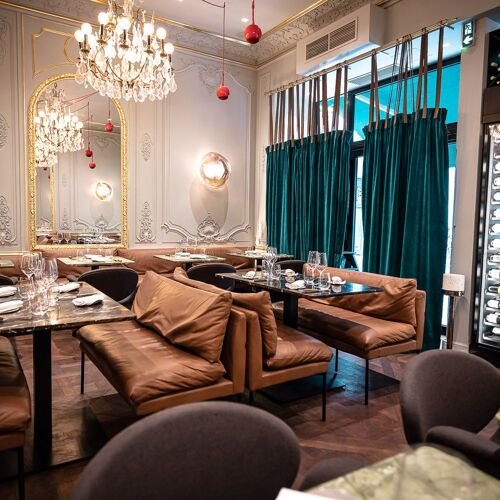
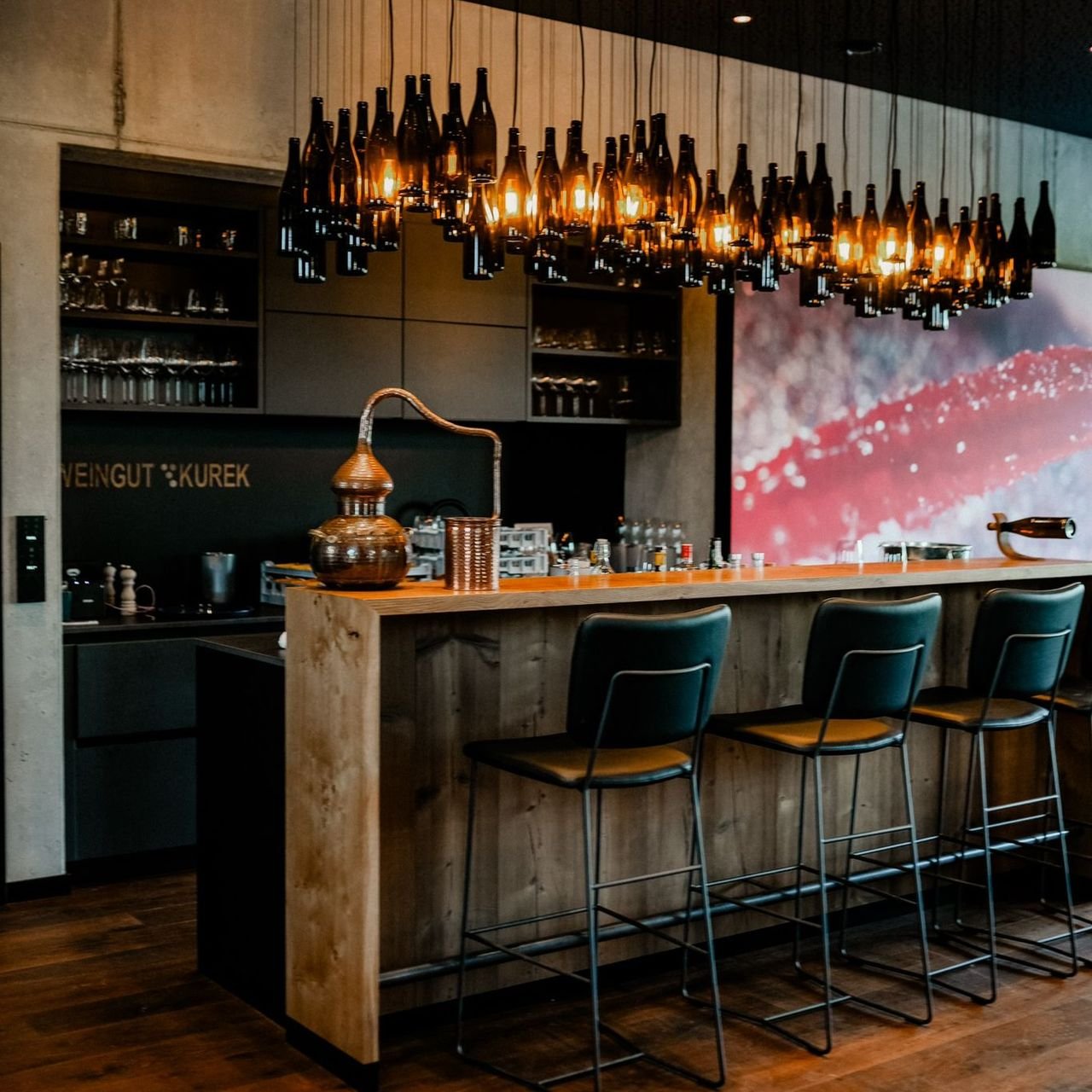
Inviting and elegant with warm hospitality, modern rustic-chic design, and a quiet, relaxing atmosphere.
Tags
Vibe
Best For
Experience
Amenities
About the Stay
- Rooms
- 18
- Check-in
- 15:00
- Check-out
- 11:00
- Property Style
- Modern Building with Rustic Chic Extensions
- Design Style
- Contemporary Rustic
Know before you go
Know Before You Go
- Getting there
- Seehalde 14, 88149 Nonnenhorn
Planning details
Location
Recognition and awards
Also consider
Where to Look If Dates Do Not Work
If preferred dates are tight, check Seegut Zeppelin for another quality-led stay in the wider Lake Constance set. For a more direct waterfront-style alternative, SeeVital Hotel Schiff is the practical backup to compare before widening the search further.
Hotel context
How It Compares
Hotel Restaurant Spa Torkel is the better fit if the priority is a contained Nonnenhorn stay with a restaurant-and-spa setup and a quieter rhythm. Boutique-Hotel Friesinger and VILLINO make more sense for travelers cross-shopping independent hotels nearby, but the decision should come down to whether staying directly in Nonnenhorn matters for the trip.
For a more lake-facing hotel decision, compare it with SeeVital Hotel Schiff, YachtHotel Helvetia Spa- und Wellnessdomizil, and Seegut Zeppelin. Those are better cross-shops if waterfront positioning or a more resort-like feel is the main filter. Choose Torkel when the draw is a calmer village base with recognised hotel quality rather than a bigger lake-hotel statement.
Booking difficulty is the main practical caution: treat this as a harder-to-secure stay during peak Lake Constance periods, especially if exact dates matter. If flexibility is low, keep SeeVital Hotel Schiff or Seegut Zeppelin as backup options rather than waiting too long on a single preferred date.
Around this place
Discover more on Pearl
Unlock the full Hotel Restaurant Spa Torkel guide in Pearl, including awards, comparisons, FAQs, planning details, and nearby places.
Compare Hotel Restaurant Spa Torkel
| Venue | Location | Awards |
|---|---|---|
| Hotel Restaurant Spa Torkel | Nonnenhorn | Michelin 1 Key 20252025 Michelin 1 Key |
| Boutique-Hotel Friesinger | Kressbronn Am Bodensee | 2025 Michelin 1 Key |
| VILLINO | Bodolz | 2026 Relais Chateaux Hotels2025 Michelin Selected Hotels2025 Relais Chateaux Award |
| SeeVital Hotel Schiff | Langenargen | No published awards |
| YachtHotel Helvetia Spa- und Wellnessdomizil | Lindau | No published awards |
| Seegut Zeppelin | Friedrichshafen | No published awards |


How Hotel Restaurant Spa Torkel Nonnenhorn compares with similar nearby venues.
FAQ
Frequently Asked Questions
What is check-in like at Hotel Restaurant Spa Torkel?
How is the spa at Hotel Restaurant Spa Torkel?
The venue name includes “Spa,” but specific spa facilities, treatments, access rules, or opening times are not available. Check directly with the venue for current details.
How is the dining at Hotel Restaurant Spa Torkel?
The venue name includes “Restaurant,” and the dress code is smart casual. Cuisine style, chef name, menu format, hours, or pricing are not available, so confirm dining details directly before planning a meal.
Do loyalty programs work at Hotel Restaurant Spa Torkel?
Which room category is best at Hotel Restaurant Spa Torkel?
Room categories or room-specific recommendations are not available. Review the venue's current booking information or contact Hotel Restaurant Spa Torkel directly for guidance.
How is the location of Hotel Restaurant Spa Torkel?
Hotel Restaurant Spa Torkel is in Nonnenhorn. More specific address or neighborhood details are not available.