
Kinugawa Keisui
Kinugawa Onsen, Nikko
Hotel in Nikko, Japan
 Book with Pearl
The Read
Riverside Modern Ryokan
Why go
Kinugawa Keisui is worth prioritizing if the Nikko trip is built around a calm onsen stay and attentive hospitality rather than brand-name hotel infrastructure. Its Michelin 1 Key recognition in 2025 gives it a meaningful quality signal; compare it with Fufu Nikko for a different polished local stay or The Ritz-Carlton, Nikko for a more conventional luxury-hotel format.
About Kinugawa Keisui
For Nikko trips where the lodging choice matters, Kinugawa Keisui is a venue to consider on the strength of its Michelin 1 Key recognition in 2025. Beyond that accolade and its location in Nikko, specific public-facing details such as service format, dining style, room features, prices, and facilities should be checked directly before booking.
Kinugawa Keisui is best approached as a Michelin-recognized stay in Nikko rather than as a property to judge from unconfirmed assumptions about style or amenities. The Michelin 1 Key recognition in 2025 is the clearest signal, pointing to a stay that has received outside recognition.
Choose it as a Michelin-recognized Nikko stay, then verify the trip details
Plan around what is known: Kinugawa Keisui is in Nikko and holds Michelin 1 Key recognition for 2025. For comparison while planning a Nikko stay, consider The Ritz-Carlton, Nikko or Fufu Nikko.
For planning, use Our full Nikko hotels guide first, then fill meals through Our full Nikko restaurants guide. This is a stronger choice when you are comfortable confirming practical details directly rather than relying on assumptions about the property.
Planning details
- Location
- 334-1 Kinugawaonsen Ōhara, Nikko, Tochigi 321-2522
- Website
- resorthotels109.com/kinugawa-keisui
- Phone
- +81288701234
The take
The Take
The Vibe
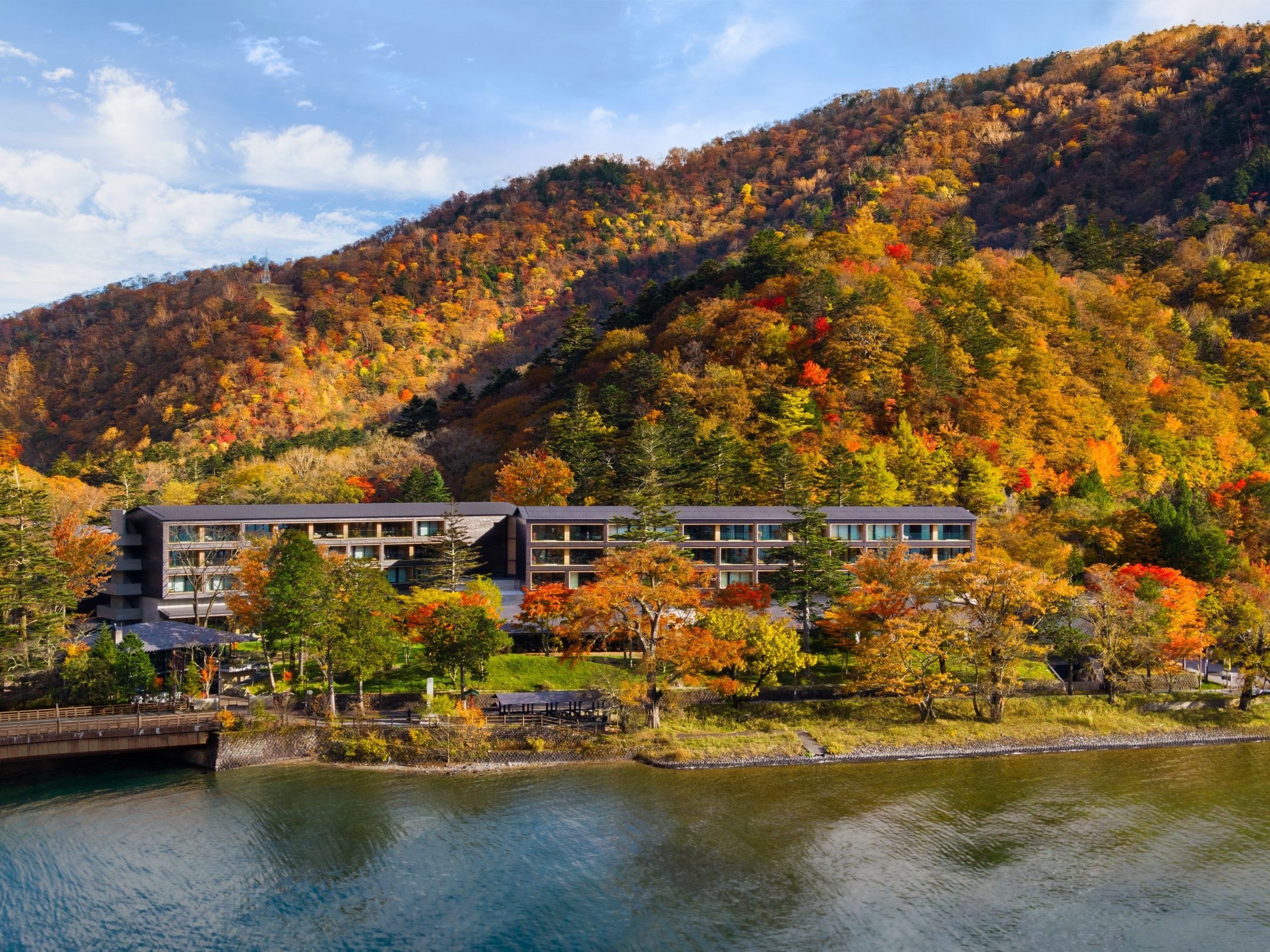
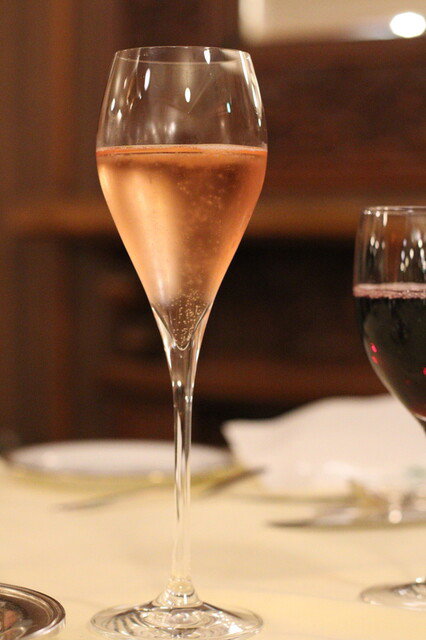
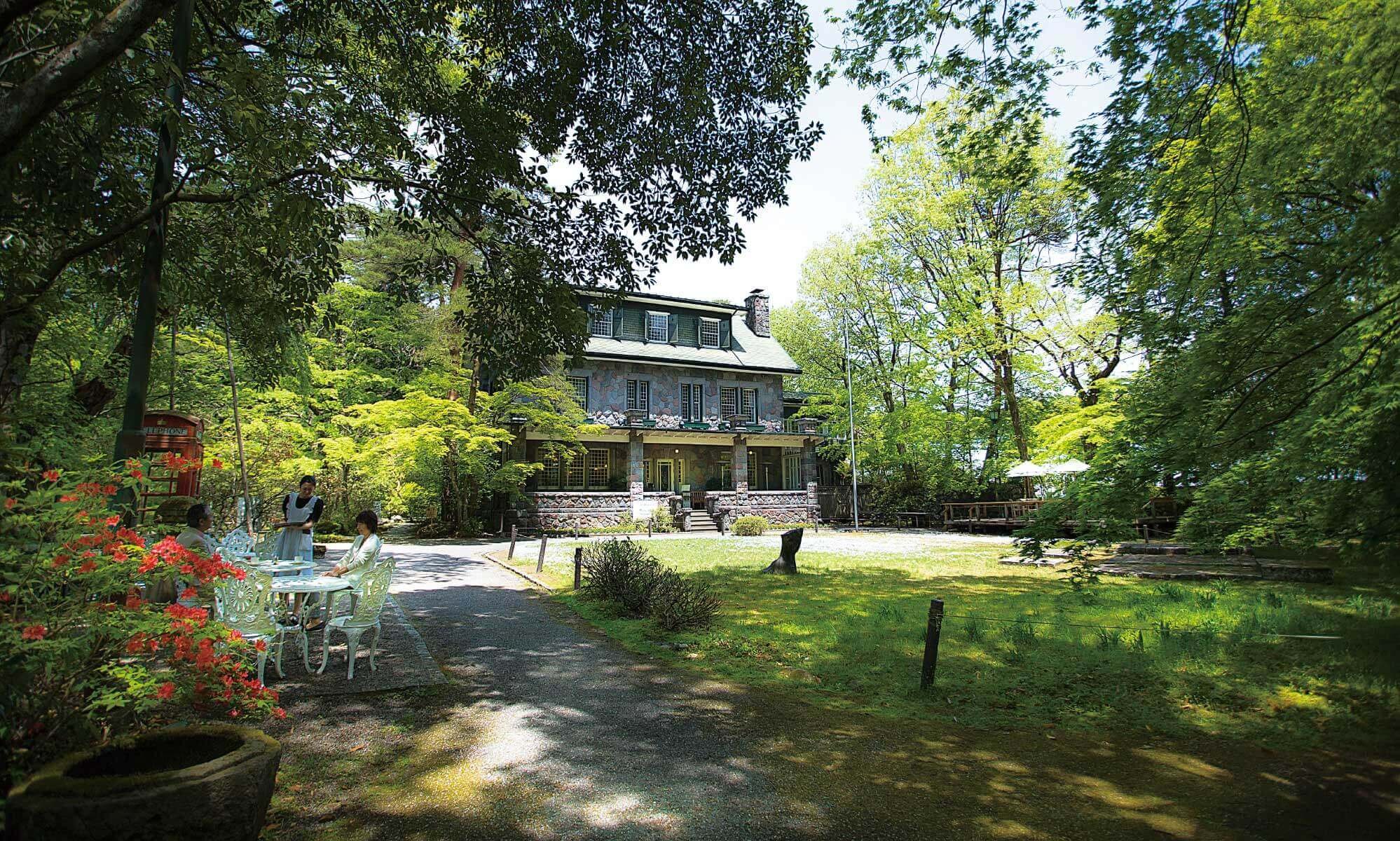
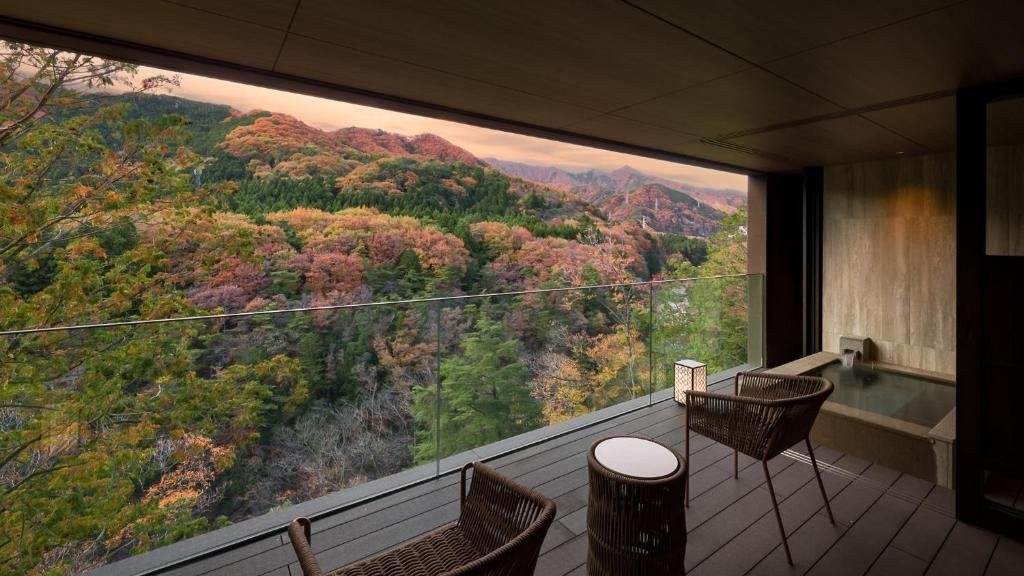
Kinugawa Keisui reads as a quietly refined, intimate ryokan that balances traditional warmth with contemporary restraint. With just ten rooms and carefully edited interiors, the property foregrounds design and materiality—clean lines, organic finishes and wood-fired cooking—while the nearby Kinugawa River shapes the sensory experience. Open balcony doors let the river’s rush into rooms, and the overall pace is unhurried: this is a place built for slow immersion rather than sightseeing itineraries. The combination of modest scale, considered architecture and a focused culinary programme creates a serene, restful atmosphere that feels both modern and rooted in local onsen culture.
Best For
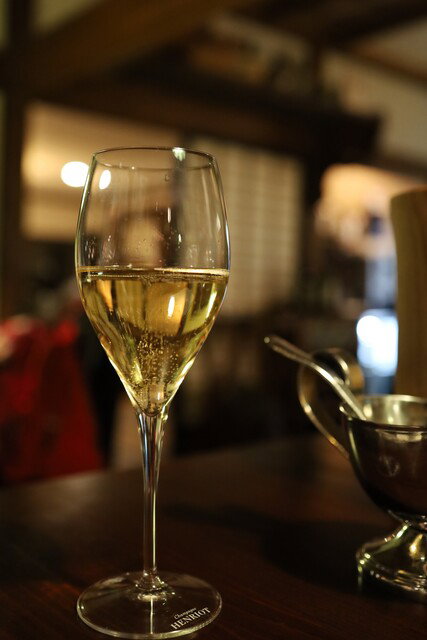
Kinugawa Keisui is best for travelers seeking a restful, food-forward onsen stay. Couples looking for a quiet romantic getaway or honeymoon find the intimate scale and riverside setting especially appealing; guests pursuing wellness and thermal-bath rituals will appreciate the property’s placement in a spa-town corridor defined by thermal waters. The hotel also suits design-minded visitors who value architecturally considered spaces and a dining programme that functions as a central part of the stay. For anniversaries and other low-key celebrations, Keisui’s small size and focused service deliver a calm, memorable refuge.
Stay Tips
Treat the in-house restaurant as part of the booking: the dining programme is central to the property's identity and wood-fired cooking is the defining discipline, so secure dinner reservations in advance when possible. Request accommodation with a balcony or rooms closest to the river if you want to hear the water—the description specifically notes that the river’s sound carries through open balcony doors. Plan a relaxed schedule to allow for unhurried meals and onsen time rather than tightly packed sightseeing; the stay rewards slow, deliberate pacing.
Venue details
Ambiance
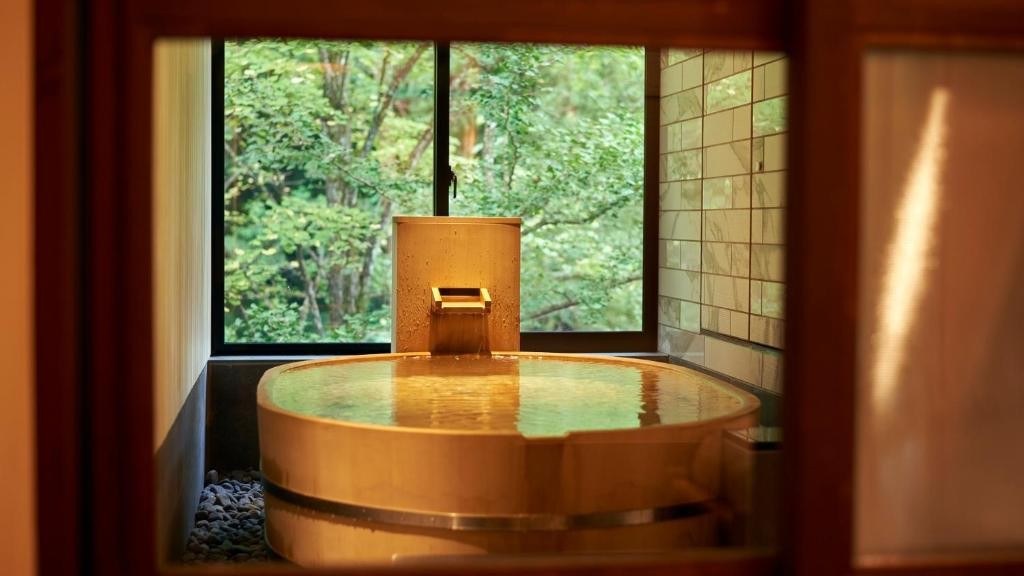
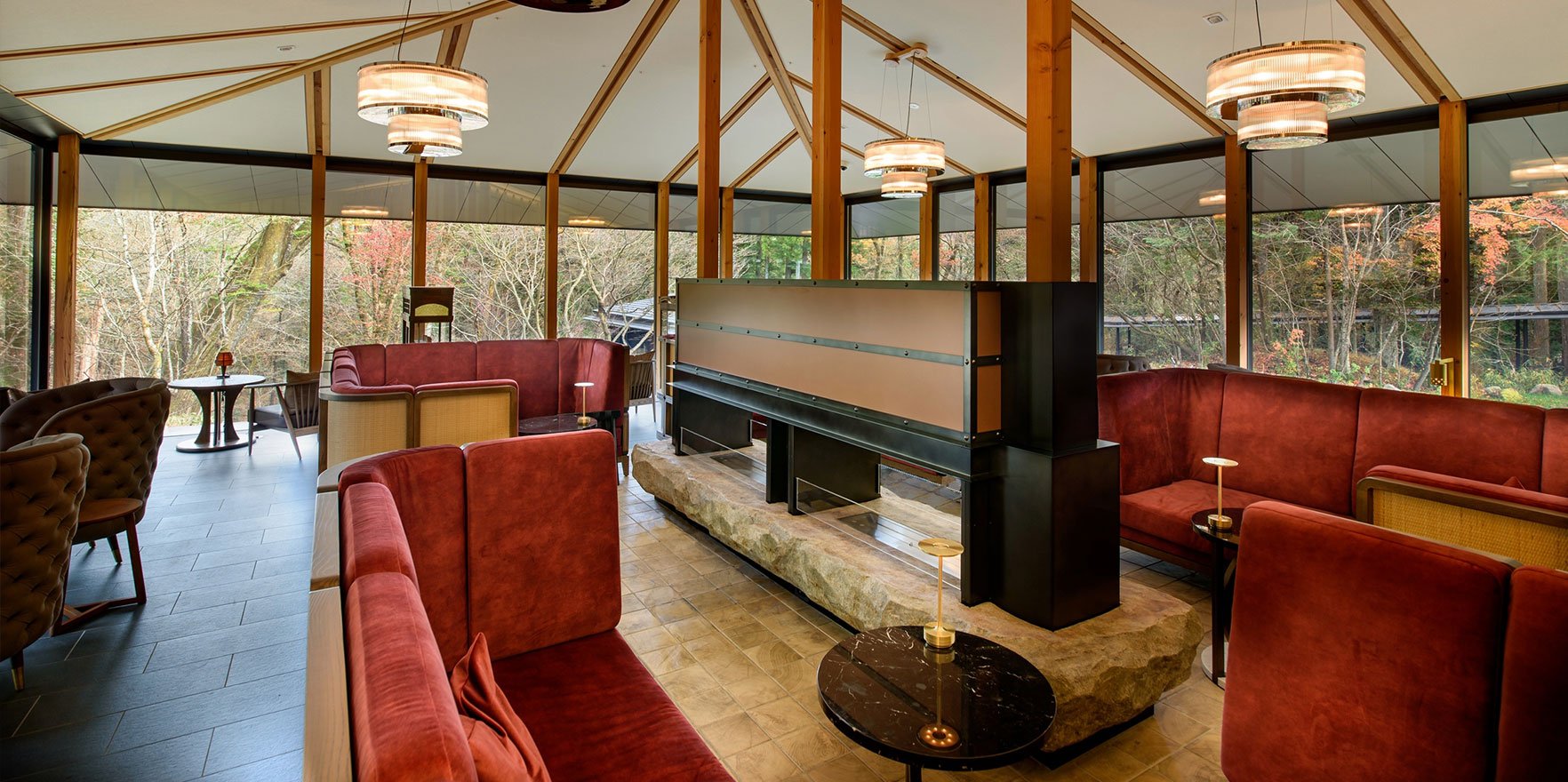
Serene and relaxing atmosphere with clean-lined modern design, natural light from large balconies, and warm organic aesthetics fostering profound relaxation.
Tags
Vibe
Best For
Experience
Amenities
View
Accessibility
About the Stay
- Rooms
- 10
- Check-in
- 15:00
- Check-out
- 11:00
- Property Style
- Modern Luxury Ryokan Blending Traditional Japanese Hospitality with Contemporary Design
- Design Style
- Clean Lined Minimalist with Warm Organic Japanese Influences
Know before you go
Know Before You Go
- Getting there
- 334-1 Kinugawaonsen Ōhara, Nikko, Tochigi 321-2522
Planning details
Location
334-1 Kinugawaonsen Ōhara, Nikko, Tochigi 321-2522 · Directions
Recognition and awards
Also consider
Also Consider
- Fufu Nikko, Notable alternative
- The Ritz-Carlton, Nikko, Notable alternative
- Nasu Mukunone, Notable alternative
- Kita Onsen(株)北温泉旅館, Notable alternative
- Bettei Senjuan, Notable alternative
Hotel context
How Kinugawa Keisui compares in Nikko
Kinugawa Keisui is the better fit if the priority is a quieter onsen-led stay with a strong hospitality signal. Its Michelin 1 Key recognition gives it clearer quality evidence than many ryokan-style alternatives, though travelers who want a larger luxury-hotel structure should compare The Ritz-Carlton, Nikko instead.
Fufu Nikko is the closest cross-shop for a polished Nikko escape with a different mood. Choose Fufu Nikko if the stay needs a more design-forward feel; choose Kinugawa Keisui if the value is in a calmer hot-spring rhythm and service-led pacing.
For a more rural or out-of-metro plan, Nasu Mukunone, Kita Onsen(株)北温泉旅館, and Bettei Senjuan make more sense when the lodging itself is the whole trip. For a Nikko-focused itinerary, Kinugawa Keisui keeps the decision cleaner.
Explore Nikko
Around this place
Discover more on Pearl
Unlock the full Kinugawa Keisui guide in Pearl, including awards, comparisons, FAQs, planning details, and nearby places.
Compare Kinugawa Keisui
| Venue | Location | Awards |
|---|---|---|
| Kinugawa Keisui | Nikko | Michelin 1 Key 20252025 Michelin 1 Key |
| Fufu Nikko | Nikko | 2025 Michelin 2 Keys2024 Michelin 2 Keys |
| The Ritz-Carlton, Nikko | Nikko | 2026 Forbes 5-Star2026 Virtuoso Luxury Hotel Collection2026 La Liste Top Hotels2025 Michelin 2 Keys2025 Conde Nast Hotels Gold List2024 Michelin 2 Keys |
| Nasu Mukunone | Nasu | 2025 Michelin 1 Key2024 Michelin 1 Key |
| Kita Onsen(株)北温泉旅館 | Nasu | No published awards |
| Bettei Senjuan | Minakami | 2026 Relais Chateaux Hotels2025 Michelin 1 Key2025 Relais Chateaux Award2024 Michelin 1 Key |






How Kinugawa Keisui Nikko compares with similar nearby venues.
FAQ
Frequently Asked Questions
Is Kinugawa Keisui good for business travel?
It may work for some Nikko trips, but it does not specify business-specific facilities, meeting services, or a city-hotel style setup. Confirm practical needs directly before booking.
How is the pool and spa at Kinugawa Keisui?
Specific pool, spa, gym, or bathing-facility details are not available. If those amenities are central to the stay, confirm them directly before comparing Kinugawa Keisui with other options such as The Ritz-Carlton, Nikko.
Do loyalty programs work at Kinugawa Keisui?
Do not plan around points or loyalty benefits unless you have confirmed partner coverage before you go. The clearest recognition is Michelin 1 Key status in 2025.
How is the dining at Kinugawa Keisui?
Specific cuisine, menu format, meal service, and dietary details are not available. If food is the deciding factor, compare Nikko options such as Fufu Nikko and check each venue's official channels for the latest details.