
Fufu Nikko
Tamozawa, Nikko
Hotel in Nikko, Japan
 Book with Pearl
The Read
Sacred-Forest Onsen Retreat
Why go
Fufu Nikko is worth shortlisting for a quiet, wellness-led Nikko stay, especially if the trip is about recovery time as much as sightseeing. Its Michelin 2 Keys recognition gives it a strong quality signal, but travelers who need brand-loyalty clarity or detailed dining specifics should also compare The Ritz-Carlton, Nikko and Kinugawa Keisui.
About Fufu Nikko
Michelin 2 Keys in 2024 is the clearest signal for Fufu Nikko. For travelers considering a stay in Nikko, that recognition makes the property a serious option. The safest read is direct: Fufu Nikko is a Nikko hotel with Michelin 2 Keys recognition and a smart-casual dress code.
A Nikko stay with confirmed Michelin recognition
Fufu Nikko belongs on a hotel shortlist for travelers who want to stay in Nikko and value independently recognized hotels. Its standout draw is Michelin 2 Keys (2024), so travelers seeking specific amenities, restaurant details, or service formats should check directly. If you are comparing options, The Ritz-Carlton, Nikko is another named hotel to consider in the same city.
Use this as a concise, recognition-led profile rather than a checklist-based hotel review. Travelers who need cuisine type, chef name, signature dish, room count, price, or detailed amenity list should check those specifics directly before booking.
Dining matters, but do not book it only for a named restaurant
For food-focused travelers, the right expectation is caution: cuisine type, chef name, menu format, and signature dishes should be checked directly with the hotel before booking. If meals are a major part of the trip, confirm current dining details directly before booking. For readers comparing Nikko options by food depth, pair this page with our full Nikko restaurants guide rather than assuming the hotel alone solves the whole itinerary.
That does not make dining irrelevant; it just changes the buying logic. Book based on the hotel recognition and the fact that it is in Nikko, then plan any targeted restaurant decisions separately. Travelers building a broader hotel shortlist can also scan other Nikko hotel options, while drinks-focused and activity-led planners should verify current details directly before making plans.
Who should book, and who should cross-shop
Book this if you want a Nikko stay with Michelin 2 Keys (2024) recognition and are comfortable checking practical details directly before committing. Cross-shop Kinugawa Keisui, Bettei Senjuan, Kita Onsen(株)北温泉旅館, Nasu Mukunone, and The Ritz-Carlton, Nikko if you are still comparing hotels across the wider region.
Quick reference: strongest for travelers who value the Michelin 2 Keys recognition; less convincing for travelers who need dining specifics, prices, amenities, or loyalty-program details before booking.
Planning details
- Location
- 1573-8 Honchō, Nikko, Tochigi 321-1435
- Website
- fufunikko.jp
- Phone
- +81 570-011-722
The take
The Take
The Vibe
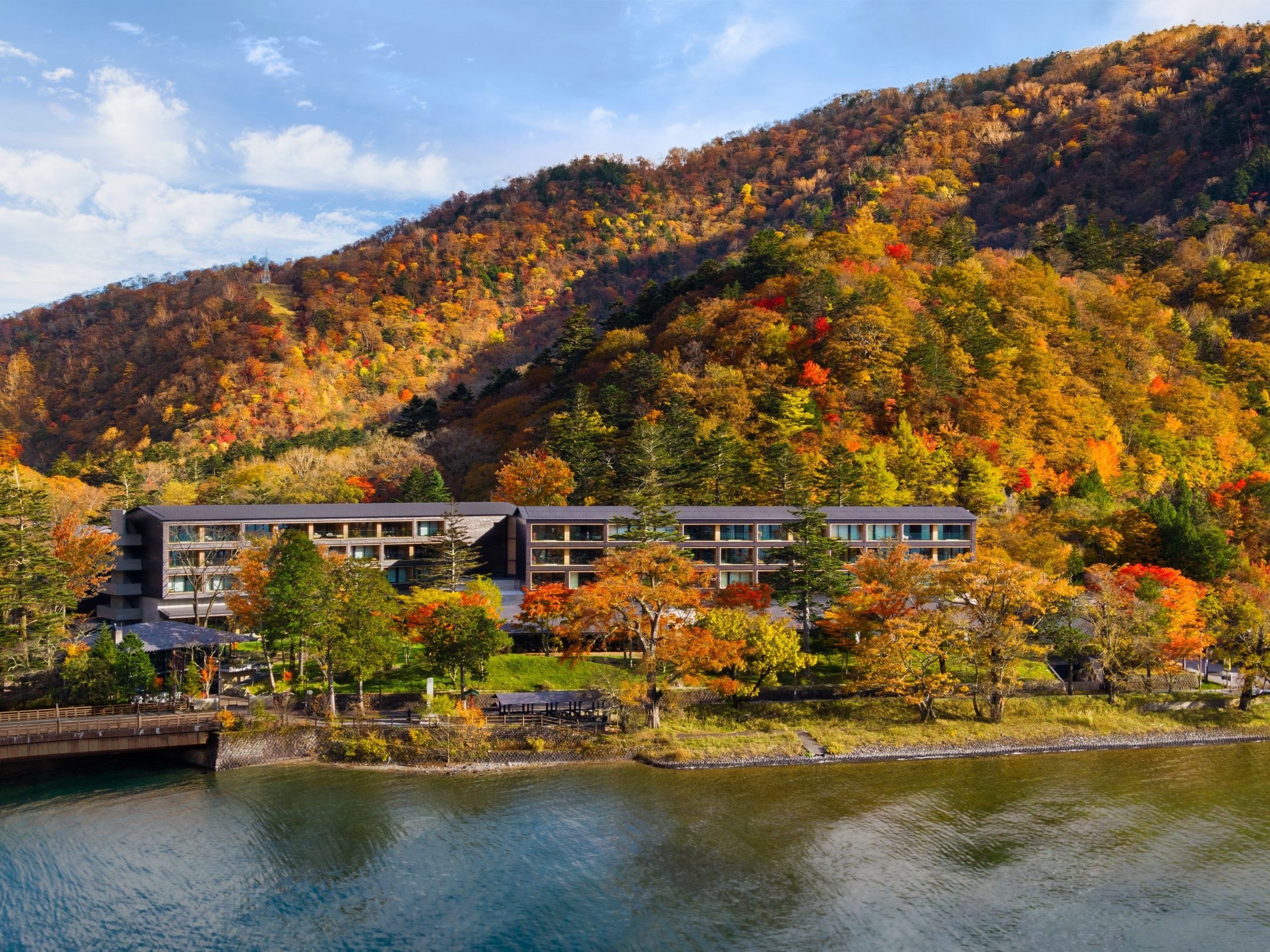
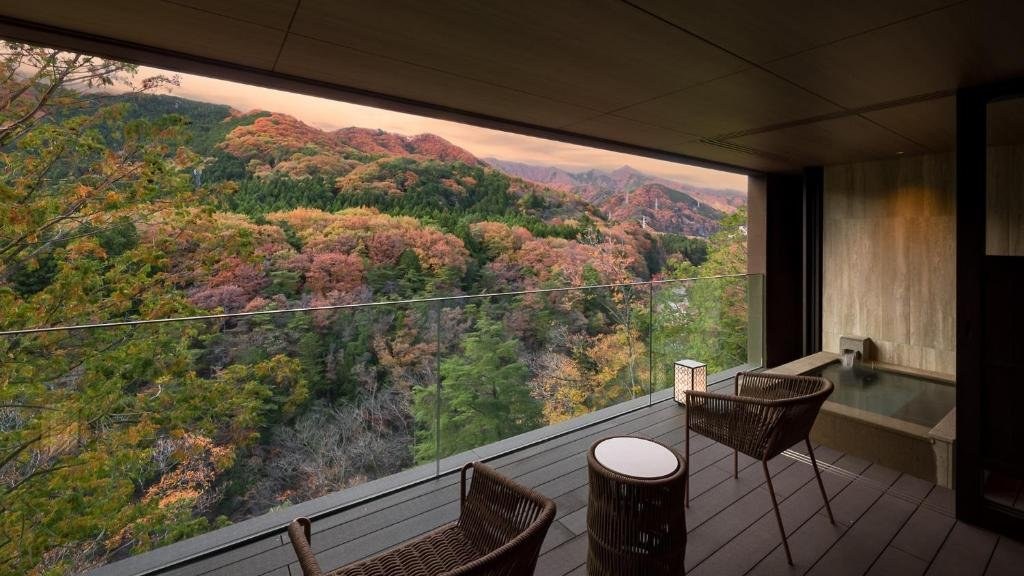
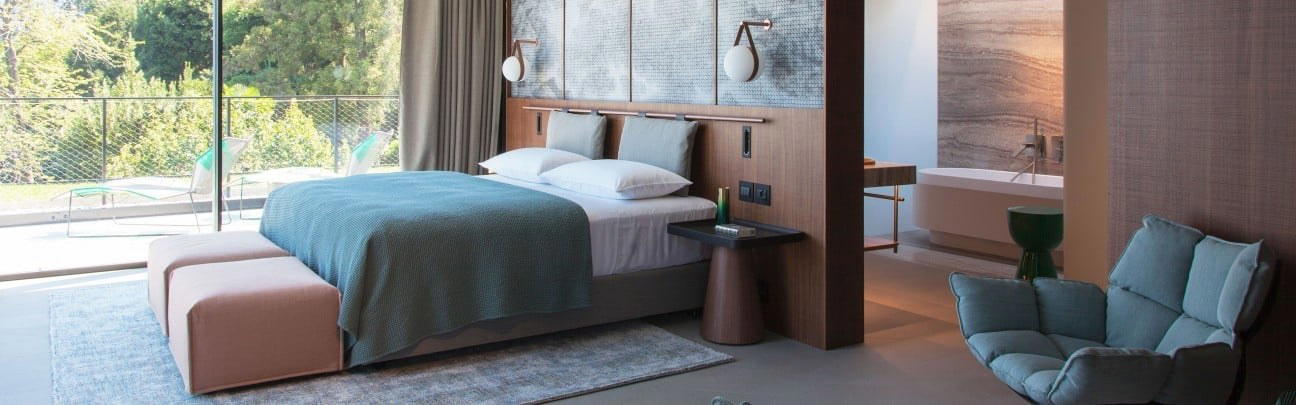
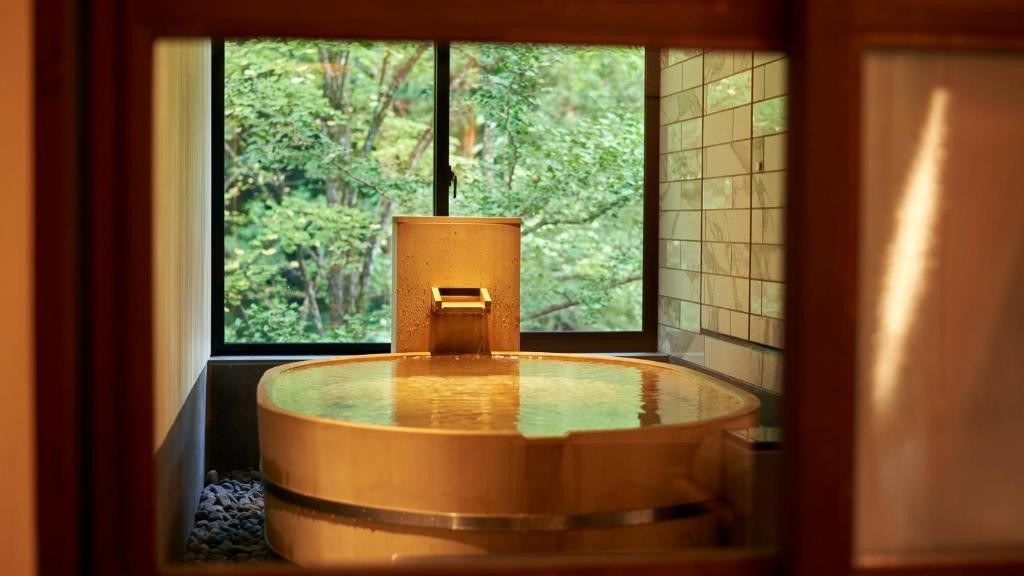
Fufu Nikko registers as a deliberately modern ryokan where architecture and materiality set the tone. The property favors poured concrete, natural timber and clean lines over period reproductions, so interiors read as contemporary and restrained rather than ornate. With just 24 rooms and private in‑room hot‑spring baths, the experience feels considered and intimate: bathing is framed as an architectural act rather than a mere amenity. The surrounding mountain town and unobstructed landscape views provide a calm counterpoint to the minimalist interiors, resulting in a quietly refined escape for guests who care about design and peaceful settings.
Best For
This small onsen hotel is best for travelers prioritizing privacy, restorative bathing and cultural exploration. Couples and wellness-minded guests find value in in‑room thermal baths and the intimate scale, while design-oriented visitors appreciate the modernist use of concrete and timber. The location rewards early risers who want to wander Nikko’s shrine precincts before day‑tripper crowds arrive, so it suits guests who plan contemplative, slow‑paced days. It also works well for solo explorers seeking quiet mornings and unobstructed landscape views framed by minimalist interiors.
Stay Tips
Reserve early and specify a room with a private onsen: the property’s 24 rooms and guaranteed private bathing mean the best accommodations can book out. Plan an overnight stay rather than a day trip—Fufu Nikko particularly rewards guests who visit the shrines in the early morning, before crowds arrive. Expect a modernist ryokan aesthetic rather than traditional decorative flourishes; if design and a quiet, restorative bathing experience matter to you, indicate those preferences when booking to help secure the room type that best matches your priorities.
Venue details
Ambiance
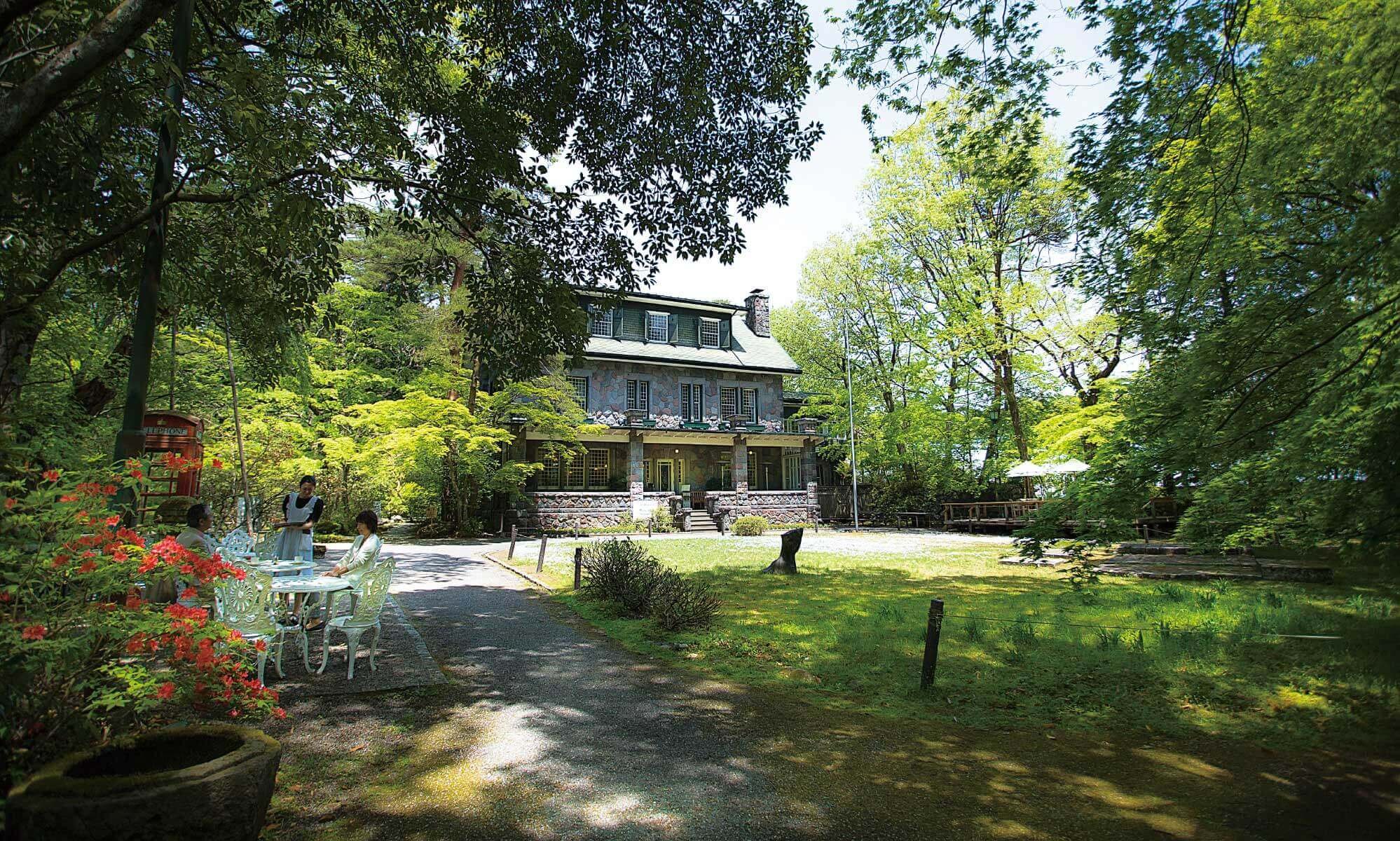
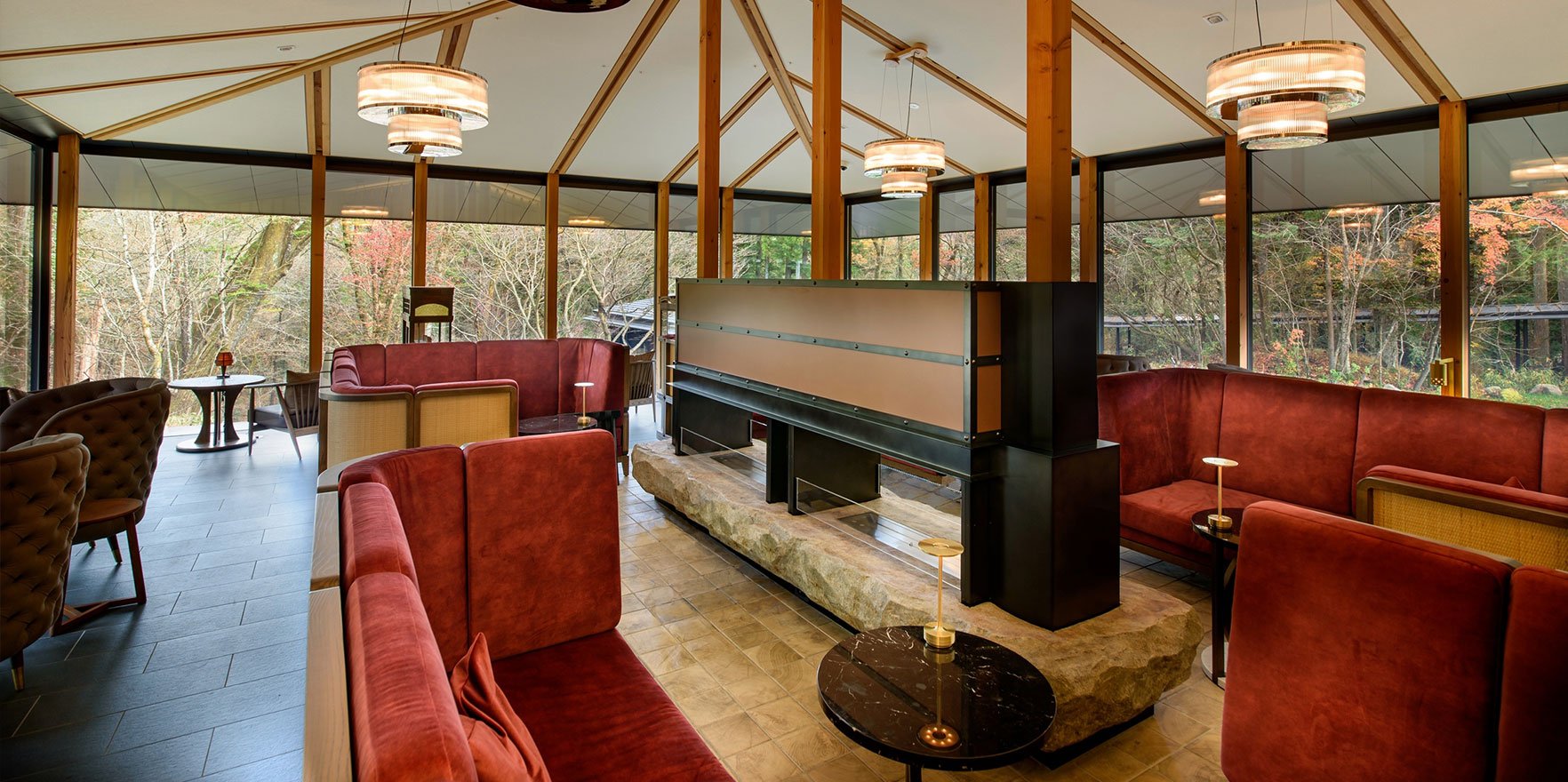
Elegant and nostalgic atmosphere with classical music, fireplace in the lounge, and serene zen gardens; guests describe it as luxurious, comfortable, and relaxing amid lush woods.
Tags
Vibe
Best For
Experience
Amenities
View
Accessibility
About the Stay
- Rooms
- 24
- Property Style
- Small Luxury Resort Inheriting Stylistic Beauty of Japan with Modern Architecture and Private Setting.
- Design Style
- East Meets West Modern Japanese with Elegant Colors, Velvet, Wood, Tatami Elements, and Zen Gardens.
Know before you go
Know Before You Go
- Getting there
- 1573-8 Honchō, Nikko, Tochigi 321-1435
Planning details
Location
Recognition and awards
Also consider
Also Consider
- The Ritz-Carlton, Nikko, Notable alternative
- Kinugawa Keisui, Notable alternative
- Nasu Mukunone, Notable alternative
- Kita Onsen(株)北温泉旅館, Notable alternative
- Bettei Senjuan, Notable alternative
Hotel context
How it compares in Nikko
Fufu Nikko is the better pick for travelers who want a quieter luxury stay with a wellness-first feel. The Ritz-Carlton, Nikko is the safer choice for guests who prefer a larger international hotel structure, more predictable service systems, and brand familiarity. If the trip is a special-occasion retreat, Fufu Nikko feels more intimate; if it is a high-comfort base with broad infrastructure, The Ritz-Carlton is easier to justify.
Kinugawa Keisui is the strongest cross-shop for travelers leaning toward a Japanese inn-style escape rather than a central Nikko luxury stay. Nasu Mukunone and Bettei Senjuan make more sense for readers willing to leave the immediate Nikko area for a deeper countryside retreat. They are less convenient if the itinerary is built around Nikko's main sights.
Kita Onsen(株)北温泉旅館 belongs in a different decision lane: choose it for a more traditional, character-driven hot-spring stay, not for the same polished luxury brief. For a first-time Nikko luxury trip, Fufu Nikko is the more balanced call; for travelers who care more about atmosphere and old-inn texture than service polish, Kita Onsen is the more interesting detour.
Explore Nikko
Around this place
Discover more on Pearl
Unlock the full Fufu Nikko guide in Pearl, including awards, comparisons, FAQs, planning details, and nearby places.
Compare Fufu Nikko
| Venue | Location | Awards |
|---|---|---|
| Fufu Nikko | Nikko | 2026 Michelin 2 KeysMichelin 2 Keys 20252025 Michelin 2 Keys2024 Michelin 2 Keys |
| The Ritz-Carlton, Nikko | Nikko | 2026 Forbes 5-Star2026 Virtuoso Luxury Hotel Collection2026 La Liste Top Hotels2026 Michelin 2 Keys2025 Michelin 2 Keys2025 Conde Nast Hotels Gold List2024 Michelin 2 Keys |
| Kinugawa Keisui | Nikko | 2026 Michelin 1 Key2025 Michelin 1 Key |
| Nasu Mukunone | Nasu | 2025 Michelin 1 Key2024 Michelin 1 Key |
| Kita Onsen(株)北温泉旅館 | Nasu | No published awards |
| Bettei Senjuan | Minakami | 2026 Relais Chateaux Hotels2026 Michelin 1 Key2025 Michelin 1 Key2025 Relais Chateaux Award2024 Michelin 1 Key |







How Fufu Nikko compares with similar nearby venues.
FAQ
Frequently Asked Questions
How is the dining at Fufu Nikko?
Dining details are best confirmed directly with the hotel before booking, including cuisine, chef, menu format, and signature dishes. The strongest signal in this profile is Michelin 2 Keys (2024), not a dining-specific accolade.
Do loyalty programs work at Fufu Nikko?
If points, elite benefits, or redemption value matter, confirm those details directly before booking. The core hotel facts are its Nikko location, Michelin 2 Keys (2024) recognition, and smart-casual dress code.
How is the location of Fufu Nikko?
Fufu Nikko is in Nikko. Travelers should confirm the exact location and transfer logistics directly before booking. For another Nikko hotel comparison, consider The Ritz-Carlton, Nikko.
Is Fufu Nikko good for business travel?
Business travelers should confirm meeting facilities, workspace, and loyalty benefits directly before booking. Fufu Nikko is best assessed from the core facts: it is in Nikko, has Michelin 2 Keys (2024) recognition, and notes a smart-casual dress code. If business requirements are specific, confirm them directly before booking.
When is the best time to book Fufu Nikko?
If your dates are fixed, check availability directly and confirm current terms before committing. The recognition to keep in mind is Michelin 2 Keys (2024).
How does Fufu Nikko compare to nearby hotels?
Choose Fufu Nikko if Michelin 2 Keys (2024) recognition is a key factor in your Nikko hotel search. Also compare The Ritz-Carlton, Nikko, Kinugawa Keisui, Kita Onsen(株)北温泉旅館, Nasu Mukunone, and Bettei Senjuan depending on your route and preferred style of stay, while confirming current details directly with each property.