The Clayfield
Old Town Historic District, Niagara-on-the-Lake
Hotel in Niagara-on-the-Lake, Canada
 Book with Pearl
Why go
The Clayfield is a cautious yes for Niagara-on-the-Lake travelers who need a base and are choosing mainly by room fit. It is less compelling if the decision depends on confirmed spa, pool, dining, loyalty, or business-travel features, so verify those before committing.
About The Clayfield
The Clayfield is a venue in Niagara-on-the-Lake. Its dress code is smart casual. That means the most reliable takeaway for now is narrow and practical, rather than descriptive. Other specific public-facing details are not available, so do not infer amenities, cuisine, menu format, pricing, hours, booking perks, or service style. In other words, the absence of those details is not a hint in either direction; it simply means they should not be treated as known.
For planning around a Niagara-on-the-Lake visit, check with The Clayfield directly before committing to plans. Confirm the details that matter for your visit, especially timing, availability, accessibility, and any experience-specific requirements. This is particularly important if your plans depend on a certain kind of outing, a fixed schedule, or conditions that would affect whether the venue suits your needs. A quick direct check is the clearest way to separate accurate information from expectation.
Choose with accurate details in hand
The safest way to plan around The Clayfield is to start with the basics and confirm everything else before booking or arriving. Smart casual dress is the only style guidance available, so it is reasonable to dress with a polished but not overly formal approach in mind. Beyond that, avoid relying on assumptions about dining format, amenities, loyalty value, business facilities, or special services. Those categories can vary widely from venue to venue, and without specific information they should remain open questions rather than planning anchors.
If The Clayfield is part of a broader Niagara-on-the-Lake itinerary, build in a little room to confirm fit before locking in the rest of your day. The key point is not that specific amenities or services are unavailable, but that their details are not available. For broader trip planning, use our full Niagara-on-the-Lake hotels guide, our full Niagara-on-the-Lake restaurants guide, and our full Niagara-on-the-Lake bars guide.
Part of
The Unbound Collection by Hyatt30 locations on PearlPlanning details
- Location
- Niagara-on-the-Lake, Canada
The take
The Take
The Vibe
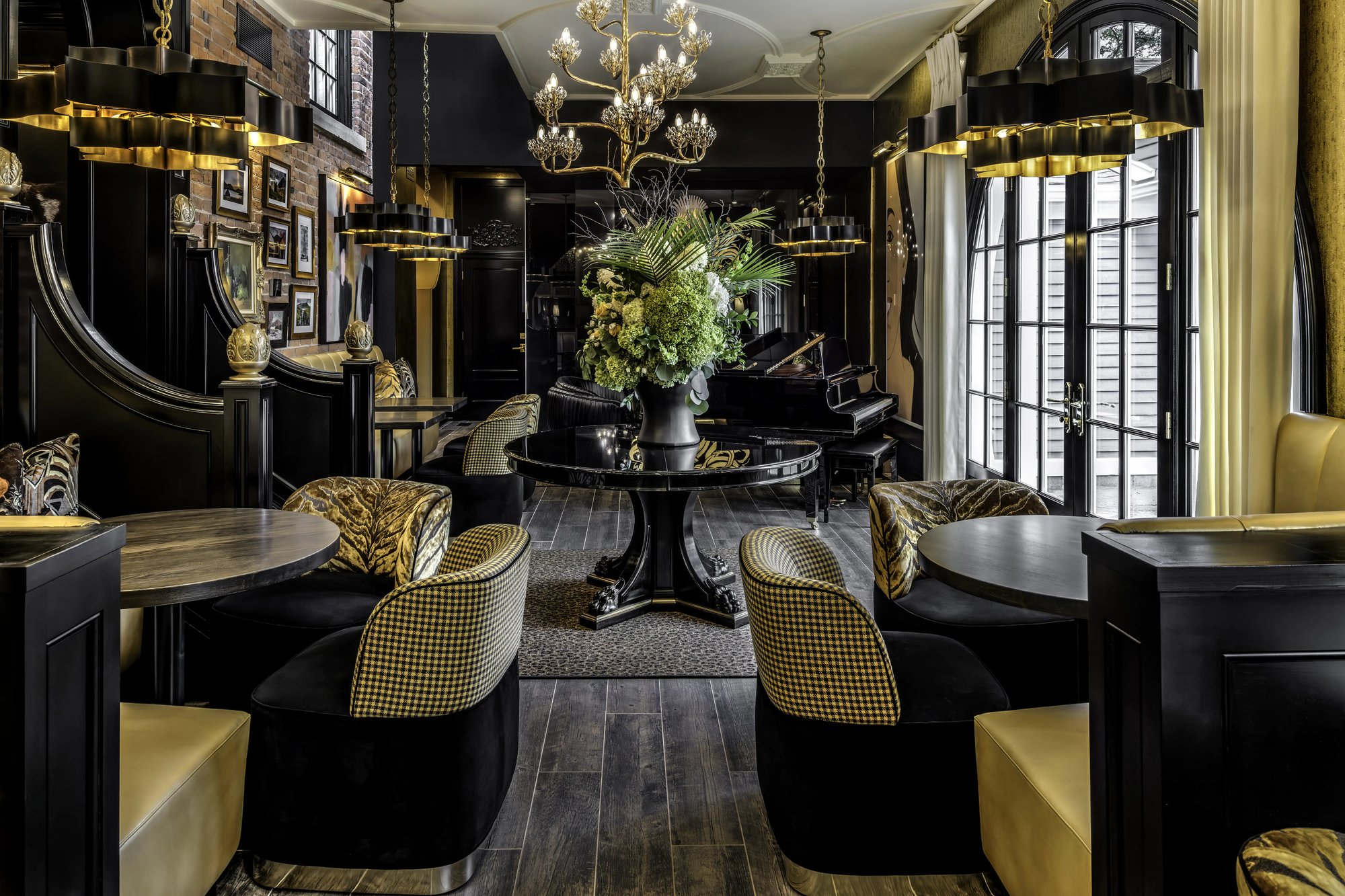
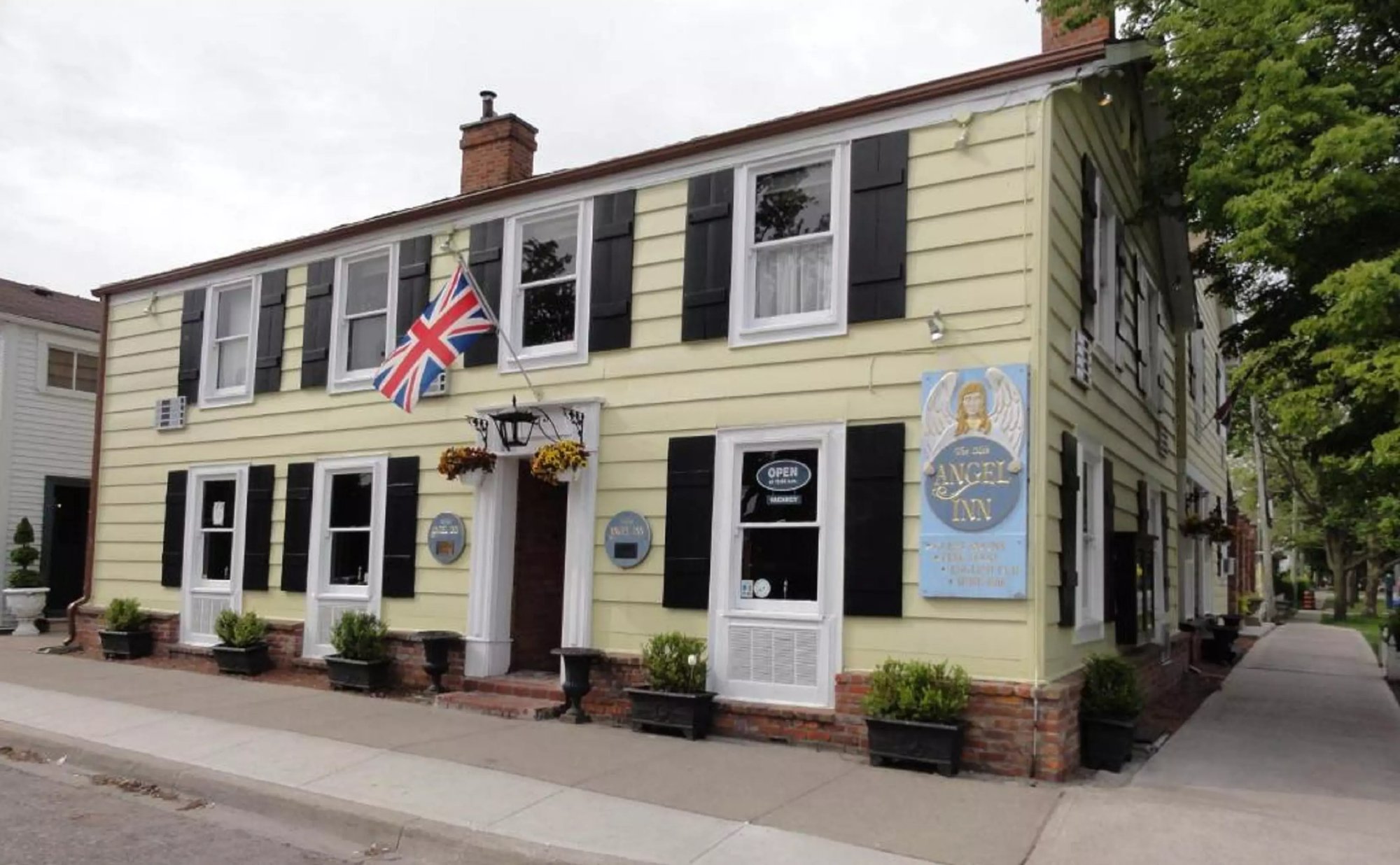
The Clayfield presents a quietly refined alternative in Niagara-on-the-Lake: a small, design-aware hotel that foregrounds local materiality and the agricultural setting rather than the spectacle of large resort amenities. It sits within the town’s historic core, where nineteenth-century storefronts and carefully preserved streetscapes give the property a rooted, heritage-forward character. The tone is deliberate and low-key—prioritizing place, views toward the vineyards and the rhythms of wine country over busy public programming—so stays feel measured, intimate and gently understated rather than flashy or high-volume.
Best For
The Clayfield works best for travelers who want a quietly curated base in Niagara wine country: couples on a romantic getaway or honeymoon and visitors looking to spend a weekend exploring nearby wineries and destination restaurants. Its small-scale, design-conscious approach suits guests who prefer a heritage town atmosphere and proximity to the vineyard corridor rather than a full-service resort with extensive programming. Use it as a calm home base for tastings, cellar-door visits and strolling the preserved main street of Old Town.
Stay Tips
Think of The Clayfield primarily as a launchpad for the region’s wineries and restaurants: plan your days around vineyard visits and consult the linked Niagara-on-the-Lake restaurants guide to structure tasting and dining itineraries. Because the property emphasizes a quieter, boutique experience rather than large amenity lists, prioritize time off-site at estate tasting rooms and destination restaurants in the surrounding corridor. For arrival and routing, reference the hotel’s Old Town location to coordinate easy access to nearby vineyards and the town’s preserved main street.
Venue details
Ambiance
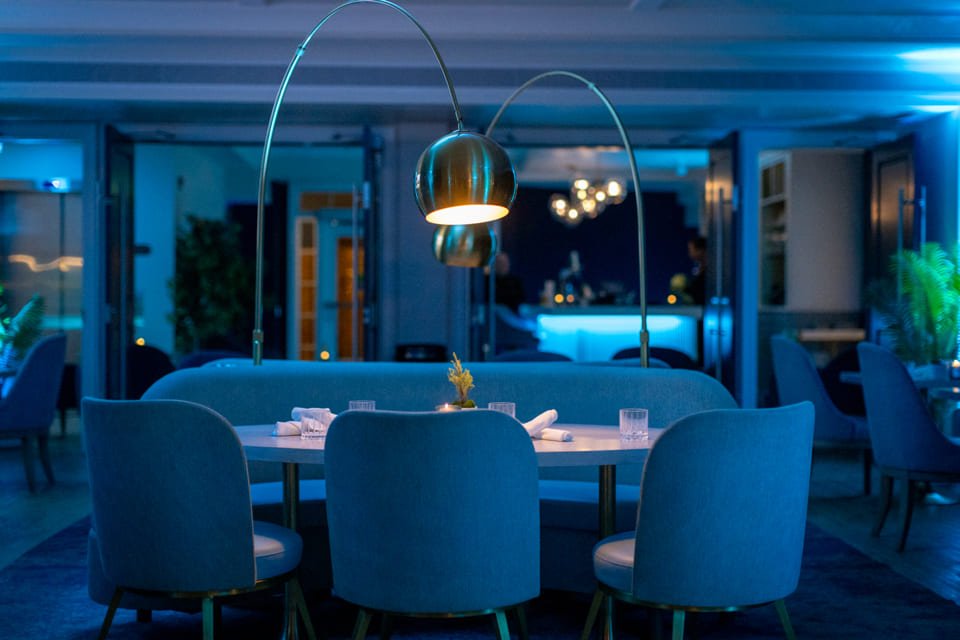
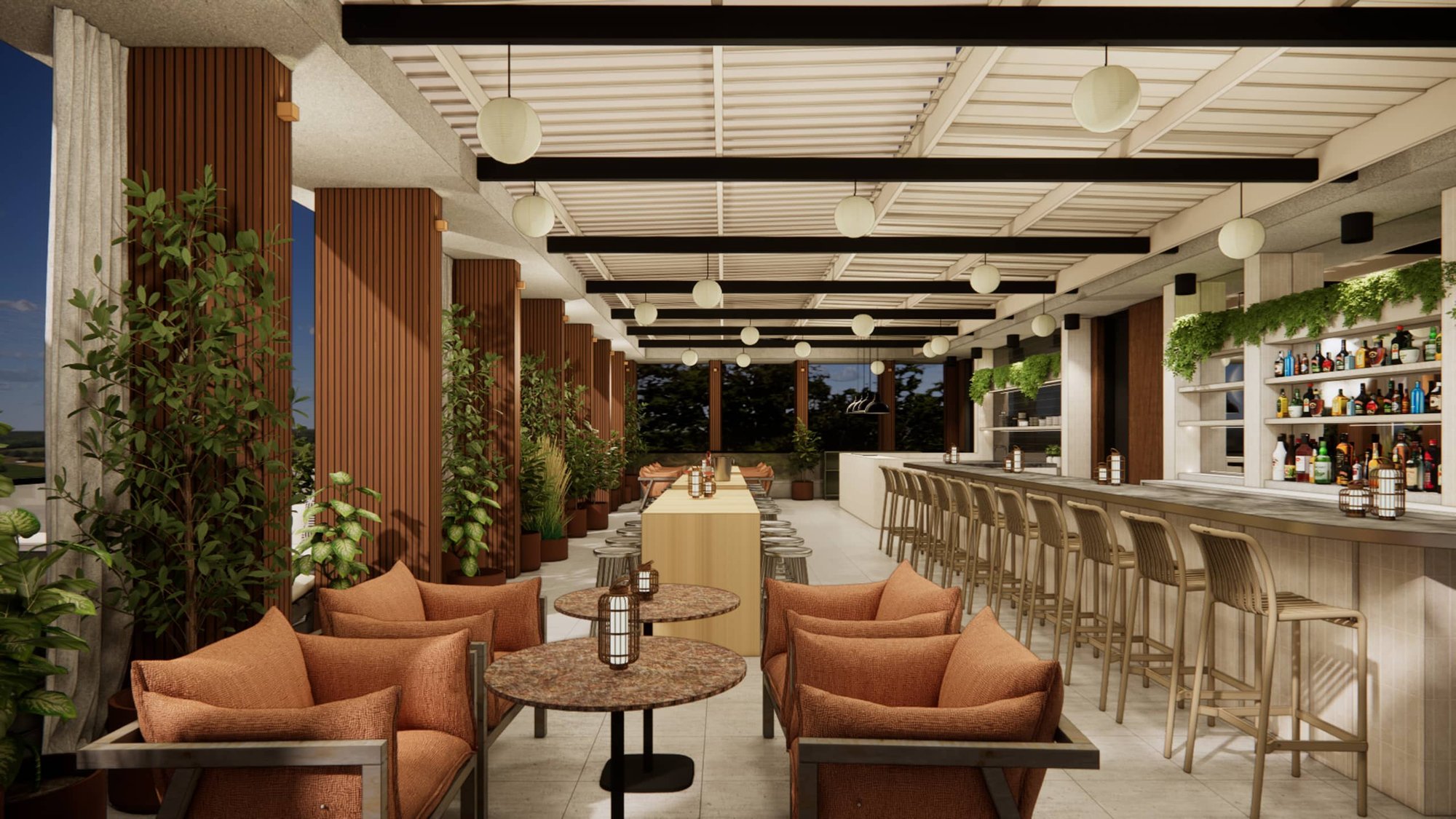
Sophisticated and relaxing atmosphere evoking wine-country living with elegant, modern interiors and subtle nods to the region's natural rhythms.
Tags
Vibe
Best For
Experience
Amenities
View
Accessibility
About the Stay
- Rooms
- 102
- Property Type
- Boutique hotel
- Property Style
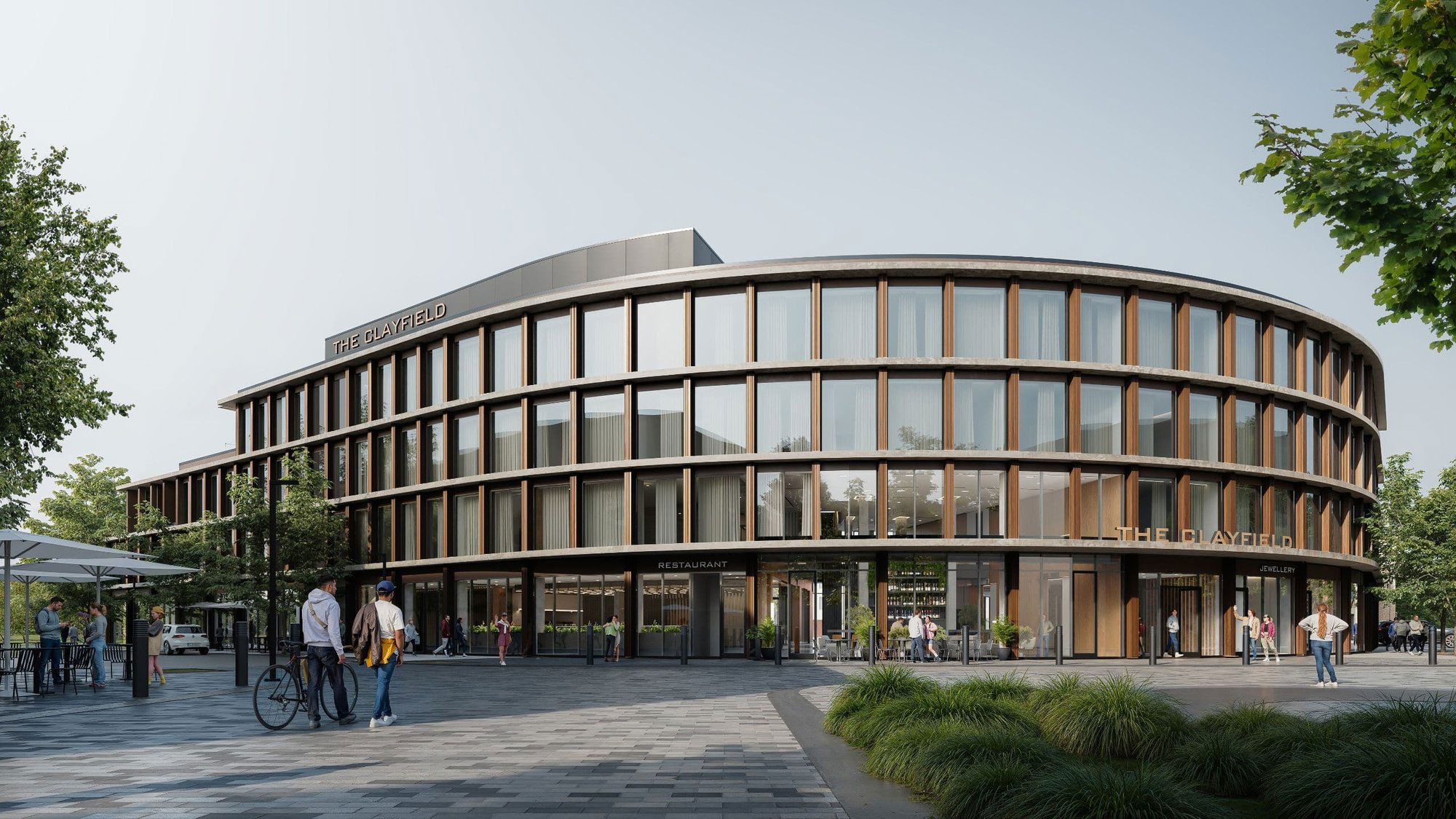
- Contemporary Wine Country Retreat
- Design Style
- Modern Inspired by Clay Soils and Vineyard Landscape
- Airport Transfer
- Available
Planning details
Location
Niagara-on-the-Lake, Canada
Explore Niagara-on-the-Lake
Around this place
Discover more on Pearl
Unlock the full The Clayfield guide in Pearl, including awards, comparisons, FAQs, planning details, and nearby places.
FAQ
Frequently Asked Questions
What should I wear to The Clayfield?
The dress code for The Clayfield in Niagara-on-the-Lake is smart casual.
What kind of venue is The Clayfield?
The Clayfield is in Niagara-on-the-Lake, but details are not available on its format, amenities, menu, pricing, hours, or services. Confirm the specifics directly before planning around it.
How does The Clayfield compare to nearby options?
The only planning detail available is that The Clayfield has a smart casual dress code. Compare it with other Niagara-on-the-Lake options based on directly confirmed needs such as timing, availability, location within the city, and the experience you want.
When is the best time to book The Clayfield?
Is The Clayfield good for business travel?
Do loyalty programs work at The Clayfield?
Information is not available about loyalty programs, points, or status benefits at The Clayfield. Check the booking terms directly if those benefits matter to your plans.