
The Frederick Hotel
Tribeca-Civic Center, New York City
Hotel in New York City, United States
 Book with Pearl
The Read
Gothic Revival Lodging
Why go
Book The Frederick Hotel if you want a polished Tribeca base and plan to spend most of the trip out in the city. It makes more sense for couples, solo travelers, and downtown business stays than for guests chasing resort-style amenities or heavy-touch service.
About The Frederick Hotel
The Frederick Hotel is a New York City hotel best evaluated with a practical lens: decide whether it fits the kind of stay you want, then confirm the current room, rate, and amenity details directly before booking. For a safe planning approach, treat the hotel as a New York City base and avoid assuming a specific service style, room size, dining program, or facilities beyond what the hotel confirms for your dates.
For travelers comparing New York City hotels, the key question is whether The Frederick Hotel's confirmed offering matches the trip. Compare it with other New York City options such as Four Seasons Hotel New York Downtown or The Greenwich Hotel, and verify the exact room category, cancellation terms, fees, and on-property services before committing.
Book for a New York City base
The most reliable way to frame The Frederick Hotel is as a New York City stay where the specific room and booking terms matter. Do not assume a particular restaurant, bar, wellness setup, room footprint, or concierge model unless it appears in the hotel's current materials or is confirmed by the property. A smart-casual dress code is a key style note, which points to a polished but not overly formal guest expectation.
For couples, solo travelers, families, and business travelers, the decision should come down to practical fit: room type, location within New York City, price for your dates, and the services you personally need. If your trip depends on a different hotel profile, compare The Frederick Hotel with options such as Four Seasons Hotel New York Downtown, The Greenwich Hotel, Warren Street Hotel, Gansevoort Meatpacking, or Smyth Tribeca.
Service expectations should stay practical
The Frederick Hotel is a Small Luxury Hotels of the World Member for 2025, which is a useful recognition point. It should not, by itself, be read as a guarantee of any specific room size, amenity set, dining format, or service style. Treat the membership as one trust signal, then confirm the details that will affect your stay.
If dining is part of the trip, use our full New York City restaurants guide; if the hotel search is still open, compare it against our full New York City hotels guide. For drinks before or after dinner, our full New York City bars guide is the more useful next step than assuming the hotel itself will define the night.
Verdict: consider The Frederick Hotel if you want a New York City hotel with a smart-casual style note and 2025 Small Luxury Hotels of the World membership. Before booking, confirm the current room, amenity, service, and policy details directly so the stay matches your plans.
Planning details
- Location
- 95 W Broadway, New York, NY 10007
- Website
- frederickhotelnyc.com
- Phone
- +1 212-566-1900
The take
The Take
The Vibe
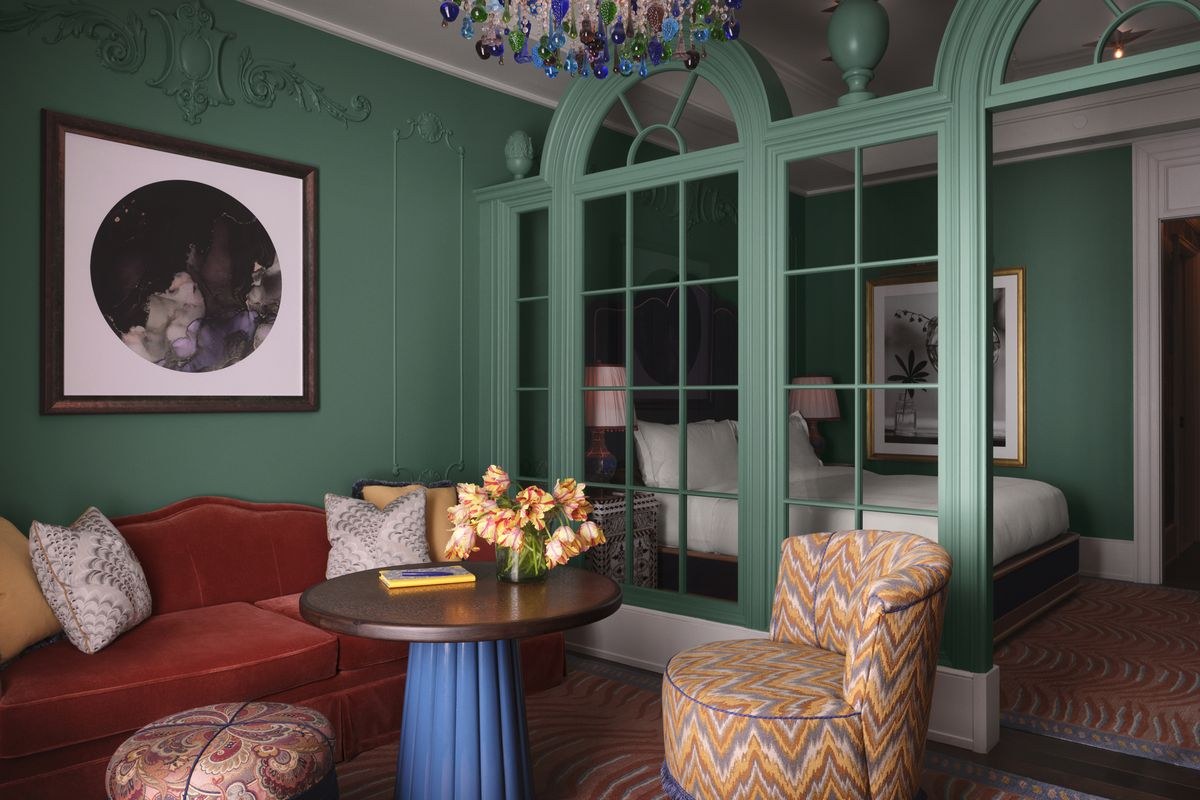
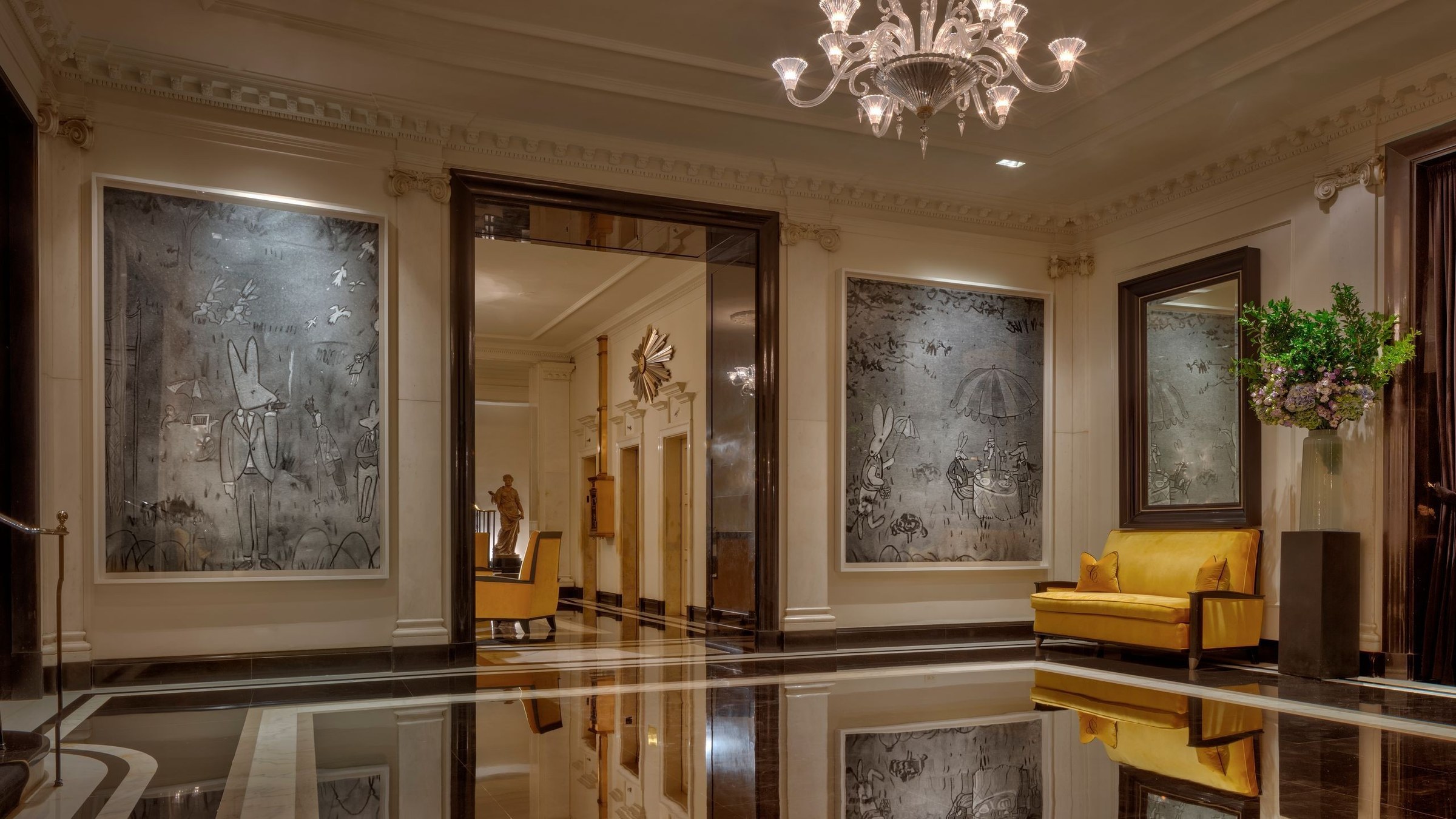
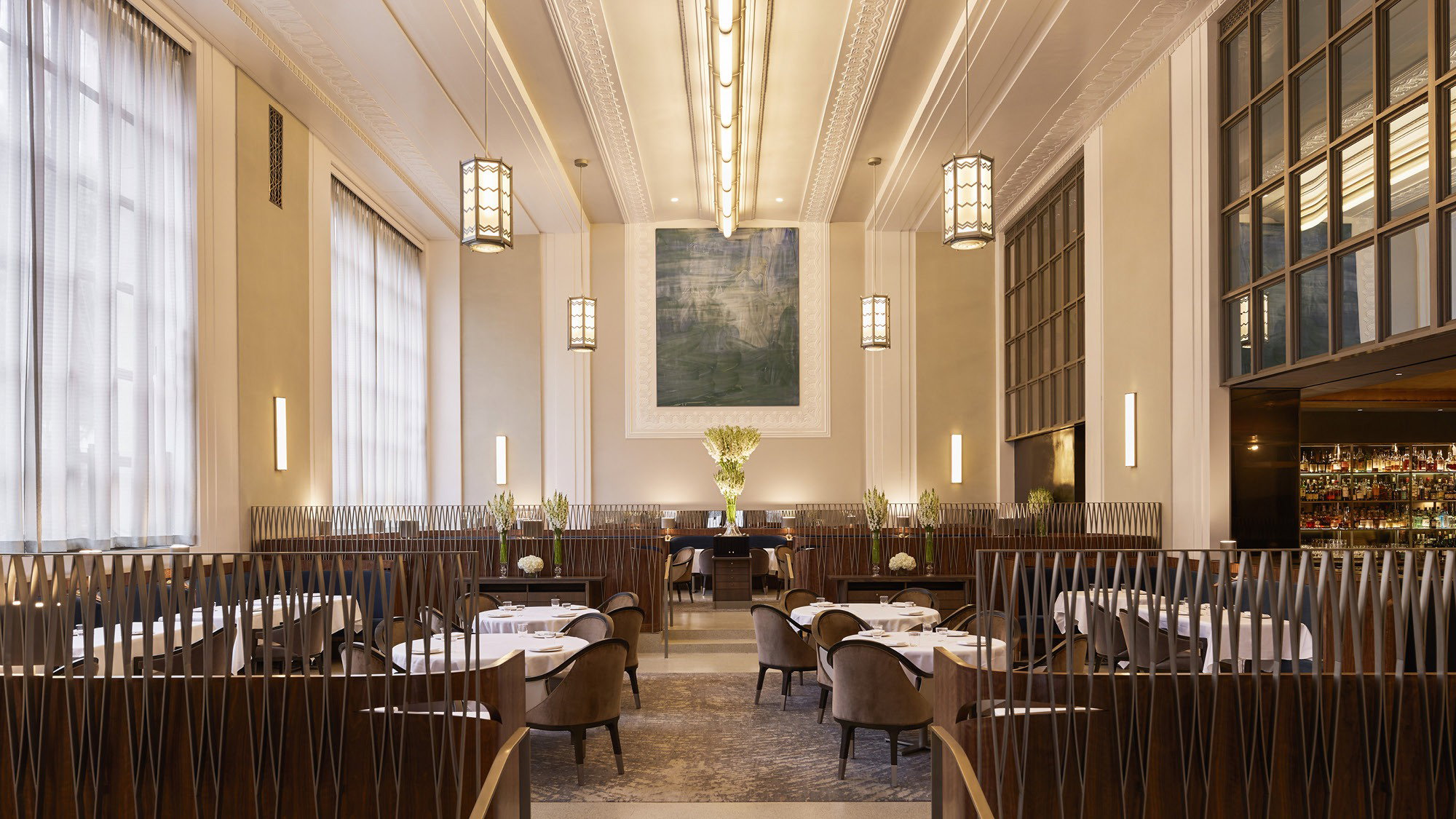
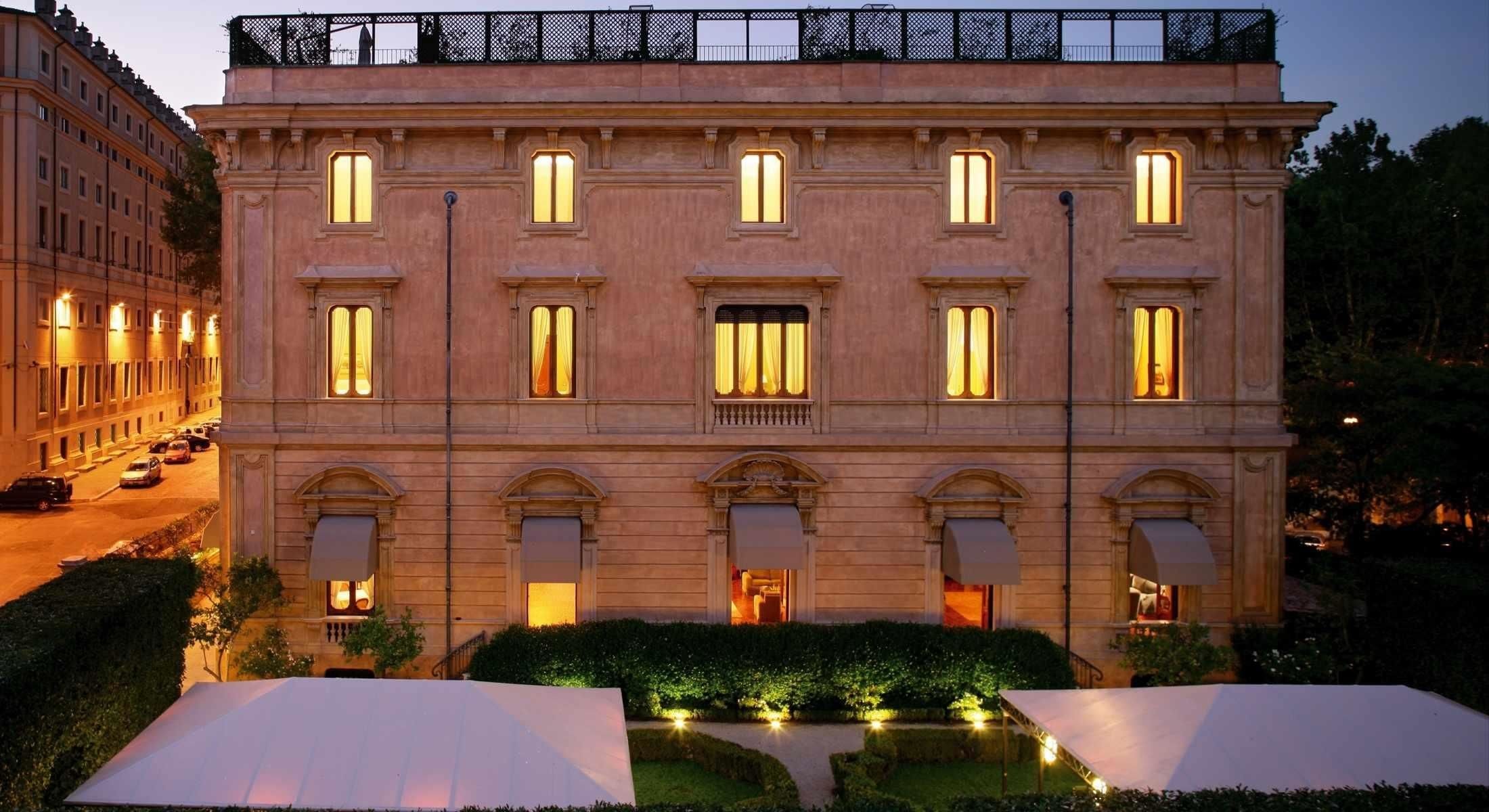
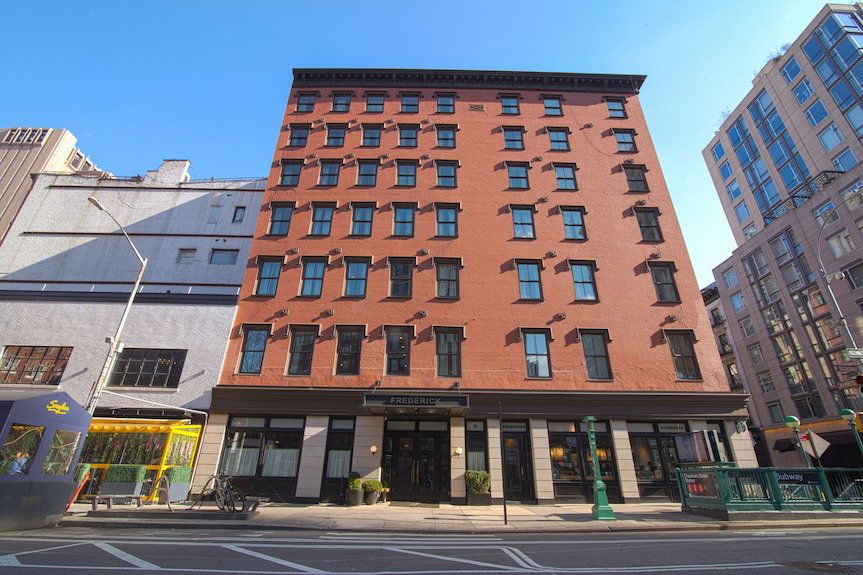
The Frederick presents as a heritage-minded hotel that foregrounds its 1830s Gothic Revival bones rather than treating them as mere décor. The building's vertical Gothic detailing and weathered patina anchor a restrained, classic atmosphere, while a contemporary repositioning keeps the address legible to today's traveler. The copy frames history as living material—original fabric informs the mood and the guest experience rather than becoming a theatrical backdrop—so the hotel reads as timeless and quietly evocative. That balance gives the property a dignified, characterful presence in Tribeca rather than the overt theatricality of a restored set.
Best For
The Frederick suits travelers who prize architectural character and a strong sense of place. It appeals to design-savvy visitors and history-minded guests who want a Tribeca base with genuine historic fabric and a thoughtful contemporary update. The hotel reads as an alternative to nearby boutique addresses for those weighing a weekend stay or a business trip and who prefer a neighborhood with layered urban history over a more generic Midtown experience. Guests looking for a quietly distinct, storied stay in Tribeca will find the hotel's continuity and patina especially appealing.
Venue details
Ambiance
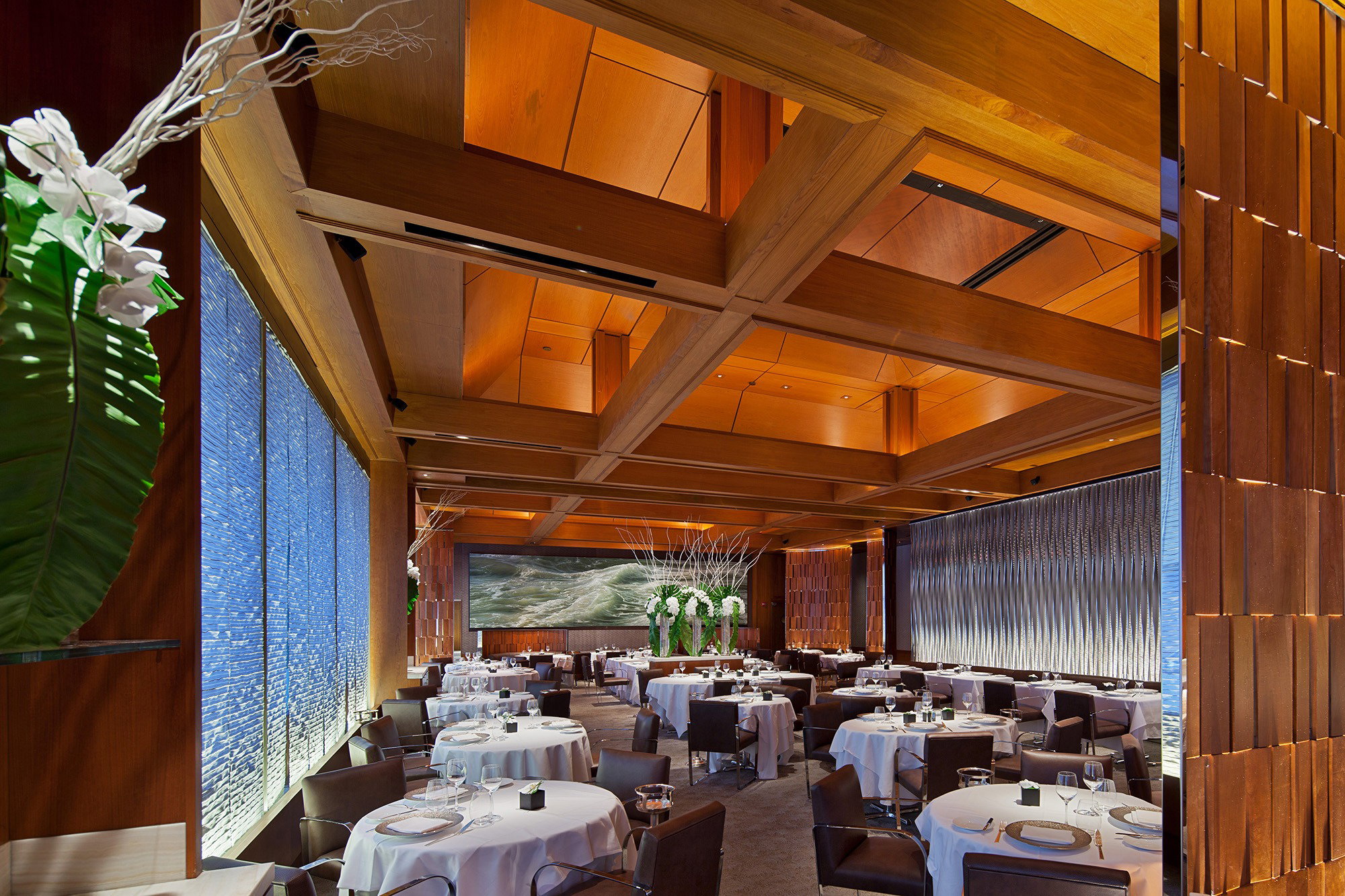
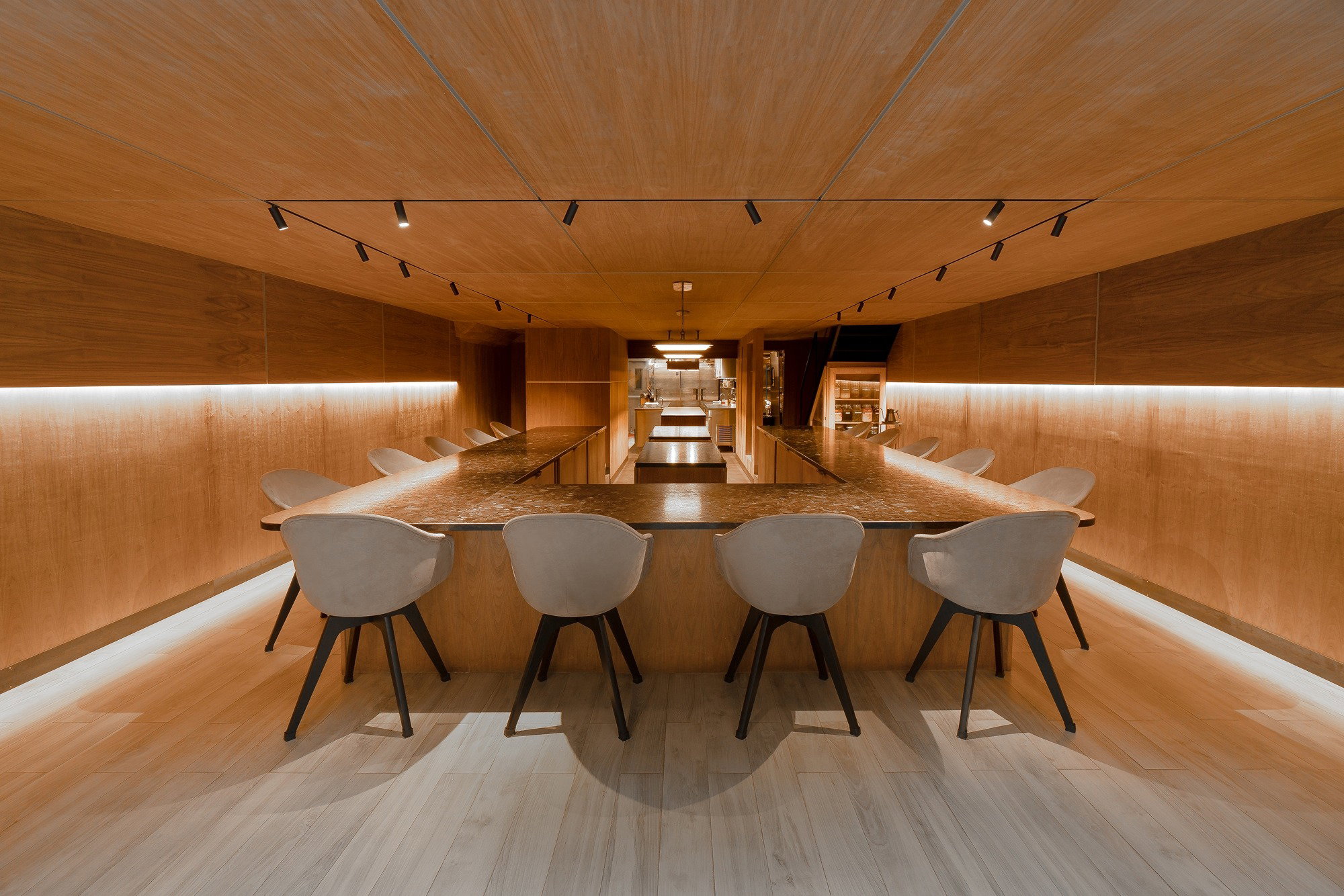
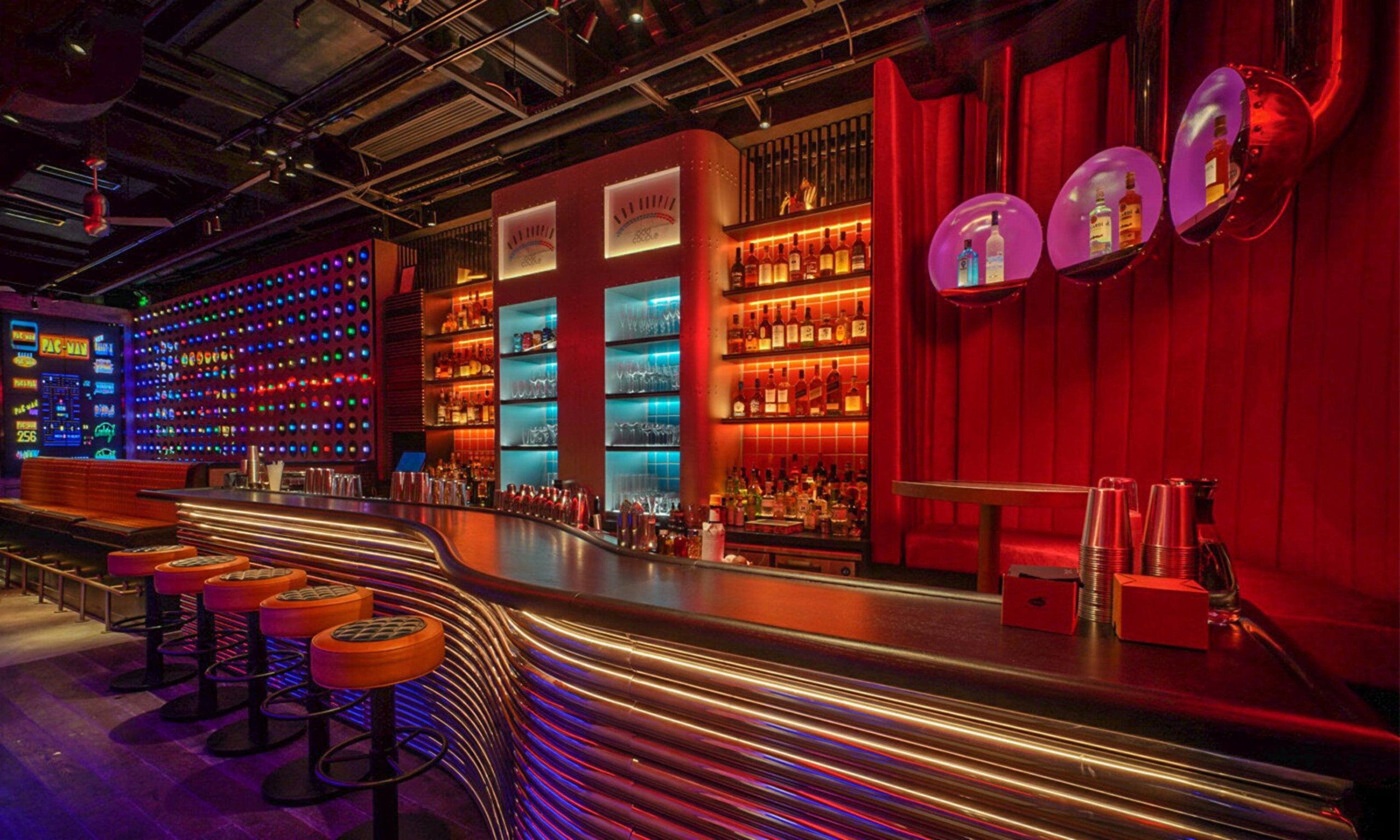
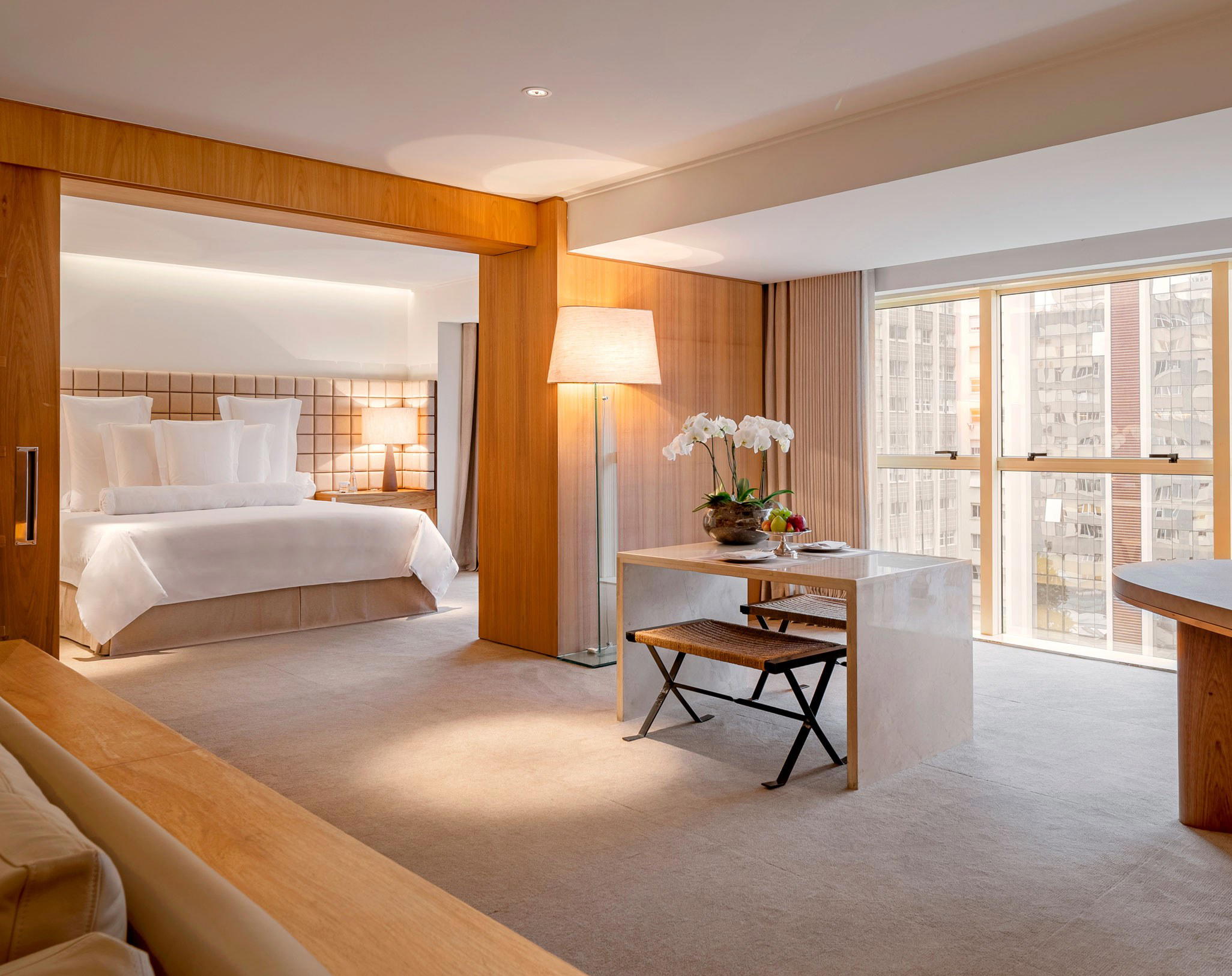
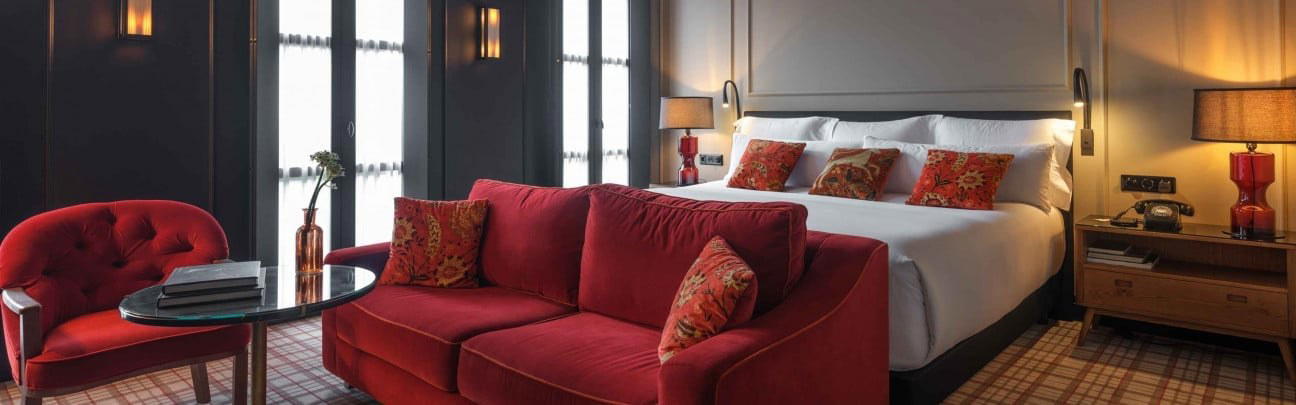
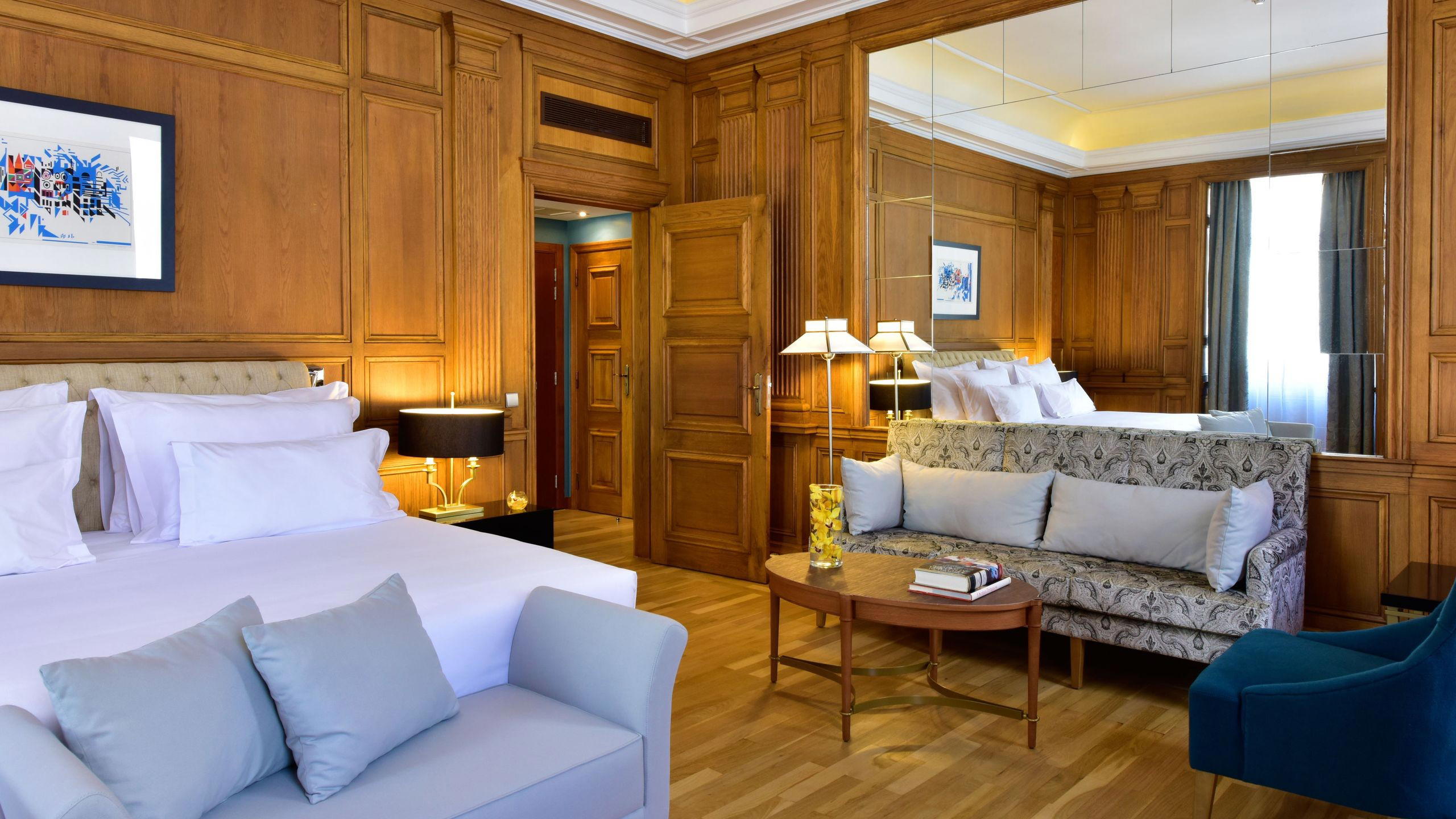
Cozy and charming with stylish, clean rooms featuring soft lighting, comfortable beds, and a peaceful atmosphere despite the bustling location.
Tags
Vibe
Best For
Experience
Amenities
View
Accessibility
About the Stay
- Rooms
- 133
- Property Style
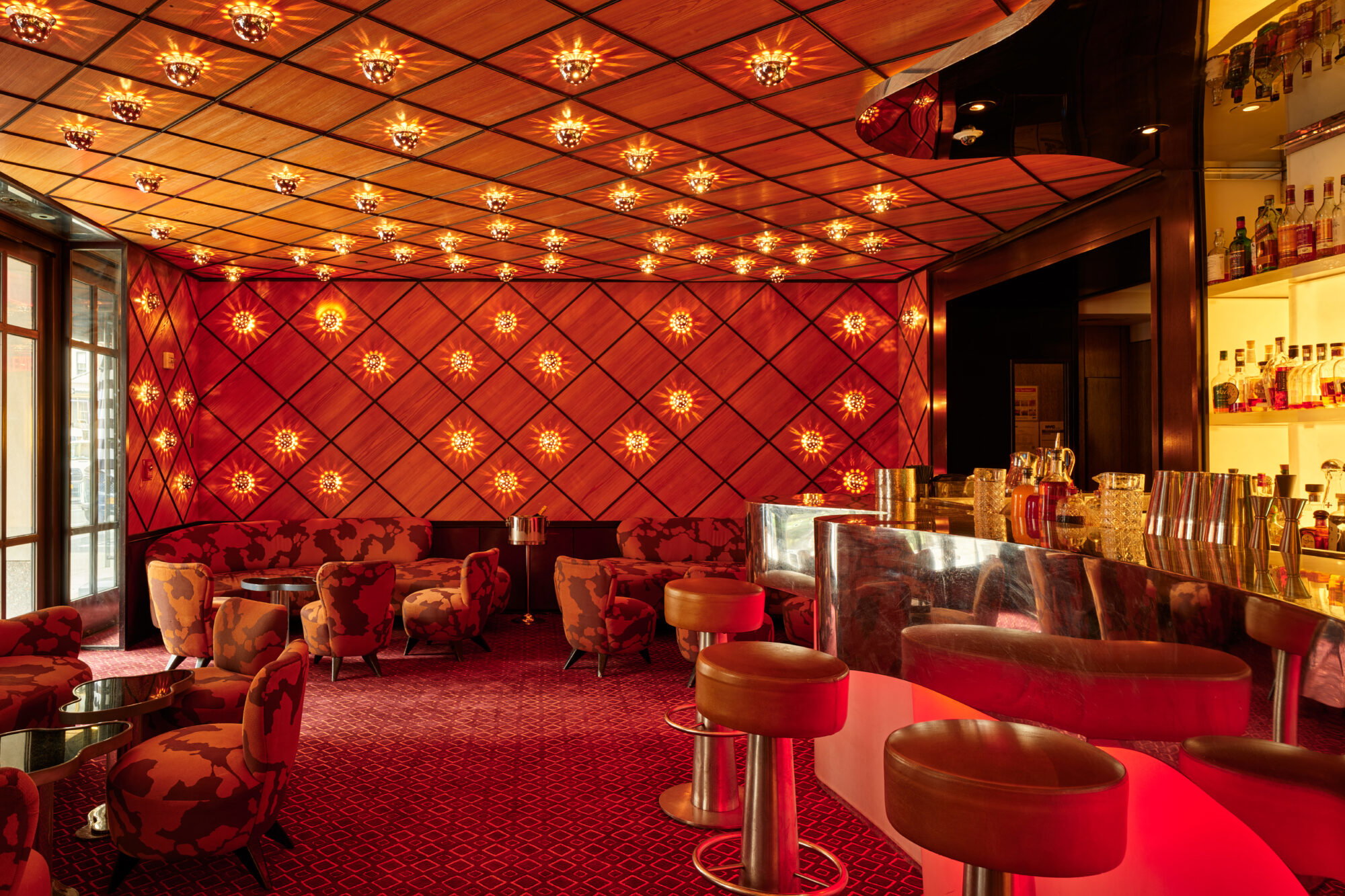
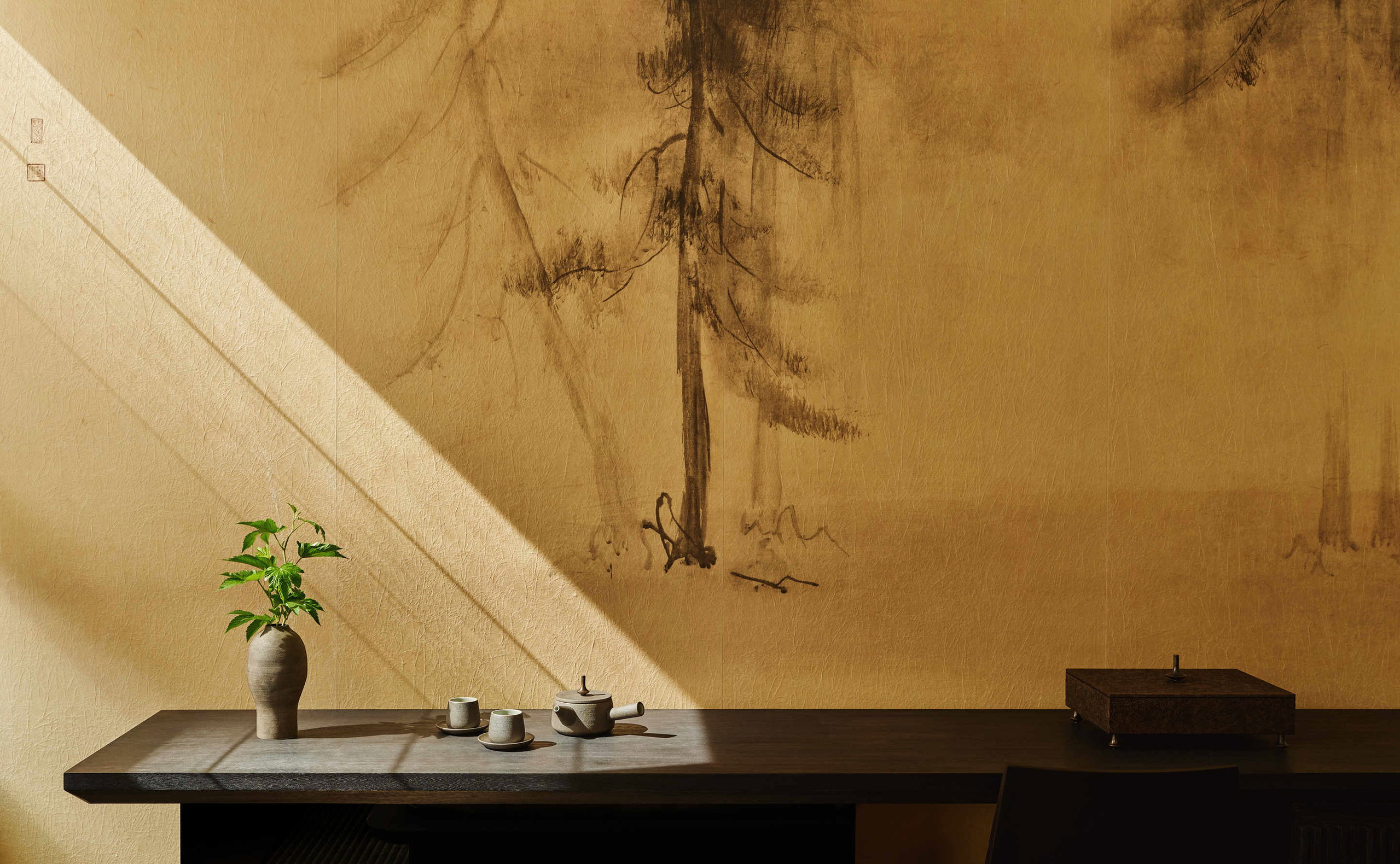
- Eclectic Mix of Mid Century Modern, Art Nouveau, and Minimalist Accents in a Historic Building.
- Design Style
- Modern with Vintage Influences, Custom Furnishings, Frette Linens, and Eco Luxury Amenities.
Know before you go
Know Before You Go
- Getting there
- 95 W Broadway, New York, NY 10007
Planning details
Location
Recognition and awards

Also consider
Also Consider
- Smyth Tribeca, Notable alternative
- Warren Street Hotel, Notable alternative
- Four Seasons Hotel New York Downtown, Notable alternative
- Gansevoort Meatpacking, Notable alternative
- The Greenwich Hotel, Notable alternative
Hotel context
How it compares in downtown New York
Smyth Tribeca is the closest like-for-like cross-shop: both work for travelers who want Tribeca over Midtown and prefer a hotel that feels neighborhood-scaled. The Frederick Hotel is the cleaner choice for a practical downtown base; Smyth Tribeca is the one to consider if the room and atmosphere matter more than simply being well placed.
Warren Street Hotel and The Greenwich Hotel are better fits for guests who want the hotel itself to carry more of the trip. Expect a more design-forward, stay-in feel at Warren Street Hotel and a more established luxury rhythm at The Greenwich Hotel. Choose The Frederick Hotel when value and location beat larger-room ambition or deeper service expectations.
Four Seasons Hotel New York Downtown is the safer call for high-touch service, larger-brand confidence, and a more formal luxury stay. Gansevoort Meatpacking is the better pick if the trip is built around nightlife and the west side. The Frederick Hotel wins for easy downtown practicality and lower-friction booking compared with the more experience-led peers.
Explore New York City
Around this place
Discover more on Pearl
Unlock the full The Frederick Hotel guide in Pearl, including awards, comparisons, FAQs, planning details, and nearby places.
Compare The Frederick Hotel
| Venue | Location | Awards |
|---|---|---|
| The Frederick Hotel | New York City | Small Luxury Hotels Member 2025 |
| Smyth Tribeca | New York City | 2025 Forbes RecommendedPreferred Hotels Member 2025 |
| Warren Street Hotel | New York City | 2026 Design Hotels Collection2026 Mr & Mrs Smith Luxury Hotels2025 AFAR Best New Hotels2025 Michelin 2 Keys2024 Michelin 1 Key |
| Four Seasons Hotel New York Downtown | New York City | 2026 La Liste Top Hotels2025 Conde Nast Best Hotels · #122025 Forbes 5-Star2025 AAA 5 Diamond HotelFour Seasons Hotels |
| Gansevoort Meatpacking | New York City | No published awards |
| The Greenwich Hotel | New York City | 2026 World’s 50 Best Hotels 51-100 · #922026 Mr & Mrs Smith Luxury HotelsLeading Hotels of the World 20262026 La Liste Top Hotels2025 World’s 50 Best Hotels · #772025 Forbes 4-Star2025 Michelin 1 Key2024 Michelin 1 Key |












How The Frederick Hotel New York City compares with similar nearby venues.
FAQ
Frequently Asked Questions
Which room category is best at The Frederick Hotel?
Choose based on the space, bed setup, and price shown for your dates. There is no single best room category; compare the hotel's current room descriptions before booking.
How is the pool and spa at The Frederick Hotel?
Do not assume specific pool or spa facilities. If those features matter, confirm them directly with The Frederick Hotel, or compare with another New York City option such as Four Seasons Hotel New York Downtown.
How is the location of The Frederick Hotel?
The Frederick Hotel is in New York City. For planning, confirm the exact location and transit fit directly on the hotel's current listing or booking page, then compare it with other New York City options such as Gansevoort Meatpacking or Four Seasons Hotel New York Downtown.
Do loyalty programs work at The Frederick Hotel?
The Frederick Hotel is a Small Luxury Hotels of the World Member for 2025. If loyalty earning or redemption is important, confirm the current program terms before booking.
What is check-in like at The Frederick Hotel?
Check-in style and arrival experience can vary. Confirm check-in time, early-arrival options, and any deposit or ID requirements directly with the hotel; travelers comparing style and service can also look at Warren Street Hotel.
Is The Frederick Hotel family-friendly?
Specific family facilities or room configurations are not detailed. Families should confirm room size, bedding, connecting-room options, and any child-related policies directly, and may also compare The Frederick Hotel with The Greenwich Hotel or Four Seasons Hotel New York Downtown.
When is the best time to book The Frederick Hotel?
Book when your New York City dates and cancellation needs are clear. Seasonal pricing patterns are not detailed, so compare live rates and policies for your specific stay.