

Refinery Hotel New York
Midtown-Times Square, New York City
Hotel in New York City, United States
 Book with Pearl
The Read
Prohibition-Era Adaptive Reuse
Why go
Refinery Hotel New York is a smart Midtown pick when location matters more than resort-style amenities. It works well for business travel, date weekends, and short celebration stays where the hotel is a polished base for Manhattan rather than the whole event.
About Refinery Hotel New York
Refinery Hotel New York is a New York City hotel to consider when recognition is a priority. Key details include: the dress code is smart casual, and the hotel is listed as a Small Luxury Hotels of the World Member for 2025 and a MICHELIN Guide Hotels Selected property for 2025.
A safe planning approach is to treat Refinery Hotel New York as a shortlisted New York City stay and confirm room details, services, and any on-property facilities directly before booking. It may fit travelers who want a recognized hotel in New York City without relying on specific claims about dining, wellness, or leisure features.
A New York City base that makes sense when the room is not the whole trip
The right guest here is someone who wants a New York City hotel with clear recognition signals and a smart-casual dress code. For a celebration trip, client-facing visit, or short city stay, use the hotel as one part of the itinerary rather than assuming the property itself will provide every part of the occasion.
That is also why the decision should be made against comparable New York City hotels, not against every luxury property in the city. Travelers can compare it with The Langham, New York, Fifth Avenue or cross-shop Archer Hotel New York as another New York City hotel option. For a broader scan, use Our full New York City hotels guide.
Choose it for recognition and a New York City stay
The strongest grounded case for Refinery Hotel New York is its hotel recognition: Small Luxury Hotels of the World Member in 2025 and MICHELIN Guide Hotels Selected in 2025. Those signals can be useful when narrowing a hotel list, especially if you prefer properties that have been surfaced by established hotel-selection sources.
There are also important unknowns. Information regarding specific room categories, restaurants, bars, spa or pool facilities, pricing, service formats, or booking patterns is not available. If any of those details are decisive, confirm them directly before committing. For the surrounding planning layer, compare options through Our full New York City restaurants guide, Our full New York City bars guide, and Our full New York City experiences guide.
Bottom line: shortlist Refinery Hotel New York if you want a New York City hotel with a smart-casual dress code and 2025 recognition from Small Luxury Hotels of the World and the MICHELIN Guide. If your trip depends on a specific amenity, room setup, dining venue, or service, confirm that detail before booking.
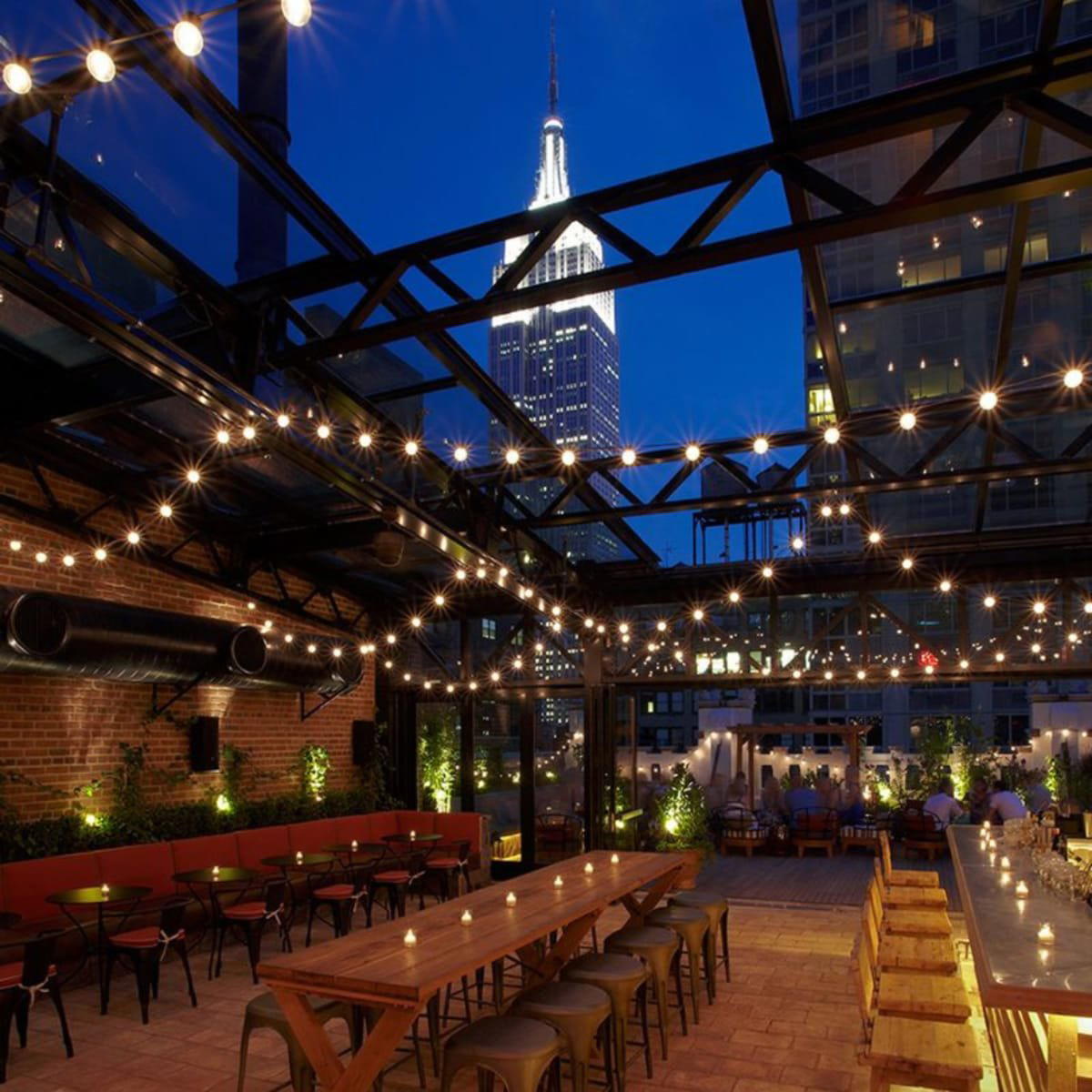
Inside Refinery Hotel New York
Planning details
- Location
- 63 W 38th St, New York, NY 10018
- Website
- refineryhotelnewyork.com
- Phone
- +1 646-664-0310
The take
The Take
The Vibe
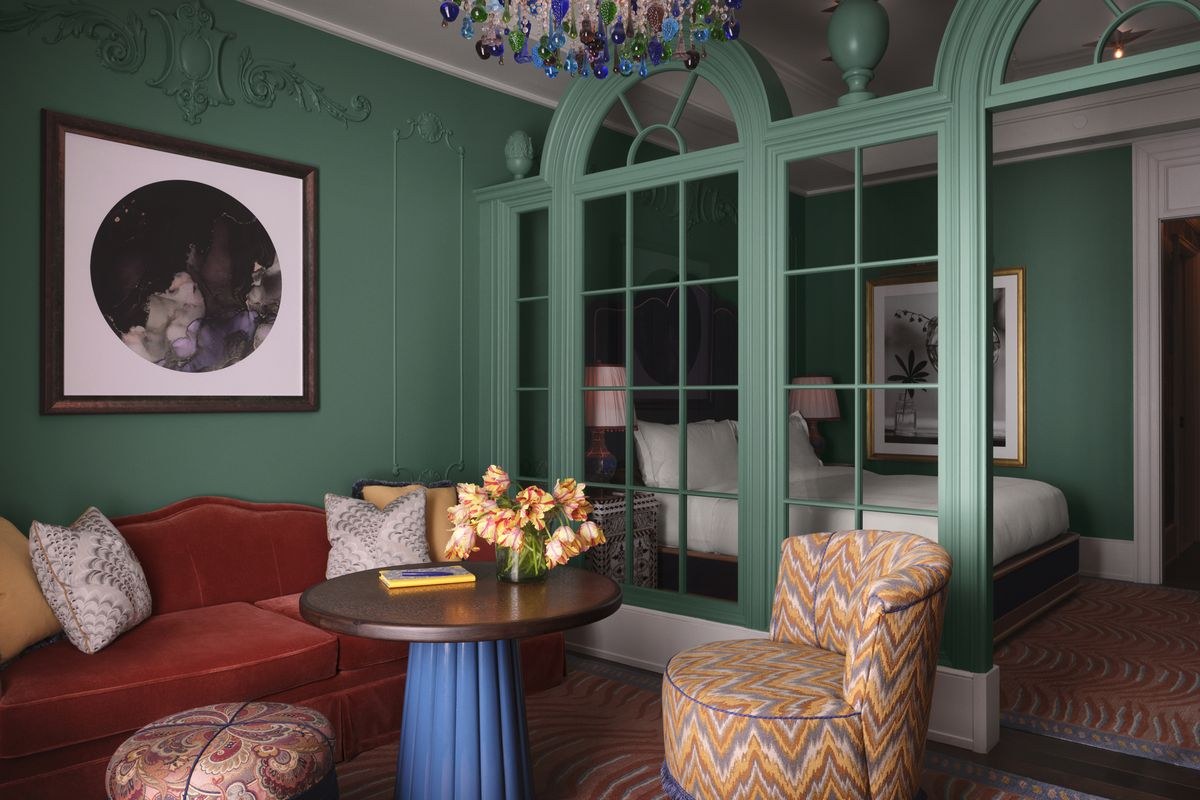
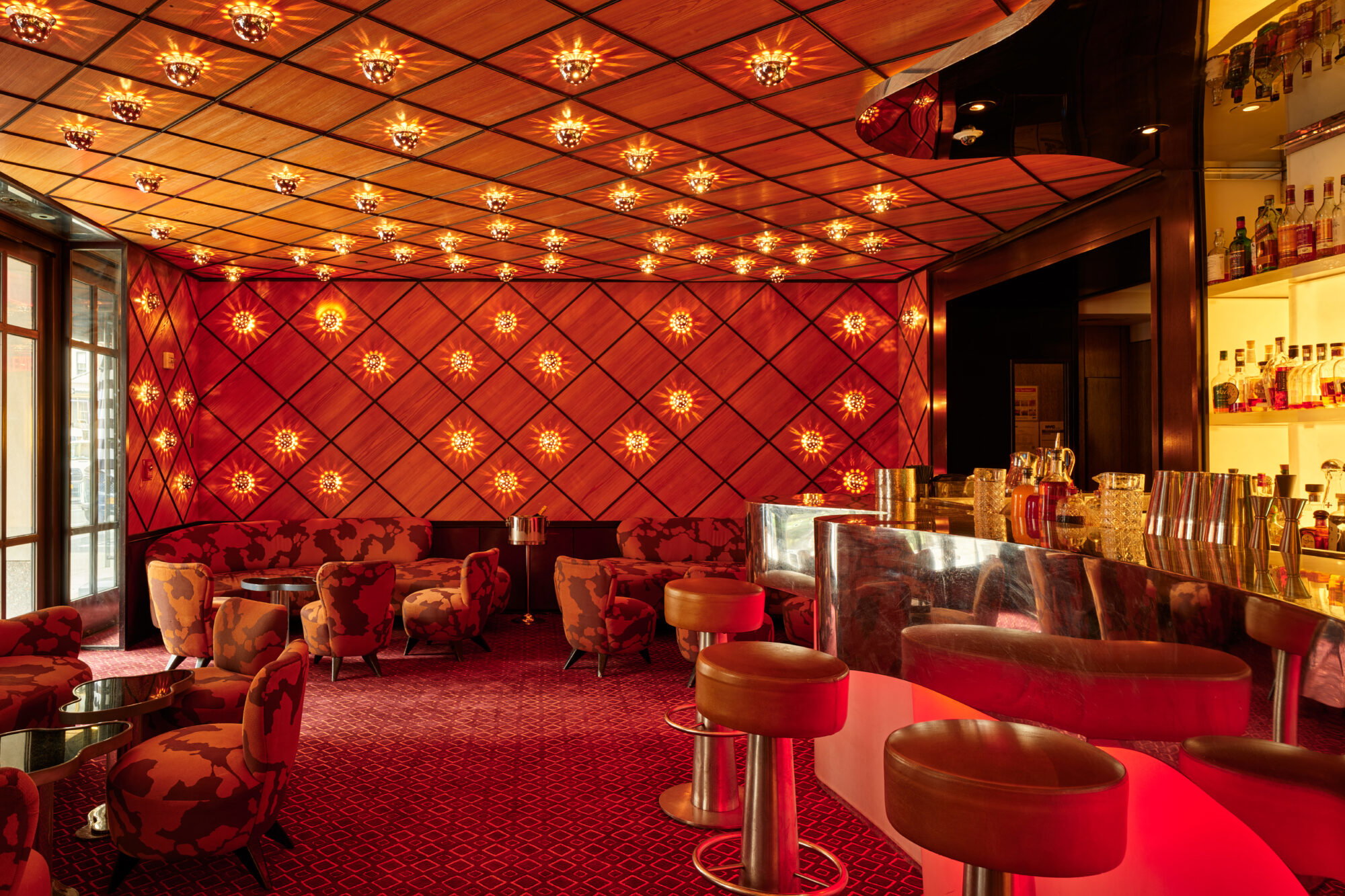
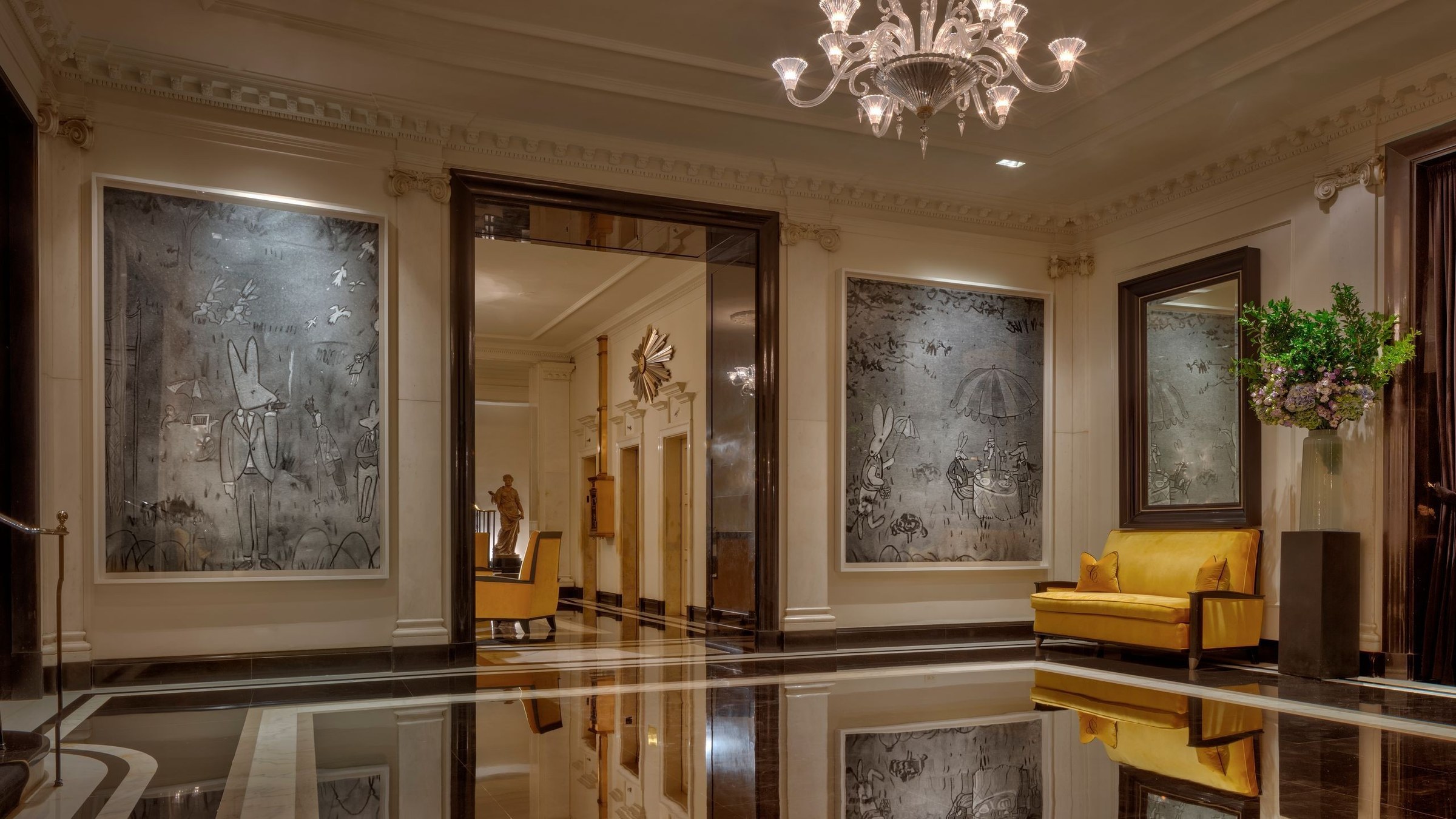
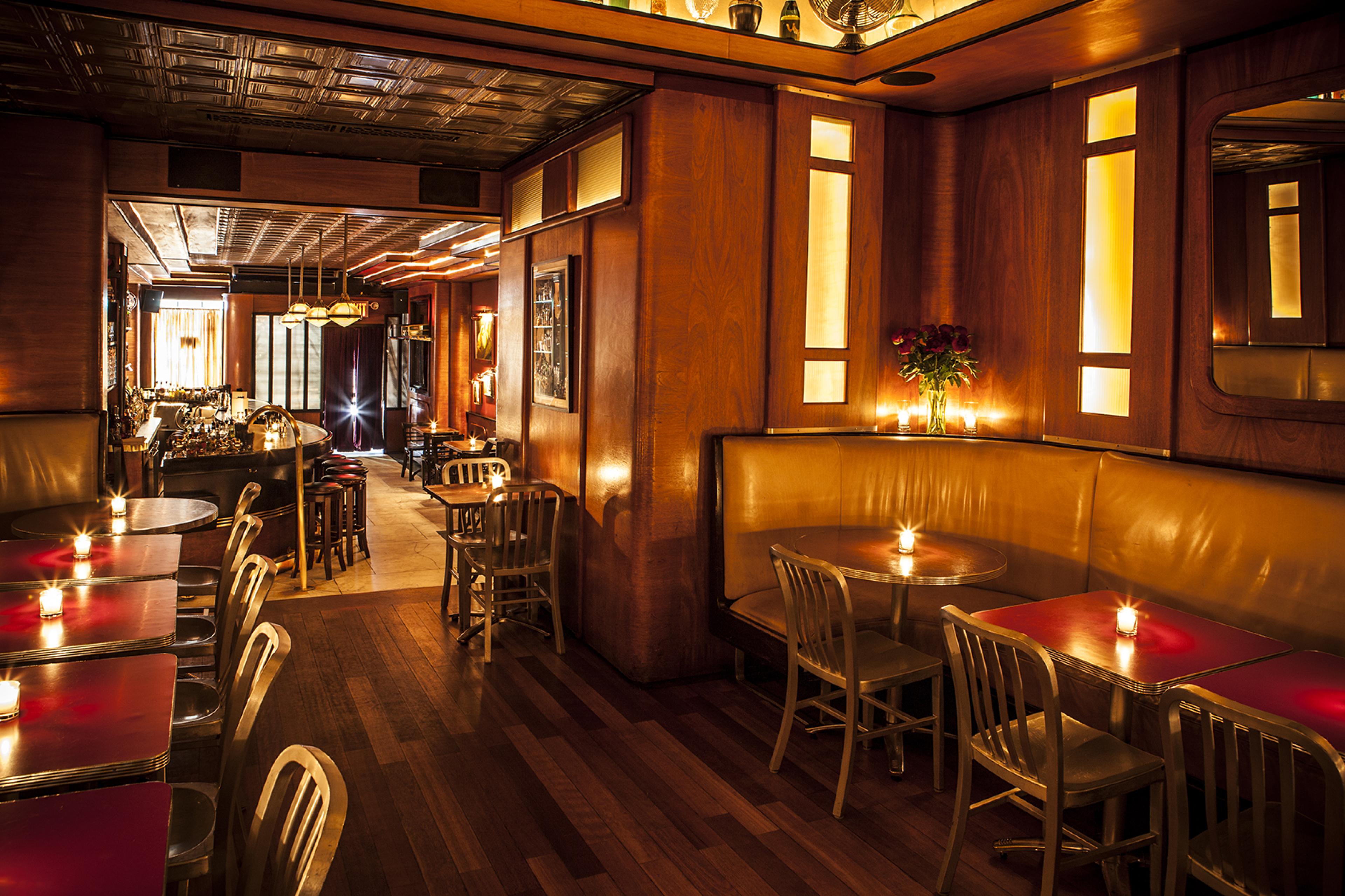
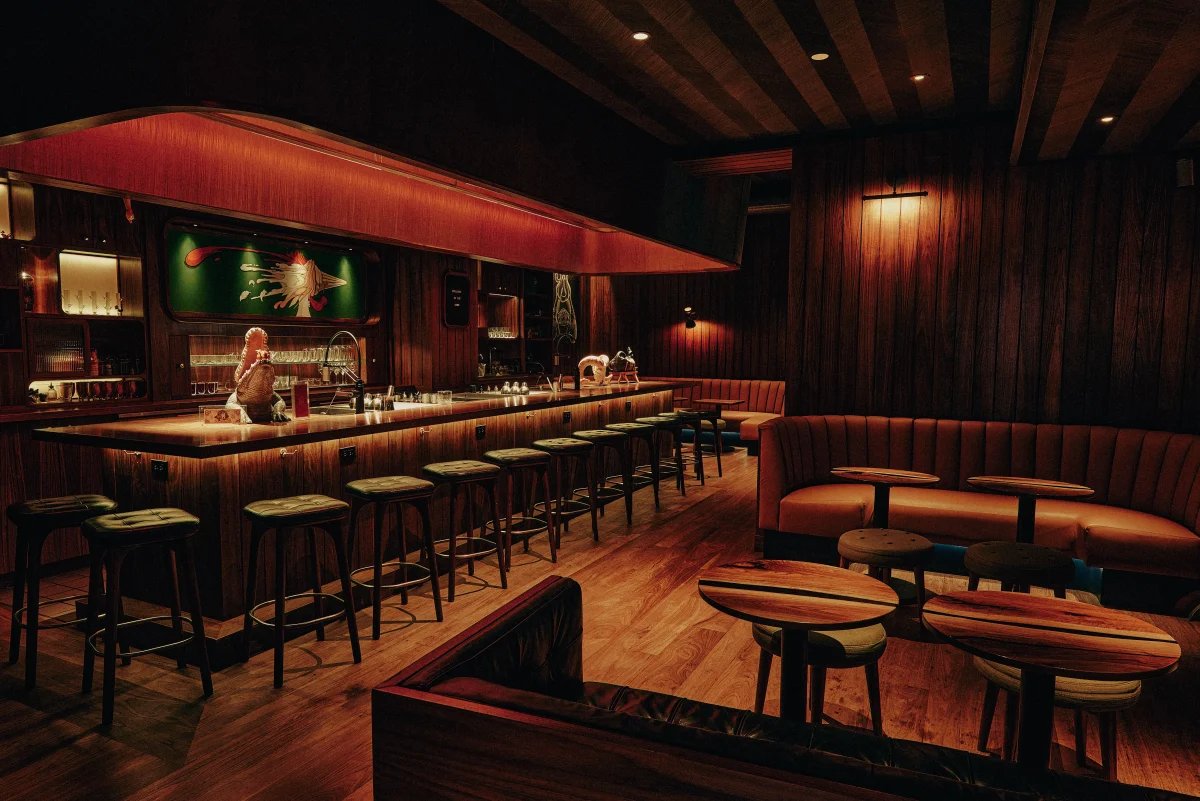
Refinery Hotel leans on its early-twentieth-century bones to define its personality. Housed in a 1912 masonry shell in the Garment District, the property reads as a considered counterpoint to Midtown’s glass-and-steel towers: the architecture and retained industrial details give the hotel a quietly classic, historic character. That built fabric informs interior choices, too, and the description foregrounds a Prohibition-era frame — low light, specific glassware and cocktail formats — so the public rooms feel measured and intimate rather than immediately fashionable. The result is a hotel that emphasizes provenance and craft over transient trends.
Best For
This is a Midtown hotel that suits people who want substance with their location. Its Garment District address and preserved 1912 structure make it a practical pick for business travelers who need central access while preferring characterful surroundings to a generic corporate block. It also works well for short urban getaways: the hotel’s historic architecture and carefully curated interiors reward a weekend spent exploring nearby theatres, showrooms and central Manhattan neighborhoods. The property reads as both convenient and distinctive rather than purely destination-driven.
Stay Tips
The write-up frames the hotel through a Prohibition-era lens, so the bar program is a logical place to start. Expect low-lit, craft-oriented service that privileges particular glassware and classic drink formats; ask the bartender about their takes on period cocktails and formats that ‘reward’ tasting. Prioritize signature cocktails or curated formats rather than off-the-shelf choices, and lean on staff to explain preparation and provenance — the description suggests the drinks are as much about craft and presentation as they are about flavor.
Venue details
Ambiance
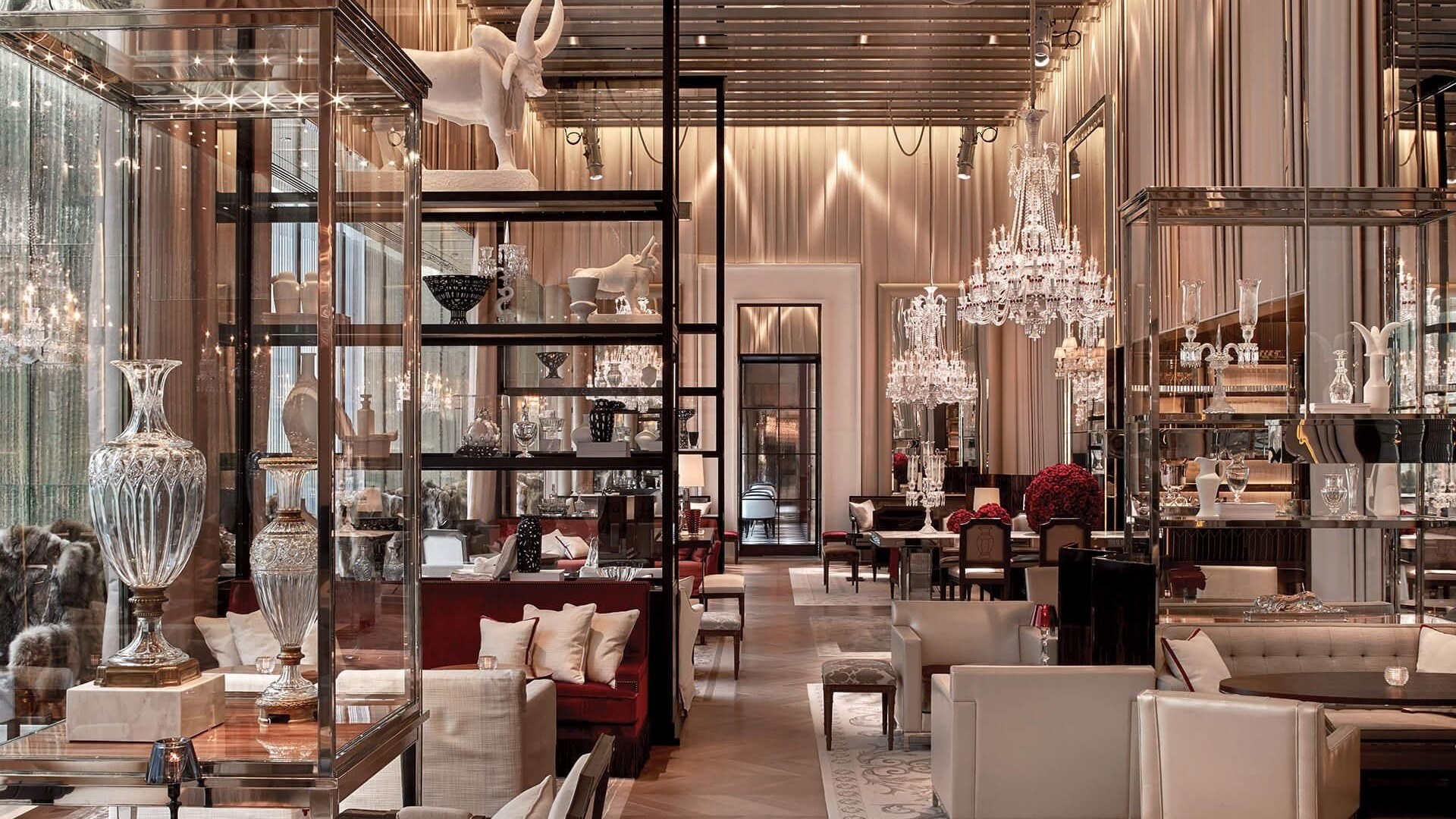
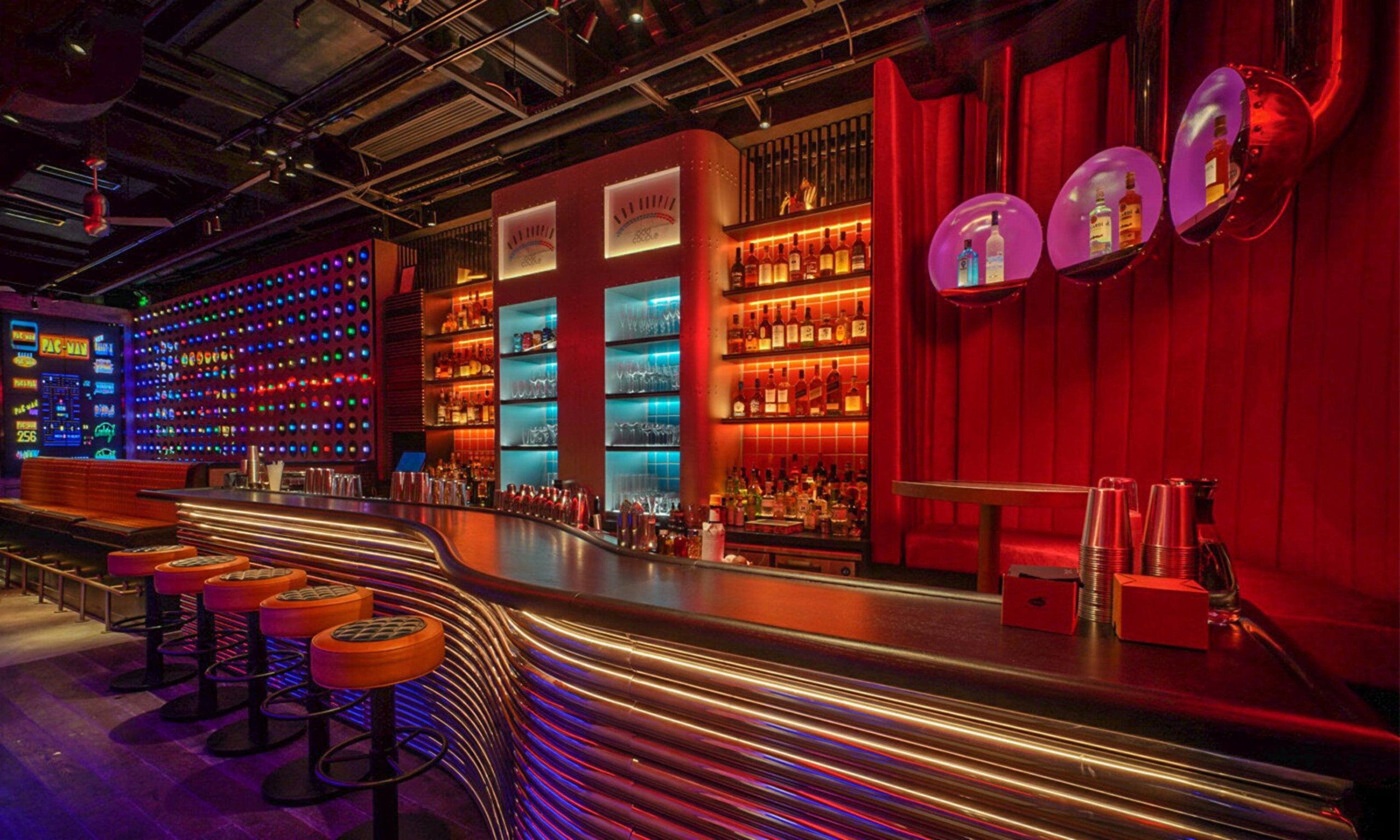
Inviting atmosphere with chic decor, warm lighting in public spaces, spacious soundproofed rooms featuring high ceilings and modern comforts.
Tags
Vibe
Best For
Experience
Amenities
View
Accessibility
About the Stay
- Rooms
- 197
- Property Type
- Boutique hotel
- Property Style
- Industrial Chic Boutique Hotel in a Historic Hat Factory Building
- Design Style
- Modern Loft Style with 12 Foot Ceilings, Distressed Hardwood Floors, and Elegant Textures
- Pool
- Yes
- Pets
- Allowed
Know before you go
Know Before You Go
- Getting there
- 63 W 38th St, New York, NY 10018
Planning details
Location
Recognition and awards

Also consider
Also Consider
- Archer Hotel New York, Notable alternative
- The Langham, New York, Fifth Avenue, Notable alternative
- Andaz 5th Avenue, Notable alternative
- The Knickerbocker, Notable alternative
- Royalton New York, Notable alternative
Hotel context
How Refinery Hotel New York compares in Midtown
Against Archer Hotel New York, Refinery Hotel New York is the stronger pick if the stay needs a more grown-up special-occasion feel while staying easy to arrange. Archer is the safer cross-shop for travelers who want a smaller, efficient Midtown hotel and do not need the same level of occasion polish.
The Langham, New York, Fifth Avenue is the better choice for a higher-service luxury stay, especially when the hotel itself is meant to be a major part of the trip. Refinery is the more practical call when the priority is central access and the spend is better directed toward dinners, meetings, or events outside the hotel.
Andaz 5th Avenue and The Knickerbocker both make sense for travelers who want a bigger-name Midtown address. Royalton New York is the moodier alternative. Choose Refinery when the brief is central, design-aware, and easy to secure rather than formal luxury or heavy nightlife energy.
Explore New York City
Around this place
Discover more on Pearl
Unlock the full Refinery Hotel New York guide in Pearl, including awards, comparisons, FAQs, planning details, and nearby places.
Compare Refinery Hotel New York
| Venue | Location | Awards |
|---|---|---|
| Refinery Hotel New York | New York City | 2025 Michelin Selected HotelsSmall Luxury Hotels Member 2025 |
| Archer Hotel New York | New York City | 2025 Michelin Selected Hotels2025 Forbes Recommended |
| The Langham, New York, Fifth Avenue | New York City | 2026 Virtuoso Luxury Hotel Collection2026 Forbes 4-StarStar Wine Lists 20262026 La Liste Top Hotels2025 Michelin Selected Hotels2025 AAA 5 Diamond Hotel2025 Forbes 4-Star |
| Andaz 5th Avenue | New York City | 2025 Forbes 4-Star |
| The Knickerbocker | New York City | Leading Hotels of the World 2026 |
| Royalton New York | New York City | No published awards |





How Refinery Hotel New York compares with similar nearby venues.
FAQ
Frequently Asked Questions
Which room category is best at Refinery Hotel New York?
A best room category is not identified. Choose based on your space needs, budget, and trip purpose, and confirm the specific room features directly before booking.
How is the location of Refinery Hotel New York?
Refinery Hotel New York is in New York City. A more specific location description is not available, so confirm the exact address and transit fit before booking.
Do loyalty programs work at Refinery Hotel New York?
Refinery Hotel New York is a Small Luxury Hotels of the World Member for 2025, but the specific earn-and-redeem setup should be checked before booking. For travelers comparing recognized New York City hotels, The Langham, New York, Fifth Avenue is another option to review.
How is the pool and spa at Refinery Hotel New York?
Pool or spa details are not available for Refinery Hotel New York. If wellness facilities are important, confirm them directly before booking and compare with other New York City hotels, including The Langham, New York, Fifth Avenue.
Is Refinery Hotel New York good for business travel?
Refinery Hotel New York can be considered as a New York City hotel, but specific business services are not available. The MICHELIN Guide Hotels Selected recognition for 2025 and Small Luxury Hotels of the World membership for 2025 are useful trust signals; The Knickerbocker is another New York City hotel to compare.