
The Celestine New Orleans
French Quarter, New Orleans
Hotel in New Orleans, United States
 Book with Pearl
The Read
Courtyard-Anchored Boutique
Why go
The Celestine New Orleans is a strong pick for travelers who want a smaller French Quarter stay with Michelin 1 Key recognition rather than a large full-service hotel. Book it for a couples' weekend, celebration trip, or business stay where atmosphere and location matter more than a long amenities list.
About The Celestine New Orleans
The Celestine New Orleans is a New Orleans hotel with Michelin 1 Key recognition from 2025. For travelers comparing premium stays in the city, that recognition is a clear reason to keep it on the shortlist.
Beyond that accolade, the dress code is smart casual, and the property should be evaluated as a New Orleans stay rather than through claims about specific amenities, dining, service style, or exact location within the city.
A New Orleans stay with Michelin hotel recognition
The strongest case for The Celestine New Orleans is direct: it has a Michelin 1 Key distinction from 2025. That makes it relevant for travelers who use Michelin's hotel program as a quality signal when choosing where to stay.
Because detailed information about facilities, dining, and service format is not available here, the safest approach is to confirm current offerings directly with the hotel before booking. If a particular amenity, restaurant, bar, accessibility need, or business-travel requirement matters to the trip, verify it before committing.
Who should choose it, and who should not
Choose The Celestine New Orleans if a Michelin-recognized New Orleans hotel with a smart casual standard is the right fit for your trip. It is a sensible candidate for travelers who want a premium stay and are comfortable confirming practical details directly.
Do not choose it based on assumptions about exact neighborhood, dining, amenities, loyalty benefits, or service style. If those details are central to the stay, compare The Celestine New Orleans with other New Orleans options such as Hotel Monteleone, The Ritz-Carlton, New Orleans, W New Orleans - French Quarter, New Orleans Athletic Club, or The Saint Hotel, New Orleans, French Quarter, Autograph Collection, and confirm the current details with each property.
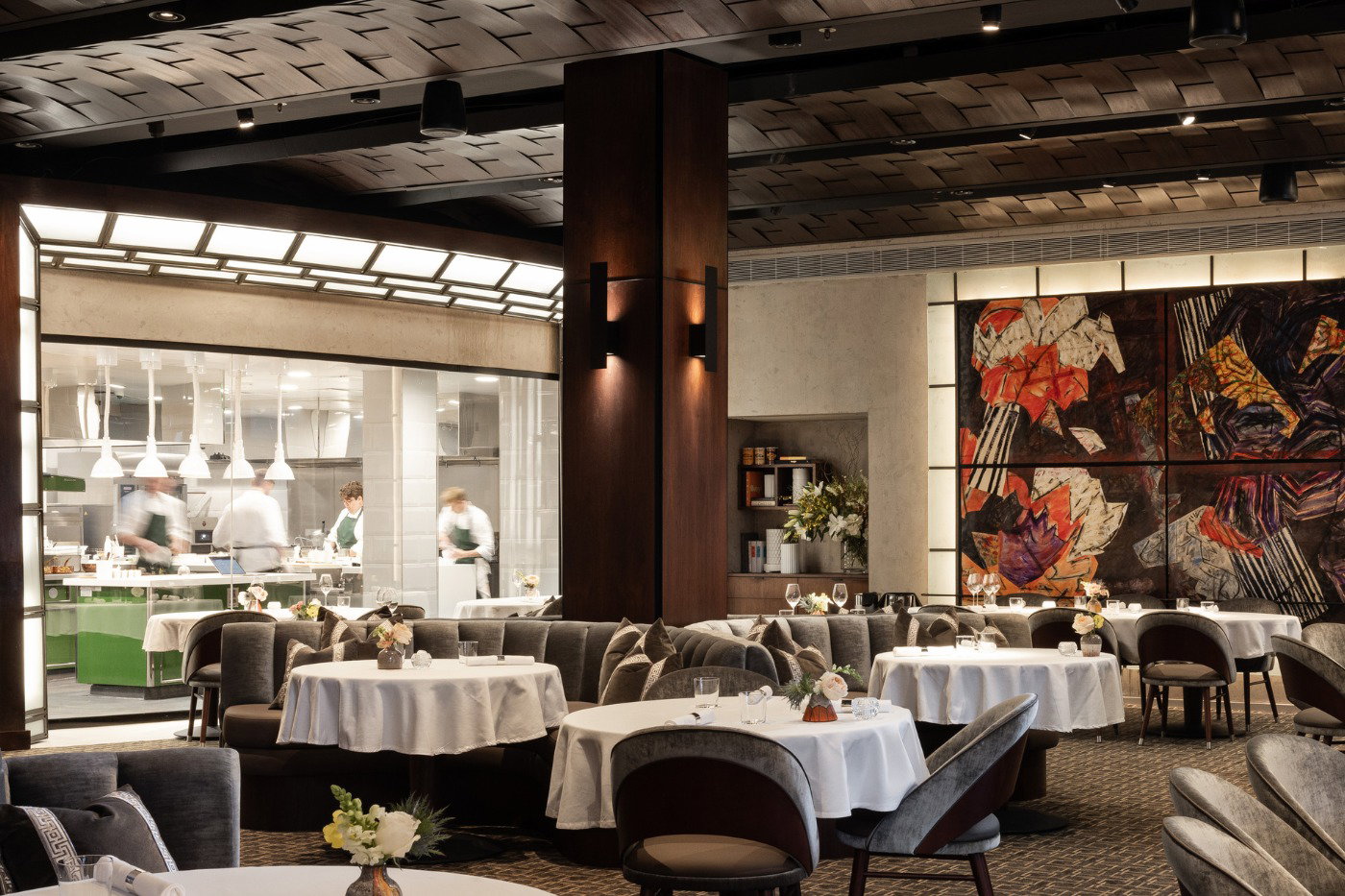
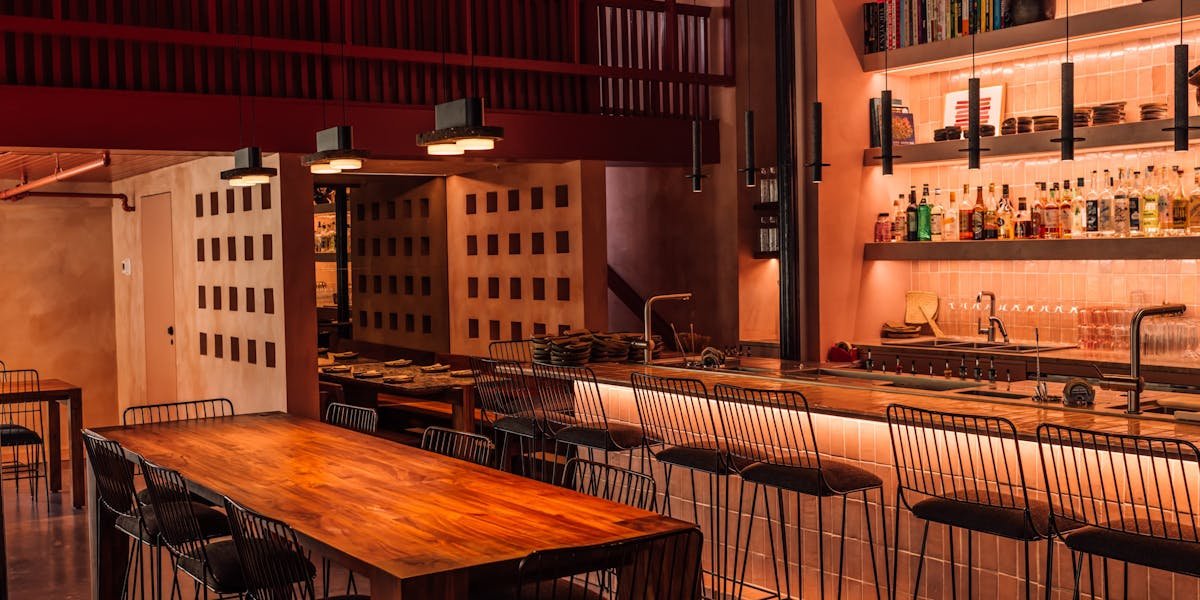
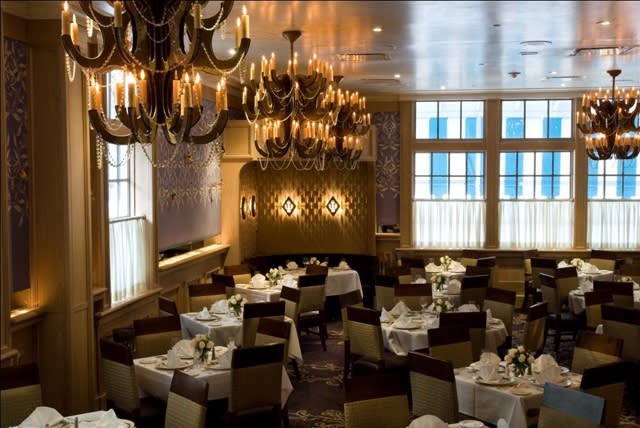
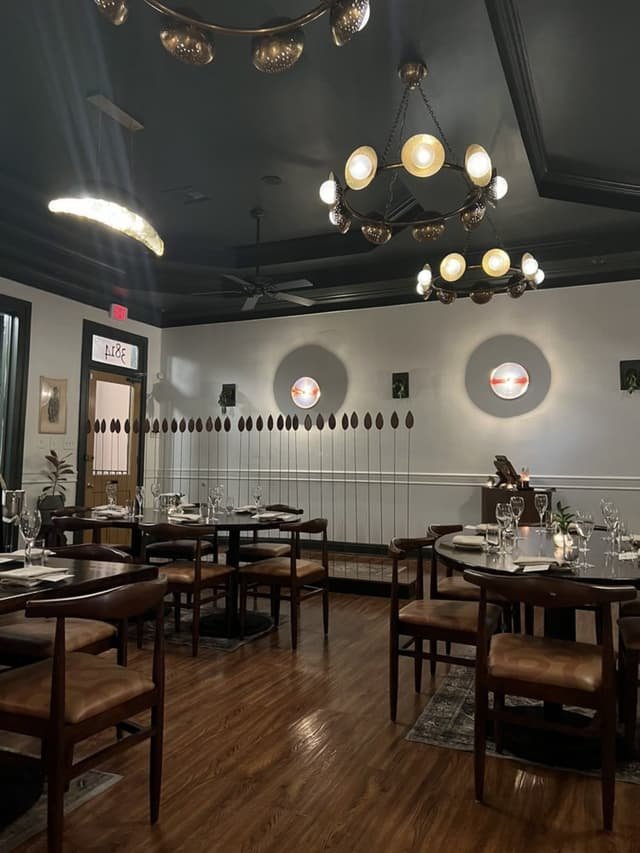
Inside The Celestine New Orleans
Planning details
- Location
- 727 Toulouse St, New Orleans, LA 70130
- Website
- thecelestinenola.com
- Phone
- +1 504-332-2200
The take
The Take
The Vibe
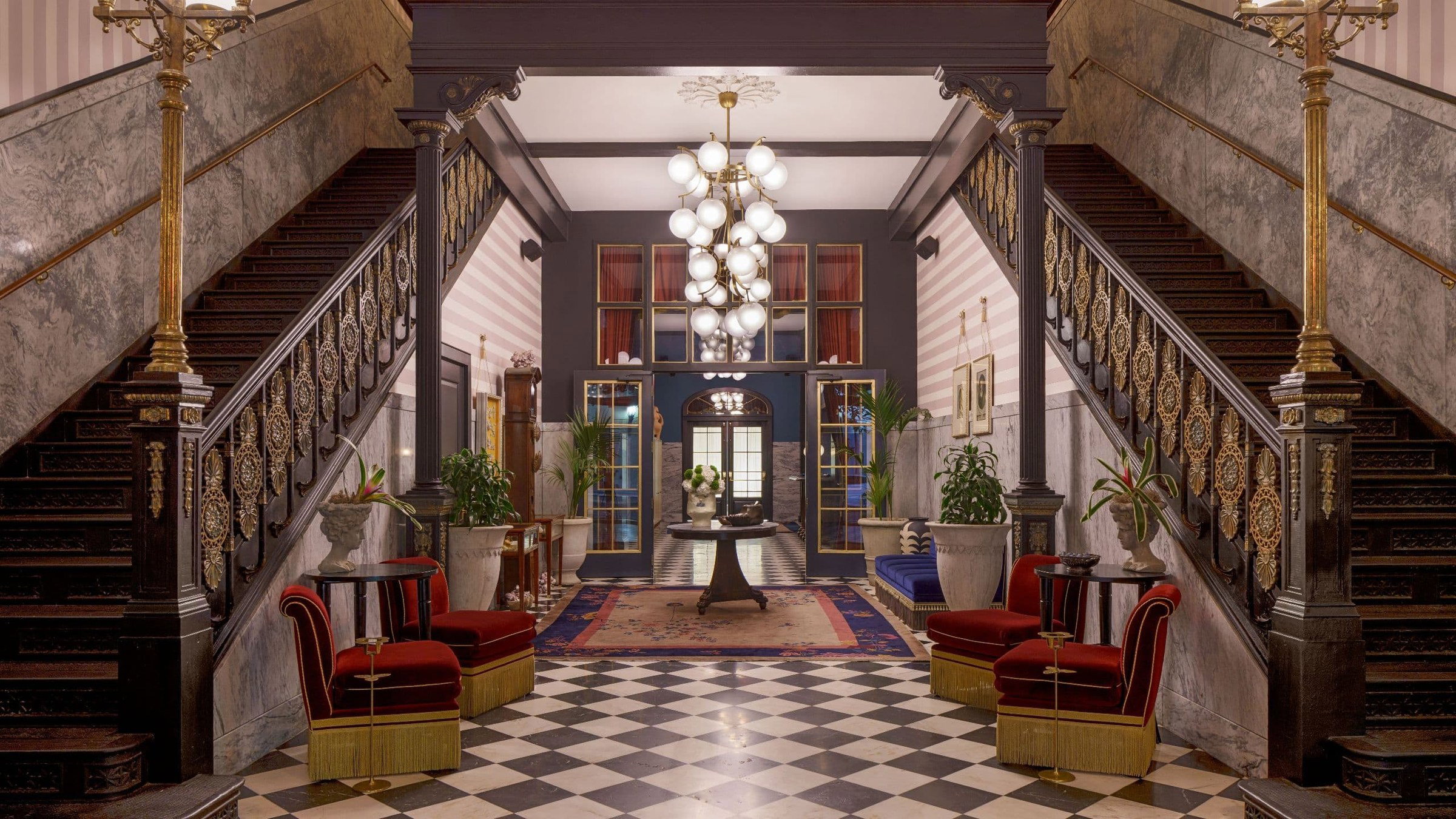
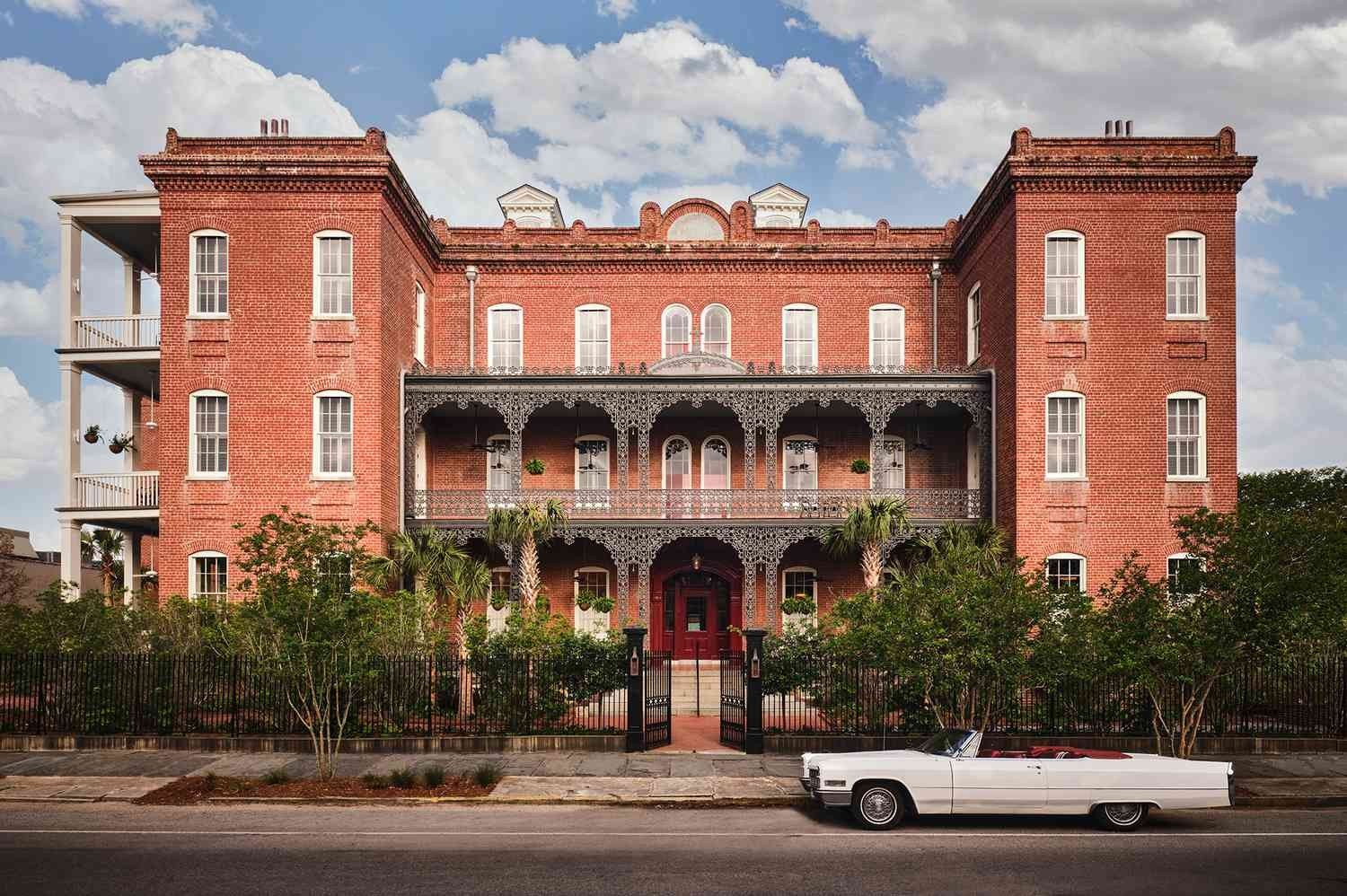
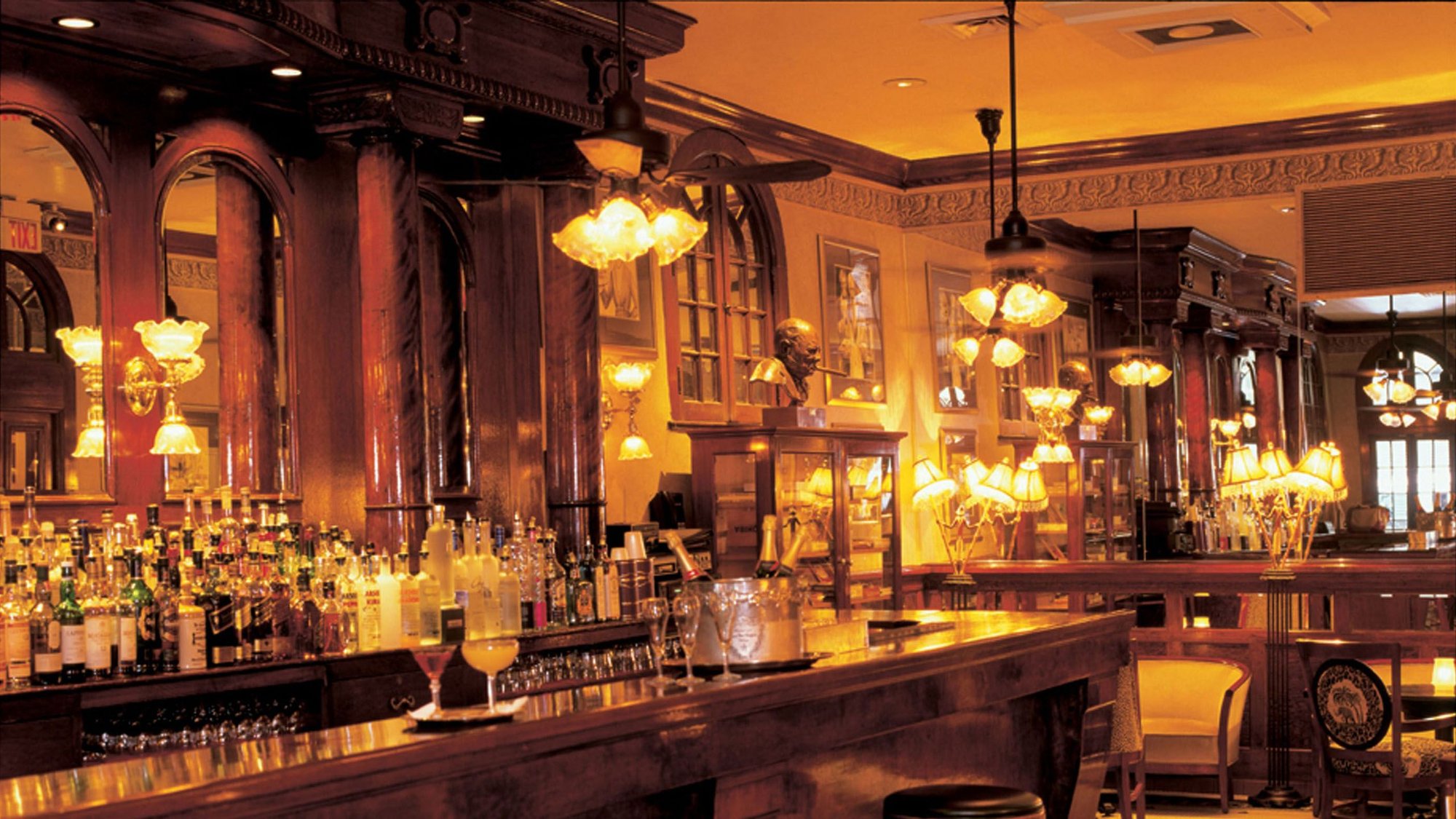
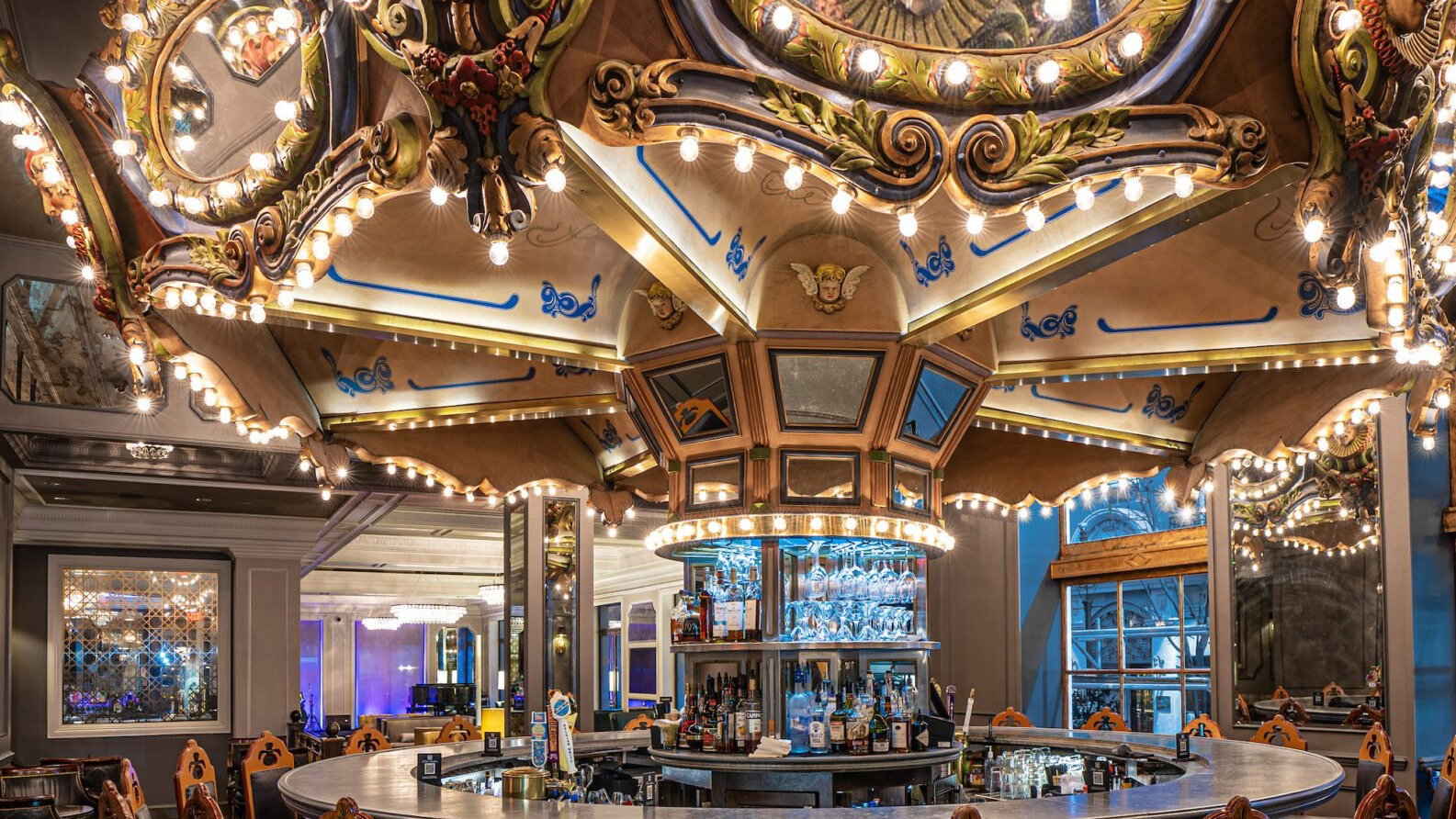
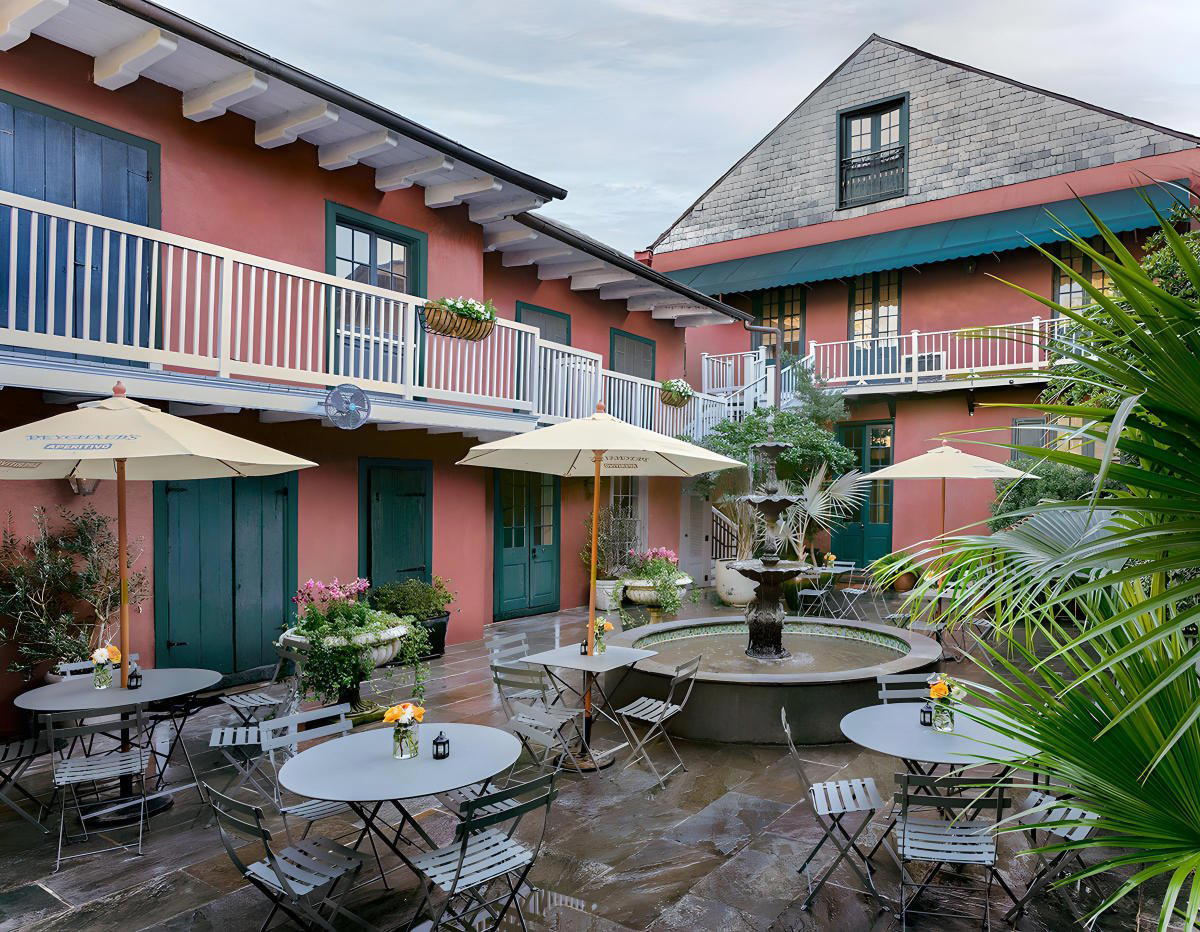
The Celestine reads like a small French Quarter sanctuary: a handsome ironwork facade gives way to a quiet courtyard that buffers the neighborhood’s theatrics. With only ten rooms and suites, the property favors character and design over scale, so common areas feel intimate rather than cavernous. That restrained, boutique logic extends to the hotel’s identity—its personality is shaped by bar culture and careful design choices rather than an extensive amenity roster. Michelin’s single Key in 2024 underscores that the hotel earns distinction through precision and atmosphere, delivering a quietly confident alternative to larger convention-oriented properties.
Best For
This hotel suits travelers who want the concentrated pleasures of a small French Quarter stay: guests who prefer quiet corners to high-gloss lobbies, and those who value characterful design and a strong bar culture. Couples and solo travelers looking for a romantic or restful base in the Quarter find the courtyard’s hush appealing, while anyone who favors boutique service over chain infrastructure appreciates the less transactional approach. The Celestine is best for short escapes or anniversary weekends when intimacy, atmosphere, and thoughtful detail matter more than an exhaustive amenity list.
Stay Tips
Because the property has just ten rooms and suites, availability can be limited; book early to secure the dates you want. If you prioritize calm, request a room that faces or is oriented toward the courtyard—the copy specifically notes the courtyard’s role in softening street noise. Temper expectations about large-hotel conveniences: the hotel trades scale for personality, so guests should expect design-led public spaces and attentive, less transactional service rather than an extensive amenity program.
Venue details
Ambiance
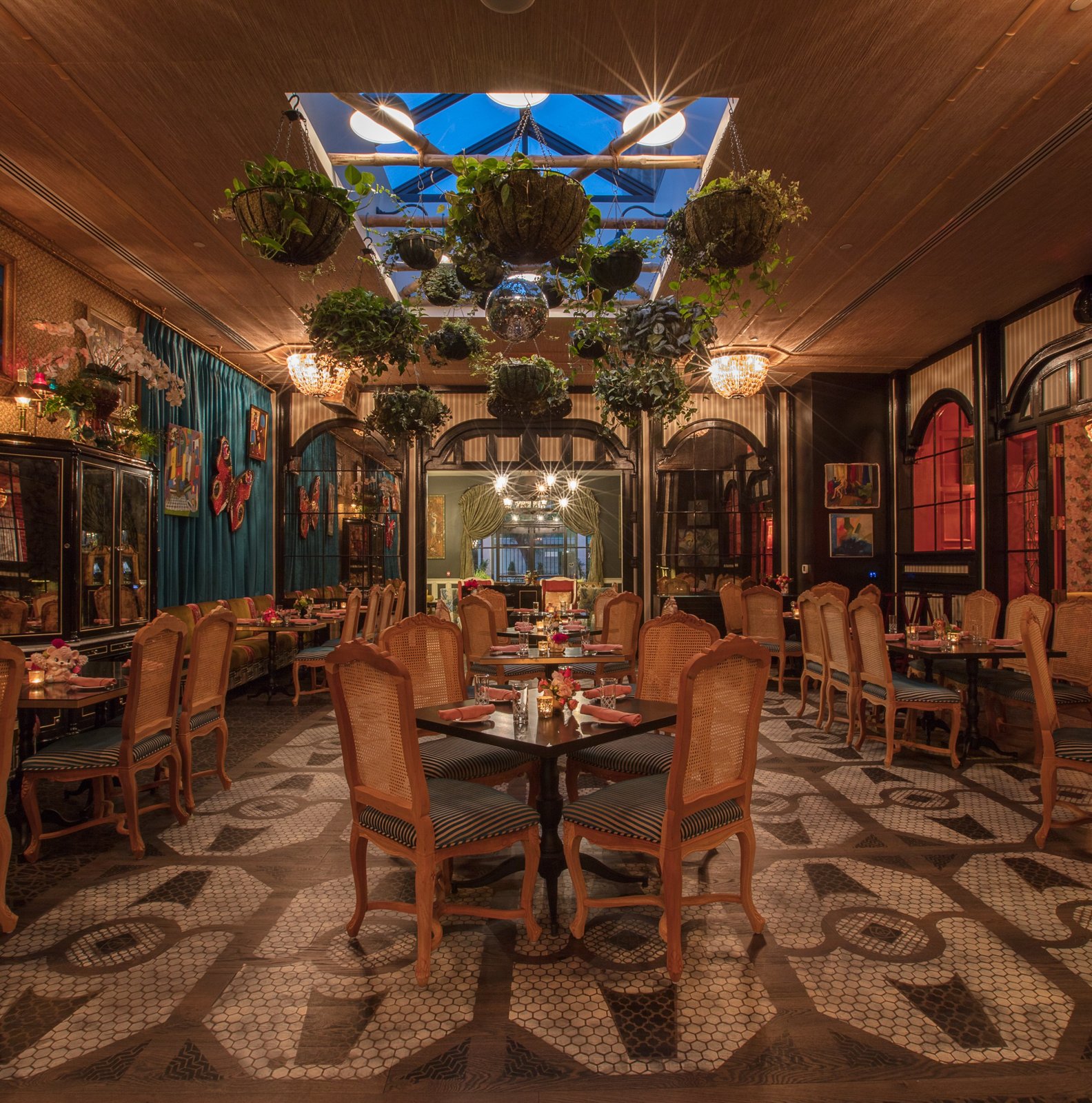
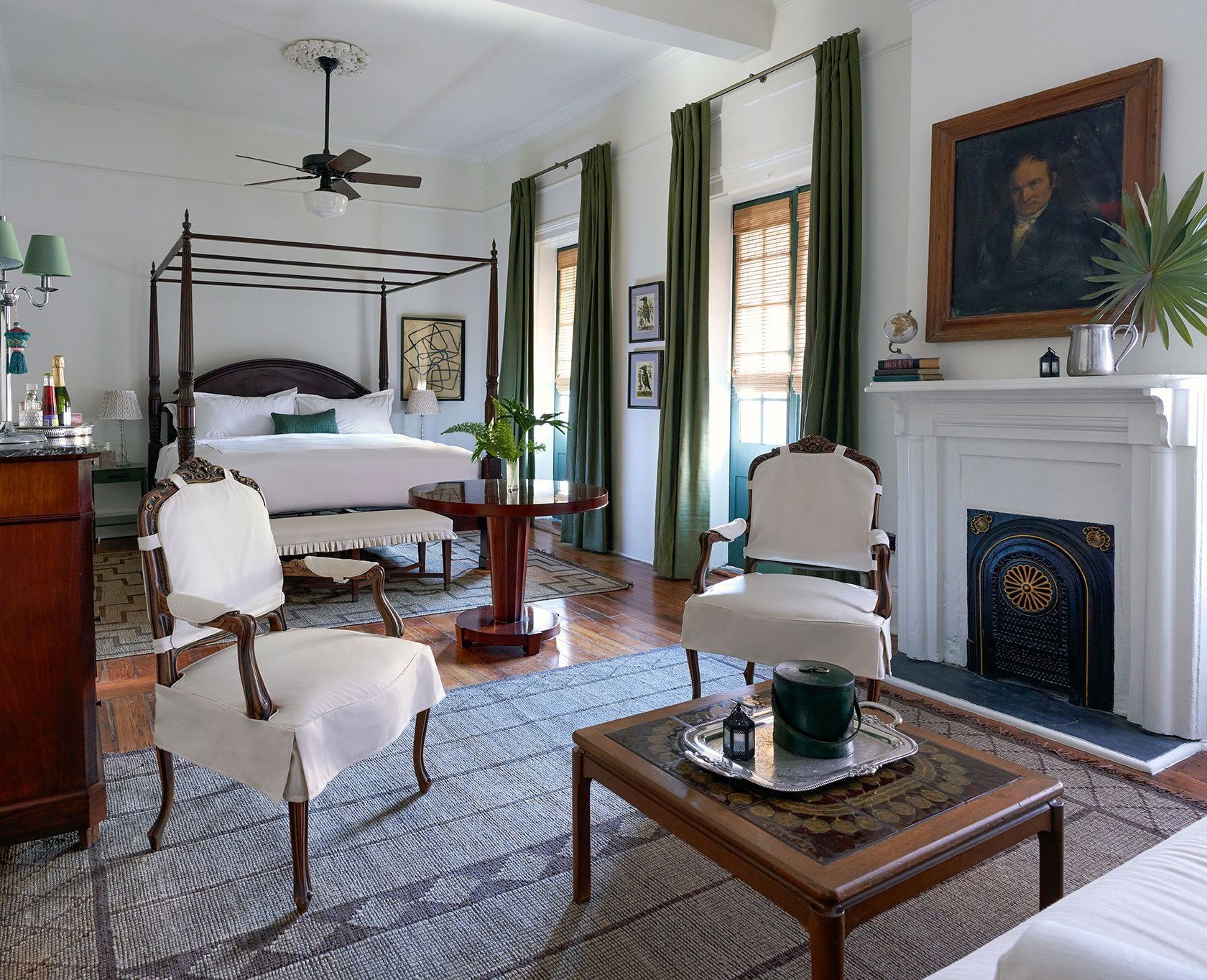
Serene courtyard with fountain providing tranquil escape amid French Quarter energy, complemented by elegant rooms with calming patterns, antiques, and soft lighting.
Tags
Vibe
Best For
Experience
Amenities
View
Accessibility
About the Stay
- Rooms
- 14
- Check-in
- 16:00
- Check-out
- 12:00
- Property Style
- Historic Boutique Blending French Quarter Heritage with Modern Luxury
- Design Style
- Eighteenth Century Charm with Calming Patterns, Curated Antiques, and Whimsical Tiled Bathroom Floors
Know before you go
Know Before You Go
- Getting there
- 727 Toulouse St, New Orleans, LA 70130
Planning details
Location
Recognition and awards
Also consider
Also Consider
- W New Orleans - French Quarter, Notable alternative
- Hotel Monteleone, Notable alternative
- New Orleans Athletic Club, Notable alternative
- The Ritz-Carlton, New Orleans, Notable alternative
- The Saint Hotel, New Orleans, French Quarter, Autograph Collection, Notable alternative
Hotel context
How The Celestine New Orleans compares in the French Quarter
W New Orleans - French Quarter is the better fit if brand familiarity and a livelier hotel feel matter more than intimacy. The Celestine New Orleans is the stronger choice for a quieter celebration stay, but the harder booking profile means it needs earlier planning.
Hotel Monteleone suits travelers who want a classic New Orleans hotel experience with more heritage scale, while The Ritz-Carlton, New Orleans is the safer call for full-service luxury and business support. Choose The Celestine New Orleans when a smaller room-led stay is the priority; choose The Ritz-Carlton when the trip depends on deeper staffing and facilities.
The Saint Hotel, New Orleans, French Quarter, Autograph Collection is a useful cross-shop for travelers who want a more brand-backed stay nearby. New Orleans Athletic Club is less directly comparable as a hotel choice, so use it only if its specific setup matches the trip. For Pearl readers, the clean split is this: The Celestine New Orleans for intimate French Quarter atmosphere, Hotel Monteleone for classic scale, and The Ritz-Carlton for service depth.
Explore New Orleans
Around this place
Discover more on Pearl
Unlock the full The Celestine New Orleans guide in Pearl, including awards, comparisons, FAQs, planning details, and nearby places.
Compare The Celestine New Orleans
| Venue | Location | Awards |
|---|---|---|
| The Celestine New Orleans | New Orleans | Michelin 1 Key 20252025 Michelin 1 Key2024 Michelin 1 Key |
| W New Orleans - French Quarter | New Orleans | No published awards |
| Hotel Monteleone | New Orleans | 2026 Forbes Recommended2025 Forbes RecommendedPreferred Hotels L.V.X. Collection 2025 |
| New Orleans Athletic Club | New Orleans | No published awards |
| The Ritz-Carlton, New Orleans | New Orleans | 2026 Virtuoso Luxury Hotel Collection2026 Forbes 4-Star2026 La Liste Top Hotels2025 Michelin Selected Hotels |
| The Saint Hotel, New Orleans, French Quarter, Autograph Collection | New Orleans | No published awards |





How The Celestine New Orleans compares with similar nearby venues.
FAQ
Frequently Asked Questions
Is The Celestine New Orleans good for business travel?
It may be worth considering for a New Orleans work trip, especially if Michelin 1 Key recognition matters to you. If you need specific business facilities or a larger hotel setup, confirm current details directly with the hotel and compare it with options such as The Ritz-Carlton, New Orleans.
Do loyalty programs work at The Celestine New Orleans?
Loyalty-program details are unclear. If points, elite benefits, or brand-specific perks are important, check directly with The Celestine New Orleans and compare the current terms with hotels such as The Ritz-Carlton, New Orleans or The Saint Hotel, New Orleans, French Quarter, Autograph Collection.
How is the dining at The Celestine New Orleans?
Specific dining details are unclear. Treat any restaurant, bar, or room-service expectations as something to confirm directly with the hotel before booking, and compare with other New Orleans hotels if dining is a major part of the stay.
What is check-in like at The Celestine New Orleans?
Specific check-in procedures are unclear. The grounded reasons to consider the property are its New Orleans setting, smart casual standard, and Michelin 1 Key recognition from 2025.
How is the location of The Celestine New Orleans?
The location is New Orleans. For exact arrival planning, transportation, and nearby points of interest, confirm the current address and directions directly with the hotel.
How does The Celestine New Orleans compare to other New Orleans options?
Pick The Celestine New Orleans if a Michelin 1 Key New Orleans hotel is what you want to prioritize. For comparison, also look at Hotel Monteleone, The Ritz-Carlton, New Orleans, W New Orleans - French Quarter, New Orleans Athletic Club, and The Saint Hotel, New Orleans, French Quarter, Autograph Collection, then verify current amenities, policies, and availability directly.