
Yamagata The Takinami
Akayu Onsen, Nanyo
Hotel in Nanyo, Japan
 Book with Pearl
The Read
Nordic-Meets-Tohoku Restraint
Why go
Yamagata The Takinami is worth considering if the goal is a quiet Akayu ryokan stay with Michelin 1 Key recognition in 2025. Families should treat it as a slower, stay-in property rather than a facility-heavy resort, and value-seekers should compare it carefully against other regional onsen hotels before committing.
About Yamagata The Takinami
For a stay in Nanyo, Yamagata The Takinami's key feature is its Michelin 1 Key recognition in 2025. Travelers should confirm practical details directly with the property before booking.
A Nanyo stay with Michelin 1 Key recognition
Yamagata The Takinami has Michelin 1 Key recognition, which is a hospitality credential for travelers comparing stays in and around Nanyo. That recognition is useful as a trust signal, but it does not imply specific amenities, dining formats, room types, or service details.
Travelers should decide whether the venue itself fits the trip, then check the latest information with the property before committing. If the stay is mainly functional or budget-driven, compare other regional options before booking.
Choose it based on your needs, not assumptions
Travelers with children, accessibility needs, dietary requirements, or firm schedule constraints should verify details like dining, booking method, dress expectations, room configuration, family suitability, and amenity details directly before making plans.
For wider trip planning, use Our full Nanyo hotels guide and compare dining through Our full Nanyo restaurants guide. For other stays, you can also compare Yamagata The Takinami with regional options such as Kameya Hotel, Kinugawa Keisui, Kita Onsen(株)北温泉旅館, and Nasu Mukunone.
Planning details
- Location
- 3005 Akayu, Nanyō, Yamagata 999-2211
- Website
- yamagata-the-takinami.com
- Phone
- +81 238-43-6111
The take
The Take
The Vibe
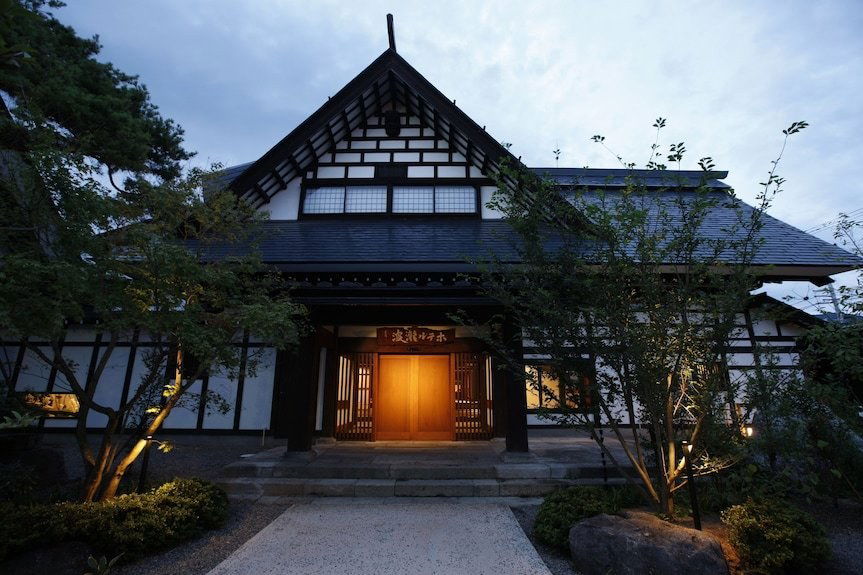
Yamagata The Takinami reframes snow-country architecture through a modern, design-focused lens. The property pairs centuries-old structural timber and deep eaves with a spare Scandinavian edit: Arne Jacobsen Swan chairs, Tendo Mokko furnishings and a calming white-and-timber palette. The result is a quiet, refined hideaway where historic bones meet contemporary materials. With just 19 rooms across a main house and a converted storehouse, the hotel reads intimate and deliberately scaled. Interiors favor clean lines and natural finishes, delivering a serene, architectural clarity that foregrounds craftsmanship and local materiality rather than decorative flourish.
Best For
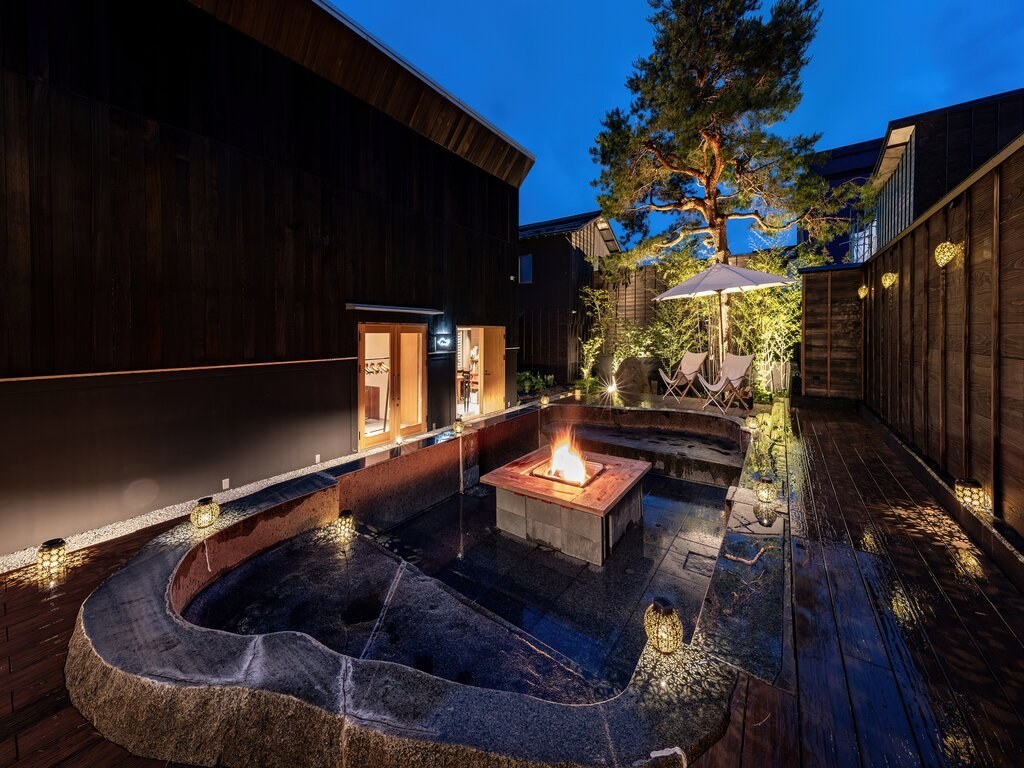
This is a destination for travelers drawn to architecture, design and onsen-led recovery. Akayu's high-sodium hot springs are a key draw, and at Takinami each room includes a private open-air bath fed from the springs, underscoring a wellness-first program. The small room count and quietly composed interiors make the hotel well suited to restorative short stays—think restorative weekends and design-focused retreats—where guests prioritize solitude, thoughtful details and the tactile calm of native timber and curated mid-century furnishings.
Stay Tips
Rooms are limited—the hotel has 19 rooms across the main house and an adjacent converted storehouse—so book well in advance, especially for peak travel seasons. If views and daylight matter, request a ground-level room with the picture windows mentioned in the description; those communal design moments signal where natural light and framing are strongest. Note that every room includes a private open-air bath fed by Akayu’s springs, so you don’t need to time public bathing hours; instead, confirm arrival logistics with the small on-site team to ensure a smooth check-in and access to room facilities.
Venue details
Ambiance
Serene and calming with minimalist interiors in white and native wood, tranquil Japanese garden views, and a peaceful onsen atmosphere praised for ultimate relaxation.
Tags
Vibe
Best For
Experience
Amenities
View
About the Stay
- Rooms
- 19
- Check-in
- 15:00
- Check-out
- 11:00
- Property Style
- Renovated 350 Year Old Historic Ryokan Blending Tradition and Modern Luxury
- Design Style
- Minimalist Nordic Style with Traditional Japanese Elements and Native Wood
Know before you go
Know Before You Go
- Getting there
- 3005 Akayu, Nanyō, Yamagata 999-2211
Planning details
Location
Recognition and awards
Also consider
Where to look if this is full
If Yamagata The Takinami is hard to secure, compare Kameya Hotel for another regional hotel option, especially if flexibility matters more than Akayu location. For a more destination-style onsen alternative, Kinugawa Keisui is the cleaner cross-shop.
Hotel context
How it compares for a Nanyo-area stay
Choose Yamagata The Takinami if the priority is a recognized ryokan-style stay in Akayu and the booking difficulty feels worth the effort. Against Osteria Sincerita, it is the clearer overnight choice; Osteria Sincerita is the better comparison point if the trip is being planned around a meal rather than a full inn stay.
Kameya Hotel and Kita Onsen(株)北温泉旅館 are more useful cross-shops for travelers weighing atmosphere and value in a regional hot-spring stay. Pick Yamagata The Takinami when recognition and a polished ryokan feel matter more; look to those peers if price sensitivity or easier booking is the bigger concern.
Nasu Mukunone and Kinugawa Keisui fit travelers comparing higher-comfort onsen trips outside Nanyo. They are better for a broader resort-style escape, while Yamagata The Takinami is the stronger pick for staying tied to Akayu itself.
Explore Nanyo
Around this place
Discover more on Pearl
Unlock the full Yamagata The Takinami guide in Pearl, including awards, comparisons, FAQs, planning details, and nearby places.
Compare Yamagata The Takinami
How it compares for a Nanyo-area stay
Choose Yamagata The Takinami if the priority is a recognized ryokan-style stay in Akayu and the booking difficulty feels worth the effort. Against Osteria Sincerita, it is the clearer overnight choice; Osteria Sincerita is the better comparison point if the trip is being planned around a meal rather than a full inn stay.
Kameya Hotel and Kita Onsen(株)北温泉旅館 are more useful cross-shops for travelers weighing atmosphere and value in a regional hot-spring stay. Pick Yamagata The Takinami when recognition and a polished ryokan feel matter more; look to those peers if price sensitivity or easier booking is the bigger concern.
Nasu Mukunone and Kinugawa Keisui fit travelers comparing higher-comfort onsen trips outside Nanyo. They are better for a broader resort-style escape, while Yamagata The Takinami is the stronger pick for staying tied to Akayu itself.
FAQ
Frequently Asked Questions
Are pool or spa details confirmed for Yamagata The Takinami?
Specific pool and spa details are not available. Yamagata The Takinami in Nanyo has Michelin 1 Key recognition, so check the venue directly if specific wellness facilities are important to your stay.
What should I verify before arriving at Yamagata The Takinami?
Specific arrival details should be checked. Plan to verify timing, access instructions, and any booking requirements directly with Yamagata The Takinami before traveling to Nanyo.
When is the best time to book Yamagata The Takinami?
There is no specific booking window recommendation. If you want a particular date at Yamagata The Takinami, especially for a trip planned around Nanyo, confirm availability directly with the property before finalizing the itinerary.
Are loyalty program details confirmed for Yamagata The Takinami?
Loyalty program details are not specified. If points, elite benefits, or membership perks matter, verify those terms directly before choosing Yamagata The Takinami or comparing it with another regional option such as Kameya Hotel.