
Zannier Sonop
Namib Desert
Hotel in Namib Desert, Namibia
 Book with Pearl
The Read
Black-Tie Desert Formality
Why go
Zannier Sonop is the splurge choice for travelers who want the Namib Desert hotel to be the main event, not just a stop between drives. It is better suited to milestone stays and privacy-focused trips than fast-moving itineraries; compare andBeyond Sossusvlei Desert Lodge or Wilderness Little Kulala if access and safari structure matter more.
About Zannier Sonop
Zannier Sonop is a premium venue in the Namib Desert with recognition that includes Michelin 3 Keys (2025) and the Mr & Mrs Smith Seal of Approval (2026). For itinerary planning, compare Zannier Sonop with other relevant options such as The Windhoek, Gmundner Lodge, andBeyond Sossusvlei Desert Lodge, Wilderness Little Kulala, and Wolwedans Dunes Lodge. The key decision should be based on whether Zannier Sonop's Namib Desert setting and recognized luxury-hotel standing fit the trip.
Choose the room for isolation, not for a lowest-rate strategy
Room-category specifics, rate bands, views, layouts, and included services should be checked carefully before booking. If Zannier Sonop is the main reason for the trip, choose a room only after confirming what is included and how the stay will be used.
The dress code is smart casual. Practical details such as dining arrangements, facility access, and activity schedules should be confirmed with the venue before arrival, especially for travelers building a wider Namib Desert itinerary around the stay.
Where it sits among Namib Desert luxury lodges
Zannier Sonop can be considered alongside andBeyond Sossusvlei Desert Lodge, Wilderness Little Kulala, and Wolwedans Dunes Lodge for travelers comparing premium desert stays. The Windhoek and Gmundner Lodge may also be relevant depending on the broader route, but the final choice should be made with current details from each property rather than assumptions about services or programming.
The most grounded booking signal available is recognition: Zannier Sonop has Michelin 3 Keys (2025) and the Mr & Mrs Smith Seal of Approval (2026). Use those accolades as trust markers, then confirm the operational details that matter for the trip.
Quick reference: consider Zannier Sonop for a recognized luxury stay in the Namib Desert; cross-shop the named alternatives if itinerary fit, current availability, or confirmed inclusions matter more.
Planning details
- Location
- Sonop Farm, Road D707, Karas Region
- Website
- zannierhotels.com/sonop
- Phone
- +264 81 125 4932
The take
The Take
The Vibe
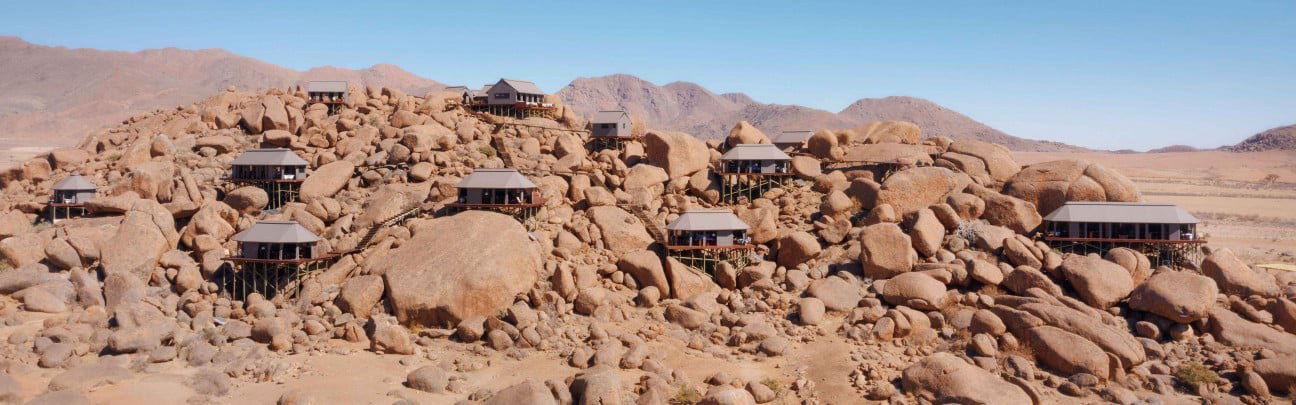
Zannier Sonop presents a deliberately theatrical counterpoint to the Namib: a period‑coded colonial aesthetic set against an ancient, raw landscape. The eight tented pavilions rest on raised platforms above fractured granite kopjes and red desert rock, creating a formal, elevated composition rather than a stripped‑back safari minimalism. Interiors lean on brass fittings, four‑poster beds and dark timber, so the mood reads as classic and historic while retaining a quietly charming intimacy. The design feels curated—an intentional tension between wild geological antiquity and an old‑world, well‑appointed retreat.
Best For
Sonop is best suited to travelers seeking a secluded, high‑end desert escape. Its remote location and small number of tented pavilions make it ideal for couples on a honeymoon or anniversary, or for anyone after a restorative wellness retreat or a concentrated weekend away from urban life. The property’s formal aesthetic and intimate scale also appeal to guests who value considered design and privacy: the raised platforms foster a sense of separation from the landscape while allowing guests to experience the desert’s drama up close.
Venue details
Ambiance
Colonial explorer ambiance with antiques, colorful carpets, and candle-lit romantic dinners; serene desert tranquility enhanced by stargazing and open-air cinema.
Tags
Vibe
Best For
Experience
Amenities
View
Accessibility
About the Stay
- Rooms
- 10
- Property Type
- Boutique hotel
- Property Style
- Luxury Tented Camp Evoking 1920s British Colonial Safari Era, Constructed on Granite Boulders with Sustainable Design.
- Design Style
- Authentic 1920s British Colonial with Antiques, Vintage Telescopes, Wooden Furnishings, and Colorful Persian Carpets.
- Breakfast
- Included
- Airport Transfer
- Available
- Pool
- Yes
- Spa
- Yes
Know before you go
Know Before You Go
- Getting there
- Sonop Farm, Road D707, Karas Region
Planning details
Location
Recognition and awards
Also consider
Also Consider
- Wolwedans Dunes Lodge, Notable alternative
- andBeyond Sossusvlei Desert Lodge, Notable alternative
- Wilderness Little Kulala, Notable alternative
- Gmundner Lodge, Notable alternative
- The Windhoek, Notable alternative
Hotel context
How It Compares
Zannier Sonop is the design-led splurge in this set. Choose it when ambiance and privacy matter more than itinerary efficiency. Wolwedans Dunes Lodge is the stronger pick for travelers who want the lodge experience to feel more landscape-first, while andBeyond Sossusvlei Desert Lodge is the safer choice for a polished desert-lodge structure.
Wilderness Little Kulala is the practical cross-shop if Sossusvlei access and a classic camp rhythm are higher priorities. Gmundner Lodge and The Windhoek make more sense for travelers who need an easier Namibia itinerary rather than a remote desert anchor.
For value, Zannier Sonop only makes sense if the stay is long enough to use the property as a destination. For easier booking and broader trip logistics, start with The Windhoek or Gmundner Lodge; for a full desert-lodge commitment, compare it directly with Wolwedans Dunes Lodge, andBeyond Sossusvlei Desert Lodge, and Wilderness Little Kulala.
Explore Namib Desert
Around this place
Discover more on Pearl
Unlock the full Zannier Sonop guide in Pearl, including awards, comparisons, FAQs, planning details, and nearby places.
Compare Zannier Sonop
| Venue | Location | Awards |
|---|---|---|
| Zannier Sonop | Namib Desert | 2026 Mr & Mrs Smith Luxury Hotels2026 Michelin 3 Keys2025 Michelin 3 KeysMichelin 3 Keys 2025 |
| Wolwedans Dunes Lodge | Namibrand | No published awards |
| andBeyond Sossusvlei Desert Lodge | Sesriem | 2026 La Liste Top HotelsPreferred Hotels Member 2025 |
| Wilderness Little Kulala | Sesriem | No published awards |
| Gmundner Lodge | Dordabis District | 2026 Relais Chateaux Hotels2025 Relais Chateaux Award |
| The Windhoek | Windhoek | No published awards |




How Zannier Sonop Namib Desert compares with similar nearby venues.
FAQ
Frequently Asked Questions
When is the best time to book Zannier Sonop?
For a stay tied to a wider itinerary, confirm availability and booking conditions directly with the property. Compared with The Windhoek, it may require different planning depending on the route.
What is check-in like at Zannier Sonop?
Contact Zannier Sonop directly for current arrival instructions, transfer guidance, and timing. The confirmed location reference is Namib Desert.
What facilities are at Zannier Sonop?
Before booking, check Zannier Sonop's official channels for current facility information and any access conditions. If facilities are central to the trip, compare current details with Wilderness Little Kulala and other relevant options.
How does Zannier Sonop compare to other hotels and lodges?
Zannier Sonop is a recognized luxury venue in the Namib Desert, with Michelin 3 Keys (2025) and the Mr & Mrs Smith Seal of Approval (2026). andBeyond Sossusvlei Desert Lodge, Wolwedans Dunes Lodge, Wilderness Little Kulala, Gmundner Lodge, and The Windhoek are useful names to compare, but current services and inclusions should be checked directly with each property.
Which room category is best at Zannier Sonop?
Choose only after confirming the current room types, inclusions, and cancellation terms with Zannier Sonop. The right category depends on the details available at the time of booking.
How is the dining at Zannier Sonop?
The dress code is smart casual, but menus, meal formats, dietary accommodations, and service times should be checked directly with the venue. If dining is a deciding factor, compare current information with andBeyond Sossusvlei Desert Lodge and other relevant properties.