
InterContinental Khao Yai Resort
Pak Chong District, Nakhon Ratchasima, Nakhon Ratchasima
Hotel in Nakhon Ratchasima, Thailand
 Book with Pearl
The Read
Railway Carriage Wilderness Retreat
Price
$300–500per night
Why go
Book InterContinental Khao Yai Resort if the trip is about slowing down in Khao Yai rather than using the hotel as a transit base. Its Michelin 1 Key recognition makes it a safer luxury choice for a countryside stay, especially for couples and families; business travelers or airport-focused itineraries should look closer to Bangkok.
About InterContinental Khao Yai Resort
InterContinental Khao Yai Resort is a resort listing in Nakhon Ratchasima. It holds a Michelin 1 Key recognition for 2025, and the dress code is smart casual. Travelers should confirm current rates, room types, facilities, dining, and transport details directly before booking.
For that reason, this guide keeps to the essentials and does not assume specific amenities, service formats, prices, opening hours, dining styles, or room recommendations. Use the recognition and location as starting points, then check the resort's own channels for the details that will affect a particular stay.
A resort listing with limited detail
The main quality signal is the Michelin 1 Key recognition for 2025. That is a meaningful hotel accolade, but it should not be used to infer specifics about facilities, dining, room categories, service style, or pricing. Treat it as a sign that the property has been recognized, not as a substitute for checking the practical details of your trip.
The location is Nakhon Ratchasima. Specific street, district, transfer, landmark, and neighborhood details should be checked directly with the resort or your booking provider before arrival.
Who should book, and who should choose Bangkok instead
Consider InterContinental Khao Yai Resort if you are specifically looking at a resort stay in Nakhon Ratchasima and value a property with Michelin 1 Key recognition. If your trip is centered on Bangkok, compare it with Bangkok-based options such as Lancaster Bangkok, Somerset Rama 9 Bangkok, or MUU BANGKOK HOTEL based on your actual itinerary.
The Michelin 1 Key recognition for 2025 is the clearest quality signal for this listing. It does not confirm dining cost, room-selection strategy, seasonal rates, facilities, or any particular guest experience. First-time guests should use it alongside current booking information rather than relying on assumptions.
Reservations: confirm availability and booking terms directly. Dress: smart casual. Budget: check live rates before committing. Good for: travelers specifically considering a resort in Nakhon Ratchasima. Less ideal for: trips where an essential facility, service, or location detail still needs confirmation.
Inside InterContinental Khao Yai Resort
Planning details
- Location
- 262, Sub, Tambon Pong Ta Long, Amphoe Pak Chong, Chang Wat Nakhon Ratchasima 30450
- Website
- ihg.com/intercontinental/hotels/us/en/khao-yai/bkksw/hoteldetail?cm_mmc=GoogleMaps-_-IC-_-TH-_-BKKSW
- Phone
- +66 44 082 039
The take
The Take
The Vibe
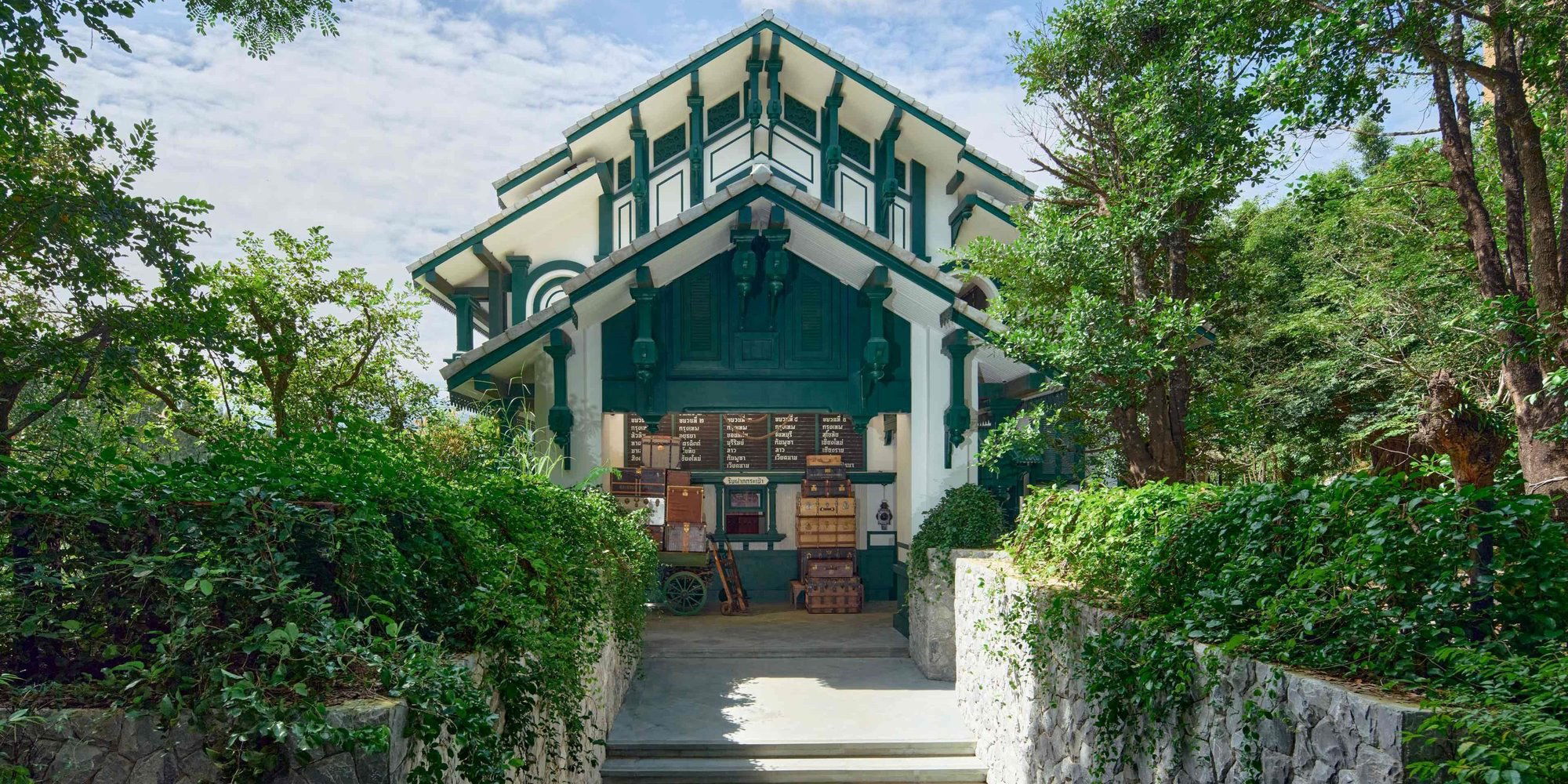
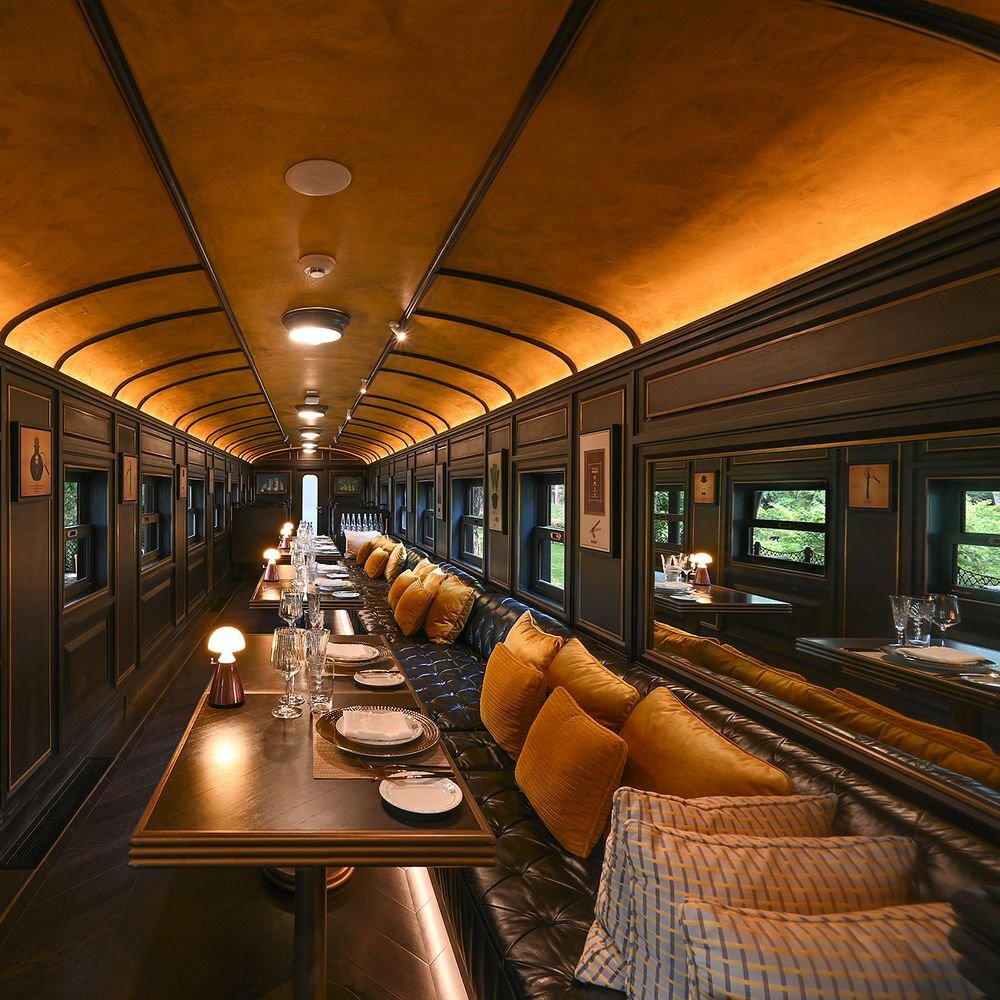
InterContinental Khao Yai Resort presents itself as a theatrical study in railway-inspired design. Upcycled train cars and carriage-like buildings sit along a lakeside treeline, giving the property an industrial-meets-jungle character that reads more like an architectural installation than a conventional resort. Bill Bensley's hand is evident in the deliberate proportions—narrow, elongated suites that rely on length and carefully scaled furniture to make space feel generous. The result is a distinctive, slightly whimsical resort that balances industrial references with lush natural surroundings, rewarding guests who appreciate bold design and meticulous spatial thinking.
Best For
This resort suits travelers who value design-forward escapes: couples seeking a romantic or honeymoon retreat, guests celebrating anniversaries, and those looking for a weekend escape centered on atmosphere and architecture. The property also accommodates family vacations and wellness-focused stays through its villa and suite options, particularly where outdoor amenities are appended to rooms. Because the experience emphasizes unique accommodation formats and lakeside scenery rather than generic resort programming, it particularly appeals to design-minded guests and anyone wanting a scenic, intimate stay rather than a conventional all‑inclusive resort experience.
Stay Tips
Book thoughtfully: choose one of the converted carriage suites if you want the novelty of upcycled train cars and a long, linear room layout; opt for lakeside buildings if you prefer a more conventional suite that still echoes the carriage aesthetic. Prioritize units that mention an appended outdoor space—many add plunge pools, outdoor bathtubs, or dining terraces that effectively extend the room footprint and maximize the lakeside setting. Keep in mind the property favors narrow long rooms over wide open plans, so request details on terrace access and outdoor features when reserving to ensure the layout matches your preference.
Venue details
Ambiance
Nostalgic and serene with vintage railway-inspired design, warm wood interiors, natural lighting, lush gardens, and lakeside vistas creating a whimsical escape to the Golden Age of train travel.
Tags
Vibe
Best For
Experience
Amenities
View
Accessibility
About the Stay
- Rooms
- 64
- Check-in
- 15:00
- Check-out
- 12:00
- Property Type
- Heritage hotel
- Property Style
- Heritage Railway Inspired Luxury Resort Blending Nostalgic Victorian Era Design with Contemporary Comfort Across Converted Train Carriages and Traditional Guesthouses.
- Design Style
- Vintage Railway Aesthetic with Warm Wood Furnishings, Victorian Outdoor Bathtubs, Railway Memorabilia, and Natural Materials Integrated Throughout 19 Lush Hectares of Botanical Gardens and Lakeside Settings.
- Airport Transfer
- Available
- Pool
- Yes
- Spa
- Yes
- Pets
- Allowed
- Families
- Welcome
- Cancellation
- Moderate
Know before you go
Know Before You Go
- Getting there
- 262, Sub, Tambon Pong Ta Long, Amphoe Pak Chong, Chang Wat Nakhon Ratchasima 30450
Planning details
Location
262, Sub, Tambon Pong Ta Long, Amphoe Pak Chong, Chang Wat Nakhon Ratchasima 30450 · Directions
ihg.com/intercontinental/hotels/us/en/khao-yai/bkksw/hoteldetail?cm_mmc=GoogleMaps-_-IC-_-TH-_-BKKSW
Recognition and awards
Also consider
Also Consider
- Le Monte Hotel Khao Yai, Notable alternative
- Courtyard by Marriott Bangkok Suvarnabhumi Airport, Notable alternative
- Somerset Rama 9 Bangkok, Notable alternative
- Lancaster Bangkok, Notable alternative
- MUU BANGKOK HOTEL, Notable alternative
Hotel context
How It Compares
Against Le Monte Hotel Khao Yai, InterContinental Khao Yai Resort is the stronger pick for a resort-led stay where ambiance and recognition matter more than simple value. Le Monte is the easier cross-shop if the goal is a more functional Khao Yai base, while InterContinental is better suited to guests who plan to spend meaningful time on property.
Compared with Bangkok options like Courtyard by Marriott Bangkok Suvarnabhumi Airport, Somerset Rama 9 Bangkok, and Lancaster Bangkok, the decision is less about hotel quality and more about trip design. Courtyard is the practical airport choice, Somerset Rama 9 suits longer Bangkok stays, and Lancaster is better for city access. Choose Khao Yai only if the countryside setting is the point.
MUU BANGKOK HOTEL is the cleaner choice for dining, nightlife, and a city weekend. InterContinental Khao Yai Resort is the better fit for a quieter escape with more space and a stronger destination-resort feel, but booking difficulty is higher, so it should not be left as a last-minute fallback.
Explore Nakhon Ratchasima
Around this place
Discover more on Pearl
Unlock the full InterContinental Khao Yai Resort guide in Pearl, including awards, comparisons, FAQs, planning details, and nearby places.
Compare InterContinental Khao Yai Resort
| Venue | Location | Awards |
|---|---|---|
| InterContinental Khao Yai Resort | Nakhon Ratchasima | 2026 Michelin 1 KeyMichelin 1 Key 20252025 Michelin 1 Key |
| Le Monte Hotel Khao Yai | Pakchong | No published awards |
| Courtyard by Marriott Bangkok Suvarnabhumi Airport | Bangkok | No published awards |
| Somerset Rama 9 Bangkok | Bangkok | No published awards |
| Lancaster Bangkok | Bangkok | Preferred Hotels Member 2025 |
| MUU BANGKOK HOTEL | Bangkok | 2026 La Liste Top Hotels2025 Michelin Selected HotelsSmall Luxury Hotels Member 2025 |





How InterContinental Khao Yai Resort compares with similar nearby venues.
FAQ
Frequently Asked Questions
How is the pool and spa at InterContinental Khao Yai Resort?
Pool and spa details should be confirmed directly with InterContinental Khao Yai Resort before planning around them.
What is check-in like at InterContinental Khao Yai Resort?
The confirmed location is Nakhon Ratchasima, so guests should check the resort or booking confirmation for arrival times, procedures, and transport guidance.
Do loyalty programs work at InterContinental Khao Yai Resort?
Which room category is best at InterContinental Khao Yai Resort?
Choose only after checking the resort's current room descriptions, rates, and booking terms.
Is InterContinental Khao Yai Resort good for business travel?
If your trip is Bangkok-focused, compare the location with Bangkok options such as Lancaster Bangkok or Somerset Rama 9 Bangkok before booking.
How is the dining at InterContinental Khao Yai Resort?
The Michelin 1 Key recognition applies to the resort listing, but it does not verify a specific restaurant, cuisine, menu format, price, or dining service.
When is the best time to book InterContinental Khao Yai Resort?
Check live availability and compare the location with other options, including Courtyard by Marriott Bangkok Suvarnabhumi Airport or MUU BANGKOK HOTEL, if your trip depends on airport access or Bangkok plans.