
SOIL Nagatoyumoto
Nagatoyumoto
Hotel in Nagatoyumoto, Japan
 Book with Pearl
The Read
Price
$100–200per night
Why go
SOIL Nagatoyumoto is worth considering for a design-led stay in Nagatoyumoto, especially if the hotel is part of the reason for the trip rather than just a place to sleep. Its 2026 Design Hotels membership is the key trust signal. Cross-shop Bettei Otozure for a more classic ryokan-style decision or Simose Art Garden Villa for a stronger art-travel angle.
About SOIL Nagatoyumoto
SOIL Nagatoyumoto is a lodging choice in Nagatoyumoto with its 2026 Design Hotels membership. That places it in a recognized hospitality context rather than leaving the decision to name recognition alone. Book it if the priority is a design-conscious base in Nagatoyumoto; pause if the trip depends on confirmed dining detail, loyalty benefits, family facilities, pricing, or a fully specified service program before committing.
For travelers comparing stays in and around the region, the appeal is direct: SOIL Nagatoyumoto is best judged on its location in Nagatoyumoto and its Design Hotels affiliation. Travelers should consult the reservation confirmation or the property directly for arrival instructions, policies, and any stay-specific inclusions.
A Nagatoyumoto stay for travelers who do not need every detail pre-sold
The main reason to choose this property is focus. Without a published public price band, room count, dining format, or service schedule, the decision should be made on category fit: a Design Hotels member in Nagatoyumoto may appeal to travelers who care about the overall lodging choice and setting. That is useful if the stay itself is part of the trip. It is less useful if the hotel is only a place to sleep or if the group needs confirmed facilities before choosing.
Arrival should be planned from the details from the booking channel or the property. Travelers should consult the reservation confirmation for timing, directions, and policies, as phone, website, check-in details, and access instructions are best obtained directly from the property.
Who should choose it, and who should cross-shop
Choose SOIL Nagatoyumoto for a stay in Nagatoyumoto where the affiliation gives enough confidence to book without relying on a long published checklist. Other comparison options include Bettei Otozure, Simose Art Garden Villa, THE LUIGANS Spa & Resort, Sekitei, and Itsukushima Iroha, depending on the location and stay format that best fit the trip.
For wider planning, keep SOIL Nagatoyumoto in the set with other lodging and dining options in Nagatoyumoto, then confirm practical details directly before booking. The short version: book if a Design Hotels member in Nagatoyumoto is the point of the trip; cross-shop if the decision depends on confirmed price, dining, family services, or loyalty-program mechanics.
Planning details
- Location
- 2257 Fukagawa Yumoto Nagato, 35, Nagatoyumoto 759-4103, Japan
- Website
- marriott.com/en-us/hotels/ubjsn-soil-nagatoyumoto-a-member-of-design-hotels/overview
The take
The Take
The Vibe
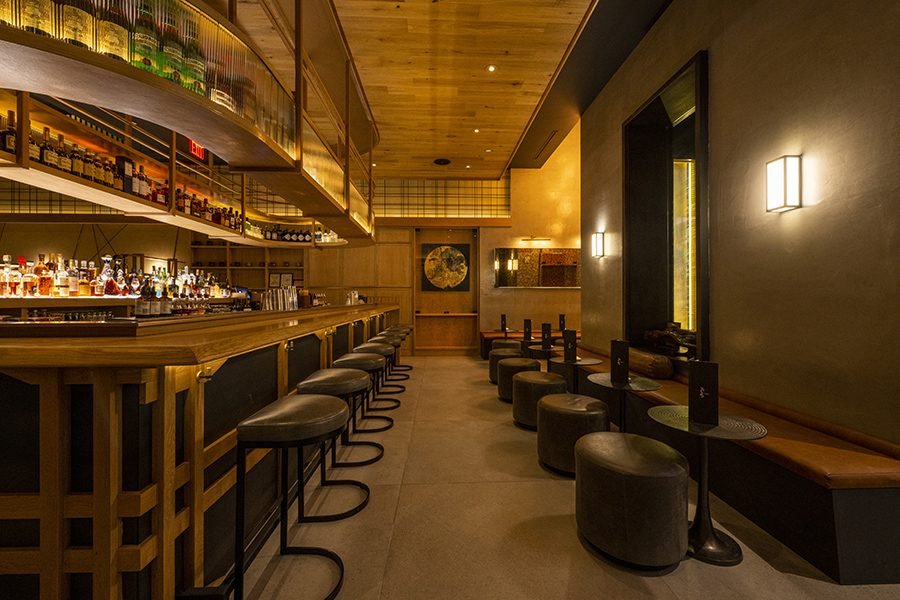
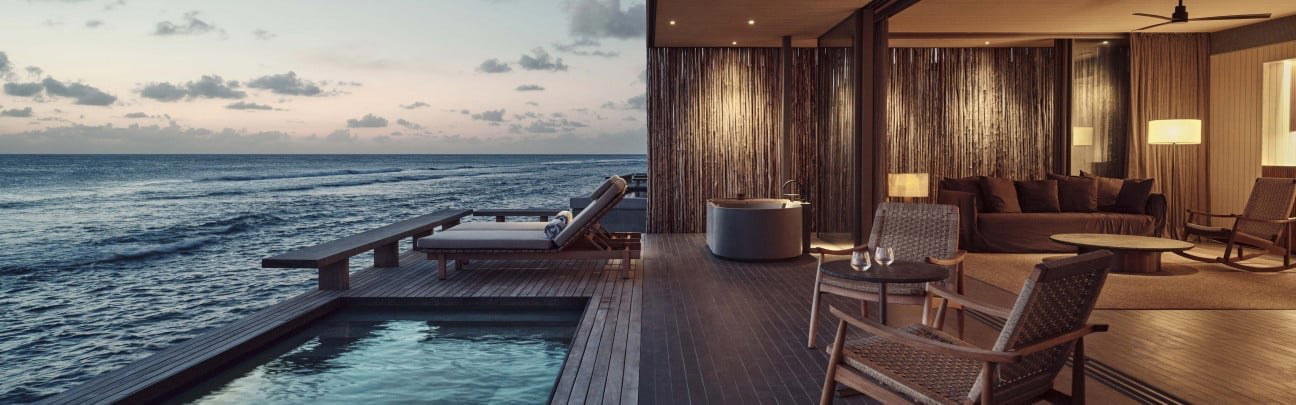
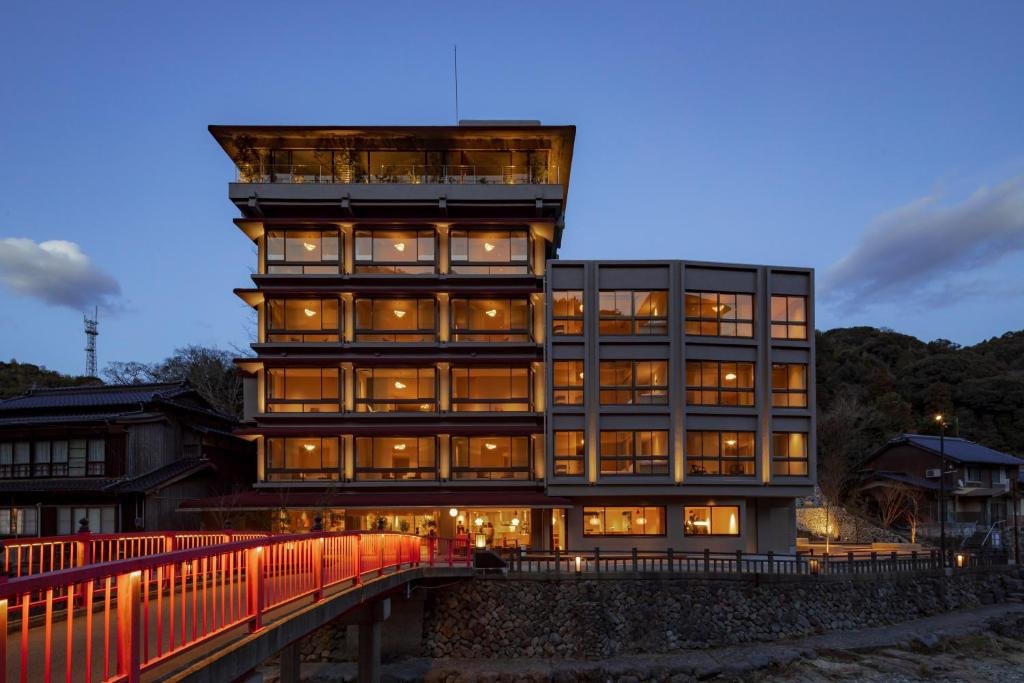
SOIL Nagatoyumoto presents a quietly considered alternative to Japan’s self-contained ryokan tradition. Rather than folding guests into an internal world, its design is outward-facing—deliberately engaging the onsen district, river corridor and local producers. That orientation yields a calm, design-forward atmosphere where the town itself becomes part of the guest experience. Interiors and programming read as boutique and purposeful, inviting exploration rather than passive enclosure. The result is a serene, thoughtfully curated stay that foregrounds place and connection over isolated luxury.
Best For
SOIL is best for travelers who want the convenience and comforts of a boutique ryokan while using their room as a base for exploration. It suits guests who prefer to engage with the surrounding onsen district, riverside walks and local producers rather than remaining on-property all day. Independent explorers, design-minded visitors and anyone drawn to a quieter, place-driven stay will appreciate SOIL’s role as an access point to Nagatoyumoto’s thermal springs and town life.
Stay Tips
Treat a stay at SOIL as the start of a neighborhood itinerary rather than a sealed resort experience. Plan time to walk the river corridor and visit nearby springs and local producers that the property intentionally highlights. Reserve a longer arrival or departure window so you can explore on foot; ask the property about recommended local shops and producers to make the most of its outward-facing approach. Avoid expecting a self-contained resort program—book with the intent to experience the town as part of your stay.
Venue details
Ambiance
Serene and soothing with river sounds, wood aromas, and natural light creating a peaceful, nature-connected atmosphere.
Tags
Vibe
Best For
Experience
Amenities
View
About the Stay
- Rooms
- 24
- Check-in
- 15:00
- Check-out
- 11:00
- Property Type
- Design hotel
- Property Style
- Regenerated Ryokan with Contemporary Openness Flowing Like the Otozure River.
- Design Style
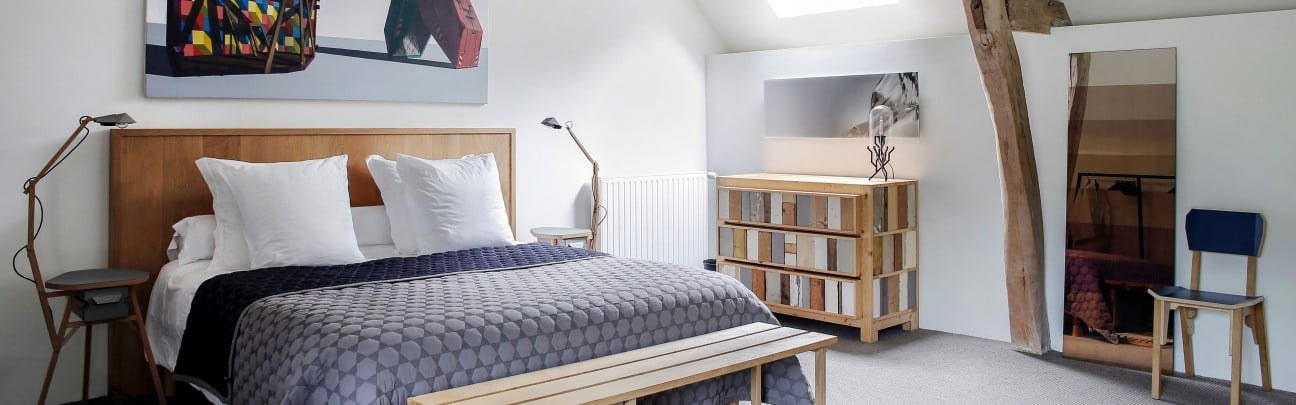
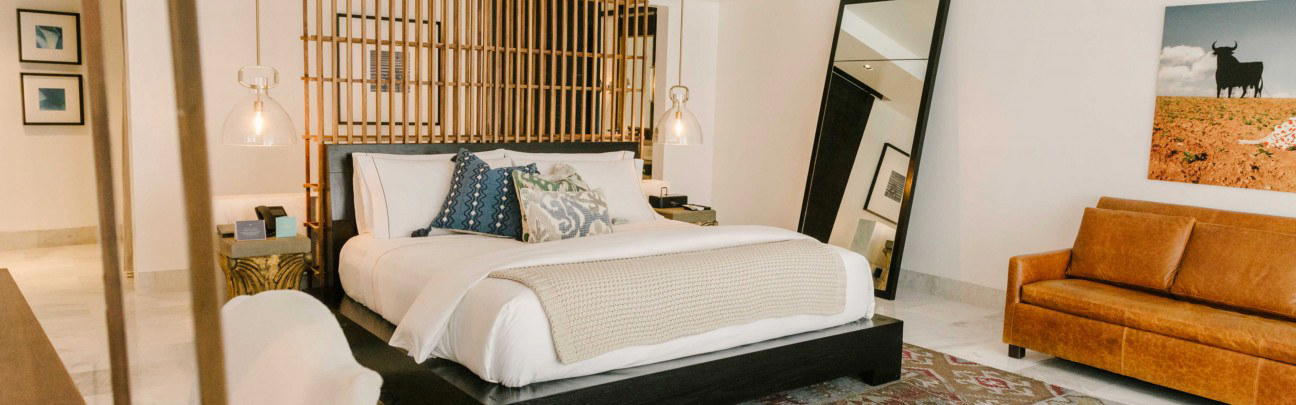
- Contemporary Minimalism Rooted in Local Red Clay, Stone, Wood, Hagi Ware, and Washi Paper.
- Spa
- Yes
- Cancellation
- Moderate
Know before you go
Know Before You Go
- Getting there
- 2257 Fukagawa Yumoto Nagato, 35, Nagatoyumoto 759-4103, Japan
Planning details
Location
2257 Fukagawa Yumoto Nagato, 35, Nagatoyumoto 759-4103, Japan · Directions
marriott.com/en-us/hotels/ubjsn-soil-nagatoyumoto-a-member-of-design-hotels/overview
Recognition and awards
Also consider
Also Consider
- Bettei Otozure, Notable alternative
- Simose Art Garden Villa, Notable alternative
- Sekitei, Notable alternative
- THE LUIGANS Spa & Resort, Notable alternative
- Itsukushima Iroha, Notable alternative
Hotel context
How it compares
Bettei Otozure is the cleaner alternative if the trip calls for a more traditional high-comfort ryokan decision, while SOIL Nagatoyumoto is the better fit when design affiliation is the main reason to book. With no published price tier here, value depends on whether that Design Hotels signal matters to the traveler; if not, Bettei Otozure is the safer comparison to check first.
Simose Art Garden Villa should be the cross-shop for art-led travel, and Sekitei makes sense for guests who want a more established ryokan-style frame. SOIL Nagatoyumoto sits between those instincts: more contemporary than a classic inn decision, but less clearly art-destination-led than Simose Art Garden Villa.
THE LUIGANS Spa & Resort is the better pick for travelers prioritizing resort scale and coastal facilities, while Itsukushima Iroha is the stronger comparison for a Miyajima-focused itinerary. Choose SOIL Nagatoyumoto when staying in Nagatoyumoto itself and booking a design-conscious hotel are the point; choose the others when the destination or resort program matters more than the hotel's design curation.
Explore Nagatoyumoto
Around this place
Discover more on Pearl
Unlock the full SOIL Nagatoyumoto guide in Pearl, including awards, comparisons, FAQs, planning details, and nearby places.
Compare SOIL Nagatoyumoto
| Venue | Location | Awards |
|---|---|---|
| SOIL Nagatoyumoto | Nagatoyumoto | 2026 Design Hotels Collection |
| Bettei Otozure | Nagato | 2026 Michelin 1 Key2025 Michelin 1 Key2024 Michelin 1 Key |
| Simose Art Garden Villa | Otake | 2026 Michelin 1 Key2025 Michelin 1 Key |
| Sekitei | Hatsukaichi-shi | 2026 Michelin 2 Keys2025 Michelin 2 Keys2024 Michelin 2 Keys |
| THE LUIGANS Spa & Resort | Fukuoka | No published awards |
| Itsukushima Iroha | Hatsukaichi | No published awards |



How SOIL Nagatoyumoto: Design Hotels Member in Nagatoyumoto compares with similar nearby venues.
FAQ
Frequently Asked Questions
What is check-in like at SOIL Nagatoyumoto?
Travelers should use the reservation confirmation or the property directly for arrival timing and access instructions. SOIL Nagatoyumoto is in Nagatoyumoto and is a 2026 Design Hotels Member.
Is SOIL Nagatoyumoto good for business travel?
It may suit travelers who want a base in Nagatoyumoto, but business-specific facilities and services should be confirmed directly. If the trip depends on meeting support, loyalty benefits, or predictable corporate-hotel amenities, confirm those details before booking.
Do loyalty programs work at SOIL Nagatoyumoto?
Do not assume standard chain points or benefits apply unless the booking channel confirms them. Its 2026 Design Hotels Member status is a key identifier.
Is SOIL Nagatoyumoto family-friendly?
Families should confirm details such as family-specific facilities, room configurations, dining details, and service schedules directly with the property before booking.
How does SOIL Nagatoyumoto compare to other hotels?
Choose SOIL Nagatoyumoto if you want a stay in Nagatoyumoto backed by its Design Hotels membership. For other styles of trip, compare Bettei Otozure, Sekitei, Simose Art Garden Villa, Itsukushima Iroha, or THE LUIGANS Spa & Resort based on the location and stay format that best fit your plans.