
Bettei Otozure
Nagato-Yumoto Onsen, Nagato
Hotel in Nagato, Japan
 Book with Pearl
The Read
Mountain Ryokan Reconsidered
Price
$750–1,000per night
Why go
Bettei Otozure is worth targeting if the trip is built around a quiet Nagato stay with attentive service and a ryokan-style sense of retreat. The 2024 Michelin 1 Key gives it a credible quality signal, but it is a stronger fit for couples and calm stays than for travelers needing resort breadth or city convenience.
About Bettei Otozure
Bettei Otozure is a Nagato stay with Michelin 1 Key recognition in 2024. Beyond that, this guide keeps the recommendation deliberately narrow. The practical note to keep in mind is the dress code, which is smart casual.
Use Bettei Otozure as a candidate when Nagato is part of the trip and when a Michelin-recognized hotel is the priority. If you need to decide between a broader set of stays, compare it carefully with other options rather than assuming a particular resort style, meal format, or activity base.
Choose it for a Nagato stay with a confirmed Michelin 1 Key
The strongest reason to keep Bettei Otozure on the shortlist is its Michelin 1 Key recognition from 2024. That is a hotel accolade, not a guarantee that the property will match every traveler's preferred pace, room setup, or itinerary.
Travelers should confirm any trip-critical needs directly before booking. That includes room configuration, accessibility, dining arrangements, family suitability, and cancellation terms. For attire, plan on smart casual.
Use Nagato as the decision filter
If the trip is already centered on Nagato, Bettei Otozure is a serious candidate because it has a confirmed Michelin 1 Key. If Nagato is only one stop in a wider itinerary, compare the logistics and stay style against other hotels before committing.
For broader comparisons, consider Bettei Otozure alongside Itsukushima Iroha, SOIL Nagatoyumoto, Sekitei, Simose Art Garden Villa, and THE LUIGANS Spa & Resort, depending on the route and the type of stay you want. For dining and activities, use current Nagato resources and confirm details directly.
Planning details
- Location
- 2208 Fukawayumoto, Nagato, Yamaguchi 759-4103
- Website
- otozure.jp
- Phone
- +81 837-25-3377
The take
The Take
The Vibe
Bettei Otozure reads as a quietly distinguished mountain ryokan that values restraint over spectacle. Perched near Nagato City in the Fukawa Yumoto hot-spring district, it trades easy access for a sense of place: guests arrive deliberately and encounter a grounded, low-key hospitality rooted in local bathing traditions. The hotel’s 2024 Michelin One Key recognition signals consistent, characterful service rather than flash, and the property’s design is framed as a thoughtful negotiation between long-standing ryokan customs and contemporary impulses. The overall impression is serene, intimate and richly anchored in its landscape and history.
Best For
This is a property for travelers who prize quiet and specificity of place. People seeking a restorative onsen experience, couples celebrating milestones, and those on honeymoon or anniversary trips find the setting especially apt. The remote western-Honshū location also suits guests who relish deliberate travel and experiential stays rather than quick-city stopovers—discerning visitors who want attentive, place-based hospitality and the calm of a mountain hot-spring district are the ideal audience.
Stay Tips
Keep logistics in mind: Bettei Otozure sits at the western edge of Honshū and guests commonly make a deliberate journey to reach Nagato. Plan travel time and connections accordingly, and confirm arrival details with the property in advance. The write-up emphasizes the hot-spring district and traditional bathing culture, so allow time to experience onsen offerings and to orient yourself to local customs. Given the hotel’s curated, high-standard positioning, expect an understated pace rather than a bustling, turn-over stay.
Venue details
Ambiance
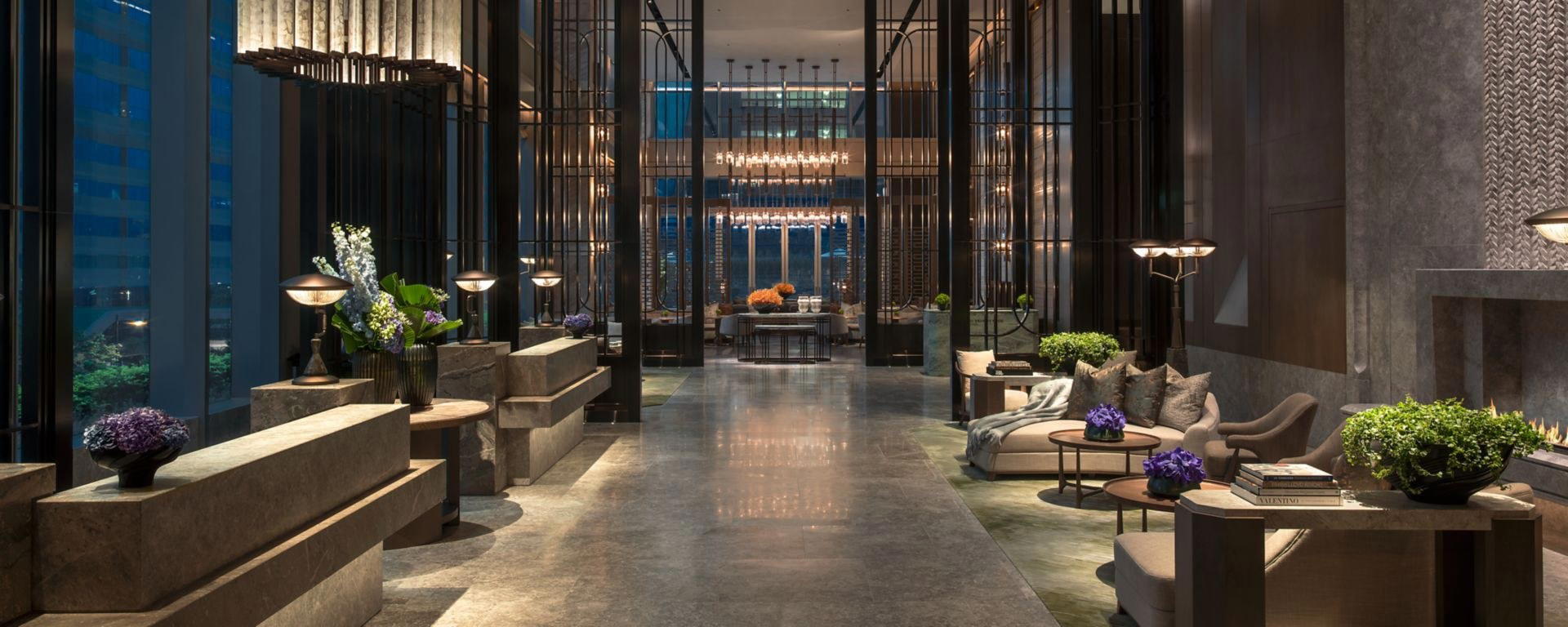
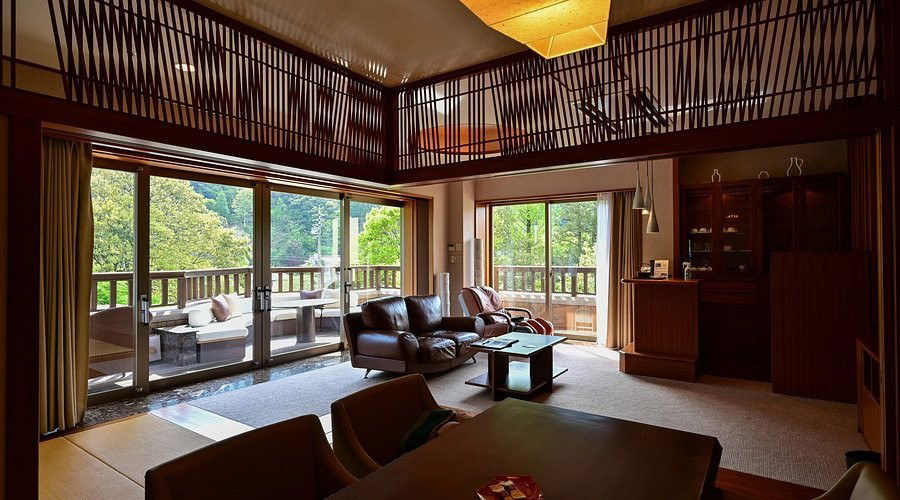
Quiet, elegant, and relaxing atmosphere with thoughtful decor, natural light through floor-to-ceiling windows, and serene onsen bathing experiences.
Tags
Vibe
Best For
Experience
Amenities
View
About the Stay
- Rooms
- 18
- Check-in
- 14:00
- Check-out
- 11:00
- Property Type
- Boutique hotel
- Property Style
- Modern Ryokan with Traditional Japanese Elements and Luxury Comforts
- Design Style
- Contemporary Japanese Fusion with Tatami, Natural Materials, and Western Design Classics
- Spa
- Yes
- Cancellation
- Strict
Know before you go
Know Before You Go
- Getting there
- 2208 Fukawayumoto, Nagato, Yamaguchi 759-4103
Planning details
Location
Recognition and awards
Also consider
Where to Look If This Is Full
If Bettei Otozure is unavailable, try SOIL Nagatoyumoto first for a nearby Nagatoyumoto stay with a lighter feel. For a more design-led alternative, Simose Art Garden Villa is the more compelling cross-shop.
Hotel context
How It Compares
Against SOIL Nagatoyumoto, Bettei Otozure is the more service-led, retreat-minded choice. SOIL Nagatoyumoto is the smarter cross-shop for travelers who want the Nagatoyumoto area with a lighter, less formal feel, while Bettei Otozure makes more sense when the stay itself is the main event.
Simose Art Garden Villa and Sekitei are better comparisons for travelers weighing atmosphere and design-driven quiet. Choose Simose Art Garden Villa if the art-and-architecture angle is central to the trip; choose Sekitei if a classic ryokan mood is the priority. Bettei Otozure sits between those poles: less about a broad cultural complex, more about privacy and service in Nagato.
THE LUIGANS Spa & Resort and Itsukushima Iroha are stronger alternatives if the trip needs a more destination-accessible base. THE LUIGANS Spa & Resort suits travelers who want resort scale, while Itsukushima Iroha is the easier pick for a Miyajima-focused itinerary. Bettei Otozure is the better fit when Nagato is the point, not a side trip.
Explore Nagato
Around this place
Discover more on Pearl
Unlock the full Bettei Otozure guide in Pearl, including awards, comparisons, FAQs, planning details, and nearby places.
Compare Bettei Otozure
| Venue | Location | Awards |
|---|---|---|
| Bettei Otozure | Nagato | 2026 Michelin 1 KeyMichelin 1 Key 20252025 Michelin 1 Key2024 Michelin 1 Key |
| SOIL Nagatoyumoto | Nagatoyumoto | No published awards |
| Simose Art Garden Villa | Otake | 2026 Michelin 1 Key2025 Michelin 1 Key |
| Sekitei | Hatsukaichi-shi | 2026 Michelin 2 Keys2025 Michelin 2 Keys2024 Michelin 2 Keys |
| THE LUIGANS Spa & Resort | Fukuoka | No published awards |
| Itsukushima Iroha | Hatsukaichi | No published awards |


How Bettei Otozure Nagato compares with similar nearby venues.
FAQ
Frequently Asked Questions
Is Bettei Otozure family-friendly?
Family suitability should be confirmed directly before booking. If you are traveling with children, confirm room setup, meal arrangements, and any age-related policies directly before booking. If you want to compare it with another option, THE LUIGANS Spa & Resort may be worth reviewing separately.
How does Bettei Otozure compare to other stays?
Consider Bettei Otozure as a Nagato stay with Michelin 1 Key recognition from 2024. For comparison, you can also review SOIL Nagatoyumoto, Sekitei, Simose Art Garden Villa, Itsukushima Iroha, and THE LUIGANS Spa & Resort, depending on your route and preferred style of stay.
How is the location of Bettei Otozure?
When is the best time to book Bettei Otozure?
If your dates are fixed, confirm availability directly and book according to the property's current terms. This is especially important if the stay is central to your Nagato itinerary.
Which room category is best at Bettei Otozure?
Choose based on the property's current room descriptions, your party size, and any needs around privacy, bedding, or accessibility, and confirm details directly before booking.