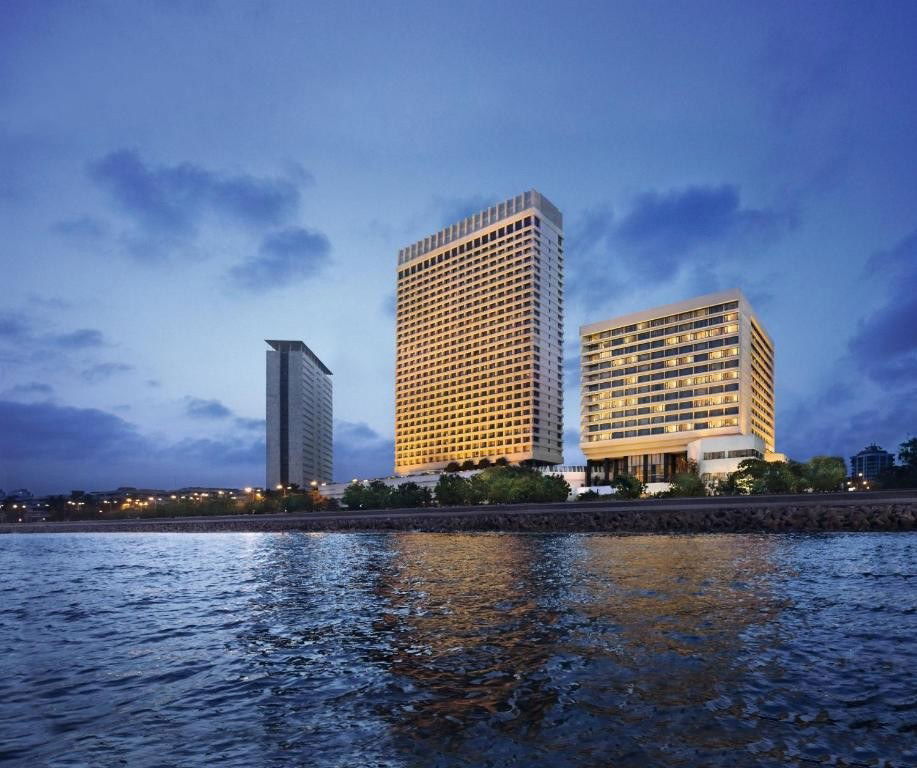






The Oberoi, Mumbai
Nariman Point, Mumbai
Hotel in Mumbai, India
 Book with Pearl
The Read
Marine Drive Waterfront Precision
Why go
The Oberoi, Mumbai is the polished Nariman Point choice for travelers who want a controlled luxury stay rather than boutique character or heritage drama. It is strongest for first-timers, business-led trips, and short stays where location, service consistency, and external hotel recognition matter more than a scene-driven atmosphere.
About The Oberoi, Mumbai
The Oberoi, Mumbai is a hotel option in Mumbai with notable recognition signals. References include La Liste Top Hotels 2026 with 98pts, Forbes 4-Star 2026, Condé Nast Gold List 2026, Virtuoso Luxury Hotel Partner 2026, and MICHELIN Guide, Hotels Selected 2025.
The safest way to evaluate the hotel is by those external recognition signals, its Mumbai setting, and its stated smart casual dress code. Specific claims about neighborhood, room categories, dining, facilities, prices, service formats, or transport times should be confirmed directly before booking.
Book this for a recognized Mumbai hotel
The main reason to choose this hotel is its recognition profile. La Liste, Forbes, Condé Nast, Virtuoso, and MICHELIN Hotels all appear among The Oberoi, Mumbai’s external signals.
For a first visit, the decision should stay practical: consider The Oberoi, Mumbai if you want a Mumbai hotel with a strong recognition profile. Compare Abode Bombay, InterContinental Marine Drive-Mumbai, The Taj Mahal Palace, Mumbai, Taj Mahal Tower, Mumbai, and Sea Palace Hotel if you are weighing other Mumbai stays, but verify the details that matter to your trip directly with each property.
The dress code is smart casual, which is useful to know when packing or planning time at the property. Beyond that, avoid assuming specific room views, dining formats, amenities, or service details unless they are confirmed by the hotel for your dates.
Where it sits against Mumbai alternatives
The Oberoi, Mumbai can be considered alongside The Taj Mahal Palace, Mumbai and Taj Mahal Tower, Mumbai for travelers comparing Mumbai hotel choices. The right decision depends on the details of your stay, with The Oberoi, Mumbai’s recognition profile as one of the clearest comparison points.
Abode Bombay, InterContinental Marine Drive-Mumbai, and Sea Palace Hotel are other Mumbai options to compare depending on availability and the experience you want. Use them as reference points rather than assuming a like-for-like stay.
For most travelers, The Oberoi, Mumbai is worth shortlisting when a recognized Mumbai hotel is the brief. Confirm location details, room type, dining, amenities, and any arrival or departure logistics directly with the hotel before committing.
Planning details
- Location
- Nariman Point, Mumbai, Maharashtra 400021
- Website
- oberoihotels.com/hotels-in-mumbai
- Phone
- +91 22 6632 5757
The take
The Take
The Vibe
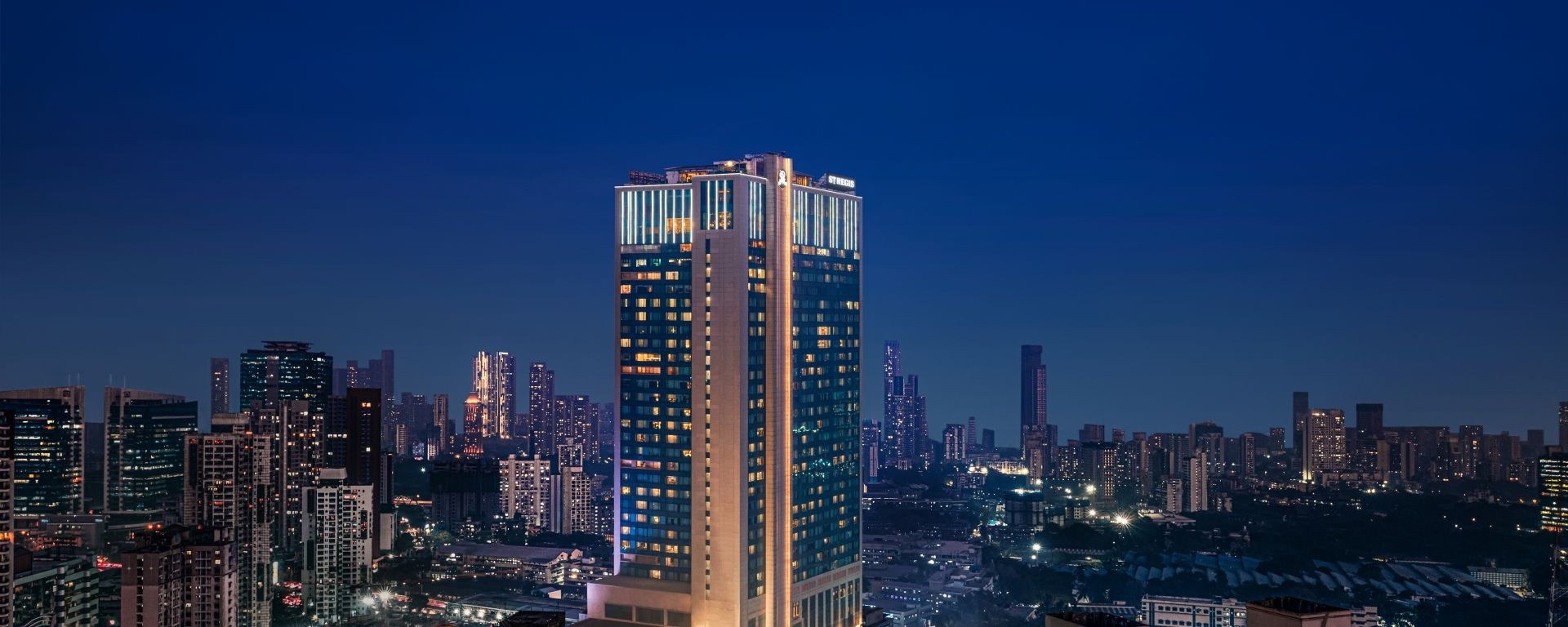
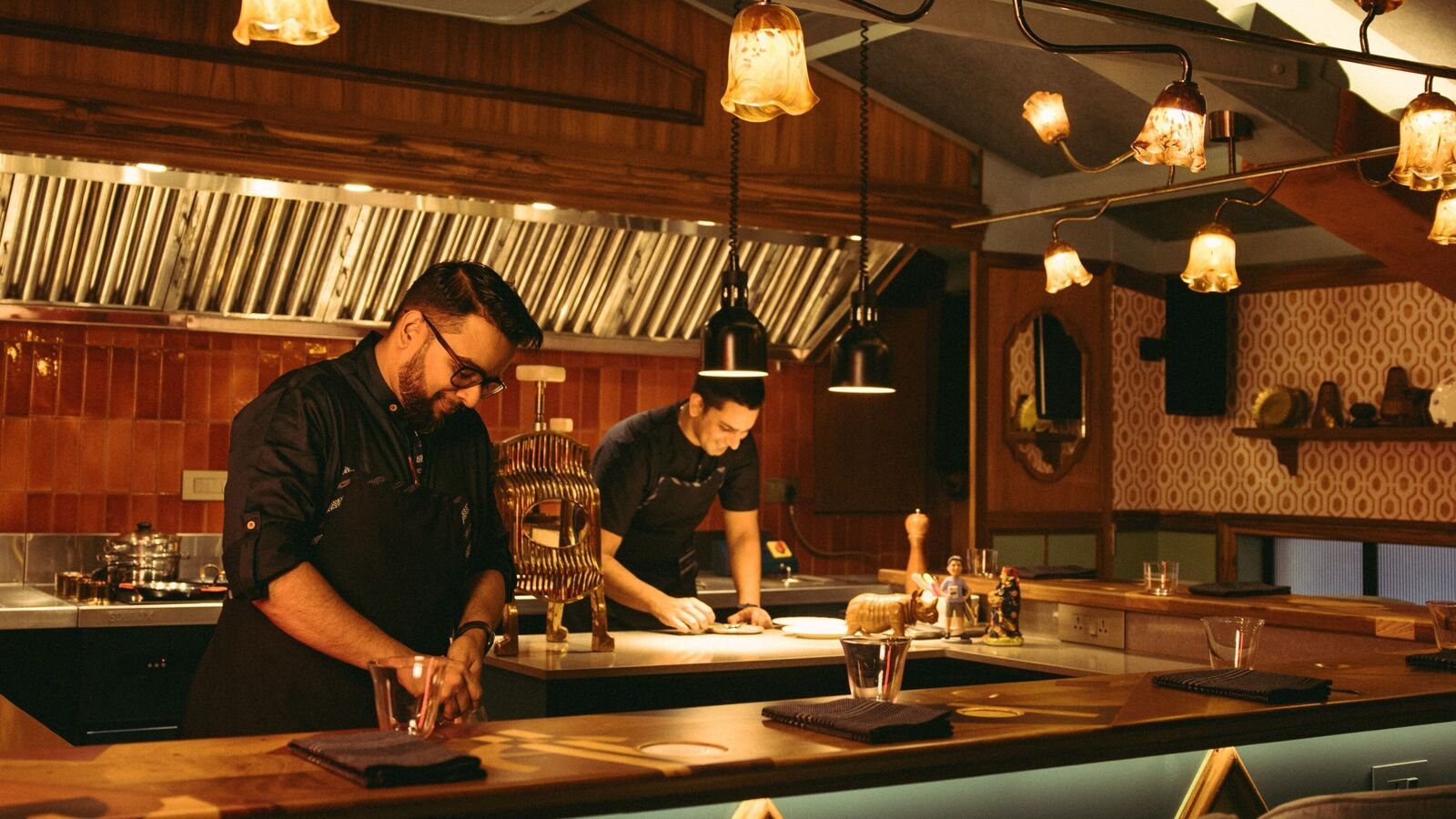
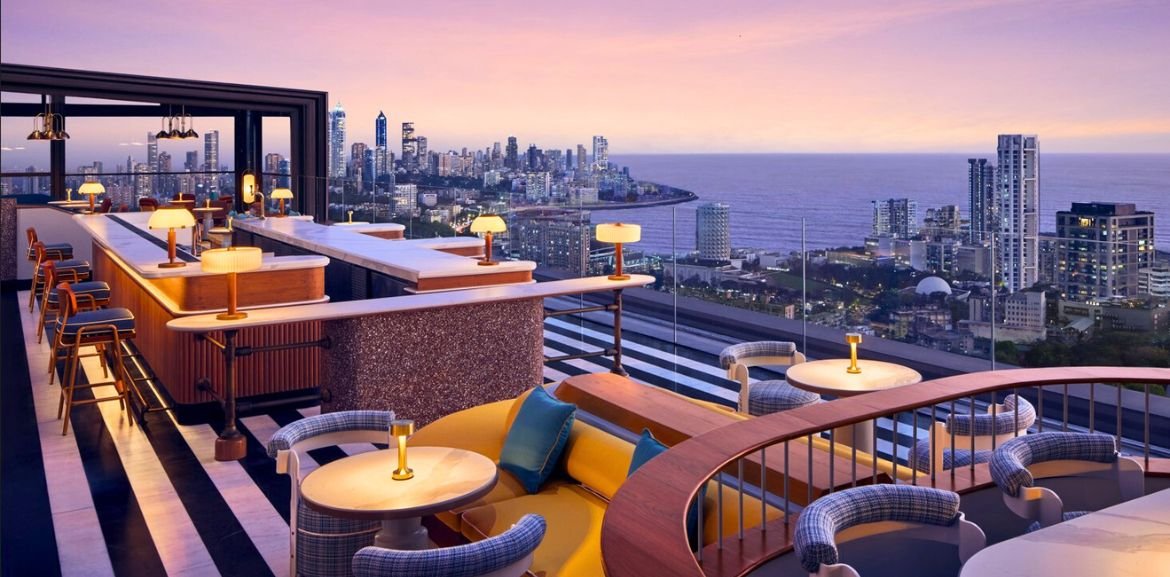
The Oberoi, Mumbai presents a dramatic, seafront-forward ambience built around its 14‑level atrium and sweeping Marine Drive outlook. Architectural ambition and a recent renovation register throughout the public spaces, where vertical volume and careful detailing announce a contemporary take on luxury. Situated at the very edge of the promenade, the hotel leans into its position on the Arabian Sea — upper-floor rooms deliver an unobstructed arc of the Queen's Necklace that immediately orients you to the city. The overall effect is scenic and design-forward: a waterfront flagship that emphasizes view, scale, and civic presence over neighborhood novelty.
Best For
The Oberoi is ideal for travelers who prioritize location and view. Its Nariman Point address places guests on the Marine Drive curve and within easy reach of Colaba, the Gateway of India, and South Mumbai's cultural institutions, making it a practical base for international visitors and those tracing the city's heritage. The proximity to the financial district also makes it a natural choice for business-focused stays and dinners. For couples and anyone who values a nighttime sweep of the Queen's Necklace, the hotel's upper floors and seaward-facing orientation deliver the defining waterfront experience.
Venue details
Ambiance
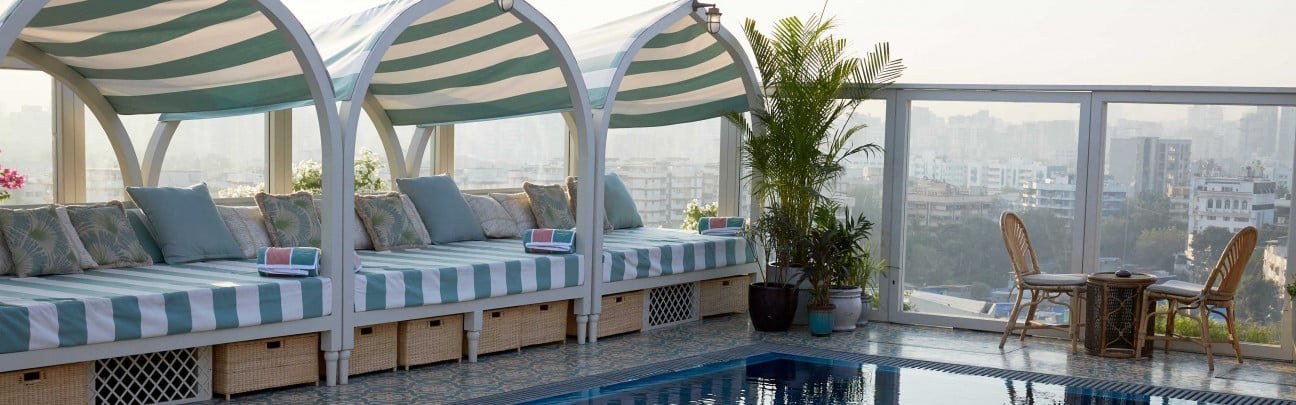
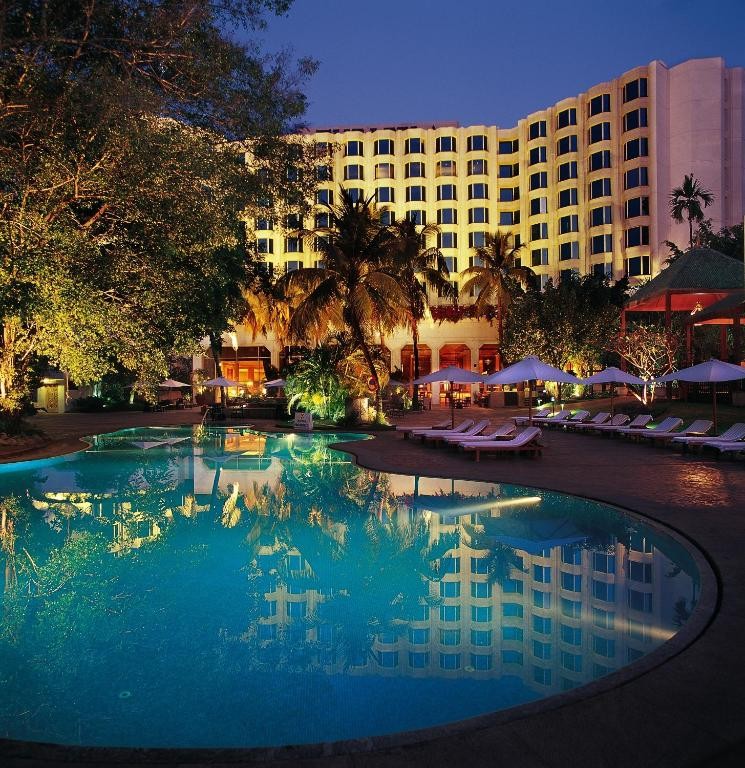
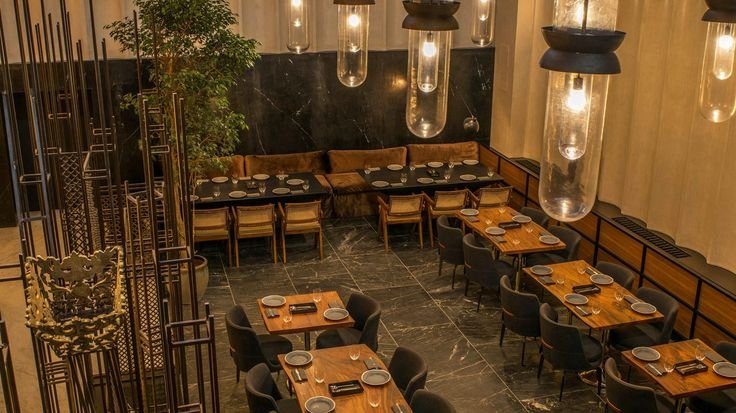
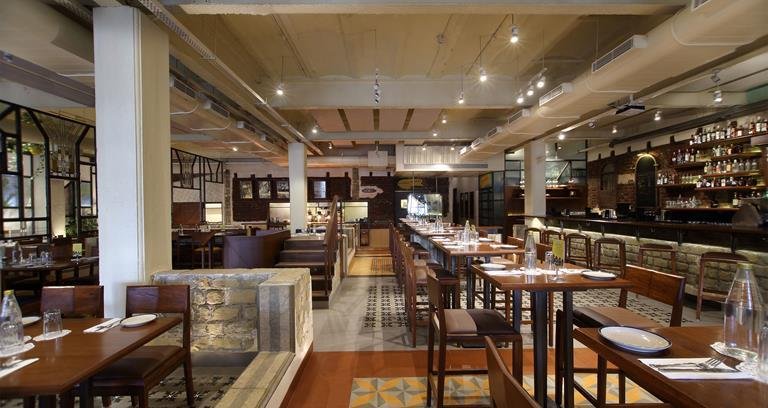
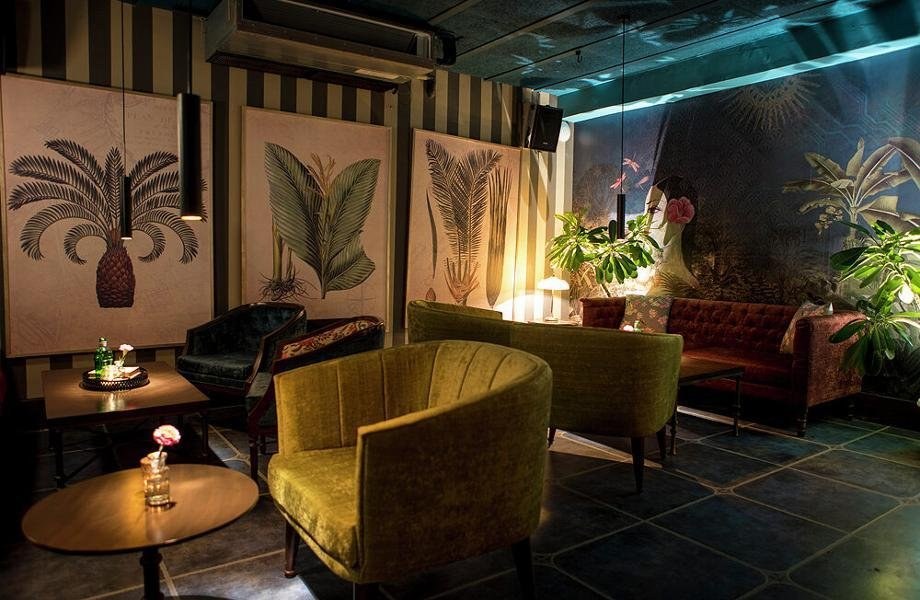
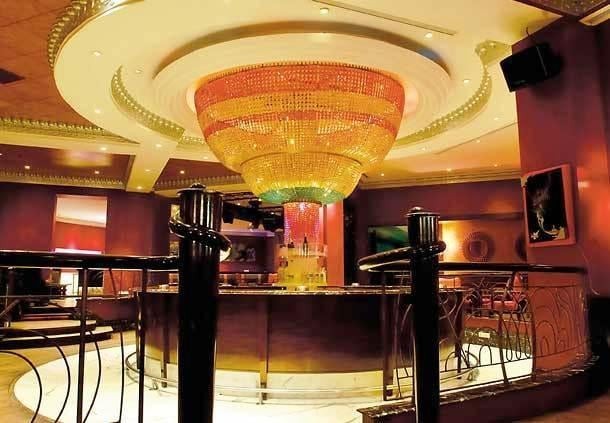
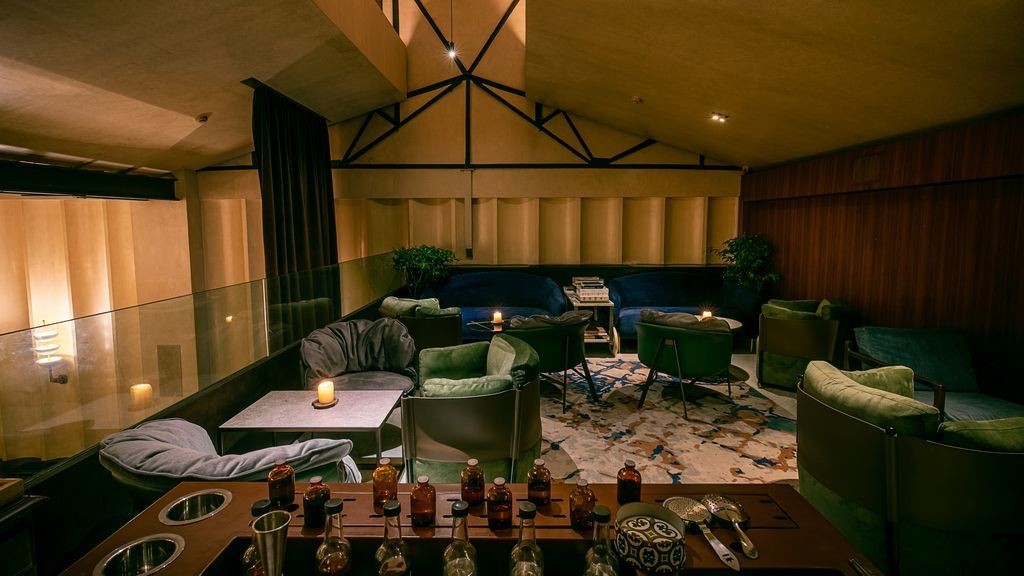
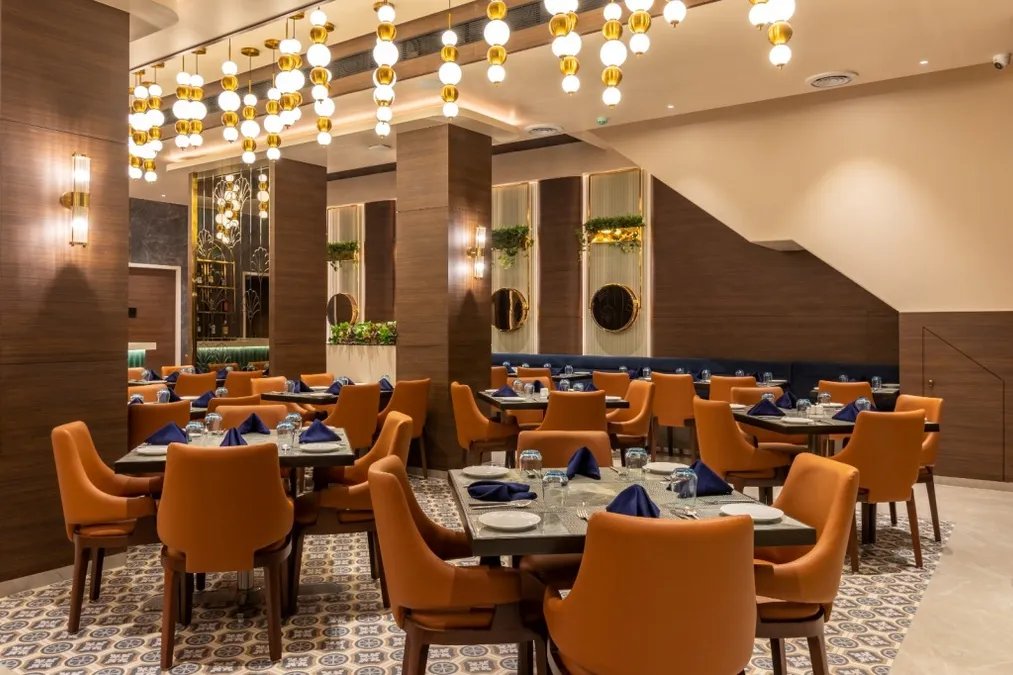
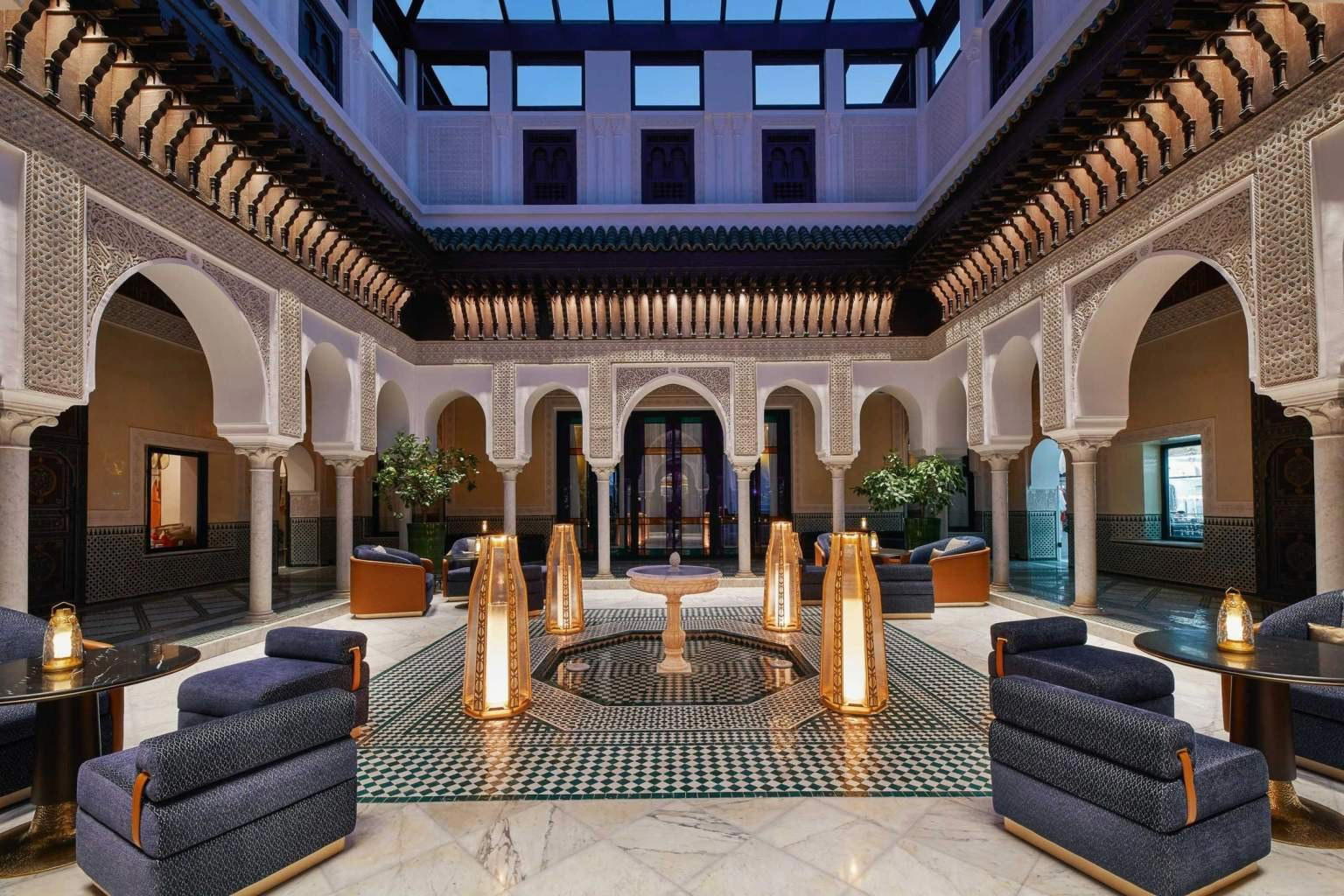
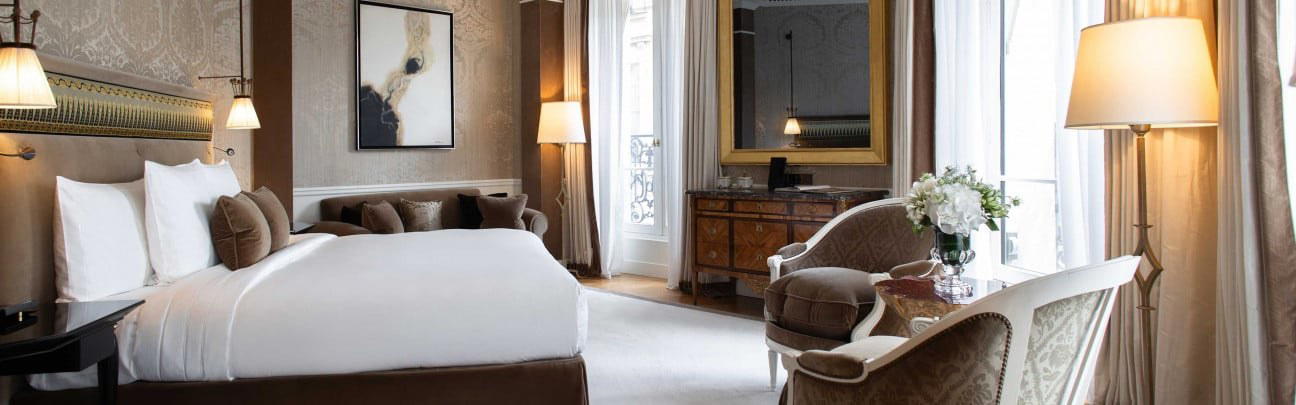
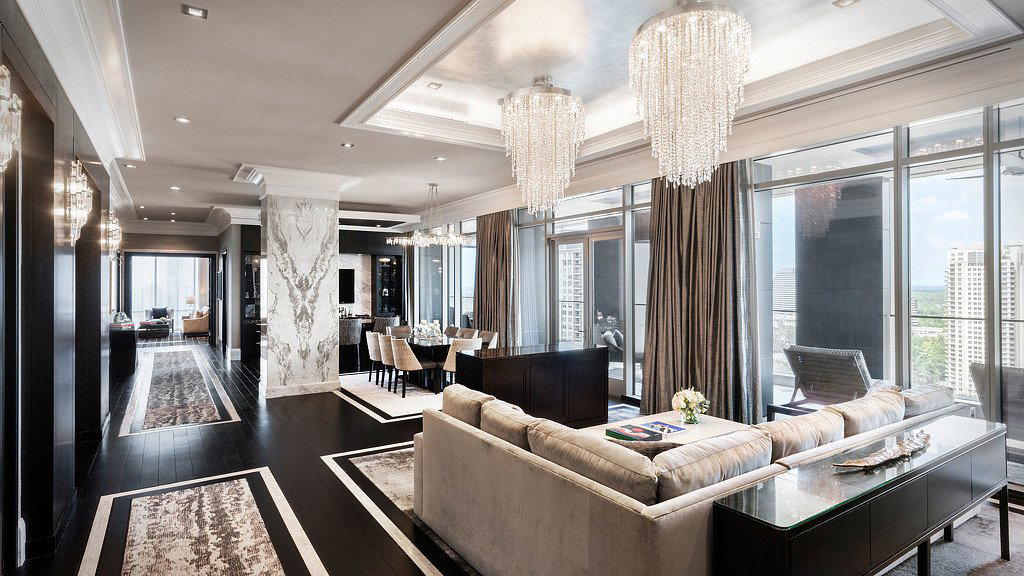
Elegant and tranquil atmosphere with natural light, contemporary interiors, and relaxing sea views.
Tags
Vibe
Best For
Experience
Amenities
View
Accessibility
About the Stay
- Rooms
- 287
- Property Style
- Luxurious Urban Hotel with Panoramic Sea and City Views.
- Design Style
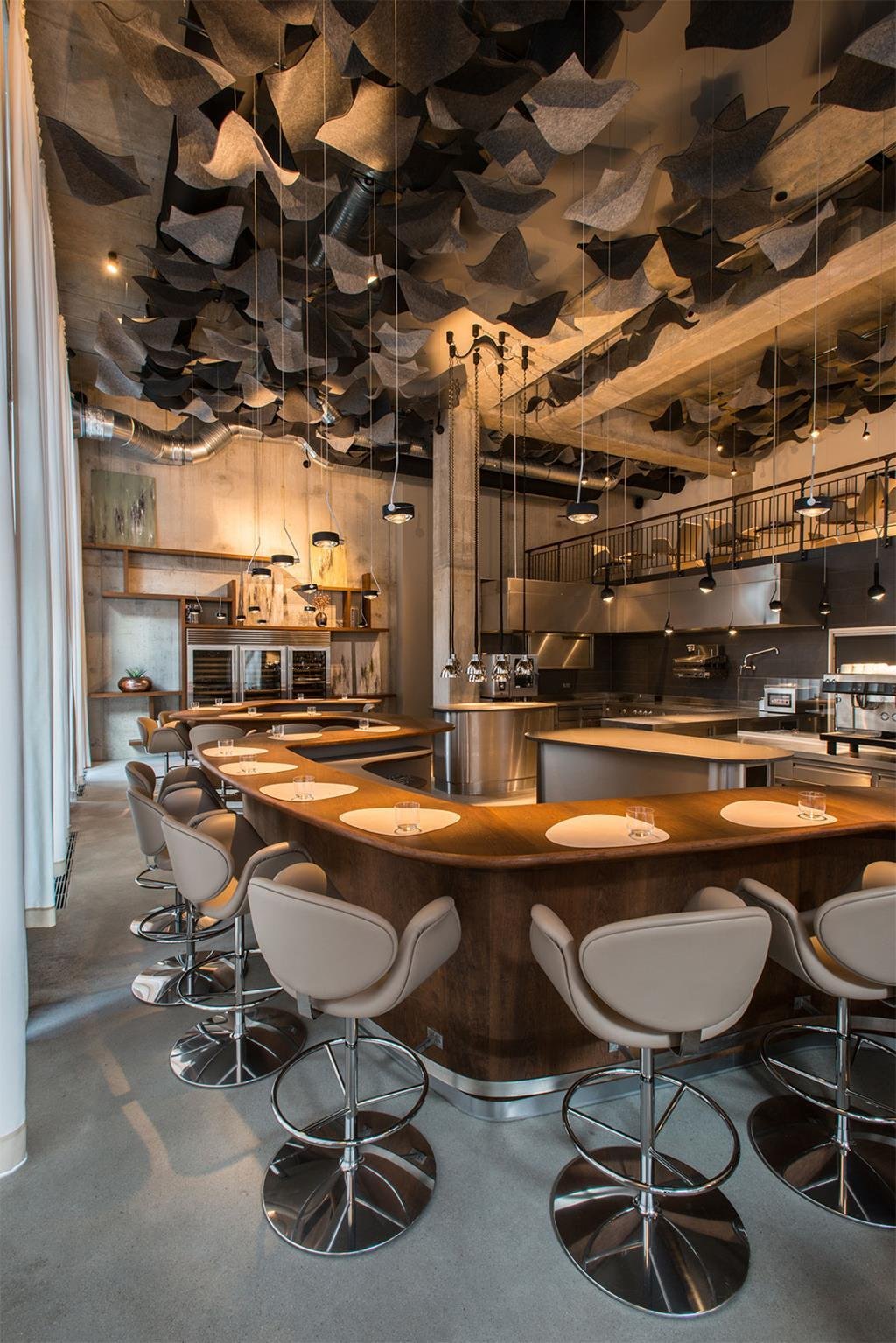
- Contemporary Elegance with Minimalist Features, Dark Wood Floors, and Modern Art.
Know before you go
Know Before You Go
- Getting there
- Nariman Point, Mumbai, Maharashtra 400021
Planning details
Location
Nariman Point, Mumbai, Maharashtra 400021 · Directions
Recognition and awards





Also consider
Also Consider
- InterContinental Marine Drive-Mumbai, Notable alternative
- Abode Bombay, Notable alternative
- The Taj Mahal Palace, Mumbai, Notable alternative
- Taj Mahal Tower, Mumbai, Notable alternative
- Sea Palace Hotel, Notable alternative
Hotel context
How It Compares
The Oberoi, Mumbai is the polished Nariman Point option in this set, with stronger luxury-hotel recognition than value-led peers and a calmer profile than the heritage-heavy Taj choices. Choose it over InterContinental Marine Drive-Mumbai if service assurance and a more formal luxury stay matter more than Marine Drive positioning.
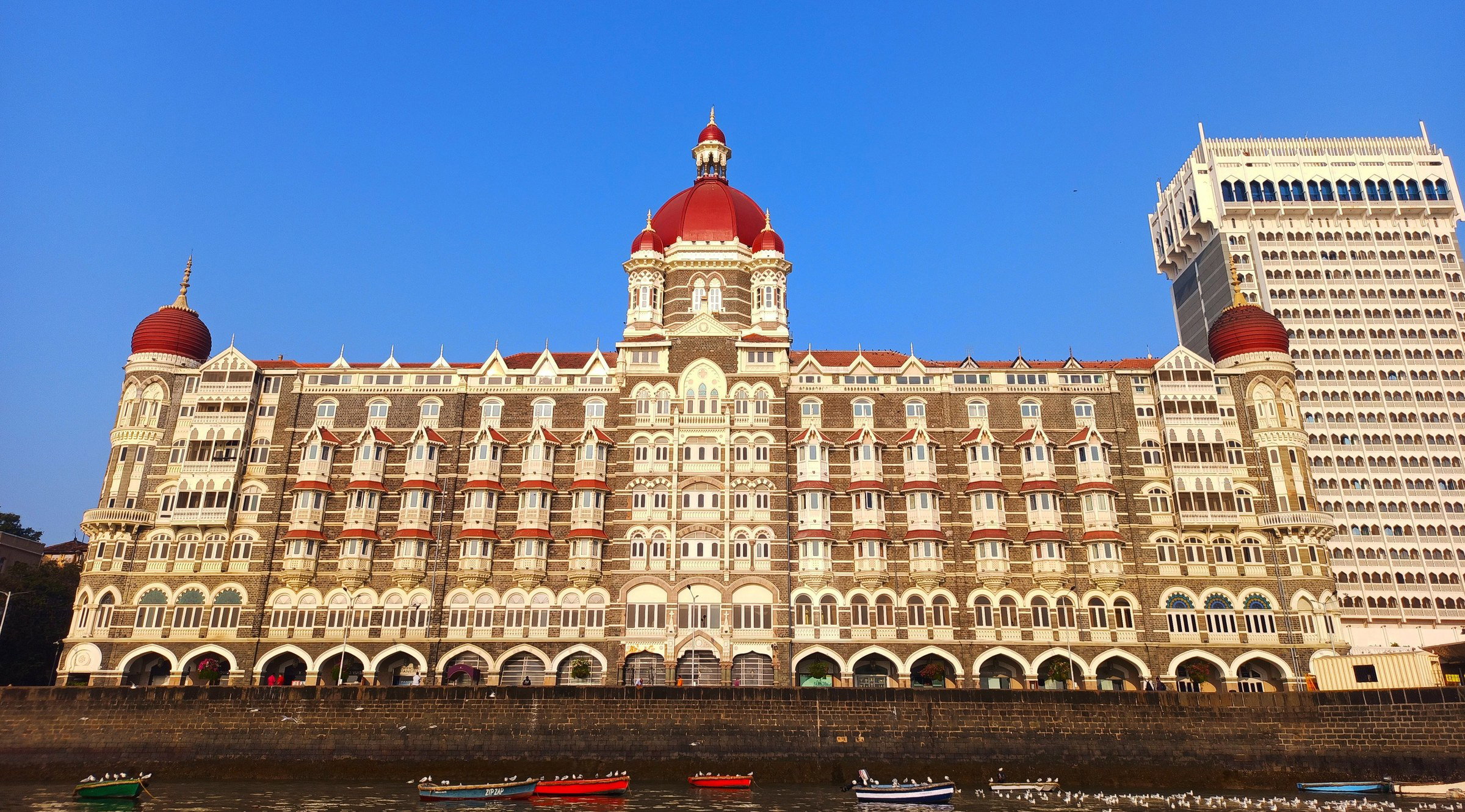
The Taj Mahal Palace, Mumbai is the better fit for travelers who want history, atmosphere, and a landmark hotel experience. Taj Mahal Tower, Mumbai is the more practical Taj-complex cross-shop if location matters but the full Palace experience is not the point. The Oberoi is the cleaner recommendation for business-heavy stays and first visits where the hotel needs to simplify the city.
Abode Bombay and Sea Palace Hotel sit in a different value conversation. Abode is stronger for boutique character; Sea Palace is for budget-aware travelers who still want South Mumbai access. If the brief is full-service luxury, neither is a direct substitute, but both make sense when price or neighborhood personality outranks polish.
Explore Mumbai
Around this place
Discover more on Pearl
Unlock the full The Oberoi, Mumbai guide in Pearl, including awards, comparisons, FAQs, planning details, and nearby places.
Compare The Oberoi, Mumbai
| Venue | Location | Awards |
|---|---|---|
| The Oberoi, Mumbai | Mumbai | 2026 Travel + Leisure 100 Favorite Hotels in the World · #202026 Forbes 4-Star2026 Virtuoso Luxury Hotel CollectionConde Nast Gold List 20262026 La Liste Top Hotels2025 Michelin 1 Key2025 Michelin Selected Hotels2025 Forbes 4-Star |
| InterContinental Marine Drive-Mumbai | Mumbai | 2026 Forbes Recommended2025 Forbes Recommended |
| Abode Bombay | Mumbai | No published awards |
| The Taj Mahal Palace, Mumbai | Mumbai | 2026 World’s 50 Best Hotels 1-50 · #302026 Forbes 4-Star2026 Virtuoso Luxury Hotel Collection2026 La Liste Top Hotels2026 Michelin 1 Key2025 World’s 50 Best Hotels · #38World Travel Awards 20252025 Michelin 1 Key2025 Forbes 4-Star |
| Taj Mahal Tower, Mumbai | Mumbai | 2026 Michelin 1 Key2025 Michelin 1 Key |
| Sea Palace Hotel | Mumbai | No published awards |





How The Oberoi, Mumbai compares with similar nearby venues.
FAQ
Frequently Asked Questions
When is the best time to book The Oberoi, Mumbai?
Book once your dates are fixed, especially if you are comparing several Mumbai hotels. Recognition includes Forbes 4-Star 2026 and La Liste Top Hotels 2026 with 98pts, which may make it a reassuring choice for travelers who value external hotel signals. If you are choosing between this and The Taj Mahal Palace, Mumbai, compare current details for your dates before deciding.
How is the location of The Oberoi, Mumbai?
The location is Mumbai. For an exact address, arrival planning, or transfer timing, confirm directly with the hotel before travel. If location is the main deciding factor, compare The Oberoi, Mumbai with other Mumbai options such as The Taj Mahal Palace, Mumbai using current details.
Which room category is best at The Oberoi, Mumbai?
Ask the hotel which category best fits your priorities, such as space, view, quiet, or accessibility, and confirm what is available for your dates. Do not rely on an unchecked named room type when booking.
Do loyalty programs work at The Oberoi, Mumbai?
The hotel is a Virtuoso Luxury Hotel Partner 2026. If you book through a travel advisor or partner channel, ask which benefits apply to your rate and dates before confirming. Compared with Sea Palace Hotel or Abode Bombay, check benefits directly rather than assuming a specific program outcome.
What is check-in like at The Oberoi, Mumbai?
Ask the hotel about arrival details, timing, and special requests before travel. The hotel’s recognition includes Forbes 4-Star 2026 and Condé Nast Gold List 2026. If comparing with InterContinental Marine Drive-Mumbai, check current policies with each hotel.
How is the dining at The Oberoi, Mumbai?
For restaurant names, cuisines, menus, prices, or dining formats, confirm directly with the hotel before booking. If dining is central to the trip, compare current information for The Oberoi, Mumbai and The Taj Mahal Palace, Mumbai before deciding.
How is the pool and spa at The Oberoi, Mumbai?
Check pool and spa details directly for your dates. The recognition across La Liste Top Hotels, Forbes, Condé Nast, Virtuoso, and MICHELIN Guide Hotels Selected supports the hotel’s broader profile. If those facilities are essential, confirm them before choosing between The Oberoi, Mumbai, Abode Bombay, or Sea Palace Hotel.