

Hotel St. Paul
Vieux Montréal, Montréal
Hotel in Montréal, Canada
 Book with Pearl
Why go
Hotel St. Paul is worth booking for a first Montréal stay if Old Montréal location, design-hotel character, and a smaller service model matter more than resort-style amenities. Cross-shop Hotel Gault for a quieter boutique feel, Le Petit Hotel for an easier compact base, and InterContinental Montreal if facilities and brand predictability are higher priorities.
About Hotel St. Paul
Hotel St. Paul in Montréal is best framed around its hotel-selection credentials: smart casual dress code, Design Hotels Member recognition for 2026, a Mr & Mrs Smith Seal of Approval for 2026, and MICHELIN Guide Hotels Selected recognition for 2025.
The practical read is simple: consider it if those hotel-selection credentials matter to your trip. If your decision depends on specific facilities, dining details, loyalty benefits, room features, or service formats, verify those directly with the hotel before booking.
Book it for Montréal design credentials, not extras
The strongest case for Hotel St. Paul is its recognition profile: Design Hotels Member, Mr & Mrs Smith Seal of Approval, and MICHELIN Guide Hotels Selected.
That makes the booking question less about a long checklist and more about priorities. If the recognition profile is enough, Hotel St. Paul belongs on the shortlist. If the trip depends on broad hotel infrastructure or specific services, compare details carefully with InterContinental Montreal and confirm current offerings before committing.
Where it fits against other hotel choices
Against Hotel Gault and Le Petit Hotel, Hotel St. Paul works as another Montréal option for travelers comparing stays. Focus the comparison on current availability, official hotel details, and the kind of stay each guest wants.
Hotel Le St-James is another relevant Montréal comparison, while Sonolux Montreal may also be worth checking for travelers considering hotel options in the city. Hotel St. Paul's recognition profile includes Design Hotels Member, Mr & Mrs Smith Seal of Approval, and MICHELIN Guide Hotels Selected.
The booking advice is simple: use Hotel St. Paul as a shortlist hotel when Montréal and hotel-recognition credentials are central to the decision. If the trip depends on specific dining, wellness, family, room, or loyalty-program details, confirm those points directly with the hotel before booking.
Planning details
- Location
- McGill, 355, Montreal H2Y 2E8, Canada
- Website
- marriott.com/hotels/travel/YULDS
- Phone
- +15143802222
The take
The Take
The Vibe
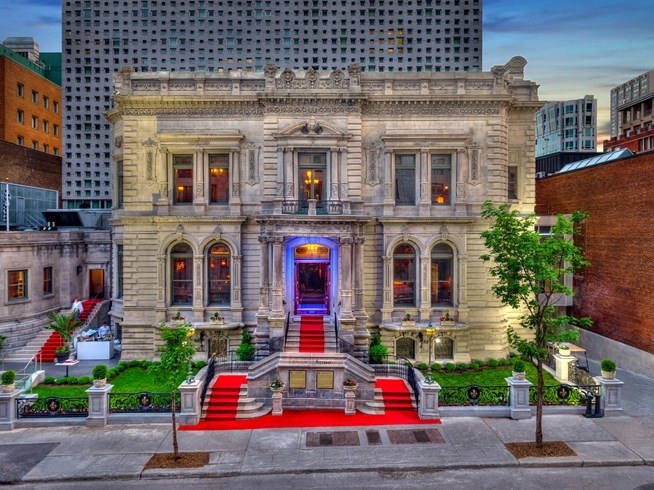
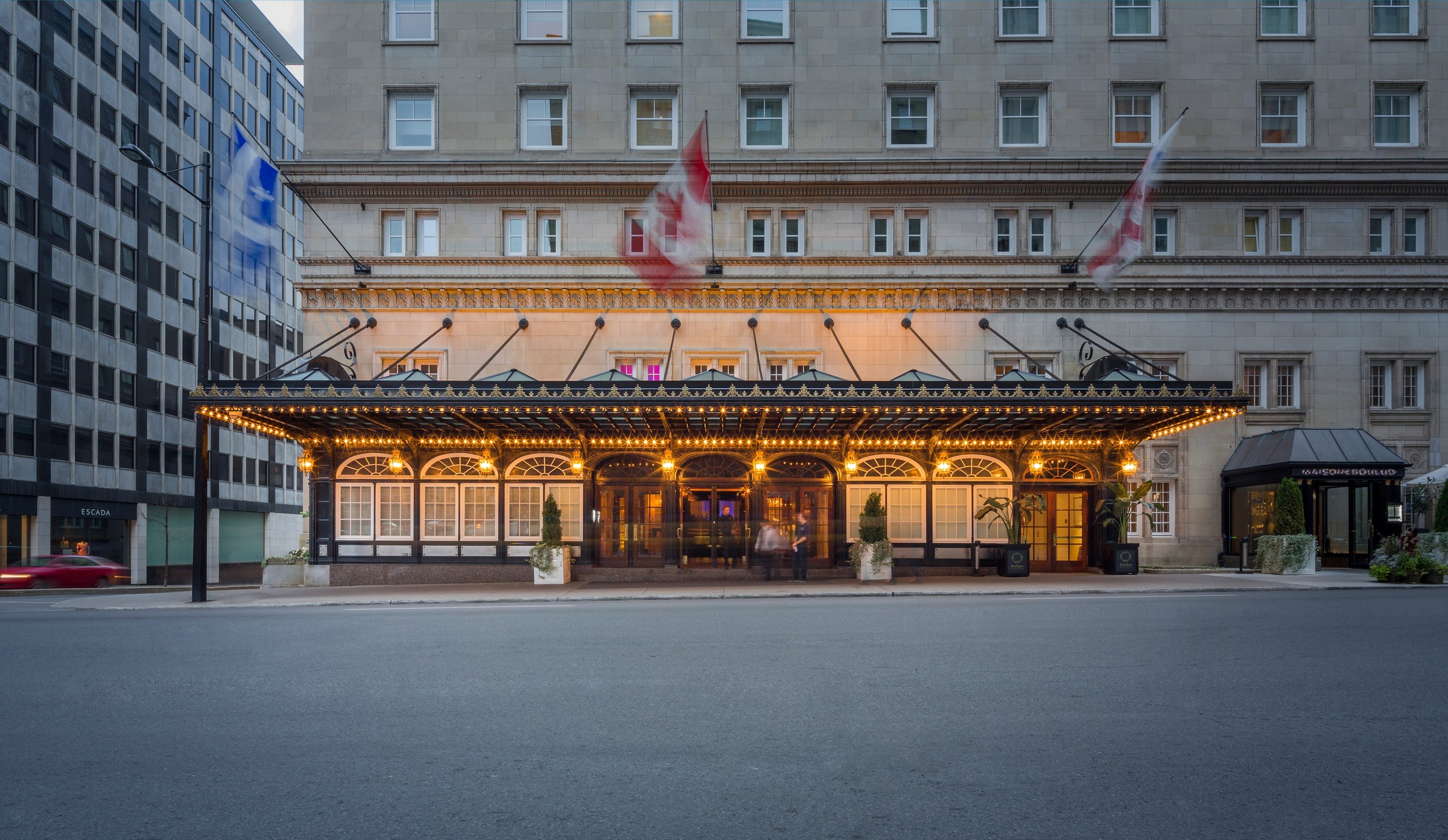
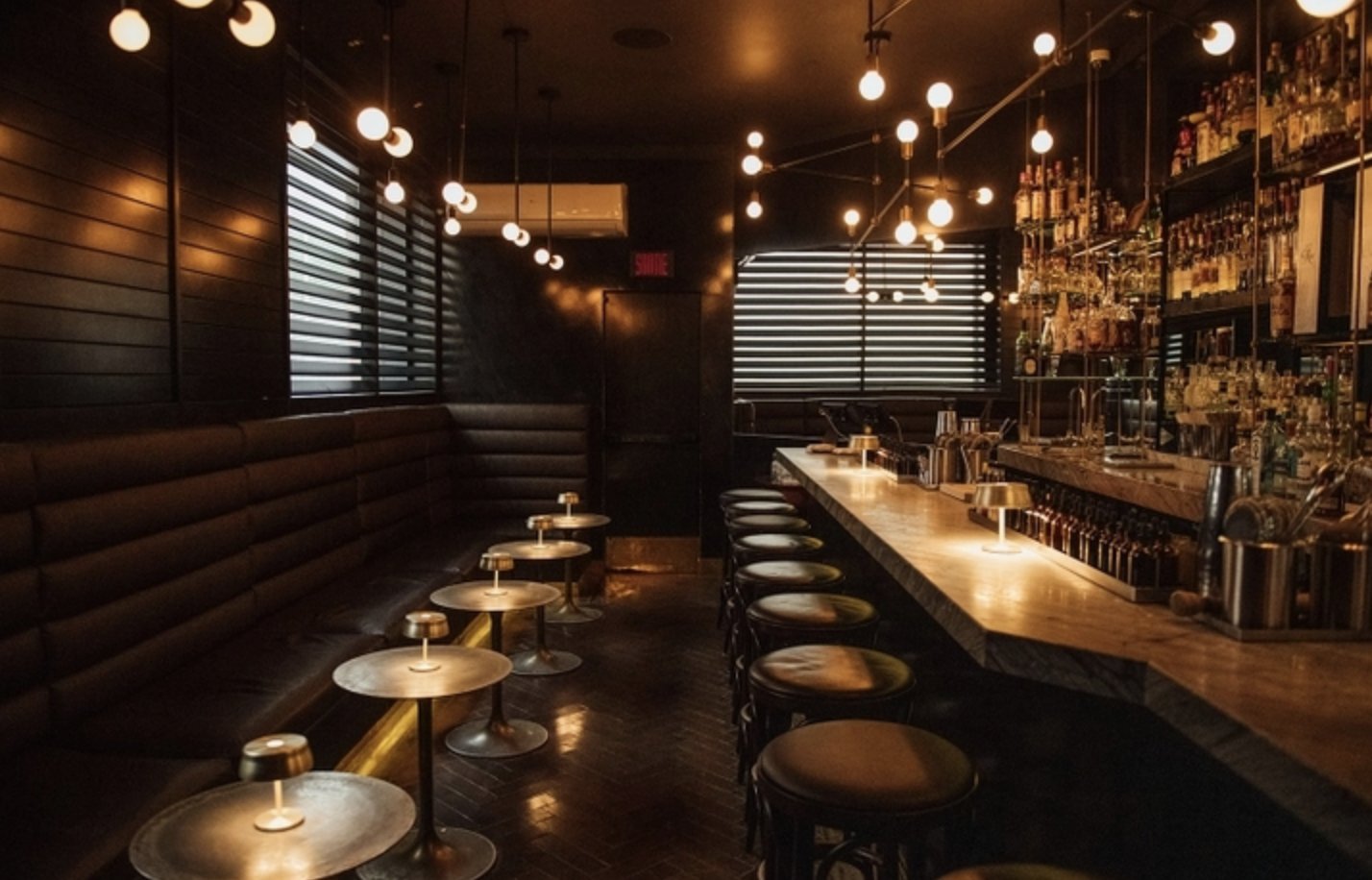
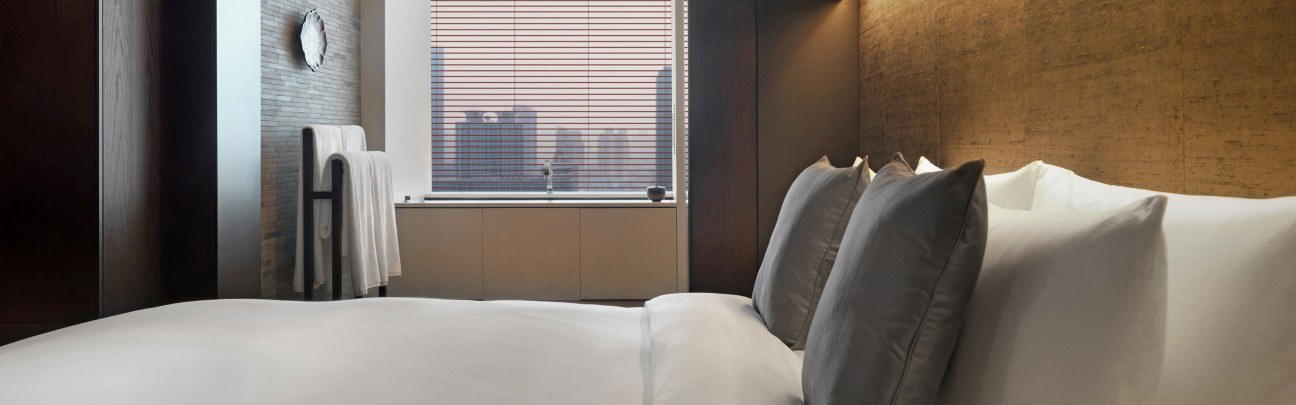
Hotel St. Paul occupies a Beaux‑Arts shell on McGill Street but intentionally subverts the neighbourhood’s usual period theatrics by routing its interiors through a restrained, design-led vocabulary. The exterior reads as a quiet landmark while the rooms and public spaces favor deliberate restraint over ornate restoration, producing a minimalist, intimate atmosphere. Rather than stage a historical moment, the hotel offers a contemplative counterpoint to Old Montreal’s more demonstrative heritage conversions — an understated, tightly edited property that highlights contrast between stone-built civic grandeur and a muted contemporary interior language.
Best For
Hotel St. Paul suits travelers who prioritize calm, considered design and a central Old Montreal base. Its lower-key, quietly refined temperament makes it a natural pick for romantic getaways that favor atmosphere over spectacle, and for business trips where a distraction‑free, restrained environment helps maintain focus. The hotel’s compact, design-forward approach also fits weekend escapes aimed at exploring the neighbourhood by day and returning to a composed, minimalist retreat in the evening. It is not presented as a bustling social hub but as a peaceful, intentional stay.
Venue details
Ambiance
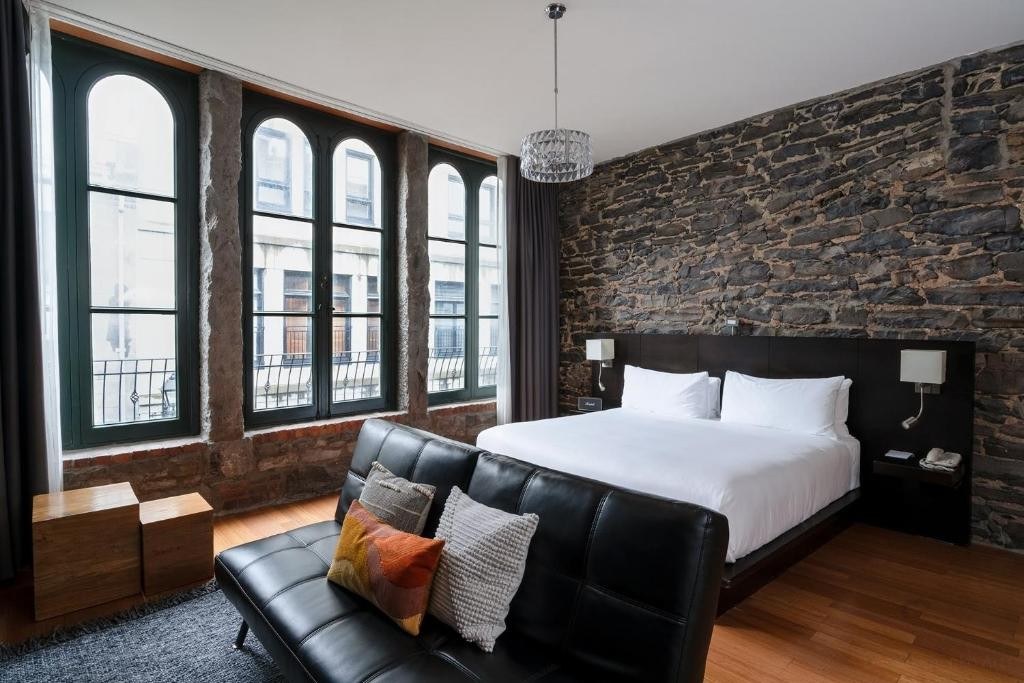
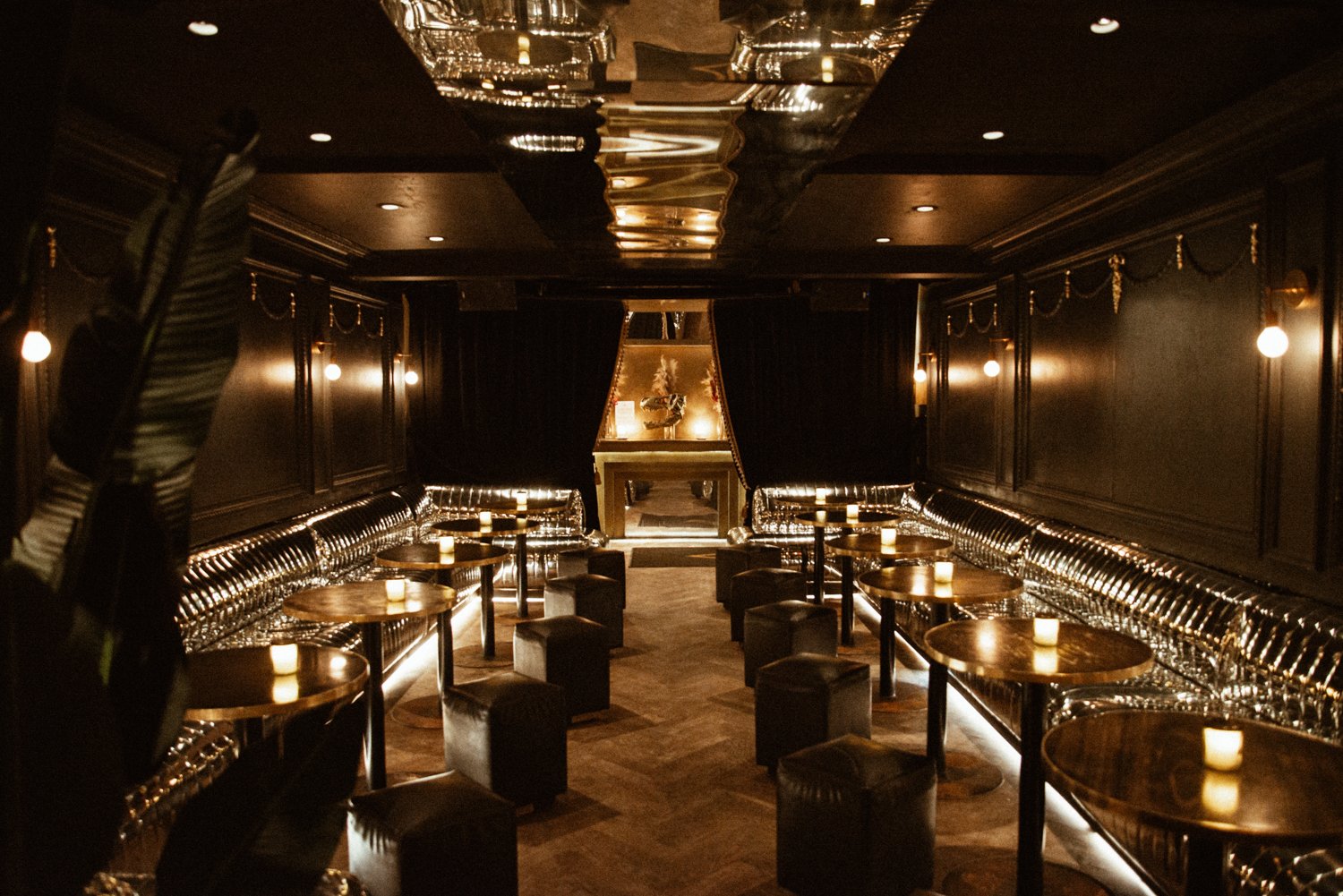
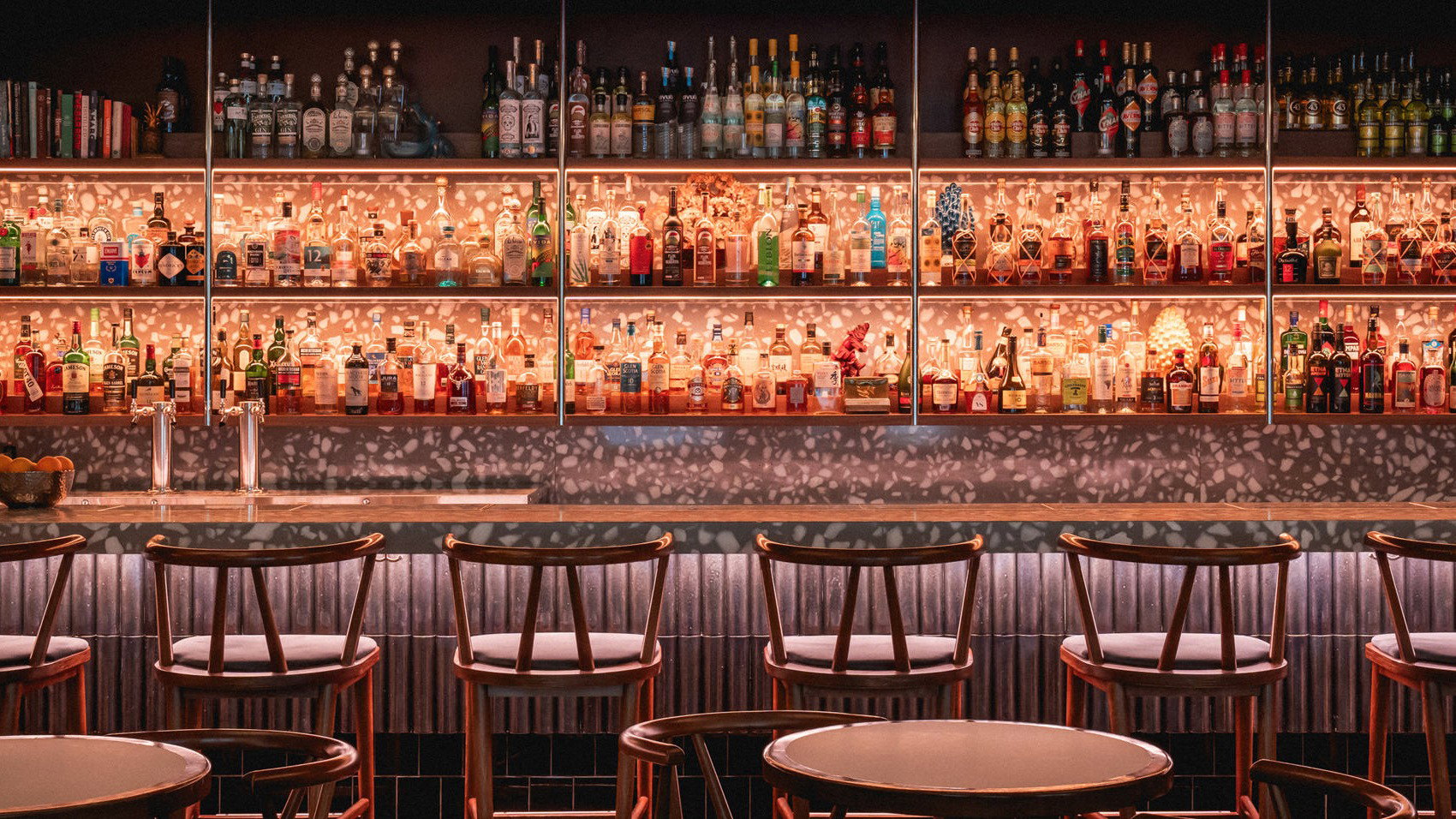
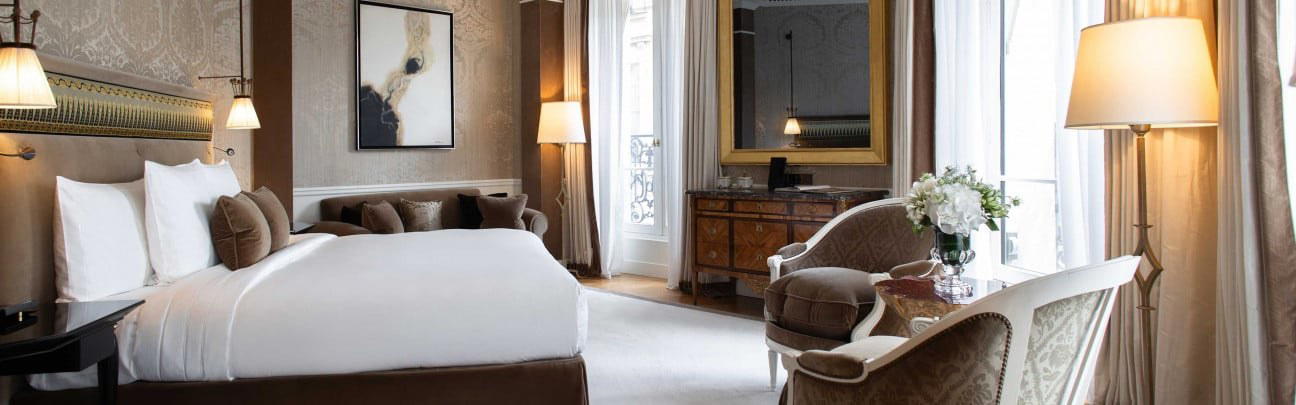
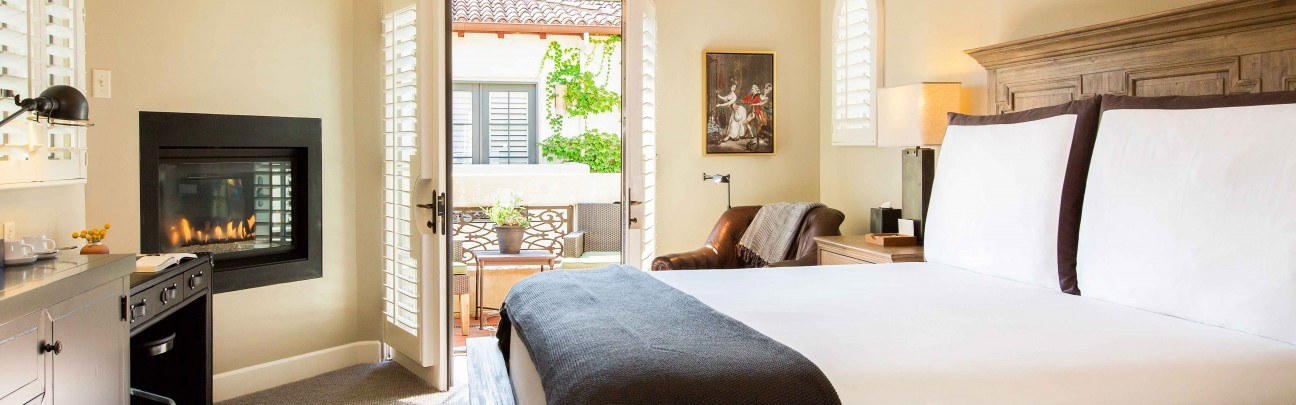
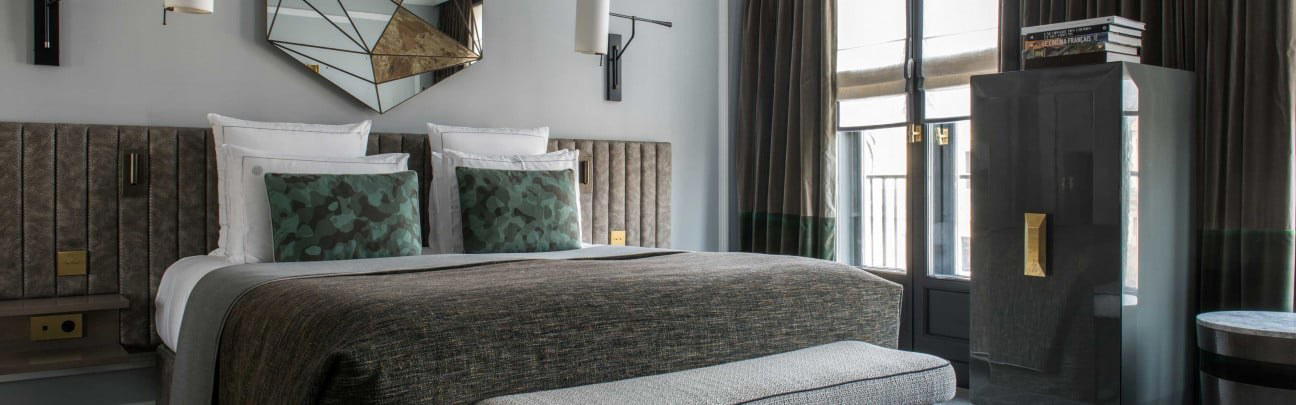
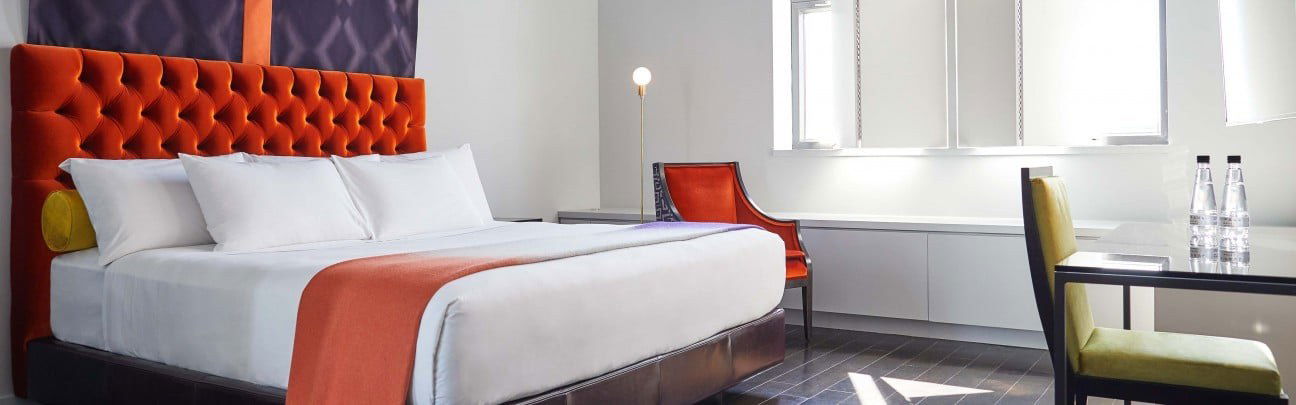
Bold juxtapositions of color and texture create a daring, glamorous atmosphere with custom-designed furnishings that heighten the senses.
Tags
Vibe
Best For
Experience
Amenities
View
Accessibility
About the Stay
- Rooms
- 119
- Check-in
- 15:00
- Check-out
- 12:00
- Property Style
- Luxury Boutique Hotel in a Heritage Building with Modern Serene Interiors.
- Design Style
- Art Deco Inspired with Bold Color and Texture Juxtapositions, Custom Masculine Feminine Furnishings.
Know before you go
Know Before You Go
- Getting there
- McGill, 355, Montreal H2Y 2E8, Canada
Planning details
Location
Recognition and awards
Also consider
Where to look if this is not the right fit
Choose Hotel Gault if the goal is a boutique Montréal stay with a quieter feel. Choose InterContinental Montreal if the trip needs a larger hotel setup, more predictable facilities, or a stronger business-travel structure.
Hotel context
How it compares in Montréal
Hotel St. Paul is the design-led Old Montréal pick for travelers who want atmosphere without moving into a large luxury hotel. Hotel Gault is the sharper cross-shop if a quieter boutique mood is the priority, while Le Petit Hotel is easier to recommend for guests who want a smaller, simpler stay in the same general lane.
Hotel Le St-James is the better fit for travelers who want a more formal, grand-hotel atmosphere. InterContinental Montreal is the practical choice for business travelers, loyalty-program users, and anyone who wants broader facilities over boutique character.
Sonolux Montreal makes more sense for a more contemporary stay. Book Hotel St. Paul when the trip benefits from Old Montréal walkability and a design-hotel feel; choose one of the peers if amenities, formality, or brand predictability matter more.
Explore Montréal
Around this place
Discover more on Pearl
Unlock the full Hotel St. Paul guide in Pearl, including awards, comparisons, FAQs, planning details, and nearby places.
Compare Hotel St. Paul
| Venue | Location | Awards |
|---|---|---|
| Hotel St. Paul | Montréal | 2026 Design Hotels Collection2026 Mr & Mrs Smith Luxury Hotels2025 Michelin Selected Hotels |
| Hotel Gault | Montréal | 2025 Michelin Selected HotelsPreferred Hotels L.V.X. Collection 2025 |
| Le Petit Hotel | Montréal | 2025 Conde Nast Best Hotels · #282025 Michelin 1 Key2024 Michelin 1 Key |
| Hotel Le St-James | Montréal | No published awards |
| InterContinental Montreal | Montréal | No published awards |
| Sonolux Montreal | Montréal | No published awards |



How Hotel St. Paul Montréal compares with similar nearby venues.
FAQ
Frequently Asked Questions
How is the pool and spa at Hotel St. Paul?
If pool or spa access is important, confirm current amenities directly with the hotel and compare with InterContinental Montreal if you want another Montréal option.
How is the dining at Hotel St. Paul?
Is Hotel St. Paul family-friendly?
Families considering Hotel St. Paul should confirm room setup, bedding, and any child-related services directly with the hotel; InterContinental Montreal is another Montréal hotel to compare.
How is the location of Hotel St. Paul?
Do loyalty programs work at Hotel St. Paul?
The recognition for Hotel St. Paul includes Design Hotels Member status for 2026, MICHELIN Guide Hotels Selected for 2025, and a Mr & Mrs Smith Seal of Approval for 2026. Confirm specific loyalty-program earning, redemption, or benefit details directly before booking.
Which room category is best at Hotel St. Paul?
Choose based on the hotel's current room descriptions and your space, bed, and budget needs; Le Petit Hotel is another Montréal option to compare.
When is the best time to book Hotel St. Paul?
If Hotel St. Paul is the right fit for your Montréal trip, check current availability, rates, and cancellation terms directly through the hotel or your preferred booking channel.