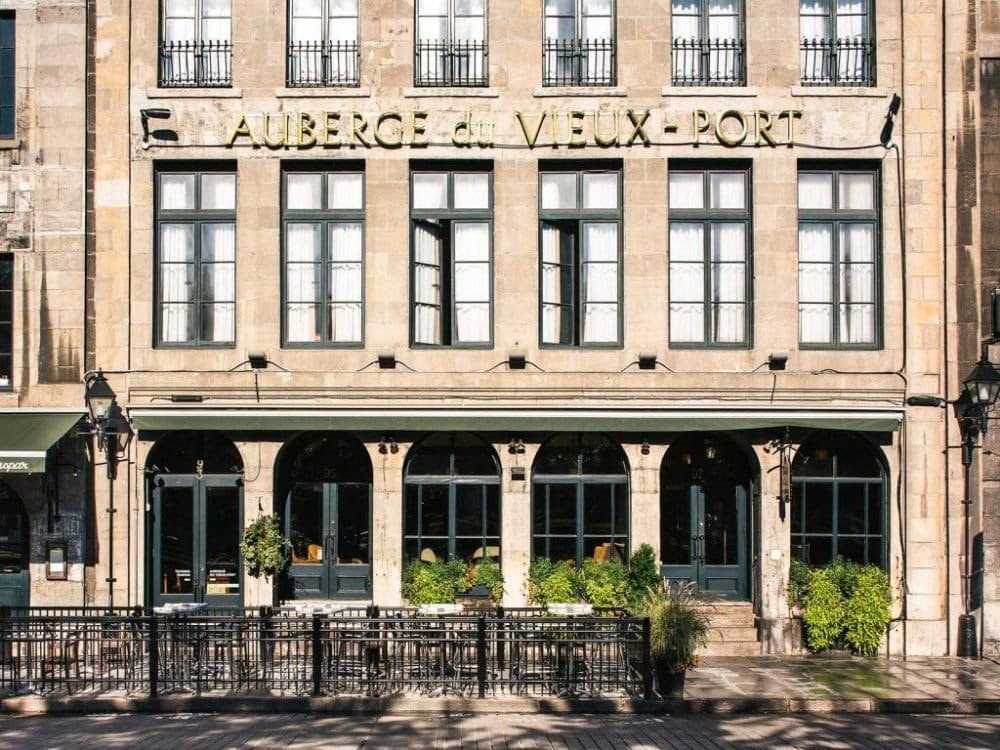


Auberge du Vieux-Port
Vieux Montréal, Montréal
Hotel in Montréal, Canada
 Book with Pearl
The Read
Heritage Warehouse Conversion
Why go
Auberge du Vieux-Port is worth booking for a first Montréal stay built around Old Montréal, the riverfront, and walkable dining. It is a stronger fit for couples and leisure travelers than for loyalty-driven business stays, with recognition from Condé Nast and MICHELIN Guide Hotels adding confidence.
About Auberge du Vieux-Port
Auberge du Vieux-Port is a Montréal hotel with Conde Nast Best Hotels #7 (2025) and MICHELIN Guide, Hotels Selected (2025). Travelers should consider it primarily for its recognized hotel standing, and confirm specific details about facilities, dining, room formats, pricing, or services before booking.
The dress code is smart casual. Travelers should confirm details such as restaurant format, cuisine, room count, amenity set, booking difficulty, or price structure directly.
Focus on Recognition, Confirm Specifics
Auberge du Vieux-Port's 2025 recognition from Conde Nast and the MICHELIN Guide hotel selection makes it a strong choice for travelers comparing premium Montréal stays. However, guests should confirm specific service style, dining program, or facility set directly before booking.
As dining format, cuisine, or price structure details are not available, it's recommended to treat the hotel as a base and plan meals separately in Montréal.
The right guest: travelers comparing recognized Montréal hotels
Auberge du Vieux-Port is ideal for travelers prioritizing a Montréal hotel with recognition. If you need specific amenities, room configurations, business facilities, dining details, or family-oriented services, confirm those details directly before booking.
When comparing options, Auberge du Vieux-Port can be considered alongside Hotel Nelligan, Hôtel William Gray, Le Petit Hotel, Le Place d'Armes Hotel & Suites, and Lofts du Vieux-Port. Guests should confirm specific differences in facilities, pricing, or service style directly.
Quick reference: choose it for Montréal hotel recognition and a smart-casual dress code. Confirm any amenity, dining, room, or service details before making plans around them.
Inside Auberge du Vieux-Port
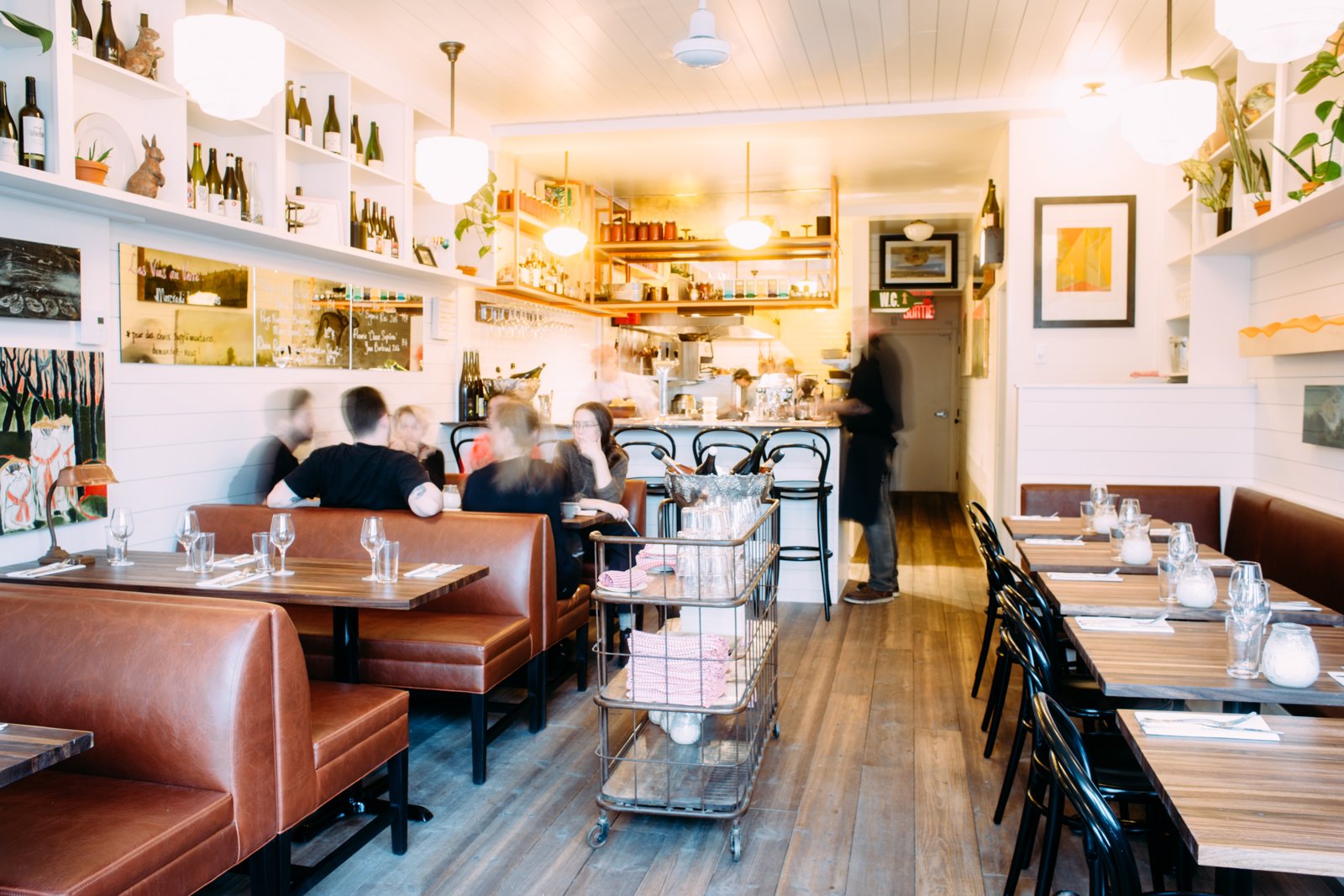
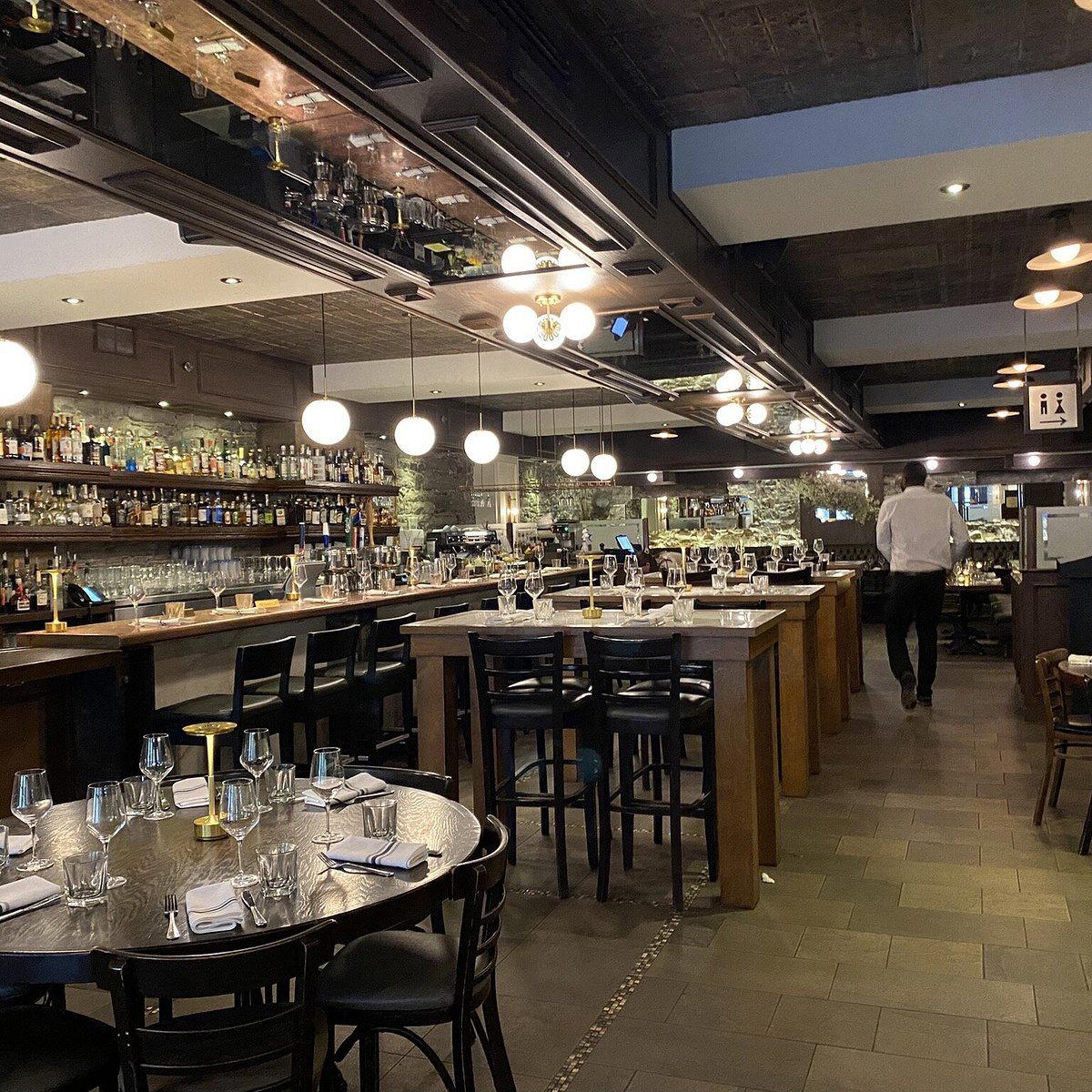 restaurantGaspar French BrasserieGaspar French Brasserie occupies a storied address on Rue de la Commune Est in Old Montreal, bringing the pacing and ritual of the Parisian brasserie tradition to a city that has long sustained serious French-inflected dining. The address alone places it in one of Montreal's most architecturally distinctive corridors, where the St. Lawrence waterfront sets an unhurried tone that suits the brasserie format well.
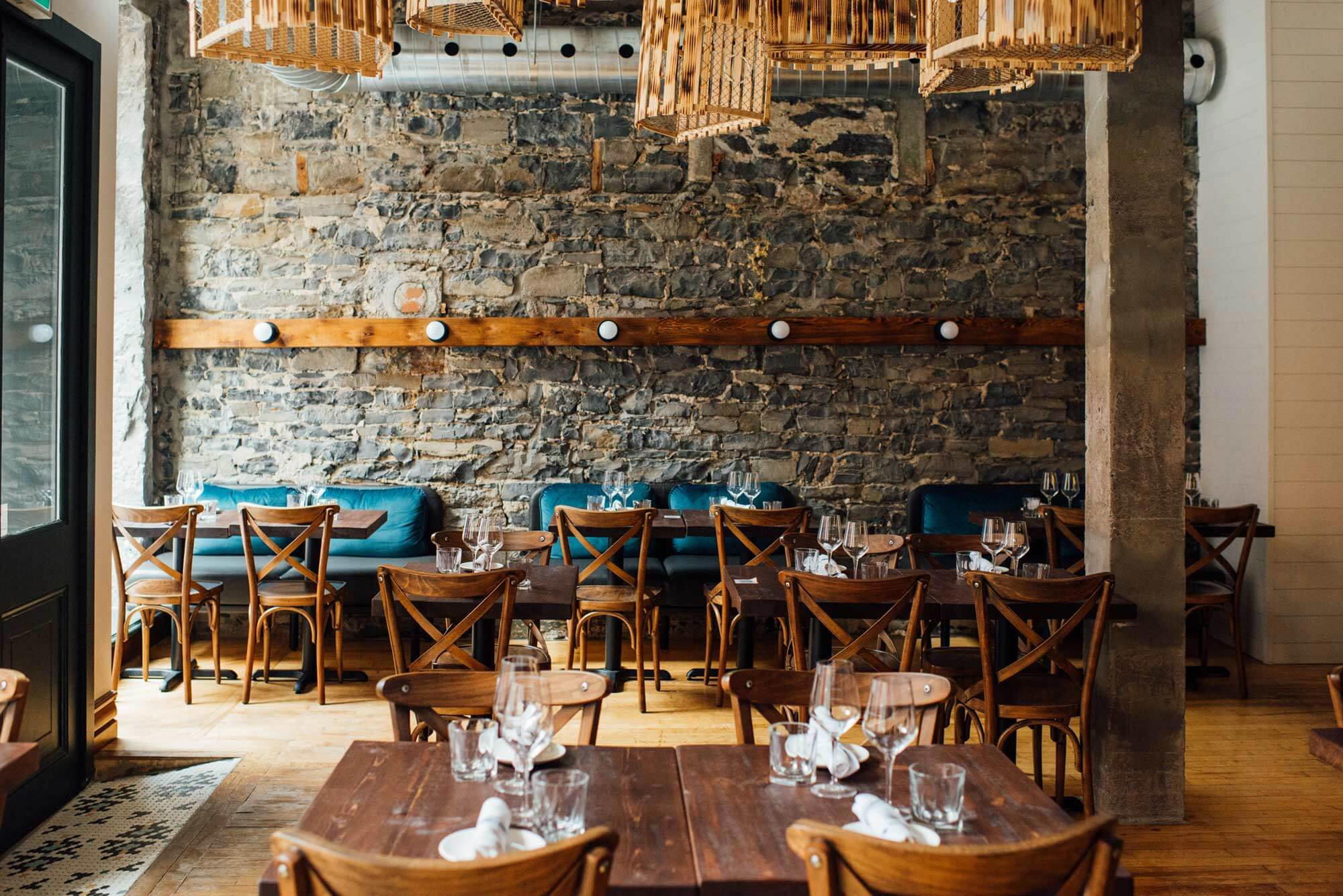 restaurantPincetteOn Rue Saint-Paul Est in Old Montreal, Pincette occupies a stretch where the neighbourhood's stone-walled character and the city's modern dining ambitions meet. The address places it within one of Canada's most concentrated dining corridors, where sourcing ethics and seasonal discipline now define which restaurants hold long-term relevance. A reservation here signals engagement with that conversation.
Planning details
- Location
- 97 Rue de la Commune E, Montréal, QC H2Y 1J1
- Website
- aubergeduvieuxport.com
- Phone
- +1 888-660-7678
The take
The Take
The Vibe
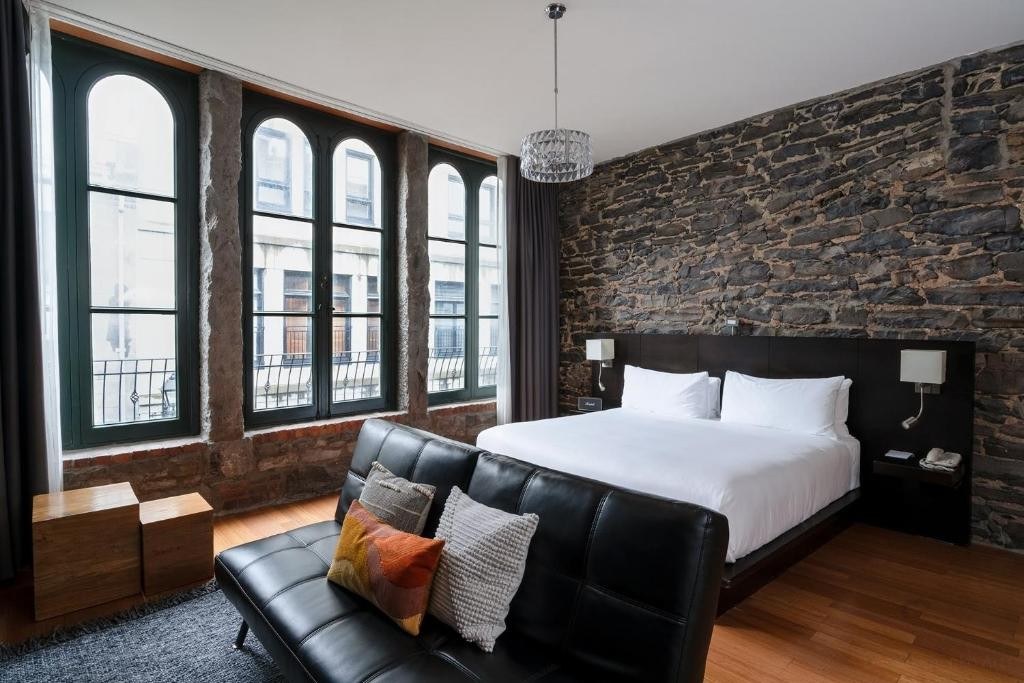
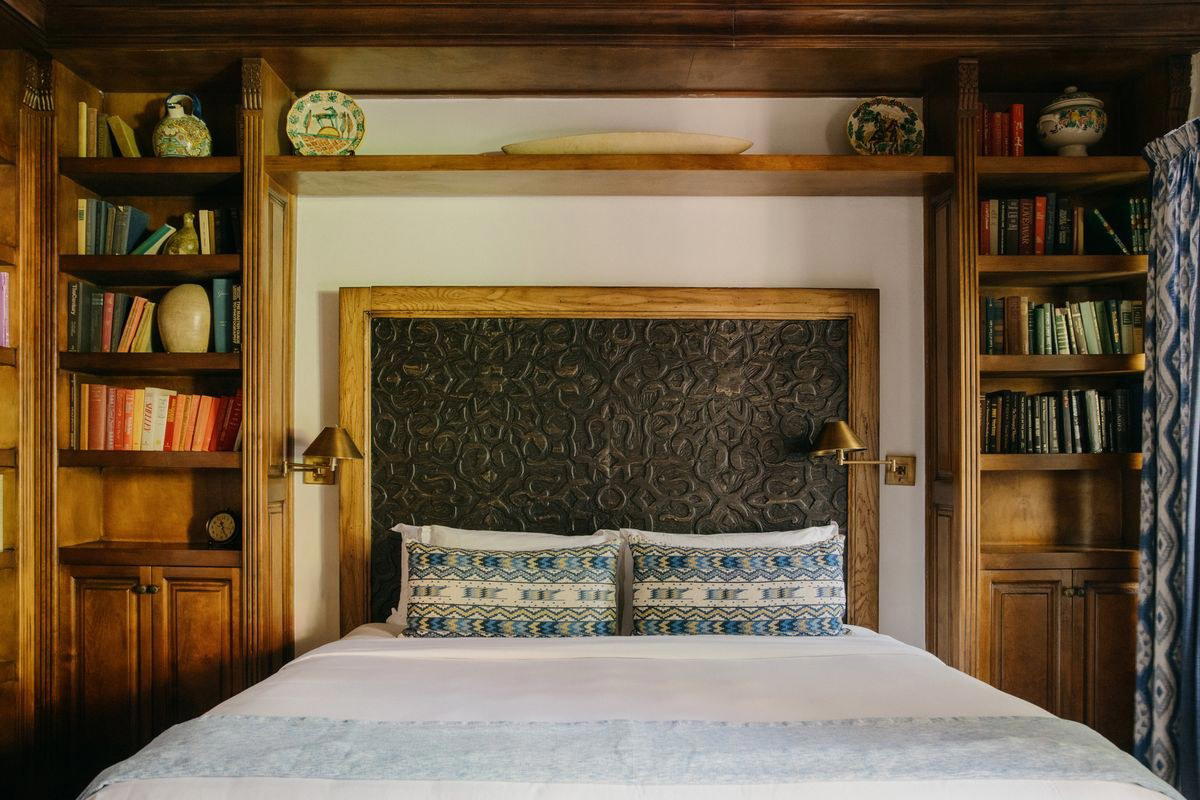
Auberge du Vieux-Port reads like a preserved chapter of Montreal’s past: a limestone‑faced, 19th‑century warehouse brought forward with much of its original structure intact. The property leans into material honesty—exposed brick, original timber and warehouse proportions are the primary architectural gestures rather than applied contemporary finishes. That integrity, paired with cobblestone streets outside and proximity to the St. Lawrence, gives the hotel a quietly evocative character. The result is an intimate, characterful stay that foregrounds place and history, feeling more like a piece of the Old Port than a transplanted luxury product.
Best For
Perched on Rue de la Commune beside the Old Port, the auberge is well suited for travelers who want to be immersed in Old Montreal’s architectural fabric. It’s a natural choice for romantic getaways and anniversaries—the historic bones and waterfront setting create a quietly special backdrop. Weekend explorers benefit from immediate access to cobbled streets, museums and the riverfront promenade, while business travelers who prefer characterful, boutique lodging over standard downtown hotels will find a compact, well‑situated option tied closely to the neighbourhood’s heritage.
Venue details
Ambiance
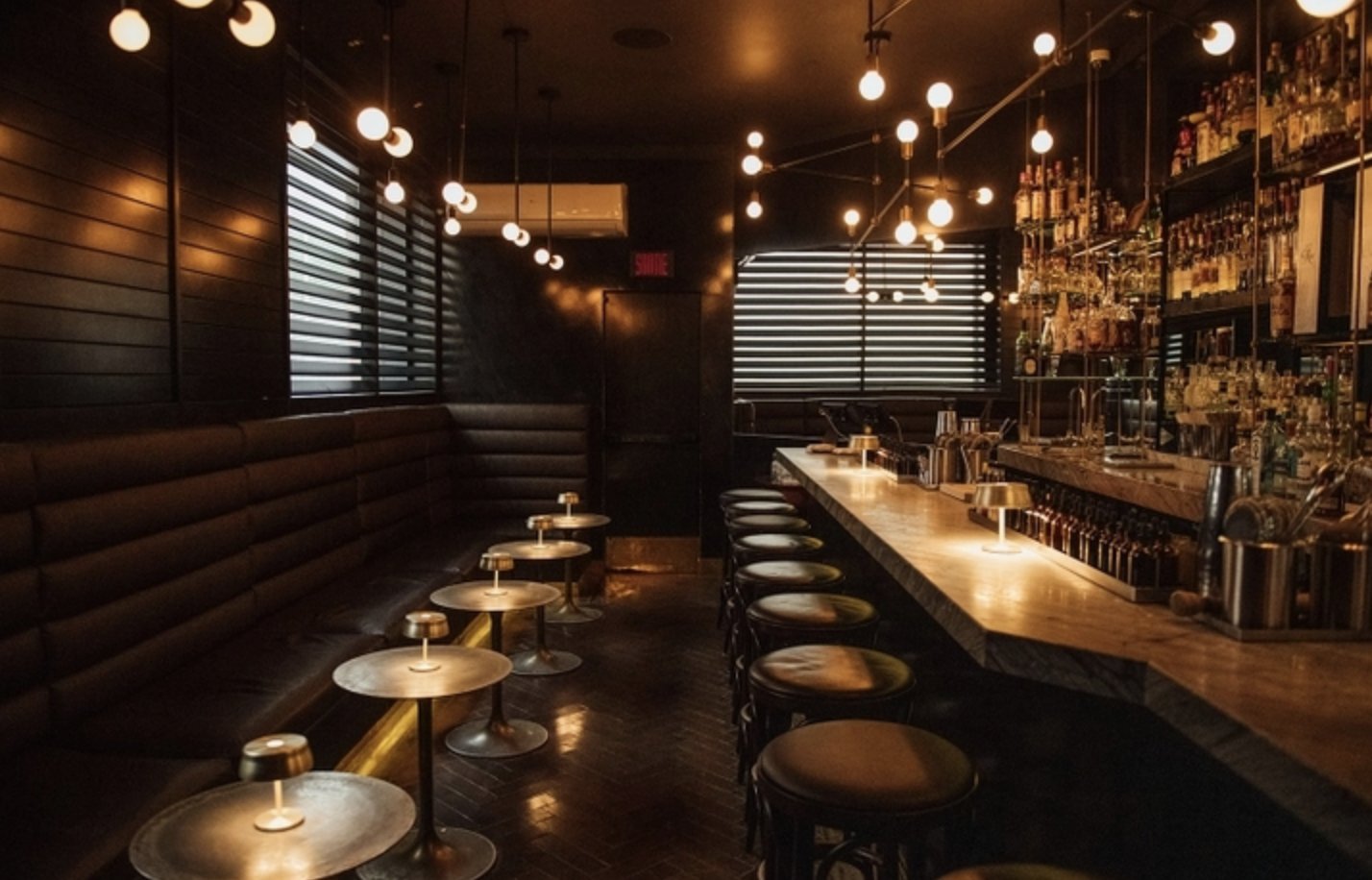
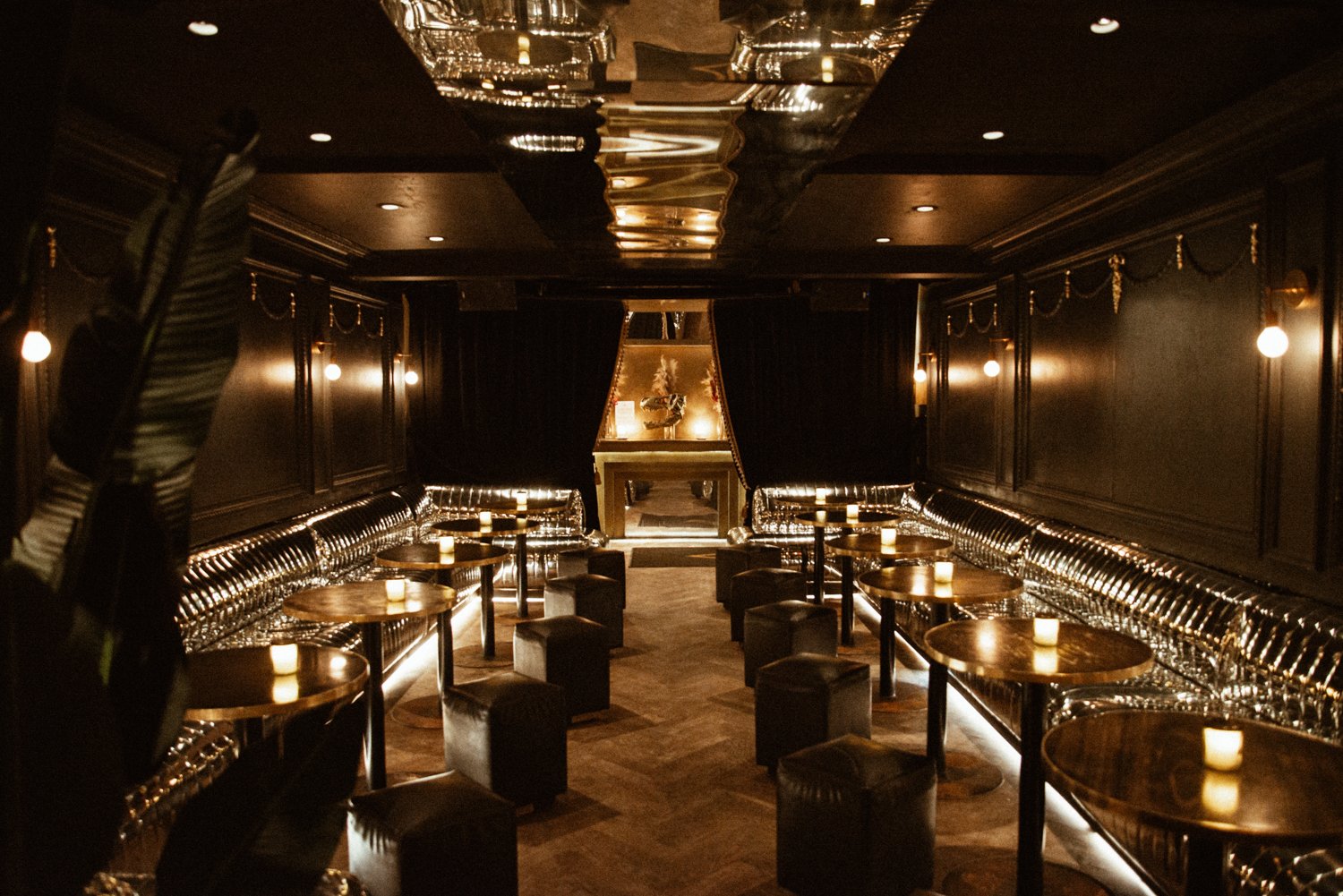
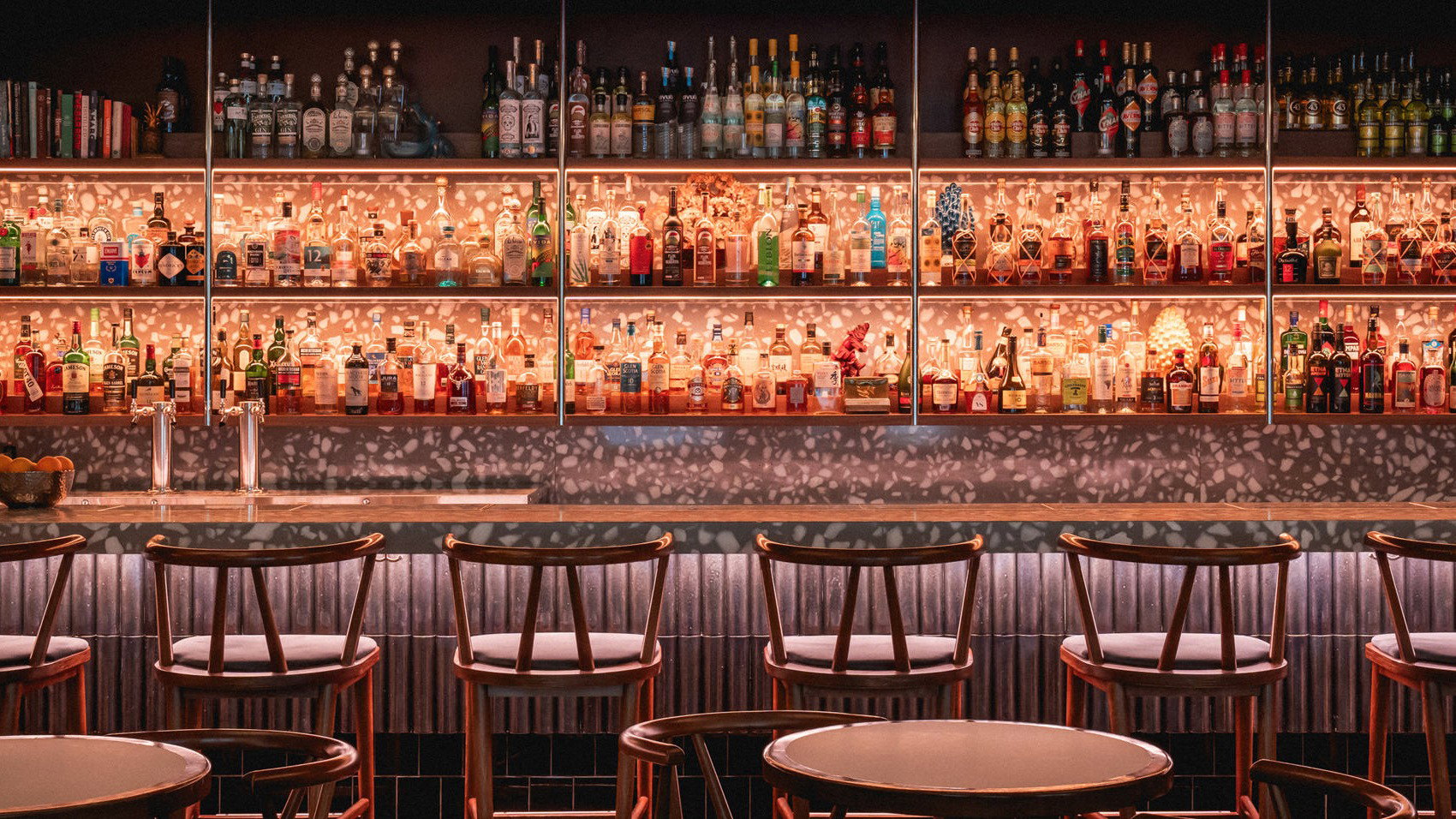
Cozy and elegant with exposed stone walls and beams, warm lighting from lobby fireplace, and a vibrant yet intimate multifunctional lounge featuring a library and chess table.
Tags
Vibe
Best For
Experience
Amenities
View
Accessibility
About the Stay
- Rooms
- 45
- Check-in
- 15:00
- Check-out
- 11:00
- Property Style
- Charming Boutique Hotel in a Restored 19th Century Warehouse Blending Historic Charm with Modern Luxury.
- Design Style
- Rustic Elegance with Exposed Beams, Stone Walls, Premium Frette Linens, and Le Labo Bath Products.
Know before you go
Know Before You Go
- Getting there
- 97 Rue de la Commune E, Montréal, QC H2Y 1J1
Planning details
Location
Recognition and awards

Also consider
Also Consider
- Lofts du Vieux-Port, Notable alternative
- Hôtel William Gray, Notable alternative
- Hotel Nelligan, Notable alternative
- Le Place d'Armes Hotel & Suites, Notable alternative
- Le Petit Hotel, Notable alternative
Hotel context
How It Compares in Old Montréal
Auberge du Vieux-Port is the safer pick if the brief is classic Old Montréal atmosphere with hotel service rather than an apartment-style stay. Lofts du Vieux-Port is the better cross-shop for travelers who want more independence and room-style flexibility, especially longer stays or families who care less about a traditional hotel rhythm.
Against Hôtel William Gray, the decision is about polish versus old-port character. William Gray is the stronger choice for a more contemporary, social hotel feel; Auberge du Vieux-Port is the better fit for guests who want the stay to read quieter and more historic. Hotel Nelligan sits closest as a peer, so compare room availability and rate first, then choose based on which building and location feel better for the trip.
Le Place d'Armes Hotel & Suites is a sensible alternative if suite-style space or a slightly different Old Montréal base matters, while Le Petit Hotel is the one to check when a smaller, simpler boutique stay is the goal. For a first-timer who wants service, atmosphere, and a port-side address in one package, Auberge du Vieux-Port remains the most direct choice among this set.
Explore Montréal
Around this place
Discover more on Pearl
Unlock the full Auberge du Vieux-Port guide in Pearl, including awards, comparisons, FAQs, planning details, and nearby places.
Compare Auberge du Vieux-Port
| Venue | Location | Awards |
|---|---|---|
| Auberge du Vieux-Port | Montréal | 2025 Conde Nast Best Hotels · #72025 Michelin Selected Hotels |
| Lofts du Vieux-Port | Montréal | No published awards |
| Hôtel William Gray | Montréal | No published awards |
| Hotel Nelligan | Montréal | No published awards |
| Le Place d'Armes Hotel & Suites | Montréal | 2026 Michelin 1 Key2025 Michelin 1 Key2024 Michelin 1 Key |
| Le Petit Hotel | Montréal | 2025 Conde Nast Best Hotels · #282025 Michelin 1 Key2024 Michelin 1 Key |


How Auberge du Vieux-Port Montréal compares with similar nearby venues.
FAQ
Frequently Asked Questions
Is Auberge du Vieux-Port family-friendly?
Specific family services, room layouts, or child-focused amenities are not detailed. If these matter, confirm them directly before booking and compare Auberge du Vieux-Port with Le Place d'Armes Hotel & Suites or another Montréal option.
Do loyalty programs work at Auberge du Vieux-Port?
Loyalty-program details are not available. Auberge du Vieux-Port is recognized for its Montréal setting, smart-casual dress code, and 2025 Conde Nast and MICHELIN Guide recognition. If loyalty benefits are important, compare directly with Hôtel William Gray or another Montréal hotel.
When is the best time to book Auberge du Vieux-Port?
Booking window, seasonality patterns, or availability guidance are not available. Book based on your Montréal travel dates and compare availability with Le Petit Hotel if Auberge du Vieux-Port does not fit your plans.
How is the dining at Auberge du Vieux-Port?
Specific dining format, cuisine, menu, price structure, or service schedule are not detailed. Auberge du Vieux-Port is recognized for Conde Nast Best Hotels #7 (2025) and MICHELIN Guide, Hotels Selected (2025). If dining is central to the trip, compare hotel options such as Hotel Nelligan and confirm current details directly.
How is the location of Auberge du Vieux-Port?
Auberge du Vieux-Port is in Montréal. For street-level planning, confirm specific location details directly. Lofts du Vieux-Port is another comparison to consider when reviewing Montréal hotel options.
How does Auberge du Vieux-Port compare to other hotels?
Auberge du Vieux-Port has 2025 recognition from Conde Nast and the MICHELIN Guide hotel selection. For a broader comparison, also review Hôtel William Gray, Hotel Nelligan, Le Petit Hotel, Le Place d'Armes Hotel & Suites, and Lofts du Vieux-Port, and confirm current rates, facilities, and services directly.
Is Auberge du Vieux-Port good for business travel?
Business facilities, meeting space, or corporate-travel services are not detailed. If those features matter, confirm them directly and compare Auberge du Vieux-Port with Hôtel William Gray or another Montréal hotel before booking.