

Domaine de Biar
Laverune, Montpellier
Hotel in Montpellier, France
 Book with Pearl
The Read
Slow-Food Estate Retreat
Why go
Domaine de Biar is worth booking if you want a quieter Montpellier base rather than a city-centre hotel. Michelin 2 Keys (2024) and a La Liste Top Hotels 2026 score of 92 points give it real credibility, but the practical fit is specific: strong for slower leisure stays, less ideal for business trips or restaurant-led nights in town.
About Domaine de Biar
Should you book Domaine de Biar for a Montpellier stay? Public signals are limited but strong: Domaine de Biar holds Michelin 2 Keys (2024) and appears in La Liste Top Hotels (2026) with 92pts. Beyond those recognitions and a smart-casual dress code, details on specific facilities, dining format, pricing, room count, or service style are not available, so the safest way to evaluate the property is by confirming the current details directly before booking.
Use the accolades as a quality signal, not as a substitute for trip planning. If your decision depends on exact location logistics, restaurant plans, spa access, pool time, or transport, verify those points with the hotel. Domaine de Biar may be compared with other regional hotel options such as Domaine de Verchant Hôtel & Spa, Horizon Resort Massane, Hôtel La Plage, Hôtel Plage Palace, and Hôtel Richer de Belleval, but the right choice depends on the practical details of your itinerary.
Book it for recognition, then confirm the specifics
The strongest case for Domaine de Biar is recognition: Michelin 2 Keys (2024) and La Liste Top Hotels (2026): 92pts. Those are meaningful signals for travellers who want a hotel with established critical notice in Montpellier. Details on a specific dining concept, spa program, room count, price point, or amenity list are not available.
If dates are fixed, compare Domaine de Biar with other relevant options early rather than relying on a last-minute search. Hôtel Richer de Belleval, Domaine de Verchant Hôtel & Spa, Horizon Resort Massane, Hôtel La Plage, and Hôtel Plage Palace are natural names to consider alongside it, depending on your plans and preferences.
How the stay should be used
Plan around its recognitions and verify the rest. Domaine de Biar is a Montpellier hotel with Michelin 2 Keys (2024), La Liste Top Hotels (2026): 92pts, and a smart-casual dress code. If dining is central to the trip, use our full Montpellier restaurants guide and confirm directly whether the hotel's current food and beverage offering fits your schedule.
Details are not available to recommend the dining, spa, leisure facilities, or any specific service as the reason to book. That does not make it a weak hotel choice; it simply means the decision should be anchored in its recognition and your own due diligence. Before committing, check the hotel's latest official information for amenities, booking terms, access, and any services that matter to your stay.
The right guest is someone who values the hotel's recognition and is comfortable verifying operational details before arrival. If your trip depends on highly specific amenities, exact dining plans, loyalty benefits, or a particular service format, confirm those points first or compare Domaine de Biar with other Montpellier-area options.
Inside Domaine de Biar
Planning details
- Location
- Chem. du Mas de Biar, 34880 Lavérune
- Website
- domainedebiar.com145
- Phone
- +33 4 67 65 70 06125
The take
The Take
The Vibe
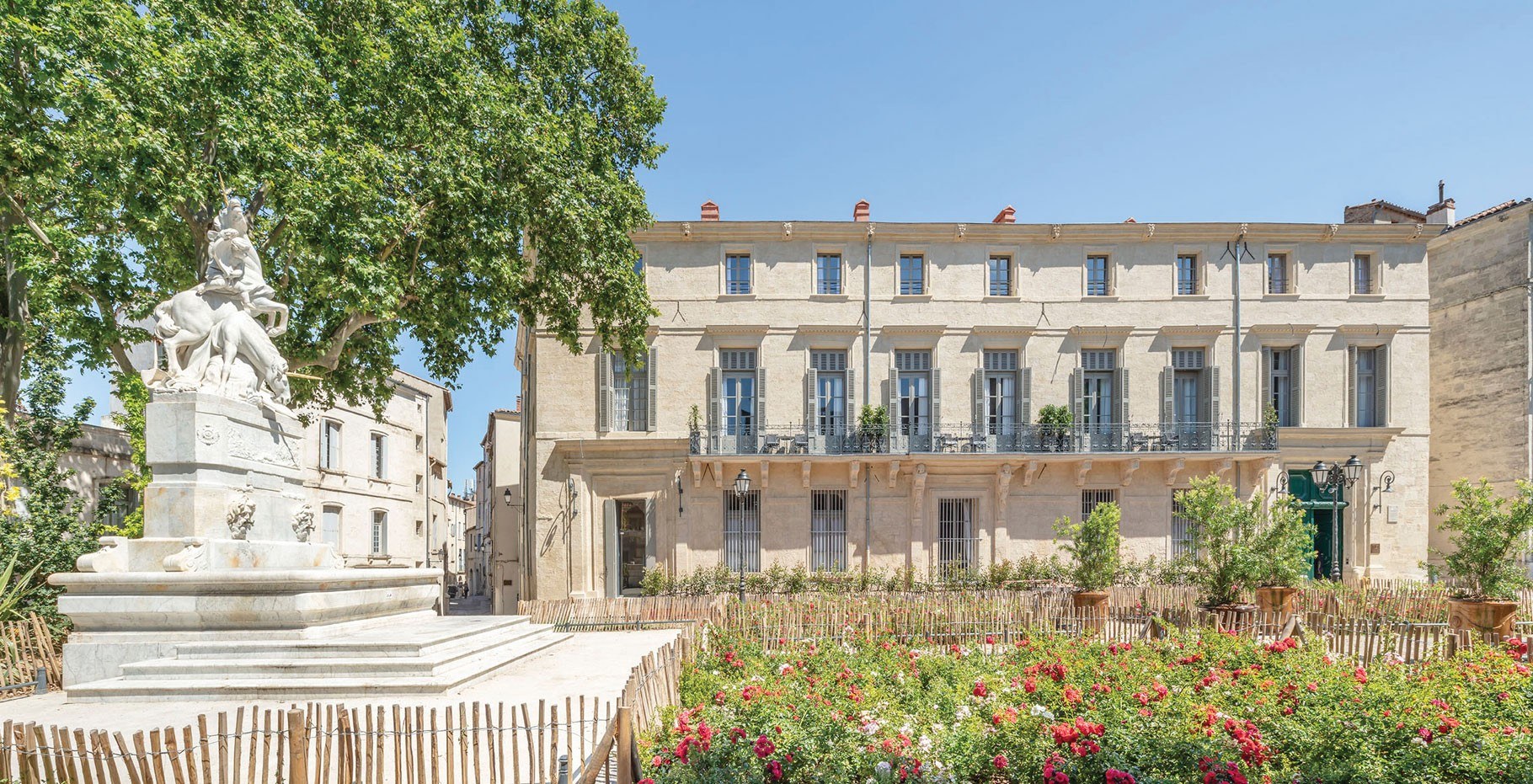
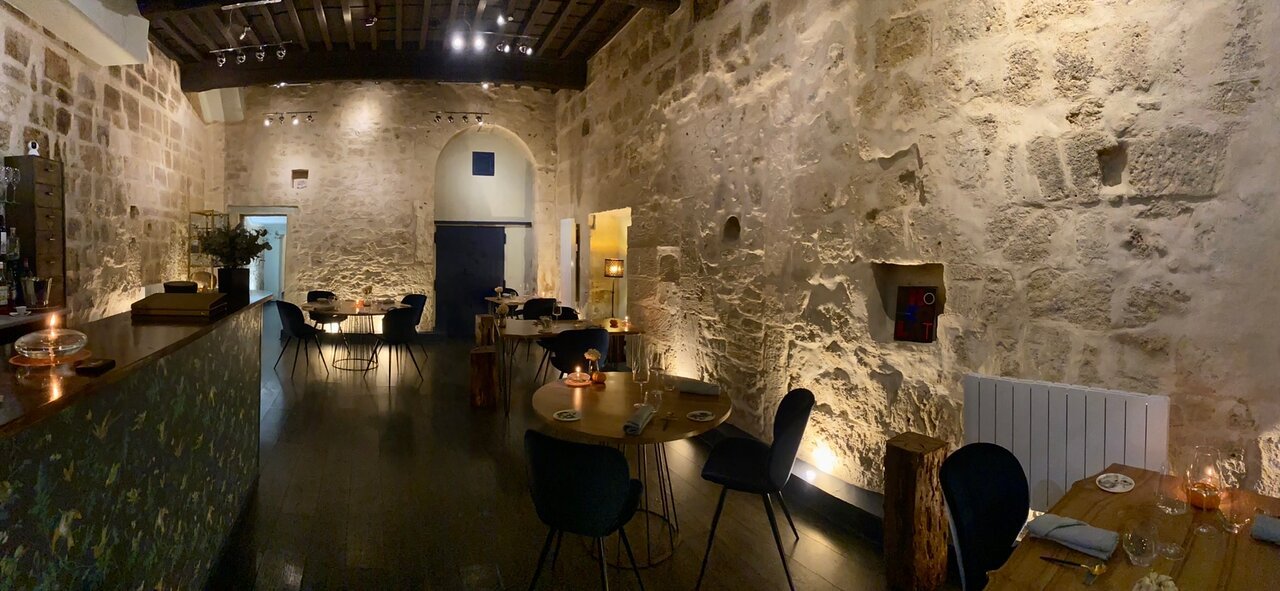
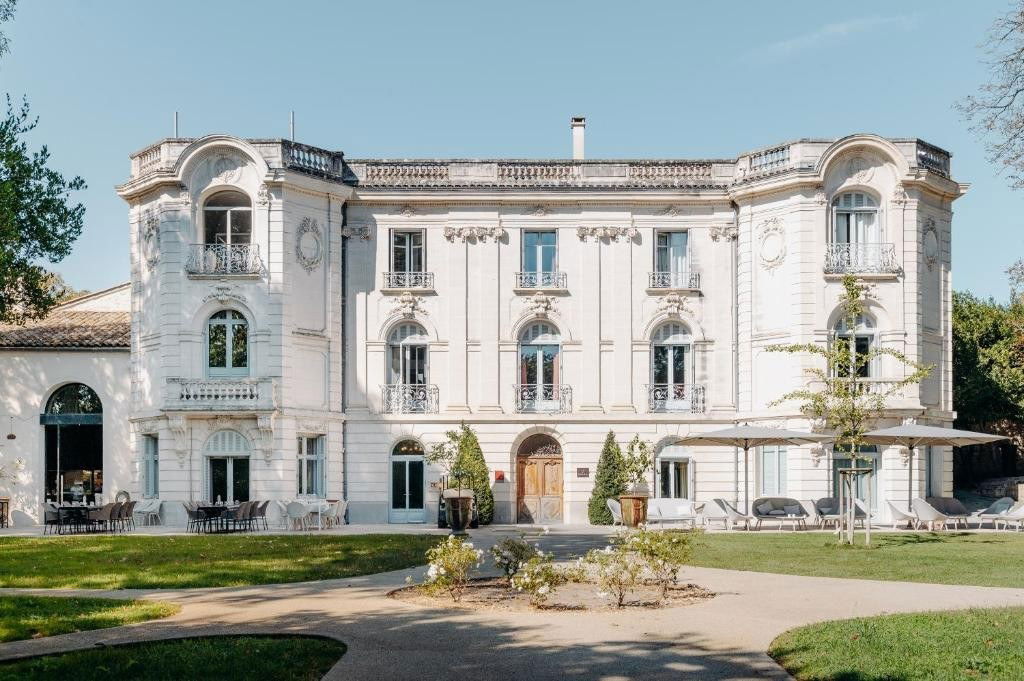
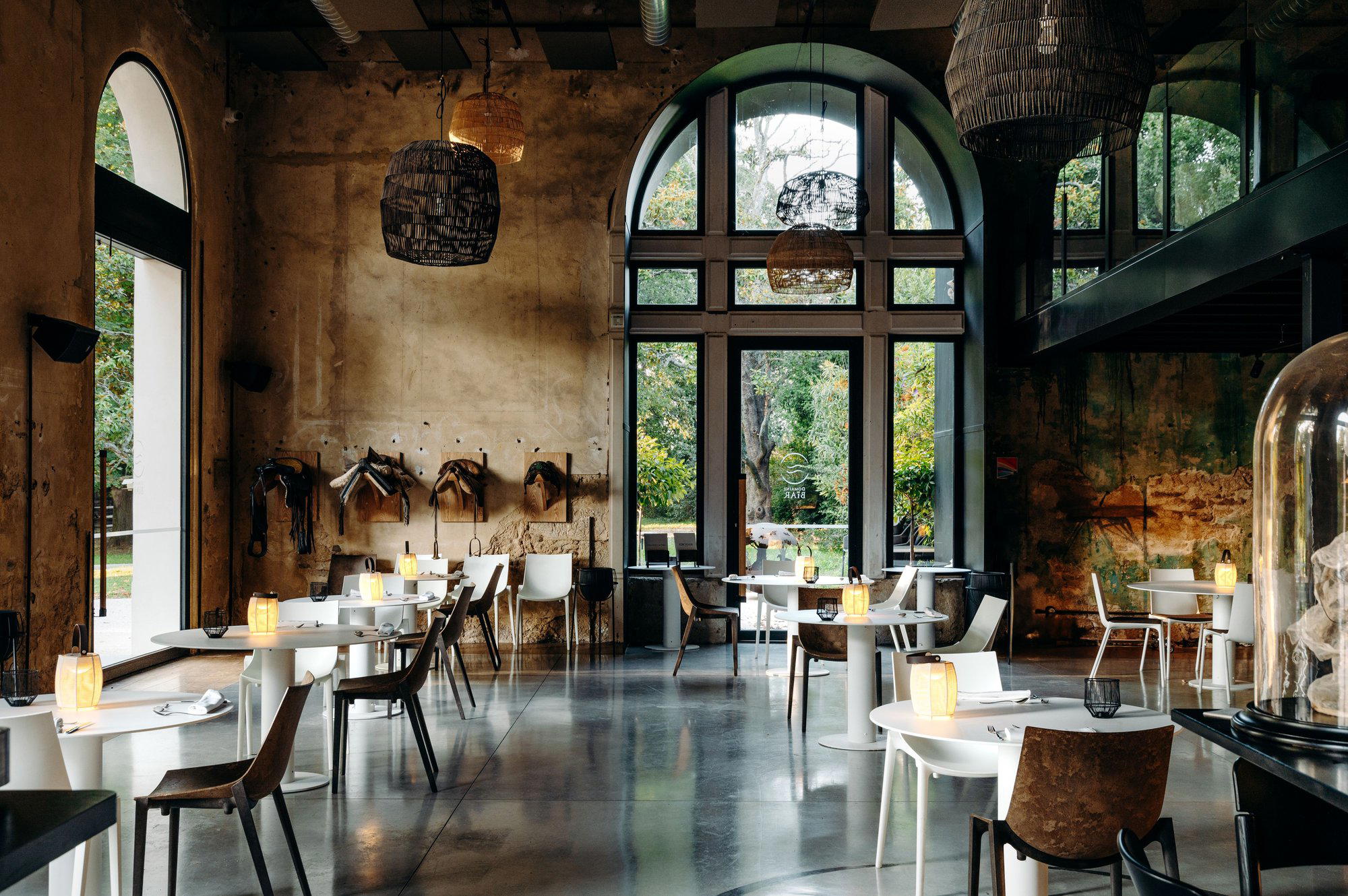
Domaine de Biar reads as an intimate, quietly assured country estate anchored in productive land. With just 13 rooms across more than 120 acres of meadow, farmland, old-growth trees and working vineyards, the property privileges scale and stewardship over spectacle. It is restaurant-led and ecologically minded, and its accolades — two Michelin Keys and strong La Liste recognition — underline a refined culinary focus within a relaxed rural setting. The overall effect is a small, charming retreat that feels cultivated rather than contrived: measured, private and designed for travelers who value provenance and calm over urban flash.
Best For
This estate is best for travelers who prize slow, food-forward country escapes. Couples and small-party guests seeking intimacy, discreet luxury and strong dining will find the profile particularly appealing: the hotel’s limited room count and restaurant-led programming make it a natural choice for gastronomic getaways. Its location six kilometres southwest of Montpellier places it within easy reach of the city while preserving a sense of rural seclusion, so it also suits weekenders and those who want a quiet base for exploring the Laverune countryside and nearby vineyards.
Stay Tips
Book early and treat dinner as part of the reservation: Domaine de Biar is restaurant-led with significant culinary credentials, and the property’s small size means availability is finite. Reserve both a room and an evening meal in advance, and note the hotel’s agricultural setting when planning logistics—it sits on a 120-acre working estate roughly six kilometres from central Montpellier. Rates are positioned around the property’s cited price bracket, so check the restaurant’s service times and any tasting menus when confirming your stay to ensure you experience the estate’s gastronomic offering.
Venue details
Ambiance
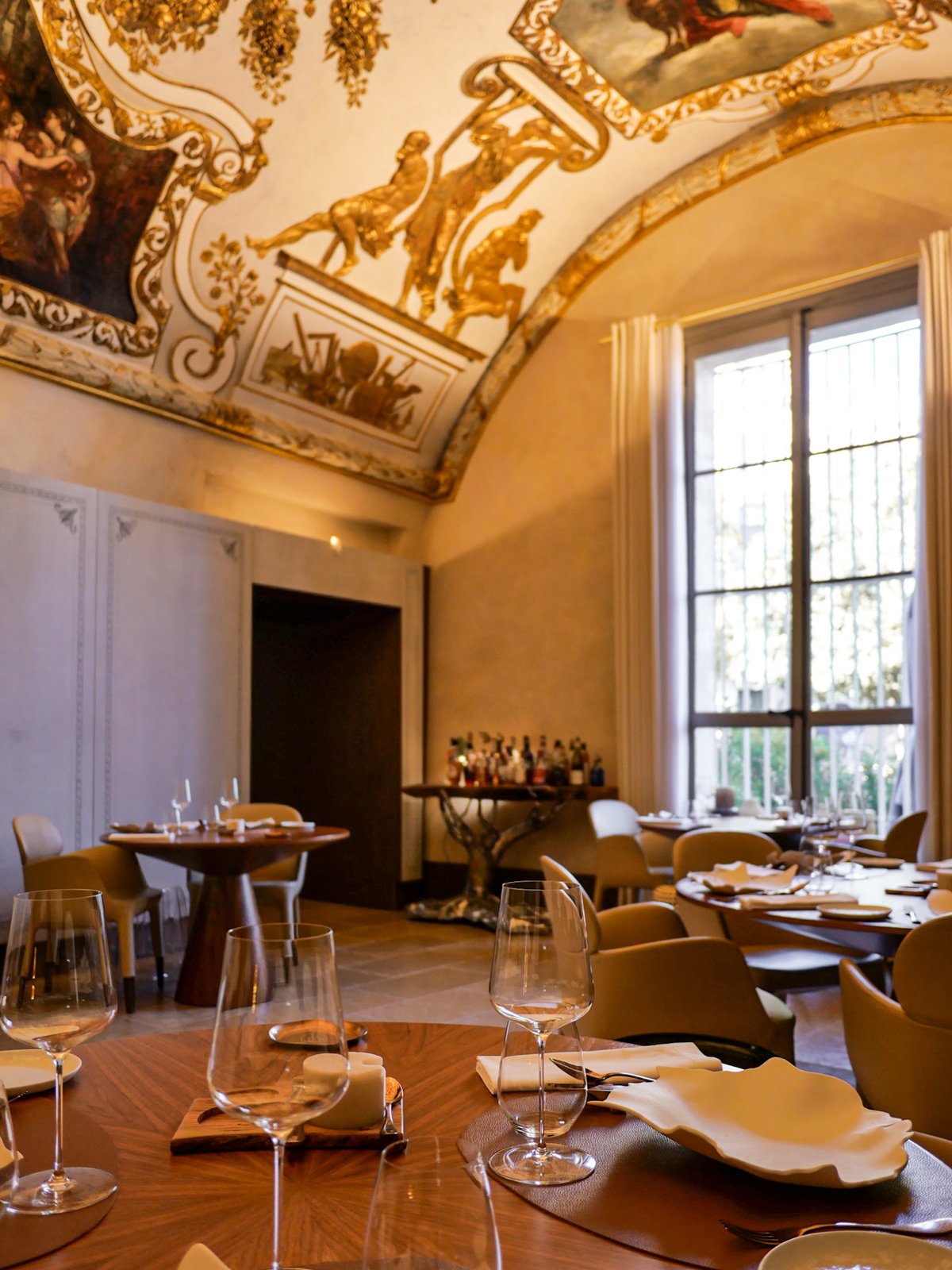
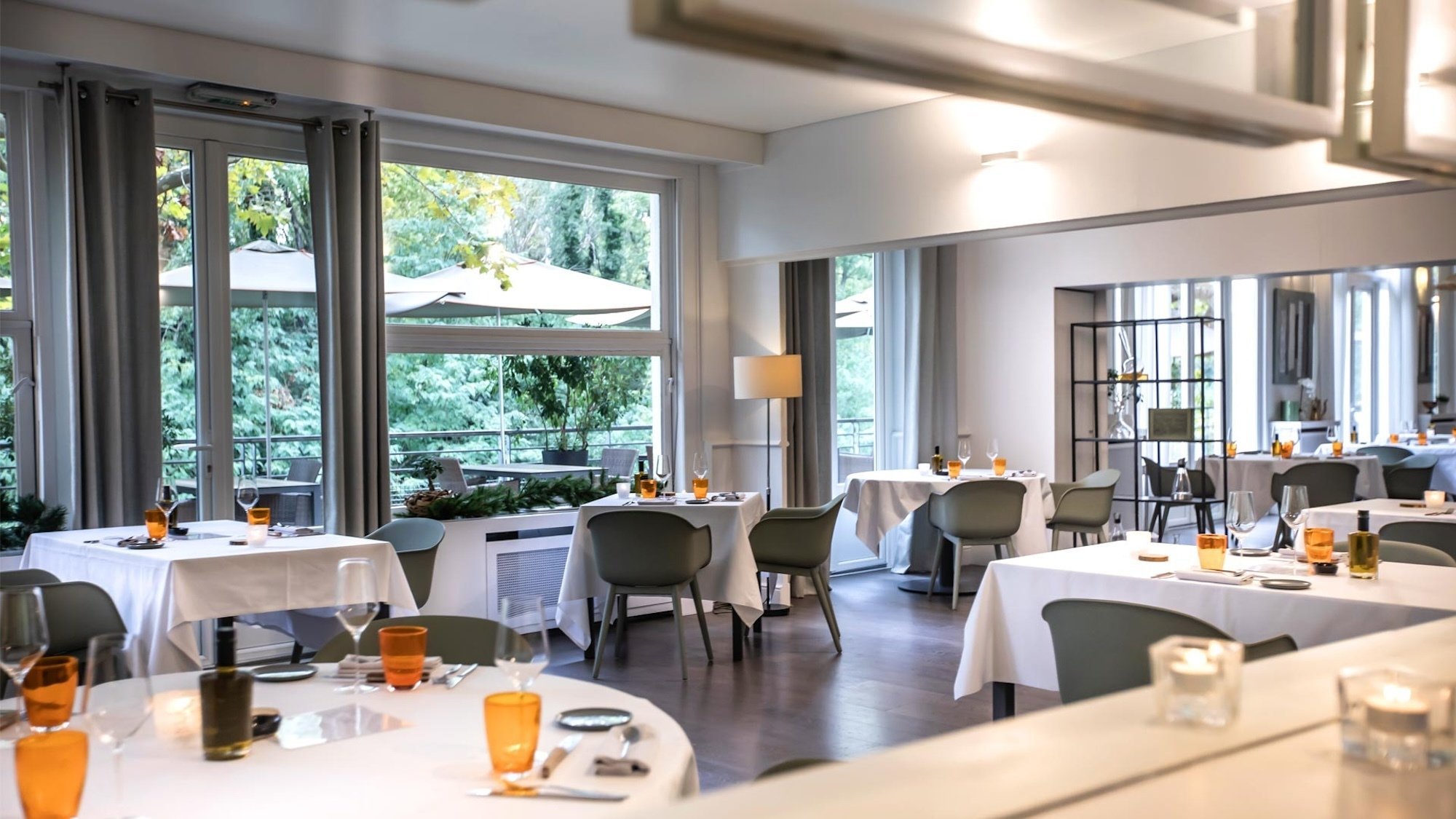
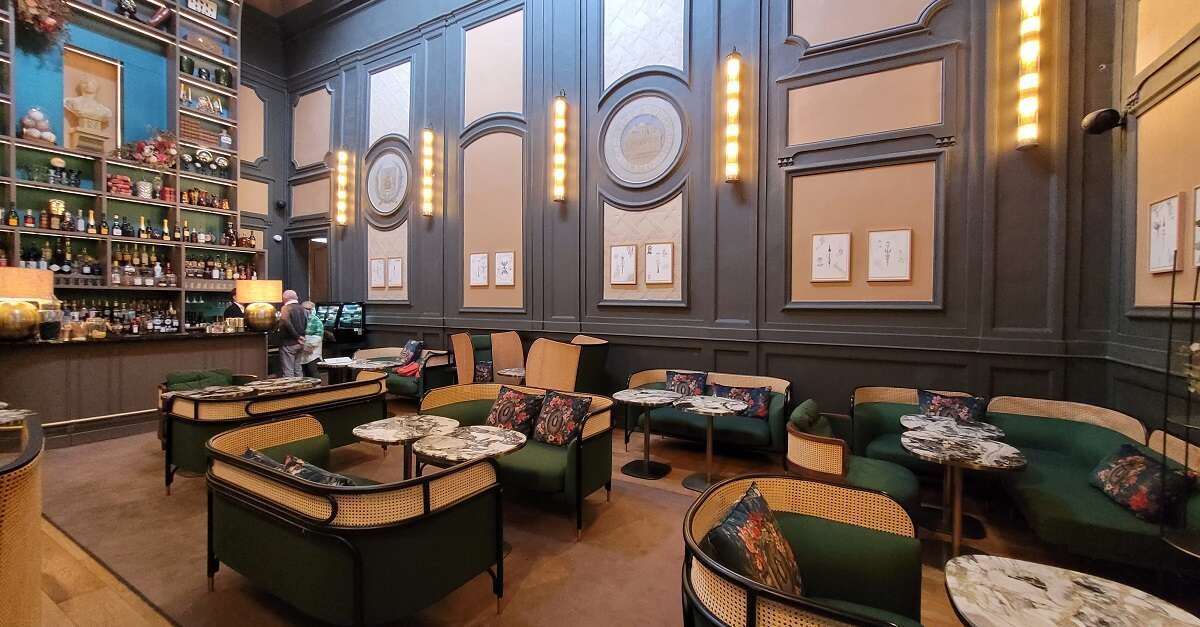
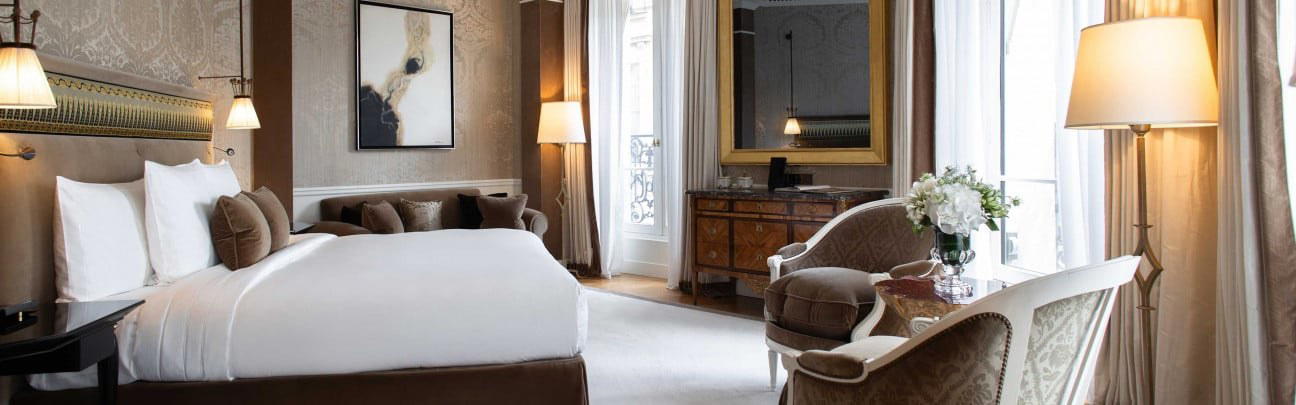
Relaxing and tranquil with natural light filtering through large windows, period features juxtaposed with contemporary art, and a serene, Garden of Eden-like atmosphere praised in guest reviews.
Tags
Vibe
Best For
Experience
Amenities
View
Accessibility
About the Stay
- Rooms
- 12
- Property Style
- Restored 18th Century Folie with Aristocratic Suites Featuring Period Details and Modern Comforts
- Design Style
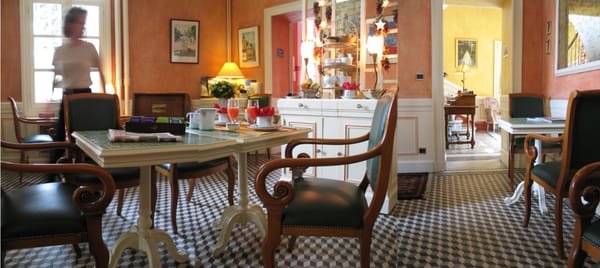
- Elegant Mix of Historic French Charm, Vintage Furniture, and Contemporary Touches
Know before you go
Know Before You Go
- Getting there
- Chem. du Mas de Biar, 34880 Lavérune
Planning details
Location
Recognition and awards

Also consider
Where to Look If This Is Full
If the goal is central Montpellier, try Hôtel Richer de Belleval first. If the trip is more spa-and-resort focused, Domaine de Verchant Hôtel & Spa is the more direct alternative. For beach time, shift the search to Hôtel Plage Palace.
Hotel context
How It Compares
Domaine de Biar is the retreat choice in this Montpellier set: book it when quiet, space, and a softer arrival matter more than being close to the centre. Hôtel Richer de Belleval is the better pick for a city break built around restaurants and walking access, while Horizon Resort Massane is the more functional option if resort facilities or straightforward movement around the area matter more than atmosphere.
Domaine de Verchant Hôtel & Spa is the closest cross-shop for guests who want a polished out-of-town hotel with spa-oriented positioning. Choose Domaine de Biar if the priority is a quieter, more independent-feeling stay; choose Verchant if the trip needs a fuller resort-style setup. For beach-led plans, Hôtel Plage Palace and Hôtel La Plage make more sense, because they put the coast at the centre of the trip rather than Montpellier itself.
Booking difficulty is the main caution. Domaine de Biar is worth prioritising early for leisure dates, but anyone with fixed plans should keep Richer de Belleval for the city, Verchant for spa focus, and Plage Palace for beach time as realistic backups.
Around this place
Discover more on Pearl
Unlock the full Domaine de Biar guide in Pearl, including awards, comparisons, FAQs, planning details, and nearby places.
Compare Domaine de Biar
| Venue | Location | Awards |
|---|---|---|
| Domaine de Biar | Montpellier | 2026 La Liste Top HotelsMichelin 2 Keys 20252025 Michelin 2 Keys2024 Michelin 2 Keys |
| Hôtel Richer de Belleval | Montpellier | 2026 Relais Chateaux Hotels2025 Michelin 1 Key2025 Relais Chateaux Award2025 Gault & Millau Exceptional Hotel |
| Domaine de Verchant Hôtel & Spa | Castelnau-le-Lez | 2026 Virtuoso Luxury Hotel Collection2025 Relais Chateaux Award2025 Gault & Millau Exceptional Hotel2025 Michelin 1 Key2024 Michelin 1 Key |
| Hôtel Plage Palace | Palavas-les-Flots | 2026 Michelin Guide New Hotels2025 Michelin Selected Hotels2025 Gault & Millau Exceptional Hotel |
| Horizon Resort Massane | Montpellier | No published awards |
| Hôtel La Plage | La Grande Motte | No published awards |





How Domaine de Biar Montpellier compares with similar nearby venues.
FAQ
Frequently Asked Questions
How is the location of Domaine de Biar?
Domaine de Biar is in Montpellier. A street address, neighborhood, or distance to specific landmarks is not available, so confirm exact logistics directly before booking.
How is the pool and spa at Domaine de Biar?
Details on pool or spa facilities at Domaine de Biar are not available. If those amenities are important to your stay, check the hotel's official information before booking.
Is Domaine de Biar good for business travel?
The signals are Michelin 2 Keys (2024), La Liste Top Hotels (2026): 92pts, and a smart-casual dress code. Business-specific facilities or services are not available, so business travellers should confirm meeting, workspace, transport, and connectivity needs directly.
Do loyalty programs work at Domaine de Biar?
Loyalty-program details are not available, so do not plan around points or elite benefits. If loyalty status is a major factor, compare the stay against other hotels in Montpellier and check Domaine de Biar's official channels for the latest details.
How is the dining at Domaine de Biar?
Details on the dining concept, cuisine, chef, menu format, or meal service at Domaine de Biar are not available. The hotel's recognition is Michelin 2 Keys (2024) and La Liste Top Hotels (2026): 92pts; confirm current dining details directly if food is central to the trip.