
Galeria Plaza Monterrey
Centro, Monterrey
Hotel in Monterrey, Mexico
 Book with Pearl
The Read
Centro Business Anchor
Why go
Galeria Plaza Monterrey is a practical Centro pick for travelers who want an easy downtown base rather than a resort-style stay. It makes the clearest sense for business trips and families prioritizing location, simple logistics, and easy booking, with Preferred Hotels membership adding a useful trust signal.
About Galeria Plaza Monterrey
For a Monterrey trip, Galeria Plaza Monterrey is a hotel to evaluate on its core basics: its Monterrey location, smart casual dress code, and Preferred Hotels Member recognition for 2025.
Travelers should confirm current operating details directly with the hotel before booking, including rooms, on-property dining, family facilities, wellness amenities, and business services. The safest way to frame Galeria Plaza Monterrey is as a Monterrey hotel with a Preferred Hotels affiliation, rather than as a property defined by a specific restaurant, spa, pool, or resort-style program.
A Monterrey base with limited detail
Galeria Plaza Monterrey may make sense for travelers who want to stay in Monterrey and prefer a hotel with a recognized affiliation. The Preferred Hotels Member recognition for 2025 is the main trust signal. For details such as specific amenities, room types, dining strengths, or family features, contact the hotel directly.
Set expectations accordingly. Plan around the city location, smart casual dress code, and Preferred Hotels Member recognition. If a particular service format, neighborhood, restaurant concept, wellness focus, or child-specific offering matters to the trip, confirm it with the hotel before committing.
Who should choose it, and who should cross-shop
Choose Galeria Plaza Monterrey if you want a Monterrey hotel and value the reassurance of Preferred Hotels Member recognition for 2025. It is also a reasonable option to keep on a shortlist when the goal is to compare hotels in the city.
Travelers who are comparing hotel options in Monterrey can also review Live Aqua Urban Resort Monterrey, Grand Fiesta Americana Monterrey Valle, JW Marriott Hotel Monterrey Valle, and Habita Monterrey. Cuatrociénegas Municipality is a different kind of comparison point and should not be treated as a like-for-like Monterrey city hotel. For any of these options, confirm current amenities, dining, room types, and policies directly before booking.
Planning details
- Location
- Constitución 411, Centro, 64000 Monterrey, N.L.
- Website
- galeriaplazahotels.com.mx/es/monterrey
- Phone
- +52 81 1167 4100
The take
The Take
The Vibe
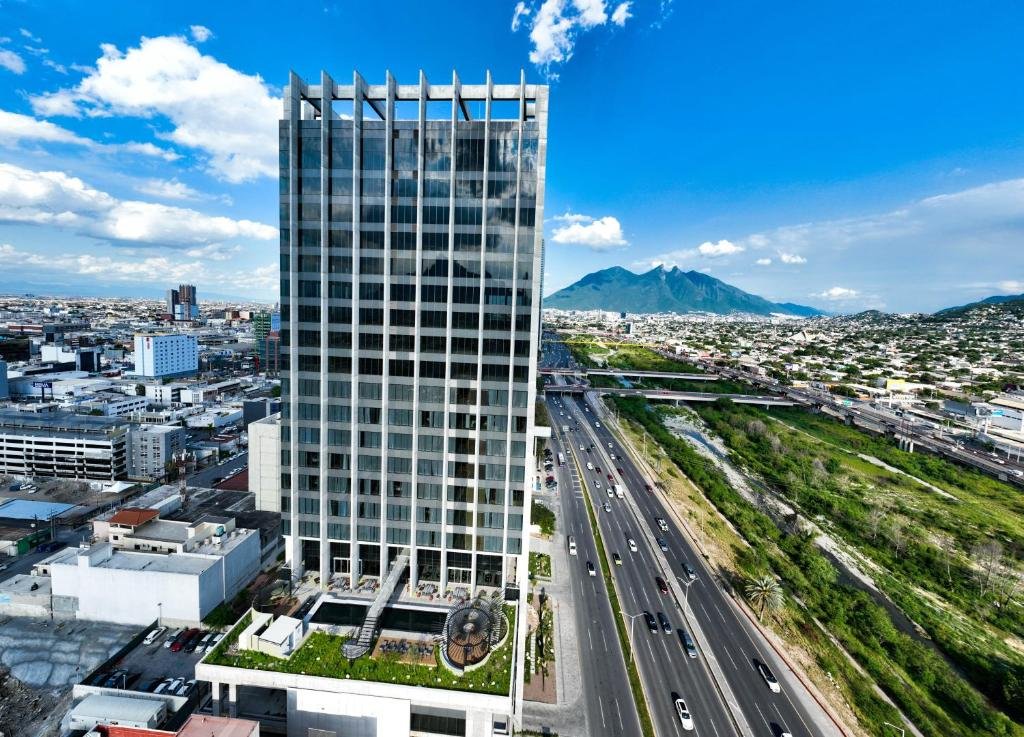
Galeria Plaza Monterrey reads as an urban, civic-era business hotel embedded in Monterrey’s Centro. It sits on Constitución amid monumental civic architecture and cultural institutions — the Macroplaza, MARCO and the cathedral — giving the property a sense of institutional gravitas rather than resort escape. The building belongs to the architectural lineage of late 20th-century urban hotels, with the corridor’s glass facades and recessed-lobby logic signaling modernity and formal confidence. Guests experience a hotel that participates in the city’s public life: metropolitan, tied to monuments and municipal rhythms, and oriented toward downtown activity rather than tranquil seclusion.
Best For
This hotel is best for travelers whose plans center on Monterrey’s civic and commercial nodes. With 206 rooms and explicit conference infrastructure scaled to corporate use, Galeria Plaza serves visiting businesspeople, government delegations and meeting schedules that require walkable access to institutions like MARCO and the government palaces. It favors itinerary-driven stays — museum visits, meetings along Constitución and quick access to downtown offices — over guests seeking residential quiet or resort amenities. Choosing this address means prioritizing cultural proximity, walkability and efficient downtown logistics.
Stay Tips
Book Galeria Plaza Monterrey when your aim is proximity to Centro’s cultural and civic institutions or when you need conference-capable meeting space. Reserve early for dates that coincide with civic events or business conferences in the Macroplaza or nearby government offices, since demand ties closely to downtown programming. Expect a downtown trade-off: excellent walkability to museums and official buildings but less of the residential calm found in riverfront barrios or San Pedro. For business travelers, confirm meeting-room needs with the hotel in advance to secure appropriate conference facilities.
Venue details
Ambiance
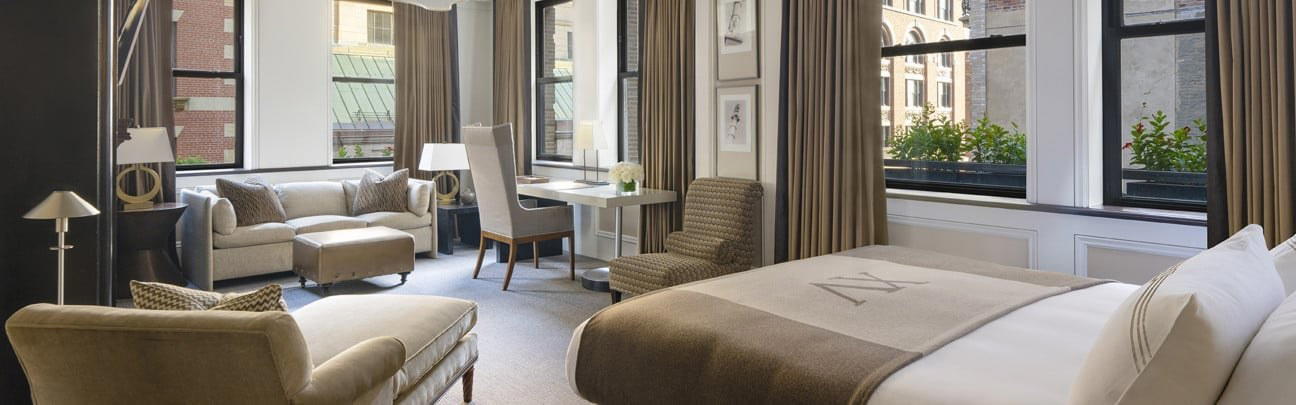
Modern and stylish with spacious, quiet rooms and a comfortable, clean atmosphere praised by guests.
Tags
Vibe
Best For
Experience
Amenities
View
Accessibility
About the Stay
- Rooms
- 206
- Check-in
- 15:00
- Check-out
- 12:00
- Property Style
- Contemporary Urban Hotel with Upscale Amenities.
- Design Style
- Modern and Elegant with Clean Lines and Premium Finishes.
Know before you go
Know Before You Go
- Getting there
- Constitución 411, Centro, 64000 Monterrey, N.L.
Planning details
Location
Constitución 411, Centro, 64000 Monterrey, N.L. · Directions
Recognition and awards
Also consider
Also Consider
- Live Aqua Urban Resort Monterrey, Notable alternative
- Grand Fiesta Americana Monterrey Valle, Notable alternative
- JW Marriott Hotel Monterrey Valle, Notable alternative
- Habita Monterrey, Notable alternative
- Cuatrociénegas Municipality, Notable alternative
Hotel context
How Galeria Plaza Monterrey compares in Monterrey
Galeria Plaza Monterrey is the practical Centro choice: easier to justify when location and booking simplicity matter more than a polished leisure atmosphere. Live Aqua Urban Resort Monterrey, Grand Fiesta Americana Monterrey Valle, and JW Marriott Hotel Monterrey Valle are stronger cross-shops for travelers who want the Valle/San Pedro side of Monterrey and a more complete upscale-hotel feel.
For families, Galeria Plaza Monterrey is the value-of-convenience play: choose it when the day involves multiple city stops and the hotel is mainly a base. Choose Grand Fiesta Americana Monterrey Valle or JW Marriott Hotel Monterrey Valle when room comfort, service polish, and a more conventional luxury-hotel setting matter more than downtown access. Live Aqua Urban Resort Monterrey is the better fit for a leisure-leaning stay where atmosphere carries more weight.
Habita Monterrey is the design-minded alternative, better for couples or style-focused travelers than for families who want predictable logistics. Cuatrociénegas Municipality should not be treated as a like-for-like Monterrey hotel substitute; consider it only if the trip is shifting away from a city stay toward a separate regional plan.
Explore Monterrey
Around this place
Discover more on Pearl
Unlock the full Galeria Plaza Monterrey guide in Pearl, including awards, comparisons, FAQs, planning details, and nearby places.
Compare Galeria Plaza Monterrey
| Venue | Location | Awards |
|---|---|---|
| Galeria Plaza Monterrey | Monterrey | Preferred Hotels Member 2025 |
| Live Aqua Urban Resort Monterrey | San Pedro Garza Garcia | No published awards |
| Grand Fiesta Americana Monterrey Valle | San Pedro Garza Garcia | No published awards |
| JW Marriott Hotel Monterrey Valle | San Pedro Garza Garcia | No published awards |
| Habita Monterrey | San Pedro Garza Garcia | No published awards |
| Cuatrociénegas Municipality | Cuatro Cienegas | No published awards |
How Galeria Plaza Monterrey compares with similar nearby venues.
FAQ
Frequently Asked Questions
Is Galeria Plaza Monterrey good for business travel?
It may be worth considering for a Monterrey stay, especially if Preferred Hotels Member recognition for 2025 matters to you. If you need specific business facilities or work-related services, confirm those details directly with the hotel before booking.
How is the location of Galeria Plaza Monterrey?
Galeria Plaza Monterrey is in Monterrey. Use the hotel's official channels if you need exact arrival or transportation information.
How is the dining at Galeria Plaza Monterrey?
Confirm any restaurant, bar, breakfast, or room-service information directly with the venue before relying on it. If dining is central to the trip, compare other Monterrey hotel options such as JW Marriott Hotel Monterrey Valle and Grand Fiesta Americana Monterrey Valle as well.
How is the pool and spa at Galeria Plaza Monterrey?
Do not book on the assumption that particular wellness amenities are available unless the hotel confirms them directly. Travelers comparing hotel amenities in Monterrey may also review Live Aqua Urban Resort Monterrey.
Which room category is best at Galeria Plaza Monterrey?
The safest approach is to contact Galeria Plaza Monterrey directly, explain the purpose of your stay, and ask which current room type best fits your needs. Design-focused travelers may also compare Habita Monterrey.
Do loyalty programs work at Galeria Plaza Monterrey?
The affiliation is Preferred Hotels Member recognition for 2025. Any specific loyalty benefits, earning rules, upgrades, or booking advantages should be confirmed through the hotel or the relevant program before booking. Cuatrociénegas Municipality is not a like-for-like Monterrey hotel comparison.