

Hotel in Montemagno, Italy
TENUTA MONTEMAGNO Relais & Spa
275Pearl PointsSpa-first stay

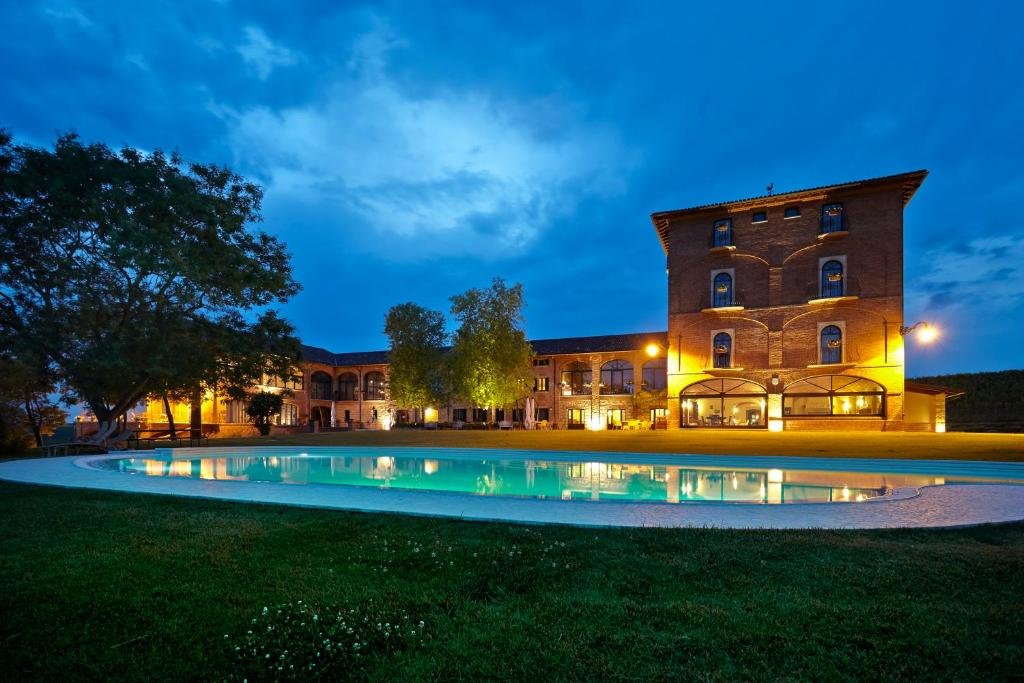
About TENUTA MONTEMAGNO Relais & Spa
TENUTA MONTEMAGNO Relais & Spa is a sensible Montemagno shortlist pick for travelers who want a quiet countryside relais with spa time built into the trip. Do not book it solely for dining unless the current restaurant format fits your dates; the stronger case is the rural Monferrato base and 2025 World Luxury Hotel Awards recognition.
TENUTA MONTEMAGNO Relais & Spa is a Montemagno venue with limited verified public detail in this profile. The confirmed facts are narrow: the dress code is smart casual, the venue has World Luxury Hotel Awards 2025 recognition as a WLHA Global Winner, WLHA Country Winner, WLHA Finalist. Beyond that, this guide should be read cautiously rather than as a complete service description. In practical terms, the profile is useful for framing the venue, but it should not be treated as a full inventory of what is available at the time of booking.
Because the verified data does not confirm rates, room count, dining format, cuisine, opening schedule, chef, amenities beyond the venue name, or specific service details, the safest booking approach is to confirm the current offering directly before planning a stay around any one feature. Treat the confirmed awards recognition as a useful signal, but not as a substitute for checking whether the present setup matches your trip. That distinction is especially important when a stay depends on a particular meal, service style, or facility: without verified detail, those elements remain questions to settle before you commit.
Book for the confirmed profile, then verify dining details before making them the whole reason
The editorial angle here is dining, the practical answer is cautious: do not book solely for dining unless the current format suits the trip. The available verified profile does not confirm cuisine type, chef, opening schedule, or pricing, so the safer move is to treat any dining plan as something to verify directly, not as the central promise. If dinner is the anchor of the trip, build in a backup from our full Montemagno restaurants guide. That way, the stay can still work even if the dining details, availability, or fit for the occasion are not what you expected.
That does not make the venue a weak choice. It simply means the booking case should rest only on what is actually confirmed here: the Montemagno location, smart-casual dress code, 2025 World Luxury Hotel Awards recognition. For first-timers to the area, that distinction matters: a venue can be the right base for a trip, but any unverified dining, service, or amenity detail should be checked before it becomes the reason to book. The best reading of this profile is therefore selective rather than expansive: it identifies signals that may justify a closer look, while deliberately avoiding assumptions about features that have not been verified.
Who should book, who should cross-shop
Book this if TENUTA MONTEMAGNO Relais & Spa itself is the Montemagno venue you want to investigate and the confirmed awards recognition is relevant to your shortlist. Cross-shop if the trip needs a clearly documented dining identity, published pricing, or specific service details before you commit. For broader planning, compare the verified points here with the current details published by other relevant venues. This is particularly useful if your decision depends less on the name of the property and more on exactly what will be available during your stay.
For hotel comparison, consider names such as Le Cattedrali Relais by Laqua Collection, Le Marne Relais, Relais Almaranto, La Villa Hotel, Villa Pattono Wine Country Resort. Use those comparisons to clarify what matters most for the trip, then confirm current details directly with TENUTA MONTEMAGNO Relais & Spa before booking. In short, let the confirmed profile place it on the shortlist, but let direct verification decide whether it is the right final choice.
Frequently Asked Questions
Is TENUTA MONTEMAGNO Relais & Spa good for business travel?
The verified details here do not confirm business-travel services or facilities. If you need specific work amenities, meeting support, or transport convenience, confirm those details directly before booking.
Do loyalty programs work at TENUTA MONTEMAGNO Relais & Spa?
There is no loyalty program information in the verified venue details, so do not assume points, status perks, or brand benefits apply. If those matter, compare it with other options such as Le Cattedrali Relais by Laqua Collection or Villa Pattono Wine Country Resort before committing.
How is the dining at TENUTA MONTEMAGNO Relais & Spa?
The verified details do not confirm the cuisine, chef, menu format, opening schedule, or pricing. The venue has confirmed World Luxury Hotel Awards 2025 recognition, but the current dining setup should be checked directly if the meal is the main draw.
When is the best time to book TENUTA MONTEMAGNO Relais & Spa?
The verified details do not include booking patterns, seasonal demand, or minimum-stay information. If your dates are important, confirm availability and current terms directly with the venue.
Is TENUTA MONTEMAGNO Relais & Spa family-friendly?
The verified details do not confirm family services, children's amenities, or age policies. Families should check the current setup directly before booking.
How does TENUTA MONTEMAGNO Relais & Spa compare to other hotels?
The confirmed points in this profile are its World Luxury Hotel Awards 2025 recognition and smart-casual dress code. For comparison, look at Le Marne Relais, Relais Almaranto, Villa Pattono Wine Country Resort, La Villa Hotel, Le Cattedrali Relais by Laqua Collection, then verify the current details that matter most to your stay.
How is the location of TENUTA MONTEMAGNO Relais & Spa?
TENUTA MONTEMAGNO Relais & Spa is in Montemagno. No more specific location detail is included in the verified profile.
Location
Via Cascina Valfossato, 9, 14030 Montemagno Monferrato AT, Italy
Montemagno, Italy
Compare TENUTA MONTEMAGNO Relais & Spa
| Venue | Awards | Booking Difficulty |
|---|---|---|
| TENUTA MONTEMAGNO Relais & Spa | World Luxury Hotel Awards 2025, WLHA Global Winner; World Luxury Hotel Awards 2025, WLHA Country Winner; World Luxury Hotel Awards 2025, WLHA Finalist | Easy |
| Le Cattedrali Relais by Laqua Collection | Unknown | |
| Le Marne Relais | Unknown | |
| La Villa Hotel | Unknown | |
| Villa Pattono Wine Country Resort | Unknown | |
| Relais Almaranto | Unknown |
How TENUTA MONTEMAGNO Relais & Spa compares with nearby options at a similar price tier.
Also Consider
- Le Cattedrali Relais by Laqua Collection, Notable alternative
- Le Marne Relais, Notable alternative
- La Villa Hotel, Notable alternative
- Villa Pattono Wine Country Resort, Notable alternative
- Relais Almaranto, Notable alternative
How it compares in and around Montemagno
TENUTA MONTEMAGNO Relais & Spa is the safer choice for travelers who want a quiet relais-and-spa base with awards recognition rather than a hotel chosen only for restaurant identity. Le Cattedrali Relais by Laqua Collection is the one to cross-shop if the trip needs a more design-led luxury feel; choose TENUTA MONTEMAGNO Relais & Spa if the priority is a calmer countryside mood and an easier booking profile.
Le Marne Relais and Villa Pattono Wine Country Resort are more obvious cross-shops for wine-country positioning. If the itinerary is built around vineyard time and slower days, compare those first; if spa access and a relais format matter more than a specific wine-resort identity, TENUTA MONTEMAGNO Relais & Spa stays competitive.
La Villa Hotel and Relais Almaranto are useful alternatives when availability or mood does not line up. La Villa Hotel reads better for a classic hotel stay, while Relais Almaranto is the practical fallback if the brief is similar countryside comfort without committing to this exact Montemagno address.
Recognized By

Explore Montemagno
Save or rate TENUTA MONTEMAGNO Relais & Spa on Pearl
Keep this venue in your Pearl passport, rate it after you visit, and track it alongside every other place you collect.