






Castelfalfi
Montaione
Hotel in Montaione, Italy
 Book with Pearl
The Read
Medieval Borgo at Estate Scale
Why go
Castelfalfi is a resort and village in Montaione, Tuscany.
About Castelfalfi
Castelfalfi is a hotel in Montaione with a notable recognition profile. It is a premium hotel choice to consider when Montaione is the desired base, while practical details such as amenities, room features, dining formats, prices, and service specifics should be checked before booking.
For a return visitor, the practical question is whether the credentials matter for this trip. Castelfalfi has several hotel recognitions attached to its name, so it belongs on the shortlist for travelers prioritizing an award-recognized stay in Montaione. If the trip is mainly about comparing lodging styles or controlling cost, it is worth checking other options before committing.
Choose it for the hotel credentials
The strongest case for Castelfalfi is its recognition profile. Distinctions include Michelin 2 Keys in 2024, Preferred Hotels Member status in 2025, La Liste Top Hotels in 2026 with 97 points, Forbes 5-Star recognition in 2026, Travel + Leisure 100 Favorite Hotels in the World #17 in 2025 with 98.9 points, Conde Nast Gold List inclusion in 2026, and Virtuoso Luxury Hotel Partner status.
Those credentials do not outline every detail a traveler may care about, such as specific facilities, room types, food-and-beverage style, prices, or operating hours. They do, however, support treating Castelfalfi as a serious premium hotel candidate in Montaione. The dress code is smart casual.
When to compare other hotels instead
If the decision depends on details such as facilities, room types, dining style, prices, or operating hours, compare Castelfalfi directly with Borgo Pignano, Villa Lena Agriturismo, La Collegiata, Colle Alberti Country House, or Villa Petriolo before booking. Those names are useful reference points for travelers weighing different stays, without assuming specific advantages, amenities, or price differences.
Use Castelfalfi's awards as one input, then check the practical details that matter for your dates: availability, room category, inclusions, cancellation terms, and any services you personally need. If those details are central to the trip, check them directly rather than relying on assumptions from the hotel's recognition profile.
Quick reference: choose Castelfalfi if you want an award-recognized hotel in Montaione with a smart casual dress code; compare alternatives if your decision depends on amenities, rates, or service details.
Planning details
- Location
- 50050 Castelfalfi FI
- Website
- castelfalfi.com
- Phone
- +39 0571 892000
The take
The Take
The Vibe
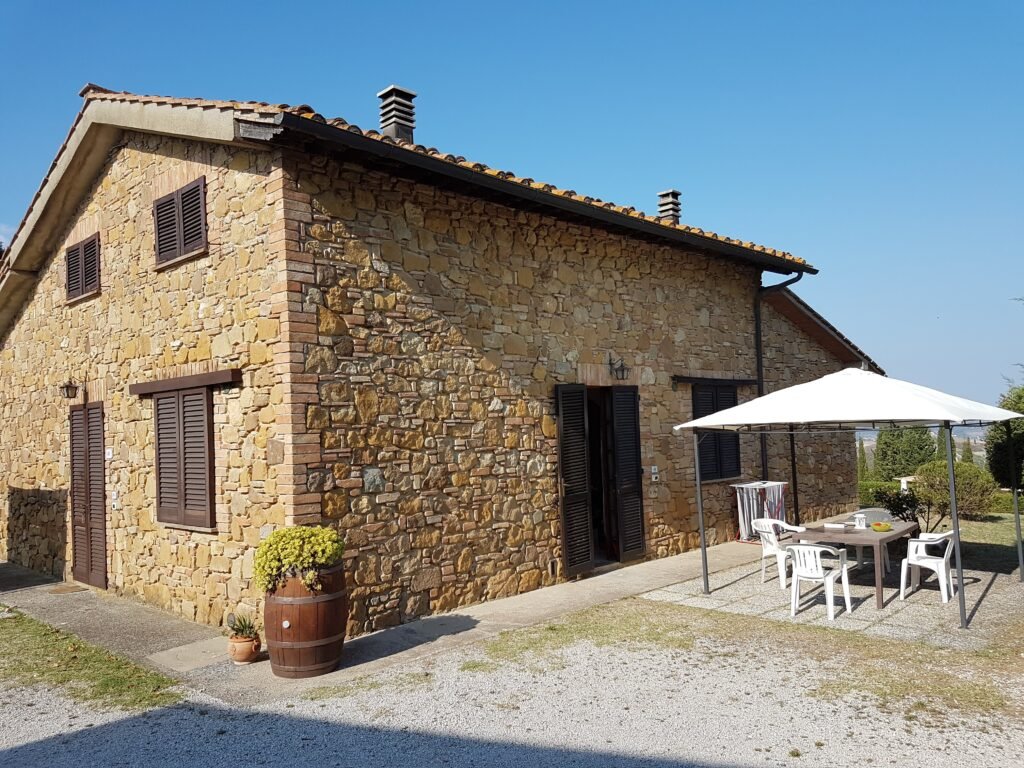
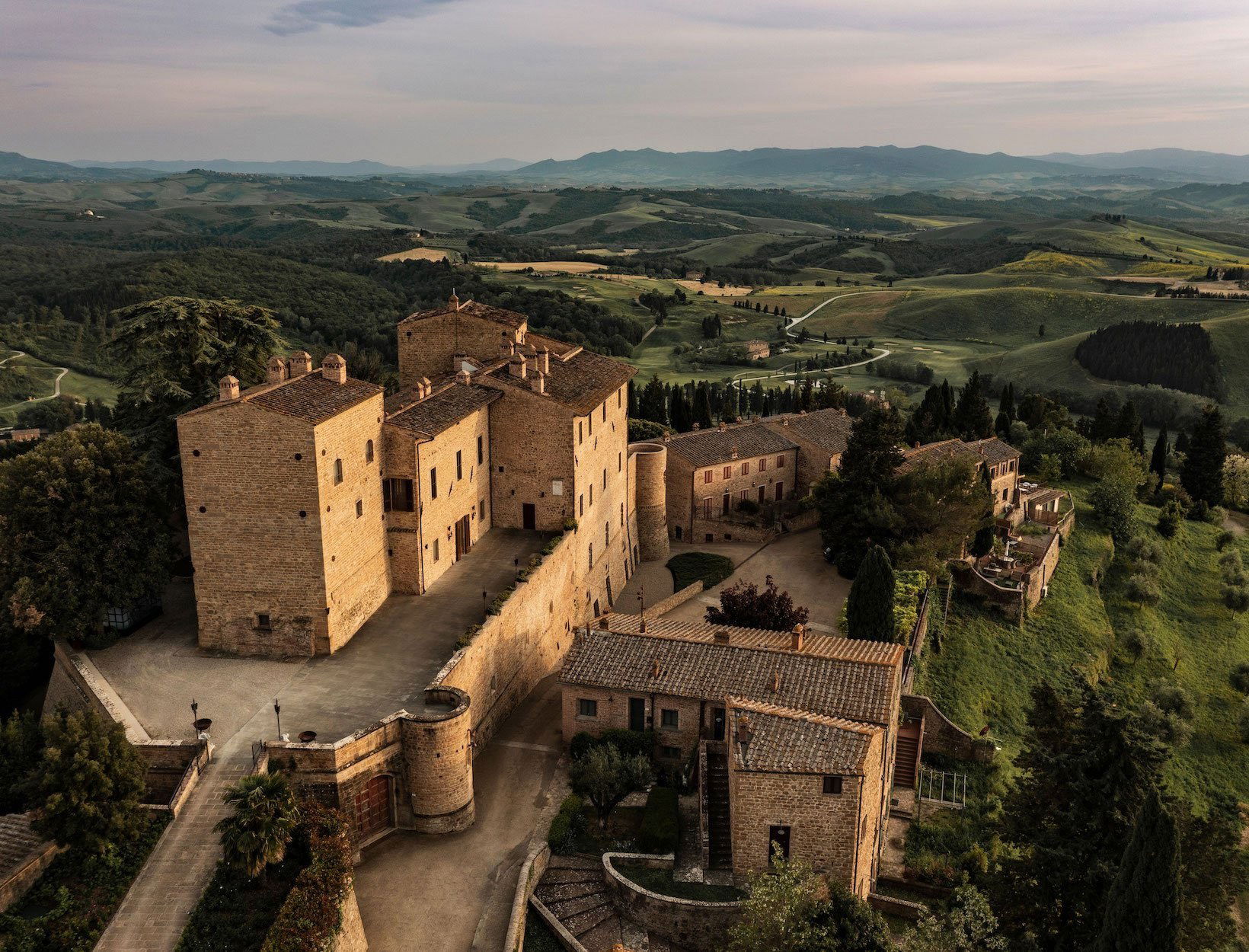
Castelfalfi reads like living history: a restored medieval borgo set on a Tuscan hilltop where stone walls, terracotta roofs and cypress avenues frame centuries-old architecture. The estate’s scale—2,700 acres of vineyards, olive groves and a private lake—imbues the property with a measured, rural grandeur. Rather than a modern hotel that borrows historic cues, guests move between authentic, architecturally distinct buildings whose fabric predates the Renaissance, creating a layered and quietly romantic encounter with place. The overall tone is dignified and pastoral, appealing to travelers who want their luxury rooted in genuine local history.
Best For
Castelfalfi is best for travelers who prize immersion in place: history lovers who want to stay inside a medieval borgo, families and couples seeking a roomy Tuscan escape, and golfers drawn to the estate’s championship 27-hole layout. The sprawling grounds and working vineyards suit guests who want wide-open landscapes rather than an urban hotel stay, and the property’s scale makes it a natural choice for destination celebrations already noted among its offerings. Guests looking for a serene, scenic retreat with tangible links to Tuscany’s agricultural and architectural heritage find this estate especially rewarding.
Stay Tips
Rooms and suites are spread across architecturally distinct buildings, and the description emphasizes that distribution shapes the texture of your stay—so specify preferences when booking. Ask which building best matches your taste (hilltop or village-side), and request rooms with views of the vineyards or the private lake if those landscapes matter to you. If golf is part of your trip, inquire in advance about access to the 27-hole course and any recommended tee-time reservation policies. Confirm logistical details for moving between buildings to plan mobility and luggage needs across the estate.
Venue details
Ambiance
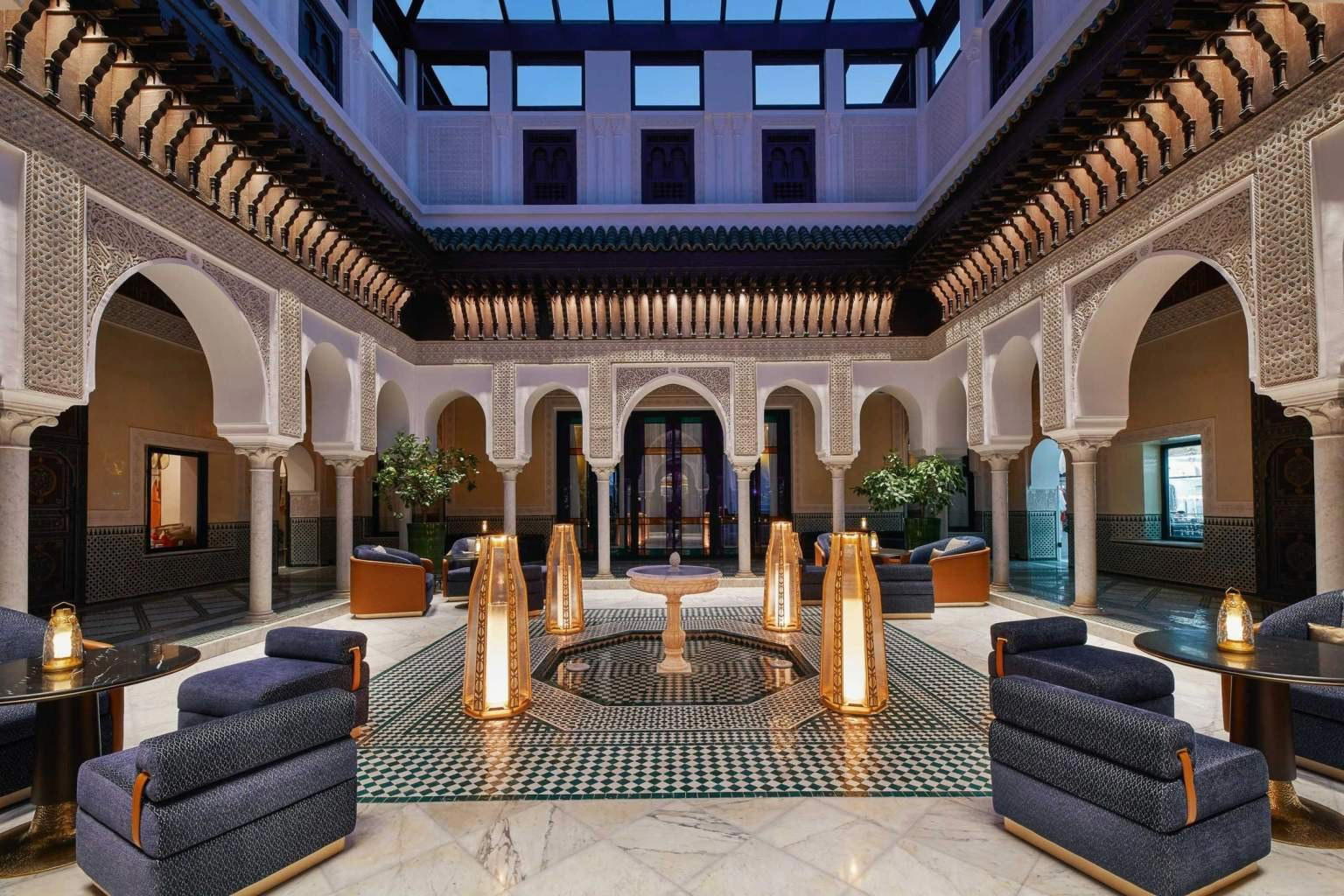
Warm and inviting with contemporary elegance, blending historic stone and wood architecture with modern comforts; guests describe stunning Tuscan countryside views, peaceful and serene atmosphere with luxurious yet approachable service.
Tags
Vibe
Best For
Experience
Amenities
View
Accessibility
About the Stay
- Rooms
- 146
- Property Style
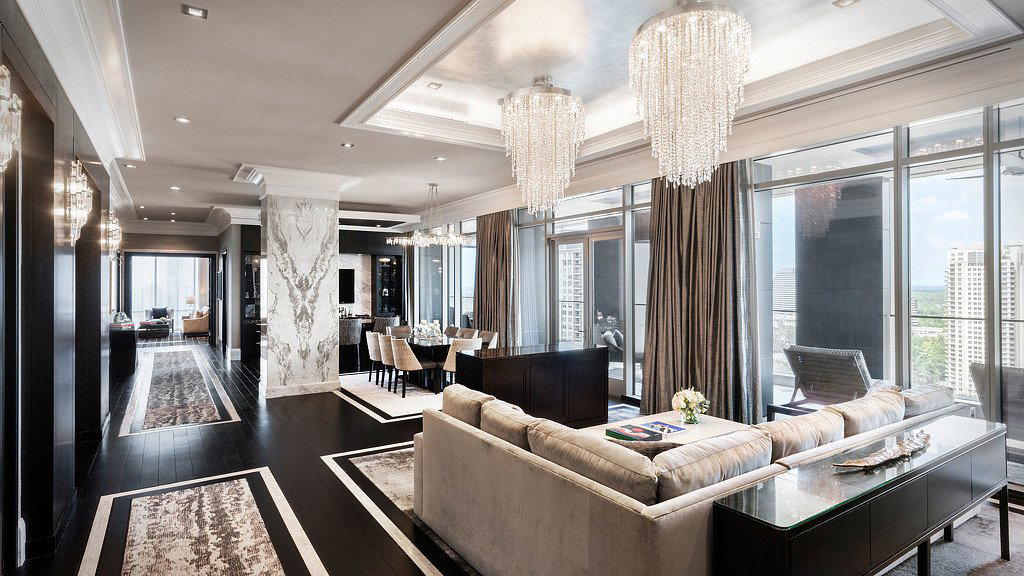
- Contemporary Luxury Resort Integrated Into a Medieval Tuscan Village Estate, Balancing Historic Authenticity with Modern Amenities Across Multiple Buildings and 2,700 Acres.
- Design Style
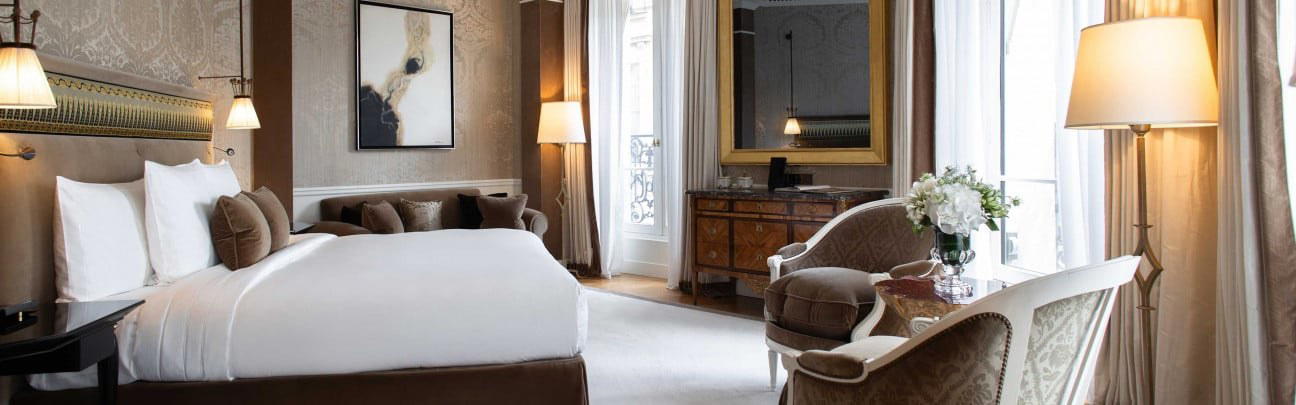
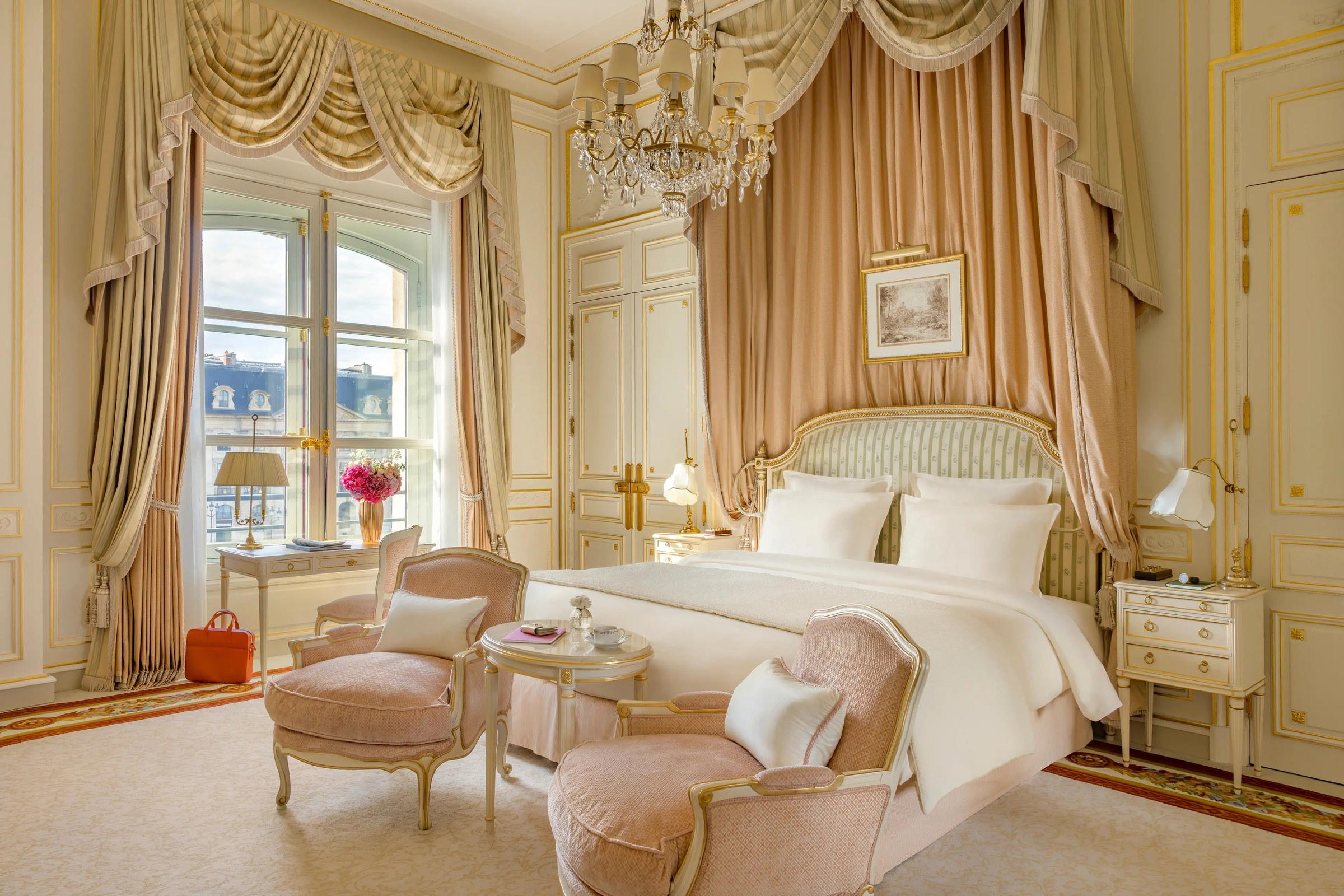
- Contemporary with Traditional Materials; Warm Color Palettes, Travertine Marble Bathrooms, Wood and Stone Throughout, Blending Medieval Architecture with Modern Furnishings and Spacious Layouts.
Know before you go
Know Before You Go
- Getting there
- 50050 Castelfalfi FI
Planning details
Location
Recognition and awards




Also consider
Where to look if Castelfalfi is not available
Try Borgo Pignano first if the brief is still luxury countryside. Try Villa Lena Agriturismo if a looser agriturismo atmosphere would suit the trip better.
Hotel context
How Castelfalfi compares in the Montaione countryside set
Castelfalfi is the splurge choice if the stay needs resort scale, polished facilities, and a stay-put rhythm. Borgo Pignano is the closest alternative for travelers who still want a refined rural hotel, while Villa Lena Agriturismo is the better fit for a more informal countryside mood.
For value control, look first at Colle Alberti Country House or La Collegiata. They make more sense when the hotel is a base for driving around Tuscany rather than the center of the trip. Villa Petriolo is another useful cross-shop if the priority is countryside atmosphere without committing to the full resort proposition.
Booking difficulty tilts the decision. Castelfalfi is the one to secure early when the dates matter; the smaller peers are better fallback options if availability is tight or the rate feels hard to justify for the amount of time planned on property.
Explore Montaione
Around this place
Discover more on Pearl
Unlock the full Castelfalfi guide in Pearl, including awards, comparisons, FAQs, planning details, and nearby places.
Compare Castelfalfi
| Venue | Location | Awards |
|---|---|---|
| Castelfalfi | Montaione | 2026 Virtuoso Luxury Hotel Collection2026 Forbes 5-Star2026 La Liste Top HotelsConde Nast Gold List 20262025 Travel + Leisure 100 Favorite Hotels in the World · #17Michelin 2 Keys 20252025 Michelin 2 Keys2025 Forbes 5-StarPreferred Hotels Member 2025 |
| Villa Lena Agriturismo | Palaia | No published awards |
| La Collegiata | San Gimignano | No published awards |
| Borgo Pignano | Volterra | 2026 Virtuoso Luxury Hotel Collection2026 La Liste Top Hotels2025 Michelin Selected HotelsPreferred Hotels Member 2025 |
| Colle Alberti Country House | Cerreto Guidi | No published awards |
| Villa Petriolo | Cerreto Guidi | Tablet Hotels Editors' Picks: Top 40 New Hotels — July 20262026 Michelin Guide New Hotels2025 Michelin 1 KeySmall Luxury Hotels Member 2025 |




How Castelfalfi Montaione compares with similar nearby venues.
FAQ
Frequently Asked Questions
How is the pool and spa at Castelfalfi?
For specific pool or spa details, check directly before booking. Castelfalfi carries 2 Michelin Keys (2024) and Forbes 5-Star recognition (2026), but if pool or spa facilities are central to your stay, review the current details with the hotel.
How does Castelfalfi compare to other hotels?
Castelfalfi has a strong recognition profile, including Travel + Leisure 100 Favorite Hotels in the World #17 (2025) and Forbes 5-Star recognition (2026). For comparison, travelers may also look at Borgo Pignano, La Collegiata, Colle Alberti Country House, Villa Petriolo, and Villa Lena Agriturismo, while checking current details directly for each property.
How is the location of Castelfalfi?
Castelfalfi is in Montaione. Location-sensitive travelers should check the exact access and travel logistics before booking.
What is check-in like at Castelfalfi?
For check-in style, timing, or arrival procedures, check directly with the hotel before arrival. Castelfalfi is a Preferred Hotels Member (2025) and a Virtuoso Luxury Hotel Partner.
Which room category is best at Castelfalfi?
The best room choice should be based on the current room descriptions, inclusions, and rates available for your dates. Castelfalfi's recognition, including La Liste Top Hotels (2026): 97pts, supports considering it as a premium hotel.
Do loyalty programs work at Castelfalfi?
Castelfalfi is a Preferred Hotels Member (2025) and a Virtuoso Luxury Hotel Partner. Any specific benefits, rates, or booking conditions should be checked through the relevant program or advisor before booking.
When is the best time to book Castelfalfi?
It is sensible to compare availability and terms early, especially if you are also considering Villa Petriolo, Borgo Pignano, or other options.