
Villa La Madonna
Monastero Bormida
Hotel in Monastero Bormida, Italy
 Book with Pearl
The Read
Valley-Framed Historic Hospitality
Why go
Villa La Madonna is a better fit for a quiet Piedmont retreat than a conventional business trip. Book it if the goal is privacy, countryside space, and a slower work-and-recover schedule; compare carefully if the itinerary depends on fast transfers or multiple meetings in town.
About Villa La Madonna
Villa La Madonna is a venue in Monastero Bormida. It is best assessed by its confirmed recognition, dress code, and fit against other named options rather than by assumptions about facilities, pricing, rooms, dining, or services.
The confirmed dress code is smart casual. Villa La Madonna is also listed as a Small Luxury Hotels of the World Member for 2025 and has the Mr & Mrs Smith Seal of Approval for 2026.
A Monastero Bormida option to consider before detailed planning
For planning purposes, Villa La Madonna is a Monastero Bormida option where the confirmed recognition and dress code are the main reasons to consider it. Specific business facilities, meeting spaces, room categories, transport arrangements, dining format, wellness amenities, and pricing should be confirmed directly.
That makes it better to decide from the basics: whether Monastero Bormida suits the trip, whether smart casual fits the expected tone, and whether the Small Luxury Hotels of the World and Mr & Mrs Smith recognition provide enough confidence for the stay you are planning.
Where the recognition helps the decision
The strongest trust signals are Villa La Madonna's Small Luxury Hotels of the World Member status for 2025 and Mr & Mrs Smith Seal of Approval for 2026. Those recognitions can help when comparing it with other options.
Because room rates, facilities, service details, and dining specifics should be confirmed directly, value should be judged cautiously. Confirm the practical details before booking if the stay depends on particular amenities or services.
How to cross-shop it in Monastero Bormida and nearby areas
Use a small comparison set before committing. La Villa Hotel, Le Marne Relais, Relais Almaranto, Relais San Maurizio, and Relais Villa d'Amelia are relevant named alternatives to consider alongside Villa La Madonna. Compare current availability, location needs, and directly confirmed services.
Quick reference: consider Villa La Madonna for its Monastero Bormida setting, smart-casual standard, and confirmed recognition; verify any specific amenity, rate, room, dining, or service requirement before relying on it.
Planning details
- Location
- Regione Madonna, 21, 14058 Monastero Bormida AT
- Website
- villalamadonna.com
- Phone
- +39 348 836 6141
The take
The Take
The Vibe
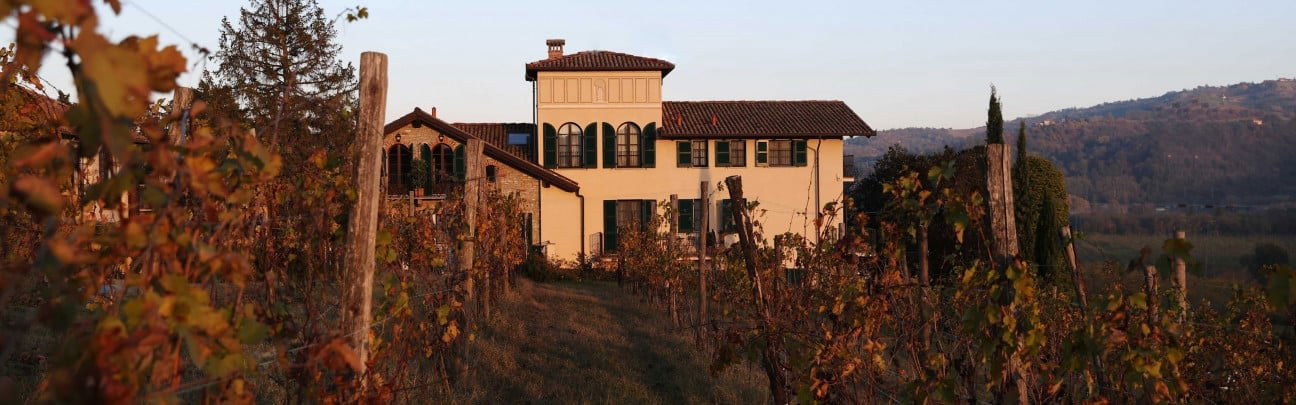
Villa La Madonna presents as a patient, historic farmhouse that wears its centuries openly. The 16th‑century fabric—stone walls, terracotta roofline and accumulated architectural layers—anchors a classic rural character, while terraced vineyards and hazelnut groves frame wide, ridge‑top views of the Bormida Valley. The property’s material honesty and the region’s measured tempo create a serene, relaxed atmosphere: restoration choices favor preservation over theatrical overhaul, so the sense of place reads as authentic and quietly charming rather than staged.
Best For
This is a destination for travelers who prize quiet, historical landscapes and slow rhythms over buzzy wine‑tour itineraries. Set well off the main Barolo‑country circuits, Villa La Madonna suits guests seeking a contemplative rural escape—couples wanting privacy, history lovers drawn to centuries‑old architecture, and anyone after scenic valley views and time to unwind. Its ridge‑top position and surrounding vineyards also appeal to visitors who appreciate panoramic country vistas and a relaxed pace rather than urban conveniences.
Stay Tips
The approach to Villa La Madonna is part of the experience: you climb through terraced vineyards and past hazelnut groves before the villa appears on a ridge. Expect travel time and winding rural roads when planning arrival and departures, and allow for the property’s deliberate, slower tempo; it sits 'at a significant remove' from busier tourist circuits. The description emphasizes architectural preservation and scenery rather than on‑site modern amenities, so plan logistics accordingly and build in time to enjoy the surrounding landscape.
Venue details
Ambiance
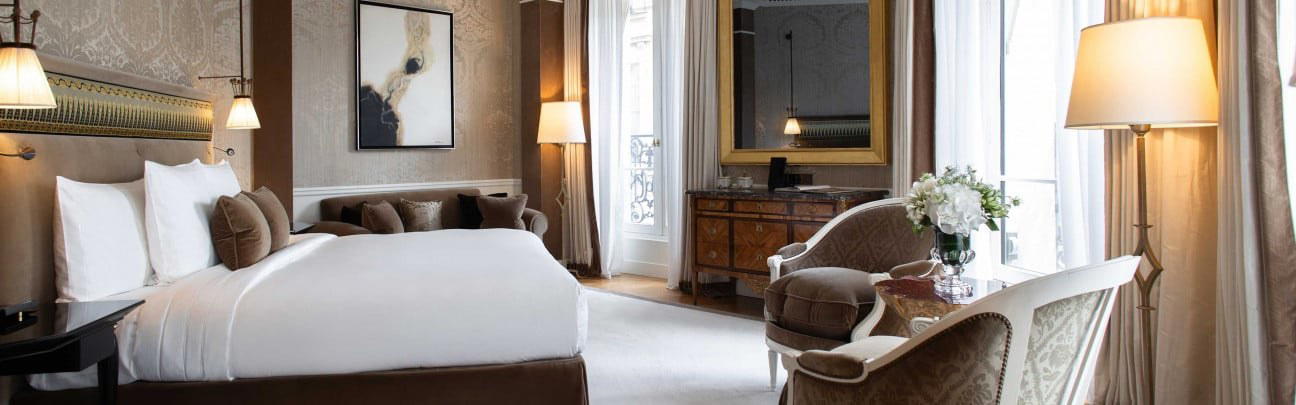
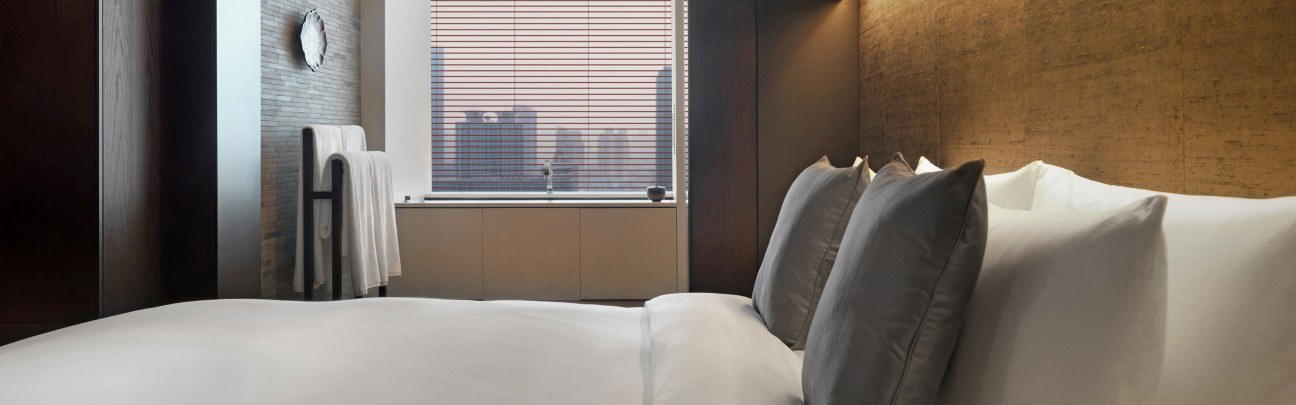
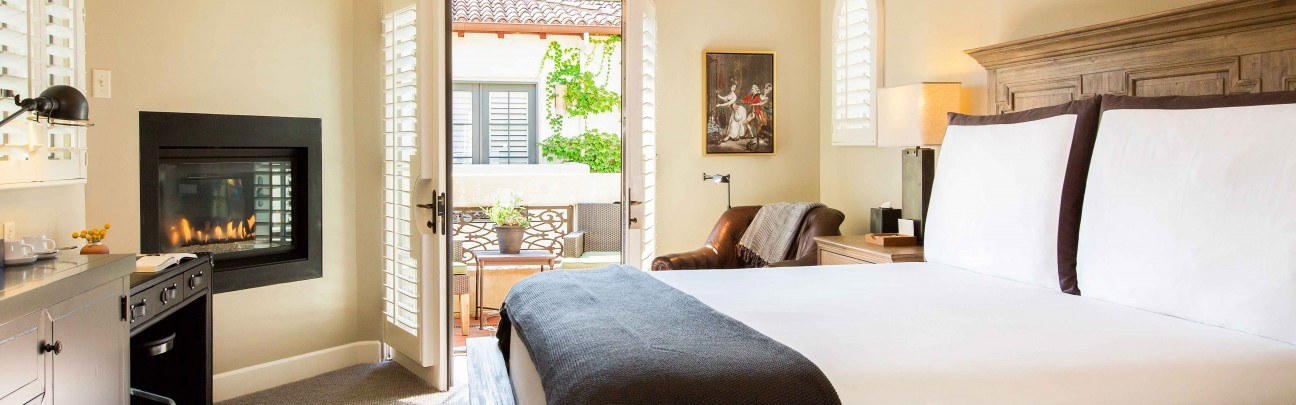
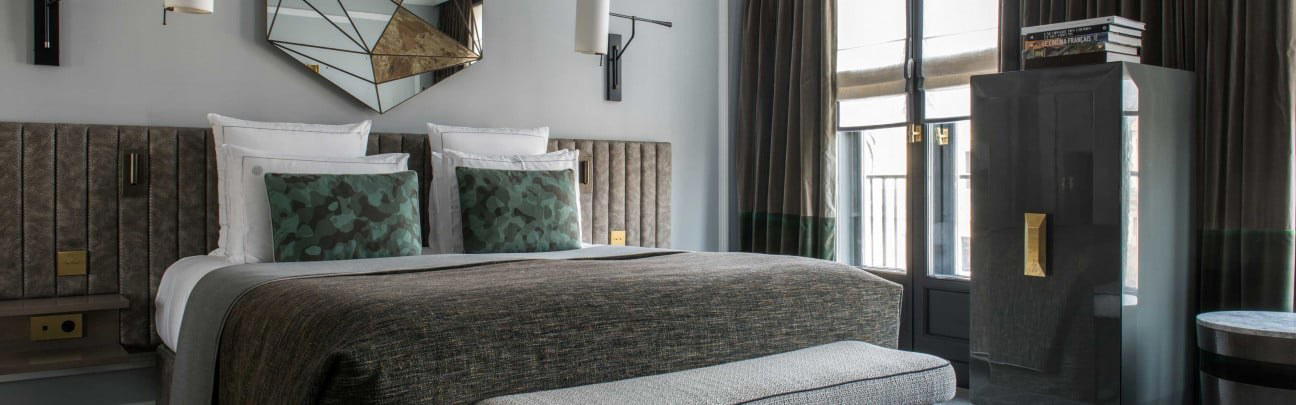
Tranquil and elegant with sophisticated rustic charm, soft natural light, and a relaxing home-away-from-home atmosphere amid lush greenery.
Tags
Vibe
Best For
Experience
Amenities
View
About the Stay
- Rooms
- 18
- Check-in
- 15:00
- Check-out
- 11:00
- Property Style
- Elegant 17th Century Vineyard Estate Blending Historic Charm with Modern Luxury.
- Design Style
- Sophisticated Rustic with Exposed Stone, Beams, and Contemporary Countryside Accents.
Know before you go
Know Before You Go
- Getting there
- Regione Madonna, 21, 14058 Monastero Bormida AT
Planning details
Location
Recognition and awards

Also consider
Also Consider
- Relais Almaranto, Notable alternative
- Relais San Maurizio, Notable alternative
- La Villa Hotel, Notable alternative
- Le Marne Relais, Notable alternative
- Relais Villa d'Amelia, Notable alternative
Hotel context
How Villa La Madonna compares with nearby Piedmont hotels
Villa La Madonna is the more sensible pick when the brief is quiet, boutique, and easy to book. Against Relais Almaranto and La Villa Hotel, the decision should come down to atmosphere and logistics rather than chasing a single trophy feature: choose Villa La Madonna for a low-friction countryside base, and cross-shop the others if their location better matches the day plan.
Relais San Maurizio, Le Marne Relais, and Relais Villa d'Amelia are the stronger checks if the trip is a splurge, a longer leisure stay, or a retreat where the property itself carries more of the itinerary. Villa La Madonna wins for travelers who want the boutique-luxury signal without making booking feel like the hard part.
For value, start with the itinerary. If most of the stay happens on property or around Monastero Bormida, Villa La Madonna is easy to justify. If the plan involves frequent movement across Piedmont, pick the peer with the location that cuts drive time, even if the hotel experience is less intimate.
Explore Monastero Bormida
Around this place
Discover more on Pearl
Unlock the full Villa La Madonna guide in Pearl, including awards, comparisons, FAQs, planning details, and nearby places.
Compare Villa La Madonna
| Venue | Location | Awards |
|---|---|---|
| Villa La Madonna | Monastero Bormida | 2026 Mr & Mrs Smith Luxury HotelsSmall Luxury Hotels Member 2025 |
| Relais Almaranto | Calamandrana | No published awards |
| Relais San Maurizio | Santo Stefano Belbo | Leading Hotels of the World 20262025 Michelin Selected Hotels |
| La Villa Hotel | Mombaruzzo | No published awards |
| Le Marne Relais | Costigliole d'Asti | 2026 Mr & Mrs Smith Luxury Hotels2025 Michelin Selected HotelsSmall Luxury Hotels Member 2025 |
| Relais Villa d'Amelia | Alba | 2025 Michelin Selected HotelsSmall Luxury Hotels Member 2025 |


How Villa La Madonna Monastero Bormida compares with similar nearby venues.
FAQ
Frequently Asked Questions
How does Villa La Madonna compare to nearby options?
Villa La Madonna can be compared with La Villa Hotel, Le Marne Relais, Relais Almaranto, Relais San Maurizio, and Relais Villa d'Amelia. Its confirmed points are Monastero Bormida, smart casual dress code, Small Luxury Hotels of the World Member status for 2025, and the Mr & Mrs Smith Seal of Approval for 2026.
How is the pool and spa at Villa La Madonna?
Pool and spa details should be confirmed directly with Villa La Madonna before booking and compared with alternatives such as Relais San Maurizio if wellness facilities are important.
Is Villa La Madonna family-friendly?
How is the location of Villa La Madonna?
Villa La Madonna is in Monastero Bormida.
Which room category is best at Villa La Madonna?
Choose only after confirming current room options directly with Villa La Madonna.
Do loyalty programs work at Villa La Madonna?
Villa La Madonna is confirmed as a Small Luxury Hotels of the World Member for 2025. Confirm specific loyalty benefits, partner perks, or redemption details before booking.
Is Villa La Madonna good for business travel?
Villa La Madonna is confirmed in Monastero Bormida with a smart casual dress code and confirmed recognition, but any meeting, workspace, transport, or corporate-service needs should be checked directly.