
The Hiramatsu Karuizawa Miyota
Miyota
Hotel in Miyota, Japan
 Book with Pearl
The Read
Seasonal Seclusion Architecture
Why go
Book The Hiramatsu Karuizawa Miyota for a quiet Karuizawa-area celebration, senior work retreat, or two-night reset where privacy matters more than convenience. It is less practical than Hotel Indigo Karuizawa for fast business travel, but the Michelin 2 Keys recognition makes it a stronger special-occasion choice when dates are flexible.
About The Hiramatsu Karuizawa Miyota
The Hiramatsu Karuizawa Miyota is a hotel in Miyota with Michelin 2 Keys recognition for 2025. The venue is in Miyota, it carries Michelin 2 Keys recognition, and the dress code is smart casual. For a Pearl reader, that means treating the hotel as a serious premium-stay candidate while still checking the practical details directly before making plans around it.
For travellers comparing premium stays in the region, other names to consider include Hotel Indigo Karuizawa, Hoshinoya Karuizawa, Fufu Karuizawa Wind in the Sunshine, Fufu Kyu-Karuizawa Restful Forest, and SHISHI-IWA-HOUSE Karuizawa. These are useful comparison points not because they are interchangeable, but because they help frame the decision: some trips are built around a particular hotel, while others depend more on location, availability, and current operating details. The right choice depends on the trip purpose, availability, and the current details published directly by each property.
Better for a high-value stay than a high-speed itinerary
The clearest signal is recognition: The Hiramatsu Karuizawa Miyota holds Michelin 2 Keys in 2025. In practical terms, that makes it worth considering for travellers who are prioritising the quality and character of the stay itself, rather than simply using the hotel as a quick overnight base. The recognition is the strongest public anchor here, and it should carry weight in a shortlist of higher-end stays. Beyond that, this guide should not assume specific room types, dining formats, facilities, transfer logistics, prices, or operating details unless they are confirmed directly by the hotel.
That caution matters because the difference between a good booking and a frustrating one often comes down to details that are not captured by a headline recognition alone. A traveller planning a slow, hotel-centred stay may have different needs from someone trying to coordinate a tightly timed itinerary. If your dates are fixed, check availability early and confirm the current stay details with the property before booking. If you are still comparing options, Fufu Karuizawa Wind in the Sunshine, Fufu Kyu-Karuizawa Restful Forest, Hoshinoya Karuizawa, Hotel Indigo Karuizawa, and SHISHI-IWA-HOUSE Karuizawa are natural points of comparison in the region.
Who should choose it, and who should not
Choose The Hiramatsu Karuizawa Miyota if a Michelin 2 Keys hotel in Miyota is the specific kind of stay you want, and if the essentials match your plans. This is especially relevant for travellers who are comfortable making a decision from a small set of confirmed facts, then validating the remaining logistics directly with the property. The confirmed dress code is smart casual, so guests should pack accordingly. That does not require overthinking, but it does suggest a polished, considered approach rather than treating the stay as entirely casual.
Do not rely on assumptions about cuisine, wellness facilities, room categories, service format, prices, or transportation convenience. Those categories can materially affect the experience, and none should be inferred from the Michelin 2 Keys recognition alone. For those details, confirm directly with the hotel before committing, especially if the stay depends on a particular facility, schedule, or arrangement. The strongest recommendation here is a measured one: keep The Hiramatsu Karuizawa Miyota on the shortlist if the recognition and Miyota location fit the trip, then let the hotel's current, direct information determine whether it is the right final booking.
Planning details
- Location
- 375番地723 Shiono, Miyota, Kitasaku District, Nagano 389-0201
- Website
- hiramatsuhotels.com/miyota
- Phone
- +81 267-31-5680
The take
The Take
The Vibe
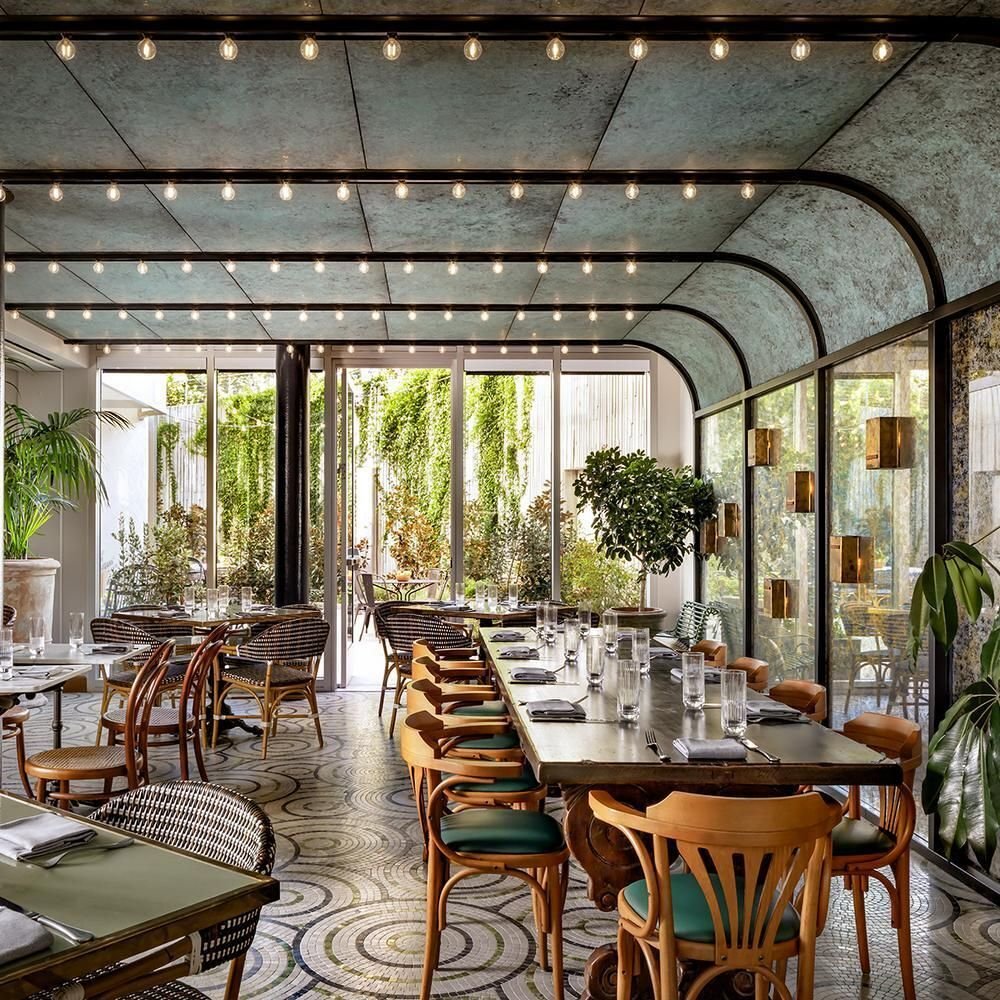
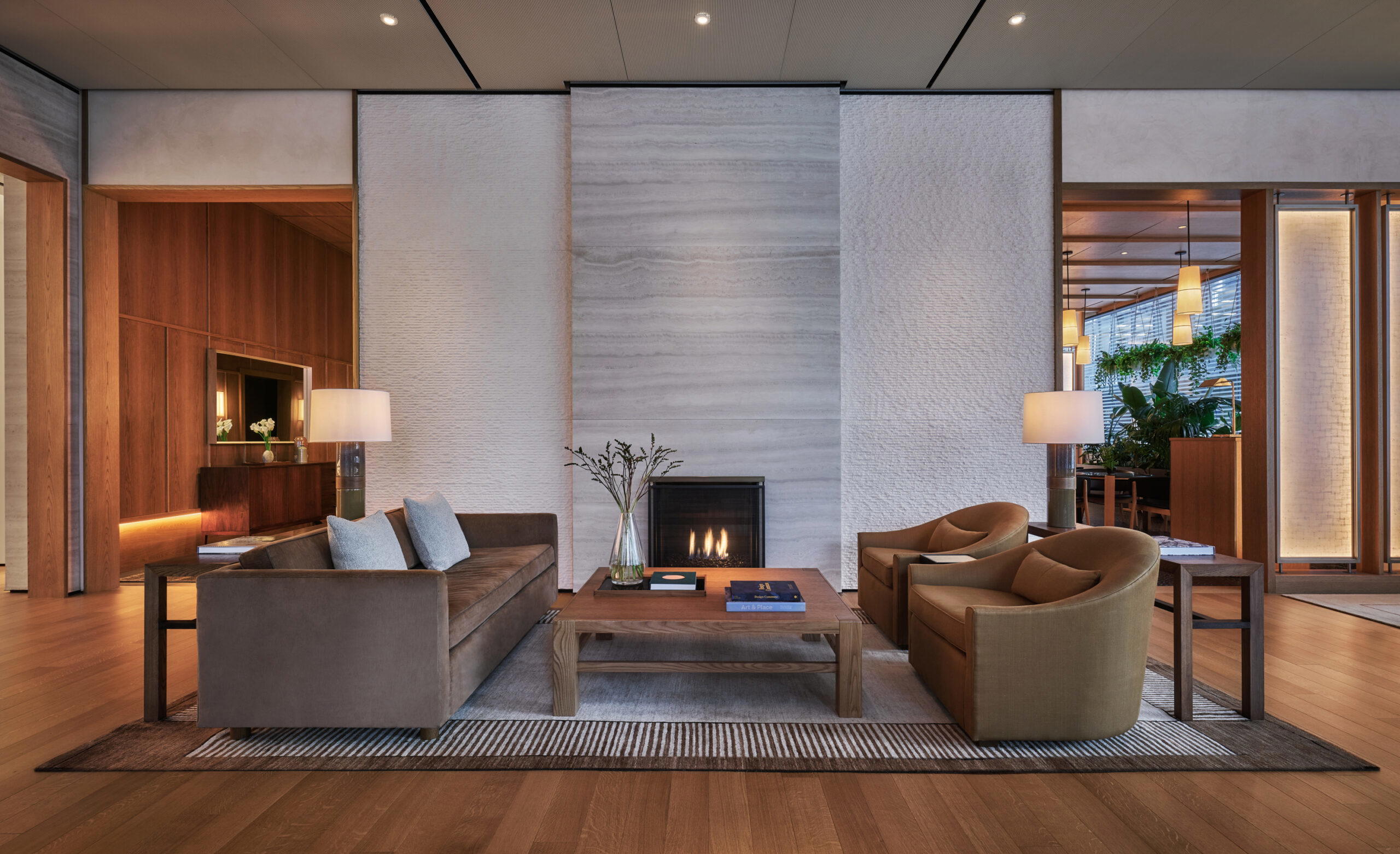
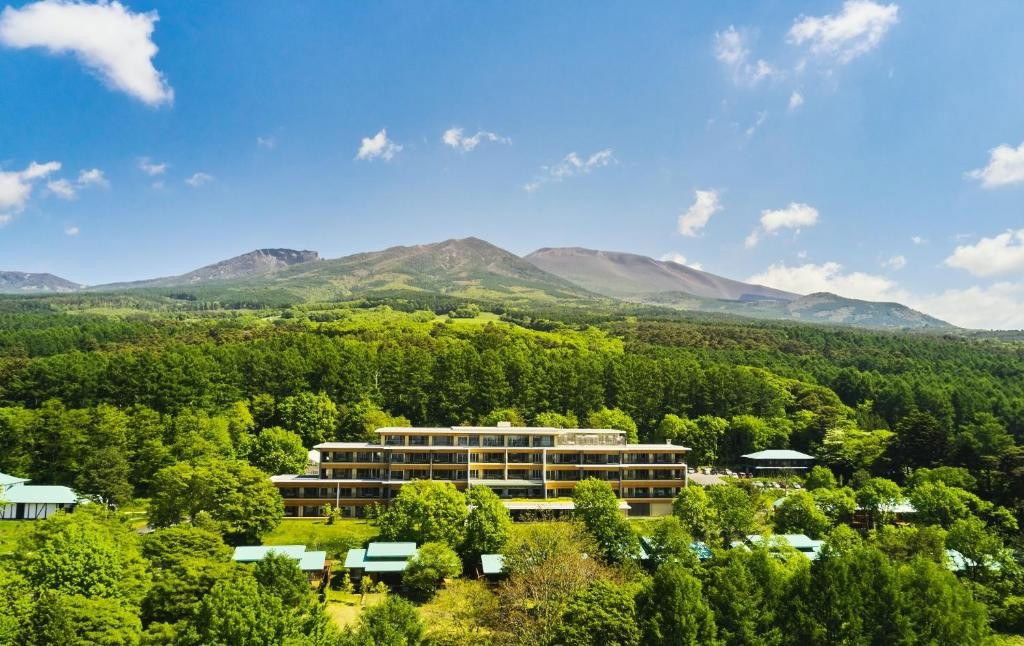
The Hiramatsu Karuizawa Miyota presents a quietly modern, design-forward mountain retreat that favors restraint over spectacle. With just 37 rooms and architecture consciously calibrated to preserve sightlines, the property reads as intimate and pared-back: floor-to-ceiling glazing turns the Okuchichibu slopes into the principal interior feature. The restrained footprint and disciplined materiality intensify the relationship between built space and landscape, so interiors function as simple canvases for nature. Overall the hotel feels serene and contemplative, encouraging slow mornings, muted conversation and a low-key, restorative pace of stay.
Best For
This hotel suits travelers seeking a restorative short escape rather than high-altitude exertion. Described as 'close enough to Tokyo to serve as a genuine long-weekend proposition,' it is ideal for weekend escapes and wellness-oriented retreating: an onsen-focused property calibrated to stillness. Couples and solo guests who want privacy, mountain views from the room and a quiet, restorative itinerary find this especially fitting. Days are best filled with soaking, gentle walks and reading, with the architecture and scenery taking priority over activity-heavy programming.
Venue details
Ambiance
Serene and refined with soft natural light, forest views, and a sense of time slowing down; contemporary art installations blend with natural materials throughout public spaces.
Tags
Vibe
Best For
Experience
Amenities
View
Accessibility
About the Stay
- Rooms
- 37
- Check-in
- 15:00
- Check-out
- 11:00
- Property Style
- Contemporary Luxury Resort Blending Japanese Hospitality with European Design Sensibilities, Emphasizing Natural Materials and Forest Integration.
- Design Style
- Modern Minimalist with Natural Elements; Neutral Color Palettes, Leather and Wood Furnishings, Floor to Ceiling Windows, and Eclectic Art Spanning Prehistoric to Contemporary Pieces.
Know before you go
Know Before You Go
- Getting there
- 375番地723 Shiono, Miyota, Kitasaku District, Nagano 389-0201
Planning details
Location
375番地723 Shiono, Miyota, Kitasaku District, Nagano 389-0201 · Directions
Recognition and awards
Also consider
Where to look if this is full
Try Fufu Karuizawa Wind in the Sunshine or Fufu Kyu-Karuizawa Restful Forest first if the goal is a similar Karuizawa-area retreat. For a more convenient work-trip base, Hotel Indigo Karuizawa is the cleaner backup.
Hotel context
How it compares with Karuizawa-area peers
The Hiramatsu Karuizawa Miyota is the splurge-leaning choice for travellers who want a quieter, more private stay outside the busiest Karuizawa flow. Compared with Hotel Indigo Karuizawa, it is less convenient for quick logistics but better suited to an anniversary, client retreat, or stay where the hotel itself is the point.
Hoshinoya Karuizawa is the stronger pick if resort breadth matters: it makes more sense for travellers who want more of a destination-resort frame. SHISHI-IWA-HOUSE Karuizawa is the sharper design cross-shop, especially for guests who care about architecture and a quieter creative mood.
If availability is tight, look first at Fufu Karuizawa Wind in the Sunshine or Fufu Kyu-Karuizawa Restful Forest. They are the closest practical alternatives for a polished Karuizawa-area escape when this hotel is difficult to secure.
Explore Miyota
Around this place
Discover more on Pearl
Unlock the full The Hiramatsu Karuizawa Miyota guide in Pearl, including awards, comparisons, FAQs, planning details, and nearby places.
Compare The Hiramatsu Karuizawa Miyota
| Venue | Location | Awards |
|---|---|---|
| The Hiramatsu Karuizawa Miyota | Miyota | 2026 Michelin 2 Keys2025 Michelin 2 KeysMichelin 2 Keys 20252024 Michelin 1 Key |
| SHISHI-IWA-HOUSE Karuizawa | Karuizawa | 2026 Mr & Mrs Smith Luxury HotelsTablet Hotels Design Awards 2026: Best New Hotel Designs (Asia)2026 Michelin 1 KeyTatler Best Hotels Asia-Pacific 20252025 Michelin 1 Key2024 Michelin 1 Key |
| Hoshinoya Karuizawa | Karuizawa | No published awards |
| Fufu Karuizawa Wind in the Sunshine | Karuizawa | 2026 Michelin 1 KeyMichelin 1 Key 20252025 Michelin 1 Key2024 Michelin 1 Key |
| Fufu Kyu-Karuizawa Restful Forest | Karuizawa | 2026 Michelin 1 Key2025 Michelin 1 Key2024 Michelin 1 Key |
| Hotel Indigo Karuizawa | Karuizawamachi, Kitasaku Gun | No published awards |




How The Hiramatsu Karuizawa Miyota compares with similar nearby venues.
FAQ
Frequently Asked Questions
How does The Hiramatsu Karuizawa Miyota compare to nearby hotels?
The Hiramatsu Karuizawa Miyota is a hotel in Miyota with Michelin 2 Keys recognition for 2025. For comparison, travellers may also look at Hotel Indigo Karuizawa, Hoshinoya Karuizawa, Fufu Karuizawa Wind in the Sunshine, Fufu Kyu-Karuizawa Restful Forest, and SHISHI-IWA-HOUSE Karuizawa.
What is check-in like at The Hiramatsu Karuizawa Miyota?
When is the best time to book The Hiramatsu Karuizawa Miyota?
How is the pool and spa at The Hiramatsu Karuizawa Miyota?
Which room category is best at The Hiramatsu Karuizawa Miyota?
Review the hotel's current room information directly before choosing a category.
How is the dining at The Hiramatsu Karuizawa Miyota?
The confirmed dress code is smart casual, and the hotel holds Michelin 2 Keys recognition for 2025.
How is the location of The Hiramatsu Karuizawa Miyota?
The Hiramatsu Karuizawa Miyota is in Miyota.