
Shigira Bayside Suite Allamanda
Ueno, Miyakojima
Hotel in Miyakojima, Japan
 Book with Pearl
The Read
All-Suite Coastline Retreat
Why go
Shigira Bayside Suite Allamanda is a practical Miyakojima pick for travelers who want a resort base with family-friendly pacing rather than a hotel used only for sleeping. Its Small Luxury Hotels of the World membership adds a useful trust signal, but dining-focused travelers should plan meals separately and compare nearby resort options before committing.
About Shigira Bayside Suite Allamanda
Shigira Bayside Suite Allamanda is a Miyakojima property and is a Small Luxury Hotels of the World Member in 2025. Travelers comparing Miyakojima stays should confirm details such as dining, room layouts, facilities, or service style directly with the property.
Travelers comparing Miyakojima stays should use this page as a practical starting point. If details like restaurants, menus, prices, family facilities, pools, room categories, or booking difficulty matter for your trip, confirm them with the property before making plans.
Choose this if a hotel-collection signal matters to you
The strongest reason to keep Shigira Bayside Suite Allamanda on a shortlist is its Small Luxury Hotels of the World Member status. That places the property within a recognized hotel collection, but it should not be stretched into claims about specific amenities, dining quality, or guest experience details.
Dining should be approached carefully. Cuisine, chef, menu format, price band, lunch service, dinner service, take-out, delivery, allergy policy, and dietary accommodation details are not listed here. If food is central to the trip, compare options in Our full Miyakojima restaurants guide and confirm current offerings directly with the property.
The dress code is smart casual. That is useful for planning what to pack, but it does not establish the formality, format, or style of any particular restaurant, bar, or event on the property.
Compare it with other Miyakojima hotel options before booking
Because the information is limited, the best use of this page is comparison. Travelers considering Shigira Bayside Suite Allamanda may also want to look at The Shigira, Rosewood Miyakojima, Hotel Shigira Mirage, Miyakojima Tokyu Hotel & Resorts, or Blue Ocean Hotel & Resort Miyakojima, depending on what they can confirm about location, facilities, room types, and budget.
Avoid making the decision based on assumptions about family fit, nightlife access, room size, resort facilities, or meal options. Those may be important factors, but they are best confirmed directly.
Use Our full Miyakojima hotels guide if the decision is still between property styles. Travelers who want a broader island plan can also scan Our full Miyakojima experiences guide and Our full Miyakojima bars guide. The bottom line: consider Shigira Bayside Suite Allamanda if its Miyakojima setting and Small Luxury Hotels of the World Member status appeal to you, then verify the practical details directly before booking.
Planning details
- Location
- Arazato-926-25 Ueno, Miyakojima, Okinawa 906-0203
- Website
- shigira.com/hotel/allamanda
- Phone
- +81 980-74-7100
The take
The Take
The Vibe
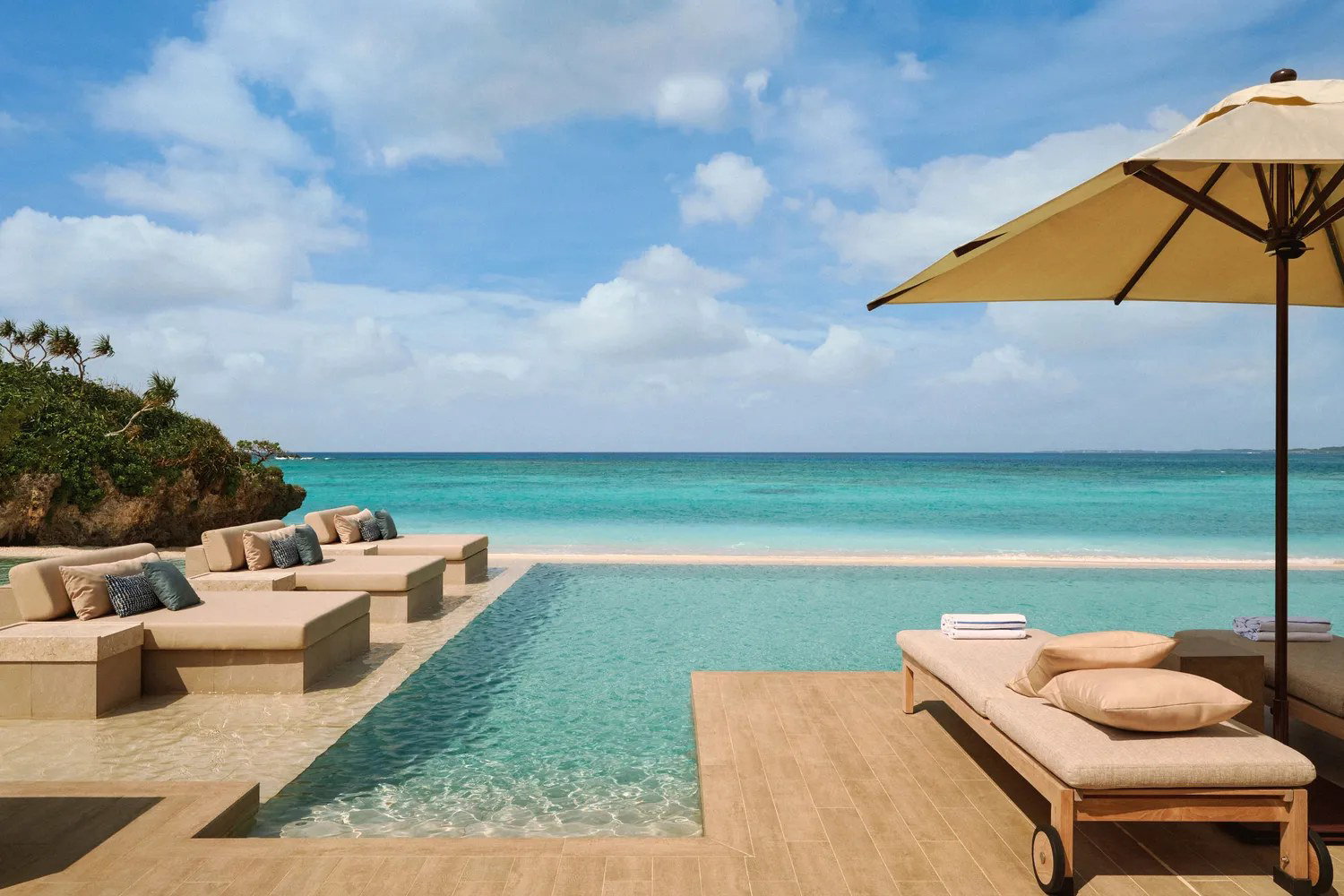
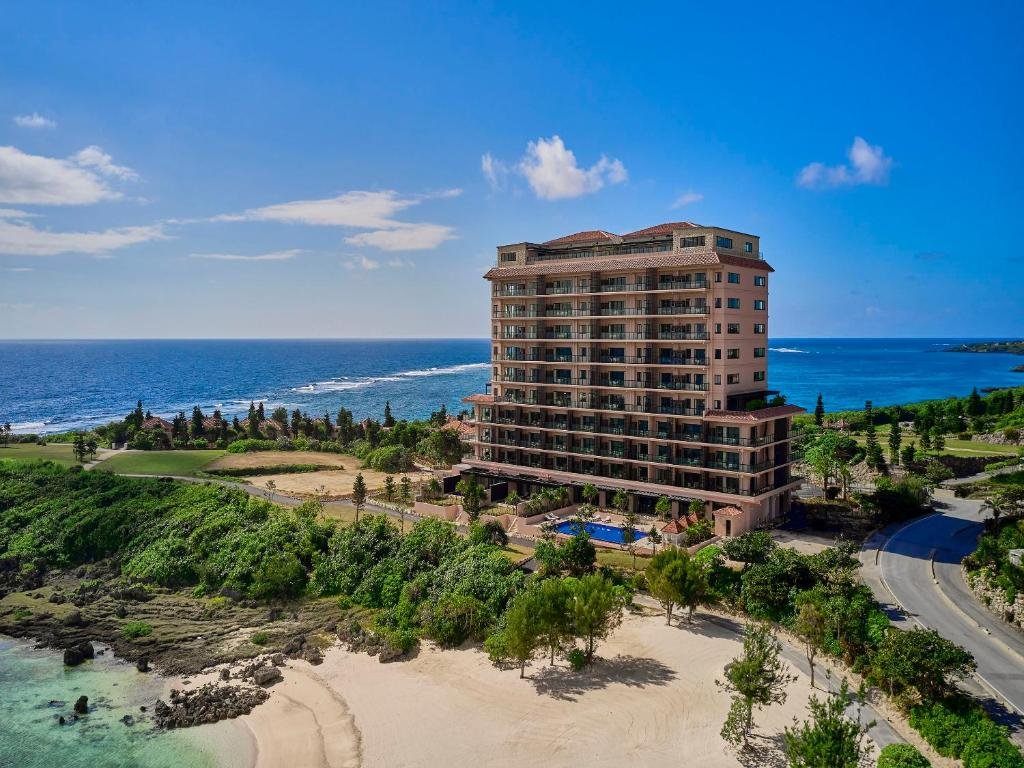
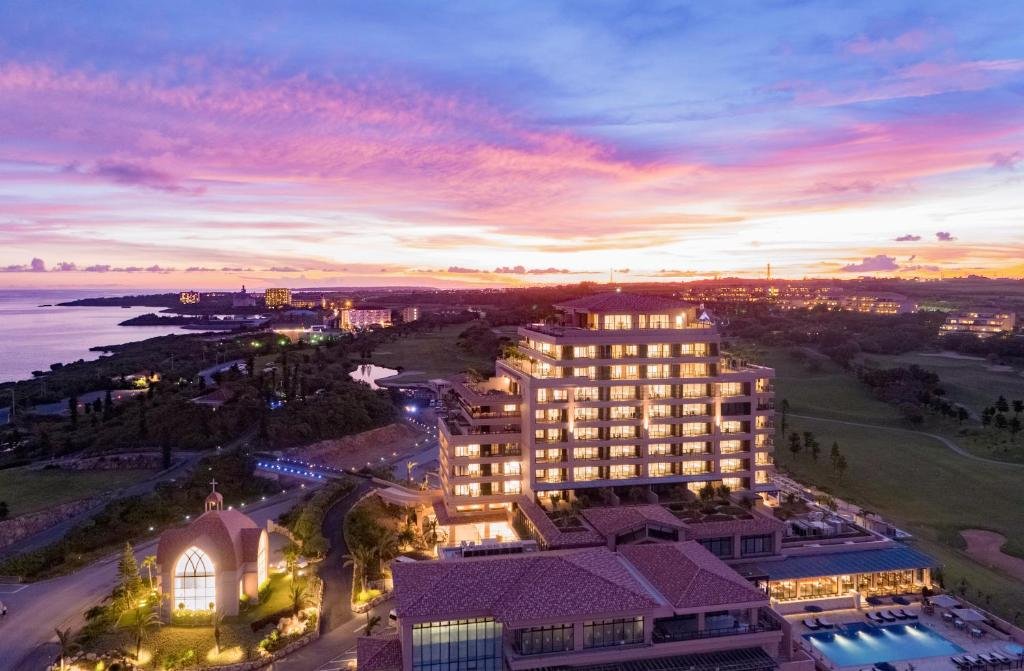
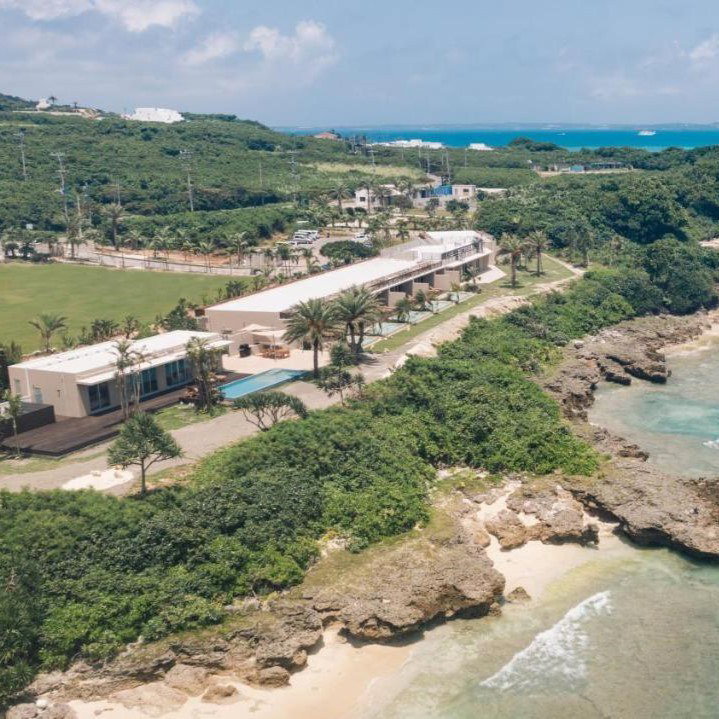
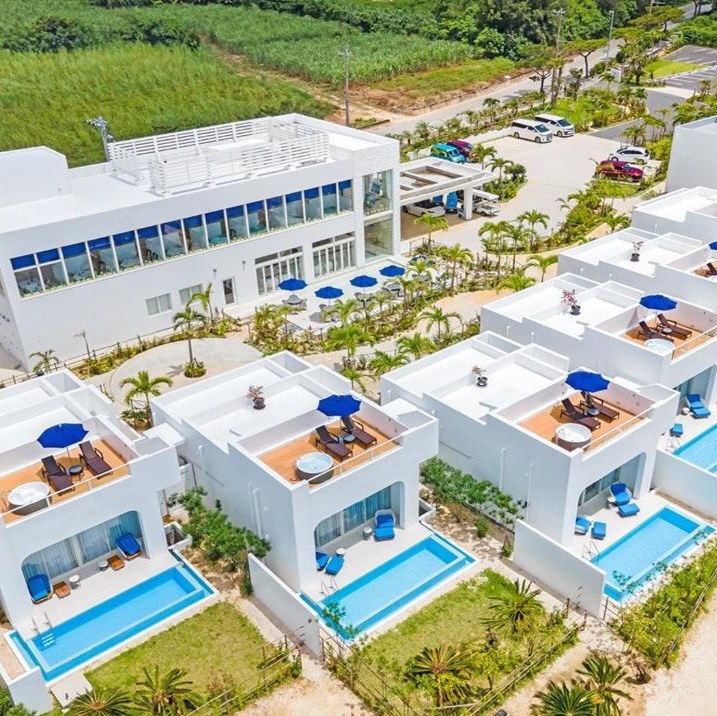
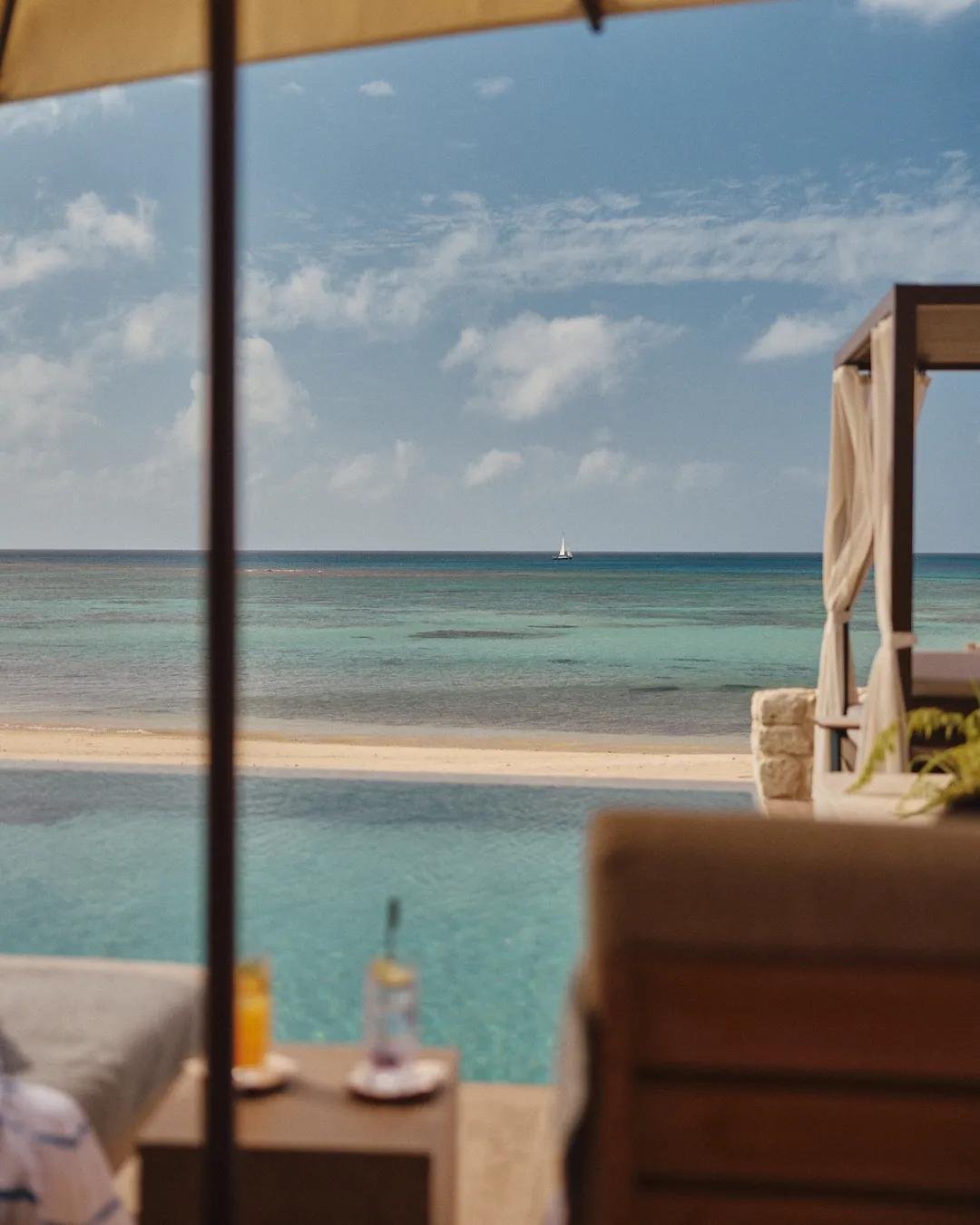
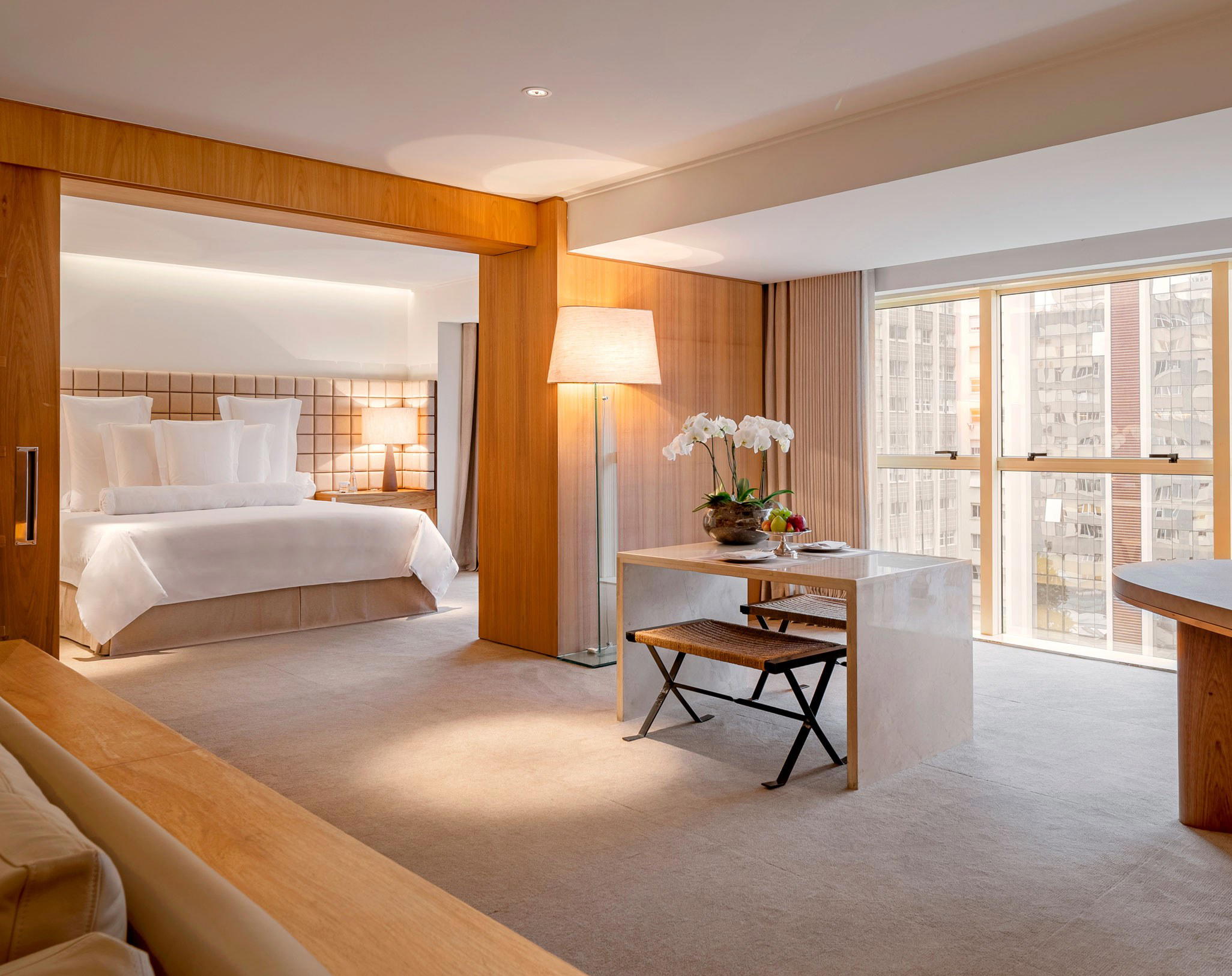
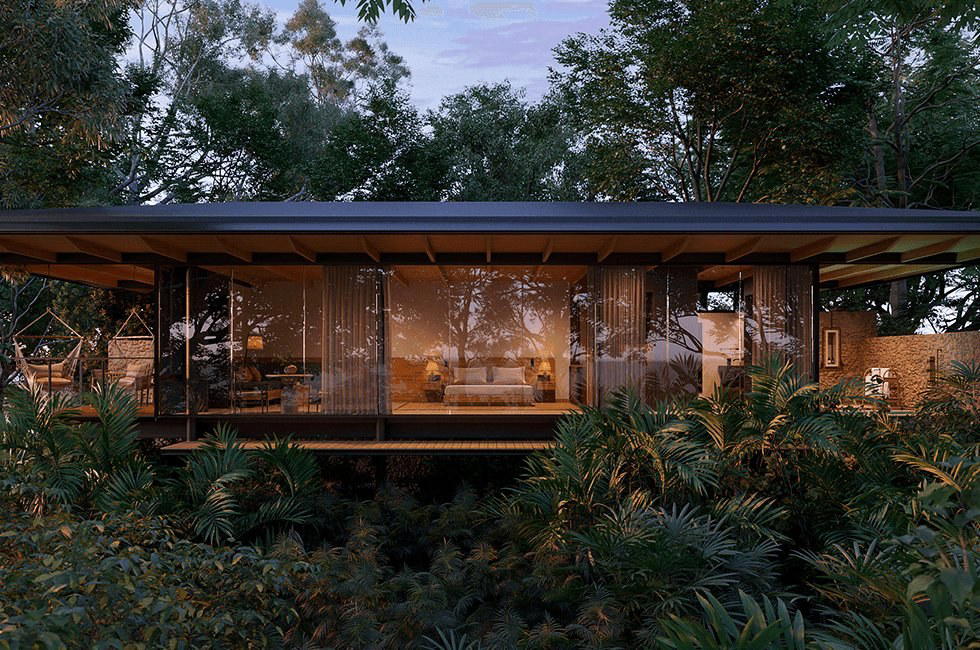
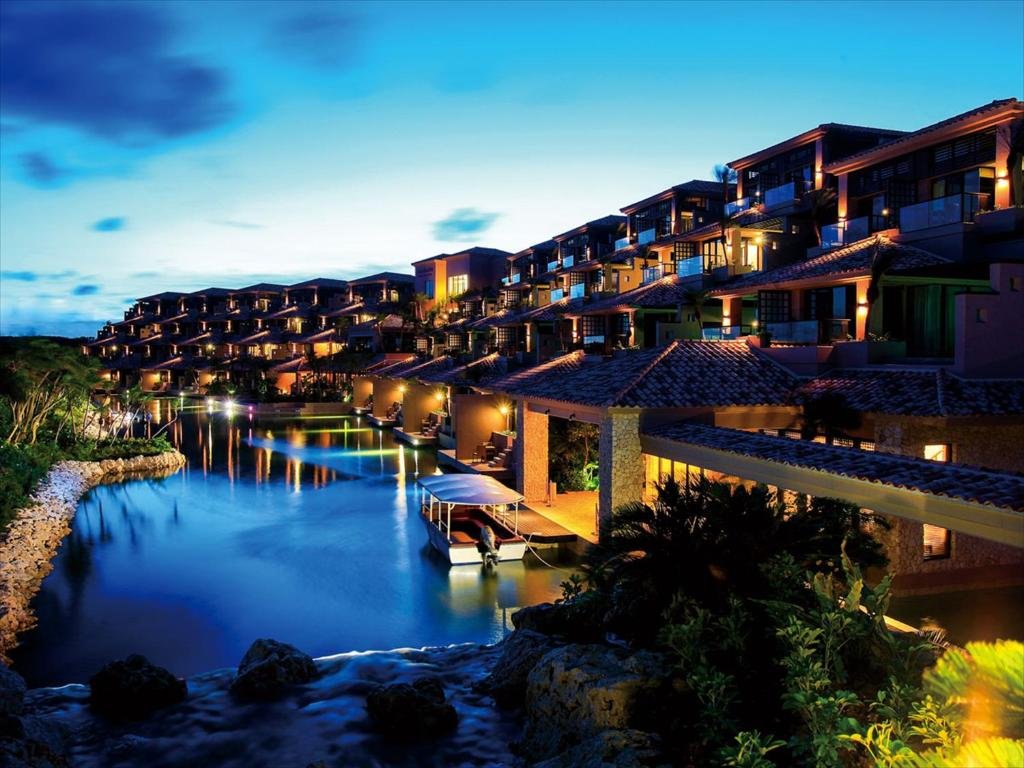
Shigira Bayside Suite Allamanda settles into a calm, seaside register defined by Miyako Blue waters and an unobstructed horizon. The property emphasizes space and privacy: dense, buffering vegetation leads guests through manicured grounds to suites that trade the bustle of larger resorts for quiet and restraint. The all-suite format pushes finishes and scale toward a residential feel, where the landscape and the sea are the primary stage. Seasonality matters here—the island’s subtropical light keeps the tone luminous, while shoulder months underscore the hotel’s peacefulness and appeal to travelers seeking a restorative shoreline escape.
Best For
This all-suite property suits travelers prioritizing privacy, coastal views and a relaxed pace. Couples and small groups looking for a quiet beach-focused stay appreciate the larger suite footprints and the reduced shared- space traffic that comes with an all-suite model. The island’s subtropical climate makes the hotel a year-round proposition: spring through early autumn delivers the clearest water, while shoulder months provide softer rates and emptier sands for visitors who want a quieter experience. Guests who value unobstructed horizons and a landscape-first setting will find the hotel particularly fitting.
Stay Tips
Plan around seasonality: aim for spring through early autumn if seeing the clearest Miyako Blue is essential, and consider shoulder months for quieter beaches and more gentle rates. The property’s all-suite format implies fewer, larger accommodations and a tighter guest-to-staff ratio, so book suites early in peak periods to secure preferred layouts and views. Expect a stay oriented around the coastline and grounds rather than a heavy public-amenity program; prioritize room location and direct beach access when selecting your suite.
Venue details
Ambiance
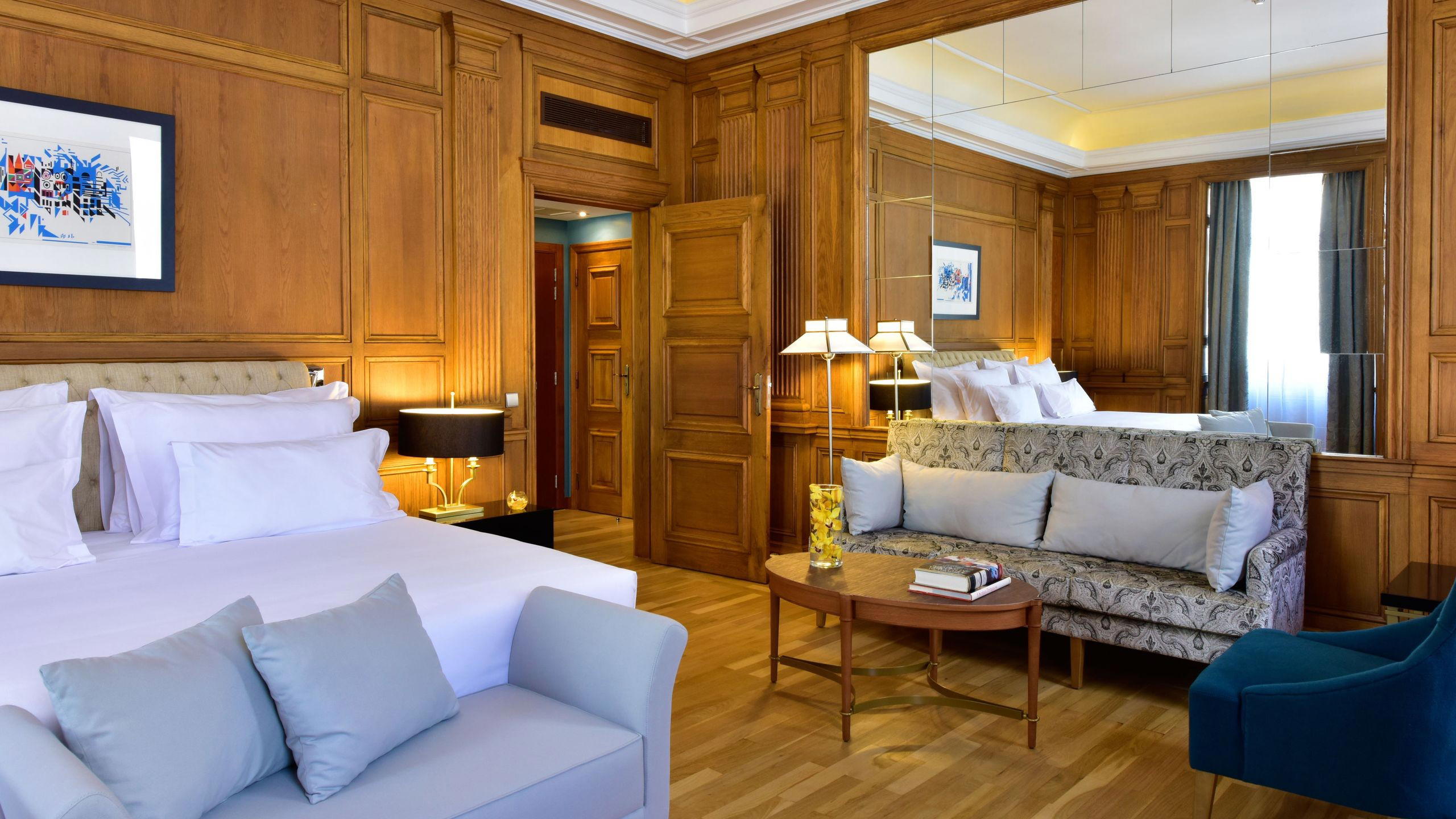
Serene and elegant with ocean views, lush gardens, and relaxing poolside atmosphere praised for exceptional staff service.
Tags
Vibe
Best For
Experience
Amenities
View
Accessibility
About the Stay
- Rooms
- 174
- Check-in
- 15:00
- Check-out
- 11:00
- Property Style
- Luxury Beachfront Resort with Suite Villas and Private Pools
- Design Style
- Modern Elegant with Ocean Inspired Minimalist Luxury
Know before you go
Know Before You Go
- Getting there
- Arazato-926-25 Ueno, Miyakojima, Okinawa 906-0203
Planning details
Location
Arazato-926-25 Ueno, Miyakojima, Okinawa 906-0203 · Directions
Recognition and awards

Also consider
Where to look if this is not the right fit
If the stay is for a couple and privacy is the main goal, compare The Shigira before choosing here. If the group wants a newer luxury name with a stronger statement-hotel feel, check Rosewood Miyakojima.
For travelers keeping the decision practical, Miyakojima Tokyu Hotel & Resorts and Blue Ocean Hotel & Resort Miyakojima are the sensible backups to compare on room fit, setting, and availability.
Hotel context
How it compares with Miyakojima resort peers
Choose Shigira Bayside Suite Allamanda if the priority is a polished resort base that feels manageable for a first Miyakojima trip. Hotel Shigira Mirage is the closer comparison for travelers who want to stay within a similar resort orbit, while The Shigira is the one to check when privacy and a more rarefied stay matter more than broad family convenience.
Rosewood Miyakojima is the sharper cross-shop for travelers chasing the newest high-luxury signal on the island. Shigira Bayside Suite Allamanda makes more sense when the decision is about a proven resort stay and easier booking, especially for families who value comfort and a less complicated daily rhythm.
Miyakojima Tokyu Hotel & Resorts is the practical alternative to check for a broader resort-hotel feel, while Blue Ocean Hotel & Resort Miyakojima is worth comparing if the group wants a smaller-scale stay. For a first-timer who wants a balanced resort choice without overcomplicating the search, Shigira Bayside Suite Allamanda remains the safer middle lane.
Explore Miyakojima
Around this place
Discover more on Pearl
Unlock the full Shigira Bayside Suite Allamanda guide in Pearl, including awards, comparisons, FAQs, planning details, and nearby places.
Compare Shigira Bayside Suite Allamanda
| Venue | Location | Awards |
|---|---|---|
| Shigira Bayside Suite Allamanda | Miyakojima | Small Luxury Hotels Member 2025 |
| Hotel Shigira Mirage | Miyakojima | Small Luxury Hotels Member 2025 |
| The Shigira | Miyakojima | Small Luxury Hotels Member 2025 |
| Miyakojima Tokyu Hotel & Resorts | Okinawa | Preferred Hotels Member 2025 |
| Rosewood Miyakojima | Miyakojima | 2026 Travel + Leisure It List HotelsTown & Country Hotel Awards 20262025 Michelin 2 Keys |
| Blue Ocean Hotel & Resort Miyakojima | Miyakojima | No published awards |




How Shigira Bayside Suite Allamanda Miyakojima compares with similar nearby venues.
FAQ
Frequently Asked Questions
How does Shigira Bayside Suite Allamanda compare to nearby hotels?
The safest comparison is based on confirmed needs rather than assumptions. Consider Shigira Bayside Suite Allamanda alongside Hotel Shigira Mirage, The Shigira, Rosewood Miyakojima, Miyakojima Tokyu Hotel & Resorts, and Blue Ocean Hotel & Resort Miyakojima, then verify current facilities, room types, pricing, and policies directly with each property.
When is the best time to book Shigira Bayside Suite Allamanda?
How is the location of Shigira Bayside Suite Allamanda?
Do loyalty programs work at Shigira Bayside Suite Allamanda?
Shigira Bayside Suite Allamanda is a Small Luxury Hotels of the World Member in 2025. Specific loyalty earning, redemption, or benefits details are not listed here. If loyalty matters, compare the policies directly with Hotel Shigira Mirage or Rosewood Miyakojima before you commit.
Is Shigira Bayside Suite Allamanda family-friendly?
Family-specific facilities, policies, room layouts, and services are not listed here. If you are traveling with children, confirm current details directly with the property and compare them with Miyakojima Tokyu Hotel & Resorts or other Miyakojima options before booking.