


Rosewood Miyakojima
Hirara, Miyakojima
Hotel in Miyakojima, Japan
 Book with Pearl
The Read
Ryukyu Archipelago Seclusion
Why go
Rosewood Miyakojima is the splurge pick for a special-occasion stay on the island, backed by Michelin 2 Keys in 2025 plus 2026 recognition from Town & Country and Travel + Leisure. Book it when the hotel itself is a major part of the trip; cross-shop if you mainly need a practical Miyakojima base.
About Rosewood Miyakojima
Rosewood Miyakojima is a premium hotel in Miyakojima with a smart-casual dress code and notable hotel recognition, including Michelin 2 Keys (2025), Town & Country Hotel Awards (2026), and Travel + Leisure It List Hotels (2026).
The practical takeaway is simple: consider Rosewood Miyakojima if you want a recognized high-end stay in Miyakojima and are comfortable evaluating the booking based on its hotel recognition. For the final decision, confirm current rates, room details, facilities, and policies directly with the hotel before booking.
Book for the occasion, not just the address
Rosewood Miyakojima is best assessed as a premium Miyakojima hotel with its recognition, rather than by specifics such as pool, spa, dining, room size, or exact setting. If the trip is tied to a special occasion, the accolades may be part of the appeal, but the details that matter most to your stay should be checked directly before committing.
Travelers should also confirm whether the hotel's smart-casual dress code fits the kind of trip they are planning. That may matter more for guests who prefer a polished hotel environment than for travelers who want the simplest possible base in Miyakojima.
The room-category sweet spot is restraint
Avoid assuming that any particular category, view, layout, or upgrade is essential. Before booking, compare the hotel's current room descriptions and policies directly, then choose the option that matches your budget and reason for staying.
The same caution applies to timing, availability, and pricing. Rosewood Miyakojima's recognition may make it a compelling choice for some travelers. Confirm current availability through the hotel or your booking channel.
Who should cross-shop before committing
If you are comparing premium stays in Miyakojima, consider Rosewood Miyakojima alongside Ayanna Miyakojima, Blue Ocean Hotel & Resort Miyakojima, IRAPH SUI, a Luxury Collection Hotel, Miyako Okinawa, Miyakojima Tokyu Hotel & Resorts, and Shigira Bayside Suite Allamanda. These comparisons are most useful for checking current rates, room descriptions, hotel policies, and the kind of stay each property is presenting now.
Part of
Rosewood79 locations on PearlPlanning details
- Location
- Nikadori-1068-1 Hirara, Miyakojima, Okinawa 906-0008
- Website
- rosewoodhotels.com/jp/miyakojima
- Phone
- +81 980-79-8899
The take
The Take
The Vibe
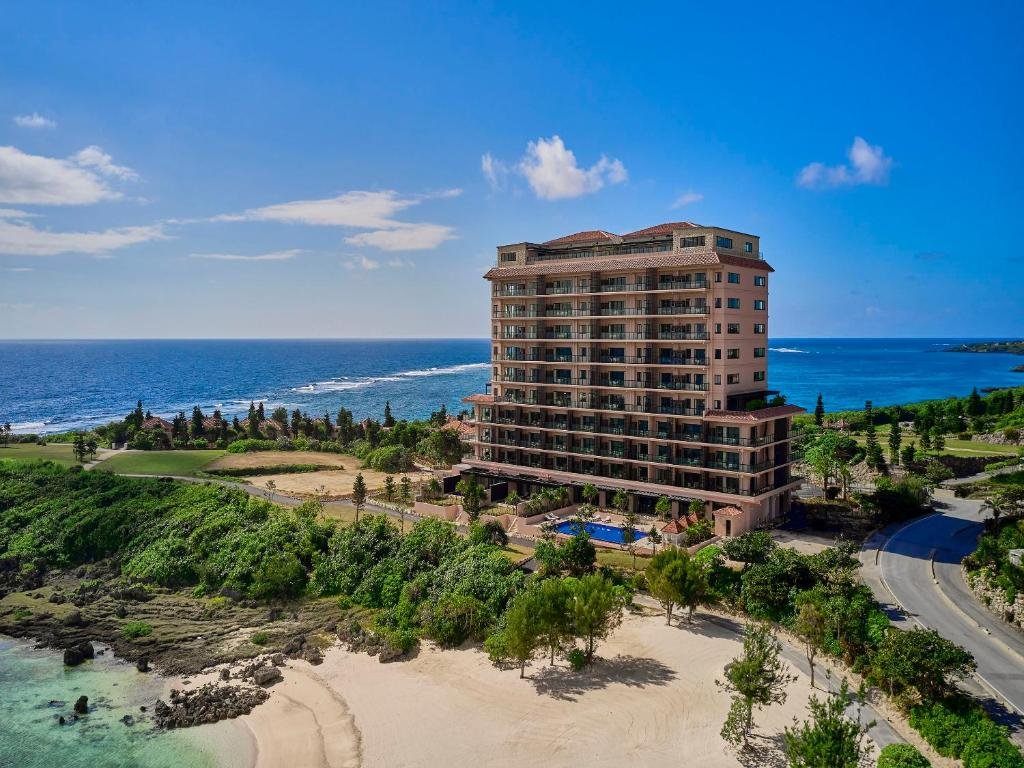
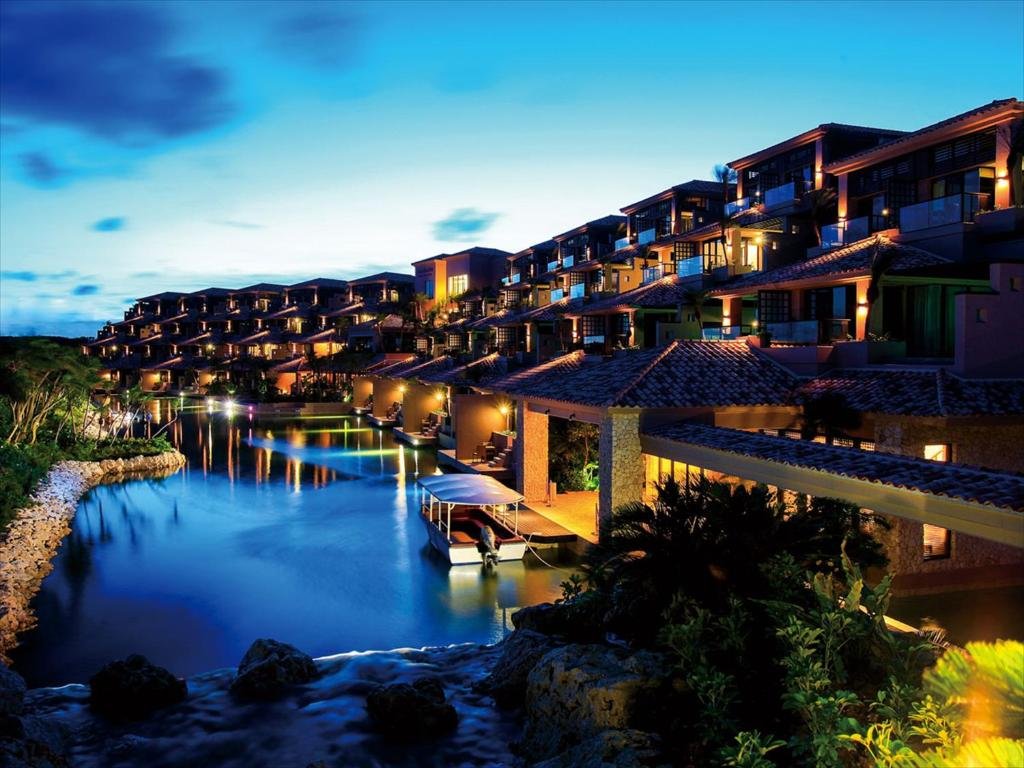
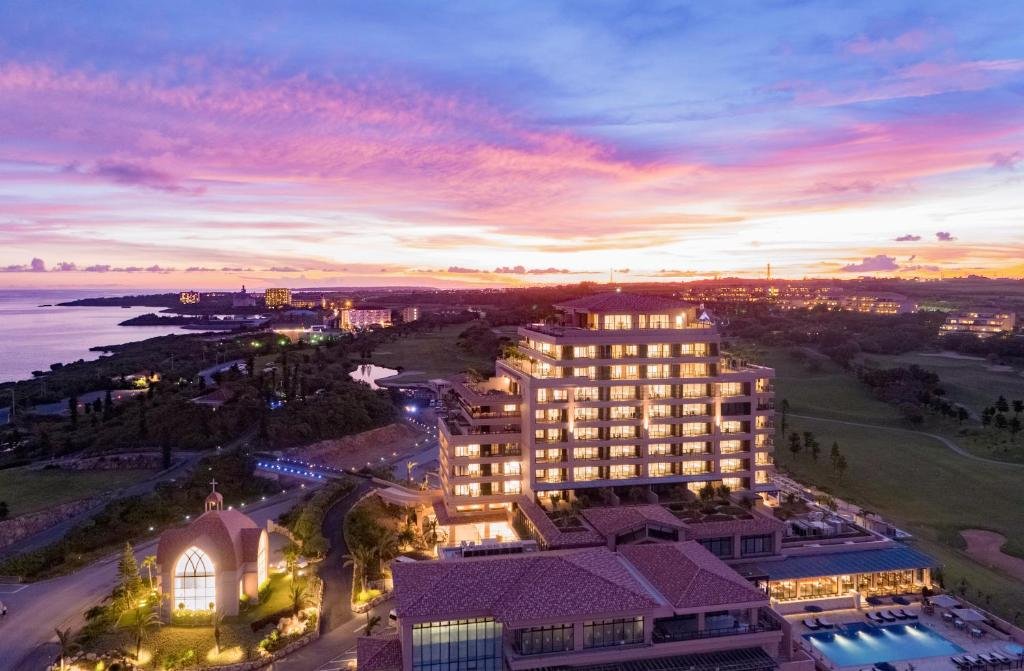
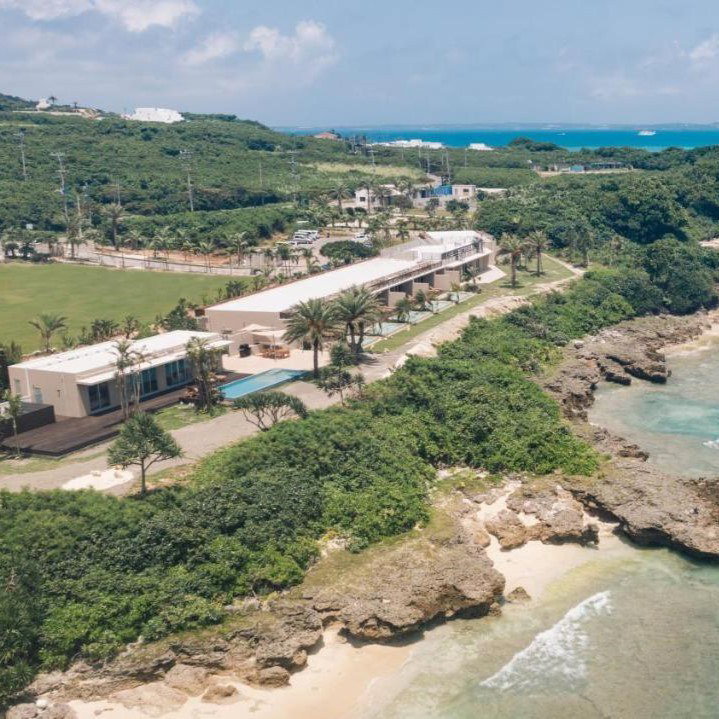
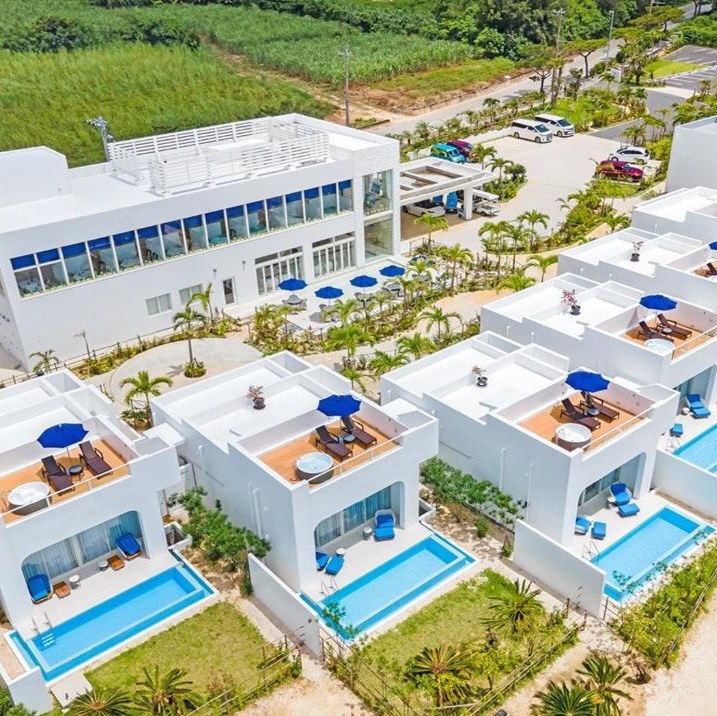
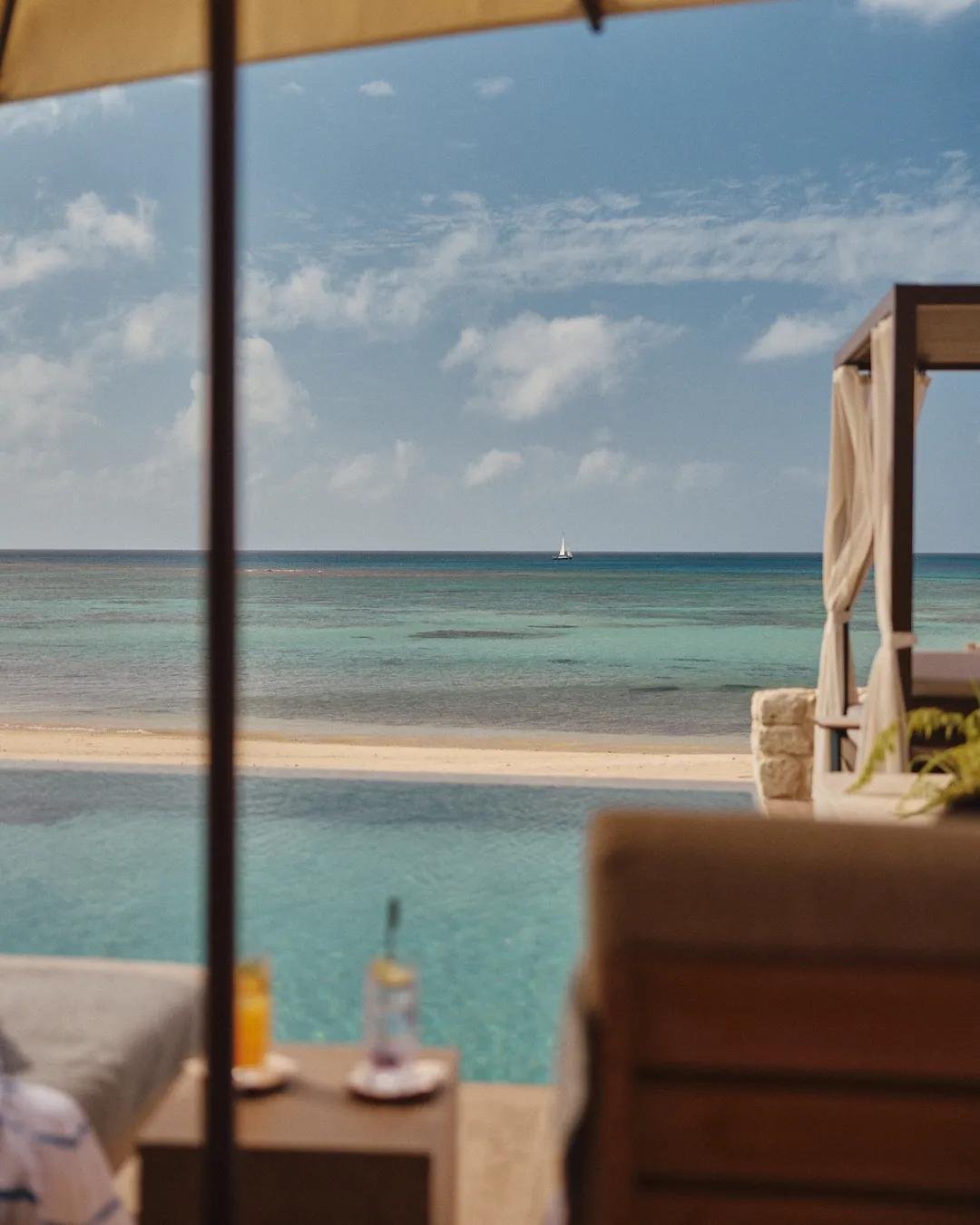
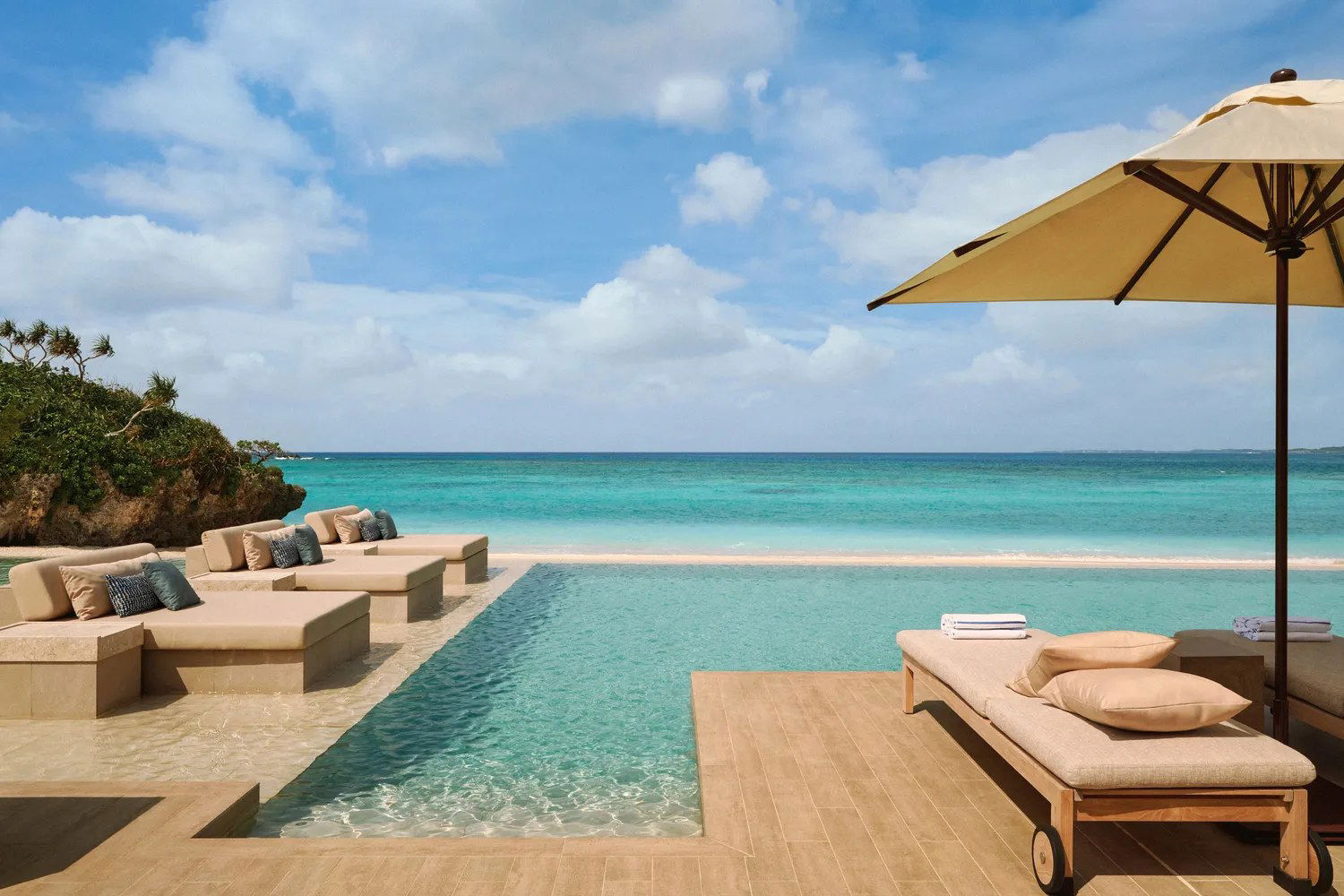
Rosewood Miyakojima reads as a remote, design-led resort that foregrounds privacy and the rhythms of the island. The property’s architecture consciously responds to light and sea, and the low-density configuration—fifty-five villas—creates a quietly intimate atmosphere rather than the bustle of a large resort. The setting on a crescent of white sand beside the open Pacific amplifies that sense of calm: vistas and seaside light shape both public spaces and accommodation. Overall the hotel feels contemporary and composed, offering polished luxury in a measured, restful register for guests who prize seclusion over spectacle.
Best For
This resort suits couples and small groups seeking a secluded, high-end island escape: honeymooners and those on romantic getaways will appreciate the privacy and measured pace, while wellness-minded travelers gravitate to the quiet, low-density layout. Families who want villa accommodation and space to spread out also find the scale accommodating. The property’s design-led focus and remote location make it less appropriate for travelers seeking vibrant nightlife or constant activity; instead it rewards those who want to slow down, take in coastal light, and enjoy a more contemplative beachside stay.
Stay Tips
Plan travel logistics carefully: access requires a flight via Naha followed by a local service to Miyako Airport, and the drive from the terminal to the resort takes under twenty minutes. Given the small villa count and the resort’s low-density positioning, book well in advance—especially for peak travel periods—to secure the specific villa type or location you want. Expect a deliberate, restful pace on property; allow extra connection time when routing through Tokyo or Naha and arrange transfers ahead of arrival to minimize any inconvenience on a remote island.
Venue details
Ambiance
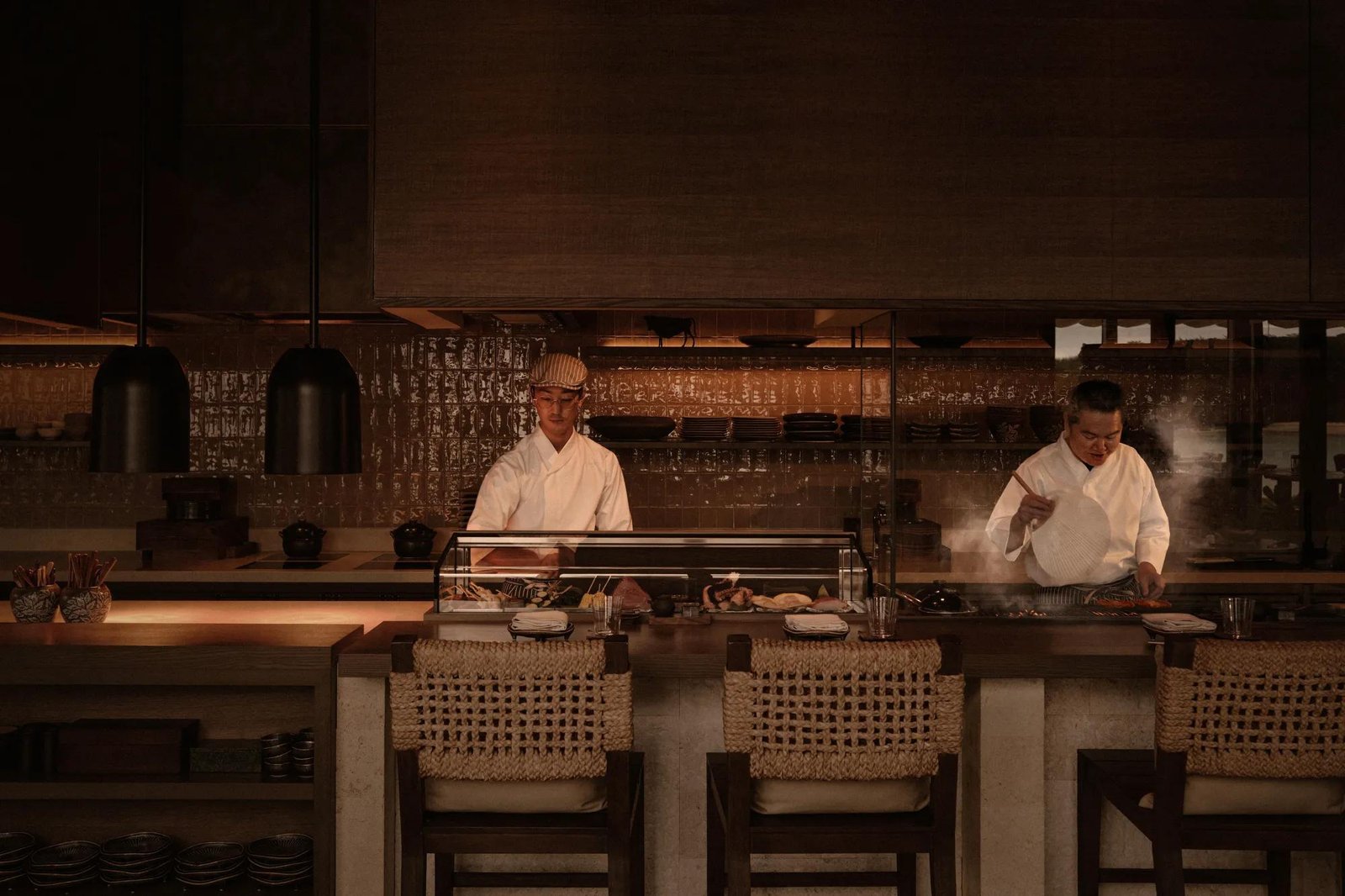
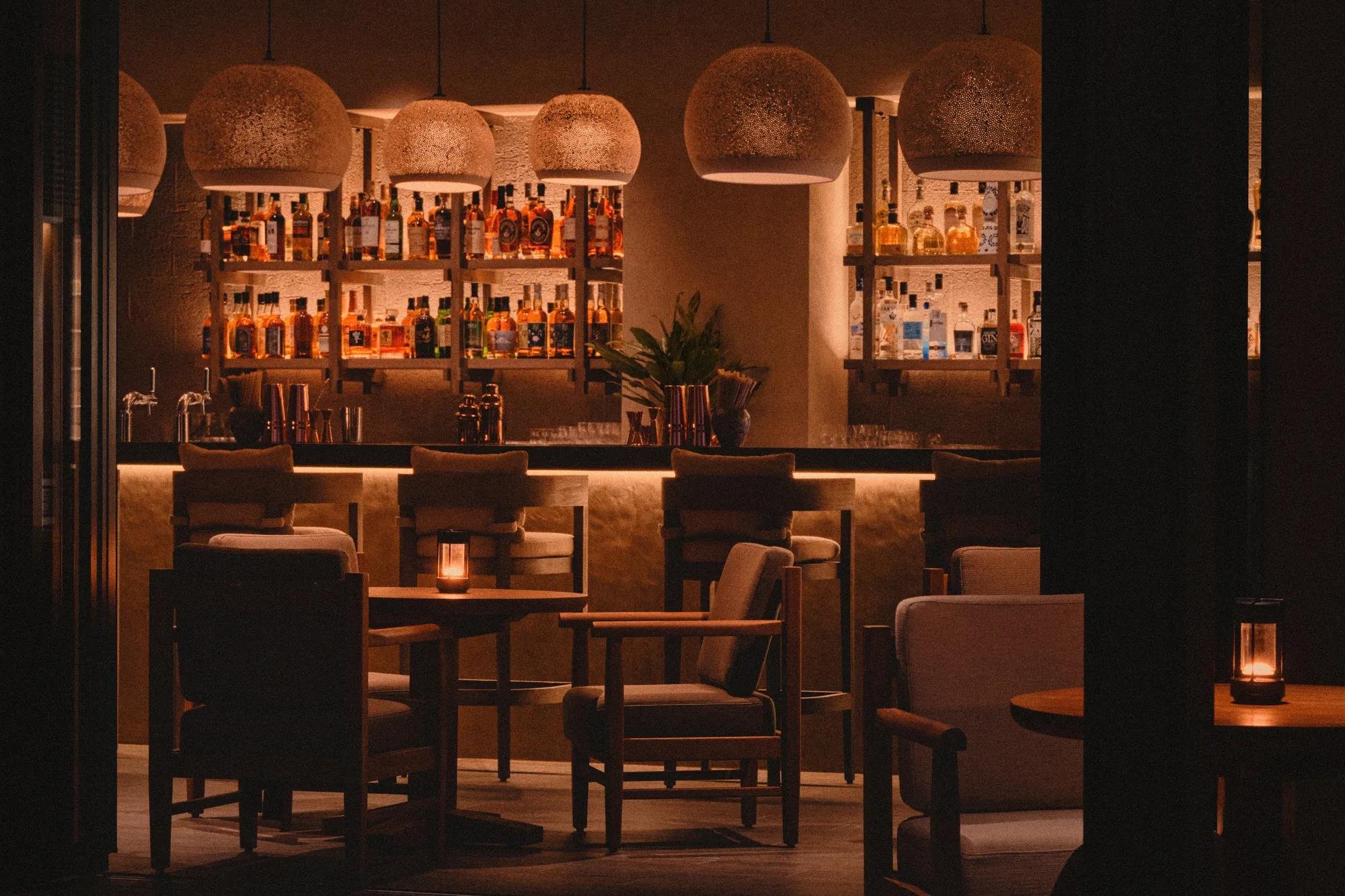
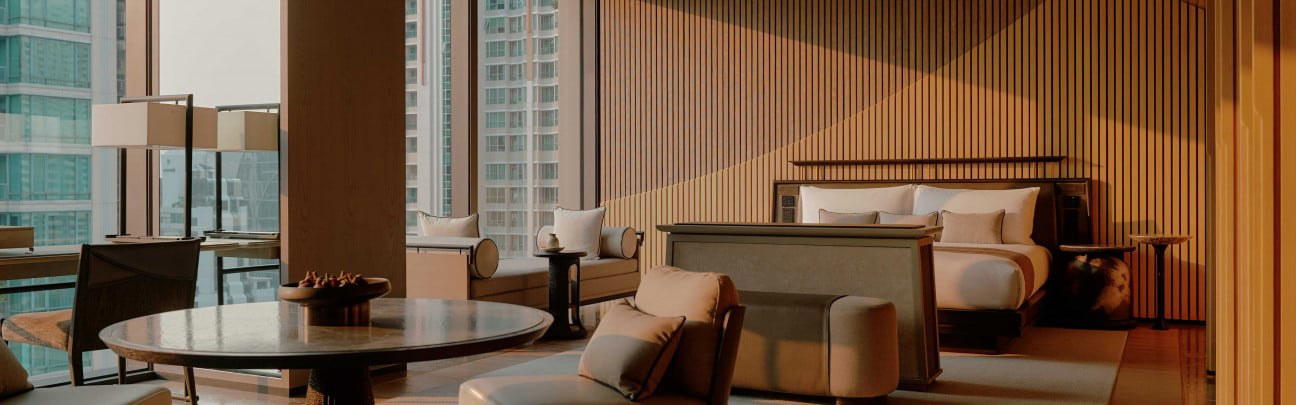
Serene and immersive with natural materials, subtle tones, soft lighting from modern white lanterns, and seamless indoor-outdoor flow to ocean views.
Tags
Vibe
Best For
Experience
Amenities
View
Accessibility
About the Stay
- Rooms
- 55
- Check-in
- 15:00
- Check-out
- 12:00
- Property Style
- Low Density Luxury All Villa Beach Resort Fusing Okinawan Heritage with Contemporary Design.
- Design Style
- Minimalist Wabi Sabi with Coral Stone, Natural Woods, Light Watery Tones, and Organic Shapes by Piet Boon.
Know before you go
Know Before You Go
- Getting there
- Nikadori-1068-1 Hirara, Miyakojima, Okinawa 906-0008
Planning details
Location
Nikadori-1068-1 Hirara, Miyakojima, Okinawa 906-0008 · Directions
Recognition and awards

Also consider
Where to Look If You Can't Book
Start with IRAPH SUI, a Luxury Collection Hotel, Miyako Okinawa if the brief is still luxury on Miyakojima. If the goal is resort comfort with potentially more booking flexibility, check Shigira Bayside Suite Allamanda next.
Hotel context
How It Compares
Rosewood Miyakojima is the premium special-occasion choice in this Miyakojima set. It is the one to prioritize when recognition, resort polish, and a high-stakes celebration matter more than squeezing maximum nights from the budget. IRAPH SUI, a Luxury Collection Hotel, Miyako Okinawa is the closest luxury-brand cross-shop, especially for travelers who want a comparable resort frame but need another availability path.
For value and ease, look beyond the headline splurge. Blue Ocean Hotel & Resort Miyakojima and Ayanna Miyakojima make more sense if the room is mainly a base for island time. Miyakojima Tokyu Hotel & Resorts is the more conventional resort comparison for travelers who want a broad leisure setup without committing to the highest-end positioning.
Shigira Bayside Suite Allamanda is the practical resort alternative if Rosewood availability is tight or the desired room category pushes the stay beyond the comfort zone. The call is simple: book Rosewood for the occasion; cross-shop Shigira or IRAPH SUI when flexibility, category availability, or budget control matters more.
Explore Miyakojima
Around this place
Discover more on Pearl
Unlock the full Rosewood Miyakojima guide in Pearl, including awards, comparisons, FAQs, planning details, and nearby places.
Compare Rosewood Miyakojima
| Venue | Location | Awards |
|---|---|---|
| Rosewood Miyakojima | Miyakojima | 2026 Travel + Leisure It List HotelsTown & Country Hotel Awards 2026Michelin 2 Keys 20252025 Michelin 2 Keys |
| Blue Ocean Hotel & Resort Miyakojima | Miyakojima | No published awards |
| Ayanna Miyakojima | Miyakojima | No published awards |
| IRAPH SUI, a Luxury Collection Hotel, Miyako Okinawa | Miyakojima | No published awards |
| Miyakojima Tokyu Hotel & Resorts | Okinawa | Preferred Hotels Member 2025 |
| Shigira Bayside Suite Allamanda | Miyakojima | Small Luxury Hotels Member 2025 |

How Rosewood Miyakojima compares with similar nearby venues.
FAQ
Frequently Asked Questions
Do loyalty programs work at Rosewood Miyakojima?
Is Rosewood Miyakojima good for business travel?
What is check-in like at Rosewood Miyakojima?
When is the best time to book Rosewood Miyakojima?
Which room category is best at Rosewood Miyakojima?
Review the current room descriptions before booking and choose based on your budget and trip needs.
How does Rosewood Miyakojima compare to nearby hotels?
Rosewood Miyakojima stands out for its recognition including Michelin 2 Keys (2025), Town & Country Hotel Awards (2026), and Travel + Leisure It List Hotels (2026). For comparison, travelers can also review Ayanna Miyakojima, Blue Ocean Hotel & Resort Miyakojima, IRAPH SUI, a Luxury Collection Hotel, Miyako Okinawa, Miyakojima Tokyu Hotel & Resorts, and Shigira Bayside Suite Allamanda.