
Hotel in Milan, Italy
STRAF
200Pearl PointsCentral Milan Base


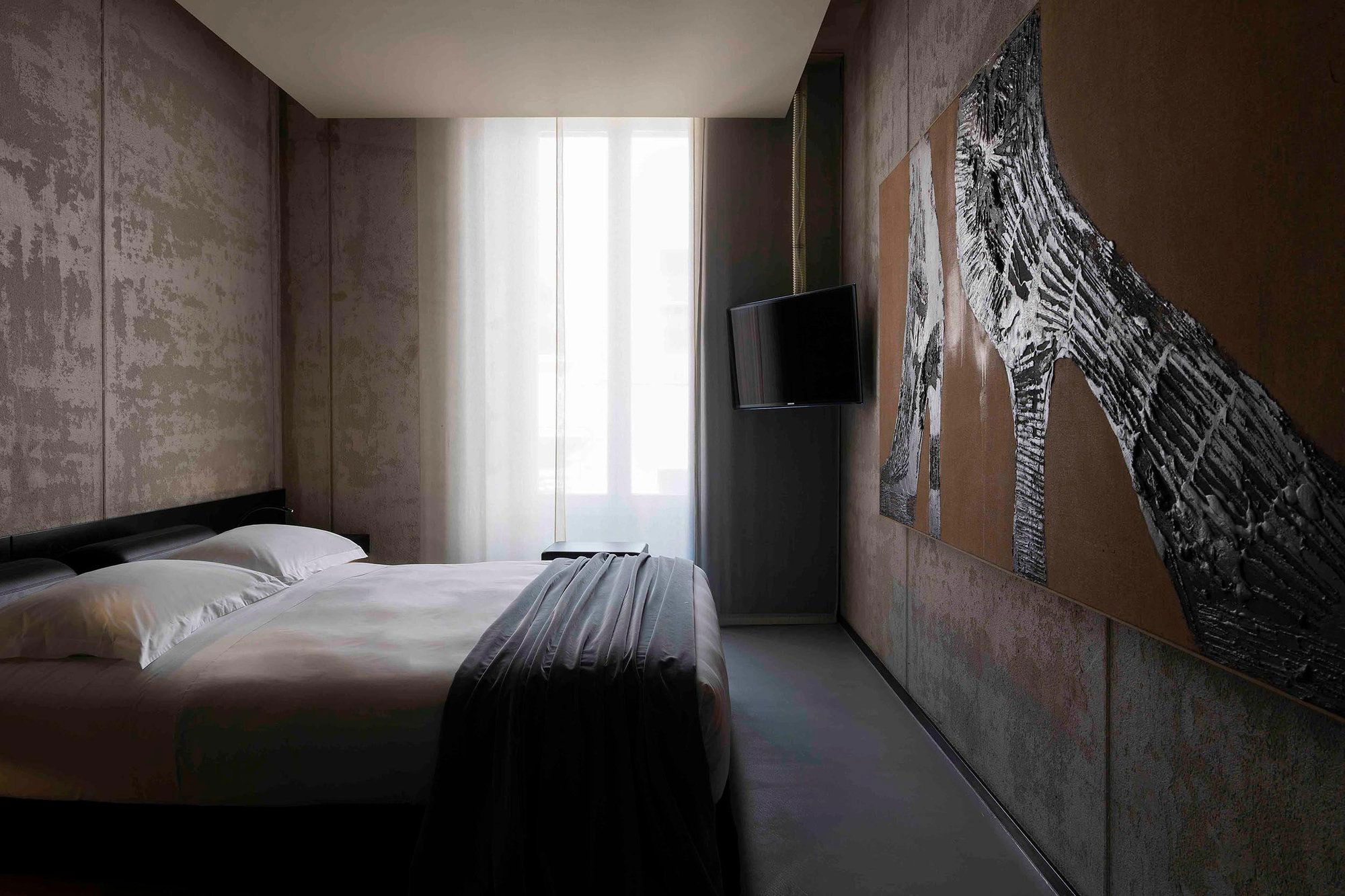
About STRAF
STRAF is worth considering for a first Milan stay if location and design matter more than a full resort-style hotel setup. Its Duomo-side address makes it useful for shopping, sightseeing, bars, and restaurants, while Design Hotels and MICHELIN hotel-selection recognition add credibility. Cross-shop if the trip depends on a major spa, pool, or destination dining program.
STRAF is a Milan hotel with two clearly verified recognition points: it is listed as a 2026 Design Hotels member and appears in the MICHELIN Guide hotel selection for 2025. Those are meaningful signals, but they are also the boundaries of what can be stated with confidence here. Beyond those confirmed signals, the verified profile is intentionally limited, so the safest way to evaluate STRAF is as a Milan stay with design-hotel recognition rather than by relying on unverified claims about a specific address, district, restaurant, spa, or room experience. In other words, the hotel can reasonably sit on a Milan shortlist for travelers who value external design and hotel-guide visibility, while still requiring a careful check of the practical details that often shape the actual stay.
For trip planning, use STRAF as one hotel option in Milan and confirm any stay-specific priorities directly before booking. The verified dress code is smart casual, which gives only a broad style cue rather than a full picture of the atmosphere, and details such as dining format, wellness facilities, room count, pricing, or service style are not established here. That makes it especially important to separate what is verified from what may simply be assumed about a design-oriented hotel. If meals are a major part of the trip, plan them separately through Milan restaurants guide rather than assuming the hotel will define the dining itinerary.
Choose it for verified design-hotel recognition, not unverified extras
The clearest case for STRAF is its confirmed recognition: 2026 Design Hotels membership and inclusion in the 2025 MICHELIN Guide hotel selection. Those facts support considering it if you are specifically looking at Milan hotels with design-led positioning and external hotel-guide visibility. They do not, on their own, describe the full experience, but they do provide a grounded reason to pay attention to the property in a city where travelers may be comparing many hotel options across different styles and levels of detail.
What should not drive the decision are details that are not verified here. Do not book on the assumption of a particular street location, landmark proximity, restaurant program, spa setup, pool access, room size, or price category unless those points are confirmed during your own booking process. This distinction matters because hotel recognition can establish a broad editorial or design context without answering every practical question a traveler may have before committing. For broader comparison shopping, use Milan hotels guide, and for evenings outside the hotel, use Milan bars guide.
The right guest is a Milan traveler who values confirmed design credentials
STRAF fits best for a traveler who wants a Milan hotel with verified design-hotel recognition and is comfortable confirming practical details before committing. The smart-casual dress code is the only confirmed style guidance here, and the recognition record is the strongest verified reason to keep it on a shortlist. That profile suits someone who is willing to treat the hotel's confirmed credentials as a starting point, then fill in the remaining questions through direct booking research rather than relying on assumptions.
If your decision depends on a more specific hotel feature, compare STRAF carefully with other Milan options and verify the details that matter most. That may mean checking the exact points that will affect your own trip before deciding whether the verified recognition is enough to proceed. The simple read: consider STRAF for its confirmed Design Hotels and MICHELIN Guide hotel-selection signals; cross-shop if you need certainty on amenities, dining, exact location, or a more detailed service profile.
Frequently Asked Questions
How does STRAF compare to nearby hotels?
STRAF can be compared with other Milan hotel options such as Park Hyatt Milan, Room Mate Giulia, The Street Milano Duomo, Galleria Vik Milano, and Sina The Gray. The verified case for STRAF is its 2026 Design Hotels membership and 2025 MICHELIN Guide hotel selection; for any more specific comparison, confirm amenities, location details, room categories, and pricing directly before booking.
How is the pool and spa at STRAF?
The verified data here does not establish pool or spa details for STRAF. If wellness facilities are important, confirm them directly with the hotel and compare that information with other Milan options such as Park Hyatt Milan before booking.
How is the location of STRAF?
STRAF is in Milan. No more specific location detail is verified here, so travelers should confirm the exact setting and access needs directly during booking.
What is STRAF known for?
STRAF is known here for its verified recognition as a 2026 Design Hotels member and for being selected in the 2025 MICHELIN Guide hotel selection. The verified dress code is smart casual.
Location
Via S. Raffaele, 3, 20121 Milano MI, Italy
Milan, Italy
Compare STRAF
| Venue | Booking Difficulty |
|---|---|
| STRAF | Easy |
| Sina The Gray | Unknown |
| The Street Milano Duomo | Unknown |
| Room Mate Giulia | Unknown |
| Galleria Vik Milano | Unknown |
| Park Hyatt Milan | Unknown |
A quick look at how STRAF compares on price and recognition.
Also Consider
- Sina The Gray, Notable alternative
- The Street Milano Duomo, Notable alternative
- Room Mate Giulia, Notable alternative
- Galleria Vik Milano, Notable alternative
- Park Hyatt Milan, Notable alternative
How STRAF compares with nearby Milan hotels
Choose STRAF over Sina The Gray or The Street Milano Duomo if the priority is a design-led central base with a vetted hotel profile. For a first Milan trip, all three make sense on location; STRAF is the cleaner choice when atmosphere and design credibility matter more than a larger-property feel.
Room Mate Giulia is the easier cross-shop for travelers who want a friendlier, less formal city-break mood near the same central orbit. Galleria Vik Milano is better suited to guests who want the hotel itself to feel more gallery-like and theatrical; STRAF is the more restrained pick if the plan is to spend more time out in Milan than inside the property.
If budget allows and classic luxury service is the point, Park Hyatt Milan is the stronger splurge. STRAF is the value-conscious design alternative in this set: book it for location and style, not for a grand hotel experience.
Recognized By


Explore Milan
Save or rate STRAF on Pearl
Keep this venue in your Pearl passport, rate it after you visit, and track it alongside every other place you collect.